
Before modern grocery stores made food easy to get, cooks had to be clever with every ingredient they had. Many beloved recipes we enjoy today were actually invented to stretch costly items like meat, spices, and butter across more servings.
These dishes turned scarcity into creativity, and the results were so delicious that they stuck around for generations. From French peasant stews to British puddings, these recipes prove that necessity truly is the mother of invention.
1. French Bouillabaisse
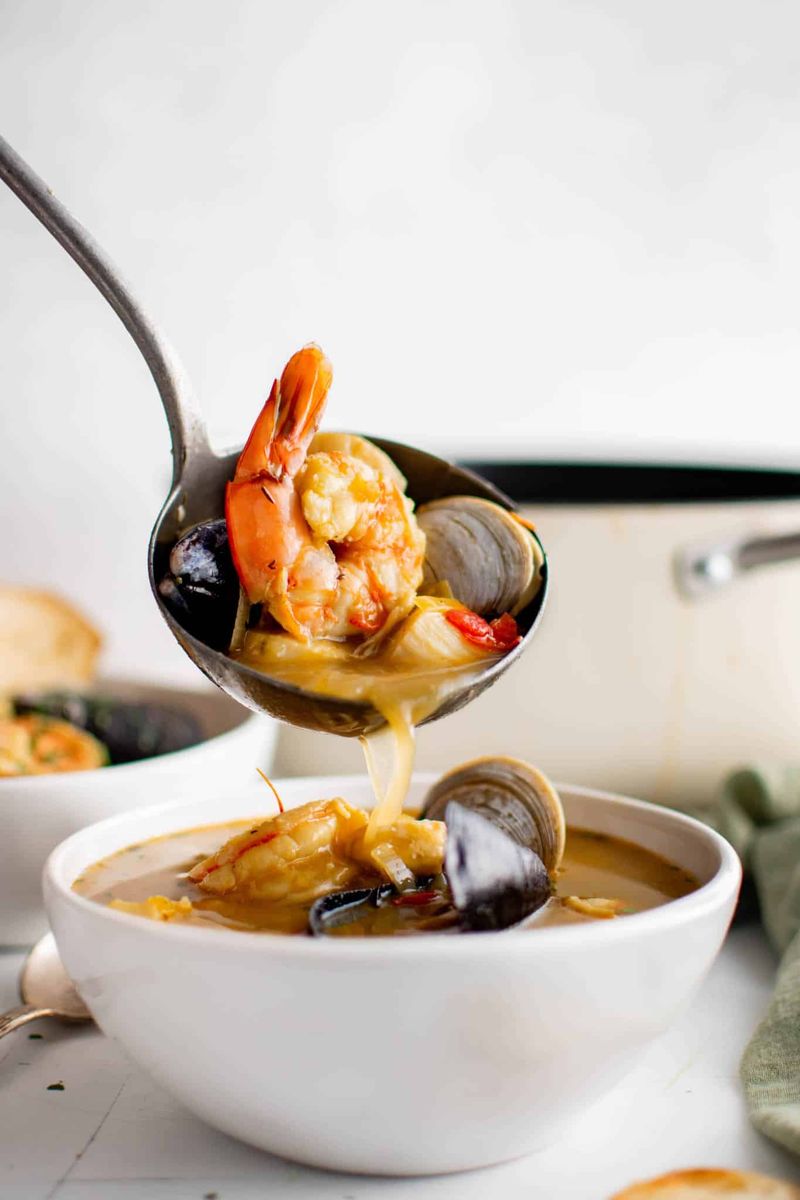
Fishermen along the coast of Marseille, France, had a problem: the bony, unsellable fish leftover from market day were piling up. So they tossed them into a pot with saffron, a wildly expensive spice, using just a pinch to flavor a large pot of broth.
Bouillabaisse was born from that clever stretch. Today it is considered a luxury dish, but its roots are purely practical.
A little saffron went a very long way.
2. English Bread Pudding

Stale bread was never thrown away in old English households. Instead, cooks soaked it in a mixture of eggs, milk, and sugar to create a warm, comforting dessert that used up every last crumb.
Eggs and sugar were pricey back then, so stretching them through a whole loaf of bread made good financial sense. The result was a rich, satisfying pudding that remains a British classic to this day.
3. Italian Ribollita
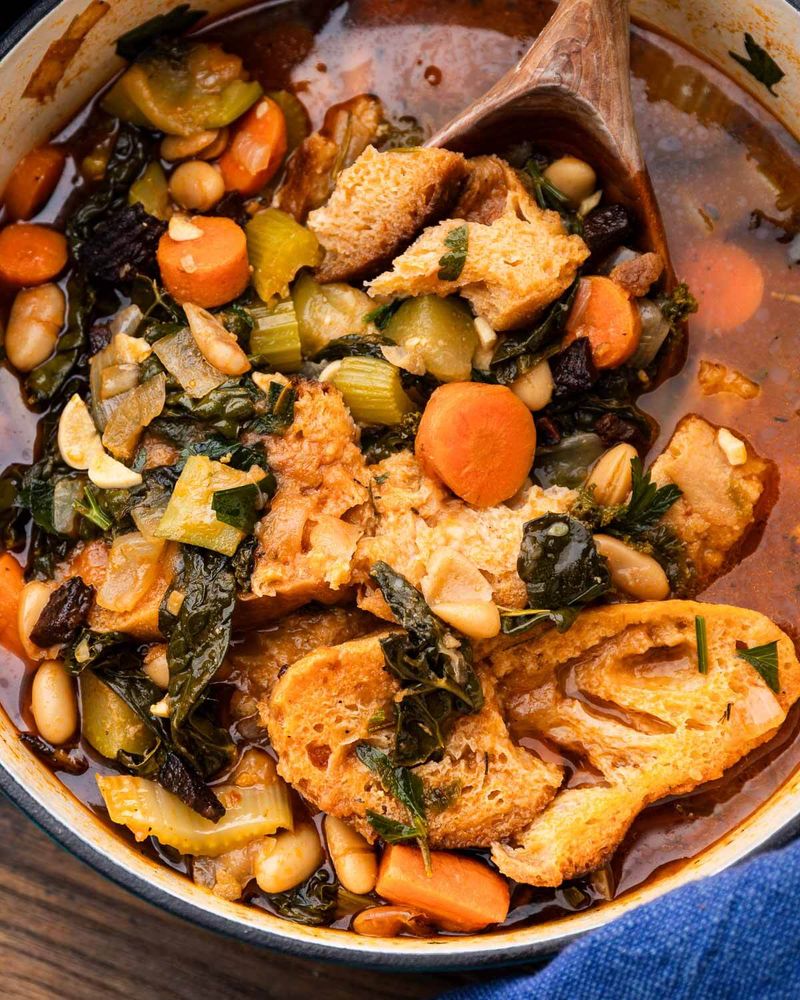
Ribollita, which means “reboiled” in Italian, started as a way for Tuscan peasants to get the most out of leftover minestrone soup. Stale bread was added to the pot and the whole thing was reheated, making the soup thicker and more filling.
Meat was far too expensive to use every day, so beans and bread did the heavy lifting. Ribollita turned humble leftovers into a meal hearty enough to fuel a full day of farm work.
4. Scottish Haggis
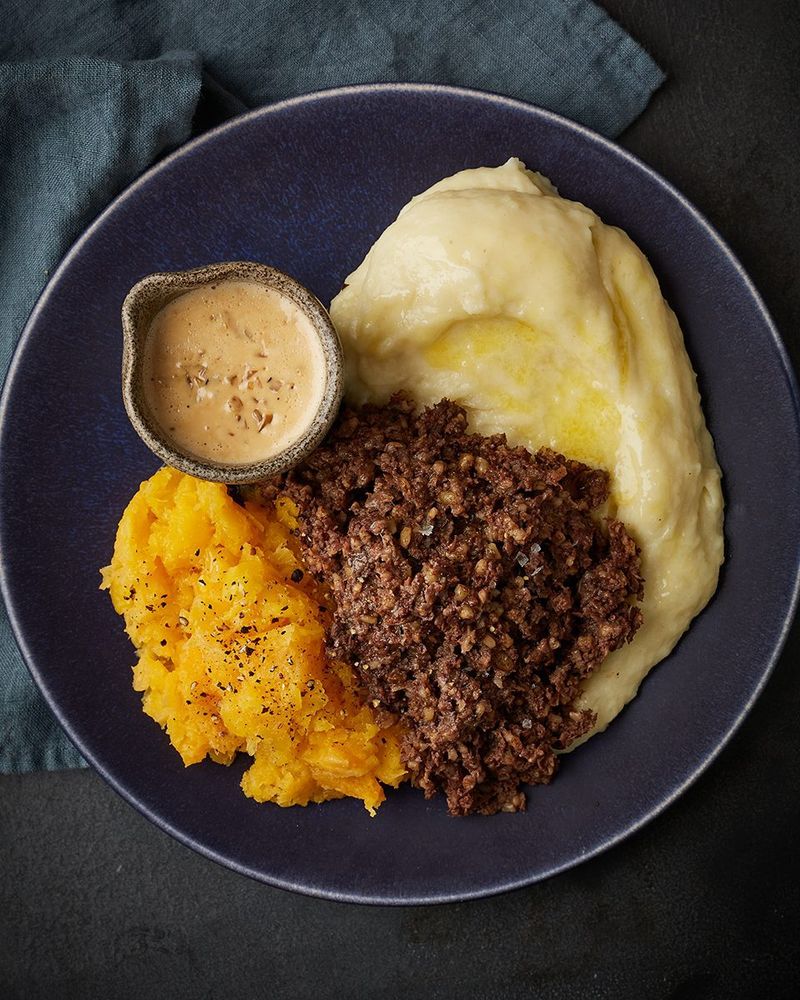
When a sheep was slaughtered in old Scotland, wasting any part of it was simply not an option. Haggis was created to use the offal, which includes the heart, liver, and lungs, mixed with oatmeal and spices and cooked inside the stomach lining.
Oatmeal was cheap and plentiful, making it a perfect filler to stretch those organ meats into a full, satisfying meal. Haggis became a symbol of Scottish pride and resourcefulness.
5. Spanish Gazpacho
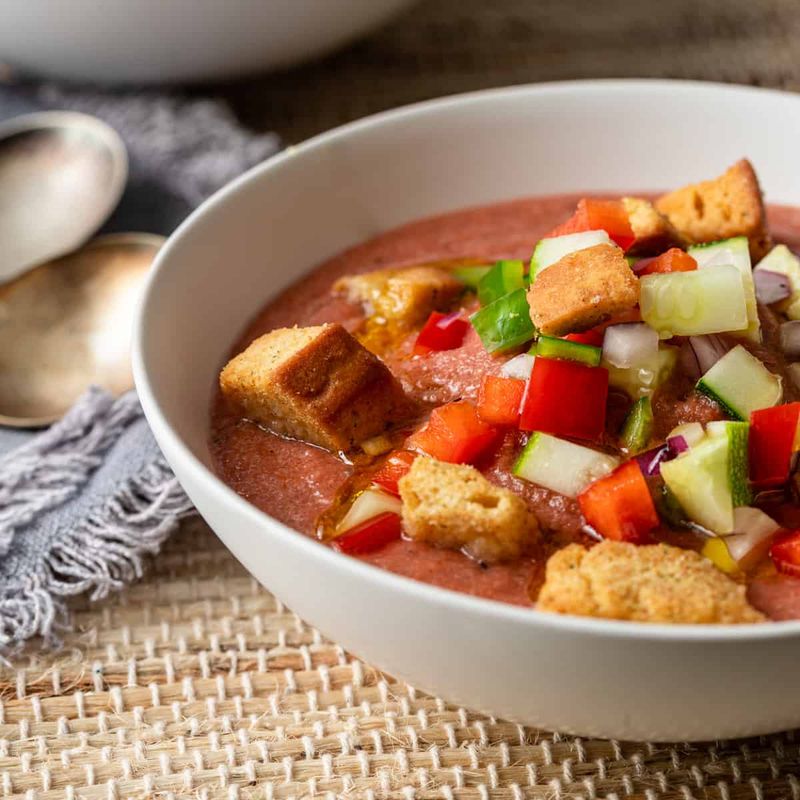
Olive oil was not always the affordable pantry staple it is today. In Andalusia, Spain, farmers used small amounts of quality olive oil blended with stale bread, tomatoes, and vinegar to create a cold soup that was both nourishing and refreshing.
The bread gave the soup body and creaminess without needing much oil at all. Gazpacho let hardworking field laborers enjoy a flavorful, energizing meal that made every drop of expensive olive oil count.
6. French Cassoulet
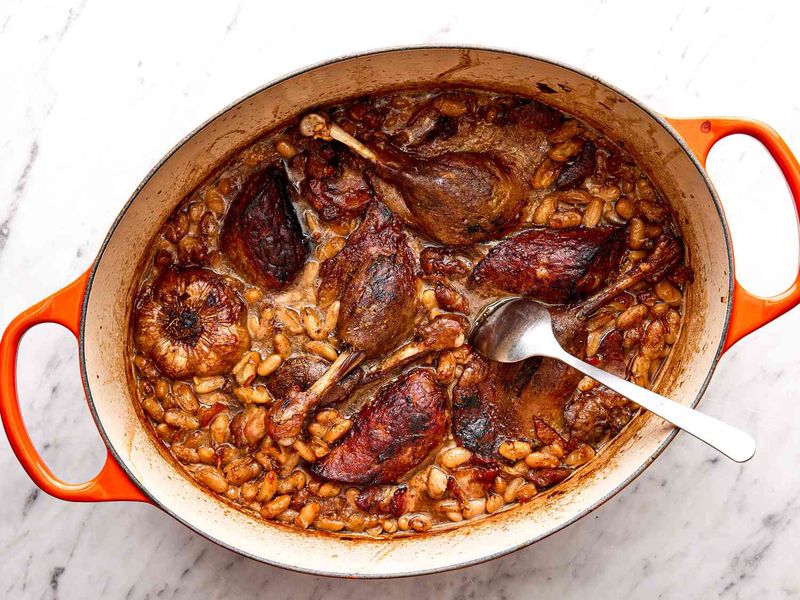
Duck confit was developed as a preservation technique, but it also made a small amount of duck go much further. In the Languedoc region of France, a bit of preserved duck or goose was stretched across a massive pot of white beans and sausage to create cassoulet.
Beans were cheap and filling, while the rich, fatty duck flavor soaked into every bite. One duck leg could feed an entire family when cassoulet was on the table.
7. Irish Colcannon
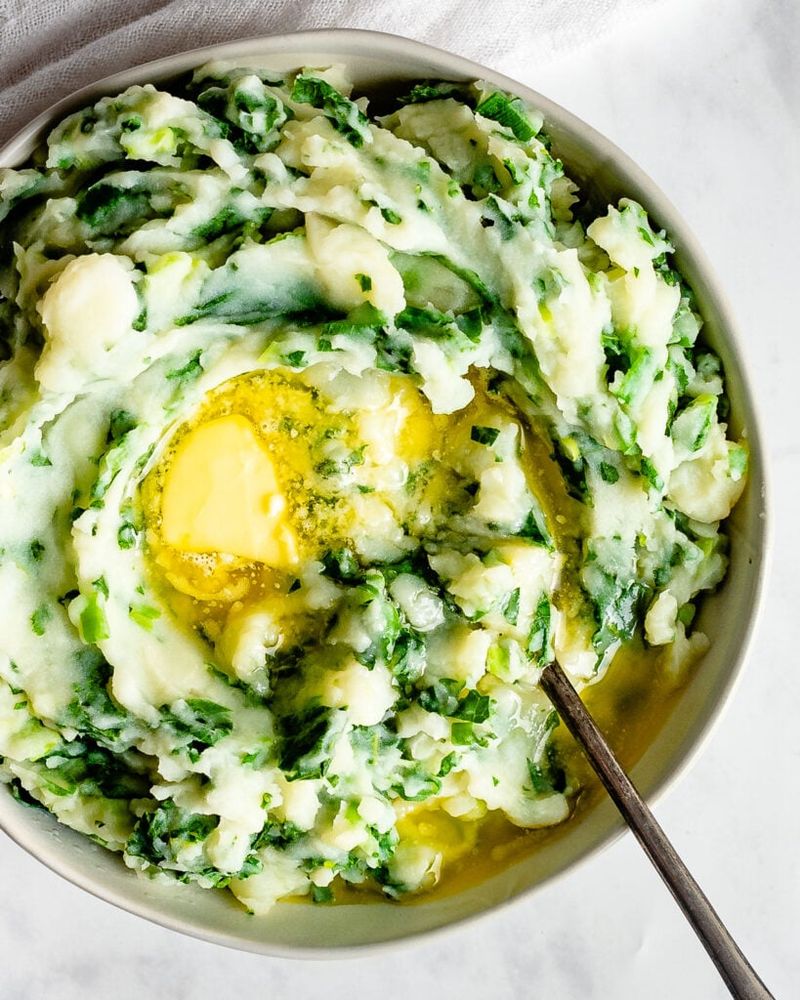
Butter was a luxury in rural Ireland, and potatoes were the backbone of every meal. Colcannon solved a clever problem: by mixing mashed potatoes with cooked kale or cabbage, cooks could create a bigger, more colorful dish while using only a small knob of butter for flavor.
The greens were cheap and grew easily in Irish soil. A little butter stirred in at the end made colcannon feel indulgent without breaking the household budget.
8. Moroccan Bastilla
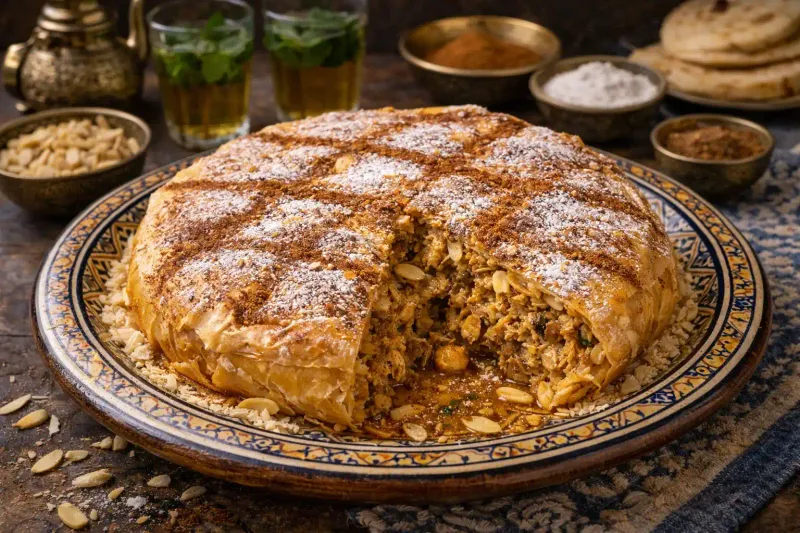
Saffron and cinnamon were among the most expensive spices traded along ancient North African routes. Moroccan cooks created bastilla, a layered pastry pie, to use just a small pinch of each spice across a large dish that could serve many guests.
The pastry itself was made from simple, affordable warka dough. Tiny amounts of costly spice were spread through layers of pigeon or chicken and almond filling, making every bite feel richly seasoned without overspending.
9. Chinese Congee
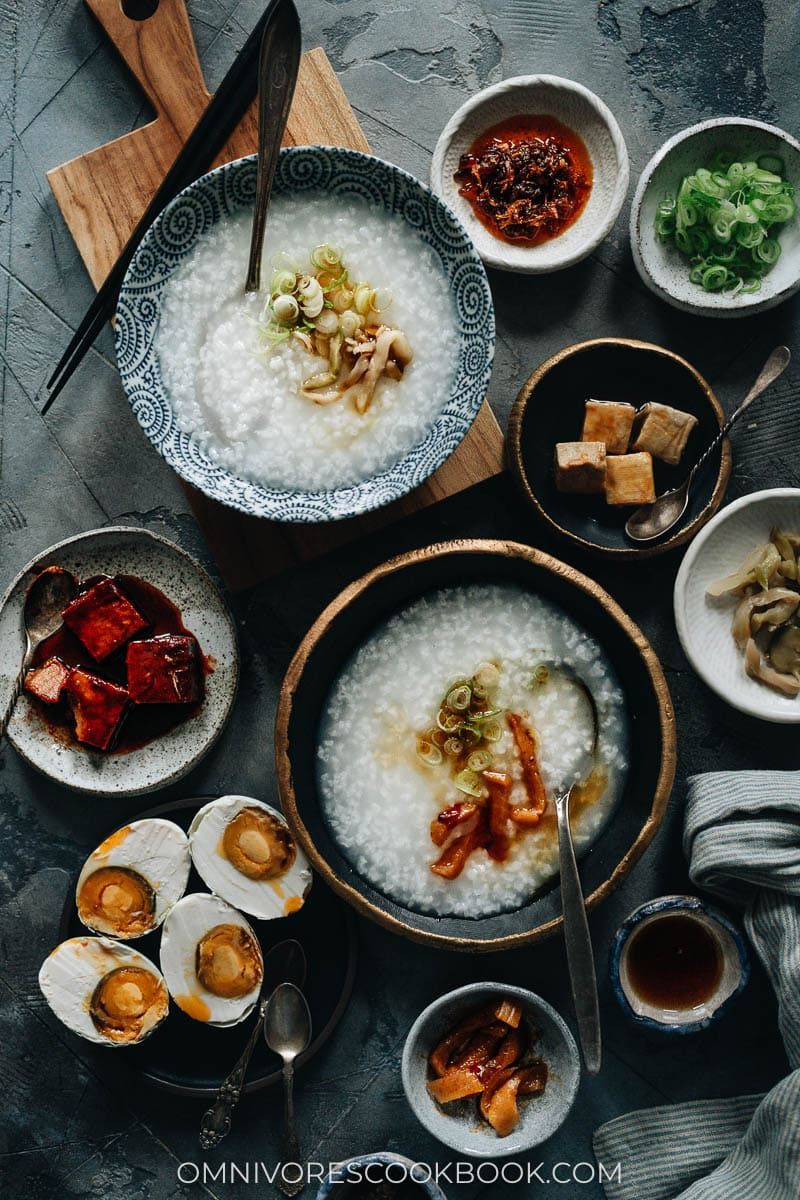
Rice is nutritious, but historically it was also expensive enough that using a full portion for one person felt wasteful. Chinese cooks discovered that simmering a small amount of rice in a large quantity of water for a long time created a thick, creamy porridge that could feed far more people.
Congee can be topped with almost anything. A tiny piece of preserved egg or a few slices of ginger turned a small rice ration into a warming, satisfying meal.
10. Mexican Pozole
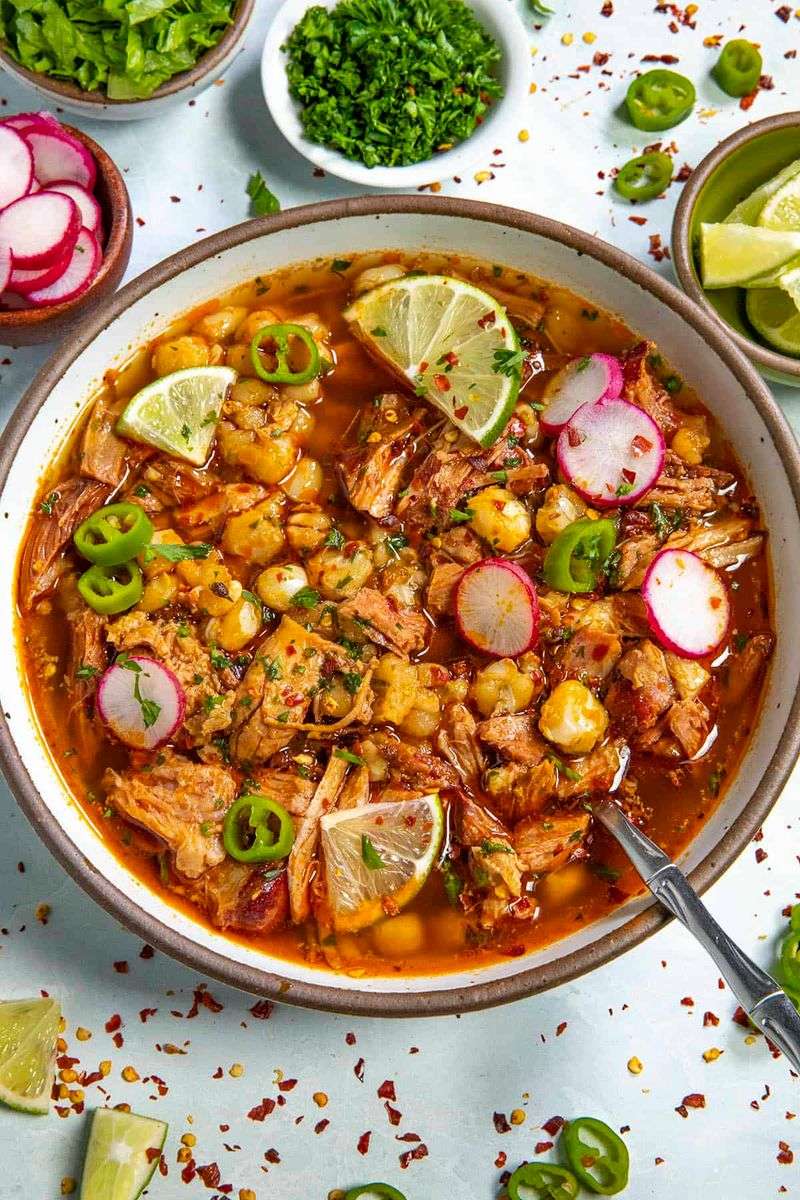
Pork was not always affordable for everyday families in Mexico, so cooks found a way to make a small amount of it feed a crowd. Pozole uses hominy, which is dried corn treated with an alkaline solution, as the main bulk of the soup.
The chewy, starchy hominy soaks up the rich chili and pork broth beautifully. Just a small amount of meat flavors the entire pot, making pozole a brilliant example of stretching expensive protein across many bowls.
11. Indian Dal Makhani
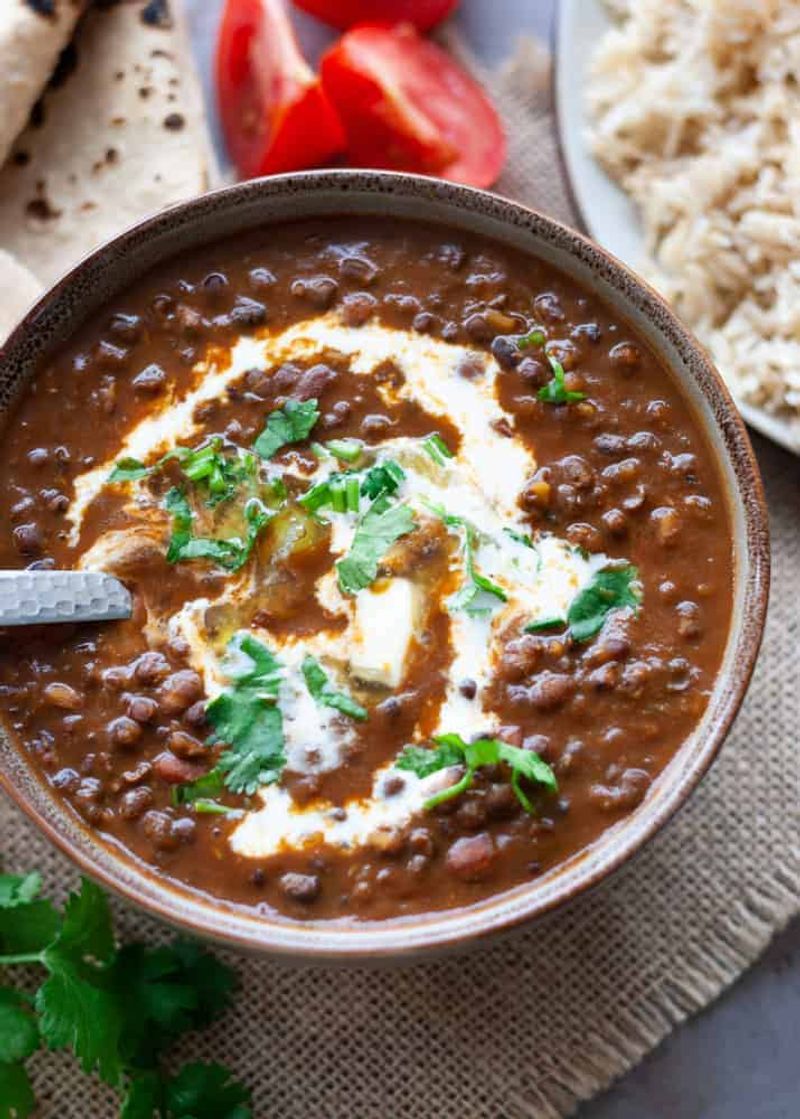
Butter and cream have always been considered premium ingredients in Indian cooking. Dal makhani was designed to use just a small amount of both, simmered slowly into a pot of black lentils to create a sauce that tastes far richer than the quantity of dairy used would suggest.
Lentils were cheap and protein-packed, making them the perfect base. Long, slow cooking released their natural creaminess, meaning less butter was needed to achieve that signature luxurious texture.
12. Greek Spanakopita
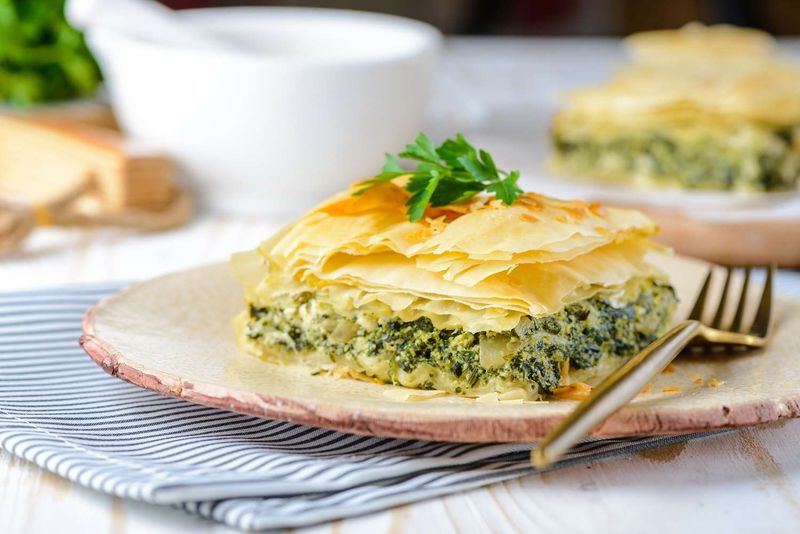
Feta cheese was a prized ingredient in Greek households, and using too much of it at once felt like a real splurge. Spanakopita solved this by combining a modest amount of feta with large quantities of spinach, eggs, and herbs, all wrapped in thin, crispy phyllo dough.
The strong, salty flavor of feta spread throughout the filling, so every bite tasted cheesy without requiring a huge amount. Spinach was easy to grow and cost very little.
13. German Sauerbraten
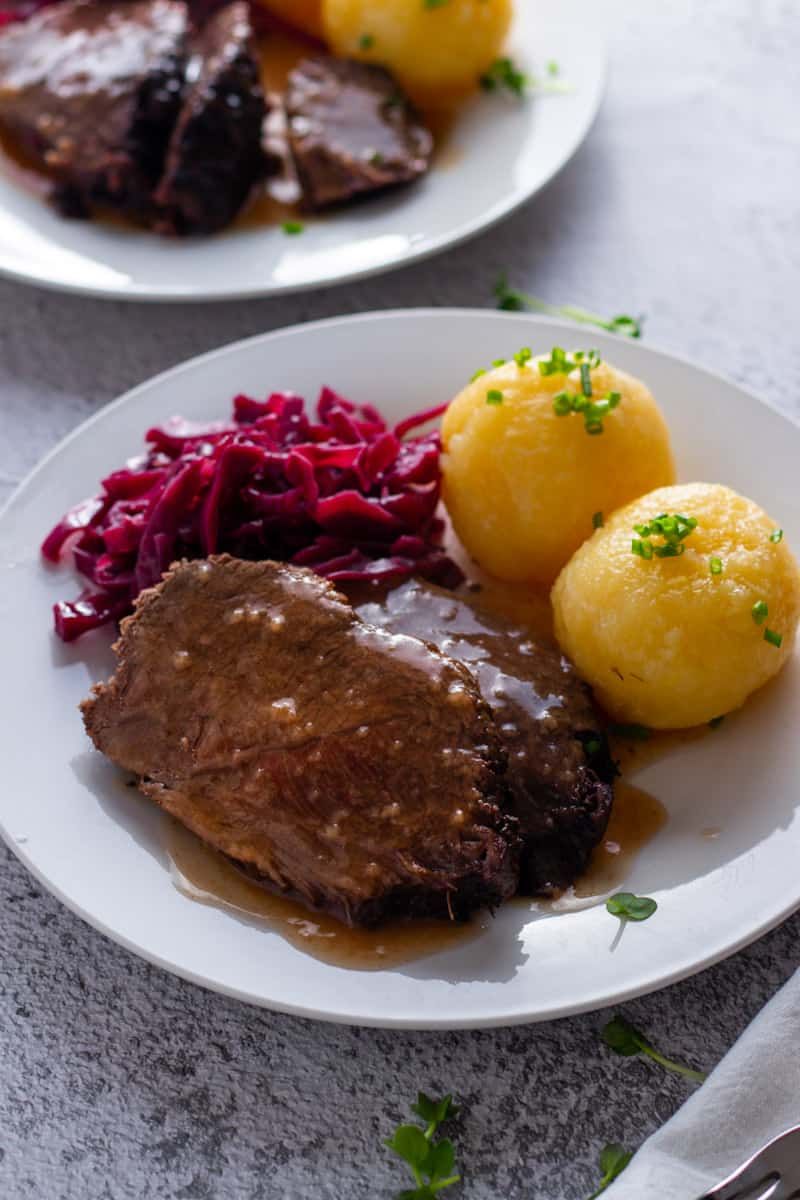
Tough, cheap cuts of beef were the only meat many German families could regularly afford. Sauerbraten transforms these hard cuts by marinating them for several days in a mixture of vinegar, water, and spices, which breaks down the tough fibers and infuses deep flavor.
The long marinade meant that even a small, inexpensive piece of meat could become a flavorful centerpiece. Spices like cloves and bay leaves were used sparingly but made a big impact on the final dish.
14. British Kedgeree
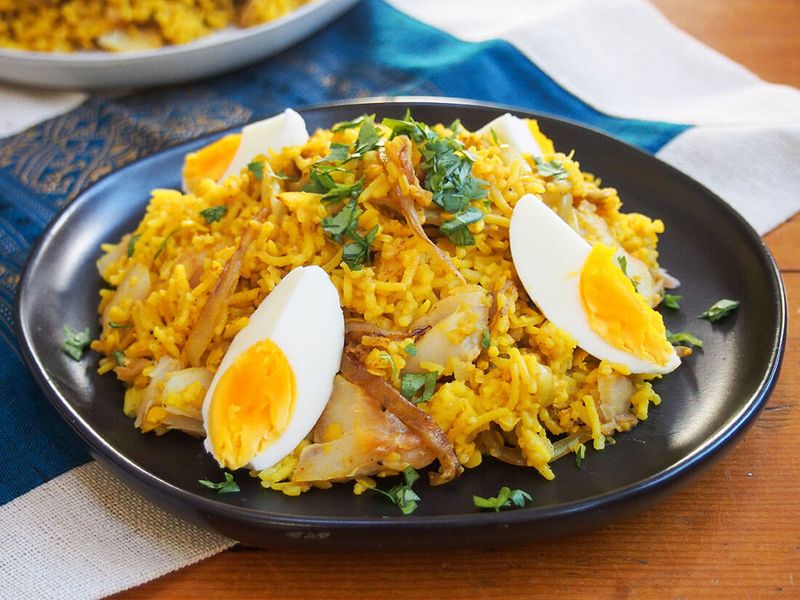
Smoked haddock was a relatively affordable fish, but spices like curry powder were imported and expensive in Victorian Britain. Kedgeree was designed to use just a small amount of spice to flavor a large pot of rice and fish, making the dish go much further.
Originating from British colonial India, it became a popular breakfast dish in English households. A teaspoon of curry powder transformed plain rice and leftover smoked fish into something exciting and aromatic.
15. Persian Fesenjan
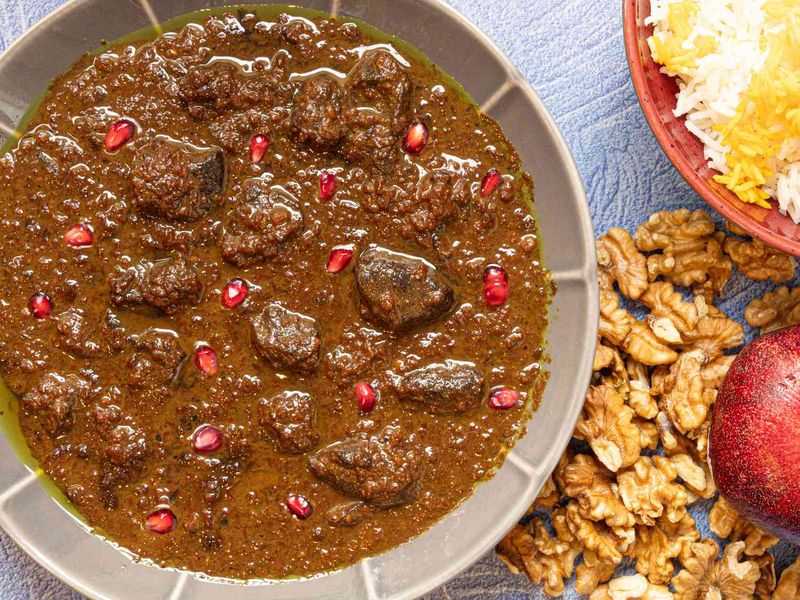
Pomegranate molasses and walnuts were both considered special-occasion ingredients in traditional Persian cooking. Fesenjan was created to combine a small amount of both into a rich, slow-cooked stew that made their bold flavors stretch across an entire pot of chicken.
The walnuts break down during cooking, thickening the sauce naturally. A small pour of tangy pomegranate molasses added depth and sweetness to the whole dish, proving that just a little of something precious can flavor a lot.
16. American Brunswick Stew
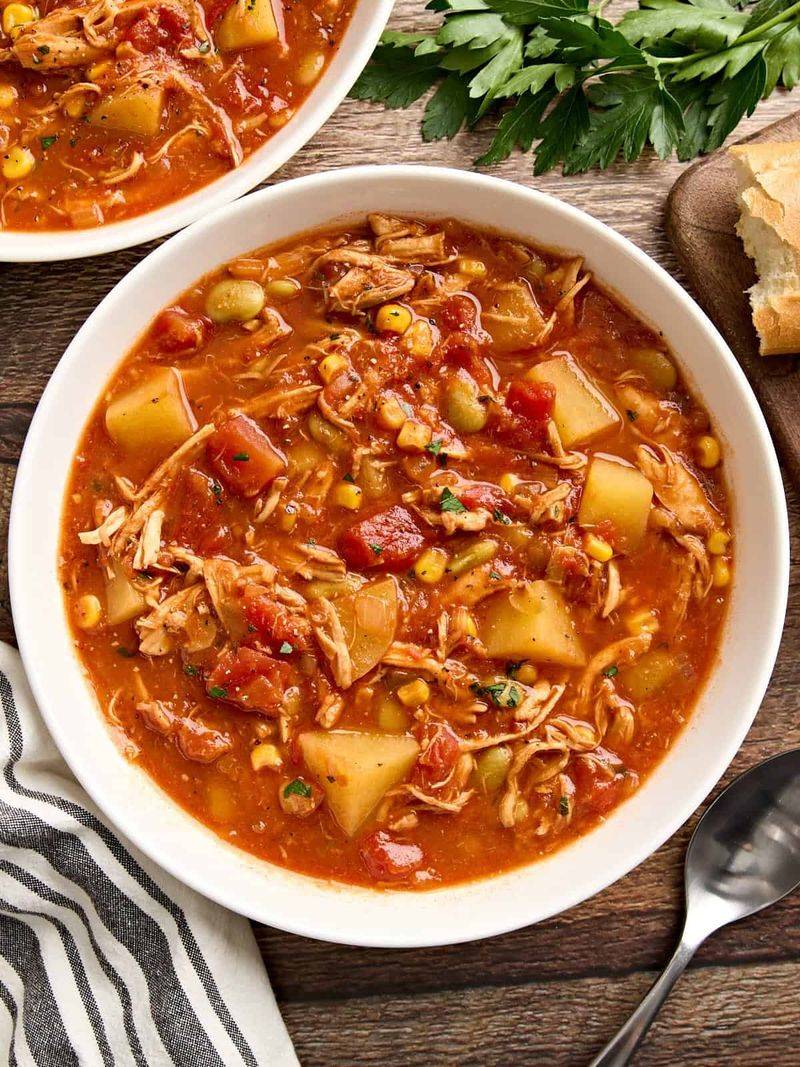
Back in the early American South, meat was smoked and preserved carefully because fresh cuts were hard to come by and expensive. Brunswick stew was created to use up every bit of leftover smoked meat by simmering it with cheap, plentiful vegetables like corn, lima beans, and tomatoes.
The smoky flavor from even a small amount of leftover pork or chicken spread through the whole pot. This stew fed large families on very little, and it still tastes amazing today.