
Marriage used to be one of the first big steps in adult life, but that has changed a lot over the past few decades. More and more people are choosing to wait, skip it altogether, or find different ways to build their lives with someone they love.
From money problems to shifting values, the reasons are real and surprisingly relatable. Here is a closer look at what is driving this major shift in how people think about marriage today.
1. Changing Social Attitudes
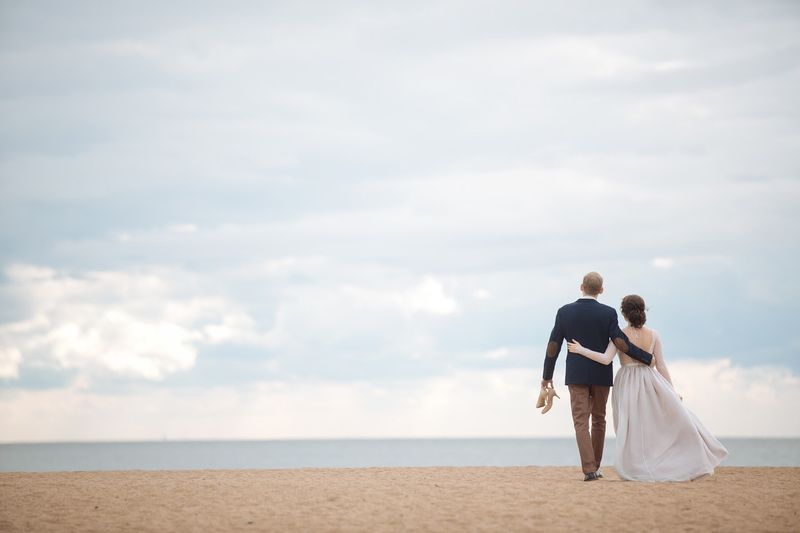
Not too long ago, getting married was simply what you did after a certain age. Society expected it, families pushed for it, and staying single past 30 felt unusual.
Today, that pressure has mostly faded.
People now see marriage as one option among many, not the only path to a fulfilling adult life. Cohabitation, single living, and chosen families are all widely accepted.
Personal happiness and individual choice have taken center stage, making marriage feel optional rather than obligatory.
2. Financial Instability and Rising Costs

Money stress is one of the loudest reasons young people are putting marriage on hold. Student loan debt, sky-high rent, and unpredictable job markets make saying “I do” feel financially terrifying rather than exciting.
When you can barely afford your own apartment, planning a shared future with someone else feels overwhelming. Research consistently shows that financial instability is a top barrier to marriage, especially for adults under 35 who are still trying to get their footing.
3. Women’s Growing Independence

For most of history, marriage gave women financial security and social status they could not easily get on their own. That equation has changed dramatically.
Women now outnumber men in college enrollment and are thriving across nearly every career field.
With their own income and independence, many women no longer need marriage for stability. Some actively choose to avoid it, especially if they worry about taking on more than their fair share of housework and childcare.
That shift is real and growing.
4. Cohabitation as a New Normal

Living together before or instead of marriage has gone from scandalous to completely ordinary. Most couples today share a home before tying the knot, and many never take that extra step at all.
Cohabitation lets people test compatibility, split expenses, and build a shared life without the legal weight of marriage. Interestingly, studies suggest that couples who move in together before getting engaged may face slightly higher risks of divorce later, though the reasons behind that are still debated among researchers.
5. Delayed Marriage Trends

The average age at first marriage keeps climbing. In the 1960s, most Americans married in their early 20s.
Today, the median age is closer to 30, and that number continues to rise with each passing decade.
Young adults are prioritizing education, career building, travel, and self-discovery before settling down. Many simply feel they are not ready, and honestly, that mindset is not wrong.
Waiting until you actually know who you are tends to make for stronger, more grounded relationships when marriage does happen.
6. Fear of Divorce

Growing up watching parents split up leaves a mark. Millions of millennials and Gen Z adults spent their childhoods navigating divorce, custody schedules, and blended families.
That experience made them careful, sometimes painfully so.
When divorce feels like an inevitable possibility rather than a rare tragedy, people think twice before legally committing. The fear is not irrational either.
High divorce rates among Baby Boomers taught younger generations that marriage is not a guarantee, which makes many hesitant to take that leap.
7. Rising Individualism

Modern culture celebrates the self like never before. Social media, self-help culture, and personal branding all push the idea that your life is yours to design, without compromise.
Marriage, by nature, requires putting someone else’s needs alongside your own. For people deeply invested in personal growth, solo adventures, or building a life exactly as they envision it, that trade-off can feel like too much.
This is not selfishness so much as a genuine cultural shift toward valuing independence and self-authorship above tradition.
8. Declining Religious Influence
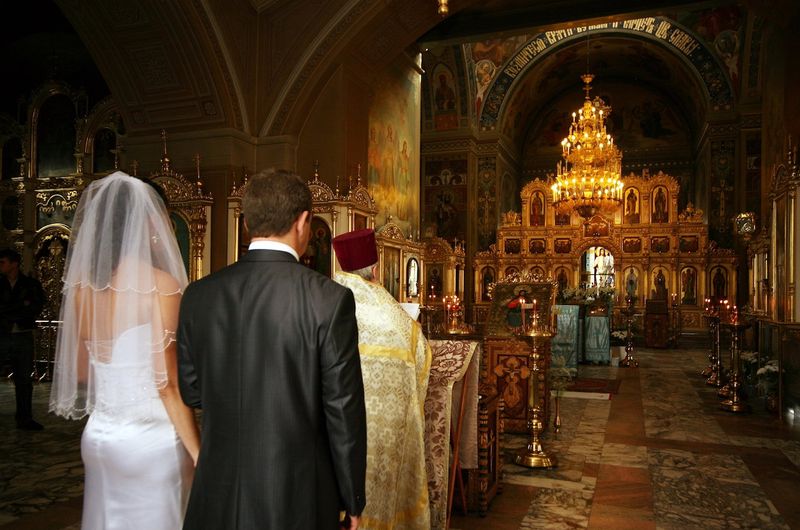
For centuries, marriage was deeply tied to religion. Churches, mosques, temples, and synagogues were not just ceremony venues but the moral foundation behind why couples married in the first place.
That foundation has been shifting.
As more people identify as non-religious or “spiritual but not affiliated,” the religious obligation to marry fades with it. Without a faith community reinforcing the idea that marriage is sacred or necessary, many simply choose not to bother with the formality.
Secularism is quietly reshaping relationship norms.
9. The High Cost of Weddings

Did you know the average American wedding now costs over $30,000? That staggering number stops a lot of couples cold before they even get started.
The wedding industry has ballooned into a massive pressure machine that tells couples they need all the extras to make their day “special.”
For couples already managing debt and tight budgets, that expectation feels absurd. Some bypass marriage entirely just to avoid the financial and social performance of it all.
The event has overshadowed the commitment for many.
10. Educational Attainment Gaps

Education level plays a surprisingly powerful role in marriage patterns. College-educated adults are more likely to marry and stay married, while those with less education are seeing marriage rates drop sharply.
The gap between these groups keeps widening.
When partners have very different educational backgrounds, research suggests there can be added tension around income, ambition, and shared goals. Couples with similar education levels tend to report higher satisfaction and longevity.
This growing divide has turned marriage into something that looks increasingly like a middle-class privilege.
11. Access to Birth Control

Before reliable contraception, unplanned pregnancies were a major driver of early marriage. The phrase “shotgun wedding” existed for a reason.
Widespread access to birth control changed that dynamic completely and permanently.
Women can now control their reproductive choices with far greater confidence, meaning pregnancy is rarely a forced reason to marry anymore. This shift gave people the freedom to choose marriage on their own terms and timeline, which sounds positive but also means fewer people feel any urgency to make it official.
12. Legal Alternatives to Marriage

Marriage used to be the only legal way to protect your partner, share property, or make medical decisions together. That is no longer entirely true.
Domestic partnerships, cohabitation agreements, and evolving inheritance laws have quietly closed many of those legal gaps.
When couples can secure similar protections without a marriage certificate, the urgency to officially wed weakens. Some couples put considerable thought into these legal alternatives and find them perfectly adequate for their needs, making traditional marriage feel like an optional extra rather than a necessity.
13. Dating App Fatigue

Swipe right, swipe left, ghost, repeat. Modern dating has become an exhausting cycle for millions of people.
Dating apps promised to make finding love easier, but many users report feeling burned out, objectified, or just deeply frustrated with the whole process.
When the road to even finding a potential partner feels that draining, marriage can seem like a destination too far away to bother reaching. This “dating app fatigue” is pushing some people away from romantic pursuits altogether, contributing quietly but meaningfully to declining marriage rates.
14. Social Isolation and Loneliness

Loneliness is at near-epidemic levels in many developed countries, yet paradoxically, this is happening alongside declining marriage rates. Fewer people are forming the deep social connections that once made meeting a life partner feel natural and inevitable.
Weaker community ties, remote work, and screen-heavy lifestyles have reduced the organic social spaces where relationships used to bloom. When people are already struggling to maintain friendships, the idea of building a marriage can feel even more out of reach, creating a troubling feedback loop.
15. Marriage as a “Capstone” Goal

Older generations treated marriage as the starting line of adult life. You got married young, then built everything else around that partnership.
Today, many young adults flip that script entirely.
Marriage has become a reward at the end of a long checklist: finish school, launch a career, travel, buy a home, find yourself, then maybe get married. This “capstone” model means fewer people reach that final step, not because they reject marriage, but because life keeps handing them more boxes to check first.
16. Gender Role Tensions
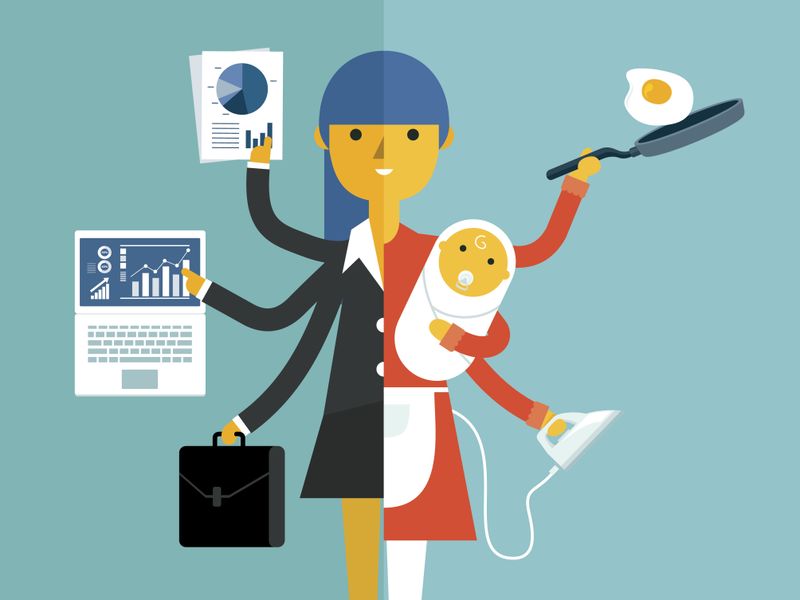
Even in 2024, research shows that women in heterosexual relationships still carry a disproportionate share of housework and childcare, even when both partners work full time. That imbalance fuels real resentment and hesitation.
Many women are openly questioning whether marriage is worth it if it means inheriting an unfair domestic burden. Meanwhile, shifting expectations around masculinity and provider roles create friction for men too.
Until couples can genuinely share responsibilities equitably, this tension will keep pushing some people away from the marriage commitment altogether.