
Every relationship is shaped by the small things we do every single day. Good habits can bring two people closer together, while bad ones can quietly push them apart over time.
Whether you have been with someone for a few months or many years, knowing which habits help and which hurt can make a real difference. Read on to find out what truly keeps a relationship strong and what you might want to stop doing today.
1. Prioritize Open Communication

Talking openly with your partner is one of the most powerful things you can do for your relationship. When both people feel safe enough to share their real thoughts and feelings, trust grows fast.
You do not have to have all the answers right away.
Just being honest about where you stand goes a long way. Research from helpguide.org shows that healthy communication is the backbone of lasting relationships.
Make it a daily habit, not just a crisis tool.
2. Practice Gratitude Daily
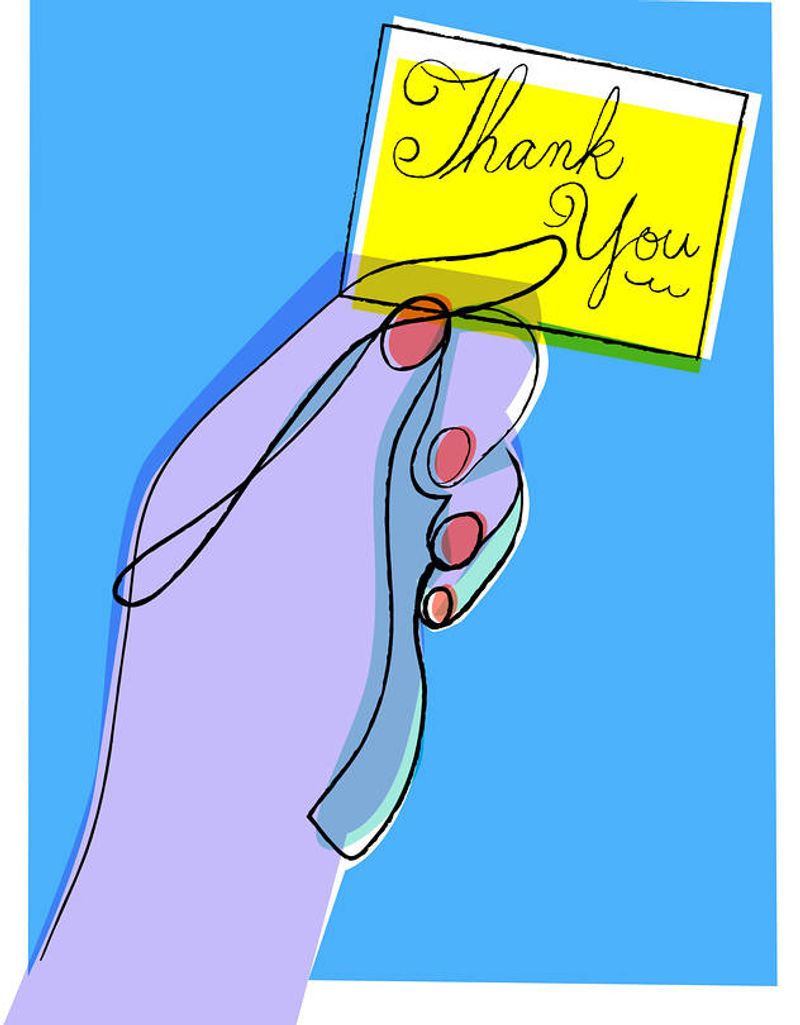
Saying thank you might sound simple, but it is one of the most underrated habits in a healthy relationship. When you regularly notice and appreciate what your partner does, they feel seen and valued.
That feeling keeps both of you more invested in the relationship.
Try telling your partner one thing you appreciate about them each day. Even small acknowledgments, like thanking them for making coffee, can shift the whole mood between you two over time.
3. Maintain Your Own Identity

Keeping your sense of self while being in a relationship is not selfish. It is actually healthy.
When you hold onto your own interests, friendships, and goals, you bring more energy and joy back into the partnership.
Couples who support each other’s individuality tend to feel less smothered and more genuinely connected. Think of it this way: two whole people make a stronger team than two people who have lost themselves trying to become one.
4. Make Quality Time a Priority

Being physically present is not the same as being emotionally present. Quality time means putting your phone down, turning off distractions, and truly focusing on each other.
Even just one hour of undivided attention can do more good than a full day of half-hearted togetherness.
Plan activities you both enjoy, whether that is cooking a meal, going for a walk, or watching a favorite show together. Consistent quality time builds memories and keeps the connection alive.
5. Build Emotional Intimacy

Emotional intimacy is what makes a relationship feel like more than just a friendship or a routine. It is built when both partners share their fears, dreams, and vulnerabilities without judgment.
That kind of openness creates a deep bond that is hard to break.
Ask your partner meaningful questions. Share something personal about your own feelings regularly.
Over time, these small moments of emotional honesty stack up and create a relationship that feels truly safe and fulfilling.
6. Resolve Conflicts Constructively

Every couple argues. What separates strong couples from struggling ones is not the absence of conflict but how they handle it.
Attacking each other personally during a fight does serious damage, while focusing on the actual problem moves things forward.
Try using phrases like “I feel” instead of “you always.” Take a short break if things get too heated, then come back when you are both calmer. Conflict handled well can actually bring two people closer together.
7. Celebrate Each Other’s Wins

When your partner succeeds at something, how you react matters more than you might think. Genuine excitement and pride in their achievements signals that you are truly on their team.
Couples who cheer each other on build a culture of mutual support that carries them through tough times too.
Do not downplay your partner’s wins or make the moment about yourself. Celebrate loudly and sincerely.
That shared joy becomes one of the best memories a couple can have.
8. Nurture Physical Closeness

Physical connection goes far beyond romance. A hug, a hand on the shoulder, or a quick kiss hello can communicate care in ways that words sometimes cannot.
Studies show that physical touch releases oxytocin, sometimes called the bonding hormone, which helps partners feel closer and more secure.
Make it a habit to greet your partner with affection and to reach out with a comforting touch during stressful moments. Small physical gestures add up to a deeply felt sense of love.
9. Show Up for Each Other

Being a reliable source of support is one of the most meaningful things you can offer a partner. Life throws curveballs, and knowing someone is in your corner makes those hard moments far more manageable.
Real support is not just about fixing problems.
Sometimes it is just about showing up and saying, “I am here.”
Check in when your partner is stressed. Offer a listening ear before jumping to solutions.
That steady presence builds a foundation of trust that holds the relationship together.
10. Respond to Bids for Connection

Relationship researcher John Gottman found that couples make small “bids” for connection all the time, like sharing a funny thought or pointing something out. How you respond to these bids matters enormously.
Turning toward your partner, even briefly, tells them they are worth your attention.
Next time your partner shares something small, put down what you are doing and engage. A simple “really? tell me more” goes a long way.
Consistently ignoring these bids quietly chips away at the bond between you.
11. Reflect on the Relationship Regularly

Strong couples do not just coast along and hope things stay good. They check in with each other and honestly assess how the relationship is going.
A regular relationship check-in does not have to be serious or scary.
It can be as simple as asking, “How are we doing lately?”
Reflecting together helps you catch small issues before they become big ones. It also gives both partners a chance to express needs and adjust course.
Think of it as a tune-up for your relationship.
12. Stay Authentic With Each Other

Pretending to be someone you are not is exhausting, and your partner will likely sense it over time. Authenticity means letting your partner see the real you, quirks, flaws, and all.
That vulnerability is actually what creates genuine closeness.
When you stop performing and start just being yourself, conversations get easier and conflicts get shorter. Couples who are real with each other build a kind of intimacy that polished, curated versions of themselves never could.
Realness is the foundation of lasting love.
13. Listen Actively and Validate Feelings

Active listening means more than just waiting for your turn to talk. It means truly absorbing what your partner is saying and letting them know you understand.
Saying things like “that makes sense” or “I hear you” can make your partner feel deeply respected.
Validation does not mean you have to agree with everything. It just means you acknowledge that their feelings are real and worth hearing.
Partners who feel genuinely listened to are far more likely to stay open and emotionally available.
14. Express Your Needs Clearly

Hoping your partner will just “figure out” what you need is a recipe for frustration. Nobody can read minds, and expecting them to leads to unnecessary resentment.
Clearly expressing what you need is a sign of emotional maturity, not weakness.
Start with calm, specific statements rather than vague complaints. Instead of saying “you never care,” try “I would really love it if we could spend more time together on weekends.” Clear communication removes the guesswork and helps your partner actually meet your needs.
15. Learn Each Other’s Love Languages

Gary Chapman’s concept of love languages changed the way many couples think about showing affection. Some people feel most loved through words of affirmation, while others need acts of service, quality time, physical touch, or gifts.
Knowing which one speaks to your partner can transform your relationship.
Take the time to learn what makes your partner feel truly loved, then do that thing consistently. When both partners feel loved in their own language, the relationship becomes far more satisfying and secure for everyone involved.
16. Face Stress as a Team

Outside stress, whether from work, finances, or family, can sneak into a relationship and cause tension if couples are not careful. The key is to face those pressures together rather than letting them drive a wedge between you.
When you approach problems as a united team, stress becomes something you manage together rather than something that manages you.
Create simple rituals for decompressing together, like a nightly walk or a no-phone dinner. Shared stress management builds resilience that strengthens the whole relationship.
17. Constant Criticism of Your Partner

There is a big difference between giving feedback and attacking someone’s character. Criticism that targets who your partner is, rather than what they did, lands like a punch.
Over time, a partner who is constantly criticized starts to feel worthless and unloved.
According to relationship expert John Gottman, chronic criticism is one of the top predictors of relationship failure. If something bothers you, address the specific behavior, not the person.
Choosing your words carefully can be the difference between growing together and growing apart.
18. Showing Contempt

Of all the harmful habits in a relationship, contempt may be the most toxic. Eye-rolling, sarcasm, name-calling, and mockery send one clear message to your partner: I do not respect you.
That message is devastating and incredibly hard to come back from.
Gottman’s research found that contempt is the single strongest predictor of divorce. It signals moral superiority and tears down the emotional safety a relationship needs to survive.
If you catch yourself treating your partner with scorn, that is a serious warning sign that needs immediate attention.
19. Getting Defensive During Arguments

When someone points out a problem, the natural reaction is often to defend yourself. But constant defensiveness shuts down honest conversation and makes your partner feel unheard.
Instead of taking responsibility, defensive people often counter-attack or make excuses, which sends the argument in circles.
Try pausing before you respond and asking yourself if there is even a small truth in what your partner is saying. Owning your part in a problem, even a little, can completely change the direction of a disagreement for the better.
20. Stonewalling and Shutting Down

Stonewalling happens when one partner completely shuts down during a conversation, refusing to engage or respond. It often feels like the other person is talking to a wall.
While it might seem like a way to avoid conflict, it actually makes things much worse.
The silent treatment leaves the other partner feeling dismissed and alone. Over time, repeated stonewalling can destroy trust and communication entirely.
If you feel overwhelmed during a fight, it is better to say “I need a short break” than to simply disappear emotionally from the conversation.
21. Losing Yourself in the Relationship

Giving everything you have to a relationship while neglecting yourself sounds romantic, but it often leads to burnout and resentment. When you stop doing the things that make you feel like you, you slowly become unhappy, and that unhappiness bleeds into the relationship.
Healthy love does not require you to disappear. Keeping up with your own hobbies, friendships, and goals makes you a better, more fulfilled partner.
You cannot pour from an empty cup, and a relationship built on one person’s sacrifice rarely stays balanced for long.
22. Always Putting Yourself First

Relationships require compromise, and when one person consistently puts their own desires ahead of the partnership, an imbalance forms. Over time, the other partner starts to feel like an afterthought rather than a priority.
That feeling erodes connection faster than most people realize.
Healthy couples find ways to honor individual needs while also considering the relationship as a whole. It is not about always sacrificing what you want.
It is about regularly asking, “What does us need right now?” and actually caring about the answer.
23. Focusing Only on the Negative

Every relationship has rough patches, but couples who fixate only on what is wrong tend to create a self-fulfilling cycle of misery. When negativity becomes the default lens, even good moments get overlooked or minimized.
The relationship starts to feel like a burden rather than a joy.
Making a conscious effort to notice what is going right, even small things, shifts the overall energy between partners. Gratitude and positivity are not about ignoring real problems.
They are about making sure problems do not become the whole story of your relationship.
24. Only Addressing Issues During Fights

Waiting until things boil over to talk about problems is like ignoring a leaky pipe until your whole ceiling caves in. When couples only bring up issues during arguments, those conversations are already emotionally charged, making it nearly impossible to resolve anything calmly or clearly.
Regular, low-stakes check-ins create a space to address small frustrations before they explode. A simple weekly conversation about how things are going can prevent a mountain of unspoken grievances from building up.
Prevention is always easier than damage control in a relationship.
25. Playing the Blame Game

Blame is one of the fastest ways to make your partner feel attacked rather than supported. When every problem has to be someone’s fault, the relationship turns into a courtroom where both people are constantly on trial.
Nobody wins that game.
Strong couples shift from “whose fault is this” to “how do we fix this together.” That small change in framing makes a massive difference in how conflicts feel and how quickly they get resolved. Taking shared responsibility is a sign of real emotional maturity in a partnership.
26. Controlling Behavior

Control in a relationship does not always look dramatic. Sometimes it shows up as checking a partner’s phone, dictating who they can spend time with, or making all the decisions without input.
These behaviors signal a lack of trust and a need for power that suffocates the other person.
Healthy relationships are built on mutual respect and freedom. If you feel the urge to control your partner’s actions, that is worth exploring, possibly with a therapist.
Love that requires control is not really love. It is fear wearing a very convincing disguise.
27. Unhealthy Jealousy and Possessiveness

A little jealousy now and then is human, but when it becomes a pattern, it poisons the relationship. Constant accusations, checking up on a partner, or demanding they avoid certain people creates an atmosphere of suspicion rather than safety.
The partner being monitored starts to feel more like a prisoner than a loved one.
Trust is the cure for jealousy, and building trust takes honesty and open conversations, not surveillance. If jealousy is running the show in your relationship, addressing the root insecurity is the only real fix.
28. Dishonesty and Broken Trust

Trust is the foundation every healthy relationship is built on, and dishonesty cracks that foundation fast. Whether it is a big lie or a small one, deception changes how a partner sees you.
Once trust is broken, rebuilding it takes enormous effort and time, and not every relationship survives it.
Being reliable and honest, even when the truth is uncomfortable, shows your partner that you respect them enough to be real. Honesty is not just about avoiding lies.
It is about showing up as someone your partner can count on, every single day.
29. Trying to Change Your Partner
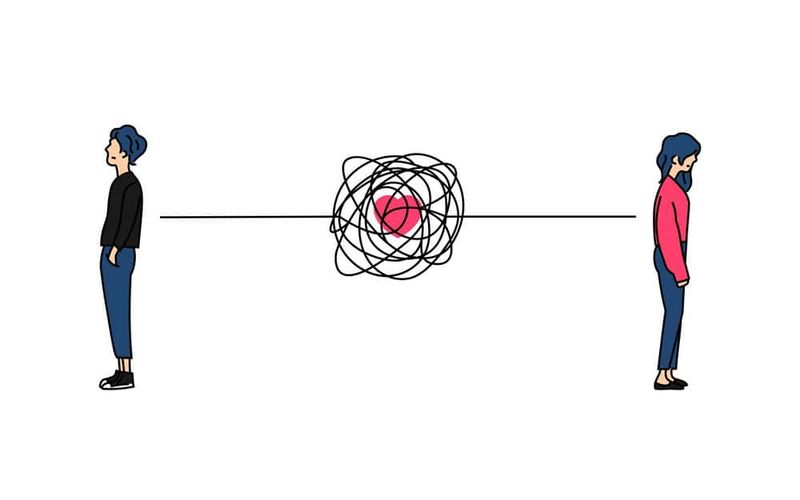
Entering a relationship with a mental checklist of things you want to fix about someone is a setup for disappointment. People change when they want to change, not because they are pressured into it.
Constant attempts to mold your partner into your ideal version of them breed resentment and erode self-esteem.
Loving someone means accepting who they are right now, while also giving them room to grow naturally. If you find yourself constantly frustrated by who your partner is, that is worth reflecting on honestly before it damages you both.
30. Taking Each Other for Granted

Complacency is sneaky. It creeps in quietly after the honeymoon phase fades and suddenly you are going through the motions without really appreciating what you have.
When a partner feels taken for granted, they start to feel invisible, and that feeling grows resentment over time.
Make appreciation a daily practice, not just a special occasion thing. Notice what your partner contributes.
Say thank you for the little things. The couples who stay happy long-term are usually the ones who never stopped treating each other like someone worth showing up for.
31. Suppressing Your True Feelings

Bottling up your emotions might feel safer in the short term, but over time it builds a wall between you and your partner. When you never share how you truly feel, your partner cannot really know you, and that gap creates distance that is hard to close later on.
Unexpressed feelings do not disappear. They fester and eventually come out sideways as irritability, withdrawal, or explosive arguments.
Practicing emotional honesty, even when it feels vulnerable, keeps the lines of communication open and the relationship feeling real and close.
32. Disrespectful Behavior Toward Your Partner

Respect is not optional in a healthy relationship. When one partner regularly dismisses the other’s opinions, makes fun of them in front of others, or talks down to them, the damage goes deep.
Disrespect chips away at a person’s sense of worth and their trust in the relationship.
Treating your partner with basic dignity, especially during disagreements, is non-negotiable. You do not have to agree with everything they say, but you do have to treat their thoughts and feelings as worthy of care.
Without respect, even love cannot hold a relationship together for long.