
The 1950s housewife image — pearls, apron, and a perfectly clean home — has been romanticized for decades. But much of what people believe about that era is based on TV shows and advertising, not real life.
Behind the picture-perfect surface were serious struggles that history often glosses over. These 16 myths reveal the truth about that time, and why modern women have no interest in returning to it.
1. All Women Stayed Home and Raised Kids
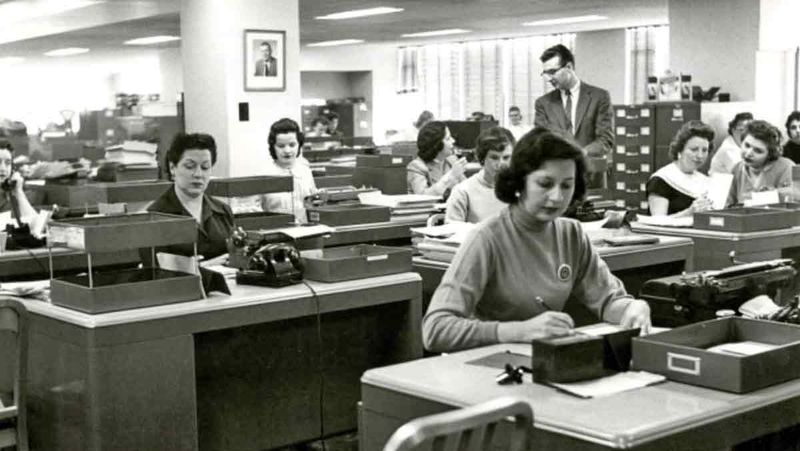
Many people picture every 1950s woman cheerfully baking cookies at home, but that image only fit a narrow slice of society. In 1950, women already made up 29% of the U.S. workforce.
Black women, immigrant women, and working-class women never had the luxury of staying home.
The “universal housewife” was a media invention pushed hardest after World War II to move women out of wartime jobs and make room for returning soldiers. Reality was far more complicated.
2. The Perfect Home Was Actually Achievable
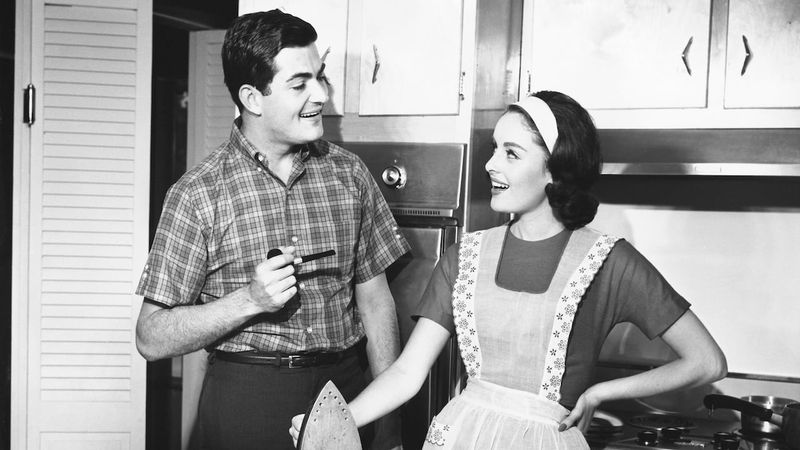
Television shows like “Leave It to Beaver” and “The Donna Reed Show” sold audiences a fantasy — gleaming floors, hot meals on time, and a smiling wife who never broke a sweat. Real women knew better.
Many relied heavily on TV dinners and convenience foods just to get through the day.
The gap between the ideal and reality left countless women feeling like failures. That pressure was manufactured by advertisers selling products, not reflecting actual home life.
3. Housewives Were Happy and Fulfilled
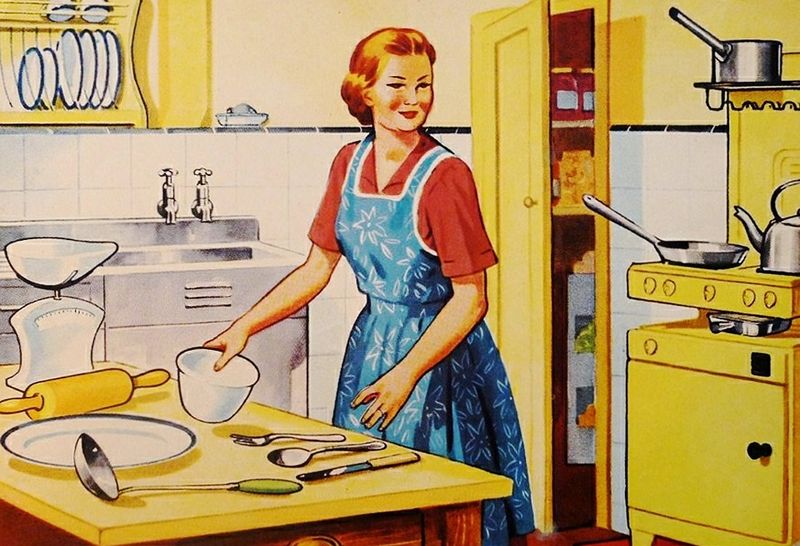
Beneath the bright smiles in magazine photos, many 1950s housewives were quietly suffering. Boredom, isolation, anxiety, and depression were common.
Some turned to alcohol or prescription pills just to cope with the monotony of daily domestic life.
Betty Friedan famously called it “the problem that has no name” in her 1963 book. Women were told they should feel grateful and content, which made it even harder to admit they weren’t.
Happiness was expected, not earned.
4. Women Had Financial Independence in Marriage
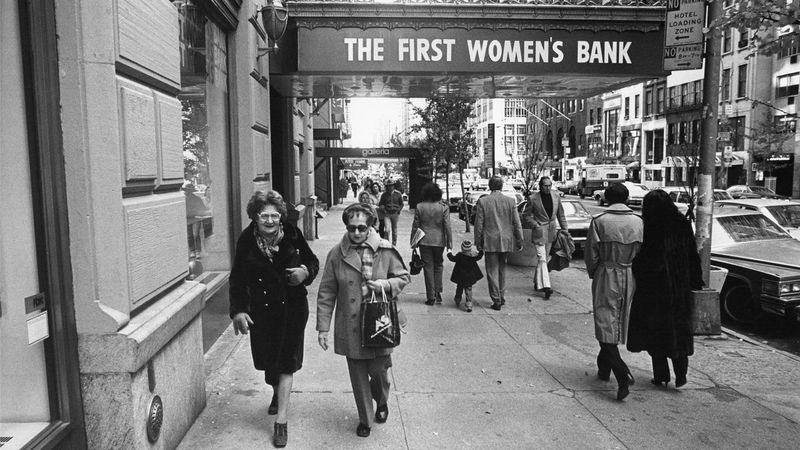
Married women in the 1950s had almost no financial freedom of their own. Shockingly, many could not open a bank account or apply for a credit card without their husband’s written permission.
Money was controlled by men, period.
It wasn’t until the Equal Credit Opportunity Act of 1974 that it became illegal to deny credit based on gender. Today, women manage their own finances, investments, and businesses — and that independence is something no one is willing to surrender.
5. Women Controlled Their Own Reproductive Choices
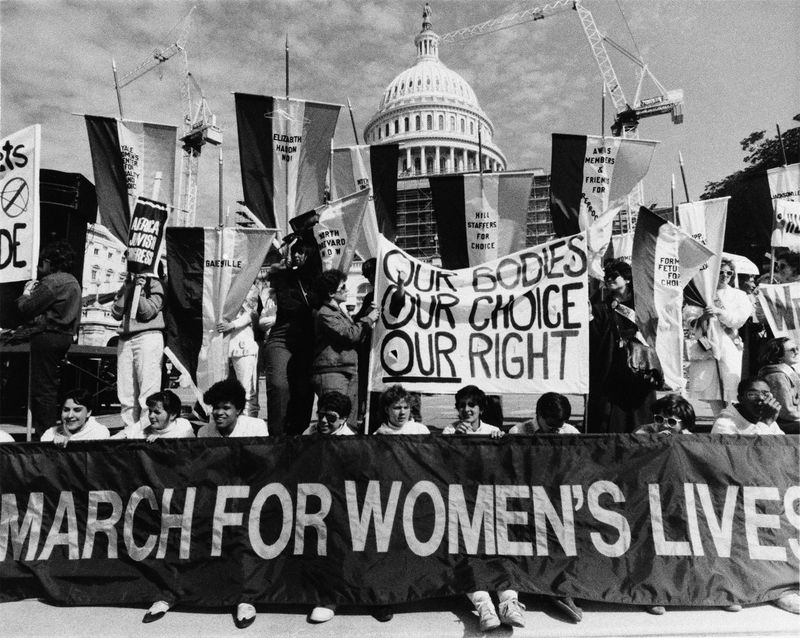
Birth control was actually illegal in many U.S. states until the Supreme Court’s 1965 ruling in Griswold v. Connecticut.
Before that, women had little say over how many children they had or when. Frequent, closely spaced pregnancies were simply expected.
The ability to plan a family changed everything — career paths, education decisions, financial stability. Reproductive freedom became one of the most powerful tools for women’s advancement, and it fundamentally reshaped what a woman’s life could look like.
6. Home Was Always a Safe Haven for Women
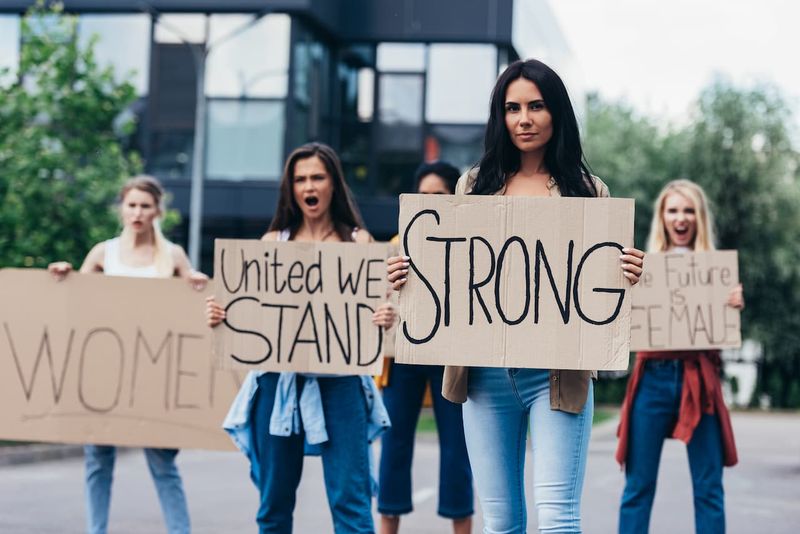
The cozy suburban home of the 1950s looked safe from the outside, but for many women, it was anything but. Domestic violence was widespread, and legal protections were almost nonexistent.
Police rarely intervened in what was considered a “private family matter.”
Marital rape wasn’t even recognized as a crime until the 1970s. Women had no real legal recourse.
The home that was sold as a protected sanctuary was, for too many women, a place of fear and silence.
7. College Was Encouraged for Women’s Careers
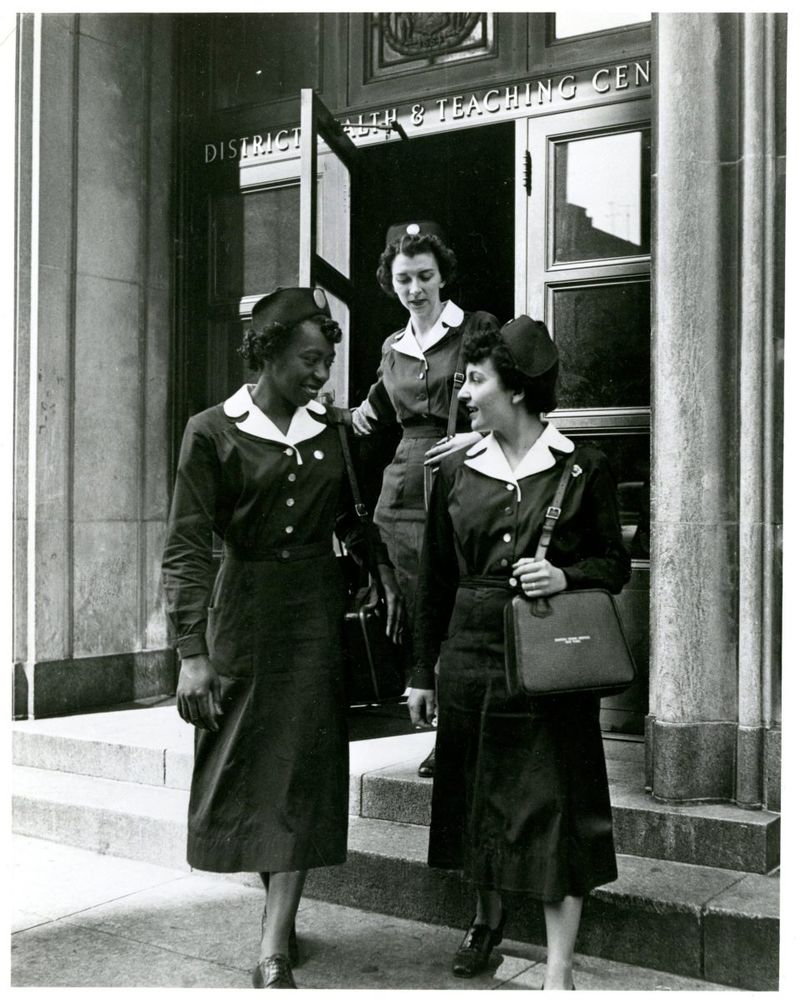
More women did attend college in the 1950s, but society had a very specific reason in mind — and it had nothing to do with careers. The running joke was that women went to earn their “M.R.S. degree,” meaning a husband with a good income.
Professors, guidance counselors, and even parents openly discouraged women from pursuing law, medicine, or business. Education was treated as a waiting room before marriage, not a launchpad for ambition.
That attitude seems almost unbelievable today.
8. Everything Was Cooked Fresh From Scratch
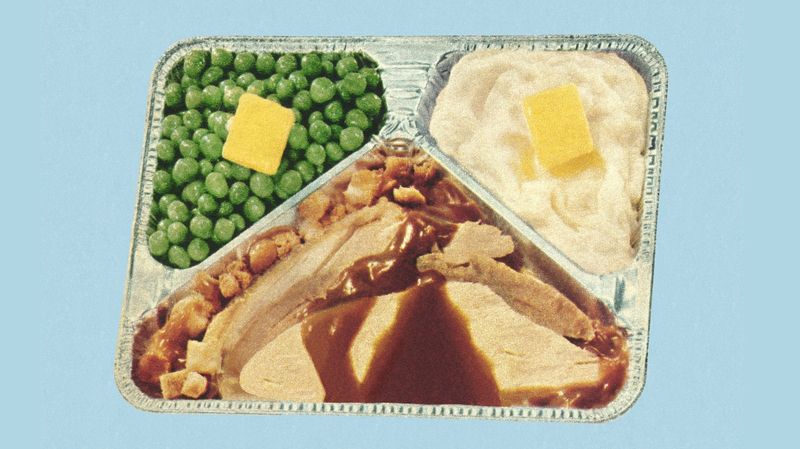
The myth of the 1950s housewife cooking every meal from scratch is deliciously wrong. Processed food companies were booming, and women eagerly embraced shortcuts.
Swanson TV dinners hit store shelves in 1953 and became an instant sensation.
Betty Crocker cake mixes, canned soups, and frozen vegetables were household staples. Convenience wasn’t laziness — it was survival for women juggling enormous domestic workloads.
The scratch-cooking ideal was another advertising fantasy designed to sell more products, not reflect real kitchens.
9. New Appliances Made Housework Easy
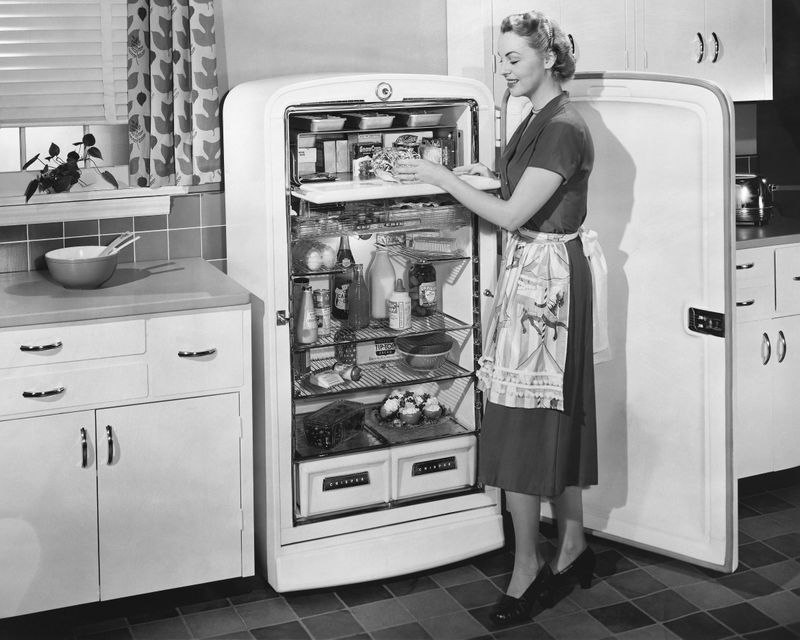
Gleaming appliances filled magazine ads, but not every home had them — and even those that did still faced serious labor. Many houses lacked central heating.
Refrigerators were small, meaning daily shopping trips were necessary just to keep food fresh.
Laundry, cleaning, and cooking still consumed enormous amounts of time and physical energy. Appliances helped at the margins but didn’t transform domestic work into something easy or quick.
The workload was relentless, and it fell entirely on women’s shoulders.
10. The Male Breadwinner Model Was Always Traditional
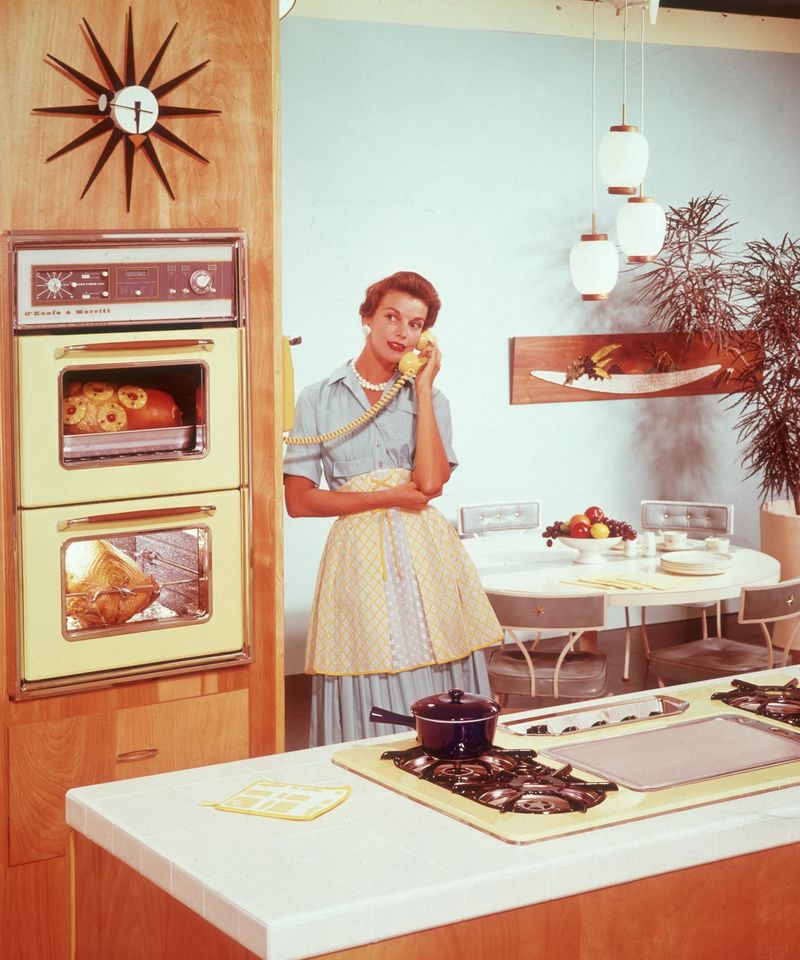
Here’s a surprising truth: the “traditional” male breadwinner and female homemaker setup was actually a very brief historical experiment. For most of human history, survival required everyone — men and women — to work side by side in fields, shops, and trades.
The 1950s version of “tradition” was heavily engineered through government propaganda and corporate advertising after World War II. It was designed to reset gender roles and sell consumer goods to new suburban families, not reflect centuries of human experience.
11. Women’s Workforce Participation Has Soared Since Then
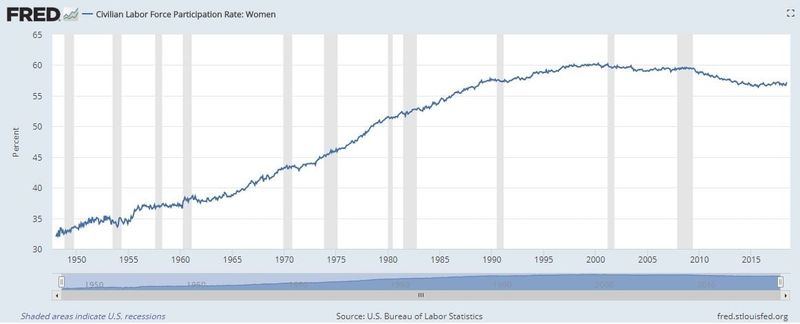
Women made up just 29% of the U.S. workforce in 1950. By 2000, that number had climbed to 60%, and today women make up nearly half of all American workers.
That shift wasn’t accidental — it was driven by financial need, expanded rights, and genuine ambition.
Two-income households became the economic norm by the 1980s because one salary simply stopped being enough. Women didn’t just enter the workforce — they transformed it, rising into management, leadership, and fields once firmly closed to them.
12. Education Gaps Have Completely Reversed

Something remarkable happened in American higher education over the past few decades — women didn’t just catch up to men, they surpassed them. Today, more women than men enroll in and graduate from college.
That’s a complete reversal from the 1950s, when women were subtly steered away from serious academic ambitions.
Higher degrees opened doors to better-paying professional careers in medicine, law, engineering, and technology. Education became the engine powering women’s independence, and there’s no reversing that momentum now.
13. Legal Protections Changed Everything for Working Women
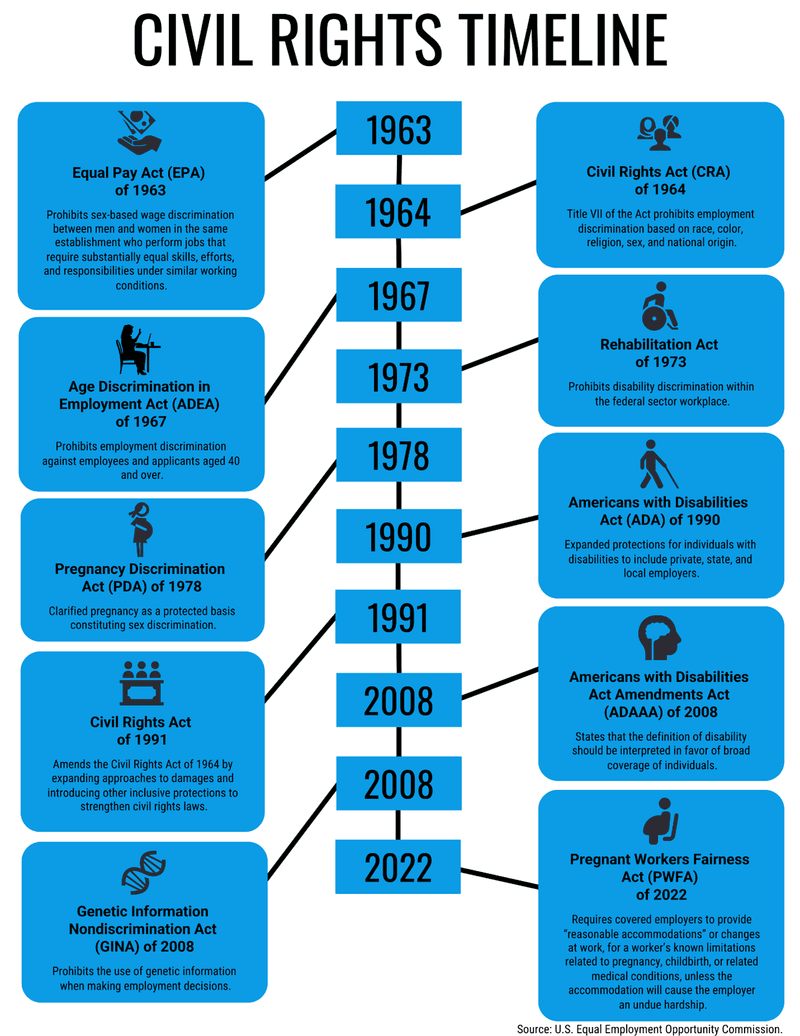
Laws passed in the 1960s and 1970s fundamentally rewired American society. The Equal Pay Act of 1963 targeted wage discrimination.
Title VII of the 1964 Civil Rights Act banned workplace discrimination based on sex. The Equal Credit Opportunity Act of 1974 gave women financial autonomy.
These weren’t small policy tweaks — they were structural changes that made a completely different life possible for women. Workplace harassment protections followed, creating environments where women could actually build and sustain long-term careers.
14. The Women’s Movement Blew Up the Happy Homemaker Myth
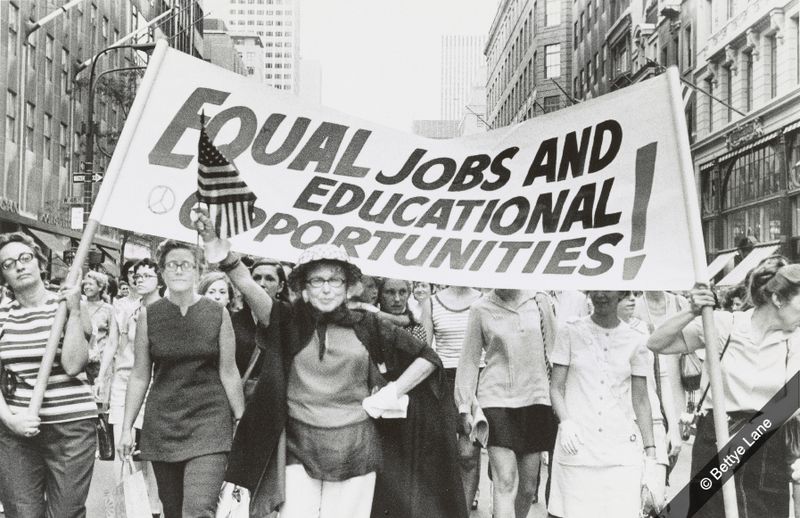
By the 1960s, women across America had quietly had enough. The feminist movement erupted publicly, challenging the suffocating “happy homemaker” narrative with real force.
Protests, publications, and political organizing put women’s discontent on the national stage where it could no longer be ignored.
Betty Friedan, Gloria Steinem, and countless unnamed activists demanded that society expand its definition of what a woman’s life could mean. The result was a cultural earthquake whose aftershocks are still shaping how women live and work today.
15. Women Are Now Leading Businesses and Governments

From corporate boardrooms to Capitol Hill, women’s presence in leadership positions has grown dramatically. Women made up roughly a quarter of U.S.
Congress members in the 117th Congress — a historic high. Female CEOs now lead major global companies across every industry.
None of that was possible under the 1950s model, which kept women out of serious decision-making entirely. Today’s women aren’t just participating in systems — they’re redesigning them.
That kind of power and influence is impossible to simply walk away from.
16. Modern Women Are Defining Their Own Identities
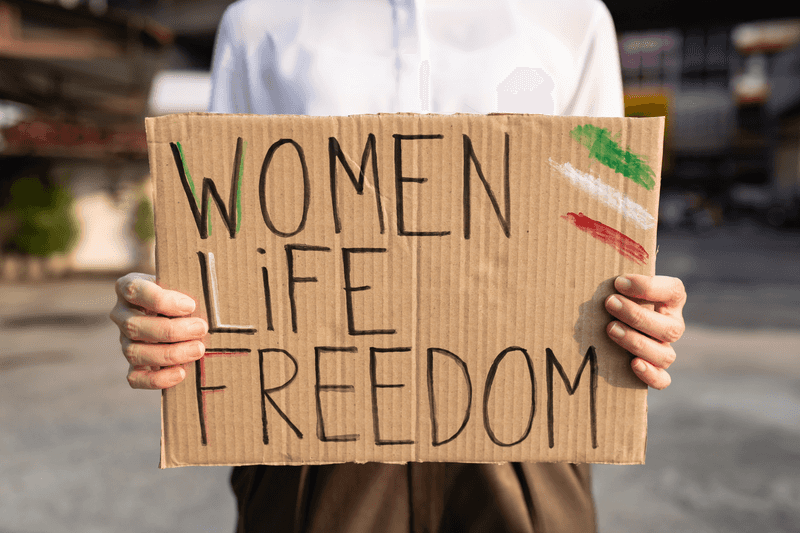
Perhaps the biggest shift since the 1950s isn’t economic or legal — it’s personal. Women today get to define their own identities rather than having society assign one to them at birth.
Some choose careers, some choose family, many choose both, and some choose entirely different paths altogether.
The 1950s model demanded conformity above everything else. Modern life offers something far more valuable: genuine choice.
That freedom — messy, complicated, and hard-won — is exactly why women aren’t looking backward anytime soon.