
Most of us in Britain grab a quick sandwich or a meal deal at lunchtime without giving much thought to what our bodies actually need. But what if your midday meal is quietly leaving out some key nutrients?
Getting the right mix of vitamins and minerals is crucial for energy, mood, and long-term health. Here are 16 nutrients that commonly slip through the cracks in a typical British lunch.
1. Vitamin D

Known as the sunshine vitamin, vitamin D is notoriously hard to get from food alone, especially in the UK where sunlight is limited for much of the year. Most British lunches skip the best dietary sources entirely.
Fatty fish like salmon, egg yolks, and fortified foods can help bridge the gap. Adding a small tin of sardines or a hard-boiled egg to your lunch is an easy win for your bones and immune system.
2. Magnesium
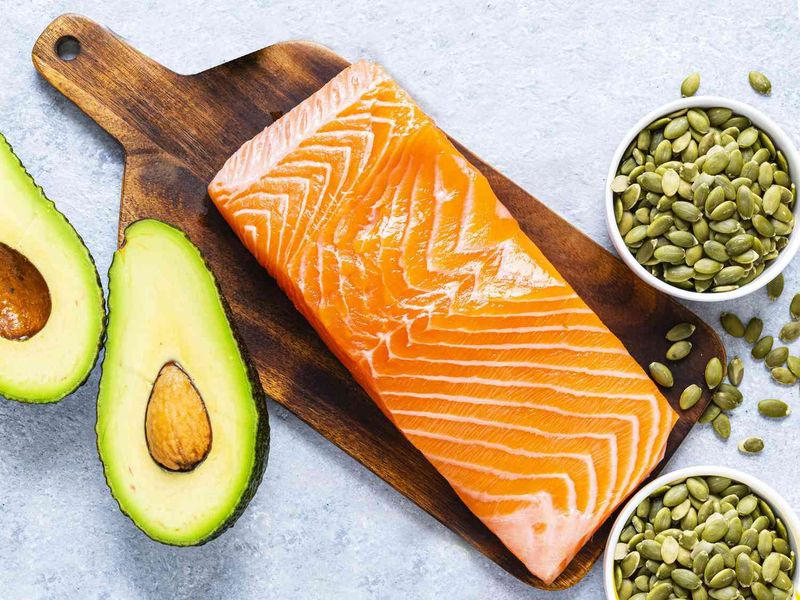
Magnesium quietly powers over 300 processes in your body, from muscle function to sleep quality. Yet most British lunches rely on white bread and processed fillings that contain very little of it.
Seeds, leafy greens, and wholegrains are among the best sources. Swapping white bread for a wholegrain wrap and tossing some pumpkin seeds into a salad can make a surprisingly big difference to your daily intake without much effort at all.
3. Omega-3 Fatty Acids
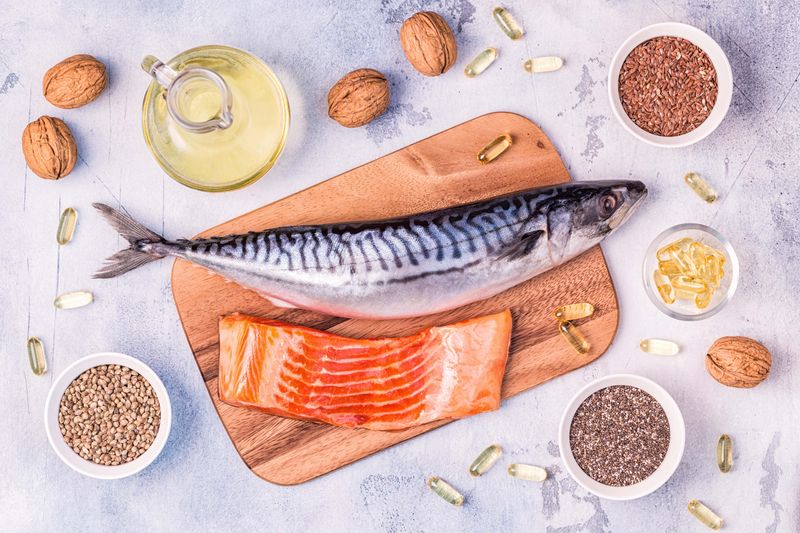
Omega-3 fatty acids are essential for brain health, heart function, and reducing inflammation, yet they are missing from the majority of British packed lunches. A cheese sandwich simply does not deliver these fats.
Oily fish like mackerel, sardines, and herring are among the richest sources available in the UK. Even a small portion a couple of times a week at lunch can support sharper thinking and a healthier heart over time.
4. Iron

Feeling tired and sluggish in the afternoon? Low iron could be the reason.
Iron is essential for carrying oxygen around the body, and many British lunches fall short, particularly for women and those following plant-based diets.
Lentils, dark leafy greens, and lean red meat are solid lunch-friendly sources. Pairing plant-based iron with a vitamin C-rich food, like a glass of orange juice, helps your body absorb significantly more of it.
5. Calcium

Calcium is the go-to mineral for strong bones and teeth, but it also plays a role in nerve signalling and muscle contractions. Many British lunches skip dairy entirely, especially among younger adults cutting back on animal products.
Cheese, yogurt, fortified plant milks, and canned fish with soft bones like sardines all count. A small pot of natural yogurt as a lunch dessert is one of the simplest ways to keep your calcium levels topped up.
6. Zinc

Zinc is a powerhouse mineral that supports your immune system, helps wounds heal, and even affects your sense of taste and smell. Despite its importance, it is often absent from the average British lunchbox.
Meat, shellfish, legumes, and seeds are top sources. Chickpeas are a particularly budget-friendly option – toss them into a salad or blitz them into hummus to give your midday meal a genuine zinc boost without any fuss.
7. Fibre
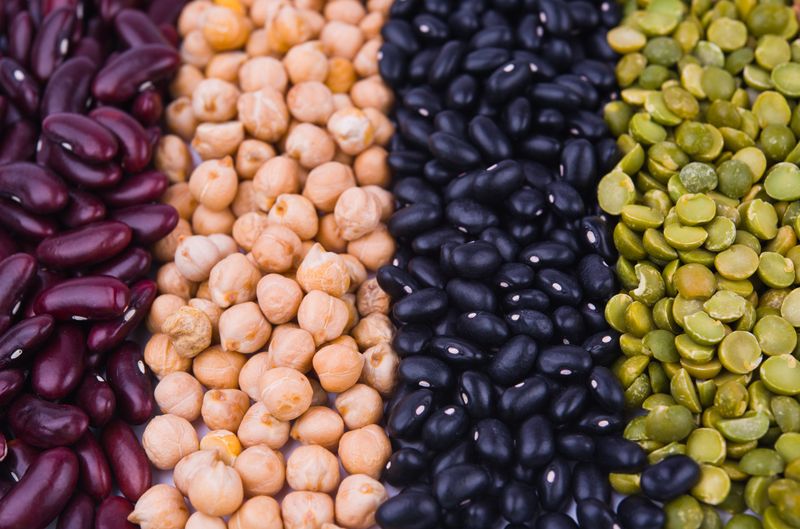
Only around 9% of British adults meet the recommended daily fibre intake, and lunch is often where the shortfall begins. White bread, crisps, and low-veg meal deals offer very little roughage for your gut.
Beans, lentils, vegetables, and wholegrains are fibre-packed alternatives that keep you fuller for longer and feed the beneficial bacteria in your digestive system. Even swapping white rice for brown rice at lunch can add a meaningful amount of fibre to your day.
8. Potassium

Potassium helps regulate blood pressure, supports heart function, and keeps muscles working properly. Yet most Britons get far less than the recommended 3,500mg per day, largely because typical lunches do not prioritise potassium-rich foods.
Bananas, sweet potatoes, avocado, and spinach are all excellent sources. Adding half an avocado to a salad or choosing a baked sweet potato as a lunchtime side is a delicious and straightforward way to nudge your intake in the right direction.
9. Vitamin B12
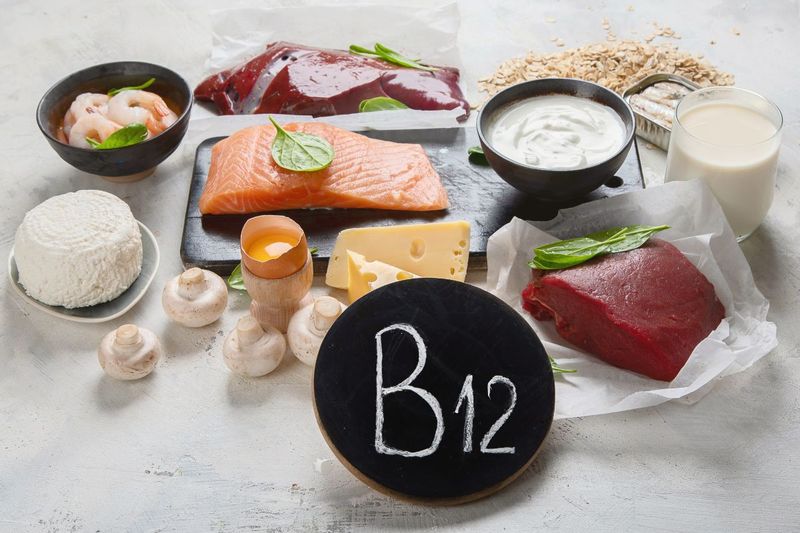
Vitamin B12 is essential for healthy nerve function and red blood cell production. It is found almost exclusively in animal products, which means vegans and many vegetarians are at real risk of falling short at lunchtime.
Eggs, dairy, meat, and fortified plant-based foods are the main sources. If your lunch is plant-based, checking that your plant milk or nutritional yeast is fortified with B12 is a simple but genuinely important habit to build.
10. Folate
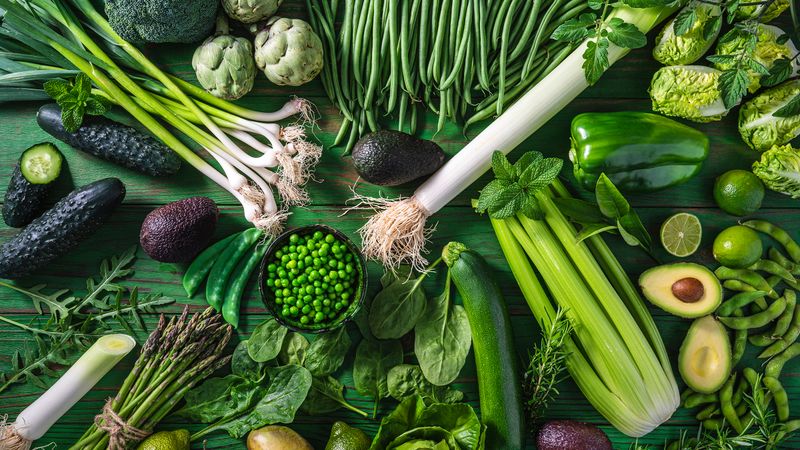
Folate, the natural form of folic acid, supports cell growth and is especially critical during pregnancy. However, it is a nutrient that many British adults overlook at lunch, particularly those who skip vegetables during the day.
Spinach, asparagus, broccoli, and edamame are among the best folate sources you can include in a midday meal. Building a simple green salad around these ingredients is one of the easiest ways to protect your health without overhauling your entire diet.
11. Vitamin C

Vitamin C is more than just a cold-fighter. It supports skin health, boosts iron absorption, and acts as a powerful antioxidant.
Surprisingly, many British lunches contain very little of it beyond a token slice of tomato.
Red bell peppers actually contain more vitamin C than oranges and are easy to slice into a lunchbox. Strawberries, broccoli, and kiwi fruit are other brilliant options that can brighten up a midday meal while doing your immune system a genuine favour.
12. Selenium

Selenium is a trace mineral with a big job: it protects cells from damage, supports thyroid function, and helps the immune system operate efficiently. Most British lunches provide almost none of it, largely because UK soils are naturally low in selenium.
Just two Brazil nuts a day can meet your entire selenium requirement. Tuna, eggs, and sunflower seeds are other lunch-friendly sources.
Tucking a couple of Brazil nuts into your lunchbox is one of the easiest nutritional upgrades you can make.
13. Iodine

Iodine is crucial for thyroid health and brain development, yet the UK has one of the highest rates of iodine deficiency in Europe. Dairy and fish are the main dietary sources, and many modern British lunches skip both.
White fish, dairy products, and seaweed-based foods are reliable options. If you have switched to plant-based milk, be aware that most do not contain iodine unless specifically fortified.
Checking the label before you pour could make a real difference to your health.
14. Choline
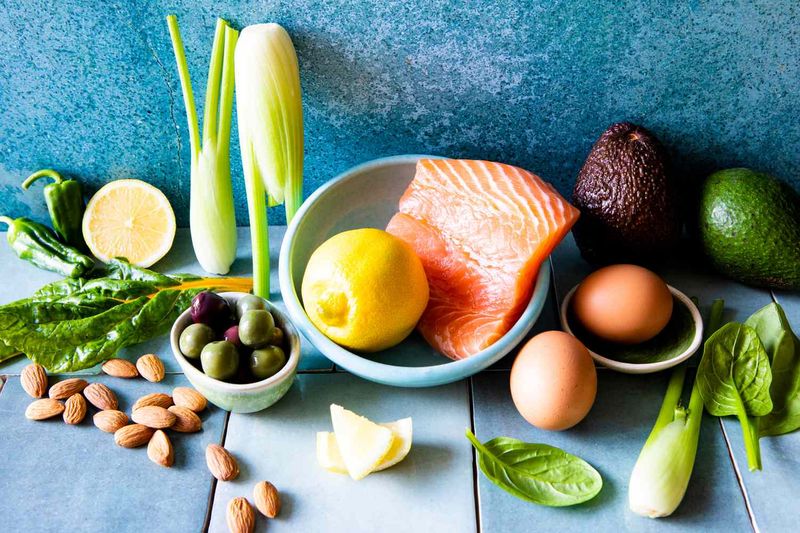
Choline is an unsung hero of nutrition. It supports brain function, liver health, and memory, yet most people have never even heard of it.
Surveys suggest the majority of Britons consume far less than the recommended amount each day.
Eggs are one of the richest and most accessible sources of choline available. Chicken, fish, and edamame are also solid contributors.
Adding a boiled egg to your lunch a few times a week is one of the simplest ways to support long-term brain health.
15. Vitamin K
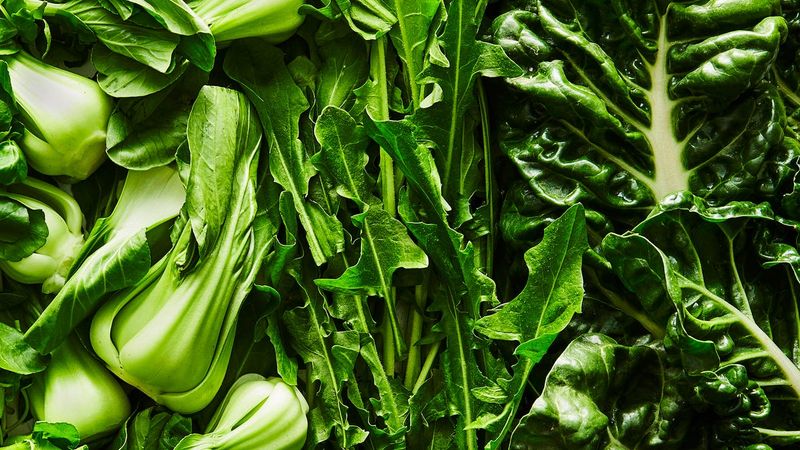
Vitamin K plays a vital role in blood clotting and bone health, yet it rarely gets the attention it deserves. Green vegetables are the primary source, and a lunch built around white bread and crisps provides virtually none of it.
Kale, spinach, broccoli, and spring onions are among the best sources you can easily add to a midday meal. A simple dressed salad built on dark leafy greens can supply a substantial portion of your daily vitamin K needs with minimal effort.
16. Protein

Protein is not just for gym-goers. Every cell in your body needs it to repair and grow, and without enough at lunch, that mid-afternoon energy slump can hit hard.
Many British meal deals are surprisingly low in quality protein.
Chicken, eggs, beans, Greek yogurt, and cottage cheese are all brilliant lunch-time protein sources. Aiming for a palm-sized portion of protein at midday helps stabilise blood sugar, keeps hunger at bay, and supports steady energy levels throughout the rest of the working day.