
Not every scary movie delivers the chills it promises. Sometimes, a creepy concept gets completely derailed by a script full of plot holes, wooden dialogue, and characters who make baffling decisions.
Horror fans are some of the most passionate moviegoers around, and they notice bad writing fast. From big studio releases to low-budget shockers, these 16 horror films became infamous not just for their scares, but for their seriously flawed screenwriting.
1. Terrifier (2016)
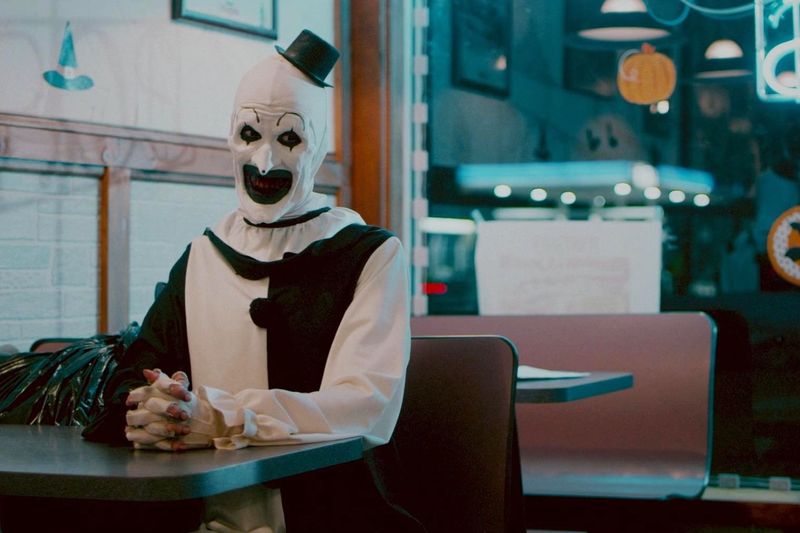
Art the Clown looks terrifying, but many viewers felt the people running from him were painfully clueless. Characters in Terrifier make decisions so baffling that audiences groaned louder than they screamed.
Critics pointed out that the script gave its cast almost nothing to work with beyond reacting to gore.
The kills are brutal and the clown is genuinely unsettling. Still, the weak character writing left many feeling the film could have been something truly special with a stronger screenplay behind it.
2. The Happening (2008)
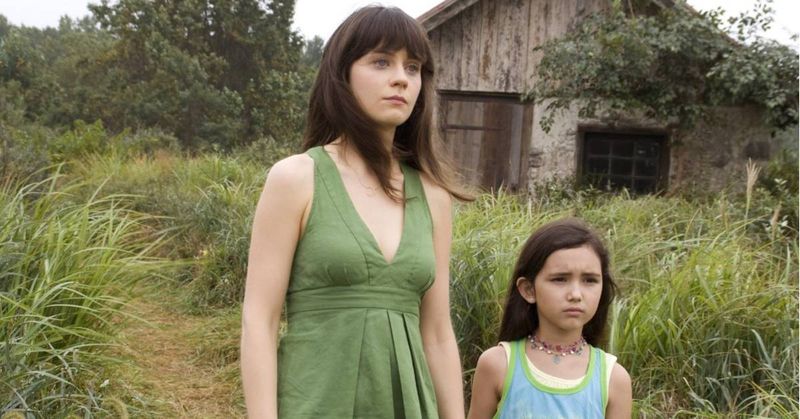
M. Night Shyamalan has made some genuinely gripping films, but The Happening is rarely counted among them.
The premise, plants releasing a toxin that makes people kill themselves, had real potential. Unfortunately, the dialogue landed so awkwardly that many scenes felt unintentionally funny rather than frightening.
Mark Wahlberg’s character talking to a plastic plant became one of cinema’s most mocked moments. Fans and critics alike agree the script needed far more polish before cameras rolled.
3. Slender Man (2018)
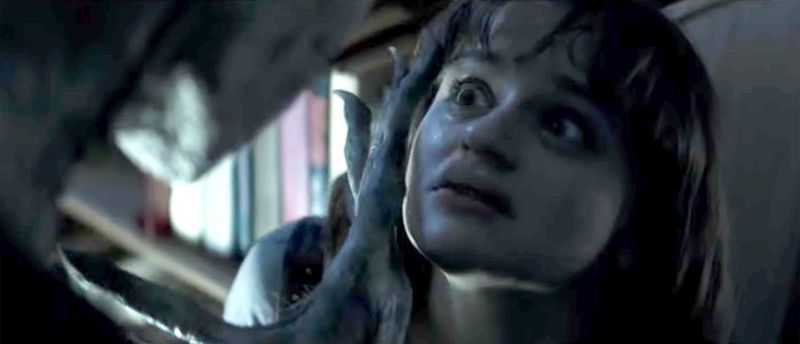
Few internet legends felt as ripe for a horror adaptation as Slender Man. The tall, faceless figure had already terrified millions online, making a big-screen version seem like a sure bet.
Sadly, the screenplay fumbled nearly every opportunity to build real dread or meaningful character development.
Audiences expecting a faithful, frightening take on the creepypasta icon walked away disappointed. The script leaned on tired jump scare setups while leaving the story’s mythology frustratingly vague and underexplored throughout.
4. The Human Centipede 2 (Full Sequence) (2011)
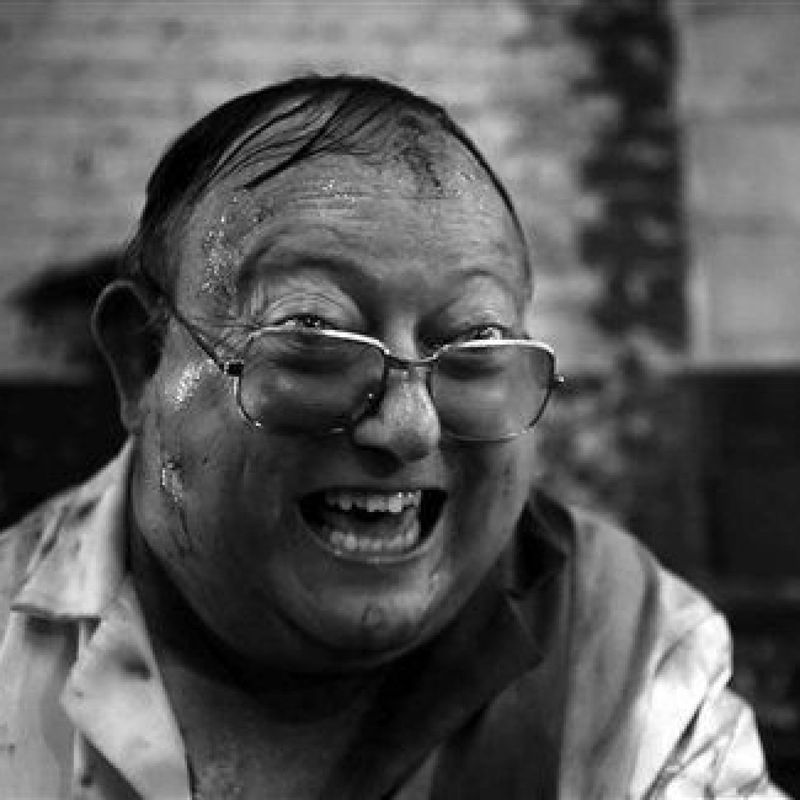
Shock value alone does not make a good horror film, and this sequel proves that point hard. Where the original at least had a twisted internal logic, the follow-up abandoned coherent storytelling almost entirely.
Critics noted the screenplay felt more like a dare than a genuine narrative effort.
Shot in stark black and white, the film aimed for artistic credibility but delivered mostly confusion. Without a script that gave viewers any reason to care, the shock wore off fast and left little behind.
5. Book of Shadows: Blair Witch 2 (2000)
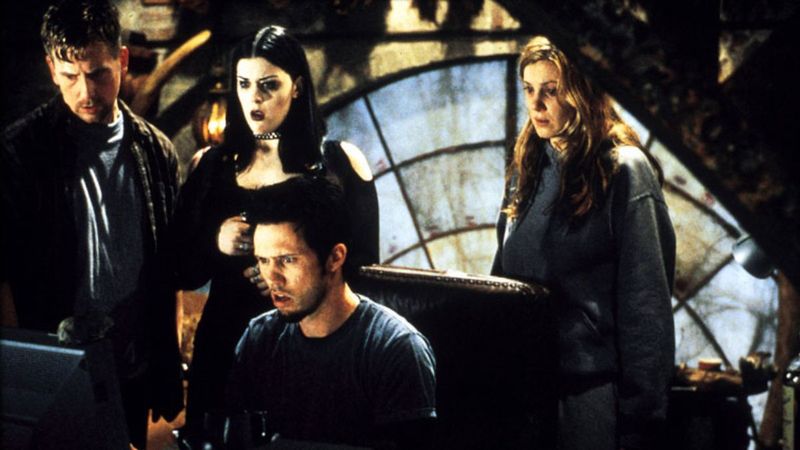
Following one of the most successful indie horror films ever made was always going to be tough. Blair Witch 2 had massive shoes to fill, but the screenplay took the franchise in a direction that confused and frustrated fans.
Gone was the raw, documentary feel that made the original so chilling.
Replacing it was a muddled meta-horror story that never found its footing. The script’s attempts at psychological complexity came across as half-baked, leaving audiences more puzzled than scared by the time the credits rolled.
6. Hellraiser: Revelations (2011)
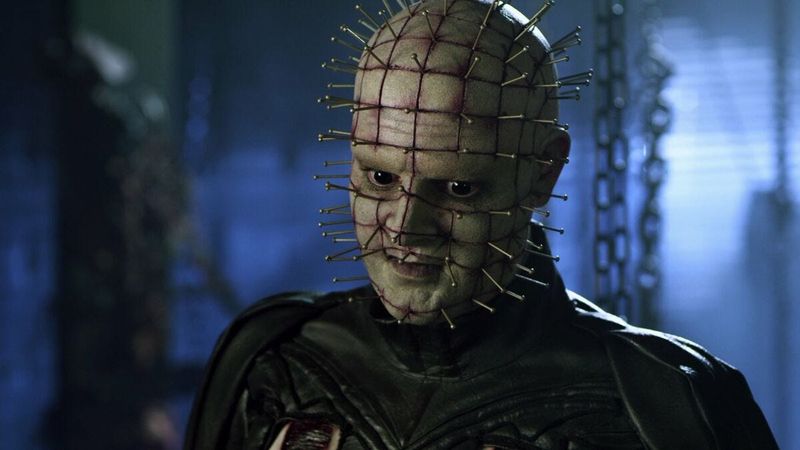
Rushed into production specifically to retain rights to the franchise, Hellraiser: Revelations had one of the most troubled origins in horror history. The script reportedly took only a couple of weeks to write, and audiences could tell.
Even die-hard Hellraiser fans struggled to find anything worth praising in the finished film.
The original creator publicly distanced himself from the project. Without Clive Barker’s vision guiding the story, the screenplay felt hollow, recycling franchise elements without understanding what made them frightening in the first place.
7. Jason Goes to Hell: The Final Friday (1993)
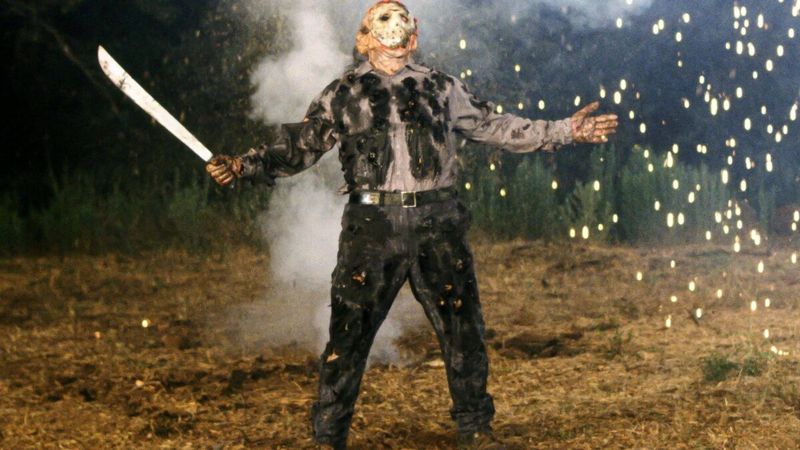
Calling a Friday the 13th movie ludicrous is almost a compliment, but this entry crossed a line even loyal fans refused to forgive. The script introduced a body-hopping plot that stripped Jason of the hulking, unstoppable presence fans loved.
Creative kills and campy fun, the series’ trademarks, were both in short supply.
Critics described the screenplay as entirely unaware of its target audience. Fans who showed up expecting classic slasher thrills were left scratching their heads at a story that felt disconnected from everything that came before it.
8. A Serbian Film (2010)
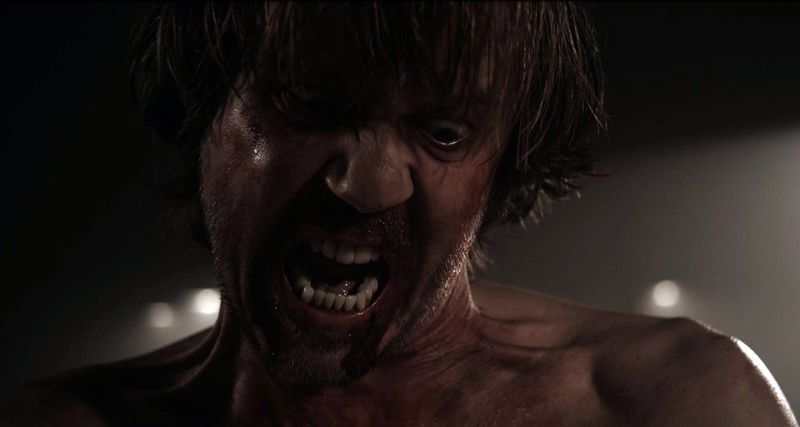
Controversy followed A Serbian Film everywhere it screened, but shock alone does not excuse weak storytelling. Critics who could look past the film’s extreme content still found the screenplay unconvincing and poorly constructed.
The film’s defenders argue it carries political allegory, but many felt that message got buried under gratuitous content.
Writing a story this dark demands precise, purposeful craft. Without a tight, thoughtful script anchoring the narrative, the film’s provocations felt more exploitative than meaningful, making it difficult to engage with on any serious level.
9. Halloween Ends (2022)
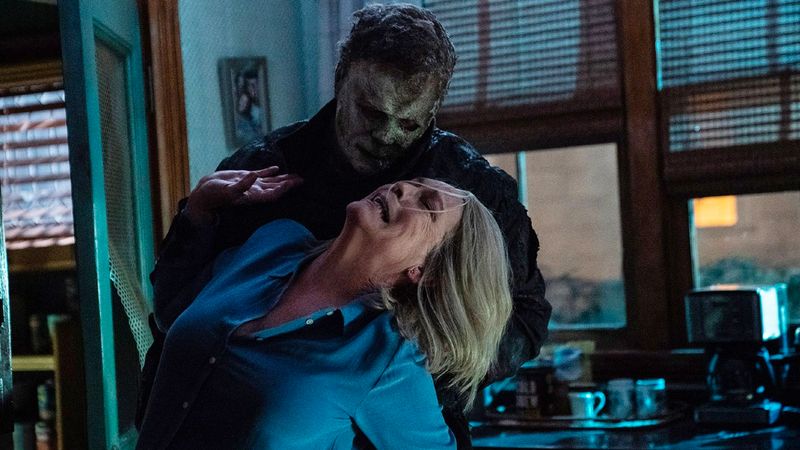
Horror fans waited years for a satisfying conclusion to the rebooted Halloween trilogy, and Halloween Ends left many feeling genuinely let down. The screenplay sidelined Laurie Strode and Michael Myers in favor of a new character named Corey, whose arc felt forced and poorly motivated throughout the film.
Critics called the themes incoherent and the story a disservice to loyal fans. What should have been a triumphant finale instead became a case study in how not to wrap up a beloved horror franchise with care.
10. Alone in the Dark (2005)
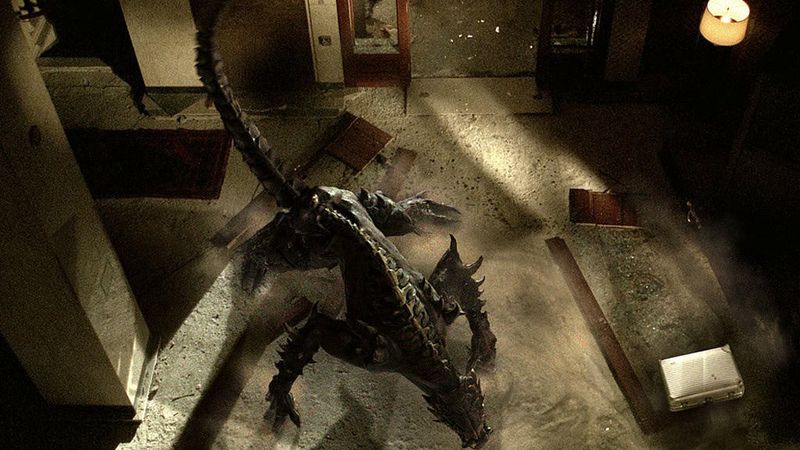
Video game adaptations have a rocky reputation in Hollywood, and Alone in the Dark did nothing to help that image. Directed by Uwe Boll, the film’s script has been called a masterclass in what not to do when writing horror.
Exposition dumps replaced genuine tension, and character motivations shifted without explanation.
Years later, the screenplay has only aged worse. Even fans of the original game found little to connect with, as the story seemed assembled from leftover horror clichés rather than built around a coherent, engaging idea.
11. Troll 2 (1990)
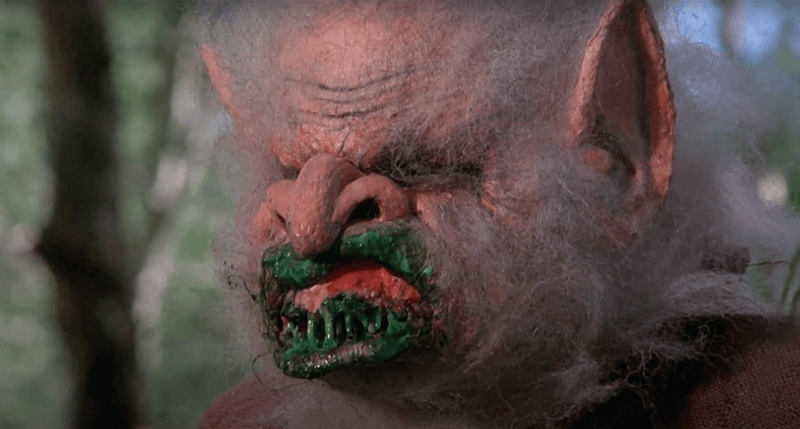
Few films have earned the label “so bad it’s good” quite as enthusiastically as Troll 2. Famously, the movie contains no actual trolls, only goblins, and that is far from its only bizarre creative choice.
The screenplay reads like it was written by someone who had never seen a horror film or spoken to a human being.
Oddly, that’s part of its charm. Troll 2 became a beloved cult classic precisely because its script is so wildly off the rails, spawning documentaries and devoted fan screenings decades after its release.
12. Malignant (2021)
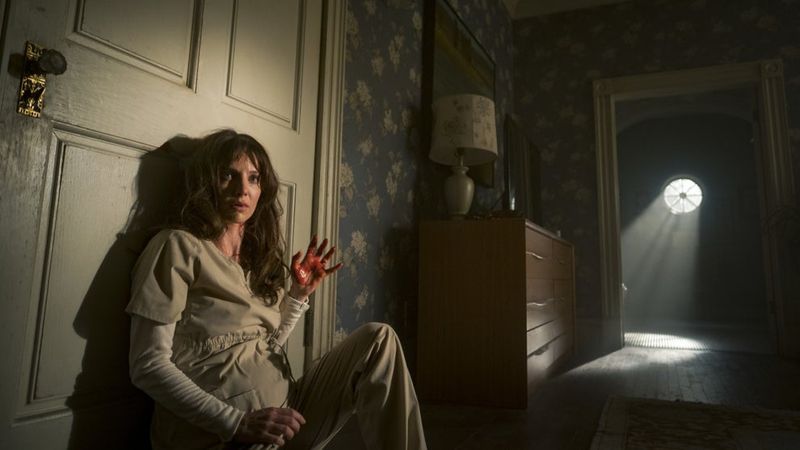
James Wan is no stranger to successful horror, which made Malignant’s reception all the more surprising. Many critics agreed the film had a genuinely inventive concept hiding inside it, but felt the writing failed to develop that idea with the care it deserved.
Dialogue felt clunky, and character decisions strained believability early on.
Some viewers embraced the film’s wild third-act twist as campy fun. Others felt that one creative idea could not rescue a screenplay that spent too long stumbling before it finally found its footing.
13. One Missed Call (2008)
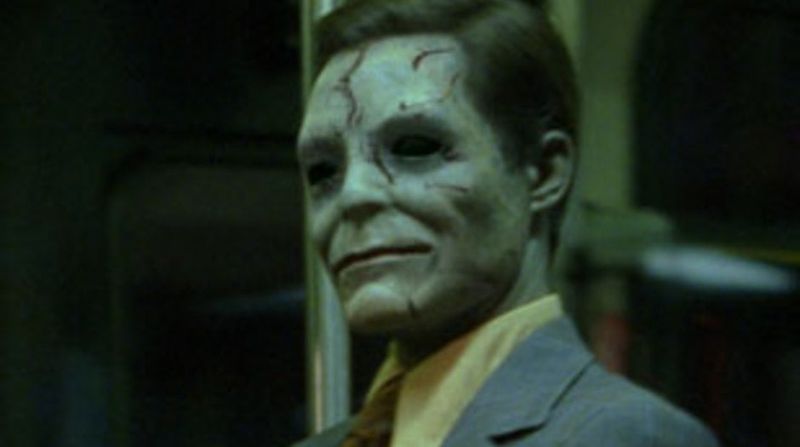
American remakes of Japanese horror films were everywhere in the 2000s, and One Missed Call arrived late to a trend already running out of steam. The premise, deadly voicemails from the future, had eerie potential, but the script did almost nothing interesting with it.
Performances felt flat largely because the characters were barely written.
Bland shocks and recycled scares filled scenes that should have built genuine dread. Critics agreed the screenplay leaned on genre formula without adding anything fresh, resulting in a forgettable film that struggled to stand out even among its peers.
14. The Devil Inside (2012)
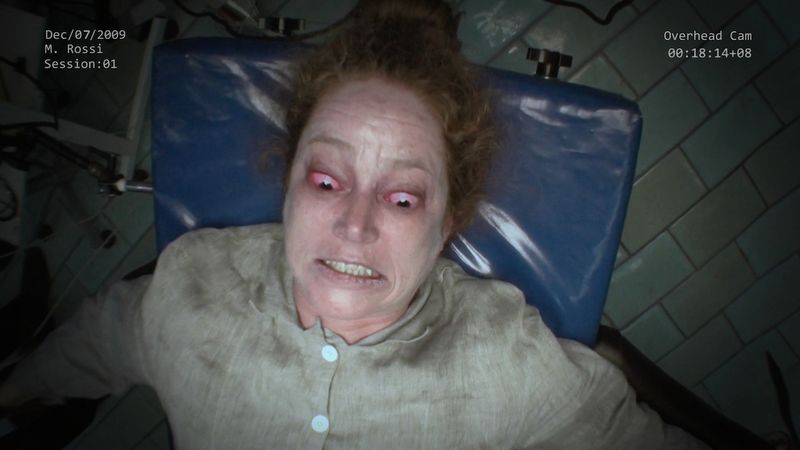
Found footage exorcism films were popular enough that The Devil Inside seemed like a safe bet. The script, however, failed to deliver anything audiences had not already seen done better elsewhere.
Characters felt interchangeable, and the story built toward a climax that famously just… stopped, directing viewers to a website instead of providing an ending.
That finale choice became one of the most mocked in modern horror history. Audiences felt cheated, and critics pointed to a screenplay that prioritized gimmicks over genuine storytelling craft or satisfying resolution.
15. The Bye Bye Man (2017)
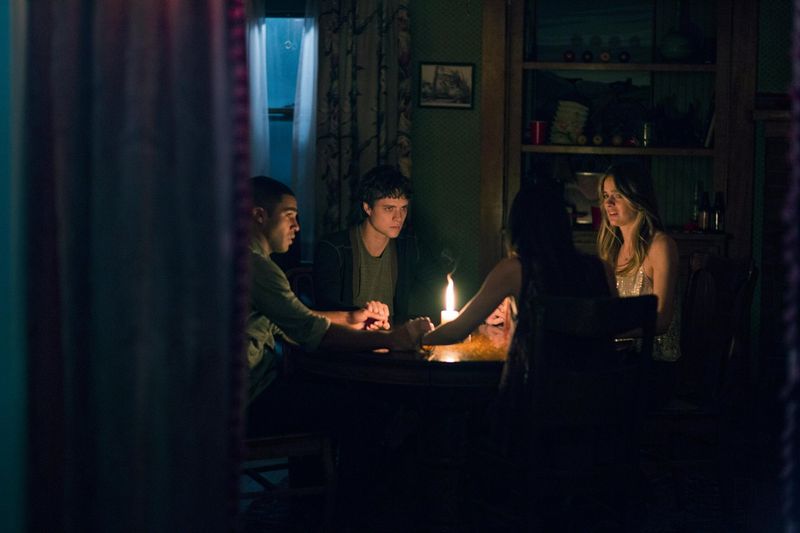
Say his name and terrible things happen – that was the central hook of The Bye Bye Man, a concept with real promise. Unfortunately, the script never built the mythology into something genuinely frightening or emotionally engaging.
Rules around the villain felt inconsistent, making it hard for viewers to feel real stakes.
Young cast members tried their best with thin material. Critics noted that the screenplay relied on familiar horror beats without earning them, resulting in a film that felt disposable rather than the franchise-starter its creators clearly intended it to become.
16. Death Tunnel (2005)
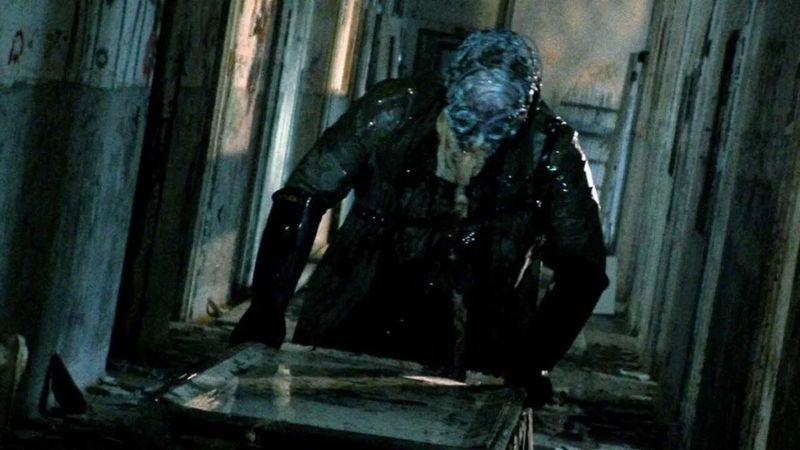
Set in a real abandoned tuberculosis hospital, Death Tunnel had a genuinely atmospheric location working in its favor. Sadly, almost nothing else did.
Critics tore into the film’s acting, its scares, and especially its screenplay, which one reviewer memorably said fell flat on its face from beginning to end without ever recovering.
A spooky building alone cannot carry a horror film. Without a script that gave characters purpose or built tension logically, Death Tunnel became a cautionary tale about wasting a promising setting on a story that never came close to matching it.