
Most people reach for dark chocolate when they want a magnesium boost, and for good reason – it packs around 228 mg per 100 grams. But here’s the thing: plenty of everyday foods actually match or beat that number.
From seeds and nuts to leafy greens and legumes, your magnesium options are far more exciting than you might think. Read on to discover 16 foods that give dark chocolate some serious competition.
1. Pumpkin Seeds
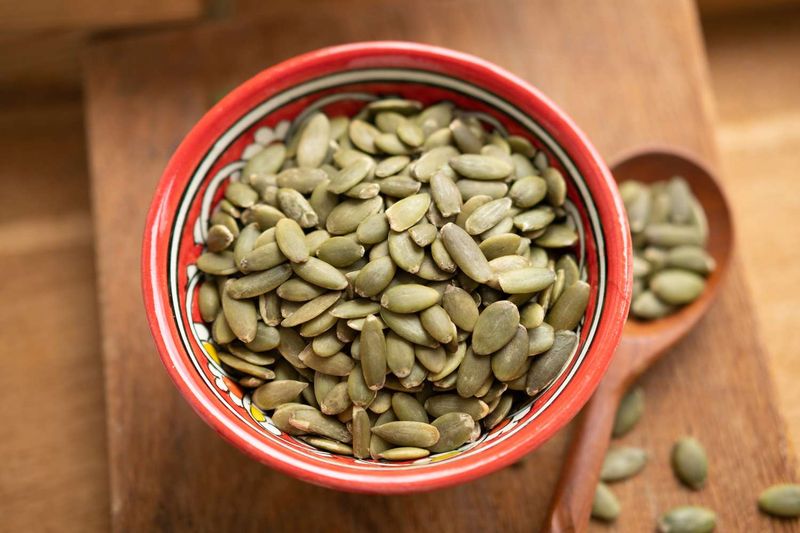
Pumpkin seeds are basically the overachievers of the magnesium world. At around 550 mg per 100 grams, they more than double what dark chocolate offers – making them one of the richest magnesium sources you can find in nature.
Toss a handful on yogurt, salads, or oatmeal for an easy daily boost. A single one-ounce serving gives you about 150 mg of magnesium, which covers roughly 35% of the daily recommended amount for adults.
2. Chia Seeds
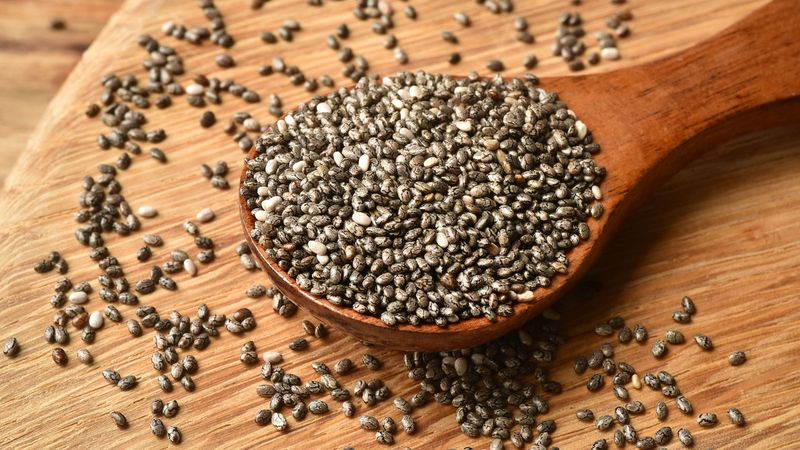
Tiny but mighty, chia seeds pack about 396 mg of magnesium per 100 grams. That puts them well ahead of dark chocolate and makes them an easy addition to almost any meal or snack.
One ounce of chia seeds delivers around 111 mg of magnesium. Stir them into smoothies, overnight oats, or water with lemon for a simple nutrient upgrade.
Their mild flavor means they blend into almost anything without changing the taste.
3. Almonds
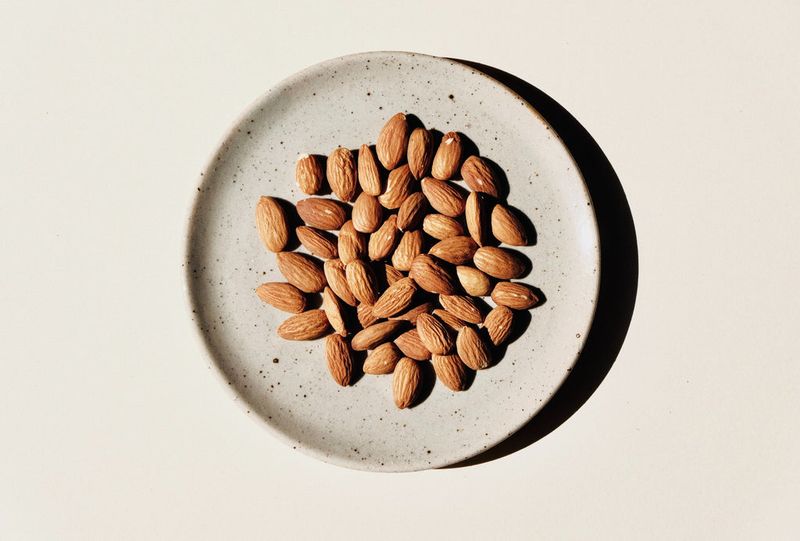
Almonds have earned their reputation as one of the best snack foods around. With about 268 mg of magnesium per 100 grams, they sit comfortably above dark chocolate and bring a satisfying crunch along with healthy fats and protein.
A one-ounce serving offers roughly 80 mg of magnesium. Keep a small bag in your backpack or desk drawer for a quick, filling snack.
Almond butter on whole grain toast is another delicious way to get more magnesium into your day.
4. Cashews
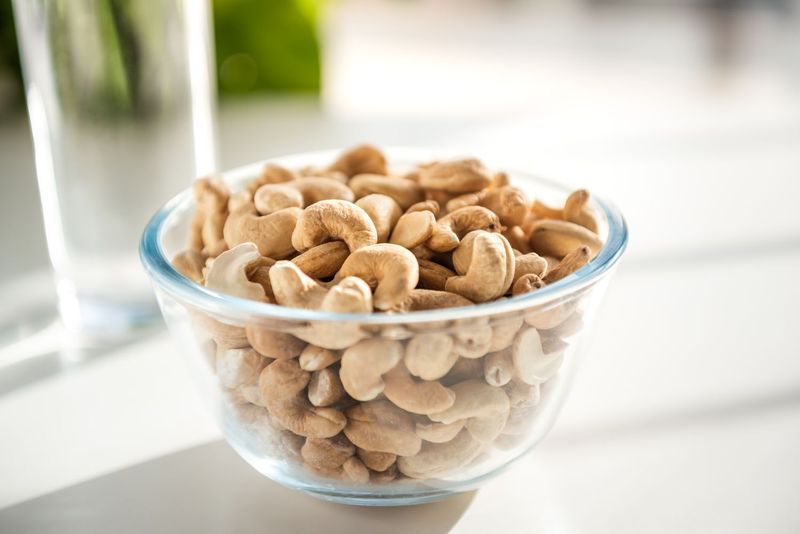
Cashews have a creamy, buttery flavor that makes them feel like a treat – but nutritionally, they are working hard for you. Packing about 292 mg of magnesium per 100 grams, they outperform dark chocolate by a solid margin.
One ounce gives you around 72 mg of magnesium. Cashew butter is a great alternative to peanut butter and works wonderfully in smoothies, sauces, or just spread on apple slices.
They are also a popular base for dairy-free recipes.
5. Pili Nuts
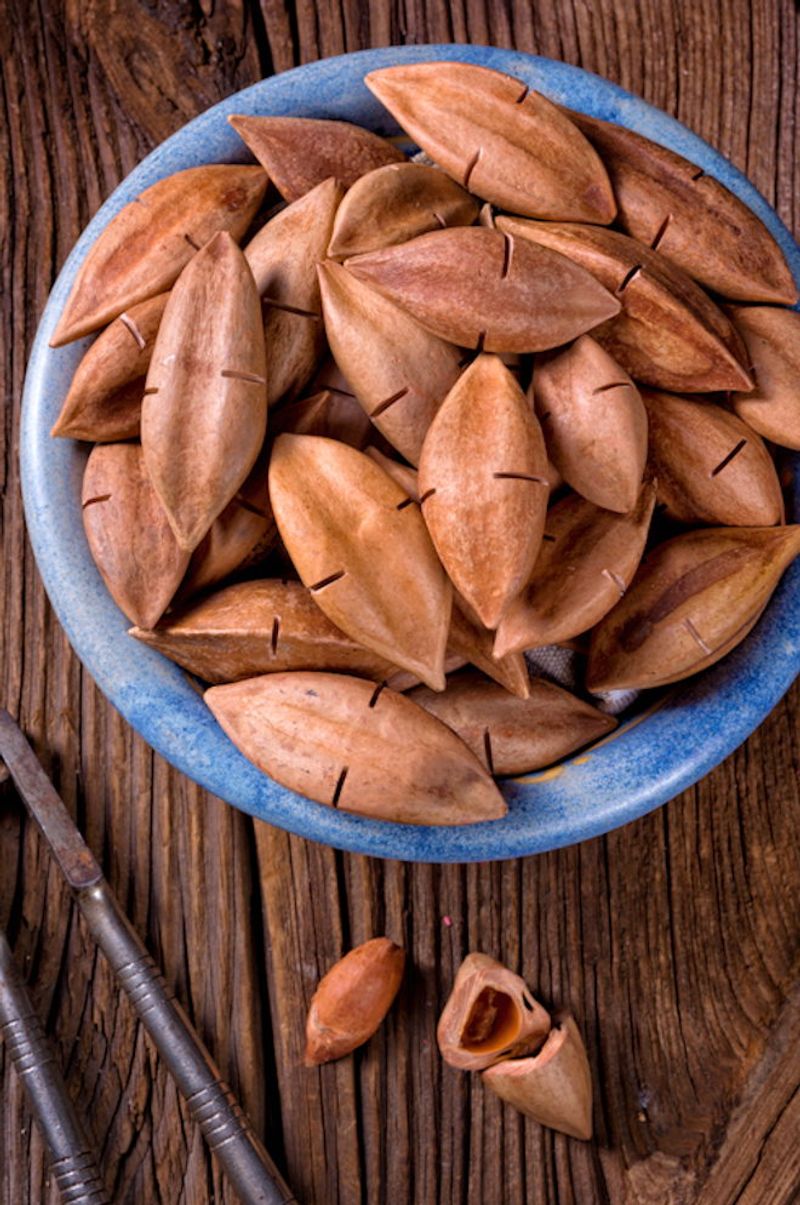
Not everyone has heard of pili nuts, but these little-known gems deserve a spot in your pantry. Native to Southeast Asia, they contain roughly 270 mg of magnesium per 100 grams, putting them right in the same league as dark chocolate and beyond.
Pili nuts are also high in healthy fats and have a rich, pine-like flavor. They are gaining popularity in the health food world and can often be found at specialty stores or online.
Worth tracking down for sure.
6. Sunflower Seeds

Sunflower seeds are a classic snack, and they bring a lot more to the table than just crunch. With about 378 mg of magnesium per 100 grams, they leave dark chocolate in the dust and make a surprisingly powerful nutritional punch.
Sprinkle them over salads, mix them into trail mix, or grab a handful between meals. Even a one-ounce serving gives you around 37 mg of magnesium.
They are also a good source of vitamin E, healthy fats, and selenium.
7. Raw Soybeans
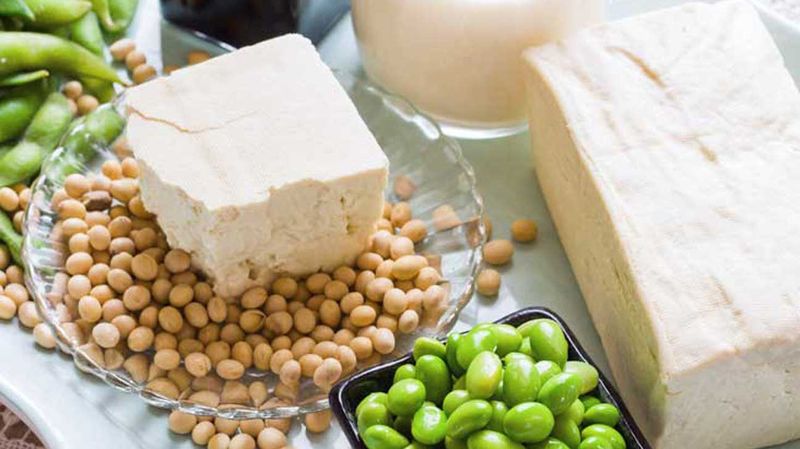
Raw soybeans are a nutritional powerhouse that many people overlook. Clocking in at around 280 mg of magnesium per 100 grams, they rival dark chocolate and come loaded with plant-based protein at the same time.
Edamame – young, green soybeans – is one of the tastiest ways to enjoy them. Lightly salted and steamed, edamame makes a satisfying snack or appetizer.
Soybeans also show up in tofu, tempeh, and soy milk, giving you plenty of ways to work them into meals.
8. Cooked Spinach
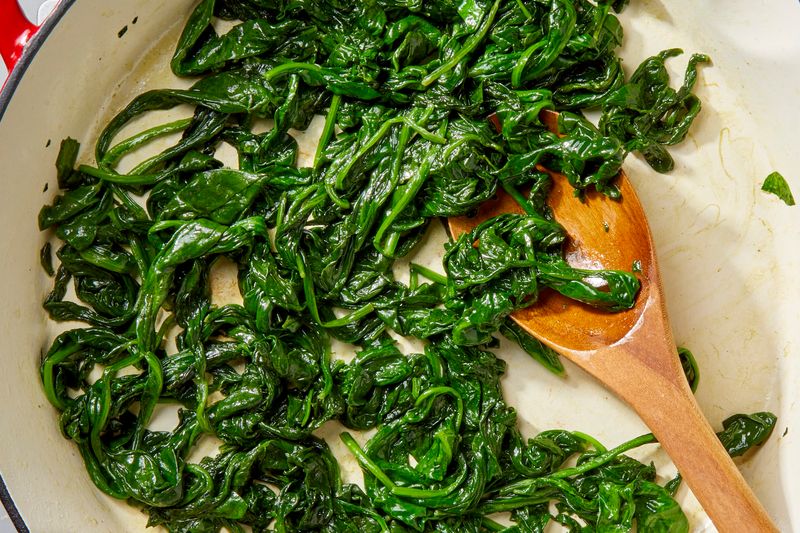
Popeye was onto something. Cooked spinach offers between 75 and 82 mg of magnesium per 100 grams, and a half-cup serving provides about 78 mg.
Cooking spinach actually concentrates its nutrients by reducing the volume significantly.
Saute it with olive oil and garlic for a quick side dish, or stir it into pasta, soups, and egg dishes. Fresh spinach is great in salads, but cooking it is the smarter move when you want a serious magnesium boost from a smaller portion.
9. Black Beans
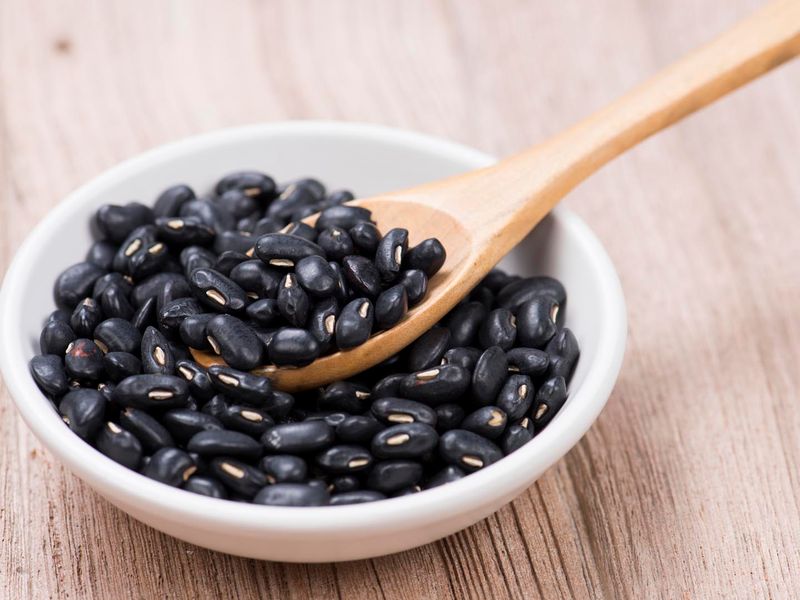
Black beans are a staple in kitchens around the world, and their magnesium content is a big reason to keep them stocked. A one-cup cooked serving delivers about 120 mg of magnesium, making them a reliable, budget-friendly source of this essential mineral.
Add them to tacos, rice bowls, soups, or salads. They are also packed with fiber and plant-based protein, so they keep you full for hours.
Canned black beans work just as well as dried – just rinse them first.
10. Cooked Quinoa
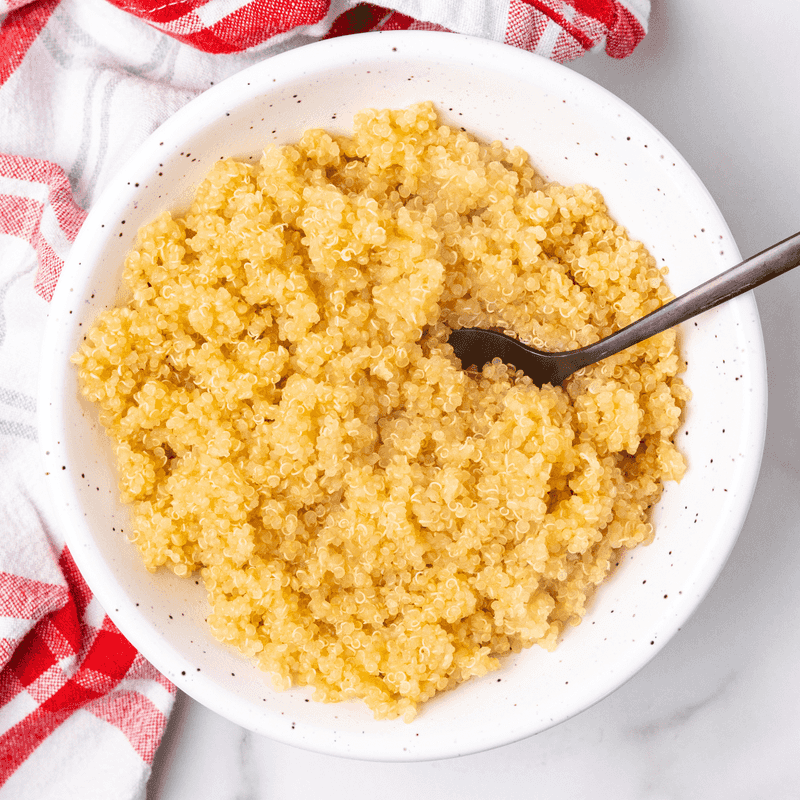
Quinoa gets a lot of love as a protein source, but its magnesium content is just as impressive. One cup of cooked quinoa can provide up to 118 mg of magnesium, which makes it a smart grain swap for anyone looking to boost their intake.
Use it as a base for grain bowls, mix it into soups, or serve it as a side dish instead of rice. Quinoa is also gluten-free, making it a great option for people with gluten sensitivities who still want a hearty, nutrient-dense meal.
11. Cooked Swiss Chard
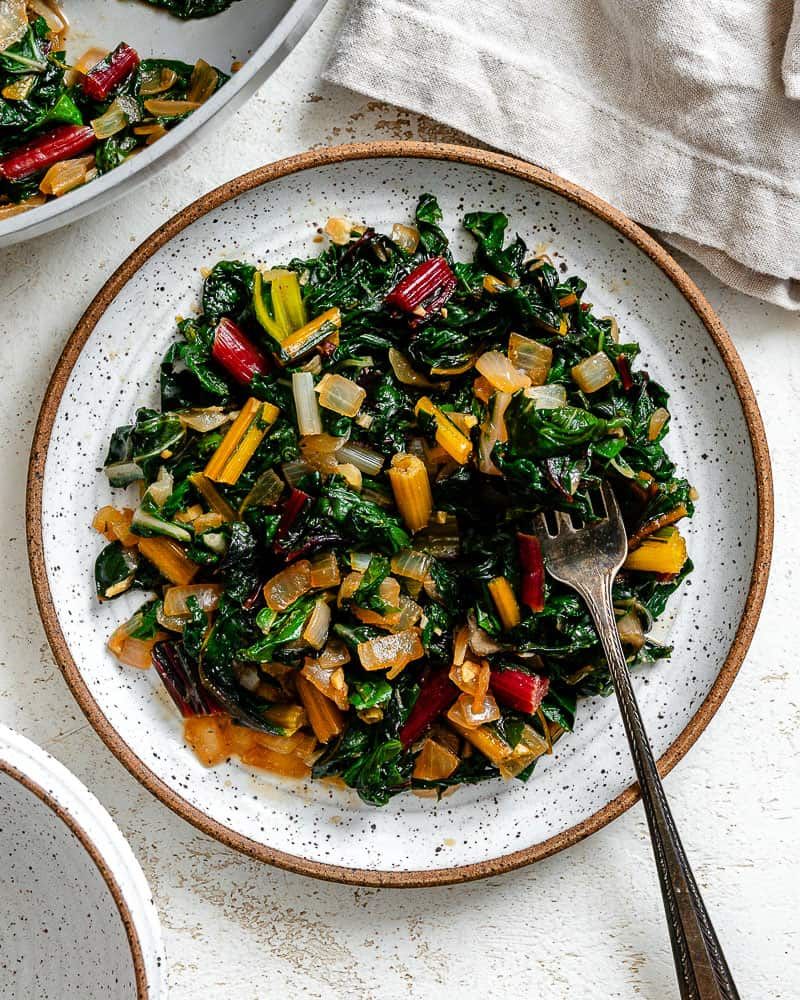
Swiss chard might not be the first vegetable that comes to mind at the grocery store, but it absolutely should be. A half-cup of cooked Swiss chard delivers around 75 mg of magnesium, making it one of the best leafy green sources available.
Its slightly earthy flavor pairs well with garlic, lemon, and olive oil. Try it as a side dish or fold it into frittatas and pasta.
The colorful stems are completely edible and add a nice visual pop to any plate.
12. Tofu

Tofu is one of the most versatile foods on the planet, and it brings a steady supply of magnesium to the table. A 100-gram serving provides about 35 mg of magnesium, and it soaks up whatever flavors you cook it with, making it endlessly adaptable.
Firm tofu is great for stir-fries and grilling, while silken tofu works well in smoothies, soups, and desserts. It is also an excellent source of plant-based protein and calcium, making it a nutritional all-rounder for vegetarians and vegans alike.
13. Pistachios
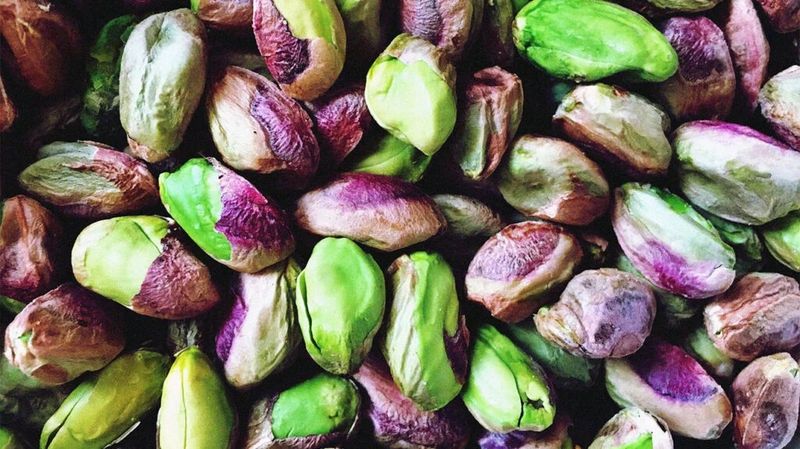
Pistachios are the fun, festive nut – and they come with solid nutritional credentials. With about 121 mg of magnesium per 100 grams, they beat dark chocolate and bring a satisfying crunch and natural sweetness to snack time.
They are also one of the lower-calorie nuts, so you can enjoy a generous handful without going overboard. Add them to salads, yogurt parfaits, or grain dishes for texture and color.
Pistachios are also rich in antioxidants and heart-healthy fats.
14. Walnuts
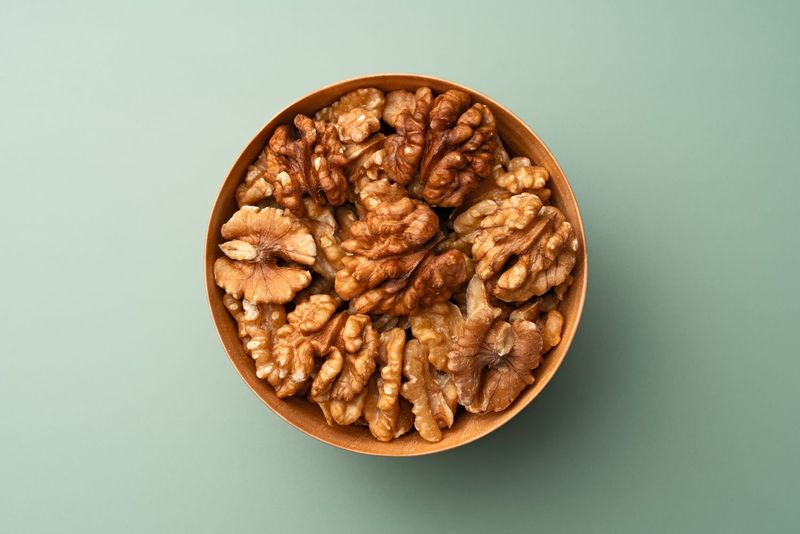
Walnuts look like tiny brains, and fittingly, they are famous for supporting brain health. Beyond that, they contain around 158 mg of magnesium per 100 grams, which comfortably beats dark chocolate and makes them a smart everyday snack choice.
Their slightly bitter, earthy flavor works great in baked goods, salads, and oatmeal. Walnuts are also one of the best plant-based sources of omega-3 fatty acids.
A small handful a day can make a noticeable difference in your overall nutrient intake.
15. Avocado
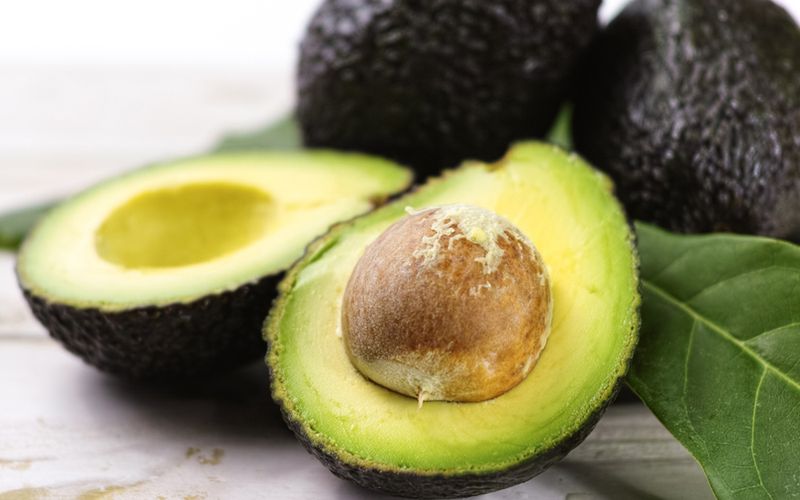
Avocados are already beloved for their creamy texture and healthy fats, but their magnesium content often flies under the radar. One whole avocado provides about 58 mg of magnesium, making it a meaningful contribution to your daily needs.
Spread it on toast, blend it into smoothies, or slice it over salads and grain bowls. Avocados also deliver potassium, fiber, and vitamins C, E, and K.
Few foods manage to taste this indulgent while quietly delivering such impressive nutritional value at the same time.
16. Cooked Green Peas

Green peas are often underestimated, pushed to the side of the plate without much thought. But a half-cup serving of cooked green peas delivers about 31 mg of magnesium along with a good dose of fiber, plant protein, and vitamins A, C, and K.
Add them to fried rice, pasta, soups, or casseroles for a pop of color and nutrition. Frozen peas are just as nutritious as fresh and are incredibly convenient to keep on hand for quick weeknight meals any time of year.