
The 2000s were a golden era for anime, giving us some of the most iconic heroes we grew up cheering for. Back then, these characters felt bold, cool, and totally unstoppable.
But revisiting them now? Some of those heroes come across as cringeworthy, frustrating, or just plain problematic.
Here are 16 classic 2000s anime protagonists who, honestly, have not held up very well over time.
1. Suzaku Kururugi (Code Geass)
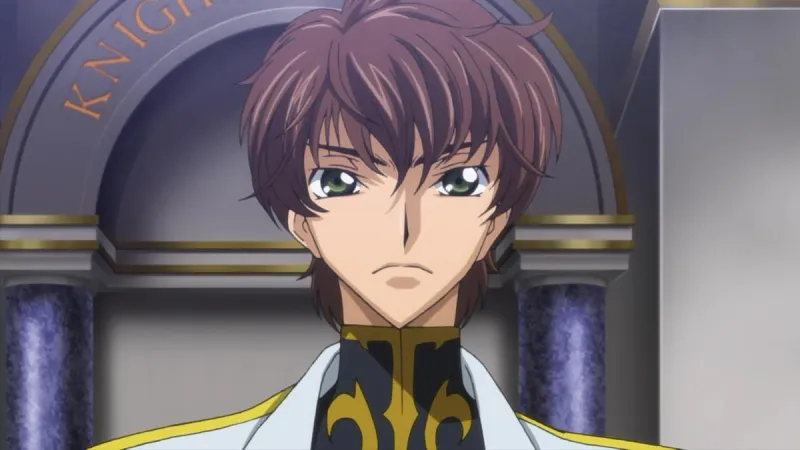
Suzaku Kururugi might have seemed noble back in 2006, but rewatching Code Geass today tells a different story. He constantly blamed Zero for the war while doing equally questionable things himself, never seeing the contradiction.
His fierce loyalty to the Britannian Empire, the very force destroying his homeland, baffled many fans. Worse, his so-called heroism was really driven by a hidden death wish rooted in guilt.
That is not bravery; that is self-destruction dressed up in a white uniform.
2. Naruto Uzumaki (Naruto)
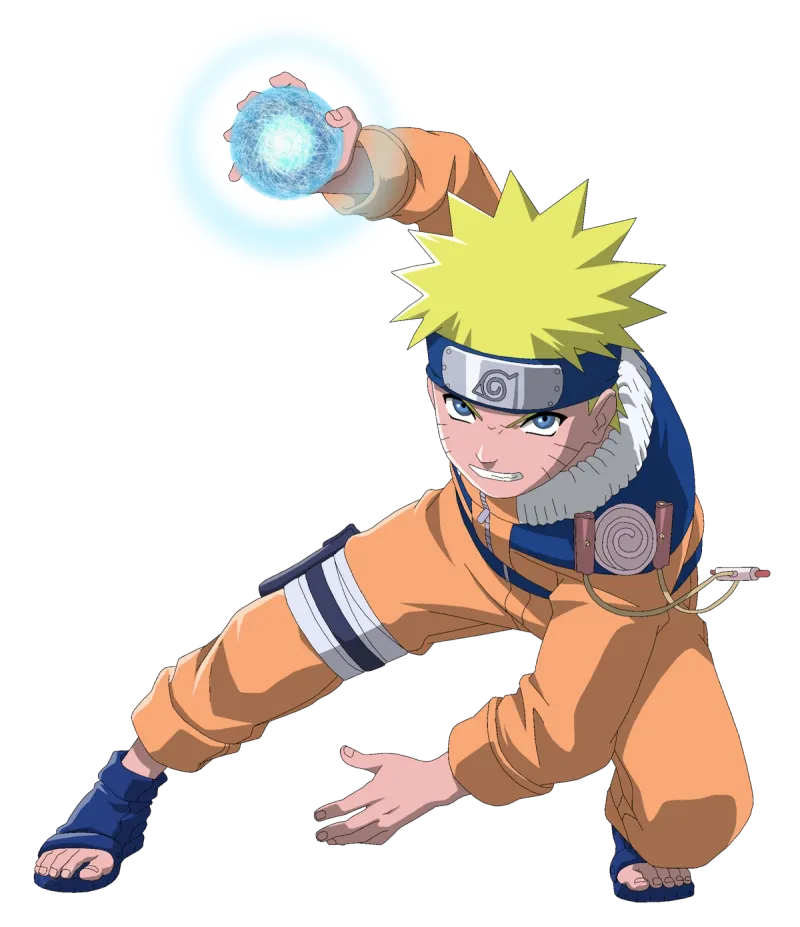
Naruto was the underdog everybody rooted for, but looking back, his decision-making was genuinely alarming. He rushed into dangerous situations without thinking, putting teammates at serious risk time and again.
His habit of forgiving people who caused real harm, like Obito, felt less inspiring and more naive as viewers grew older. By the time Boruto arrived, the writers had to quietly nerf him just to keep the story balanced.
That alone says a lot about how overpowered and poorly planned his arc became.
3. Inuyasha (Inuyasha)
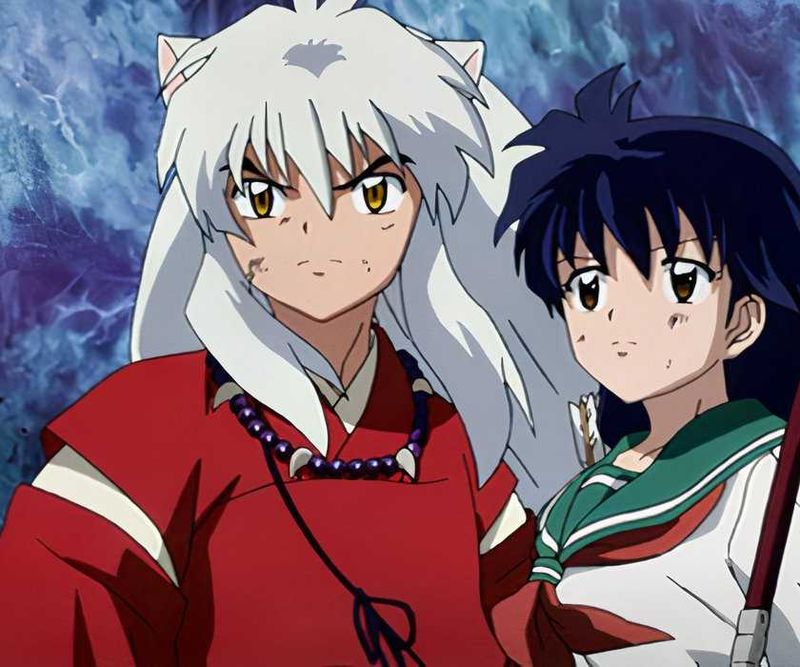
Few anime relationships from the 2000s were as exhausting as Inuyasha and Kagome. Their constant bickering, followed by tender moments, then more bickering, wore thin after about the 50th episode of the same cycle.
The show ran for 167 episodes and a sequel, yet the main plot barely moved forward for long stretches. Inuyasha himself was hot-headed and stubborn in ways that stopped feeling charming and started feeling tiresome.
Nostalgia is powerful, but it cannot fully rescue this repetitive dynamic from honest criticism.
4. Haruhi Suzumiya (The Melancholy of Haruhi Suzumiya)
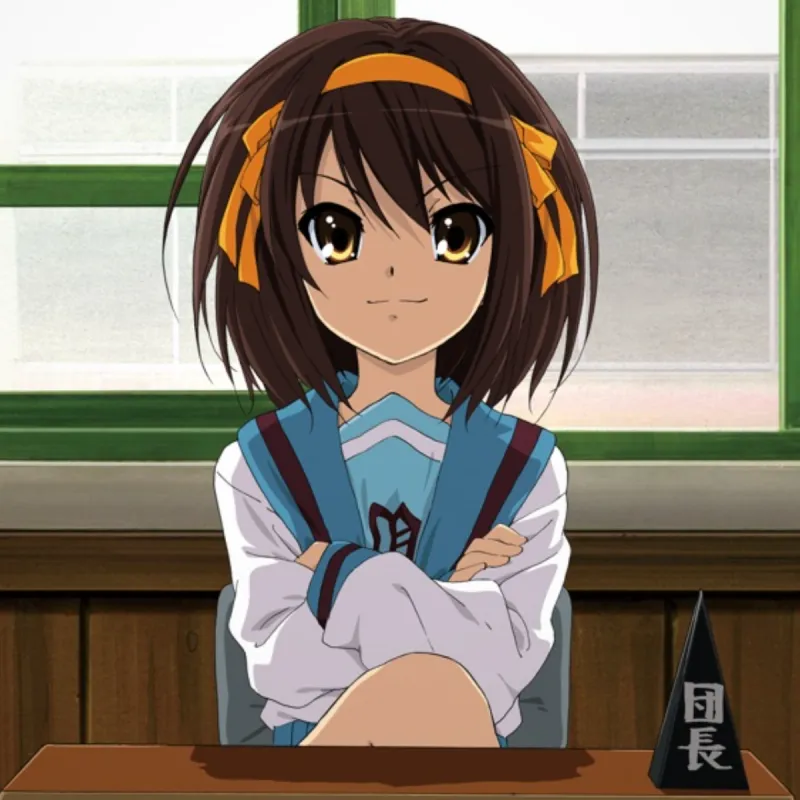
Haruhi Suzumiya was marketed as a quirky, fun protagonist, but her actual behavior was controlling and manipulative. She faked blackmail, made threats, and bent others to her will without a second thought.
Her godlike powers meant that everyone around her had to tip-toe around her moods just to keep reality intact. Trapping people in endless time loops because she felt bored is not a personality quirk; it is genuinely alarming.
Rewatching the series as an adult makes her feel less like a hero and more like a cautionary tale.
5. Light Yagami (Death Note)
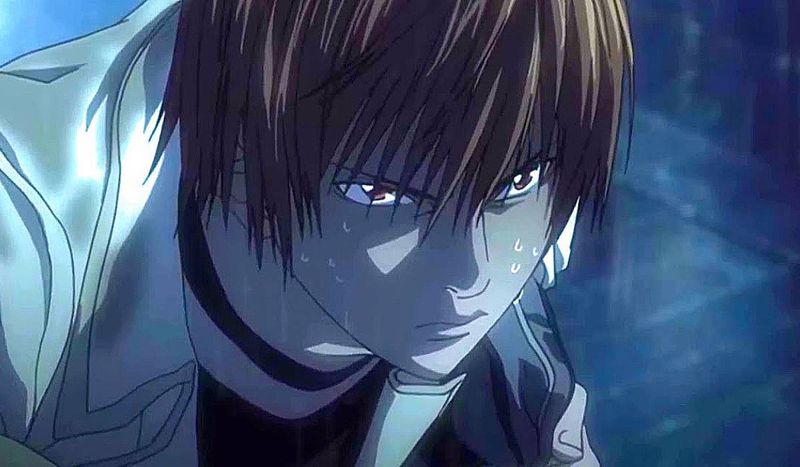
Younger viewers loved rooting for Light Yagami, but growing up changes that perspective fast. What starts as a sharp sense of justice quickly curdles into full-blown megalomania within just a few episodes.
He genuinely believed he deserved to be the god of a new world, and he was only 17 when that idea took hold. The tragedy is that his intelligence made him dangerous rather than heroic.
Looking back, Light was never really a hero; he was a cautionary example of what unchecked ego can do to a brilliant mind.
6. Alucard (Hellsing)
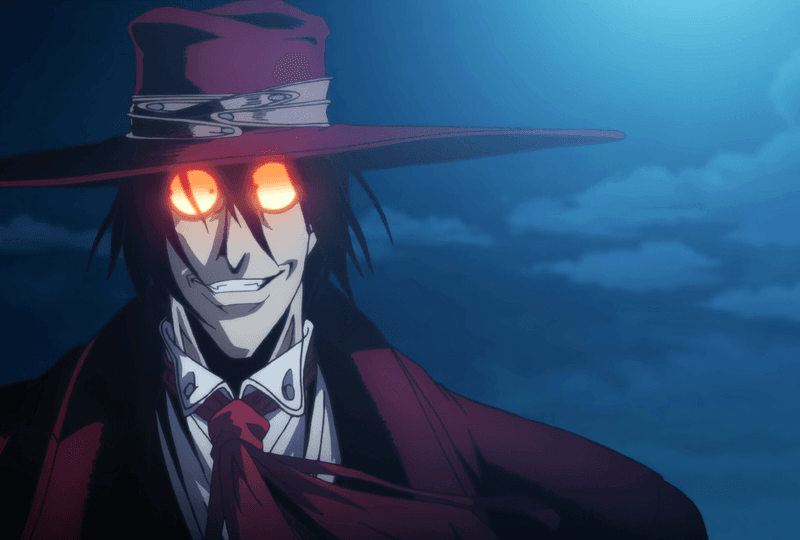
Alucard was the definition of edgy cool in the early 2000s, and honestly, that was kind of the problem. His power level was so absurdly high that no villain ever felt like a real threat, which drained tension from every fight.
The original 2001 anime leaned into slapstick humor and chibi art moments that clash awkwardly with the dark tone. Critics have called him a textbook “Gary Stu” character, and it is hard to argue otherwise.
When a hero cannot lose, why should anyone feel invested in the outcome?
7. Rika Nonaka (Digimon Tamers)
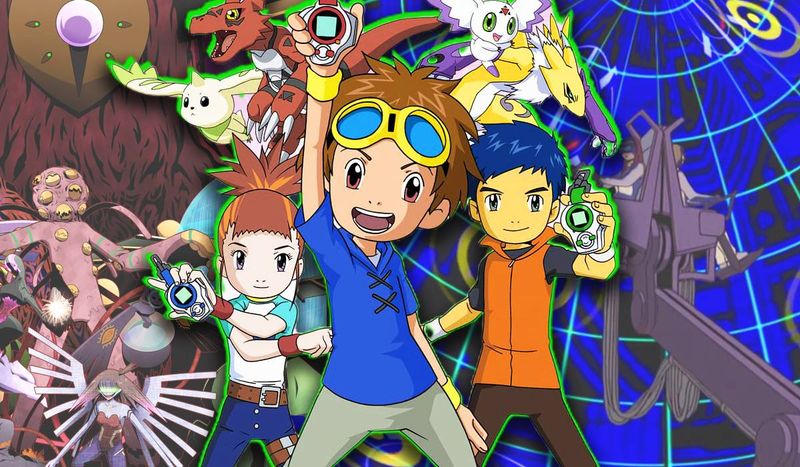
Rika started Digimon Tamers treating Renamon more like a weapon than a partner, which is a rough look for a supposed hero. She criticized and blamed her Digimon constantly, especially after any loss in battle.
Her emotional walls made her difficult to connect with, and her early dismissal of friendship as weakness felt mean rather than cool. To the show’s credit, she did grow over time.
Still, those early episodes are genuinely uncomfortable to sit through, knowing how harshly she treated a loyal partner who never gave up on her.
8. Afro Samurai (Afro Samurai)
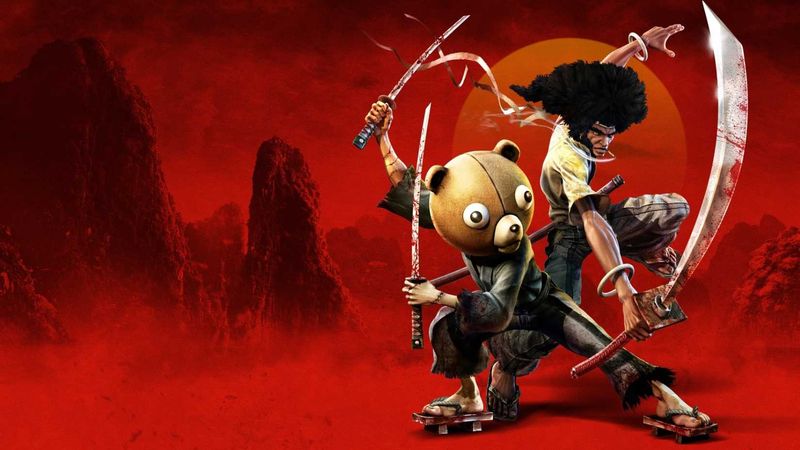
Afro Samurai looked incredible on screen, and Samuel L. Jackson’s voice acting gave it serious credibility.
But style, no matter how sharp, cannot fully carry a story with this many holes in it.
The plot relied heavily on flashbacks that added confusion rather than depth, and the villains were painfully one-dimensional. The futuristic feudal Japan setting was fascinating on the surface but never properly explained.
What could have been a groundbreaking series ended up feeling like a very expensive music video with a revenge plot loosely stitched together around it.
9. Ichigo Kurosaki (Bleach)
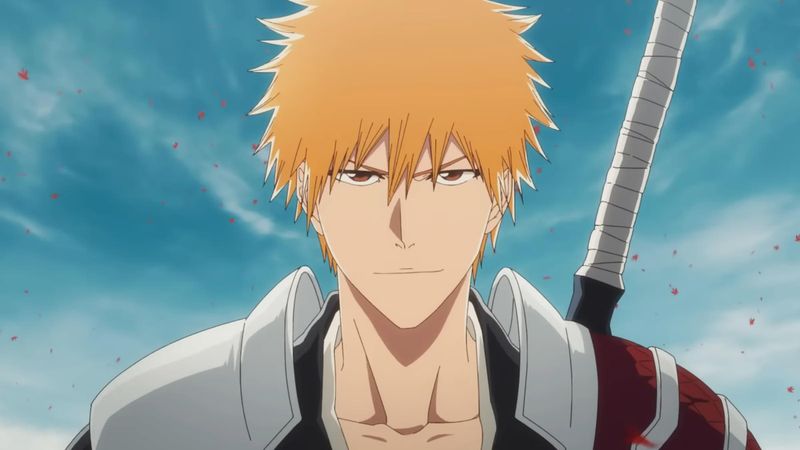
Ichigo Kurosaki spent most of Bleach getting powered up, losing those powers, then getting even stronger ones. That cycle repeated so many times it became a running joke among fans by the later arcs.
His personality was mostly “angry and stubborn,” which worked early on but grew stale as the series stretched on for hundreds of episodes. He rarely used strategy, preferring to simply overpower opponents through sheer willpower.
For a character meant to inspire, Ichigo often felt less like a hero and more like a plot device wearing an orange wig.
10. Sakura Haruno (Naruto)
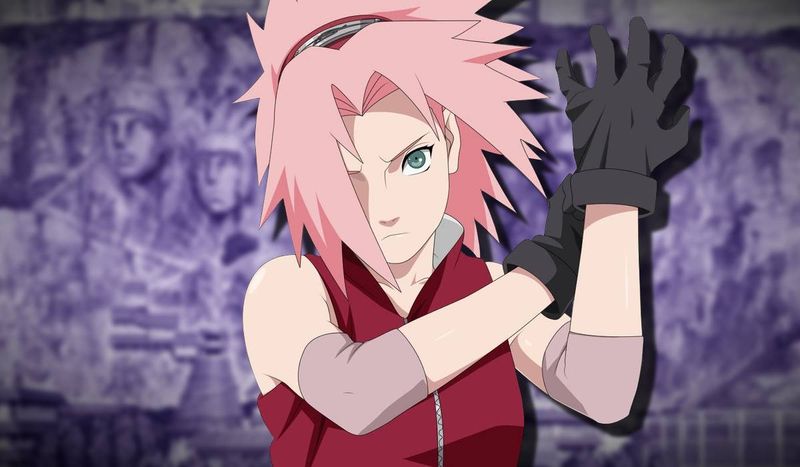
Sakura was introduced as part of the main trio, but for much of the original Naruto run, she felt frustratingly sidelined by her own choices. Her obsession with Sasuke overshadowed nearly every other aspect of her character in the early seasons.
Fans frequently pointed out that she spent more time cheering from the sidelines than actually contributing to fights. She did grow into a powerhouse in Shippuden, but the damage to her early reputation stuck.
Looking back, her writing in those first arcs was a missed opportunity that still bothers longtime fans today.
11. Goku (Dragon Ball Z/GT)
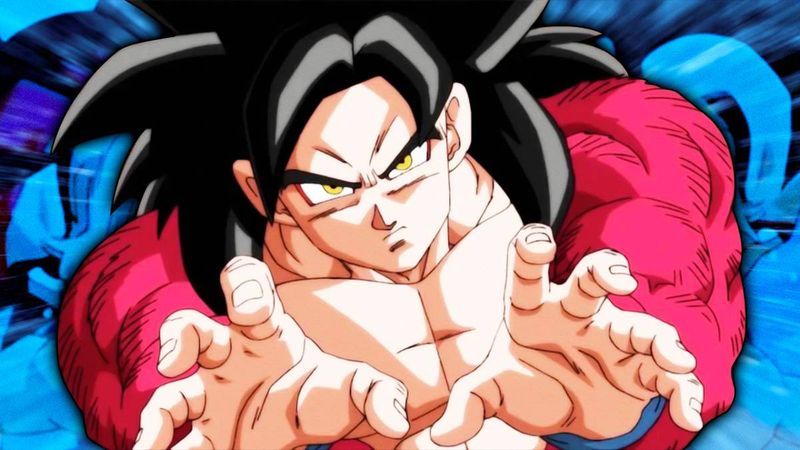
Goku is practically a religion at this point, so saying he has not aged well feels risky. But Dragon Ball GT, which aired in the early 2000s, put him through some genuinely rough storytelling that even hardcore fans struggled to defend.
Beyond GT, Goku’s habit of letting villains power up instead of ending fights early has always been maddening. He also neglects his family in ways that would never fly in a modern story.
His charm keeps him beloved, but the closer you look, the more his flaws pile up.
12. Shinji Ikari (Neon Genesis Evangelion)
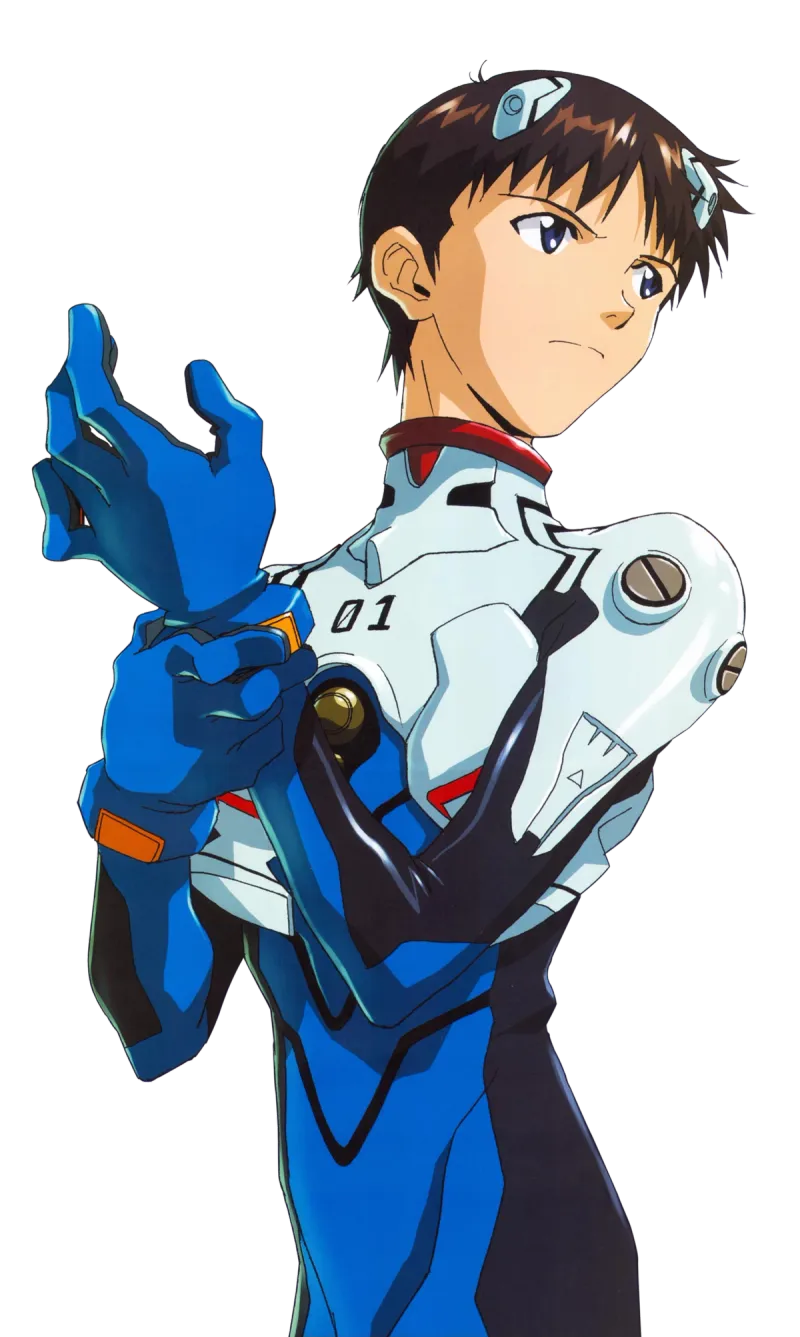
Shinji Ikari was always meant to be a deconstruction of the typical mecha hero, but many early 2000s viewers just found him frustrating. His reluctance to pilot the Eva and constant emotional shutdowns were designed to feel real, not inspiring.
Revisiting the series now, his anxiety reads as far more relatable and even sympathetic than it did to younger audiences who just wanted him to fight. Still, his passivity caused enormous harm across the story.
Whether that makes him a bad hero or a tragically human one depends entirely on where you are in life.
13. Edward Elric (Fullmetal Alchemist 2003)
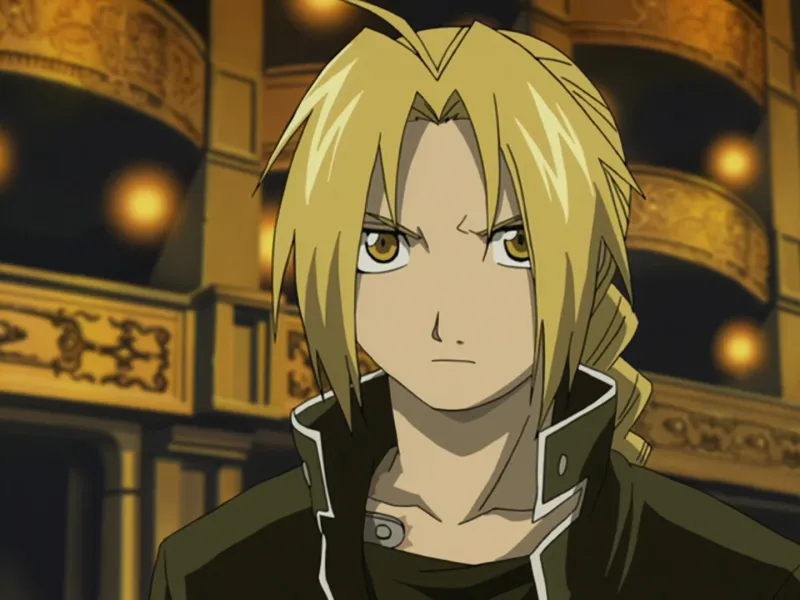
Edward Elric from the 2003 Fullmetal Alchemist anime was a fan favorite, but that version of the story took some creative liberties that split the fandom hard. The ending, in particular, left many viewers cold and confused.
Ed’s short temper and tendency to bulldoze through problems with aggression also wore thin across the series. He was brilliant but emotionally immature in ways that felt less endearing and more exhausting over time.
Compared to Brotherhood’s sharper take on his character, the 2003 version shows its age pretty clearly today.
14. Yusuke Urameshi (Yu Yu Hakusho)
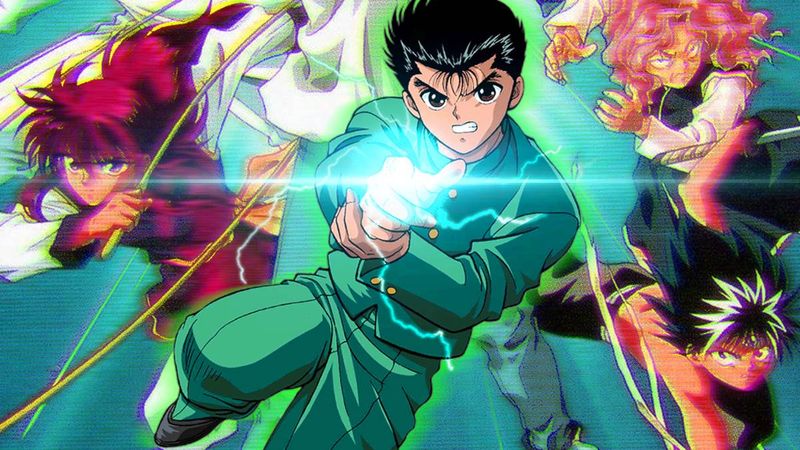
Yu Yu Hakusho was a late 1990s and early 2000s staple, and Yusuke was everything a shonen hero was supposed to be: tough, loud, and always ready to throw a punch. The problem is that “always ready to throw a punch” covers about 90 percent of his personality.
His growth as a character happened mostly through battles rather than genuine emotional development. Watching him now, he comes across as a bully who happened to be fighting worse bullies.
The show is still fun, but Yusuke himself has not exactly aged into a complex role model.
15. Kirito (Sword Art Online)
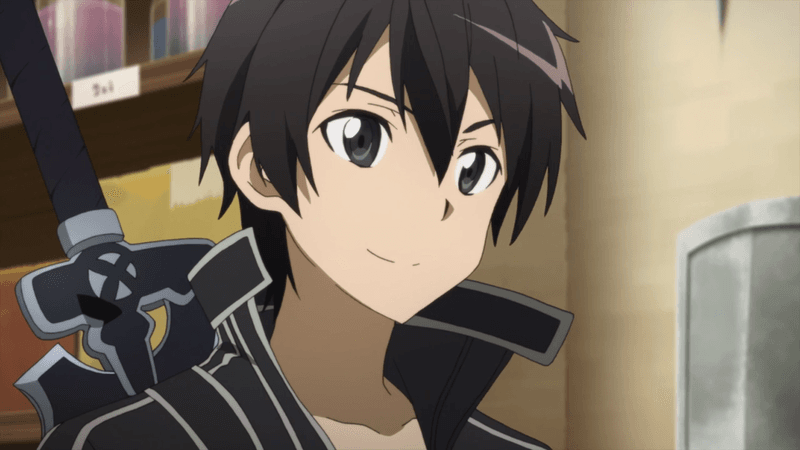
Sword Art Online technically launched in 2012, but Kirito quickly became the poster child for a 2000s-era problem: the overpowered, emotionally flat protagonist who wins everything without much struggle. He became a template that anime fans started mocking almost immediately.
Every girl in the series fell for him, every enemy fell to him, and every moral dilemma resolved neatly in his favor. Critics coined the term “Kirito syndrome” to describe this kind of effortless hero.
He is less a character and more a power fantasy with a sword.
16. Van Fanel (The Vision of Escaflowne)
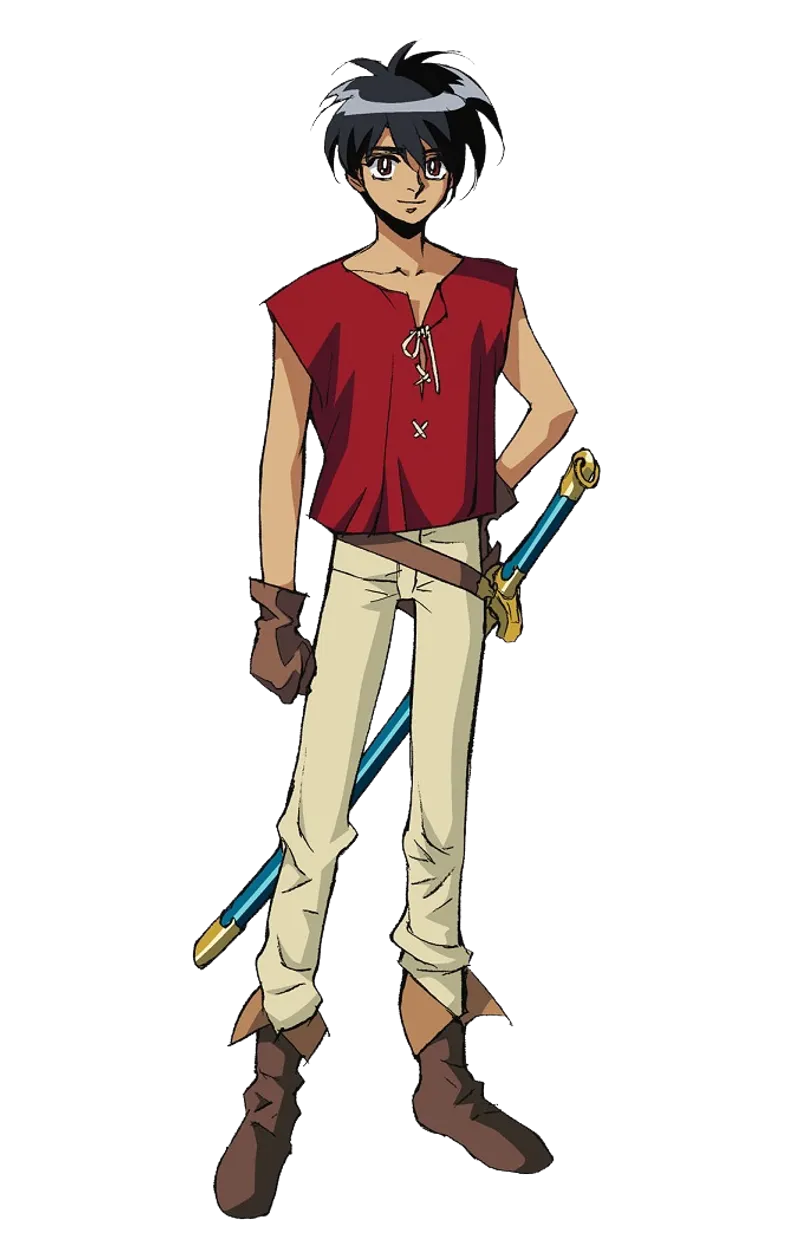
The Vision of Escaflowne was a genuinely ambitious fantasy series, and Van started out with real potential as a brooding, layered young king. But his treatment of Hitomi throughout the series ranged from dismissive to outright rude in ways that were hard to overlook.
He frequently shut her out emotionally, even when she was actively trying to help him. His arc involved growth, but the journey there was filled with frustrating behavior that modern viewers would have far less patience for.
Escaflowne holds up better as a world than Van does as its hero.