
Most of us grab the same block of cheddar or mozzarella at the grocery store without a second thought. But the world of cheese is packed with incredible flavours, textures, and stories that go way beyond the basics.
From funky washed-rind wheels to silky mountain cheeses, there is a whole universe waiting to be explored. Get ready to meet 16 amazing cheese varieties that might just change the way you think about your next cheeseboard.
1. Taleggio
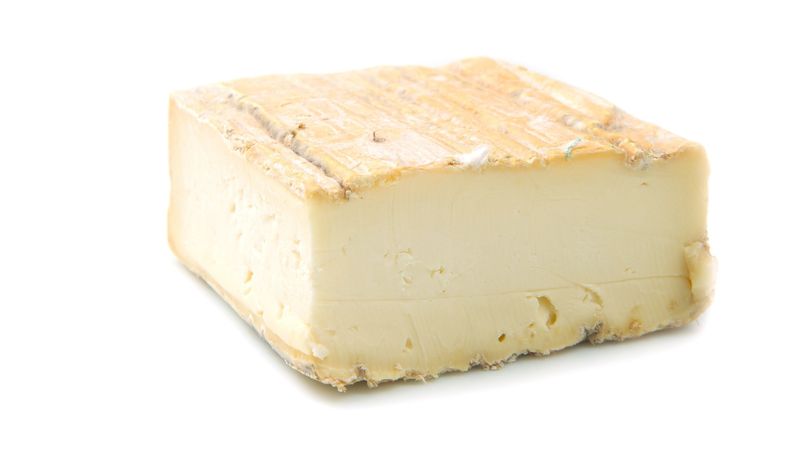
Smelly in the best possible way, Taleggio is an Italian cheese that has been around since the 10th century. Its pale pink rind hides a buttery, mild interior that melts beautifully on pizza or polenta.
Originating from the Val Taleggio valley in Lombardy, this cheese is washed in seawater to develop its signature funky aroma. Once you get past the smell, the creamy, fruity flavour is totally worth it.
2. Ossau-Iraty
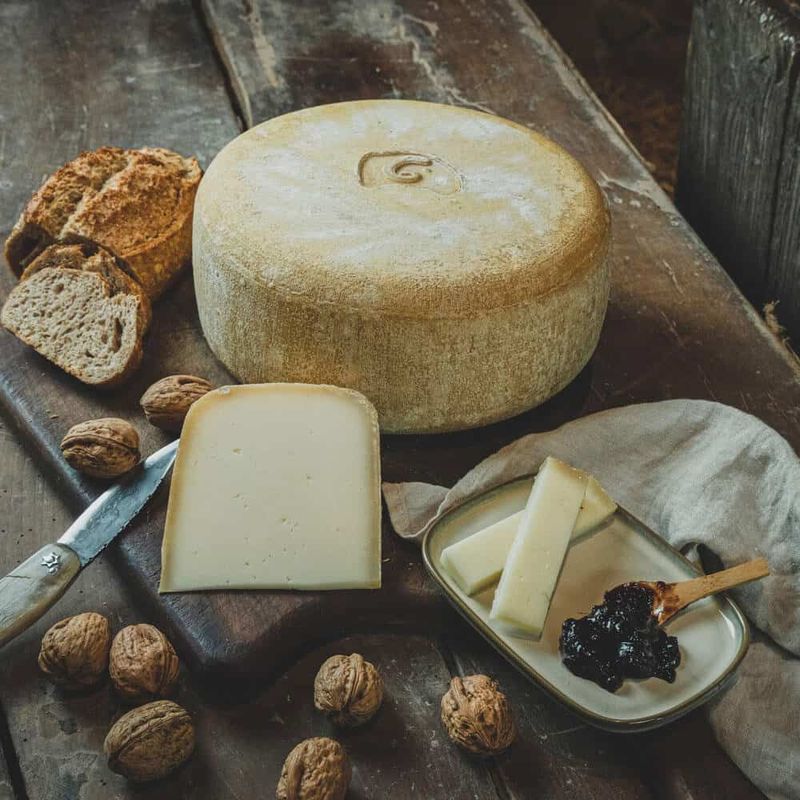
Made from pure sheep’s milk in the Basque region of France and Spain, Ossau-Iraty has a nutty, grassy flavour that feels like a countryside walk in cheese form. It carries a protected designation of origin, meaning every wheel is made the traditional way.
Pair it with black cherry jam for a combination that locals have loved for centuries. The texture is firm yet smooth, making it easy to slice or snack on straight from the block.
3. Epoisses
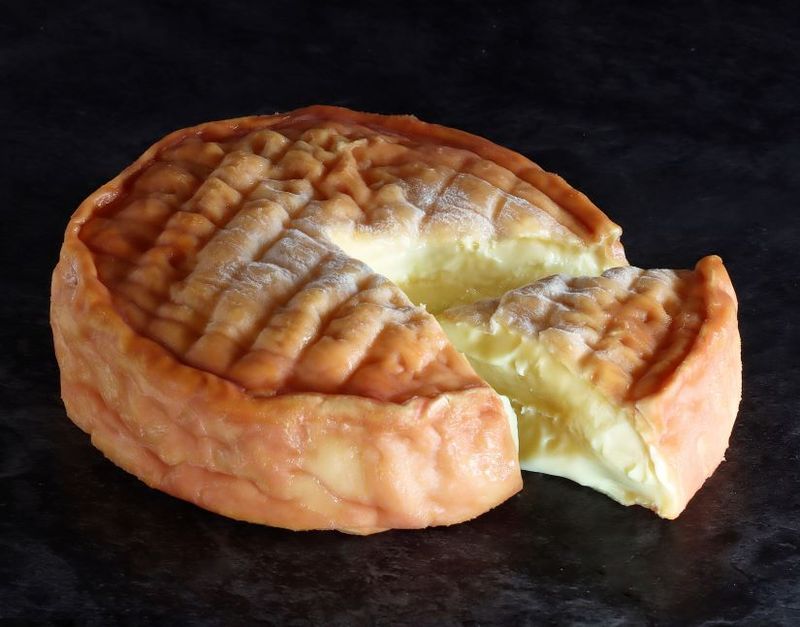
Napoleon Bonaparte reportedly loved this cheese so much he could not stop eating it, and honestly, that tracks. Epoisses is a French cheese washed in Marc de Bourgogne brandy, giving it an intensely pungent aroma and a rich, spoonable centre.
It is actually banned on French public transport because of its powerful smell. But served warm with crusty bread, it becomes one of the most luxurious, velvety experiences a cheese lover can have.
4. Manchego
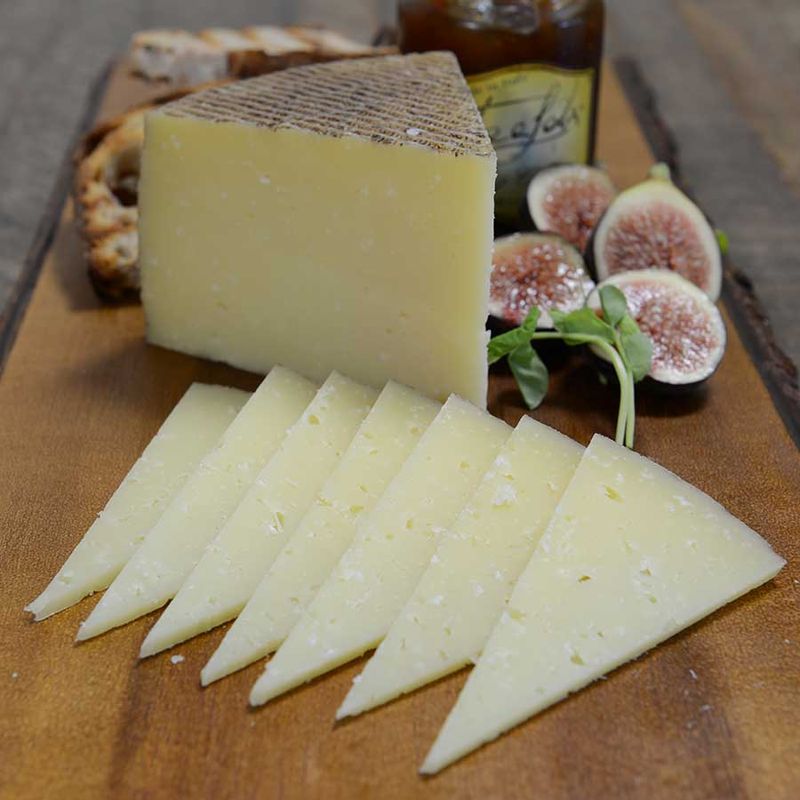
Spain’s most famous cheese comes from La Mancha, the same dry plains where Don Quixote went on his legendary adventures. Manchego is made exclusively from Manchega sheep’s milk and aged anywhere from a few weeks to two years.
Younger versions are mild and buttery, while aged Manchego develops a sharp, slightly salty bite with a crumbly texture. It pairs wonderfully with quince paste, making it a staple on Spanish tapas boards everywhere.
5. Raclette
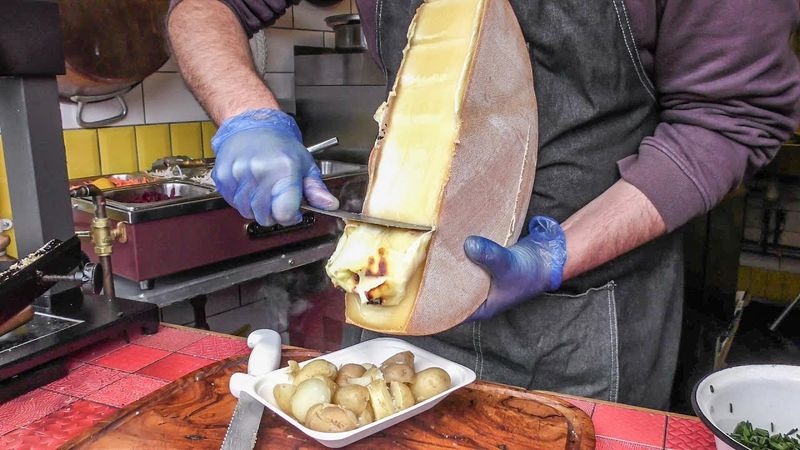
Forget fondue for a moment, because Raclette is the real Swiss melting cheese champion. Traditionally, a half-wheel is held near heat until the surface bubbles, then scraped directly onto boiled potatoes, pickles, and cured meats.
The name actually comes from the French word “racler,” meaning to scrape. With its semi-firm texture and milky, slightly funky flavour, Raclette turns any dinner into a cosy, interactive feast that brings people together around the table.
6. Comté
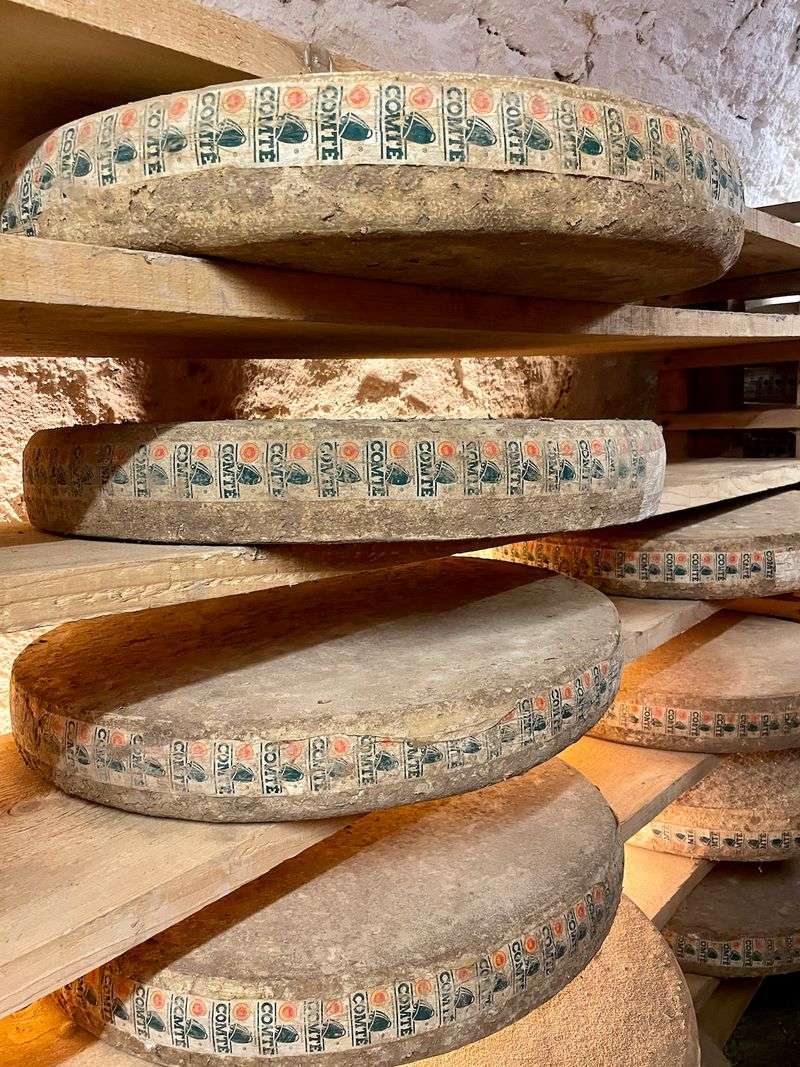
Aged in the cool caves of the Jura mountains in France, Comté is one of the most complex cheeses on the planet. Each wheel can taste slightly different depending on the season the milk was collected and how long it has been aged.
Tasting notes can range from caramel and roasted nuts to fresh fruit and hay. Comté is France’s most-produced AOC cheese, yet it still feels like a hidden gem to many cheese lovers outside of Europe.
7. Halloumi
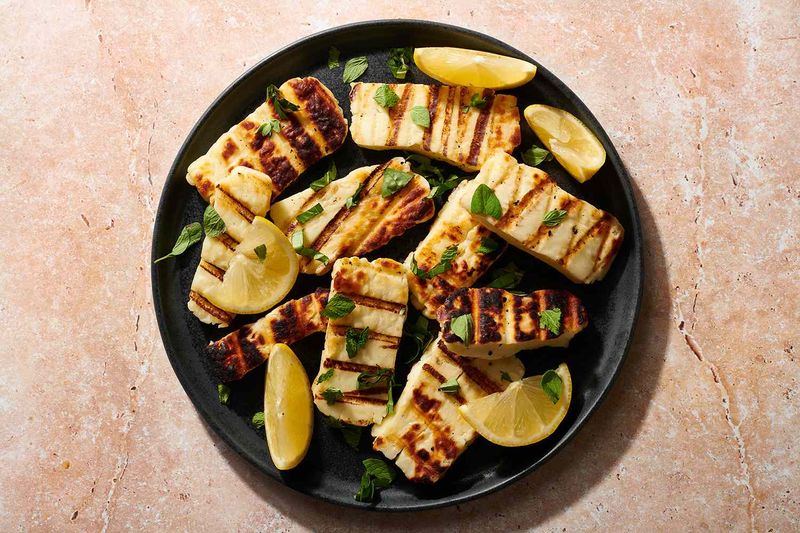
Halloumi has a superpower that most cheeses do not: it refuses to melt. Originally from Cyprus, this semi-hard cheese is made from a mix of goat and sheep milk, giving it a squeaky, springy texture that holds up perfectly to grilling or frying.
When cooked, it develops a golden crust while staying soft inside. Its salty, tangy flavour makes it a brilliant meat substitute in wraps, salads, and barbecues, especially popular during summer cookouts.
8. Burrata
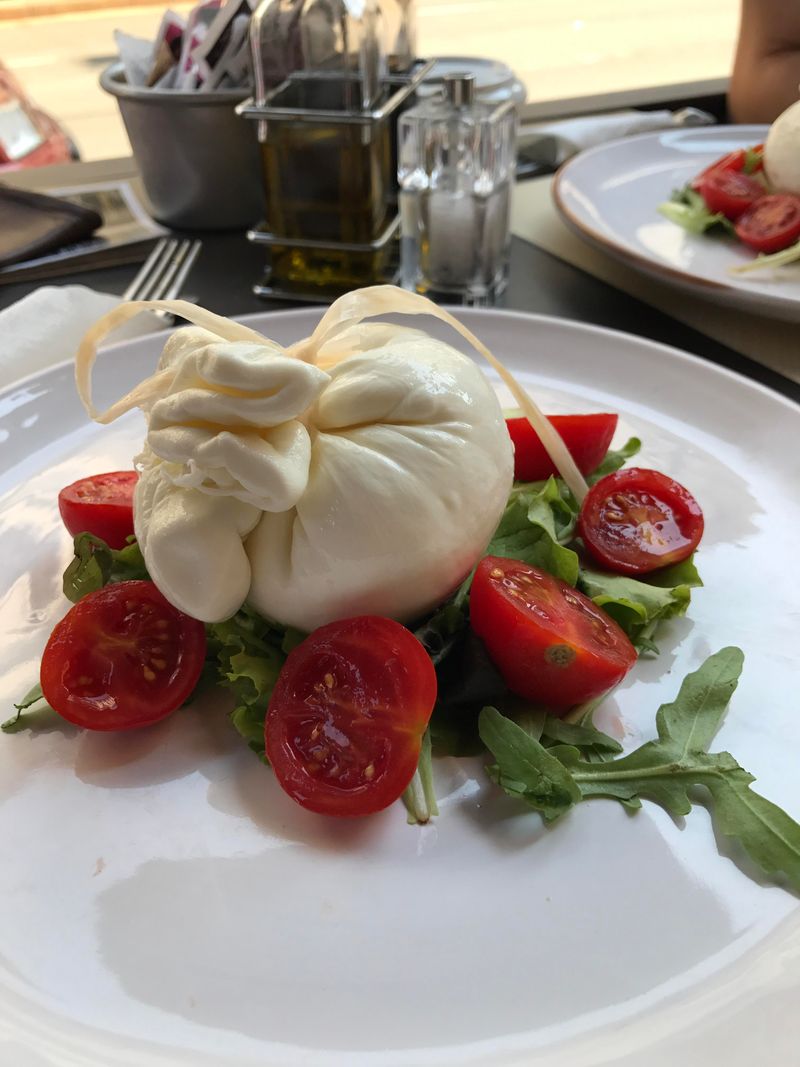
From the outside, Burrata looks just like a regular ball of fresh mozzarella. But cut it open and something magical happens: a rich, creamy mixture of fresh cream and soft curd spills out like a tiny dairy treasure chest.
Born in Puglia, southern Italy, Burrata was originally created as a way to use up leftover mozzarella scraps. Today it is a restaurant favourite worldwide, best served simply with tomatoes, olive oil, and a sprinkle of sea salt.
9. Limburger
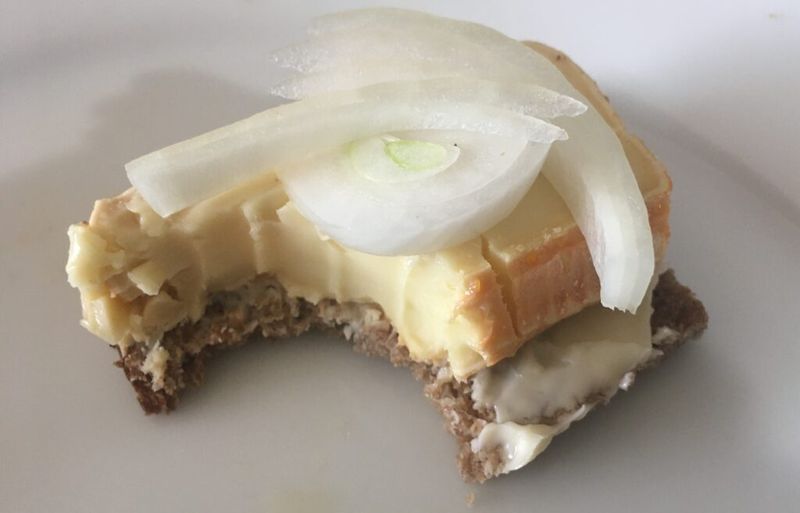
Limburger might be the most teased cheese in pop culture, famous for its eye-watering smell. But behind that notorious aroma is a surprisingly mild, creamy flavour that loyal fans absolutely adore.
The smell comes from the same bacteria found on human skin, which sounds alarming but produces a genuinely delicious result.
Originating in the historical Duchy of Limburg in Europe, it is traditionally eaten on rye bread with raw onions and a cold beer nearby.
10. Pecorino Romano
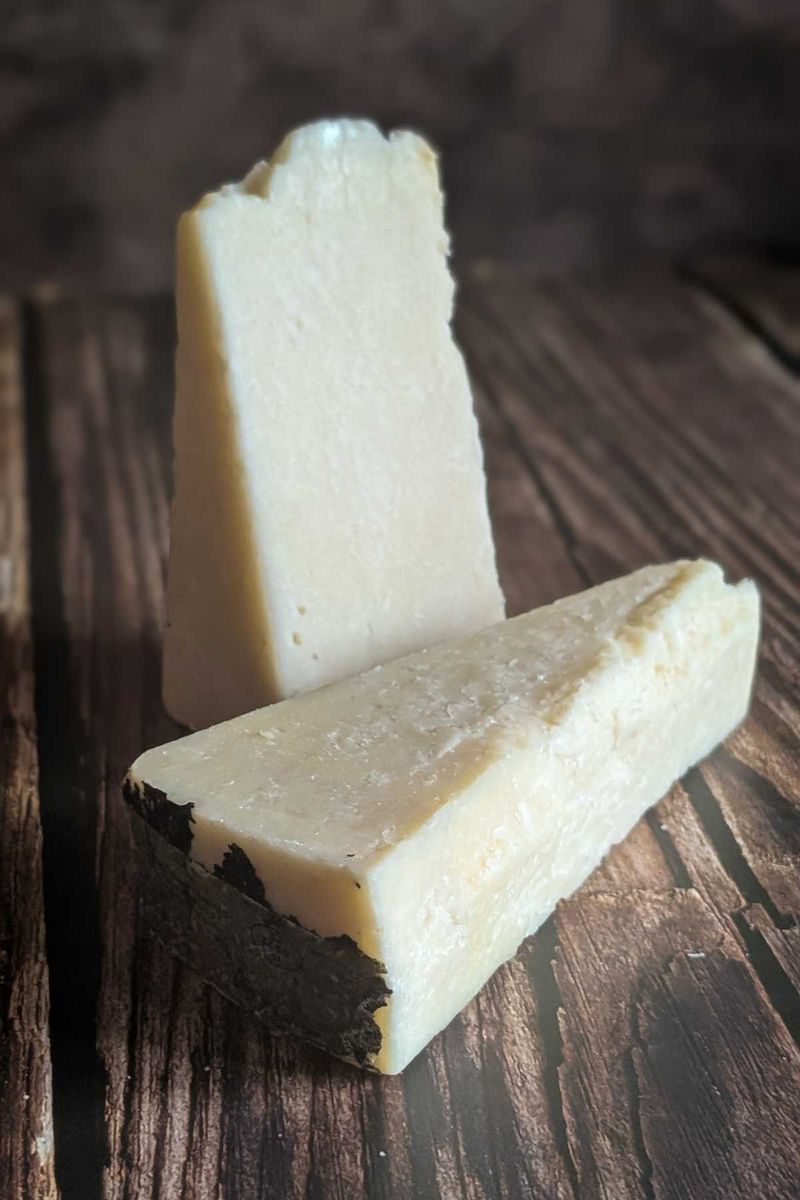
Long before Parmesan became the go-to pasta topper, Romans were grating Pecorino Romano over their meals. This hard, salty sheep’s milk cheese has been made in Lazio for over 2,000 years and was even part of Roman soldiers’ daily rations.
Sharper and saltier than Parmesan, it shines in classic dishes like Cacio e Pepe and Amatriciana. A little goes a long way, making it both economical and intensely satisfying for home cooks who love bold flavour.
11. Havarti
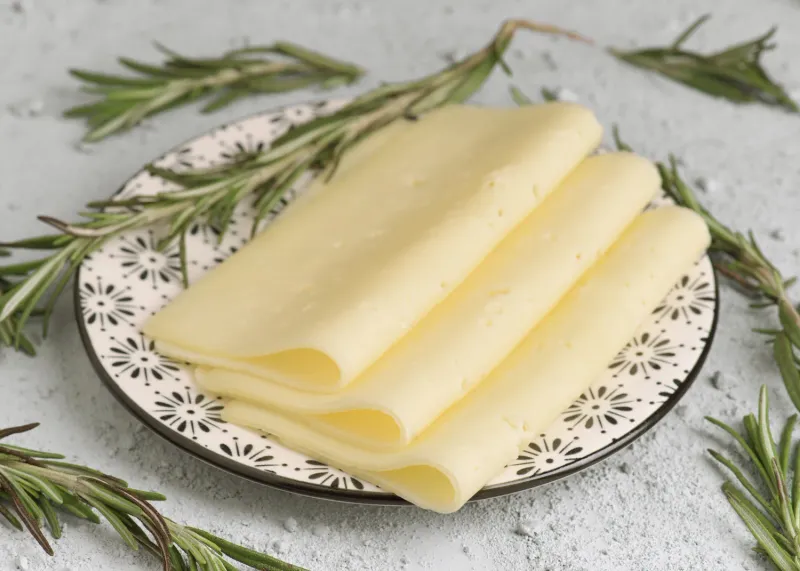
Creamy, buttery, and just a little tangy, Havarti is Denmark’s most beloved export after LEGO, arguably. Developed in the 19th century by Danish cheesemaker Hanne Nielsen, who travelled Europe studying cheese techniques before crafting her own recipe, this semi-soft cheese is approachable and crowd-pleasing.
It melts smoothly, making it perfect for grilled cheese sandwiches and cheeseburgers. Flavoured versions with dill, jalapeno, or caraway seeds make it even more fun to explore at the deli counter.
12. Roquefort
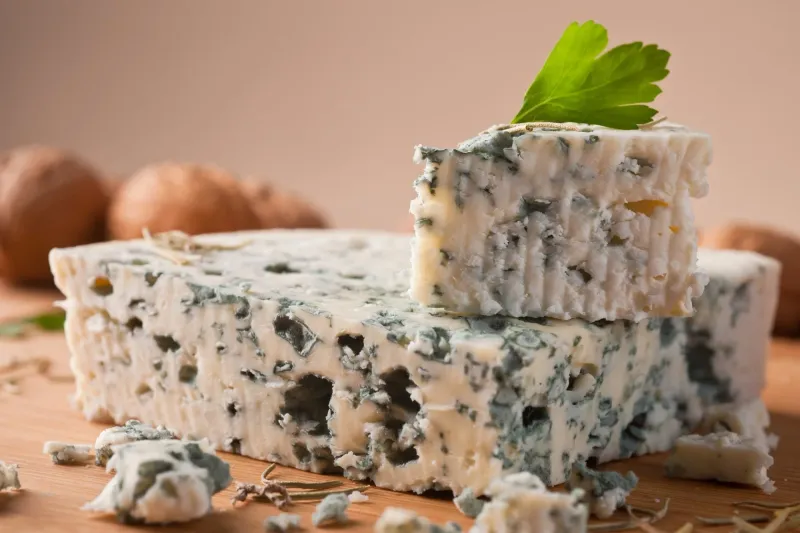
Legend says a young shepherd left his lunch of bread and sheep’s milk cheese in a cave near Roquefort-sur-Soulzon and came back weeks later to find it transformed by blue mold. Whether true or not, the result became one of France’s greatest culinary treasures.
Aged exclusively in those same natural Combalou caves, Roquefort is sharp, salty, and intensely creamy. It pairs beautifully with honey, pears, and sweet dessert wines for a bold contrast of flavours.
13. Gruyere
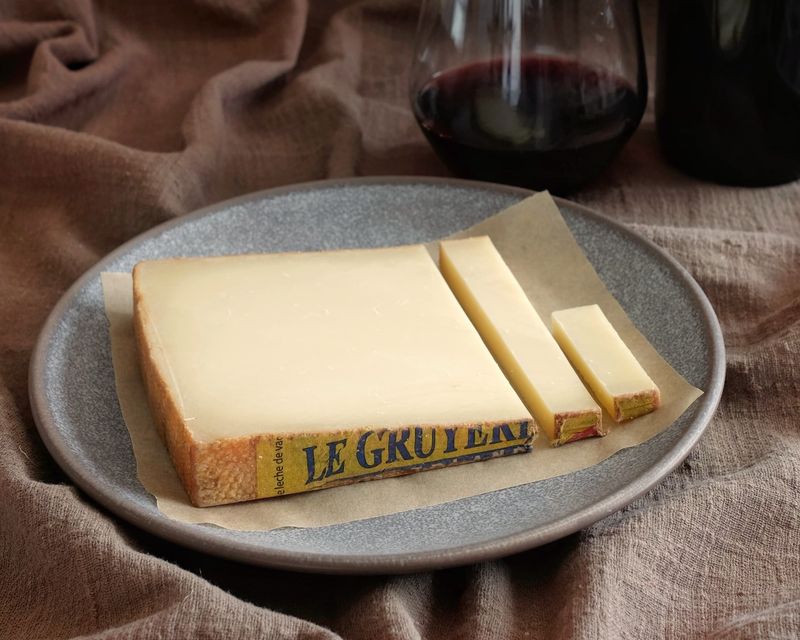
Every great fondue starts with Gruyere, but this Swiss classic deserves recognition far beyond the melting pot. Named after the town of Gruyeres in Switzerland, it has been crafted in Alpine dairies since the 12th century using milk from cows that graze on mountain flowers and herbs.
That floral diet gives Gruyere its distinctly sweet, nutty complexity. Aged versions develop tiny crunchy crystals throughout the paste, which cheese enthusiasts find absolutely irresistible when snacking straight from the wheel.
14. Stilton
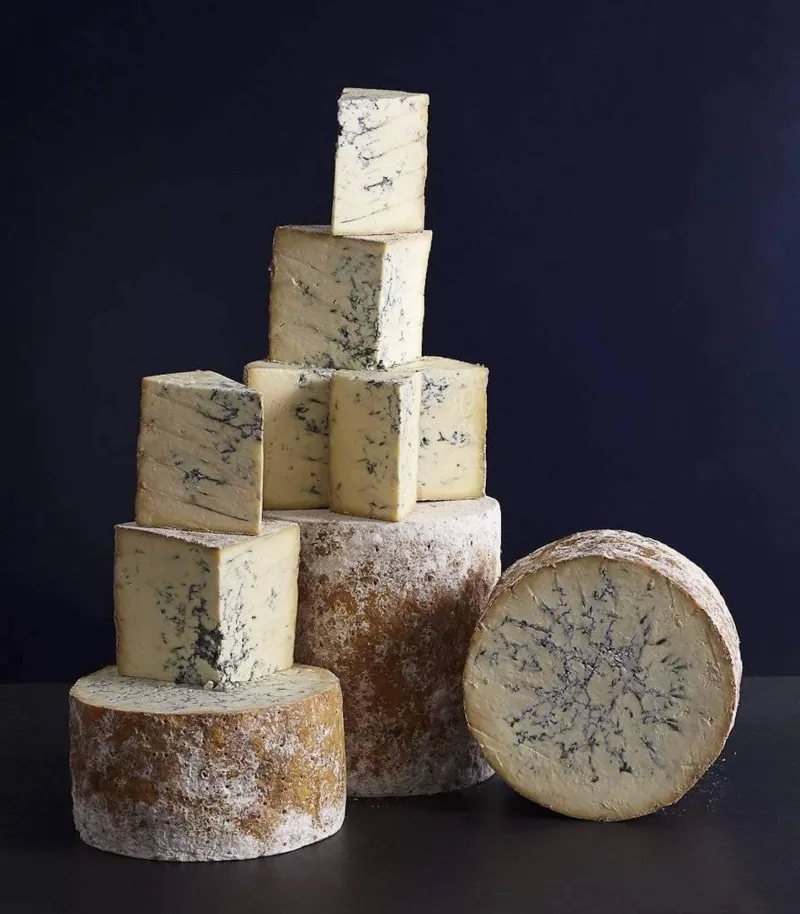
Stilton is the king of British cheese, protected by law so strictly that only six dairies in three English counties are allowed to make it. Despite being named after the village of Stilton, it cannot actually be made there because that village is in the wrong county.
Rich, bold, and full of complex earthy notes, Stilton shines on a Christmas cheeseboard paired with port wine. Its blue veins are created by piercing the cheese with metal needles to let air circulate inside.
15. Fontina
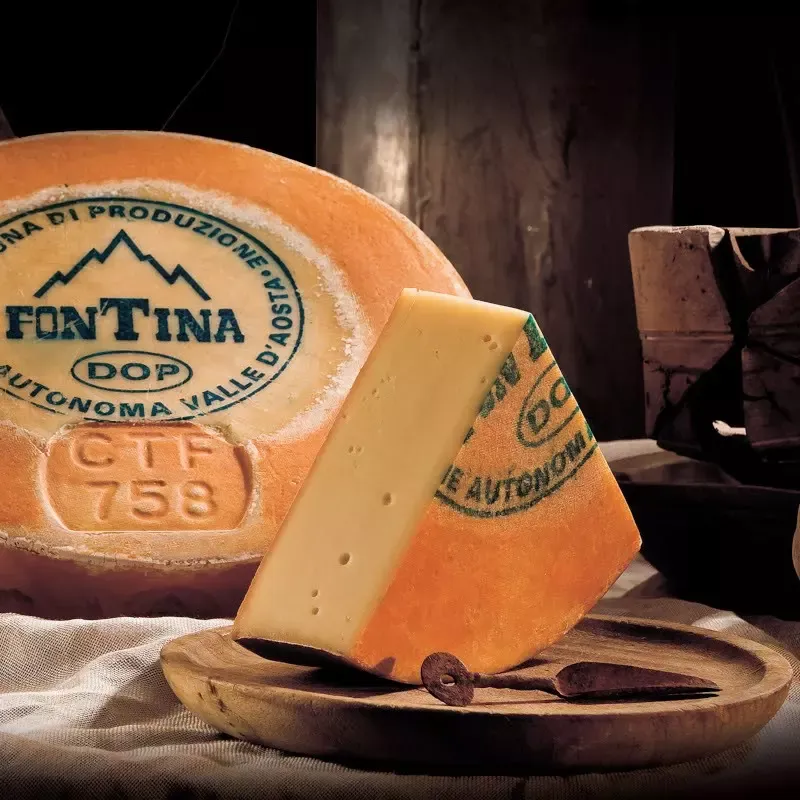
Fontina Val d’Aosta comes from the high Alpine valleys of northern Italy, where cows roam meadows filled with wildflowers and mountain grasses. That rich grazing life translates directly into the cheese, which carries a deep, earthy, mushroom-like flavour unlike anything from the supermarket dairy aisle.
Traditionally used in Fonduta, Italy’s answer to Swiss fondue, Fontina melts into a silky sauce that pairs perfectly with truffles. Young Fontina is mild and springy, while aged versions grow more intense and aromatic.
16. Aged Gouda
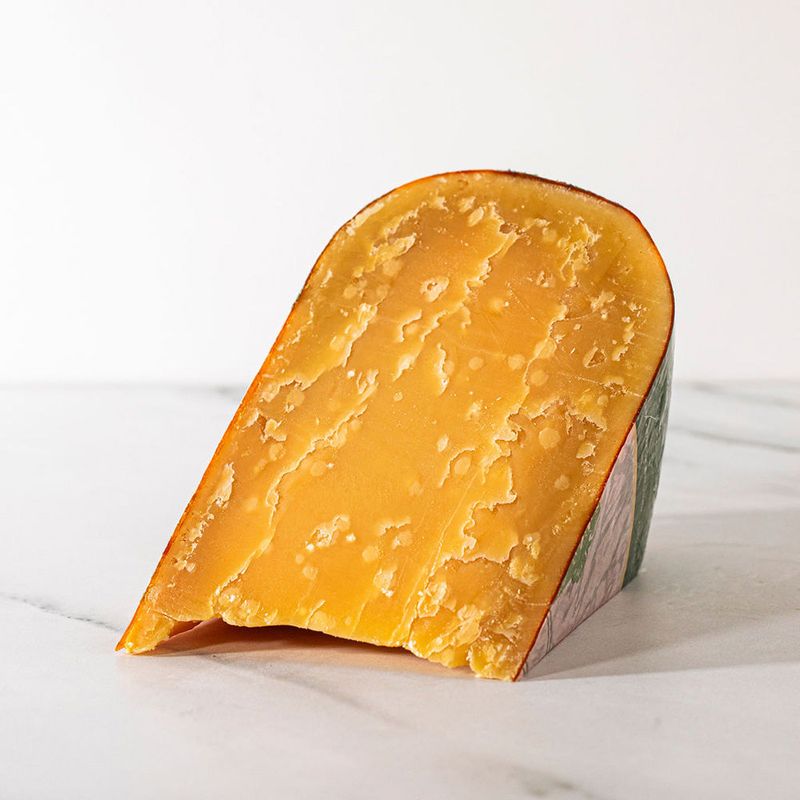
Most people know the young, rubbery Gouda sold in red wax at every supermarket, but aged Gouda is a completely different experience. After 12 months or more in the aging room, this Dutch cheese transforms into something extraordinary, with a deep caramel colour and crunchy protein crystals scattered throughout.
The flavour hits notes of butterscotch, toasted nuts, and even dark chocolate. Paired with dried fruit or a square of 70% dark chocolate, aged Gouda is genuinely one of the most surprising cheese discoveries you can make.