
Life in the 1940s and 1950s looked very different from today, and not always in the ways you might expect. From bizarre food trends to shockingly casual attitudes toward dangerous chemicals, everyday life back then had some wild quirks.
Some of these habits seem harmless, while others are downright jaw-dropping by modern standards. Get ready to discover just how strange “normal” used to be.
1. Doctors Endorsing Cigarette Brands
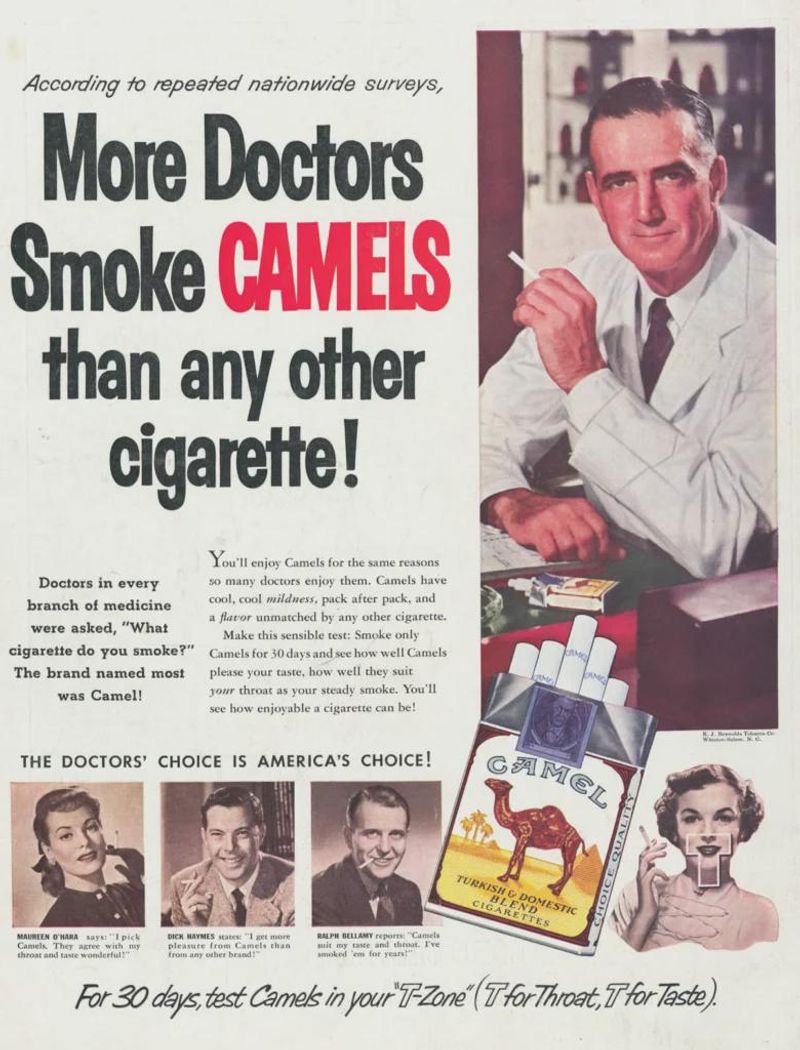
Picture your family doctor smiling on a billboard, recommending his favorite cigarette brand. That was absolutely real in the 1940s and 1950s.
Tobacco companies paid physicians to appear in ads, lending medical credibility to smoking.
Cigarettes were smoked freely in hospitals, offices, airplanes, and even maternity wards. Nobody batted an eye.
It wasn’t until years later that the devastating link between smoking and lung cancer became widely accepted by the public.
2. Children Roaming Freely Without Supervision
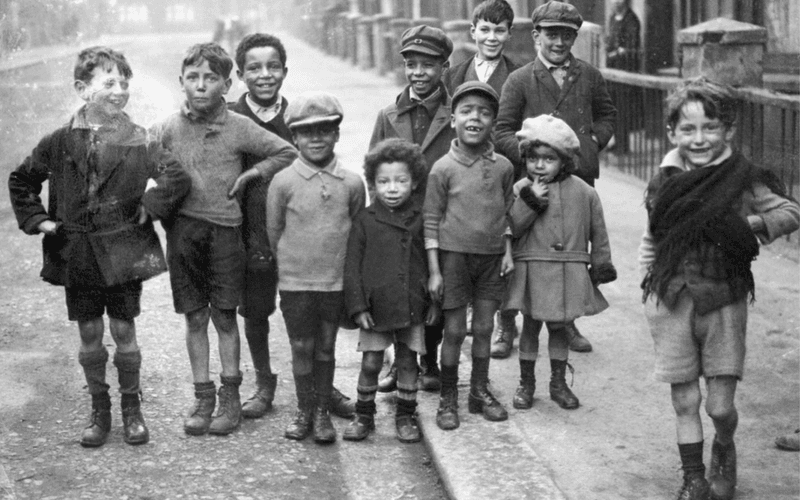
Back then, kids didn’t need a playdate scheduled three weeks in advance. Children in the ’40s and ’50s simply walked out the front door after breakfast and returned when the streetlights came on.
Parents rarely knew exactly where their kids were, and that was perfectly fine. No cell phones, no check-ins, no worries.
While it sounds alarming today, this kind of free-range childhood was just Tuesday for millions of American families.
3. DDT Sprayed Directly on People and Food
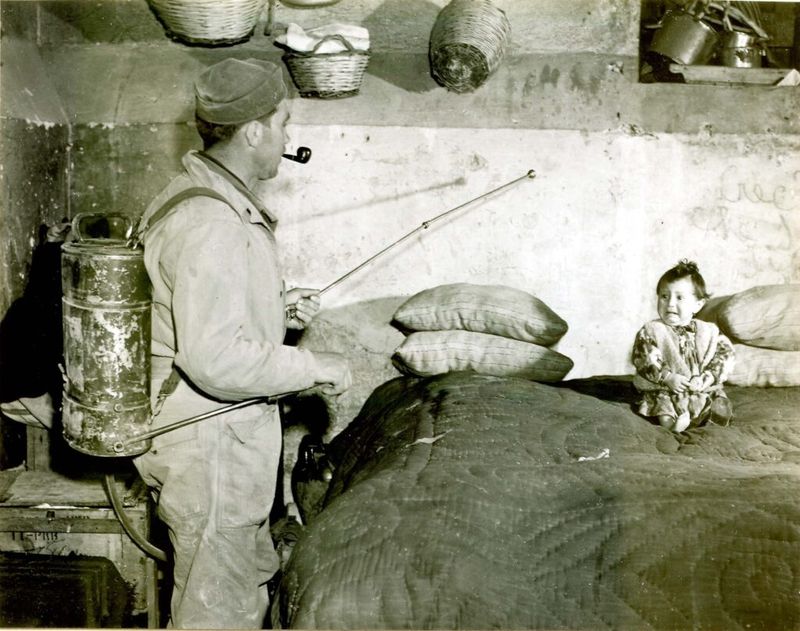
Hard to believe, but DDT was once celebrated as a wonder chemical. It was sprayed on crops, walls, mattresses, and even directly onto children at public events to control mosquitoes and other pests.
Government campaigns promoted it as completely safe for humans and animals. Families used it casually around the home without any protective gear.
Scientists later discovered DDT causes cancer and devastates ecosystems, leading to its ban in the U.S. in 1972.
4. Cars With No Seatbelts or Safety Features
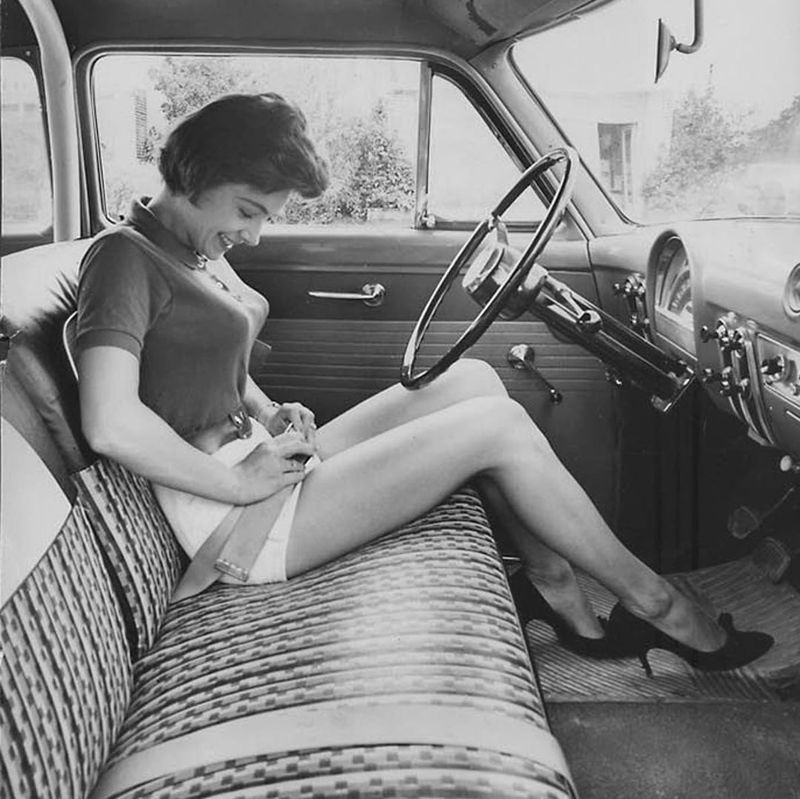
Seatbelts? Airbags?
Crash-tested bumpers? None of that existed as standard equipment in most American cars during the ’40s and ’50s.
Kids routinely stood in the front seat or bounced around the back without any restraints.
Fatal car crashes were shockingly common, yet nobody considered redesigning vehicles for safety. The first mandatory seatbelt law in the U.S. didn’t arrive until 1984.
For decades, the open road came with very real, very dangerous risks.
5. Asbestos in Nearly Every Home
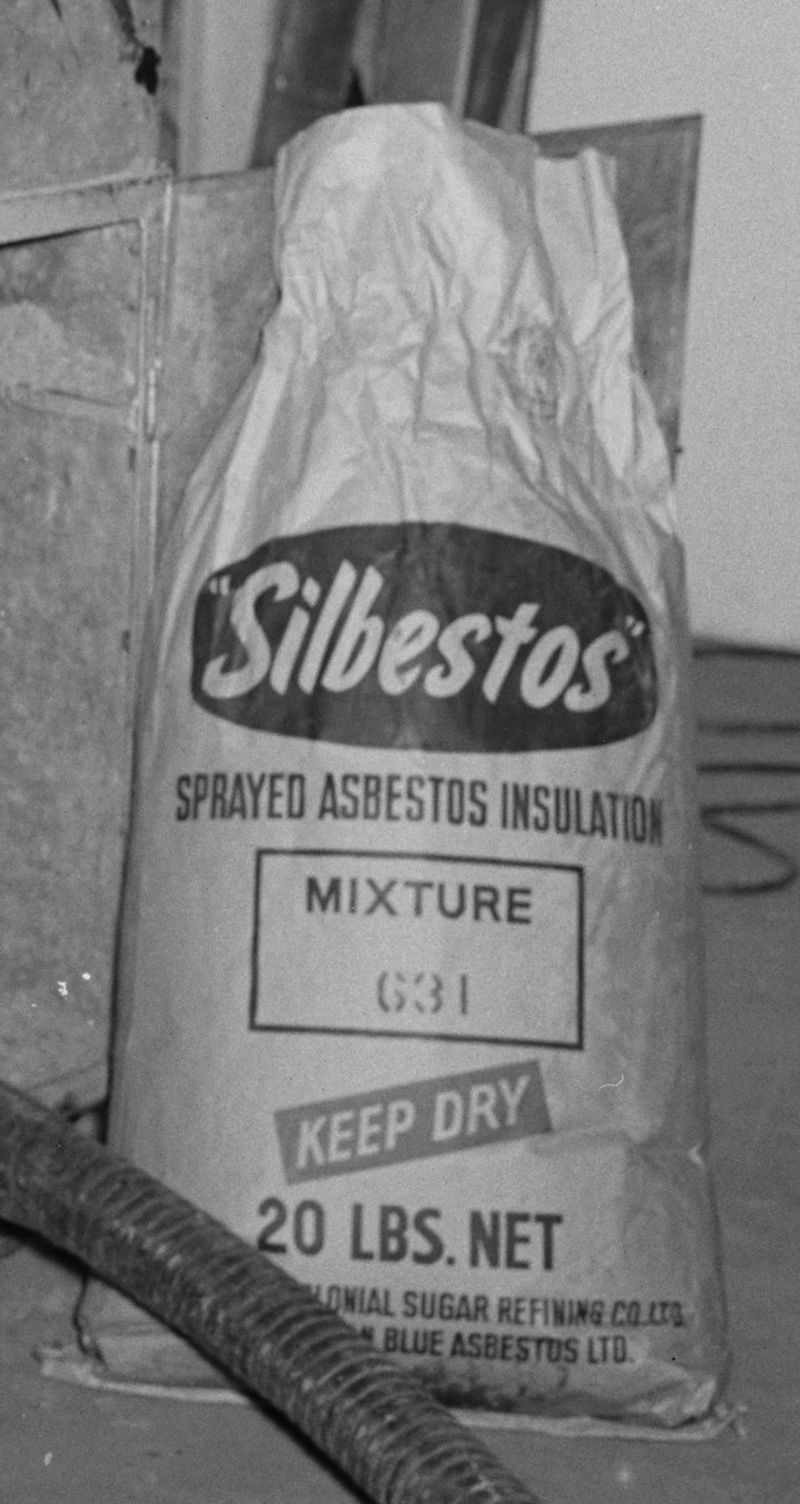
Asbestos was marketed as a miracle material throughout the mid-20th century. It was fireproof, durable, and cheap, making it the go-to ingredient for insulation, floor tiles, oven mitts, car brakes, and even Christmas tree decorations.
Families lived surrounded by it without a second thought. Unfortunately, inhaling asbestos fibers causes mesothelioma, a deadly cancer.
Millions of people were unknowingly exposed for decades before regulations finally stepped in during the 1970s and 1980s.
6. Baby Cages Attached to Apartment Windows
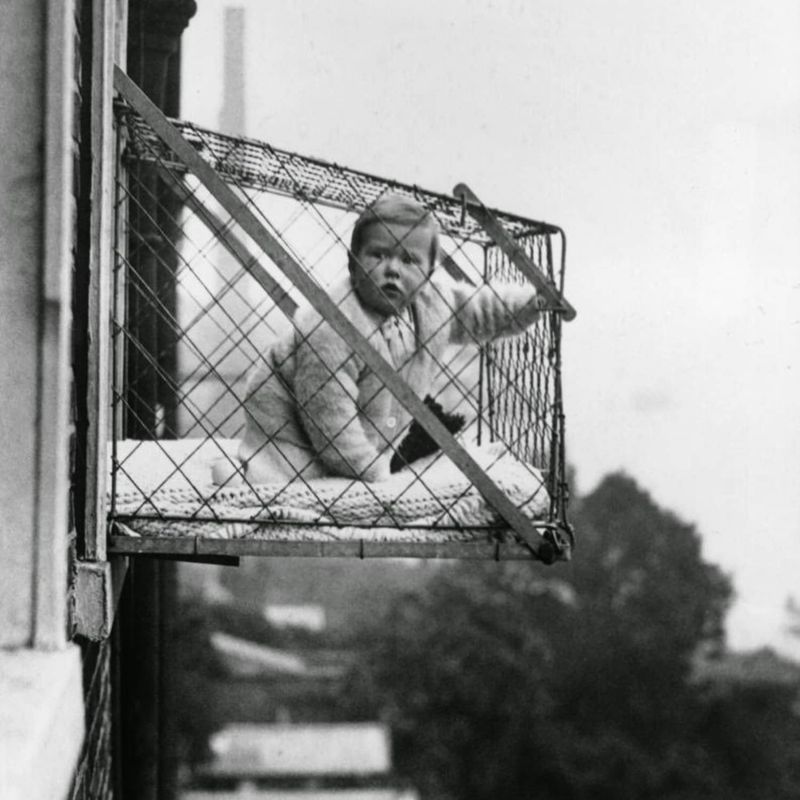
Yes, this was a real thing. In crowded cities like New York and London, parents who lacked backyard space would hang wire cages outside their apartment windows and place their babies inside for fresh air and sunlight.
A patent for the device was even filed in 1922, and the practice continued into the 1950s. Today, child protective services would absolutely intervene.
Back then, neighbors just waved hello to the baby dangling several floors above the sidewalk.
7. Lead Paint on Toys and Walls
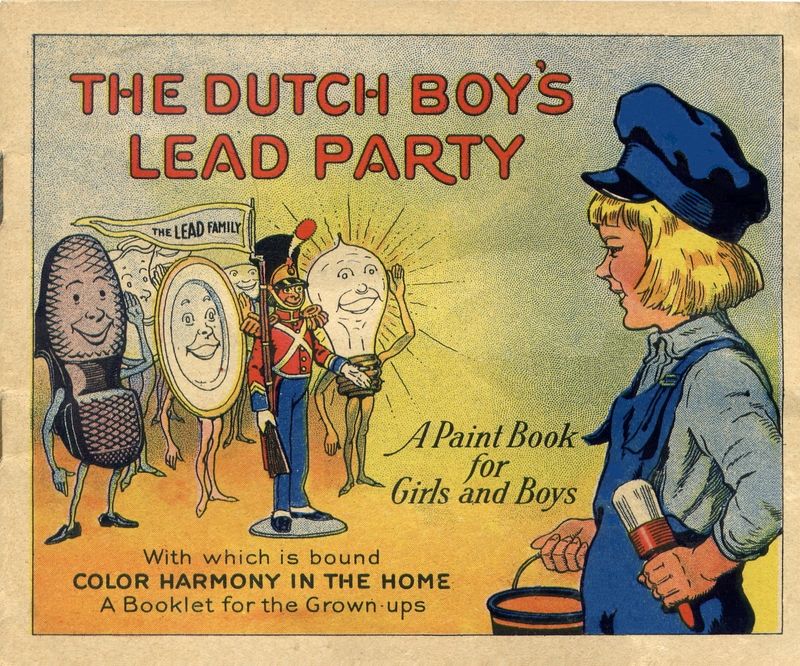
Lead-based paint was the standard choice for homes, schools, and children’s toys throughout the ’40s and ’50s. It was vibrant, long-lasting, and widely available.
The fact that children chewed on painted toys or touched painted walls constantly raised zero alarms.
Leaded gasoline also pumped toxic fumes into the air daily. Scientists now know that lead exposure causes serious brain damage and developmental problems in children.
The U.S. banned lead paint in residential use in 1978.
8. Harsh Physical Discipline Considered Good Parenting
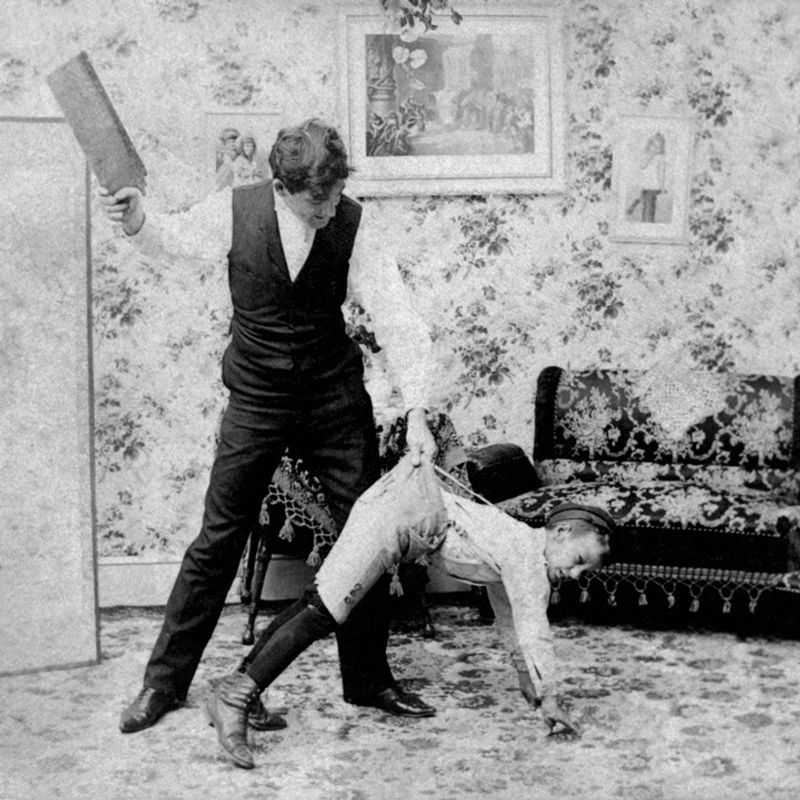
Spanking wasn’t just tolerated in the ’40s and ’50s, it was enthusiastically recommended. Parenting books and magazine columns praised physical discipline as the key to raising well-behaved, respectful children.
Punishments ranged from mild slaps to full-on “whoopings” with belts, wooden spoons, or switches. Some parents even used lye soap in a child’s mouth for talking back.
Today, many of these practices are considered abuse, but back then they were simply called “good parenting.”
9. Gelatin Molds Filled With Bizarre Ingredients
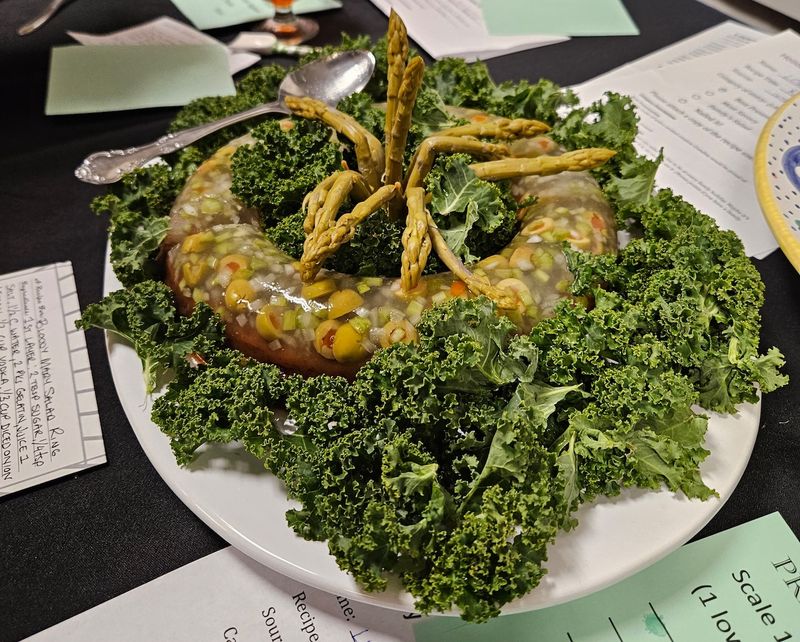
Owning a refrigerator in the 1950s was a status symbol, and nothing showed it off better than an elaborate gelatin mold. Housewives across America suspended everything from peas and carrots to lamb chops and tuna inside shimmering Jell-O creations.
These wobbly masterpieces were served at dinner parties with total seriousness. Cookbooks featured them proudly.
What looks like a prank dish today was genuinely considered sophisticated, modern cuisine that demonstrated both culinary skill and technological progress.
10. Telephone Booth Stuffing as a Serious Fad
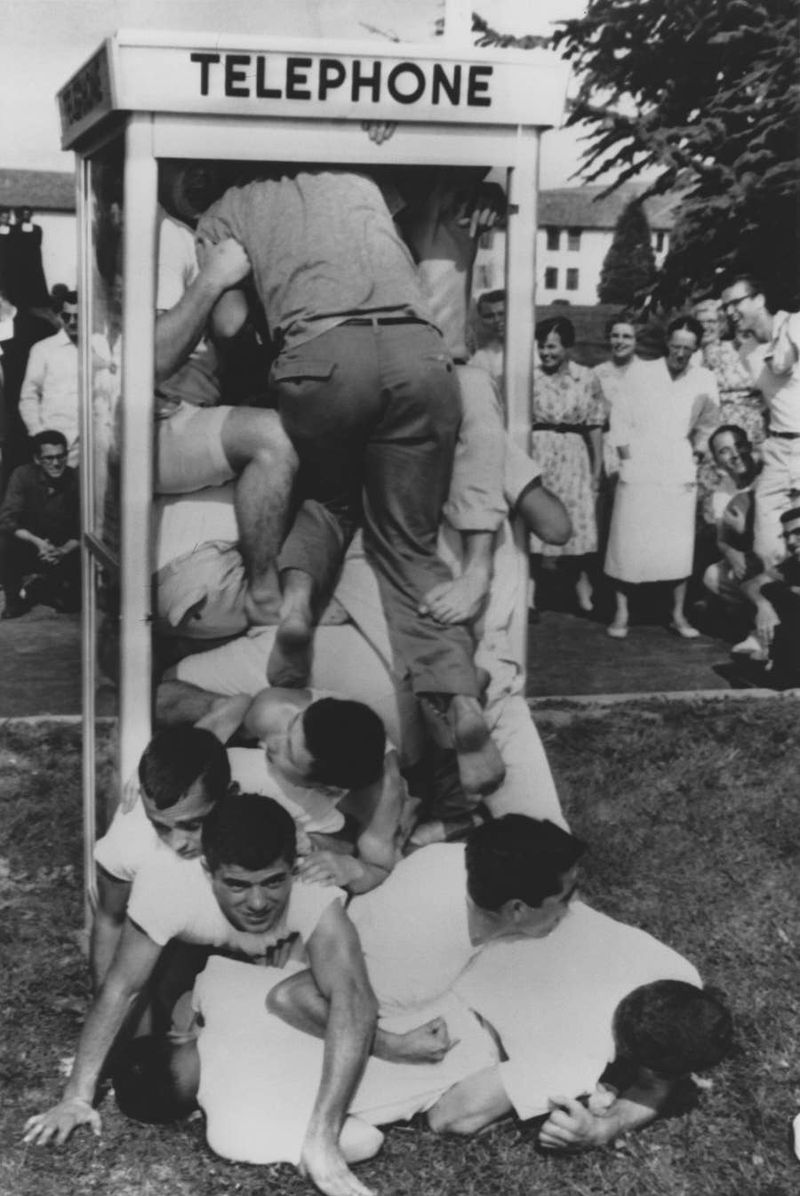
Forget TikTok challenges. In the late 1950s, the hottest trend among young men was seeing how many people could squeeze into a single telephone booth.
College campuses competed fiercely, and newspapers covered record-breaking attempts with breathless excitement.
The craze reportedly started in South Africa in 1959 and spread to the U.S. and UK almost instantly. At its peak, teams of 25 people crammed into a single booth.
Ridiculous? Absolutely.
But it was front-page news.
11. Lard as a Dietary Staple
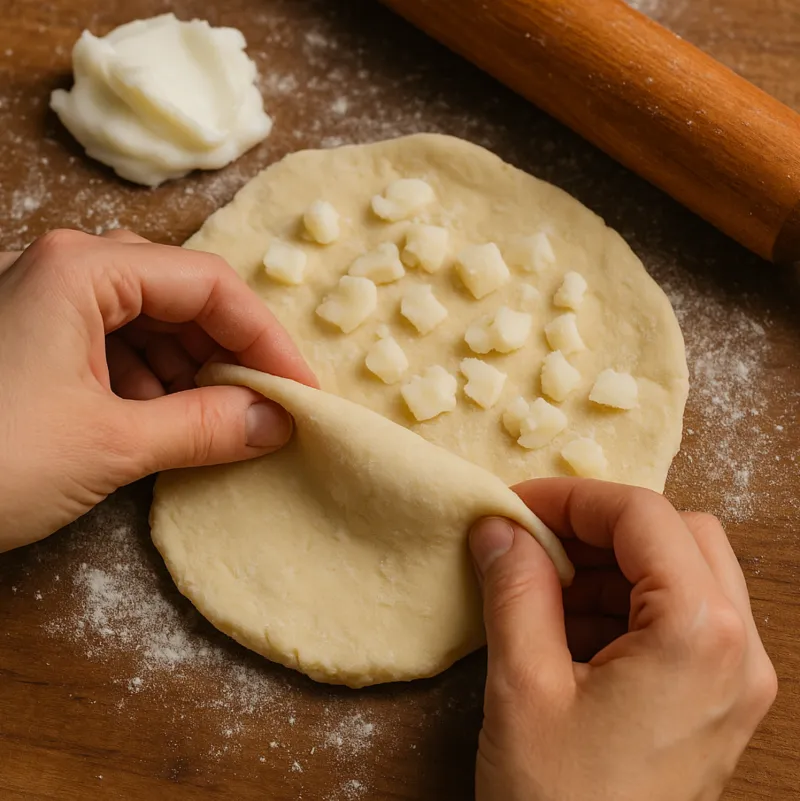
Butter was expensive, and vegetable oils weren’t yet mainstream, so lard ruled the mid-century kitchen. It was used for frying, baking, spreading on bread, and cooking virtually everything.
Most families kept a large tin of it right on the stovetop.
Wartime rationing during the 1940s actually made lard even more common as substitutes for other fats. Nobody worried about saturated fat or cholesterol back then.
A heaping spoonful of lard in your pie crust was simply good cooking.
12. Tomato Soup Cake and Ham Banana Rolls
Wartime ingredient shortages sparked some truly creative, eyebrow-raising recipes. Tomato soup cake used a can of condensed tomato soup to add moisture and sweetness, replacing harder-to-find dairy ingredients.
Surprisingly, people said it tasted great.
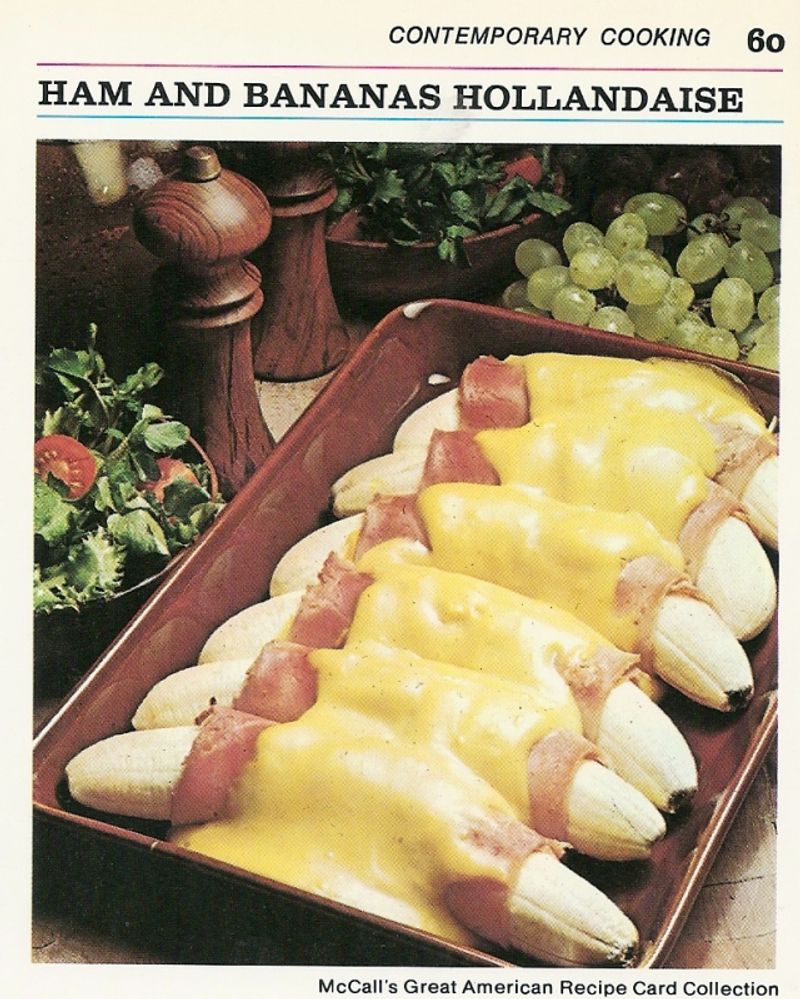
Ham banana rolls took things further by wrapping whole bananas in ham slices, baking them, and topping everything with melted cheese sauce. These dishes appeared in mainstream cookbooks and women’s magazines without a hint of irony.
Different era, very different dinner table.
13. No Safety Labels on Chemicals or Medicine
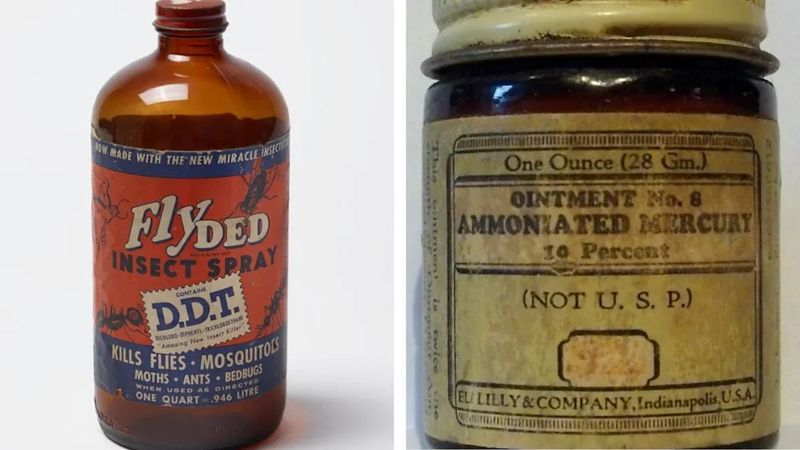
Walk into any 1950s home and you’d find cleaning products, medicines, and pesticides with little to no safety warnings on the label. Child-proof caps didn’t exist.
Poison control hotlines weren’t established until the late 1950s.
Parents stored bleach, lye, and turpentine under the kitchen sink within easy reach of curious toddlers. Accidental poisonings were tragically common.
The modern system of safety labeling and regulated warnings only developed after years of preventable injuries and deaths made reform unavoidable.
14. Children Expected to Handle Dangerous Tools Early
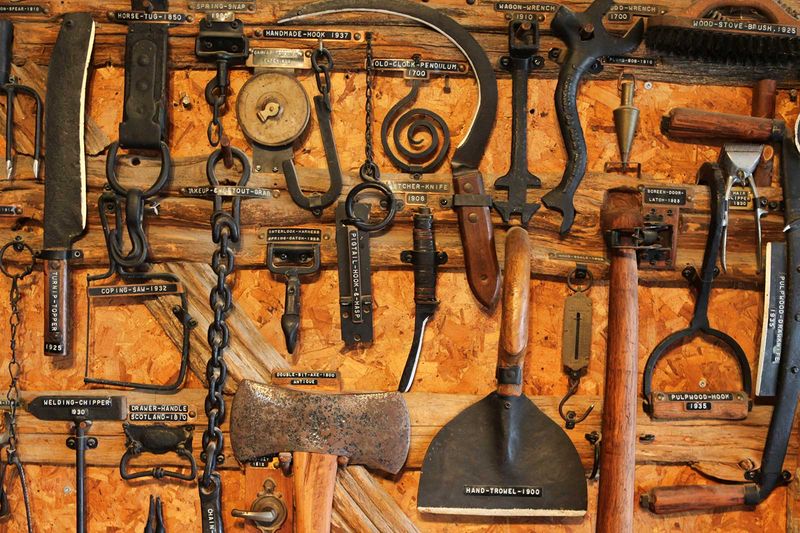
Growing up fast wasn’t a phrase, it was a reality. Boys in the ’40s and ’50s regularly used axes, saws, and sharp knives as part of daily household chores by the time they were 8 or 9 years old.
Farm kids had even heavier responsibilities.
Older children supervised younger siblings without any adult present for hours at a stretch. Parents viewed early independence as essential character-building.
Today, handing a third-grader an axe would cause serious concern, but back then it was simply Tuesday afternoon.
15. Avoiding Affection With Babies on Expert Advice
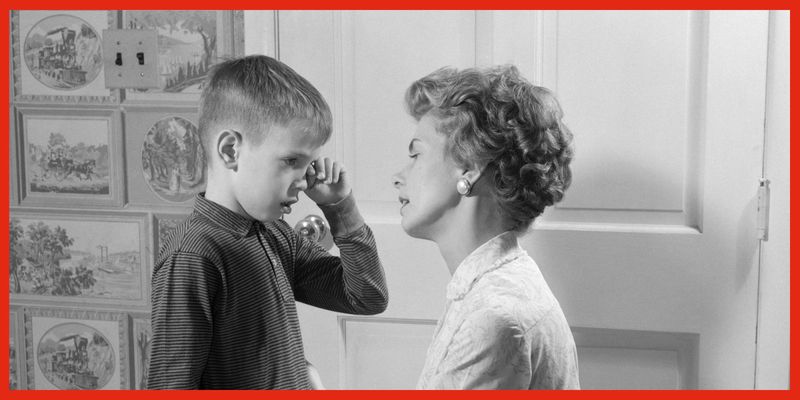
It sounds cold by today’s standards, but mid-century parenting experts actually warned mothers against showing too much affection toward their babies. Behaviorist theories, popularized by psychologist John B.
Watson, suggested excessive hugging and kissing created weak, overly dependent children.
Some advice columns told mothers to greet their child with a firm handshake rather than a hug. Thankfully, attachment research by the 1960s proved these ideas deeply wrong.
Babies absolutely need warmth, physical closeness, and emotional connection to develop in healthy ways.