
Some of the most damaging relationship behaviors are ones we barely notice — or worse, ones we’ve been taught to accept as normal. Narcissistic abuse doesn’t always look like shouting or obvious cruelty; often it hides in everyday moments that leave you feeling confused, small, or at fault.
Recognizing these patterns is the first step toward protecting yourself and healing. Here are 15 subtly harmful behaviors that people normalize far too often.
1. Gaslighting
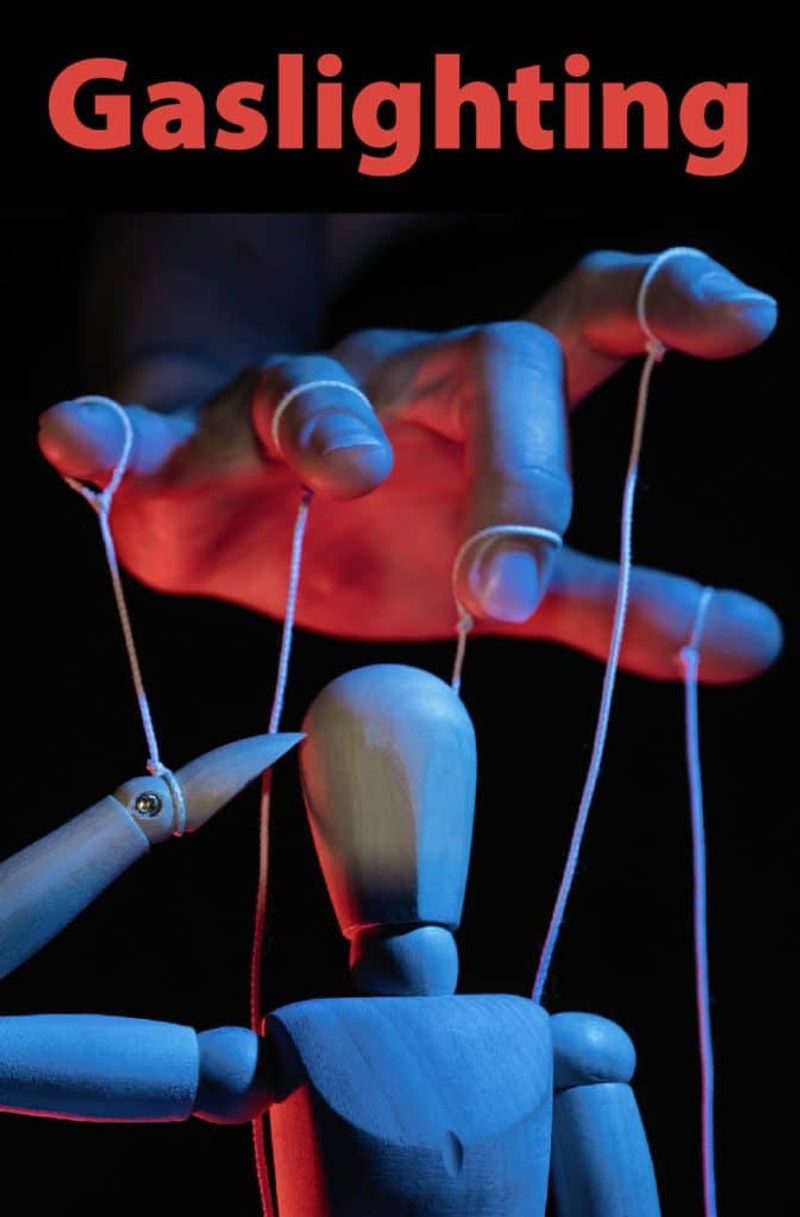
Ever walked away from an argument wondering if your own memory is broken? Gaslighting does exactly that.
A narcissist will flatly deny saying something you clearly heard, twist facts, or insist an event never happened — until you start believing them over yourself.
Over time, this erodes your confidence in your own mind. Trusting your instincts becomes harder each day.
Recognizing this pattern is crucial, because your memories and feelings are valid.
2. The Silent Treatment

Silence can be weaponized, and narcissists know exactly how to use it. The silent treatment is not just someone needing space — it is calculated withdrawal meant to punish you into compliance or beg for forgiveness you don’t actually owe.
Being frozen out creates feelings of abandonment and helplessness that are hard to shake. Many victims blame themselves and scramble to “fix” things.
Real communication never involves using silence as a tool of control.
3. Passive-Aggressive Comments

“Wow, you actually finished that? Good for you.” Sounds like a compliment — but it stings, doesn’t it?
Passive-aggressive remarks are designed to cut deep while giving the abuser total deniability. They often come disguised as jokes, concern, or innocent observations.
These comments chip away at your self-esteem slowly, like water wearing down stone. When you call it out, they say you are too sensitive.
That deflection is part of the abuse itself.
4. Playing the Victim
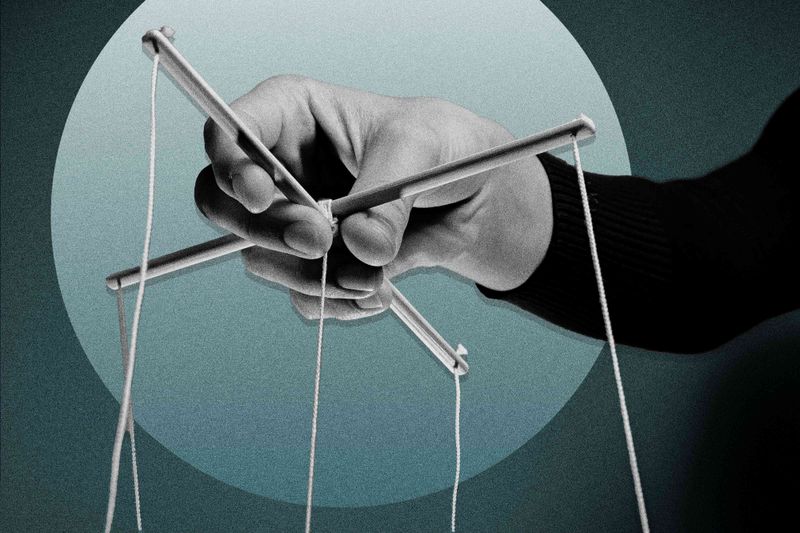
Somehow, no matter what happens, the narcissist ends up as the one who was wronged. Playing the victim is a powerful manipulation tool — it shifts blame, avoids accountability, and makes you feel guilty for simply having needs or setting limits.
You might find yourself constantly apologizing for things that were not your fault. That cycle of guilt keeps you trapped.
Real accountability means owning mistakes, not turning every conflict into a personal attack on the abuser.
5. Emotional Invalidation
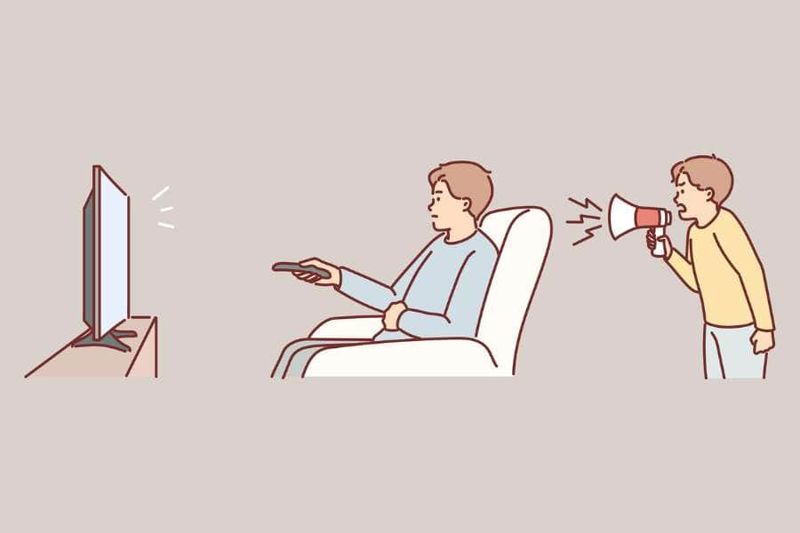
Feeling told your emotions are “too much” or “ridiculous” is more damaging than most people realize. Emotional invalidation is when a narcissist consistently dismisses your feelings, making you believe your emotional responses are wrong, exaggerated, or simply do not matter.
Over time, you may stop sharing how you feel altogether, becoming emotionally isolated. Healthy relationships require both people to feel heard.
If your feelings are constantly minimized, that relationship dynamic deserves a serious second look.
6. Love Bombing

At first, it feels like a fairy tale — constant texts, grand gestures, declarations of love after just two weeks. Love bombing is the narcissist’s hook, flooding you with affection so intense it feels intoxicating.
The goal is to make you deeply attached before the mask slips.
Once they feel secure in your attachment, the warmth disappears and criticism begins. Looking back, the early intensity often feels more suffocating than sweet.
Healthy love builds gradually, not explosively.
7. Withholding Affection

When love becomes something you have to earn, something is very wrong. Withholding affection is a control strategy where warmth, praise, or closeness is only offered when you behave exactly as the narcissist demands — and pulled away the moment you do not.
This creates an anxious cycle of trying harder and harder to please someone who keeps moving the goalposts. You deserve love that is freely given, not rationed out as a reward for perfect obedience.
8. Blame-Shifting

Narcissists rarely say “I was wrong” — instead, somehow, everything that goes sideways becomes your fault. Blame-shifting is a reflexive defense where the abuser redirects responsibility for their own actions onto you, leaving you constantly playing defense in your own relationship.
Did you know chronic blame-shifting is one of the clearest signs of narcissistic personality patterns? It wears victims down until they genuinely believe they cause all the problems.
Healthy partners share accountability without making one person carry all the weight.
9. Isolation From Support Networks

It rarely happens overnight. First, they criticize one friend.
Then they make family visits feel like a battle. Before long, you realize your world has quietly shrunk to just one person — exactly as they planned.
Isolation is a calculated move to eliminate outside perspectives that might challenge the narcissist’s control.
Without a support network, leaving feels impossible and their version of reality goes unchallenged. Protecting your outside relationships is one of the most powerful things you can do.
10. Boundary Testing

Setting a limit with a narcissist often feels like drawing a line in sand during high tide — they just keep pushing past it. Boundary testing is when someone repeatedly challenges or ignores the personal limits you set, escalating pressure each time you try to hold firm.
Many people normalize this as the other person being “passionate” or “persistent.” But someone who truly respects you will honor what you say you need. Repeated boundary violations are a major red flag worth taking seriously.
11. Triangulation

Triangulation is the narcissist’s way of never fighting fair. By pulling a third person — a friend, an ex, a coworker — into your conflicts, they create jealousy, self-doubt, and competition that keeps you off-balance and focused on winning their approval rather than questioning their behavior.
“My ex never had a problem with this” is a classic triangulation line. It is designed to make you feel replaceable and insecure.
Recognizing this tactic removes its power almost immediately.
12. Hoovering
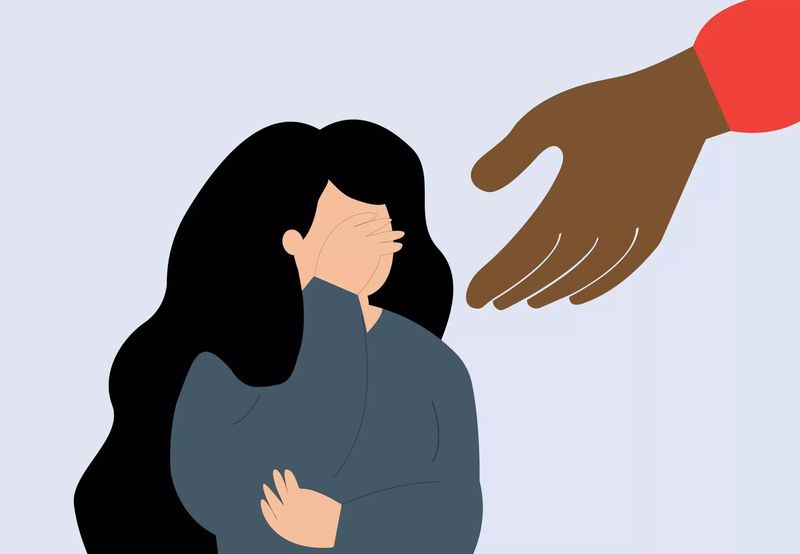
Just when you finally work up the courage to walk away, they suddenly transform back into the person you first fell for — apologetic, loving, full of promises to change. This manipulation tactic is called hoovering, named after the vacuum brand, because it sucks victims right back in.
The apologies feel genuine, but the pattern repeats. Real change shows up in consistent actions over time, not grand emotional gestures timed perfectly to your exit.
Trust the pattern, not the performance.
13. Smear Campaigns
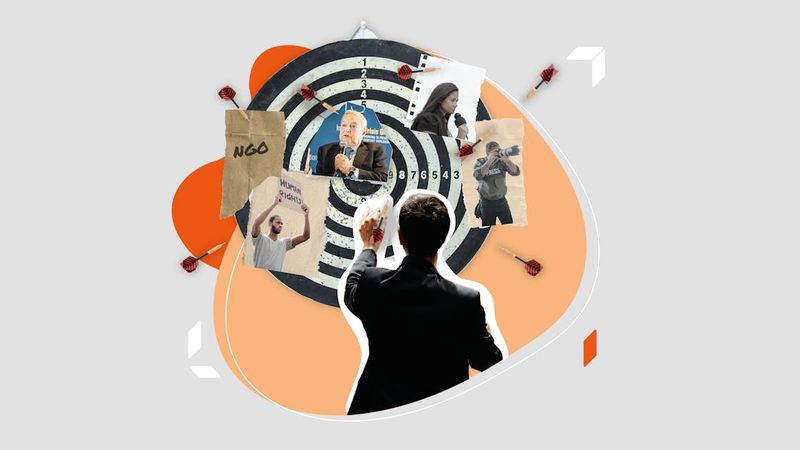
When a narcissist feels they are losing control — especially after a breakup or confrontation — they often go on the offensive. A smear campaign involves spreading lies, twisted half-truths, or rumors about you to friends, family, or coworkers to damage your reputation before you can share your own story.
Suddenly, people you trusted start acting differently toward you. This tactic is designed to isolate and discredit you.
Documenting your experiences and leaning on a few trusted allies can help you weather it.
14. Normalizing Harmful Behaviors

“All couples fight like this.” “Relationships are just hard — everyone deals with this stuff.” Sound familiar? Narcissists use broad, sweeping statements to convince you that their harmful behavior is perfectly ordinary, making you feel foolish for being bothered by it at all.
This tactic keeps victims from seeking outside help or perspective. The truth is, not every relationship involves constant criticism, control, or emotional chaos.
Knowing what healthy actually looks like is a powerful tool for recognizing when something is not right.
15. Controlling Caretaking

On the surface, it looks like helpfulness — they cook for you, handle your finances, manage your schedule. But when someone constantly takes over things you are fully capable of doing yourself, often while implying you would just mess it up, that is control wearing the costume of care.
Over time, this manufactured dependency makes leaving feel impossible and chips away at your self-confidence. Genuine support builds people up.
If their help consistently makes you feel smaller or less capable, pay close attention to that feeling.