
School in the 1970s was a very different experience from what students know today. Rules were stricter, punishments were harsher, and a lot of what happened in classrooms back then would seem shocking now.
From measuring skirt lengths to paddling students for chewing gum, schools had a long list of regulations that controlled nearly every part of a student’s day. Many of these rules have since disappeared, and looking back at them gives us a fascinating glimpse into how much education has changed.
1. Hair Length Restrictions for Boys
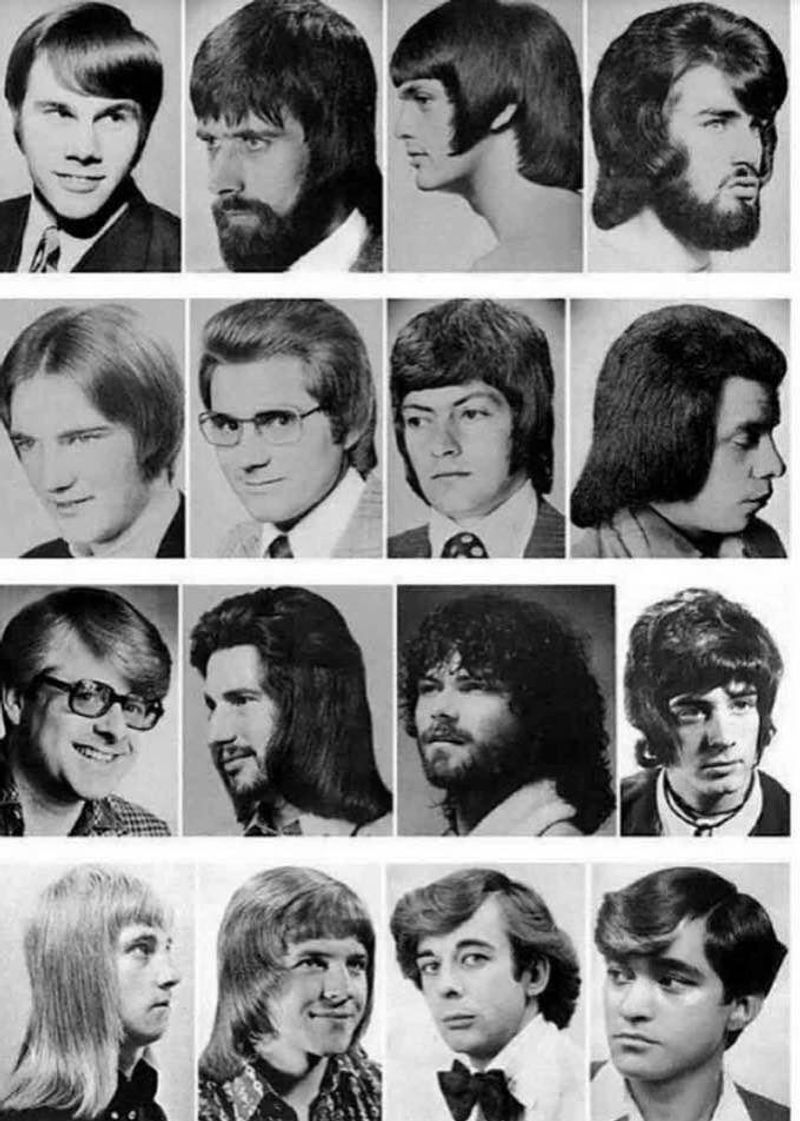
Back in the 1970s, a boy’s hair could actually get him sent home from school. Many districts had strict rules measuring hair against ears, collars, or eyebrows, and students who crossed the line were told to get a cut before returning.
These policies were often treated as moral issues rather than simple style preferences. The rules clashed loudly with the counterculture movement of the era, making hair one of the decade’s most surprising battlegrounds.
2. Boys Had to Stay Clean-Shaven

Facial hair on teenage boys was treated almost like graffiti on school property during the 1970s. Even the faintest hint of peach fuzz could land a student in the principal’s office or trigger an uncomfortable call home to parents.
Schools viewed mustaches and beards as signs of rebellion rather than simple biology. It seems hard to believe today, but a few whiskers were enough to cause a serious disciplinary incident back then.
3. Sideburns Couldn’t Go Below the Earlobes

Even when schools loosened up slightly on general hair rules, sideburns had their own strict boundary: the earlobe. Teachers would sometimes pull out an actual ruler to check, making this one of the more surprisingly precise dress code enforcement moments of the decade.
Students who pushed past that invisible line risked a trip to the office. It was a quirky but very real rule that reflected just how seriously schools policed personal appearance in that era.
4. Girls Were Required to Wear Skirts or Dresses
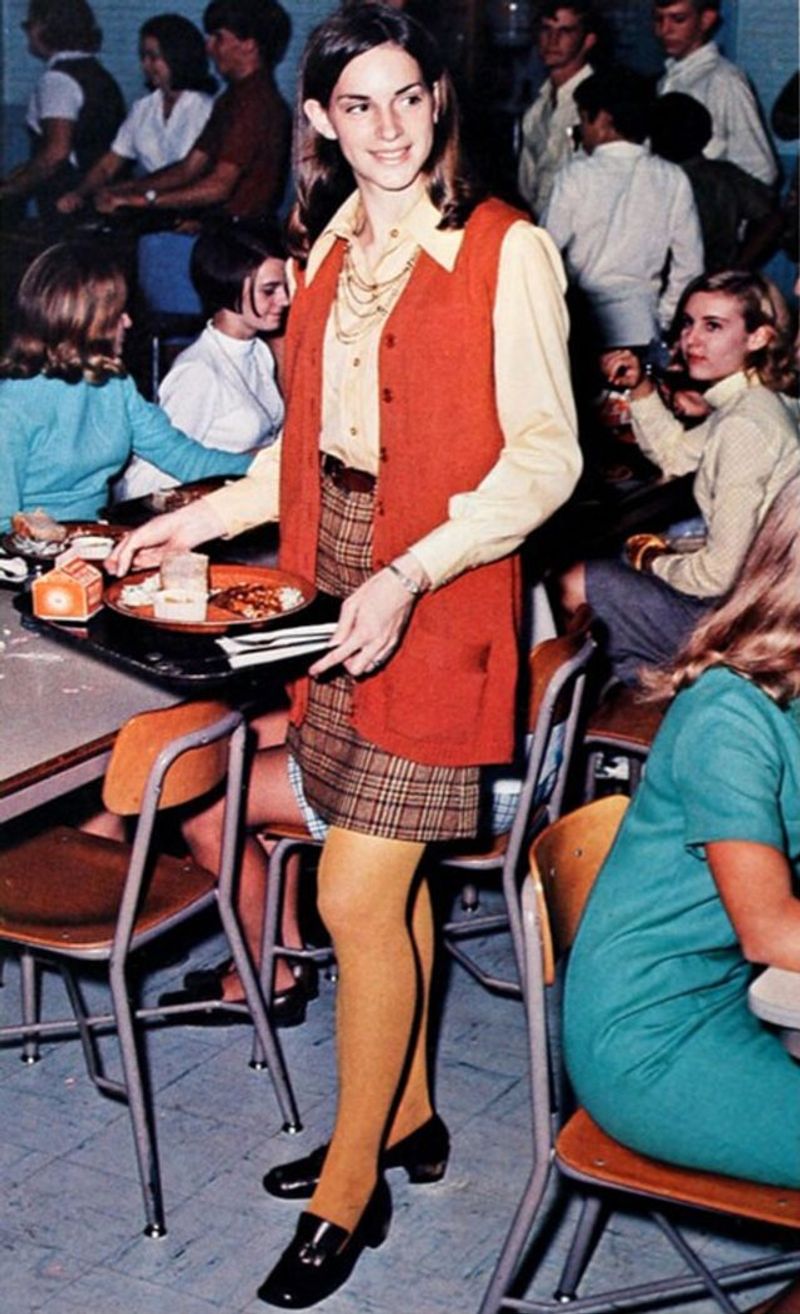
Pants, slacks, and jeans were simply off the table for girls in many 1970s school districts. Administrators considered them too casual or outright inappropriate, so skirts and dresses were the expected daily uniform for female students.
Some girls found a clever workaround by wearing pants underneath their skirts for warmth during cold mornings, then quietly changing once they arrived. It was a small act of rebellion that showed just how uncomfortable and impractical the rule actually was.
5. Skirt Length Was Measured Against the Knee
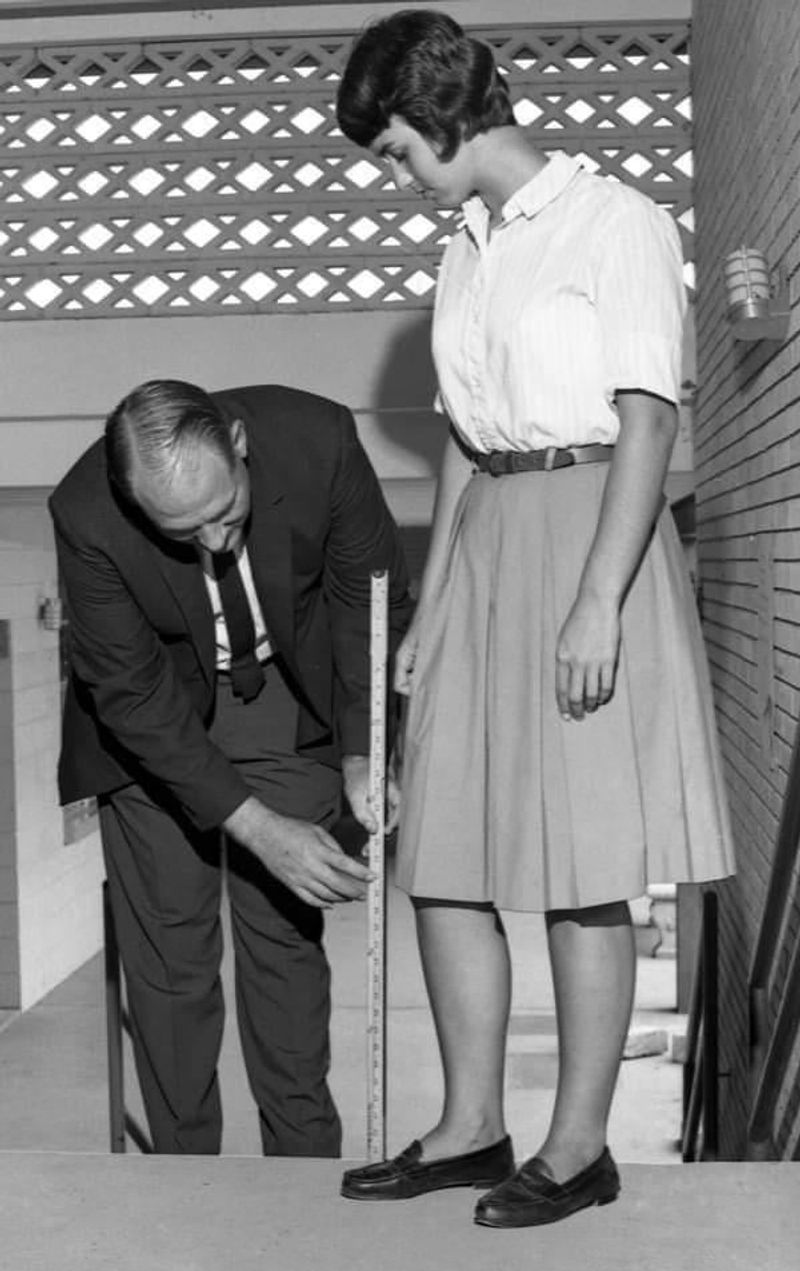
Hemlines were serious business in 1970s schools. Administrators and teachers would sometimes physically measure a girl’s skirt against her knee, often requiring it to fall no more than two inches above when kneeling.
Failing the check meant suspension or a trip home to change.
This level of inspection feels almost unimaginable today. Yet for many girls of that generation, the skirt ruler was a very real and deeply embarrassing part of the school morning routine.
6. Hair Rollers Were Banned for Girls

Showing up to school with hair rollers in was a fast way to get turned away at the door during the 1970s. School administrators viewed them as sloppy and unpresentable, and girls were told to remove them before setting foot in class.
What seems like a harmless morning hair routine was treated as a dress code violation. The rule highlighted just how much schools tried to control not only what students wore, but how they prepared themselves at home before even arriving.
7. Boys Had to Tuck Shirts In and Wear Socks
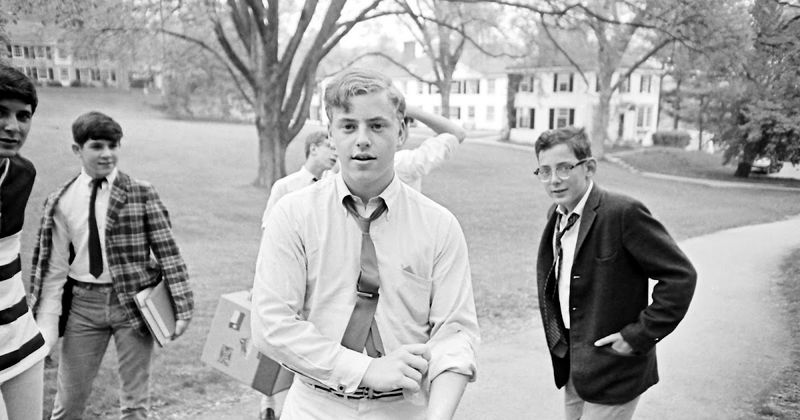
Neatness was practically a school subject in the 1970s. Boys were expected to keep shirts tucked in at all times and always wear socks, because schools believed a tidy appearance reflected personal discipline and respect for the learning environment.
Teachers would actually check during the day, and students who failed the look got a reminder or a warning. It sounds minor, but these small rules added up to a strict culture where appearance was treated as a direct measure of character.
8. Frayed Jeans and Casual Clothes Were Banned

Frayed jeans, tie-dye shirts, and clothing with slogans were considered completely unacceptable in many 1970s schools. The ban went beyond just girls wearing pants; it applied to everyone and targeted anything that carried a counterculture or casual vibe.
Schools saw these clothing choices as distractions or signs of disrespect toward the learning environment. Students who showed up in banned outfits were often sent home, reinforcing the message that what you wore said something about your attitude toward education.
9. Corporal Punishment Was Widely Practiced
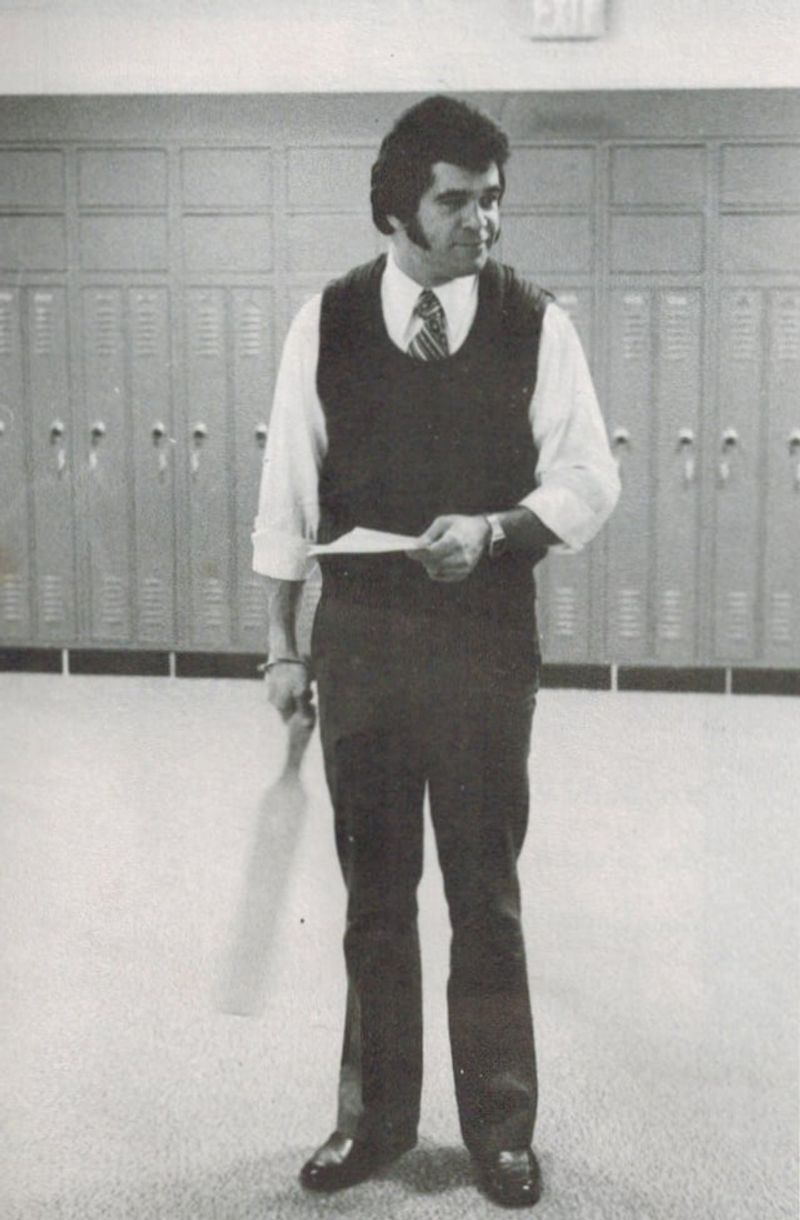
Getting paddled in the principal’s office was not a rare or shocking event in the 1970s. Teachers and administrators regularly used wooden paddles, rulers, or straps to discipline students for offenses as minor as chewing gum or arriving late to class.
Most parents accepted this without question, and in 1977, the U.S. Supreme Court actually upheld the legality of corporal punishment in schools.
It remained up to individual states to ban it, and many did not act quickly.
10. Public Humiliation Was Used as Punishment
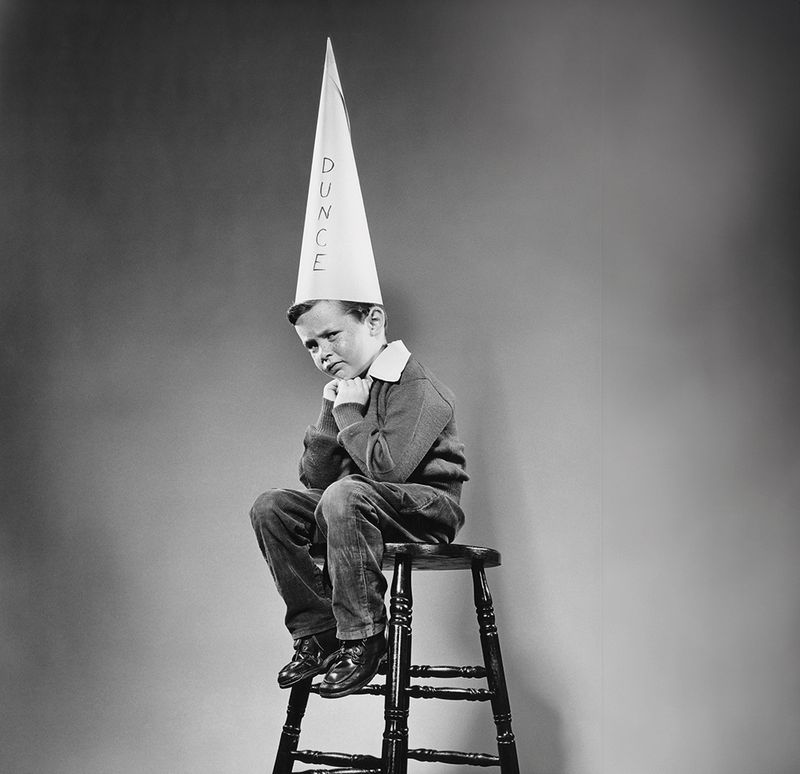
Shame was considered a perfectly acceptable teaching tool in 1970s schools. Students could be made to sit in a dunce chair facing the wall, wear a paper hat in front of classmates, or even have their mouths taped shut for talking out of turn.
The goal was to create fear of making mistakes rather than encouraging growth or understanding. Looking back, these methods were deeply harmful, and most modern educators recognize that public humiliation damages confidence rather than building better behavior.
11. Boys and Girls Were Separated into Different Classes
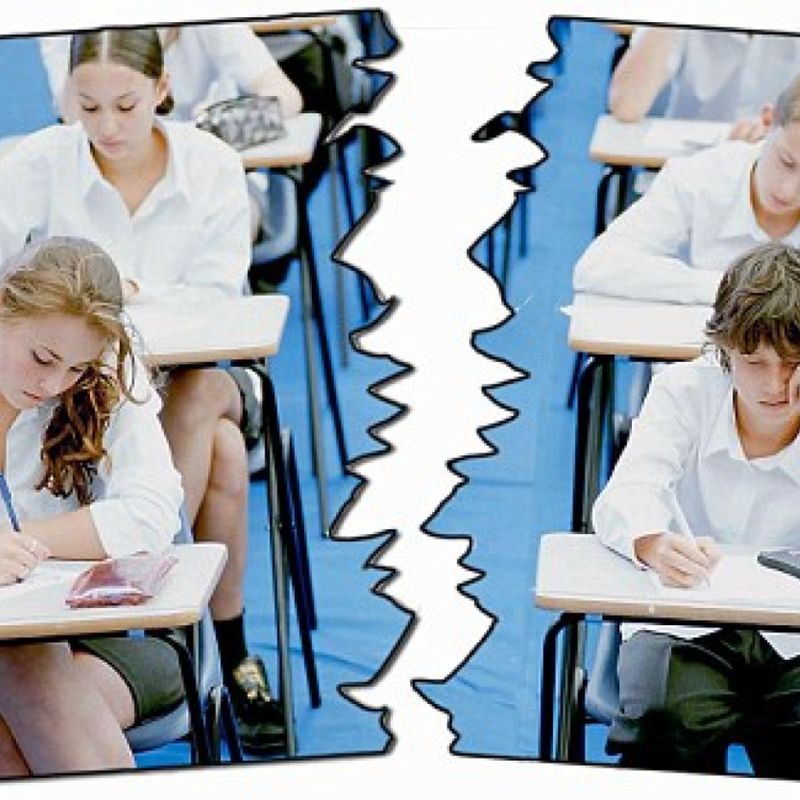
Shop class was for boys, and home economics was for girls. That was just the way things worked in most 1970s schools, and few people questioned it at the time.
These divisions reinforced rigid ideas about gender roles and what kinds of futures each student should expect.
Title IX was signed in 1972 and began pushing back against these separations, but enforcement moved slowly. Many students spent years in gender-assigned classes long after the law technically said they no longer had to.
12. Schools Had Designated Student Smoking Areas
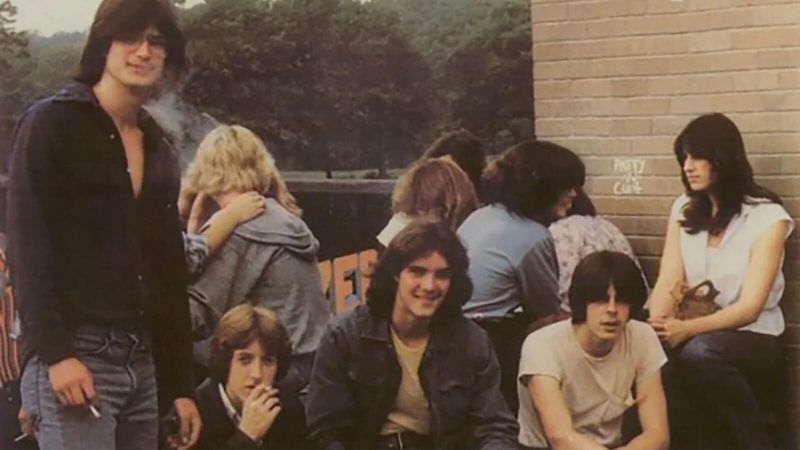
Hard to picture now, but many high schools in the 1970s had official smoking areas where students could light up during breaks. In some cases, a parent permission slip was all an underage student needed to use the smoking zone legally on school grounds.
Teachers often smoked right alongside students in these areas, which made the whole arrangement feel completely normal at the time. The health risks were not widely understood or discussed the way they are in classrooms today.
13. Calculators Were Completely Banned
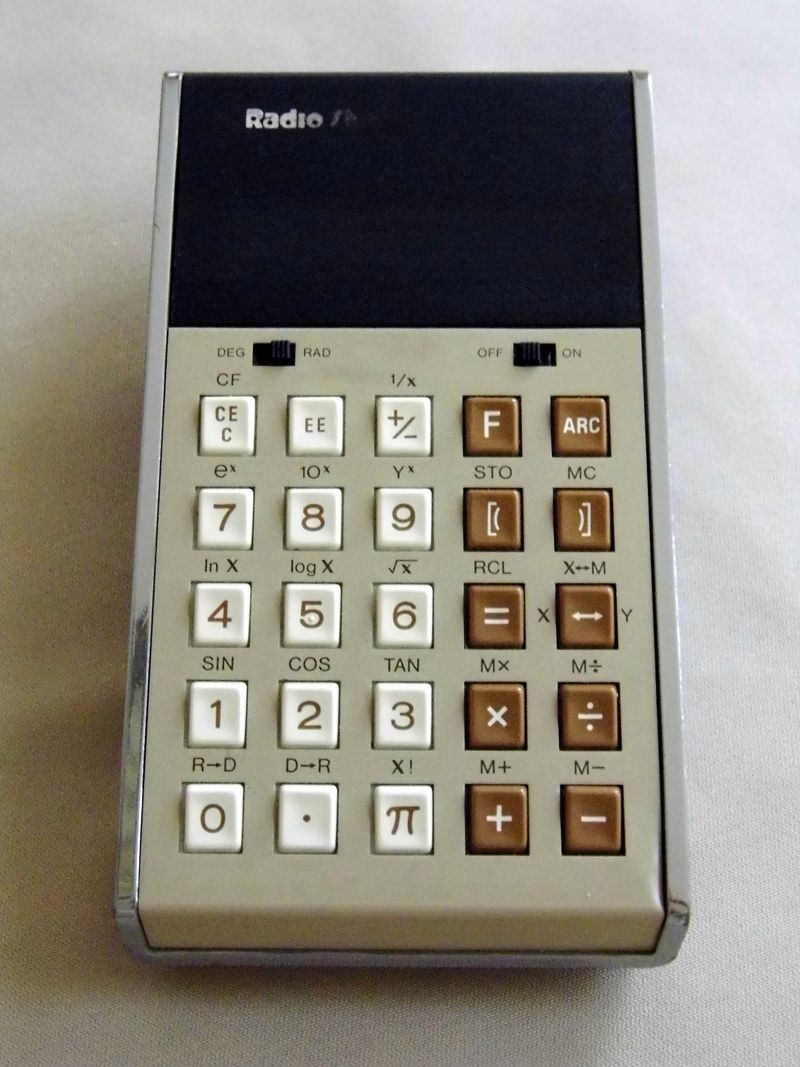
Every single math problem had to be solved by hand in 1970s classrooms. Calculators were banned from tests and daily lessons because educators genuinely worried the devices would make students mentally lazy and incapable of real mathematical thinking.
The irony is that calculators were already becoming widely available and affordable during this period. Students were learning skills that technology was quietly making obsolete, but schools were not quite ready to accept that reality just yet.
14. Left-Handed Students Were Forced to Switch Hands
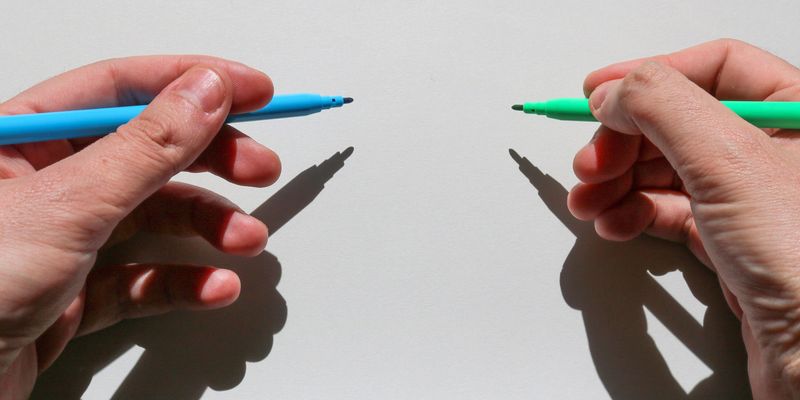
Being left-handed in a 1970s classroom could be a frustrating and confusing experience. Some teachers actively pushed left-handed students to switch to their right hand, convinced that writing with the dominant hand was the only proper and socially acceptable way to do things.
This forced conversion often caused real difficulties, including slower writing speed, messy handwriting, and emotional stress. Modern educators understand that handedness is neurological, not a habit to be corrected, making this one of the more harmful rules of the era.
15. All Phone Calls Had to Go Through the Main Office
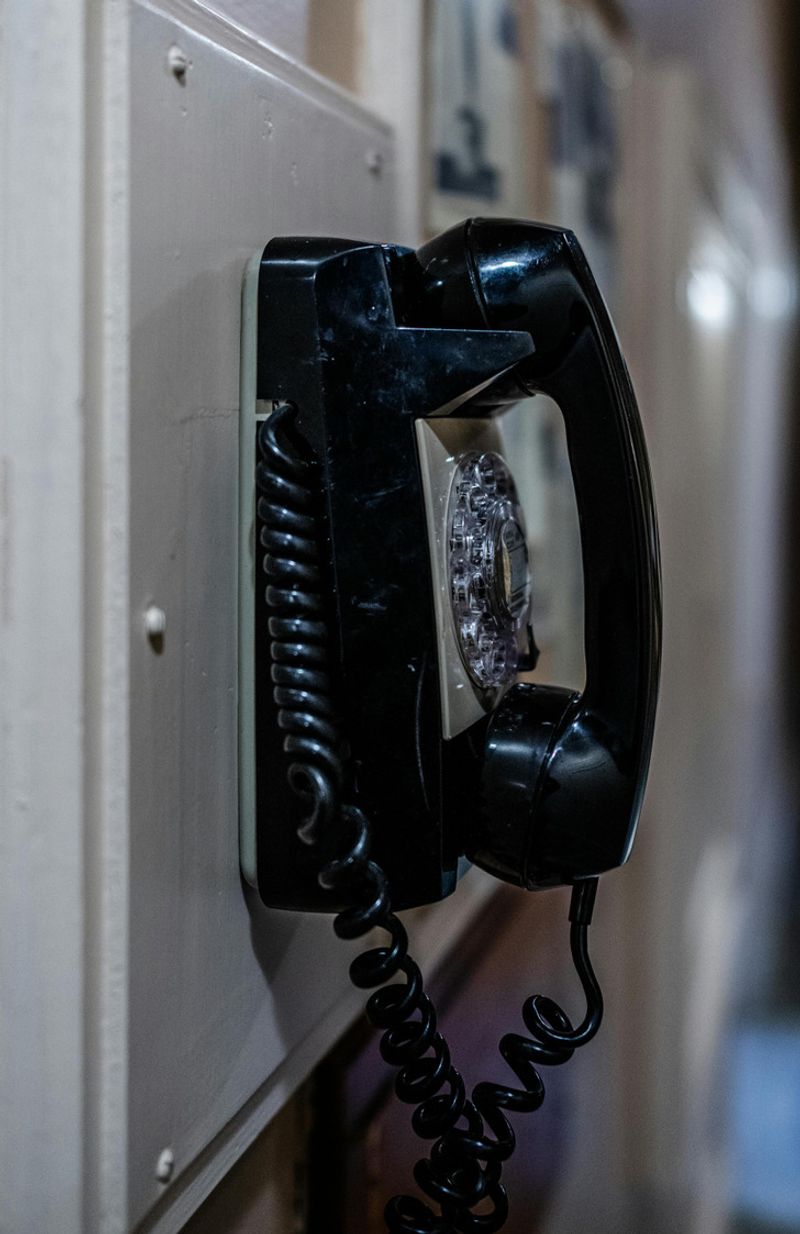
Personal phone calls during school hours were simply not allowed in the 1970s. If a student needed to reach a parent or had an emergency, the only option was to go to the main office and ask the secretary to make the call on their behalf.
There were no cell phones, no texting, and no quick check-ins during lunch. The office controlled all communication, which gave the school enormous authority over students’ access to family.
It was a level of disconnection that feels almost unimaginable to students today.