
Dealing with a narcissist can feel confusing, exhausting, and even a little crazy-making. Narcissistic Personality Disorder (NPD) is a real condition where someone consistently puts themselves above everyone else, lacks empathy, and craves constant attention.
Knowing the warning signs can protect your mental health and help you make smarter decisions about who you let into your life. Once you learn these patterns, their true colors become impossible to ignore.
1. The Love Bombing Trap
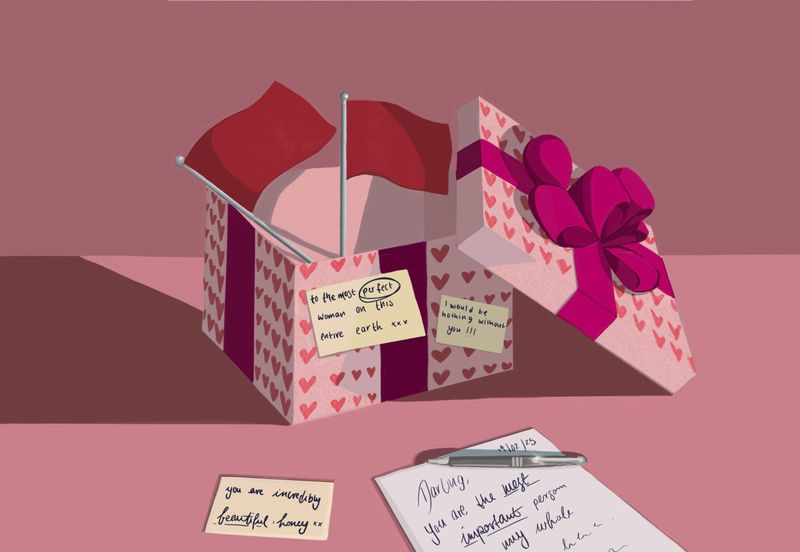
Everything feels too good to be true — and honestly, it probably is. Love bombing happens when a narcissist floods you with compliments, gifts, and intense attention early in a relationship to get you emotionally hooked fast.
Before you know it, you feel deeply connected to someone you barely know. That overwhelming “perfect” feeling is a calculated move, not genuine love.
Once they have your trust, the real behavior starts creeping in.
2. Grandiose Self-Importance

Narcissists genuinely believe they are better than everyone around them — smarter, more talented, and just more deserving. This is called grandiosity, and it shows up constantly in how they talk, act, and treat others.
They expect to be treated like royalty without necessarily earning it. Even when facts prove them wrong, their belief in their own superiority never wavers.
Watch for someone who consistently talks about themselves as exceptional while dismissing everyone else.
3. Zero Empathy in Action

One of the clearest signs of narcissism is the striking inability to care about how others feel. When you share something painful, a narcissist either dismisses it, changes the subject, or somehow makes it about themselves.
Empathy is simply not part of their emotional toolkit. Over time, you start feeling invisible and unheard.
If someone consistently fails to acknowledge your feelings or needs, that cold pattern speaks louder than any of their words ever could.
4. Gaslighting Your Reality
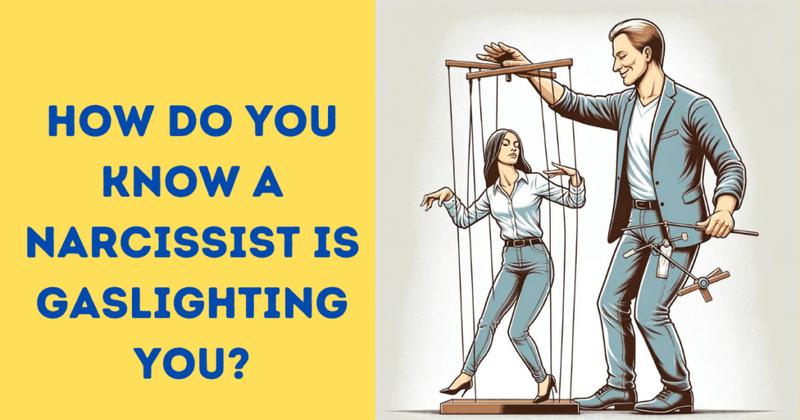
“That never happened.” “You’re being too sensitive.” Sound familiar? Gaslighting is a manipulation tactic where narcissists make you question your own memory, feelings, and perception of reality.
Over time, this erodes your confidence and makes you dependent on them to define what is real. It is one of the most psychologically damaging tools in a narcissist’s playbook.
Trust your gut — if you constantly feel confused after conversations with someone, that is a serious red flag worth paying attention to.
5. Blame-Shifting and Projection

Nothing is ever a narcissist’s fault — ever. When something goes wrong, they are masters at quickly flipping the script and making you feel responsible for their bad behavior.
Projection takes it further: they accuse you of doing the exact things they are secretly doing themselves. It is disorienting and exhausting.
Recognizing this pattern early is key. When someone never accepts accountability and always finds a way to pin the blame on you, that cycle is a major warning sign.
6. The Devaluation Switch
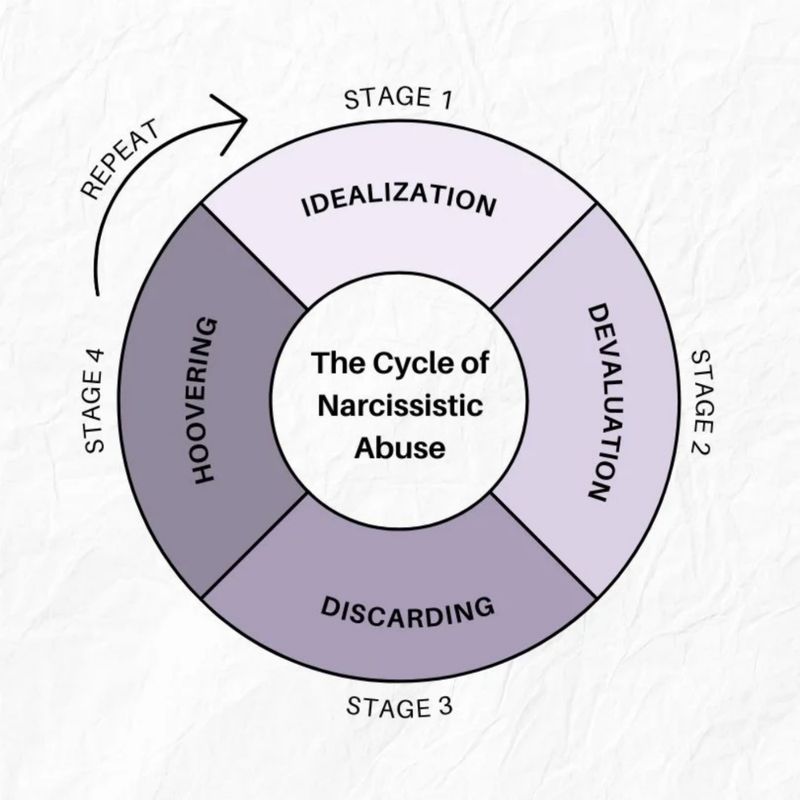
After the love bombing phase fades, something shifts — and not in a good way. Suddenly, the person who once adored you starts criticizing, belittling, and emotionally withdrawing without a clear reason.
This is called devaluation, and it is part of a predictable abuse cycle. Narcissists often disguise criticism as “just being honest” or “helping you improve.” Your confidence quietly takes a hit each time.
Noticing this sudden emotional cold shoulder is one of the clearest signals that something is very wrong.
7. Fragile Ego Beneath the Confidence

Here is the surprising truth about narcissists: under all that arrogance is a deeply fragile ego that cannot handle even the smallest criticism. One offhand comment can send them into a rage or silent sulk for days.
Psychologists call this “narcissistic injury” — the wound they feel when their inflated self-image is threatened. Their explosive or icy reactions to minor feedback reveal just how shaky their confidence really is.
Real security does not shatter that easily.
8. Triangulation and Drama Creation

Narcissists love stirring the pot — and triangulation is one of their favorite tools. By bringing in a third party, whether a friend, ex, or coworker, they create jealousy, competition, and confusion to keep themselves feeling powerful and in control.
They might gossip, spread rumors, or play people against each other. Suddenly, you are fighting for their approval instead of questioning their behavior.
Recognizing triangulation helps you step out of the drama they manufacture and see the manipulation clearly.
9. Constant Need for Admiration

Admiration is basically oxygen for a narcissist. They need a steady stream of praise, compliments, and recognition to feel okay about themselves — and they will fish for it relentlessly.
Expect conversations to circle back to their achievements, appearance, or status. When the praise stops, their mood can turn cold or hostile surprisingly fast.
This constant hunger for validation, sometimes called “narcissistic supply,” is exhausting for everyone around them and reveals just how dependent they are on outside approval.
10. Controlling Behavior Disguised as Care

At first, it might feel like protectiveness or love. But when someone starts dictating your social life, finances, friendships, or personal choices, that is control — not care.
Narcissists often use this tactic to isolate you from your support system, making you more dependent on them. They might frame it as “I just worry about you” while slowly cutting off your independence.
Real love does not come with conditions, restrictions, or a need to monitor your every move.
11. Playing the Victim Card

Covert narcissists are especially skilled at flipping into victim mode the moment accountability comes knocking. Suddenly, they are the ones who are hurt, misunderstood, and wronged by everyone around them.
This tactic is surprisingly effective because it draws in sympathy and deflects any criticism aimed their way. Over time, you may find yourself apologizing for things that were never your fault.
If someone always manages to become the victim whenever a problem arises, that pattern is worth examining very carefully.
12. The Silent Treatment Weapon

Silence can be used as a weapon, and narcissists know exactly how to wield it. The silent treatment is a form of passive aggression used to punish, control, and make you feel desperate for their attention again.
Instead of addressing a conflict like an adult, they simply disappear emotionally — sometimes for days. It leaves you anxious, self-blaming, and working hard to win back their approval.
That emotional power play is a calculated move, not a sign of someone who needs space.
13. Inconsistent Stories and Oversharing Details

Ever notice how some people share way too many unnecessary details when explaining themselves? Narcissists often overload their stories with specifics to make their version of events sound more believable and credible.
But here is the catch — those extra details frequently contradict each other over time. Pay attention to inconsistencies between what they said last week and what they are saying today.
When someone’s story keeps shifting or requires an overwhelming amount of justification, that inconsistency is quietly revealing the truth.
14. Boundary Violations and Overreactions

Setting a boundary with a narcissist rarely goes smoothly. What should be a simple, respectful conversation often turns into an argument, guilt trip, or dramatic meltdown on their part.
Narcissists see personal boundaries as personal attacks on their entitlement. Their overreaction — whether explosive anger or cold withdrawal — reveals how little they respect your needs.
Healthy people can handle hearing “no” without making it a crisis. How someone responds to your boundaries tells you almost everything you need to know about their character.
15. The Hoovering Comeback

Just when you think you are finally free, a narcissist often swoops back in — and this tactic even has a name: hoovering, like a vacuum sucking you back in. They return with apologies, grand promises to change, or a sudden return to love bombing behavior.
The goal is not genuine reconciliation — it is regaining control and access to their emotional supply. Recognizing the hoovering pattern for what it is can save you from re-entering a cycle that will likely repeat itself all over again.