
The year 1969 was an electric moment in rock history. From the moon landing to Woodstock, the world was changing fast, and the music matched every bit of that energy.
Songs recorded that year carried raw emotion, bold experimentation, and a spirit of rebellion that still feels alive today. Whether you grew up with these tracks or are hearing them for the first time, these 15 songs from 1969 are impossible to ignore.
1. Whole Lotta Love by Led Zeppelin
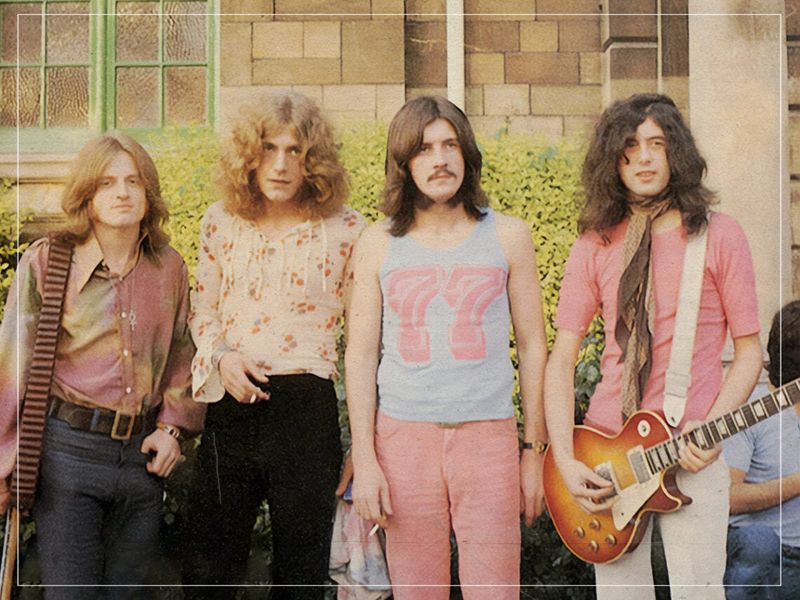
Jimmy Page’s thunderous opening riff hits like a freight train, and it has never stopped rolling. Released on “Led Zeppelin II” in 1969, “Whole Lotta Love” blended blues roots with explosive hard rock energy that nobody had heard quite like this before.
The song sold over 500,000 copies in the U.S. alone and reached number four on the Billboard charts. Its guitar panning and psychedelic echo effects were groundbreaking studio tricks that helped birth heavy metal as we know it.
2. Space Oddity by David Bowie
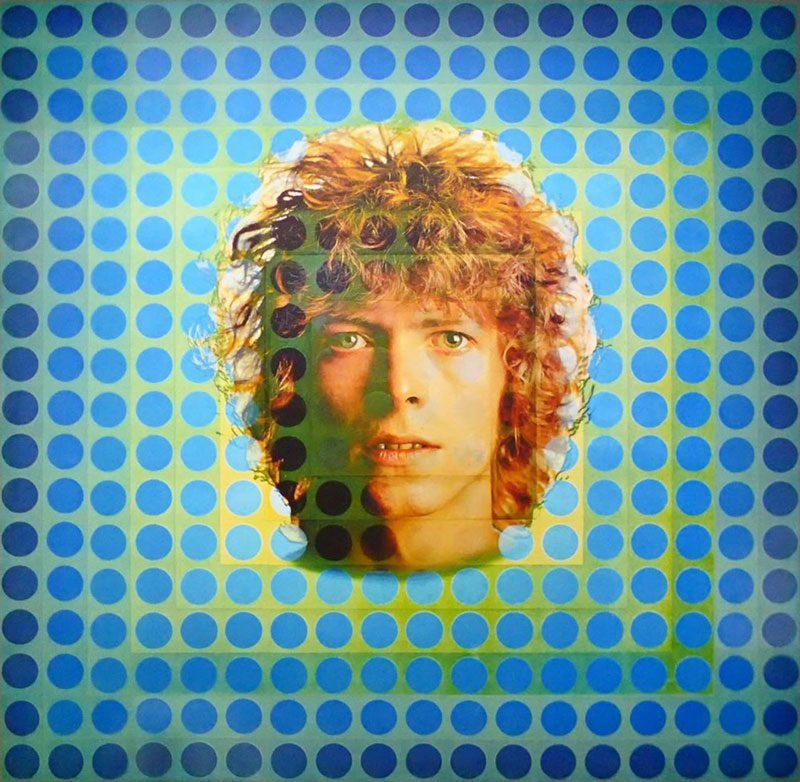
“Ground Control to Major Tom” might be the most iconic opening line in rock history. Released just days before the Apollo 11 moon landing, “Space Oddity” captured something strange and beautiful about floating away from the world you know.
Bowie was only 22 when this song became his first major UK hit, reaching number five on the charts. The BBC actually pulled the track from radio at first, worried its bittersweet ending sent the wrong message during such a hopeful moment in space history.
3. I Wanna Be Your Dog by The Stooges
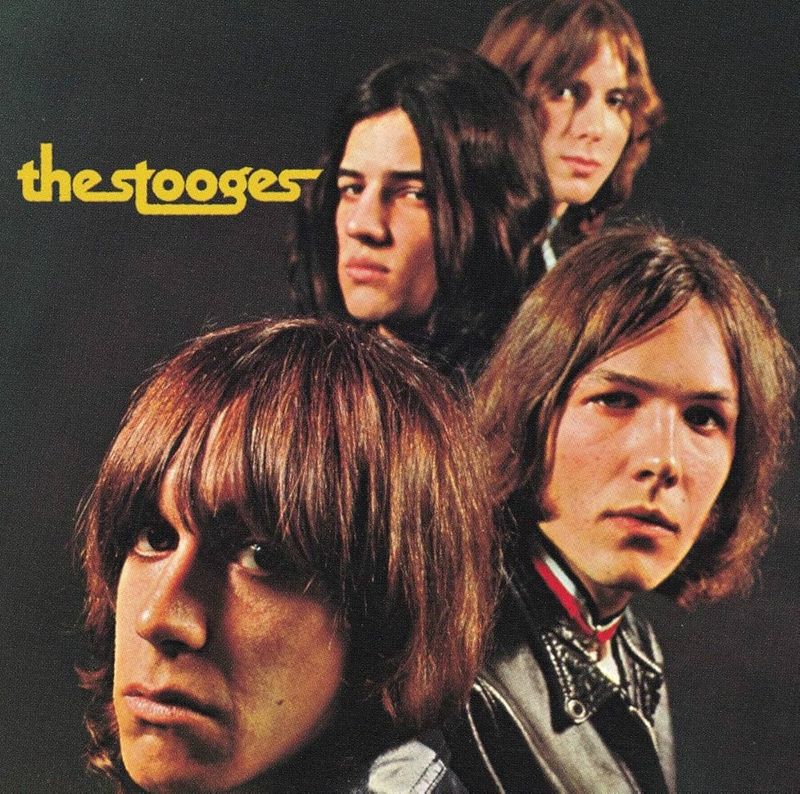
Before punk rock had a name, The Stooges were already tearing up the rulebook. “I Wanna Be Your Dog” from their 1969 debut album is built on a relentless grinding riff and Iggy Pop’s wild, unfiltered vocals that felt like nothing else on the radio.
The song rejected everything polished and safe about late-60s rock. That hypnotic one-chord loop and primal energy laid the actual foundation for what would later explode as the punk movement in the mid-1970s.
4. Come Together by The Beatles
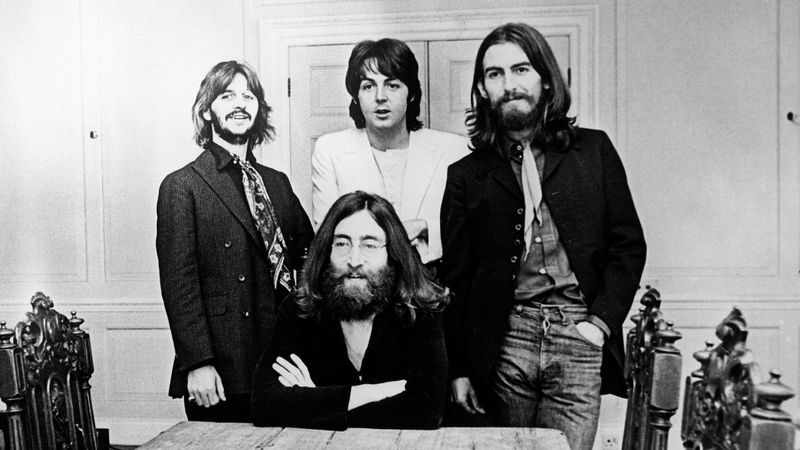
Cool, mysterious, and absolutely unforgettable, “Come Together” opens “Abbey Road” with one of the most recognizable bass lines ever recorded. John Lennon wrote it inspired by a quirky campaign slogan from LSD advocate Timothy Leary, giving the lyrics a wonderfully strange quality.
Paul McCartney’s bass riff is a masterclass in groove and has been studied by musicians for decades. The song hit number one in both the US and UK, proving The Beatles still had serious firepower even as the band was quietly falling apart.
5. Gimme Shelter by The Rolling Stones
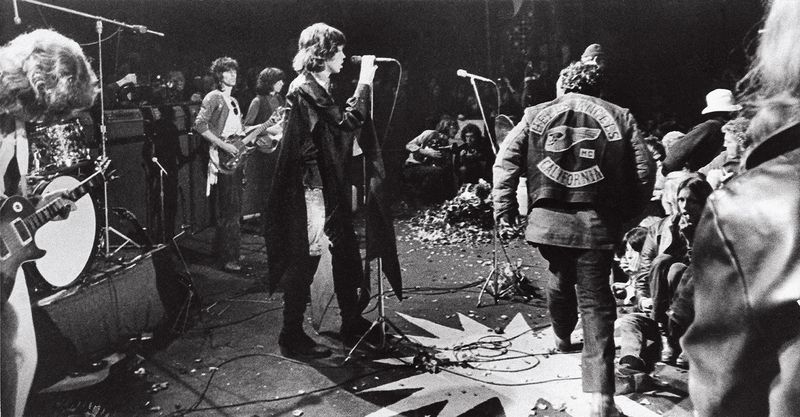
Few songs capture a moment of global dread quite like “Gimme Shelter.” Written during the Vietnam War era, Mick Jagger described it as a “moody piece about the world closing in on you,” and that feeling hits hard every single time it plays.
Mary Clayton’s spine-chilling backing vocal is the stuff of rock legend. Despite never being released as a traditional single, this track from “Let It Bleed” became one of the Stones’ most iconic recordings and a staple of protest playlists and film soundtracks worldwide.
6. Fortunate Son by Creedence Clearwater Revival
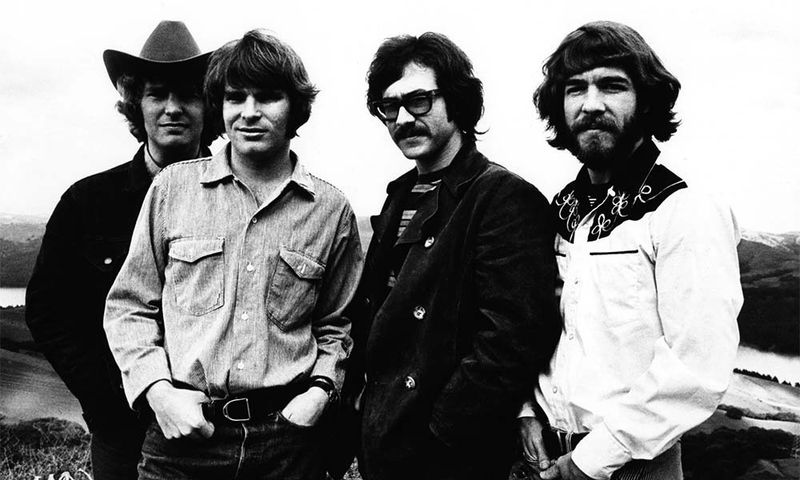
Two and a half minutes of pure American fury. John Fogerty wrote “Fortunate Son” to call out the class divide that sent working-class young men to Vietnam while wealthy sons found ways to avoid the draft.
The anger in his voice is completely real.
Swamp rock has rarely felt this urgent. Even though the song only reached number 14 on the Billboard charts, its legacy towers far above that modest ranking.
Decades later, it remains one of the most recognizable and powerful protest songs in American music history.
7. Pinball Wizard by The Who
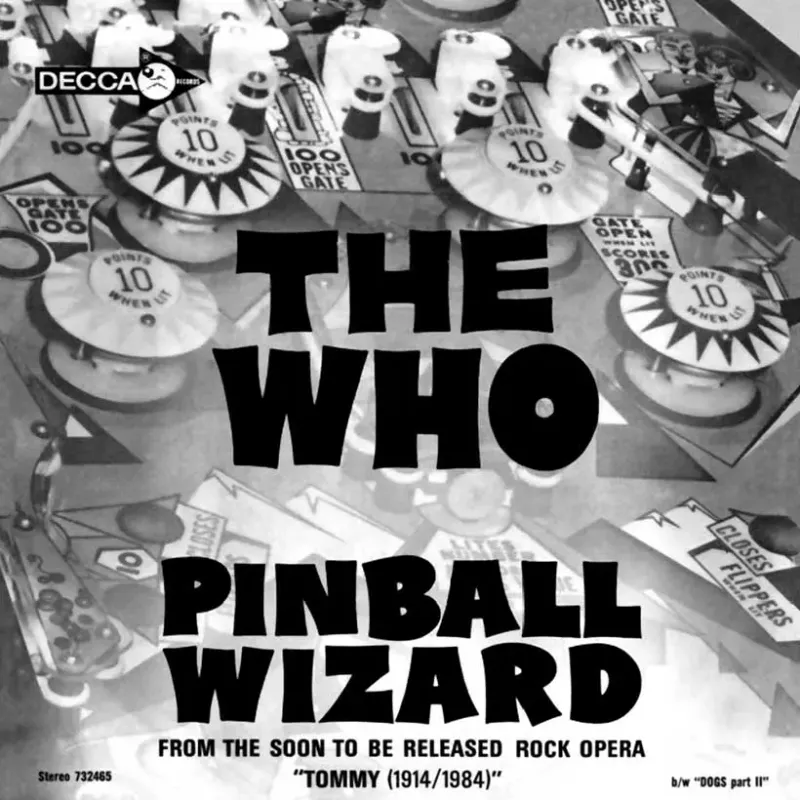
Pete Townshend once jokingly called “Pinball Wizard” a “rockaboogie” tune, but the song became something much bigger than that casual description suggests. Part of The Who’s ambitious 1969 rock opera “Tommy,” it told the story of a deaf, dumb, and blind pinball champion in the most thrilling way possible.
The track was a cornerstone of their legendary Woodstock performance. Townshend himself admitted it was “almost as good” as an operatic masterpiece, which for a song about a pinball machine is quite the compliment.
8. Proud Mary by Creedence Clearwater Revival
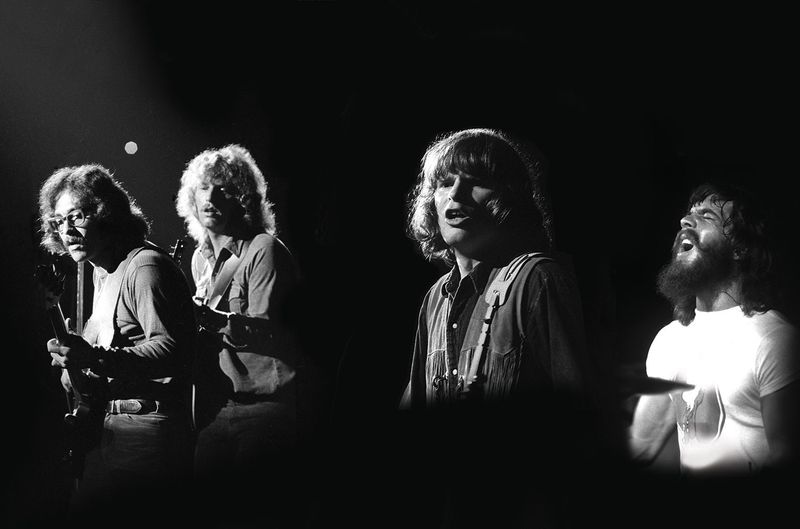
John Fogerty reportedly wrote “Proud Mary” in just two days after being discharged from the National Guard, and that burst of creative energy is all over the track. Released in January 1969, it blended roots rock, blues, and swamp soul into something immediately timeless.
The song peaked at number two on the Billboard Hot 100 and became the first of five consecutive singles for CCR to hit that position. Its rolling river imagery and driving rhythm made it the kind of song that sounds great no matter what decade you hear it.
9. Cinnamon Girl by Neil Young
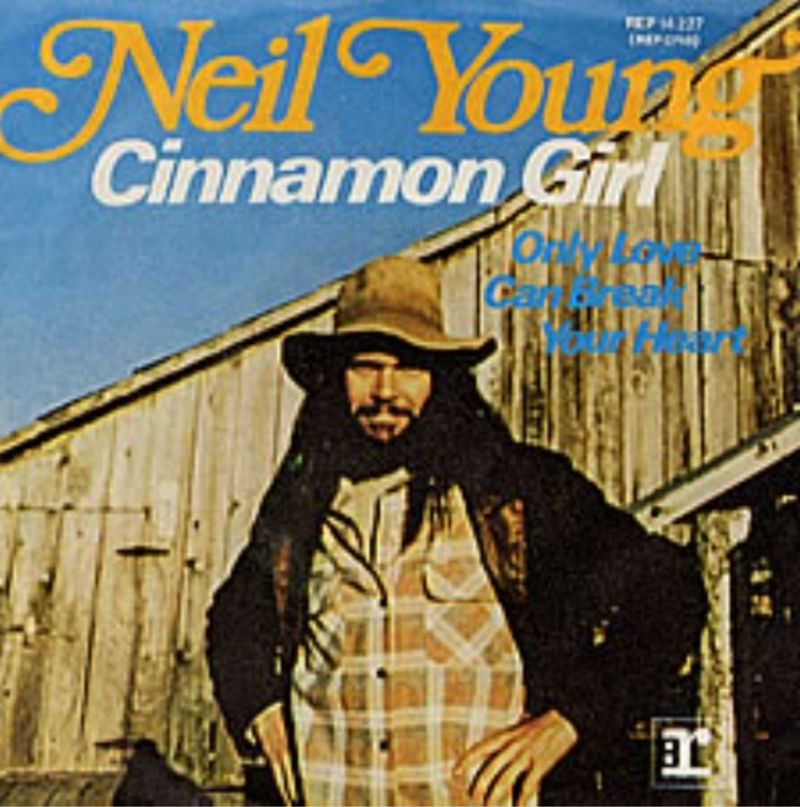
Neil Young wrote “Cinnamon Girl” while battling a high fever and the flu, which makes the sheer power of its riff even more impressive. Released on “Everybody Knows This Is Nowhere” with Crazy Horse, the song had a raw, ballsy quality that stood apart from much of the music around it.
The harmonies between Young and guitarist Danny Whitten give the track a haunting, layered feel. Even decades later, goth rock band Type-O Negative covered it, though most listeners agree the original still wins by a wide margin.
10. 21st Century Schizoid Man by King Crimson
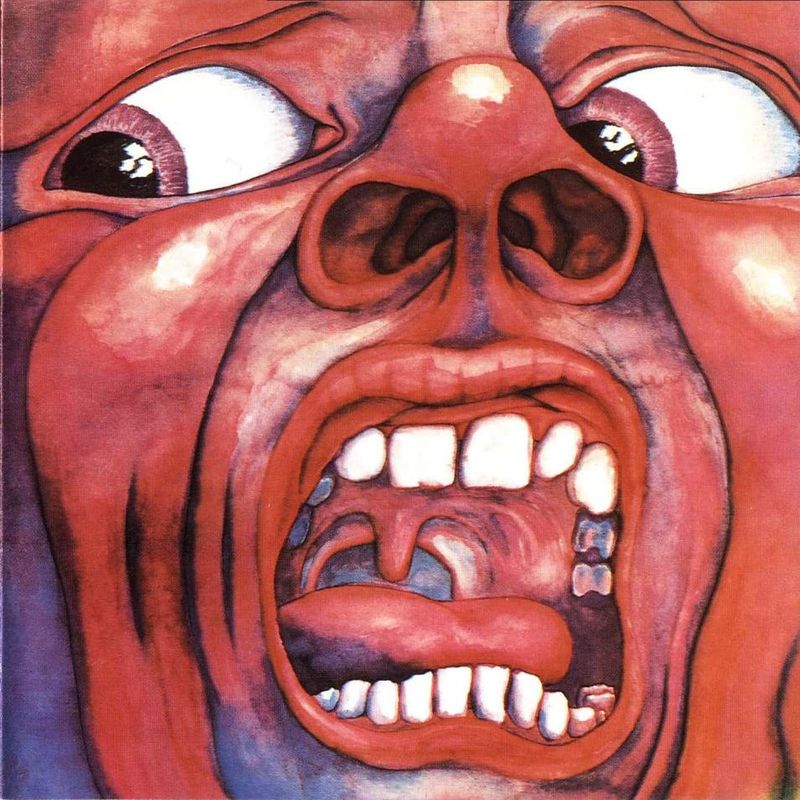
Nothing in 1969 sounded quite as jagged and fearless as the opening seconds of “21st Century Schizoid Man.” King Crimson launched their debut album “In the Court of the Crimson King” with this track, and it hit listeners like a sonic hurricane with no warning whatsoever.
Blending rock guitar with blaring saxophone and chaotic jazz rhythms, the song felt like a glimpse into a disturbing future. It pushed boundaries that most bands were too cautious to approach, cementing King Crimson as one of progressive rock’s most daring founding acts.
11. Volunteers by Jefferson Airplane
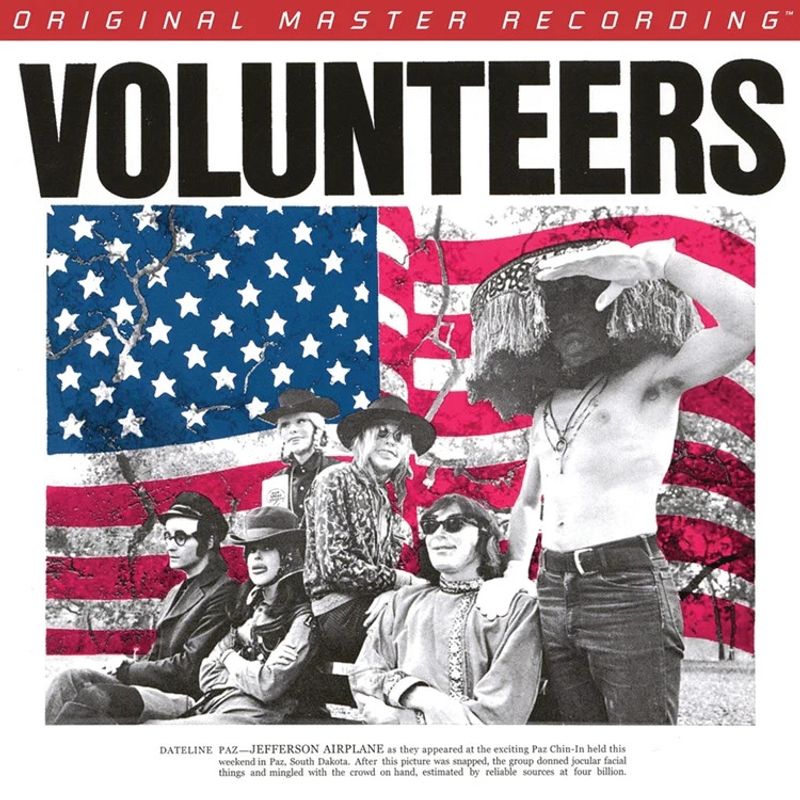
Few songs from 1969 called young people to action as boldly as “Volunteers” by Jefferson Airplane. With its rallying cry energy and unapologetic counterculture spirit, the song became an anthem for a generation that wanted real change and was not afraid to say so loudly.
Released during the height of the Vietnam War, the track captured the frustration and fire of youth activism at its peak. The raw electric sound and passionate delivery made “Volunteers” a defining moment in psychedelic rock’s role as a vehicle for political protest.
12. Touch Me by The Doors
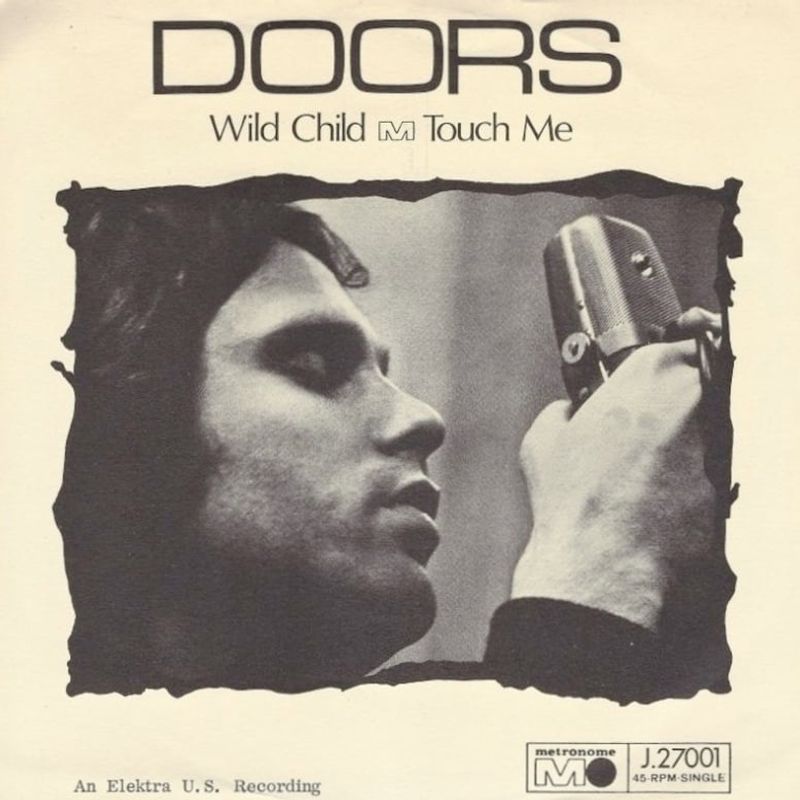
“Touch Me” showed a side of The Doors that sometimes gets overlooked. Released at the tail end of 1968 and hitting the charts hard in early 1969, the song reached number three on the Billboard Hot 100 with a lush, seductive sound built on horns, strings, and a jazz saxophone solo by Curtis Amy.
It proved the band could command the pop charts without losing their mysterious edge. For a group known for dark, brooding material, “Touch Me” was surprisingly warm and inviting, pulling in listeners who might have found their earlier work a little too intense.
13. Soul Sacrifice by Santana
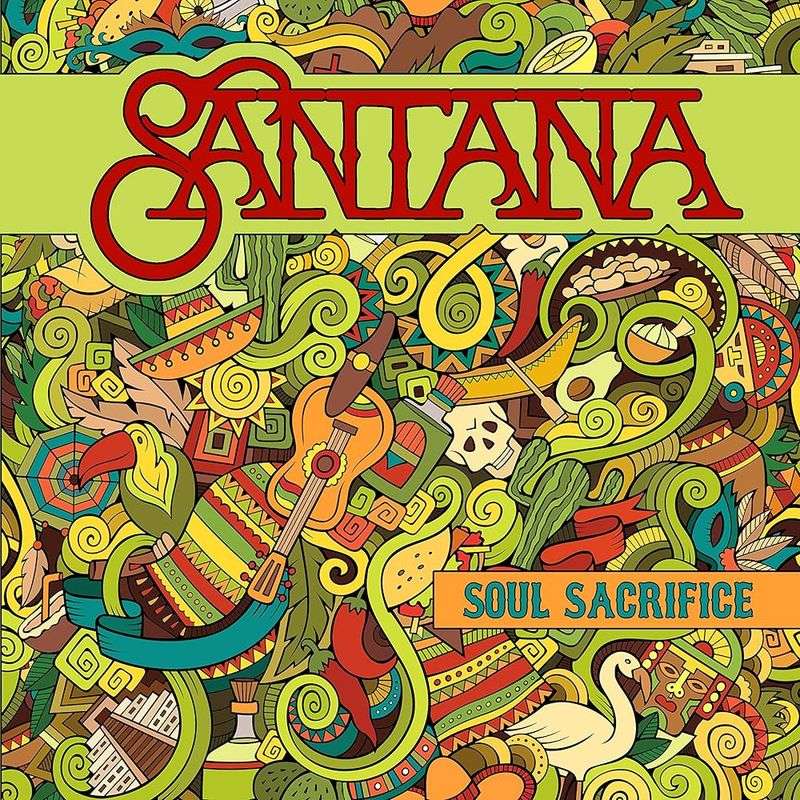
Carlos Santana was virtually unknown when his band took the Woodstock stage in August 1969. Then “Soul Sacrifice” started, and everything changed.
The instrumental track unleashed a furious blend of Latin percussion, blues guitar, and rock energy that left the massive crowd completely stunned.
No lyrics were needed. The music spoke for itself in a way that proved rock could be deeply expressive and globally inspired all at once.
That Woodstock performance introduced Santana to the world and remains one of the most celebrated live moments in rock history.
14. Something by The Beatles
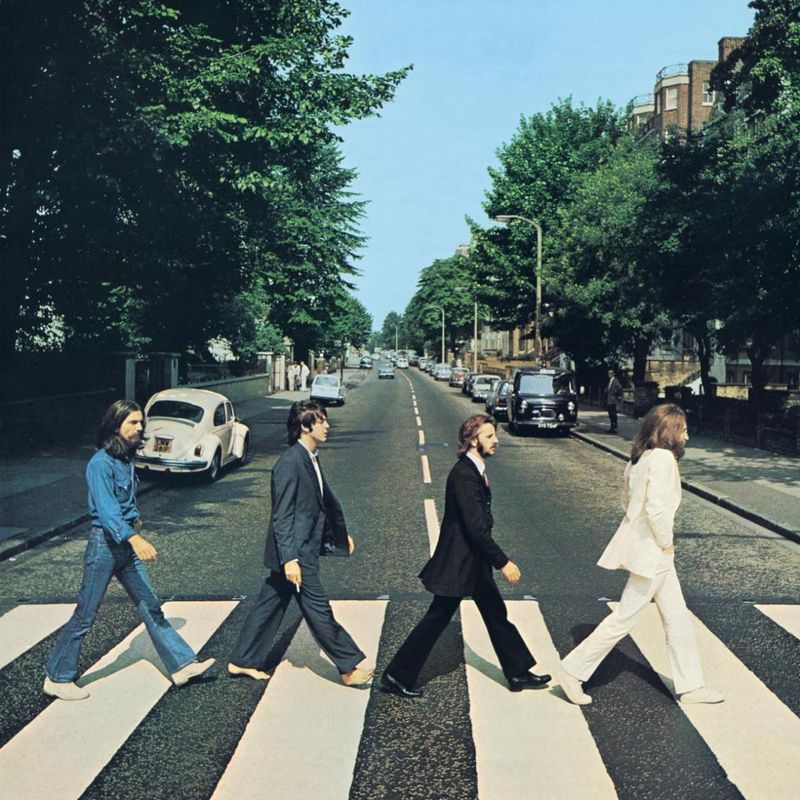
George Harrison had been living in the shadow of Lennon and McCartney for years when “Something” finally gave him his moment. Released as a lead single from “Abbey Road” in 1969, it was Harrison’s first hit single and one of the most emotionally rich songs the band ever recorded.
Frank Sinatra once called it the greatest love song of the past fifty years, which says everything. Harrison’s ascending guitar hook and achingly beautiful solo are supported by McCartney’s warm bass, creating a ballad that sounds sentimental without ever feeling overdone.
15. Can’t Find My Way Home by Blind Faith
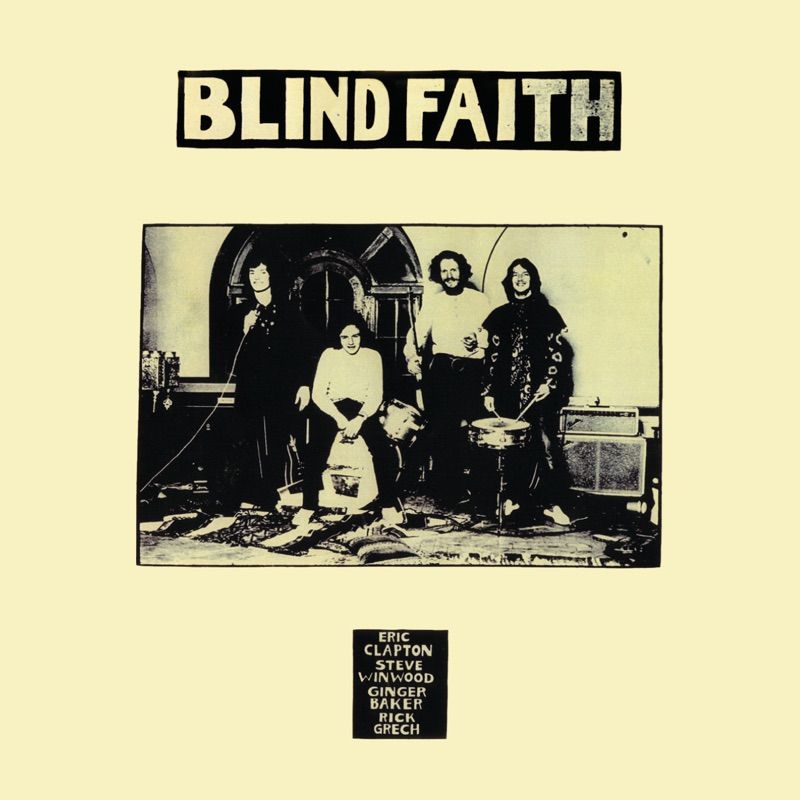
Blind Faith existed for barely a year, but “Can’t Find My Way Home” has lasted far longer than the band itself. Steve Winwood’s acoustic guitar and soul-soaked vocals give the song a timeless, wandering quality that feels both personal and universal at the same time.
The track has more than stood the test of time across five decades, which is remarkable for a band that released only one album. Its quiet, searching mood stands apart from the harder rock of 1969, proving that sometimes the most powerful songs are the most understated ones.