
When most people think of cowboy movies, they picture clean-cut heroes riding off into the sunset. But in the 1960s, a bold new wave of films from Italy flipped that image on its head.
Spaghetti Westerns brought gritty heroes, dusty landscapes, and unforgettable music to movie screens around the world. These films changed the way stories were told on screen, and their influence is still felt in movies made today.
1. A Fistfall of Dollars (1964)
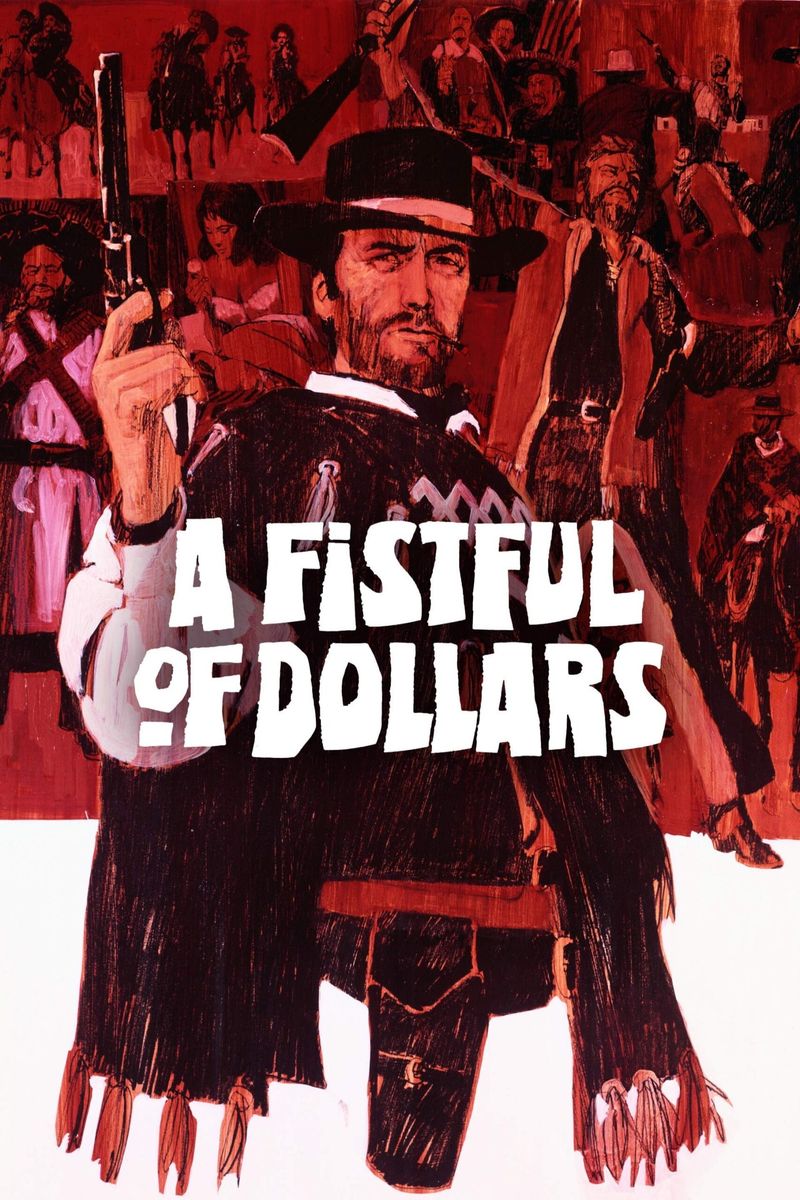
Before Clint Eastwood became a Hollywood legend, he was just “The Man with No Name” — a stranger who rides into a corrupt town and plays both sides against each other. Sergio Leone’s breakthrough film borrowed its plot from Akira Kurosawa’s “Yojimbo” but made it entirely its own.
Ennio Morricone’s haunting score and Leone’s extreme close-ups gave the film an electric tension unlike anything audiences had seen. It launched an entire genre almost overnight.
2. For a Few Dollars More (1965)
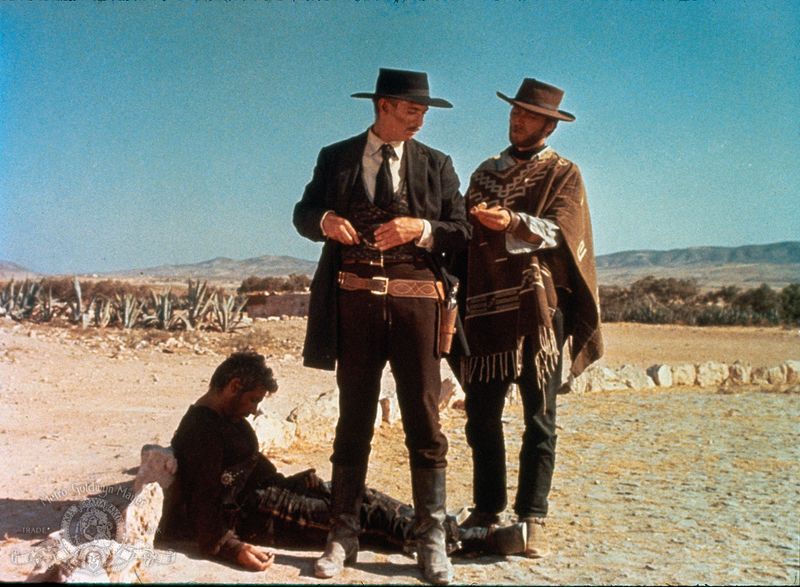
Leone returned with an even sharper edge in this follow-up, pairing Eastwood’s drifter with Lee Van Cleef’s cool, calculating bounty hunter. Together they hunt a dangerous outlaw, but trust between them is razor thin.
The chemistry between the two leads crackles with rivalry and grudging respect.
This film deepened the moral complexity that defined the Dollars Trilogy. Leone proved the first film was no fluke — he was building something genuinely new in Western cinema.
3. The Good, the Bad and the Ugly (1966)
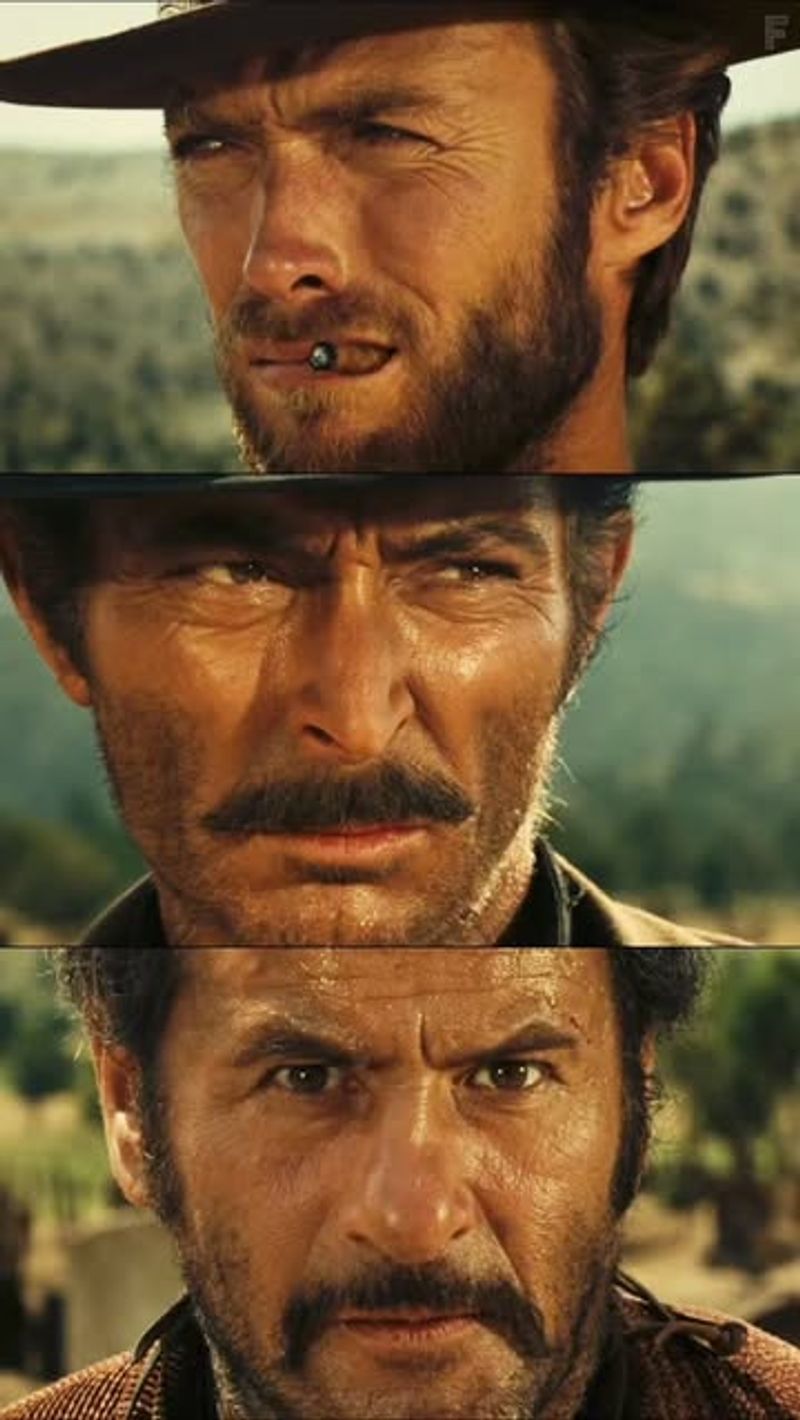
Widely considered the greatest Spaghetti Western ever made, this epic finale to Leone’s trilogy runs nearly three hours and earns every minute. Blondie, Angel Eyes, and Tuco race to find buried Confederate gold during the Civil War.
Their alliance is built on betrayal, and the tension never lets up.
The legendary three-way standoff at the end is one of cinema’s most perfectly constructed scenes. Morricone’s iconic whistling theme is instantly recognizable even today.
4. Django (1966)
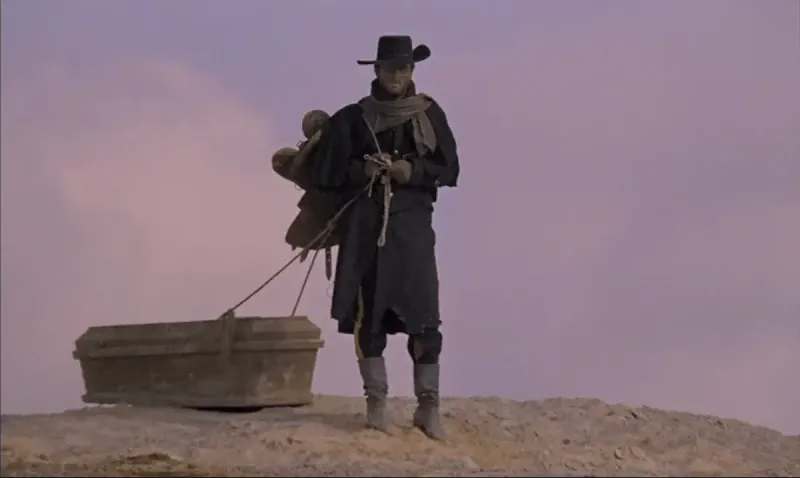
Few entrances in movie history are as unforgettable as Django’s — a mysterious man dragging a wooden coffin through the mud toward a town ruled by violence. Franco Nero’s cold, steely performance made the character an instant icon.
Nobody knew what was in that coffin, and the answer did not disappoint.
Sergio Corbucci directed with a rawness that made Leone look almost polished. Django spawned dozens of unofficial sequels and inspired Quentin Tarantino decades later.
5. The Great Silence (1968)
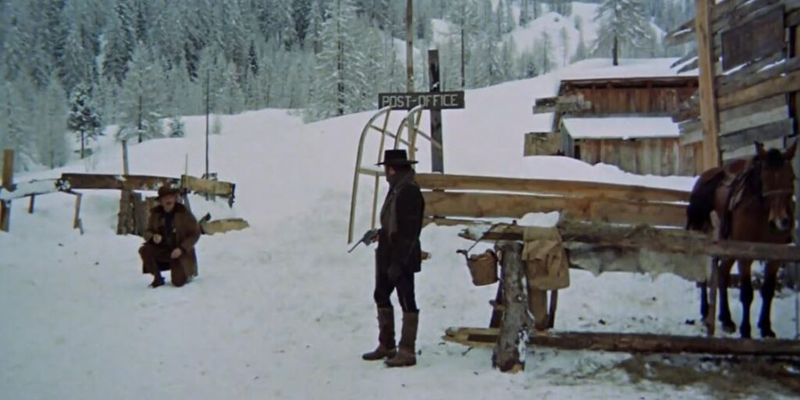
Most Westerns take place under blazing desert suns, so setting one in a frozen, snow-buried Utah is already a bold choice. But Corbucci went further — he gave his hero a slit throat that left him mute, and then he did something almost no Western dared to do with its ending.
The Great Silence is bleaker than almost anything else in the genre, a film where evil genuinely wins. It remains one of the most daring and emotionally devastating Spaghetti Westerns ever made.
6. Once Upon a Time in the West (1968)
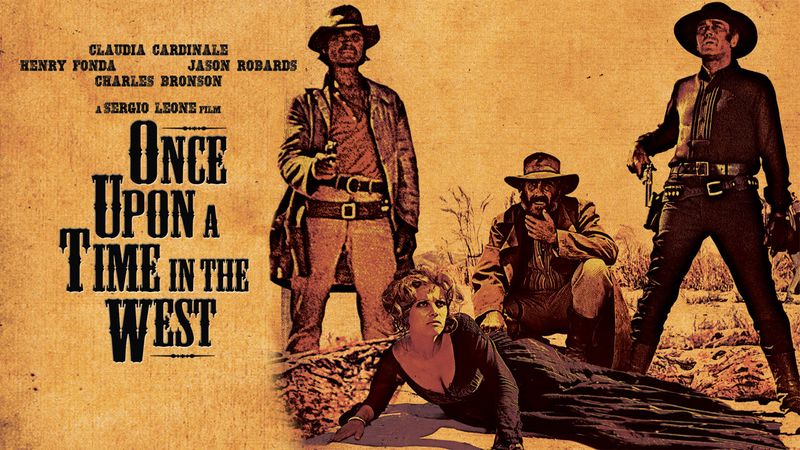
Leone called this his masterpiece, and it is hard to argue. Shot partly in Monument Valley — the spiritual home of John Ford’s classic Westerns — it felt like both a tribute and a challenge to American cinema.
Henry Fonda, famous for playing heroes, was cast as a cold-blooded villain. That casting choice alone was a statement.
Charles Bronson’s harmonica motif is woven through the entire film, building toward a revelation that reframes everything you have watched. Pure cinematic poetry.
7. The Big Gundown (1966)
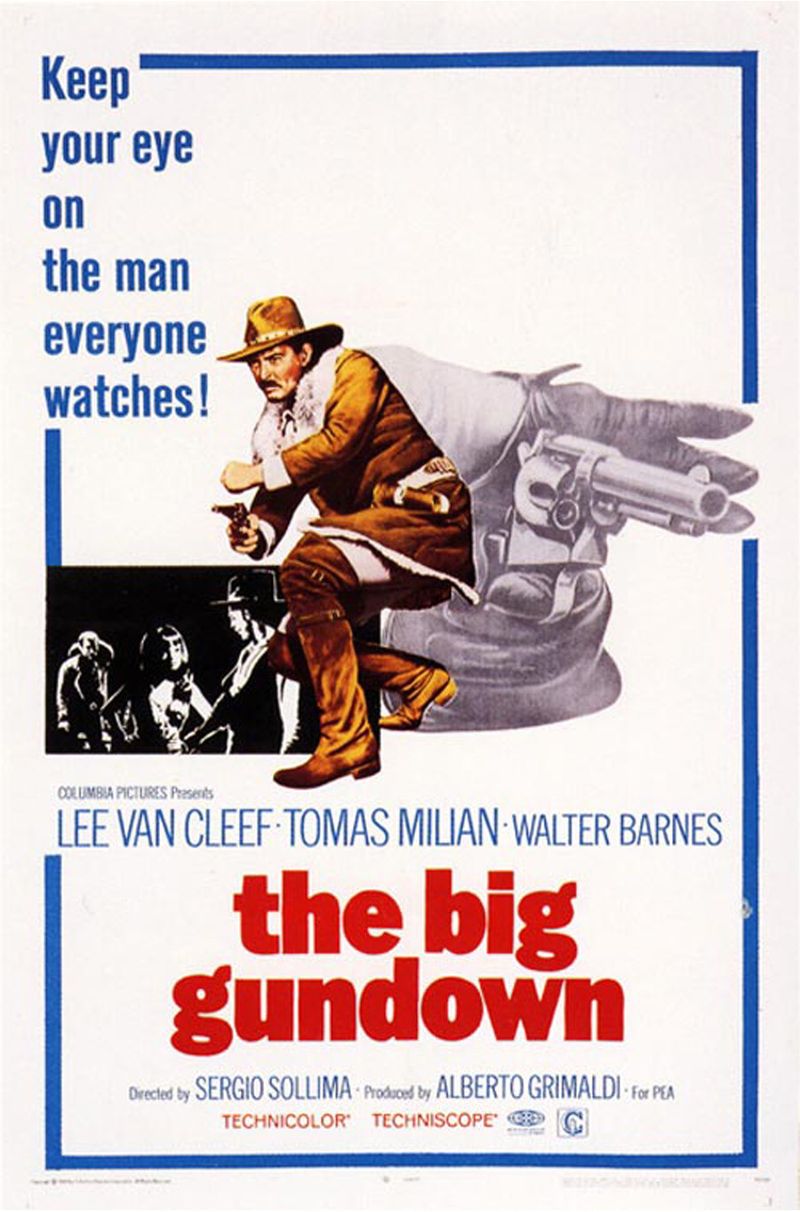
Sergio Sollima’s thriller gave the genre a political conscience it rarely had before. A famous bounty hunter is sent to capture a Mexican peasant accused of a terrible crime — but the deeper he chases, the more the truth unravels.
Lee Van Cleef anchors the film with quiet authority.
The Big Gundown raised uncomfortable questions about justice, class, and who the real criminals are. It proved that Spaghetti Westerns could carry serious social commentary without losing any of their tension.
8. Death Rides a Horse (1967)
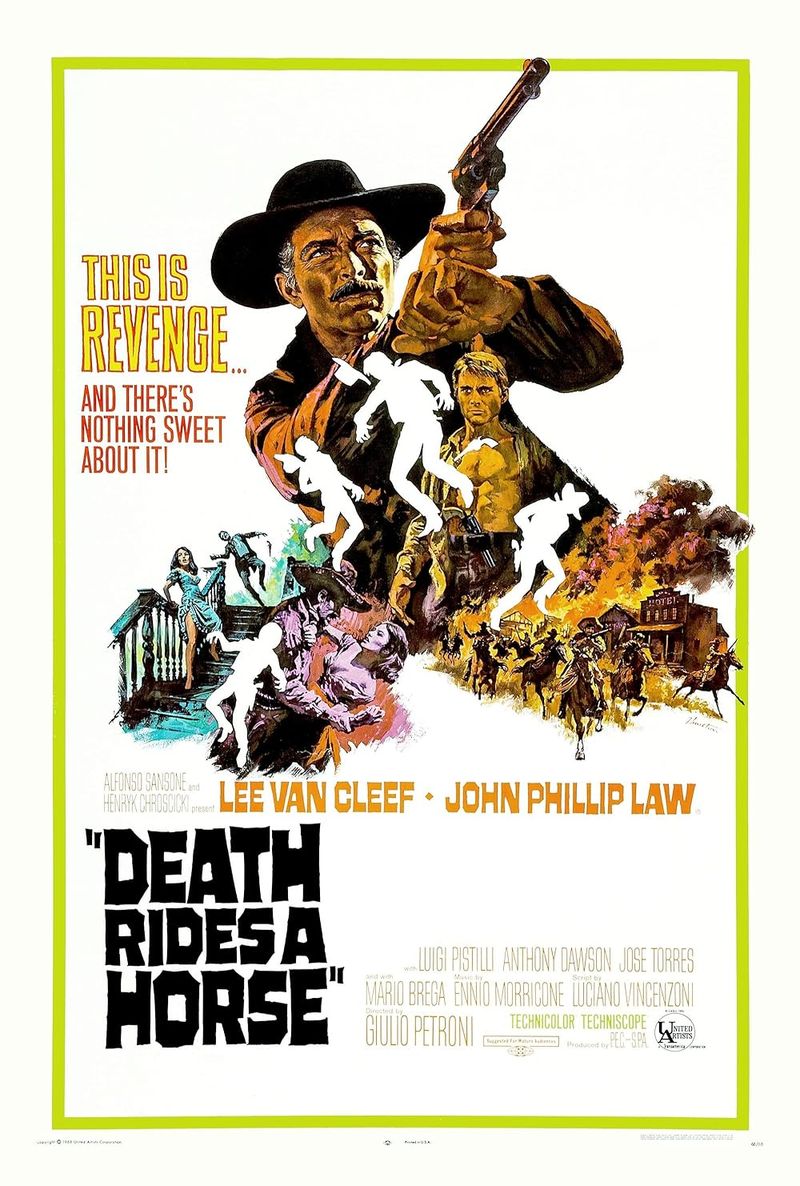
Revenge stories are a Western staple, but this one hits differently. A boy watches his entire family murdered and spends fifteen years sharpening himself into a weapon of vengeance.
When he finally rides out, he crosses paths with a man just released from prison — who may know more than he lets on.
Lee Van Cleef brings world-weary gravitas to every scene. The Morricone score is ferociously good, and the film’s slow-burn payoff is enormously satisfying for patient viewers.
9. Navajo Joe (1966)
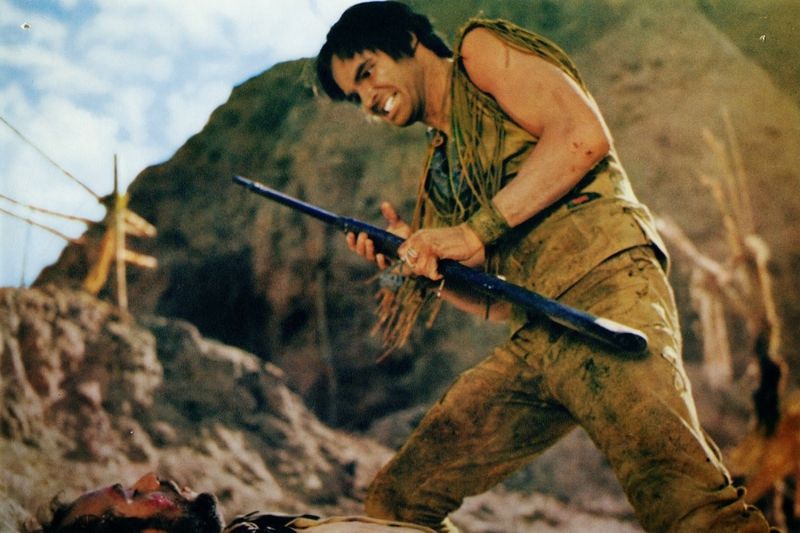
Burt Reynolds — yes, that Burt Reynolds — starred in this Corbucci-directed film as a Navajo warrior out for revenge against the gang that massacred his tribe. Reynolds was not yet a star, and he later dismissed the film, but audiences loved it.
The role gave him his first real taste of leading-man energy on screen.
Morricone’s score is among his most propulsive. Navajo Joe stands out for centering a Native protagonist in a genre that typically ignored or stereotyped Indigenous people.
10. A Bullet for the General (1966)
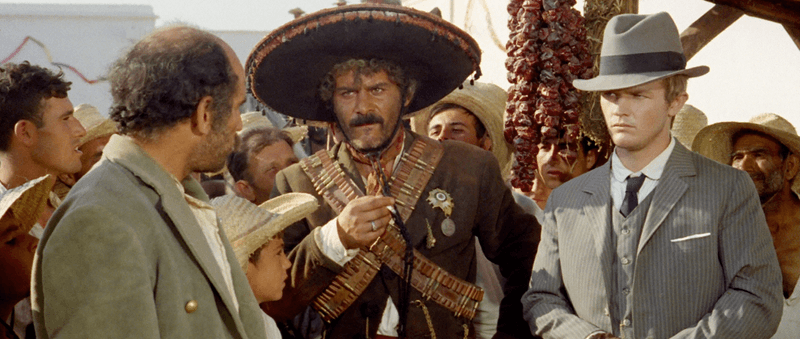
Politics and gunpowder mix explosively in this Damiano Damiani film set during the Mexican Revolution. A cold American mercenary infiltrates a band of revolutionary fighters, slowly winning their trust while hiding a deadly agenda.
The film asks whose side you are really on — and whether gold is ever worth a man’s soul.
Gian Maria Volonte delivers a magnetic, larger-than-life performance as the rebel leader. The ending packs a genuine moral punch that lingers long after the credits roll.
11. Companeros (1970)
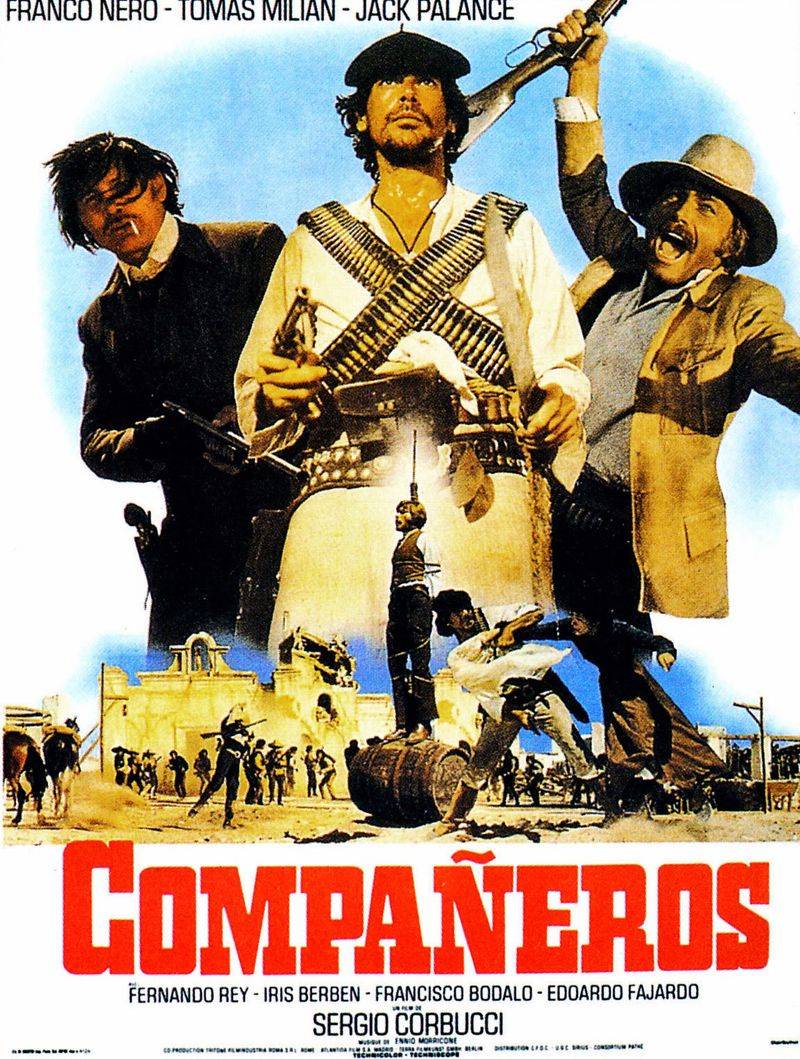
Corbucci lightened his touch for this crowd-pleasing adventure, blending broad comedy with genuine action. A slick Swedish arms dealer teams up with a passionate Mexican rebel to free a pacifist professor from a ruthless warlord.
Franco Nero and Tomas Milian have outrageous chemistry together, constantly bickering and one-upping each other.
Jack Palance plays the villain with gleeful menace, complete with a pet hawk. Companeros is pure fun — proof that Spaghetti Westerns could be riotously entertaining without sacrificing their edge.
12. Day of Anger (1967)
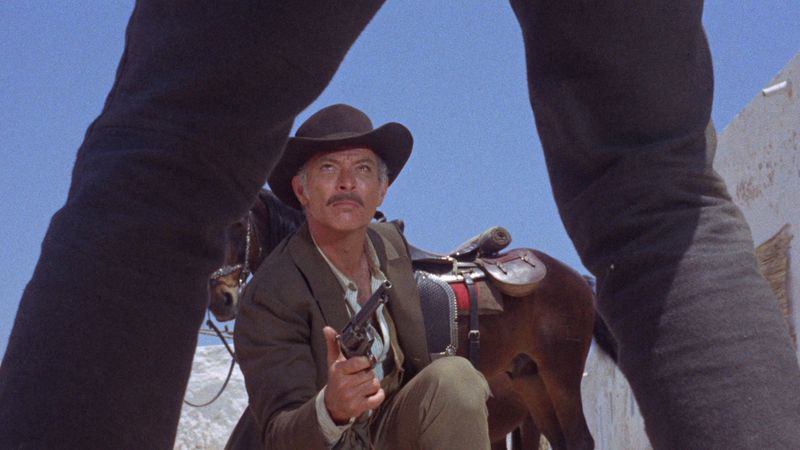
Every underdog story needs a mentor, but this one comes with serious strings attached. A young man humiliated by an entire town is taken under the wing of a ruthless gunfighter who teaches him to shoot — and to kill.
Lee Van Cleef is at his most magnetic here, equal parts teacher and predator.
Tonino Valerii directed with precision and style. Day of Anger wrestles with the seductive danger of power and what happens when a student surpasses his teacher’s moral limits.
13. The Return of Ringo (1965)
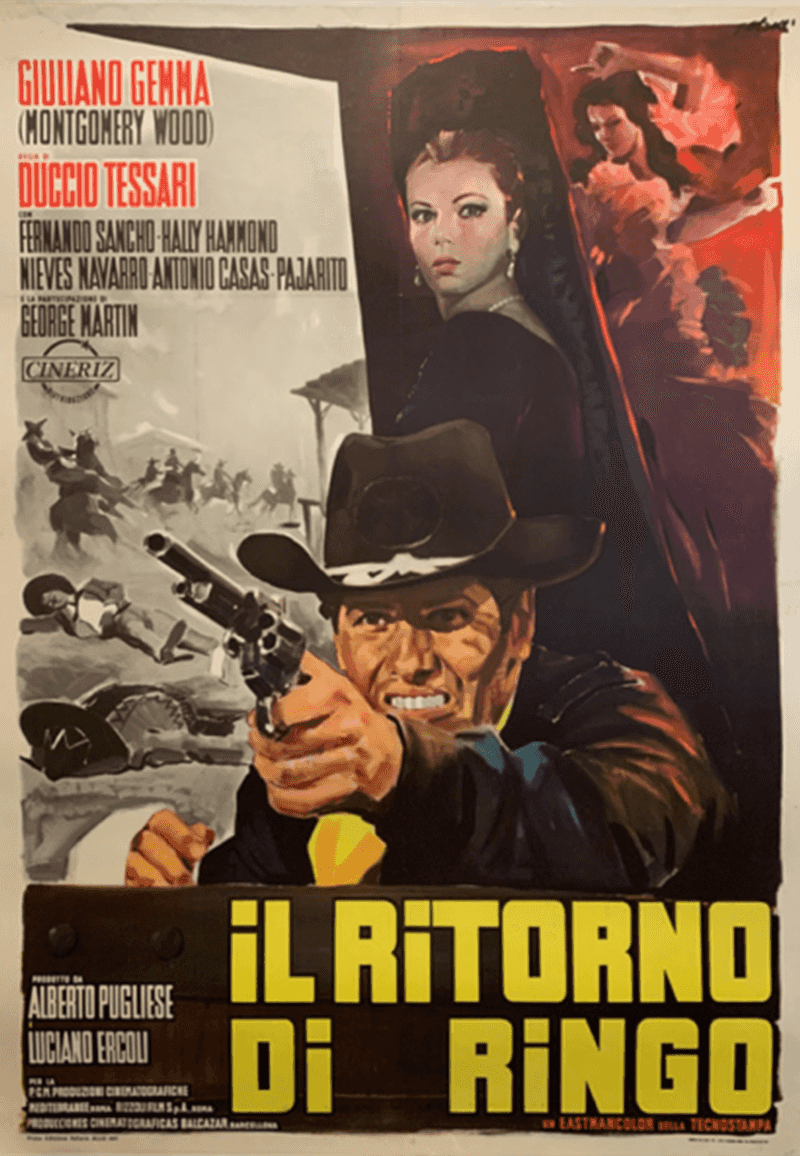
Drawing inspiration from Homer’s Odyssey, this film follows a Civil War veteran who returns home to find his town taken over by bandits and his wife held captive. Rather than charging in guns blazing, he goes undercover — patient, calculating, and burning with quiet fury.
Giuliano Gemma brings real emotional depth to the role.
Director Duccio Tessari crafted something more emotionally layered than most genre films attempted. The Return of Ringo proved Spaghetti Westerns could carry genuine heart alongside their firepower.
14. My Name Is Nobody (1973)
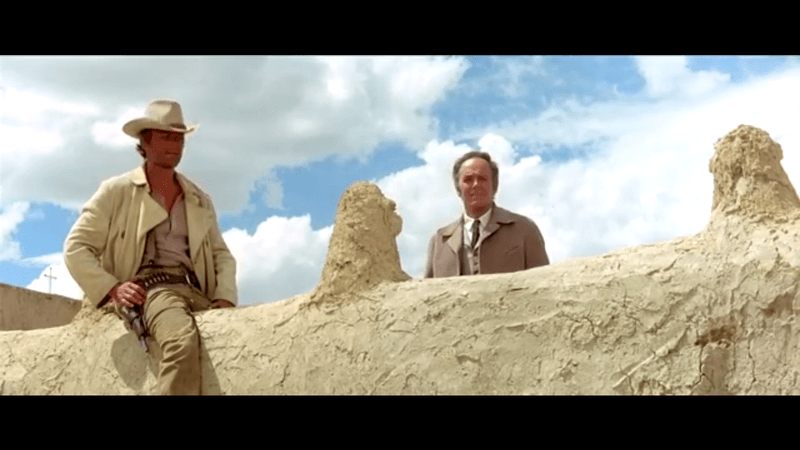
Henry Fonda played the old gunfighter, Terence Hill played the lovable schemer, and together they created one of the genre’s warmest and most self-aware films. Produced by Leone himself, it felt like a fond farewell to the Spaghetti Western era — full of humor, affection, and one jaw-dropping action sequence involving a massive outlaw gang.
The film works as comedy, action, and tribute all at once. My Name Is Nobody captures the genre winking at itself with genuine love rather than mockery.
15. Duck, You Sucker! (1971)
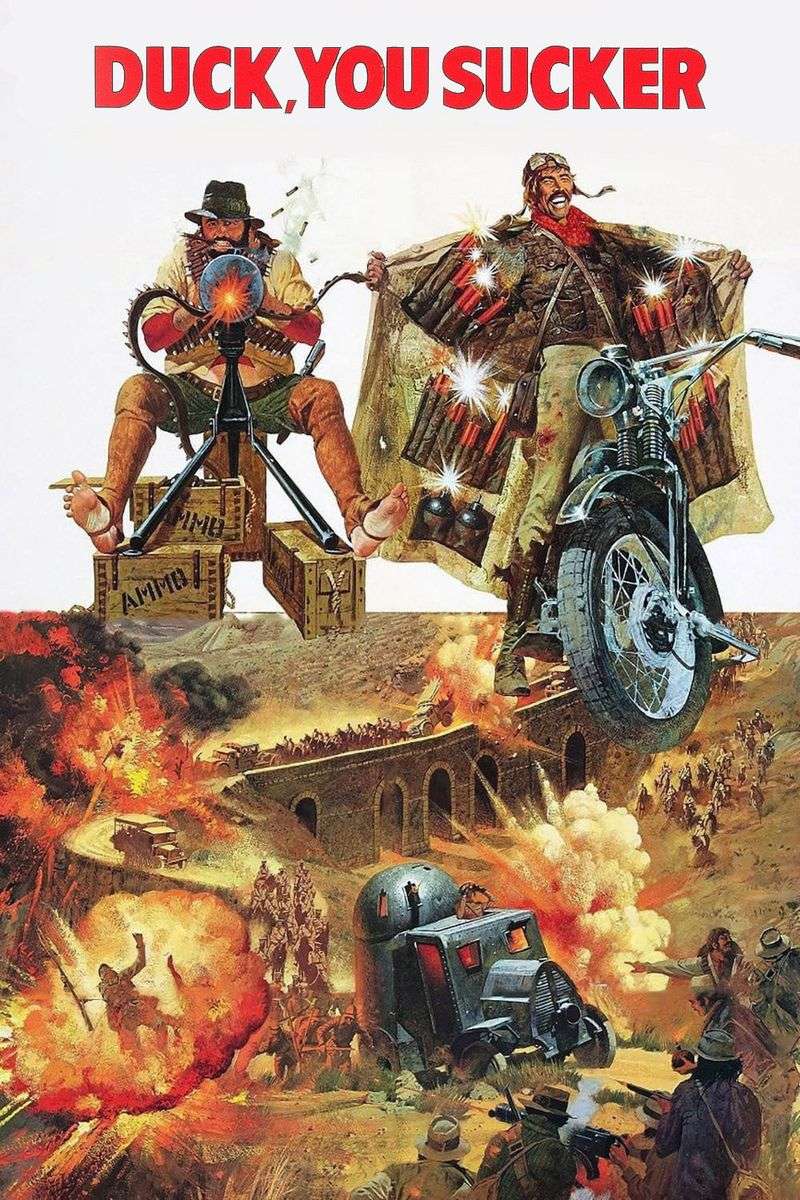
Also released as A Fistful of Dynamite, Leone’s revolutionary epic pairs a cynical Irish explosives expert with a small-time Mexican bandit who accidentally becomes a hero. Rod Steiger and James Coburn clash and connect across a story that is as much about political disillusionment as it is about bullets and gold.
Morricone’s score shifts between sweeping grandeur and aching melancholy. This is Leone at his most ambitious and personal, a film that refuses easy answers about revolution, loyalty, or what it means to fight for something.