
Some musicians leave their famous bands chasing a dream of going it alone — only to find out that flying solo is much harder than it looks. The spotlight can feel very different when you are the only one standing in it.
Many talented artists discovered that the magic they had was tied to their bandmates, and their solo work just could not match the heights they had already reached. What makes these stories so fascinating is the courage it took to admit that and walk back through the door.
1. David Lee Roth (Van Halen)
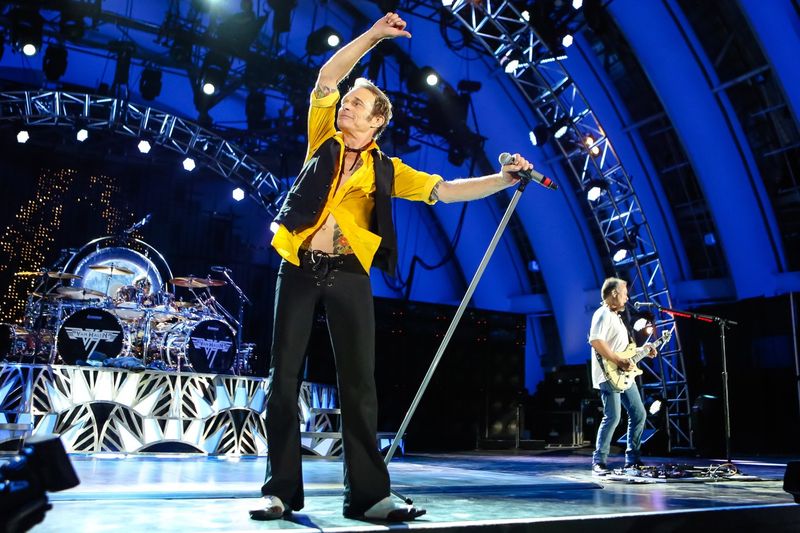
Few frontmen in rock history were as electrifying as David Lee Roth, the high-kicking, wisecracking voice of Van Halen. When he walked out in 1985, fans were stunned.
His solo career started hot, but by the 1990s the momentum had fizzled out noticeably.
He rejoined Van Halen briefly in 1996 for two new songs, then came back for real in 2007 for a full tour and later a studio album, reminding everyone why he was the original showman.
2. Lindsey Buckingham (Fleetwood Mac)
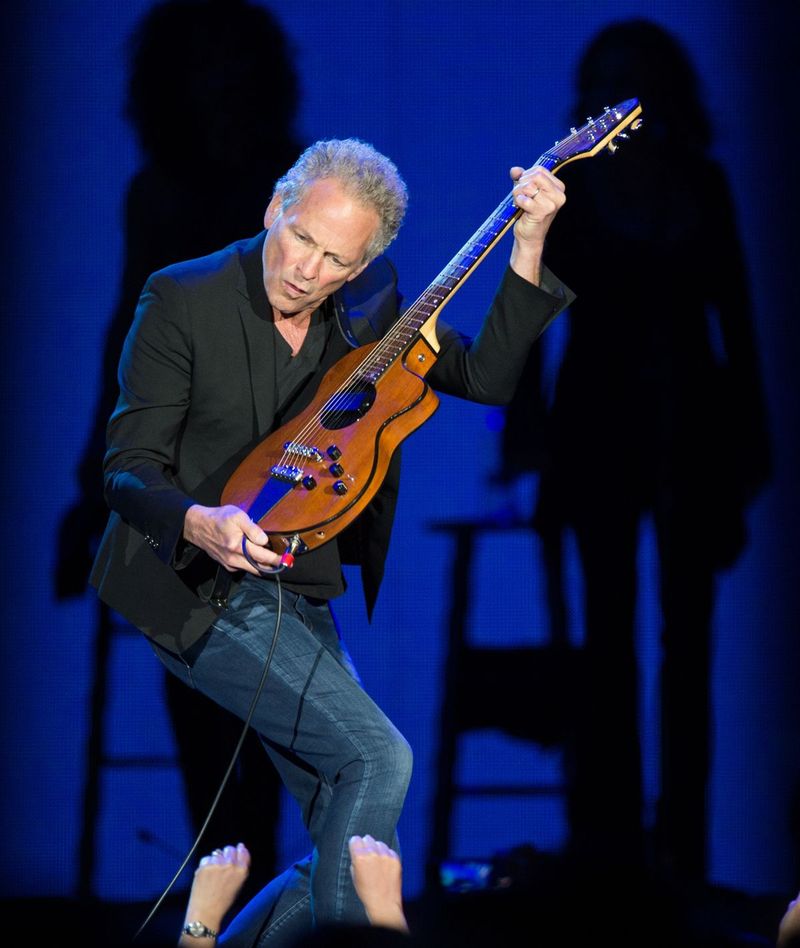
Lindsey Buckingham had one of the most distinctive guitar styles in rock, and Fleetwood Mac would not have sounded the same without him. He quit the band in 1987, betting on himself as a solo act.
But his 1992 album barely cracked the charts, peaking at a humbling number 128.
By 1996, he was back in the fold, reuniting with Fleetwood Mac for a hugely successful tour and a live album that reminded the world of his brilliance.
3. Richard Wright (Pink Floyd)
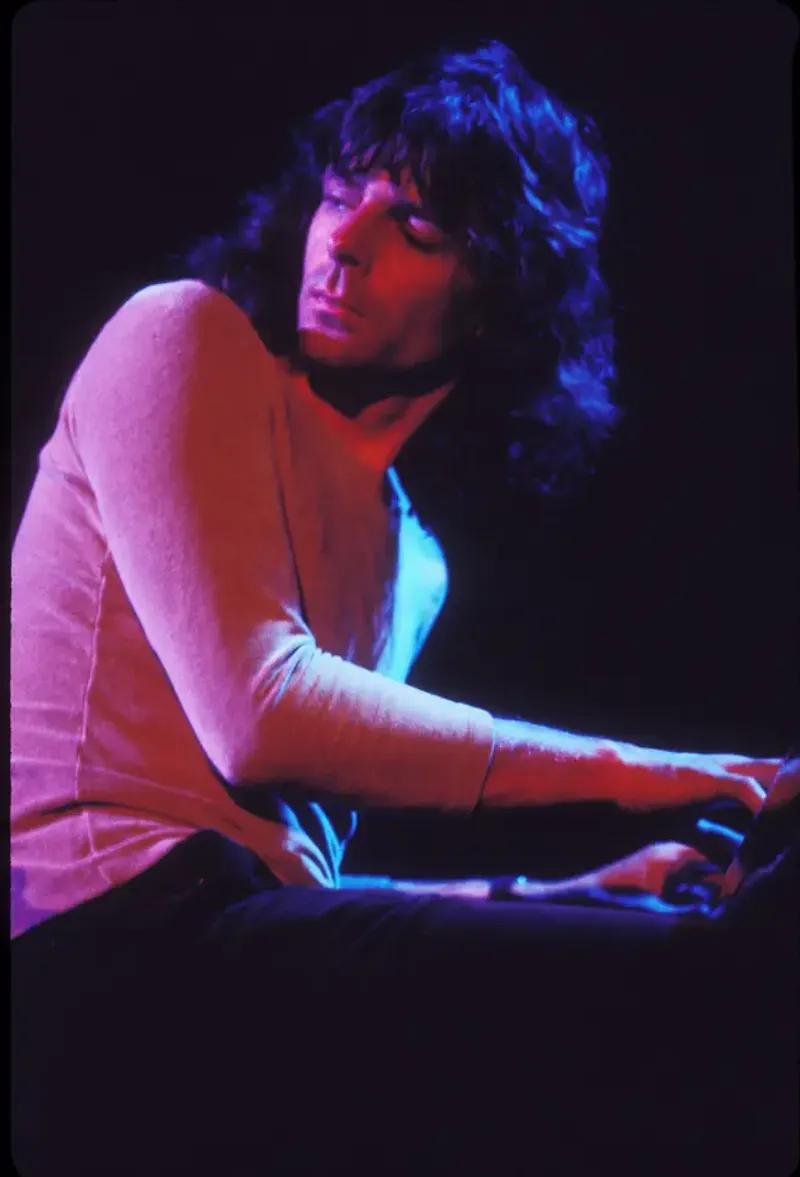
Richard Wright was the quiet architect of Pink Floyd’s dreamy, cosmic sound — the kind of musician whose absence you felt even if you could not name exactly why. He released a solo album in 1978 that came and went without much notice, leaving little mark on the music world.
After a period away, he returned to Pink Floyd in 1987, slipping back into the role that suited him best and helping the band carry on its legendary legacy.
4. Marcus Mumford (Mumford & Sons)
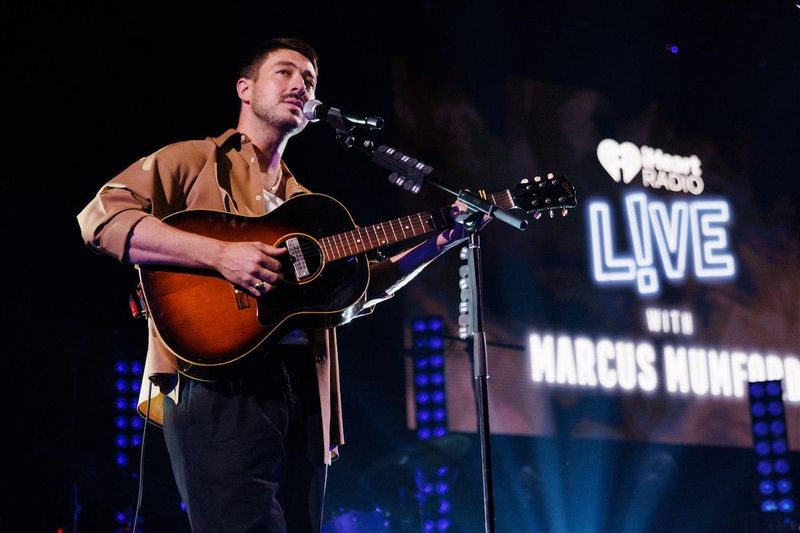
Marcus Mumford is the heartbeat of Mumford & Sons, so when the band paused after Winston Marshall’s exit in 2021, he stepped out on his own. His 2022 self-titled solo album earned solid reviews and showed real personal depth as a songwriter and performer.
Still, it never broke through to the mainstream the way Mumford & Sons always did. By 2025, he was back with the remaining members, releasing new music and proving the band still had plenty of life left.
5. Natalie Maines (The Chicks)
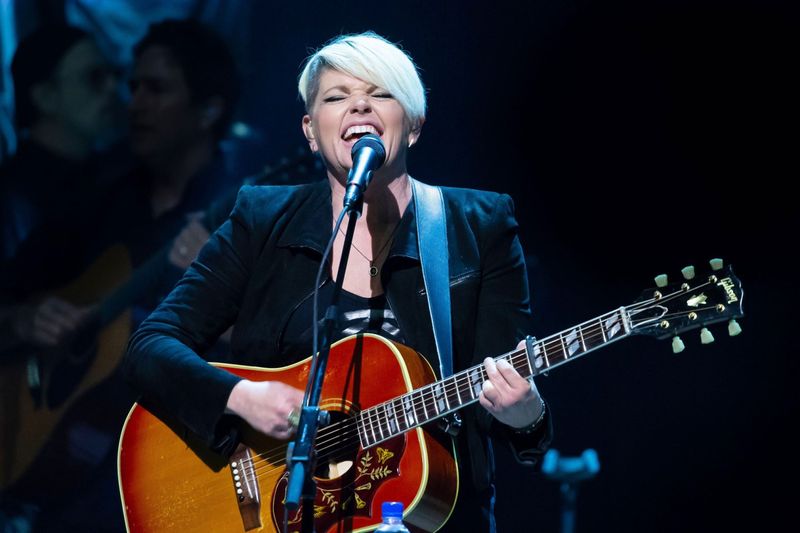
Natalie Maines has always been the boldest voice in the room, whether that room holds thousands of fans or just a recording studio. During The Chicks’ hiatus, she tried going solo, but critics called her album a scattered collection rather than a focused artistic statement.
No follow-up record ever came. When she reunited with The Chicks to release their first single in nearly 15 years, fans felt the relief of hearing that unmistakable group chemistry click right back into place.
6. Gavin Rossdale (Bush)
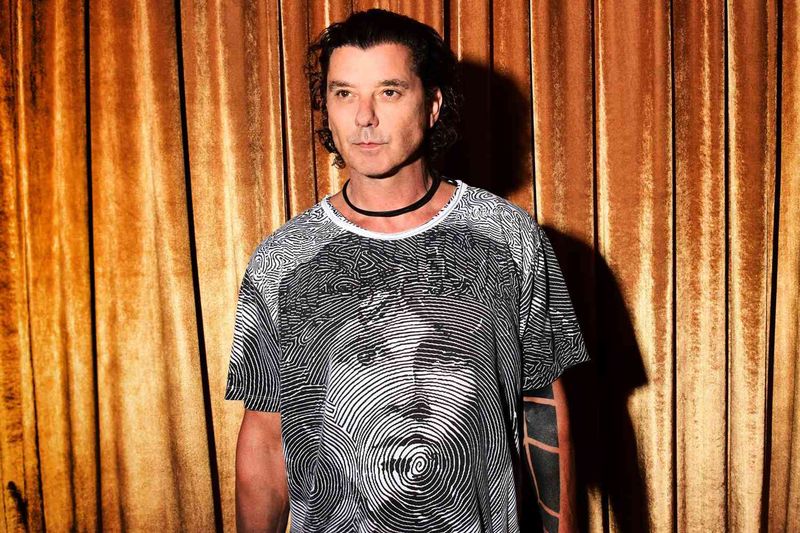
Gavin Rossdale built his reputation as the smoldering frontman of Bush, a band that dominated alternative radio throughout the 1990s. When the group dissolved in the early 2000s, he eventually released a solo album called Wanderlust in 2008, hoping to carry that momentum forward on his own terms.
The record did not connect the way Bush records had. Rossdale eventually reunited with the band, returning to the stage and the sound that made him a rock staple in the first place.
7. Gerard Way (My Chemical Romance)
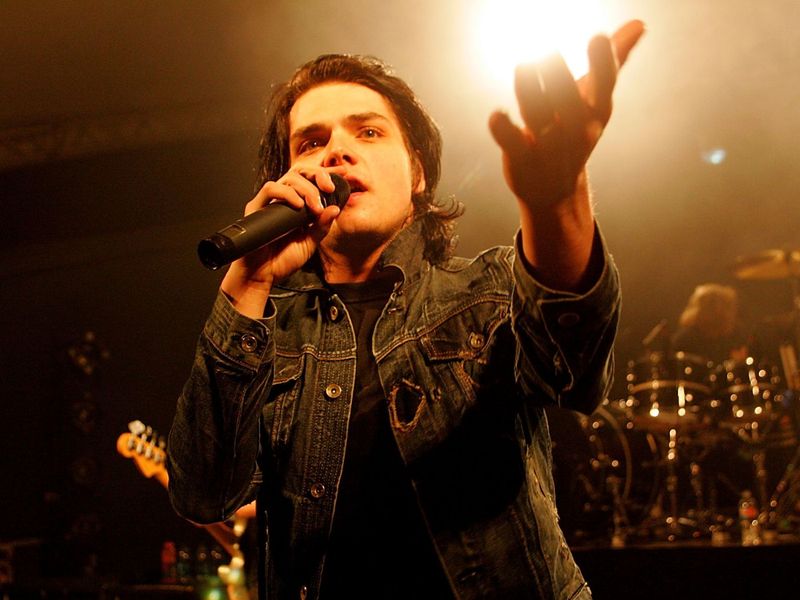
Gerard Way turned My Chemical Romance into one of the most passionate fan communities in modern rock — a band that felt like a lifeline for a whole generation of outsiders. When MCR went on hiatus in 2013, he launched a solo career that received a mixed reception and never quite caught fire the way the band always had.
In 2019, My Chemical Romance announced their reunion, and the internet practically exploded with joy from fans who never stopped waiting for that moment.
8. Patrick Stump (Fall Out Boy)
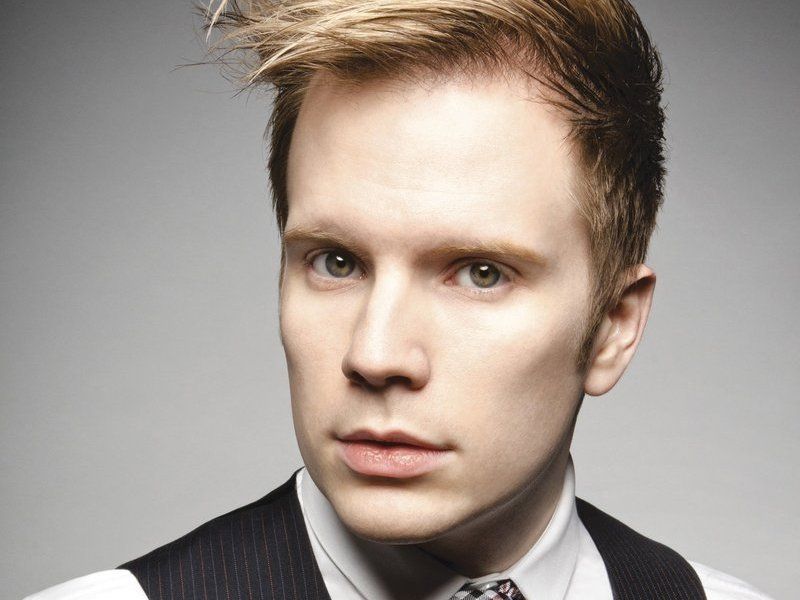
Patrick Stump poured everything into his 2011 solo album Soul Punk, a record he clearly believed in deeply. The result was sobering — only about 9,000 copies sold in the first week, and the album quickly vanished from the charts.
He was so discouraged that he nearly walked away from performing music altogether.
Rejoining Fall Out Boy changed everything. The band’s comeback became one of pop-punk’s greatest resurgence stories, and Stump found his footing once again alongside his longtime bandmates.
9. Nick Jonas (Jonas Brothers)
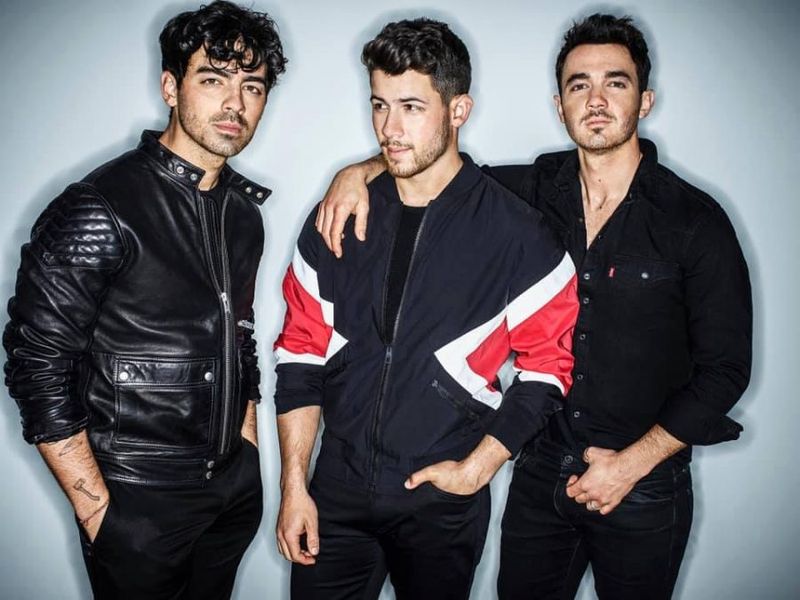
Nick Jonas was always considered the most driven of the three brothers, so when the Jonas Brothers split in 2013, he wasted no time building a solo career. He scored some genuine hits and earned respect as a mature pop artist, but the numbers never matched the band’s peak popularity.
When the Jonas Brothers officially announced their return in February 2019 with the song Sucker, it shot straight to number one, proving the trio was simply stronger as a unit than apart.
10. Joe Jonas (Jonas Brothers)
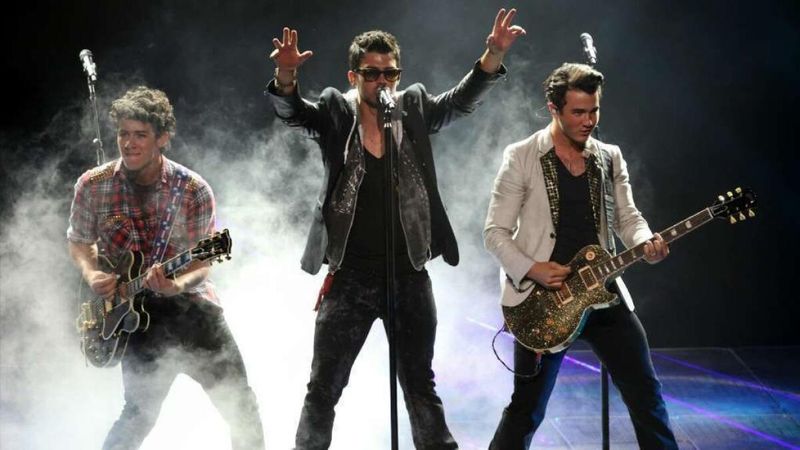
Joe Jonas took a different path after the Jonas Brothers split, forming the funk-pop group DNCE, best known for the catchy hit Cake by the Ocean. It was a fun chapter, but his musical ventures never consistently reached the heights the Jonas Brothers had touched during their peak years together.
The 2019 reunion brought Joe back to his roots. Standing on stage again with his brothers felt natural, and the chemistry between all three was exactly what fans had been missing since the split.
11. Kevin Jonas (Jonas Brothers)
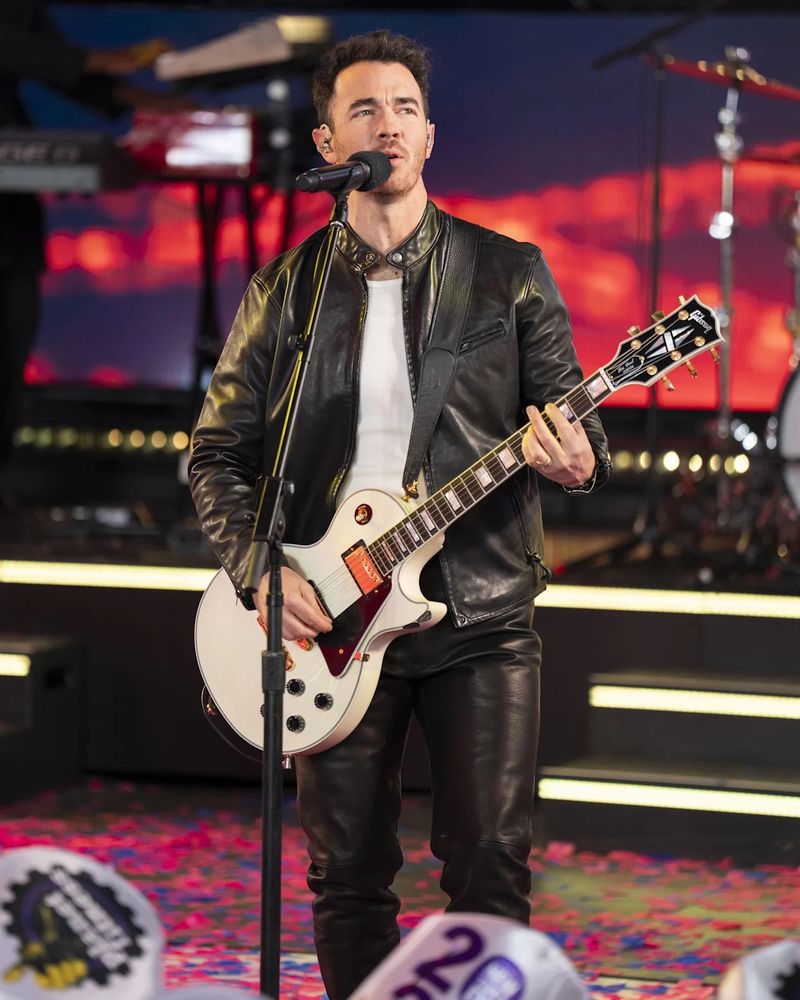
Kevin Jonas quietly stepped away from the spotlight after the Jonas Brothers disbanded in 2013, focusing on reality television, home contracting, and building a business career. Unlike his brothers, he did not chase a solo music path, which made his distance from the stage even more noticeable to longtime fans.
His return with the Jonas Brothers in 2019 was a full-circle moment. Kevin stepped back behind the guitar and reminded everyone that the band only works when all three brothers are together.
12. Geri Halliwell (Spice Girls)
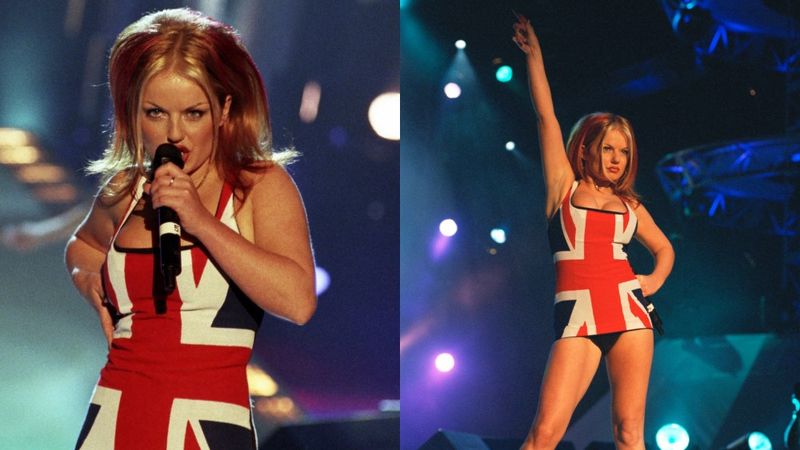
When Geri Halliwell suddenly quit the Spice Girls in 1998, it felt like a punch to the gut for fans worldwide. She went on to release solo singles that performed well in the UK, but none of it carried the unstoppable, globe-conquering energy that the Spice Girls had generated together at their peak.
She rejoined the group for the Return of the Spice Girls Tour in 2007, bringing back the girl-power spirit that had made them one of the biggest pop acts ever.
13. Kelly Rowland (Destiny’s Child)
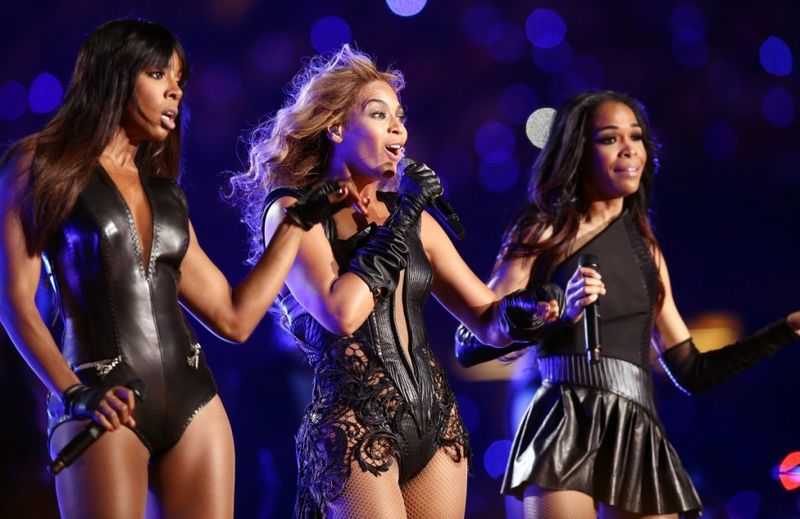
Kelly Rowland stepped out of Destiny’s Child with undeniable talent and genuine star power, and her solo career produced real hits that showed off her vocal range. But standing next to Beyonce’s skyrocketing solo trajectory made it hard for any comparison to feel fair, and Rowland’s momentum was inconsistent.
Destiny’s Child reunited memorably at the 2013 Super Bowl halftime show, and again during Beyonce’s 2025 Cowboy Carter Tour, reminding audiences that the group’s bond has never really faded.
14. Michelle Williams (Destiny’s Child)

Michelle Williams found her most personal artistic success in gospel music, releasing the bestselling album Heart to Yours in 2002 after Destiny’s Child disbanded. It was a meaningful achievement, but the mainstream pop world did not embrace her solo work with the same enthusiasm the group had always received.
She has reunited with Beyonce and Kelly Rowland multiple times over the years, including the iconic 2013 Super Bowl performance, proving that their connection as a trio runs deeper than chart positions.
15. Freddie Mercury (Queen)
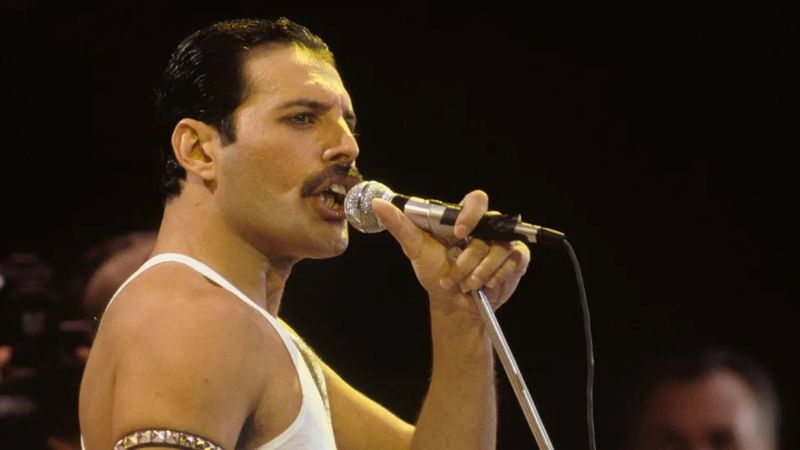
Freddie Mercury was one of the most magnetic performers in rock history, a man who could hold an entire stadium in the palm of his hand. When Queen temporarily stepped back in the mid-1980s, he recorded solo albums that were met with surprisingly poor reviews worldwide, which genuinely stung for someone of his caliber.
That struggle reportedly pushed him back toward his bandmates. Queen reunited and delivered some of their most beloved performances before Mercury’s passing in 1991.
16. Billy Corgan (The Smashing Pumpkins)
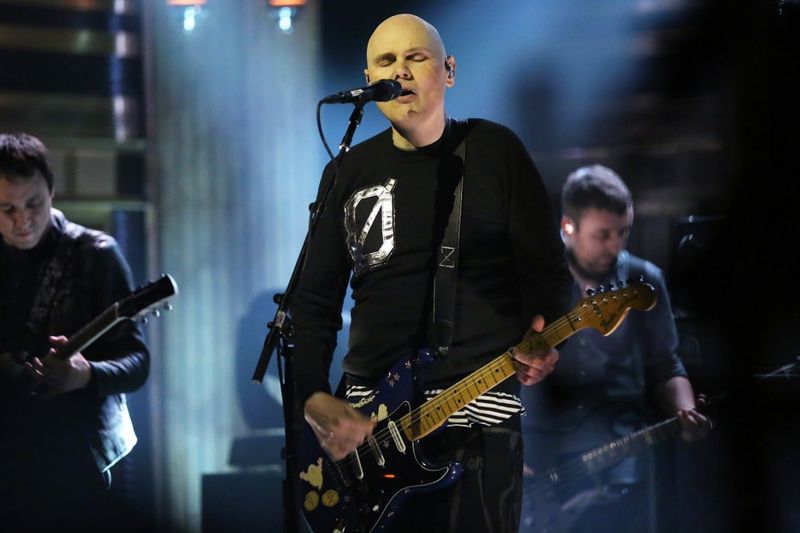
Billy Corgan broke up The Smashing Pumpkins in 2000, a decision that surprised many fans who had grown up with albums like Siamese Dream and Mellon Collie and the Infinite Sadness. His solo album that followed received both critical and commercial rejection, a rare double blow for an artist of his reputation.
Rather than linger in disappointment, Corgan reformed The Smashing Pumpkins and continued releasing music under that beloved banner, finding that the band’s identity was bigger than any solo ambition.
17. Peter Criss (KISS)
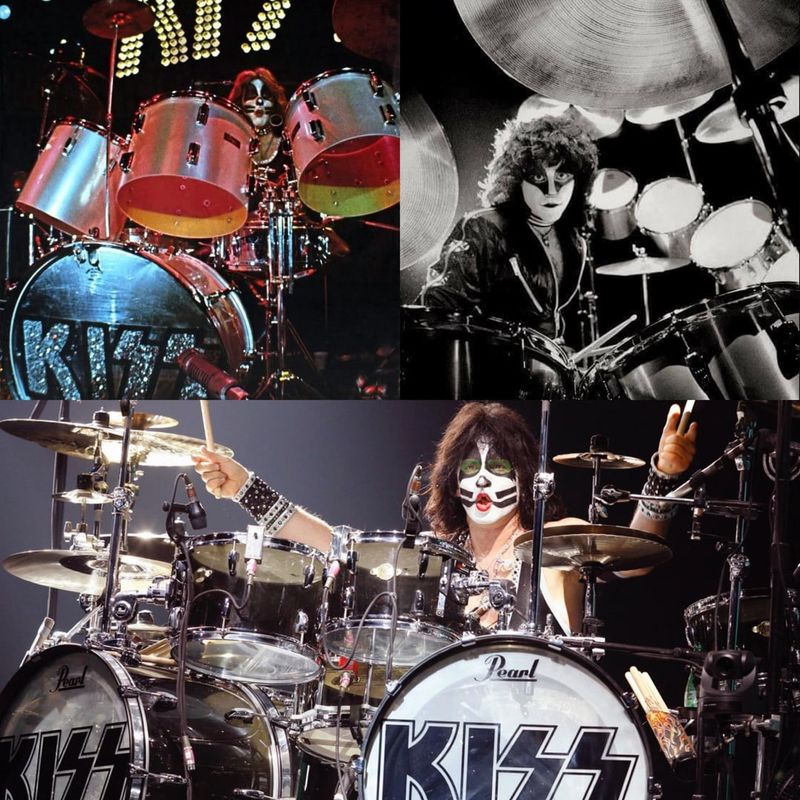
Peter Criss was the Cat Man of KISS, a drummer whose face paint became one of rock’s most recognizable images. When all four KISS members released solo albums in 1978, Criss went in a surprising R&B direction — a choice that critics did not warm to and fans found confusing given the band’s hard rock identity.
After eventually leaving and later returning to KISS for various reunion tours, Criss proved that the makeup and the band were where he truly belonged.
18. Ace Frehley (KISS)
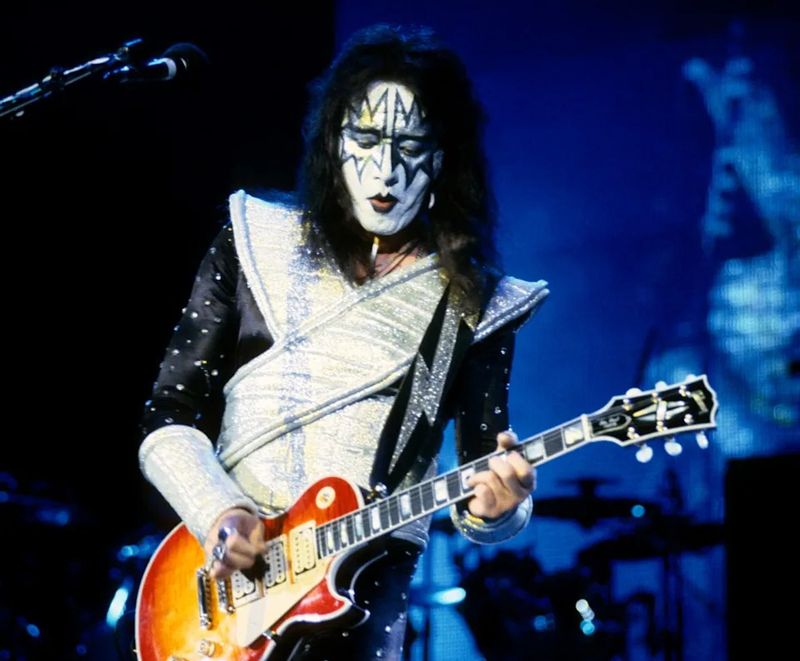
Ace Frehley was the Space Ace, and his 1978 solo album was actually the best-selling of all four KISS members’ simultaneous solo releases — a rare bragging right in rock trivia. But after officially leaving KISS in 1982, his subsequent solo work never matched the energy or commercial pull of the band at its peak.
Frehley returned for the landmark 1996 KISS reunion tour, strapping on his smoking guitar and reminding everyone exactly why he was the coolest Spaceman in rock.