
Not all horror movies need buckets of blood to leave you shaking. Some of the scariest films ever made work by messing with your mind, building dread slowly until you can barely breathe.
These movies prove that what you can’t see is often far more terrifying than what you can. If you’re ready to feel genuinely unsettled, these tension-driven picks are exactly what you need.
1. The Witch (2015)
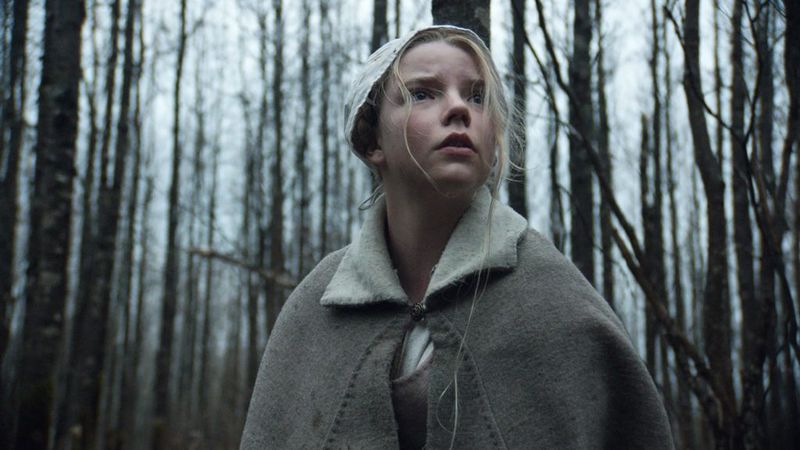
Few films burrow under your skin quite like this one. Set in 1630s New England, The Witch follows a deeply religious family slowly torn apart by paranoia, isolation, and something sinister lurking at the forest’s edge.
Director Robert Eggers builds every scene with unbearable patience, letting silence and shadow do the heavy lifting. There’s no monster around every corner, just creeping dread that grows heavier with every passing minute.
By the final act, you’ll feel completely unraveled.
2. Alien (1979)
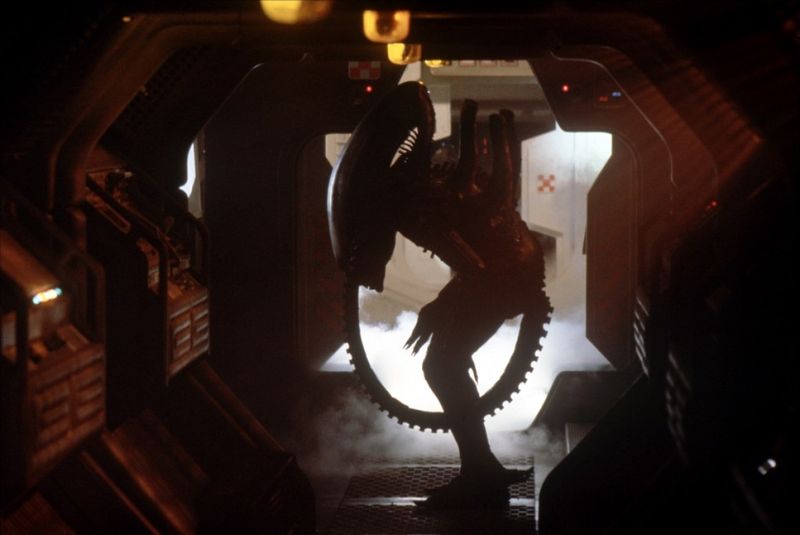
Ridley Scott understood one terrifying truth: the monster you imagine is always scarier than the one you see. For most of Alien, the Xenomorph is just a sound, a shadow, a horrifying possibility hiding somewhere in the ship’s dark corridors.
The crew of the Nostromo feels achingly real, which makes their fear contagious. Tension builds through claustrophobia and helplessness rather than bloody confrontations.
This film redefined what science fiction horror could feel like.
3. The Blair Witch Project (1999)
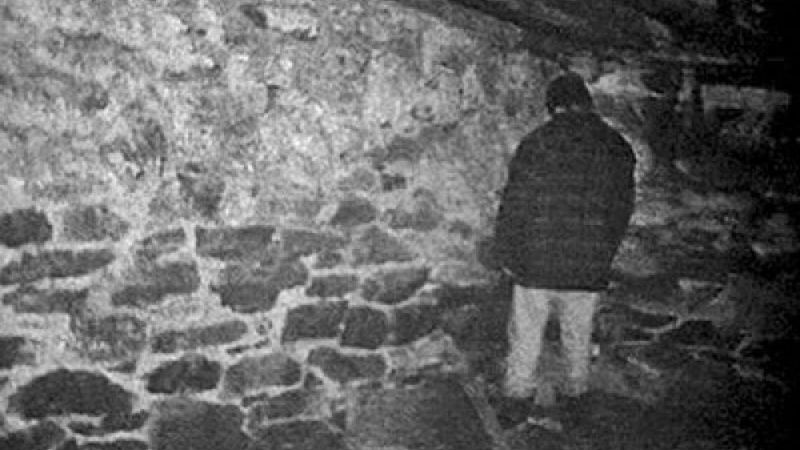
Made on a shoestring budget, this found-footage landmark changed horror filmmaking forever. Three student filmmakers venture into Maryland woods to document a local legend and never come back, leaving only their footage behind.
What makes it so effective is what the camera never shows. Strange sounds, disturbing symbols, and the slow psychological collapse of the characters create a suffocating anxiety that no jump scare could match.
Even knowing it’s fiction, the film still unsettles deeply.
4. The Shining (1980)
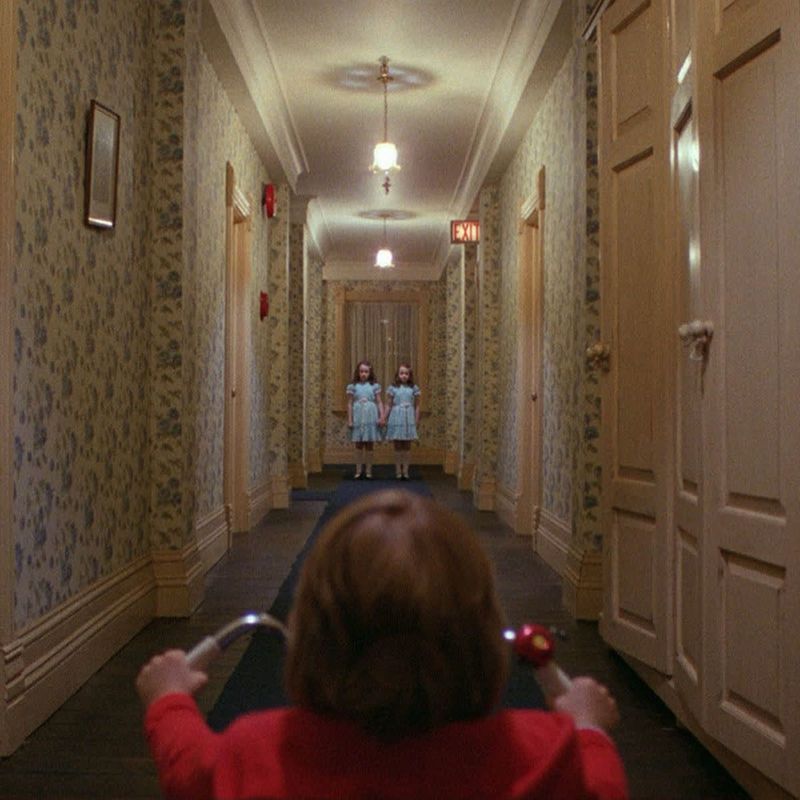
Stanley Kubrick turned a haunted hotel into one of cinema’s most psychologically suffocating spaces. Jack Nicholson’s descent into madness is terrifying not because of what he does, but because of how slowly and inevitably it unfolds.
The Overlook Hotel feels alive in the worst possible way, with wrong geometry, ghostly visions, and a silence that presses down on every scene. This is a masterclass in atmosphere and dread.
You’ll feel trapped right alongside the Torrance family.
5. Rosemary’s Baby (1968)
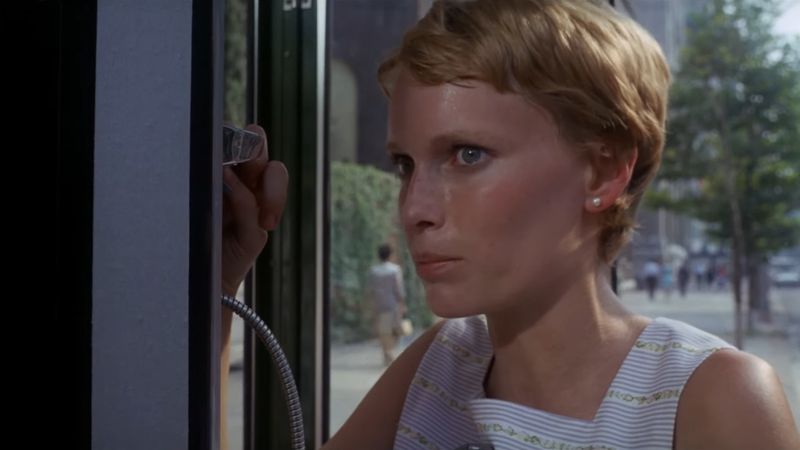
Roman Polanski’s classic proves paranoia is one of horror’s most potent weapons. Rosemary, a young pregnant woman living in a creepy Manhattan apartment building, begins suspecting her friendly neighbors of something deeply sinister.
The genius is that viewers are never entirely sure what’s real and what’s in Rosemary’s head. That uncertainty is the film’s real source of terror.
Every smile from a neighbor, every whispered conversation, feels loaded with hidden menace. It’s quietly, brilliantly disturbing.
6. It Follows (2014)
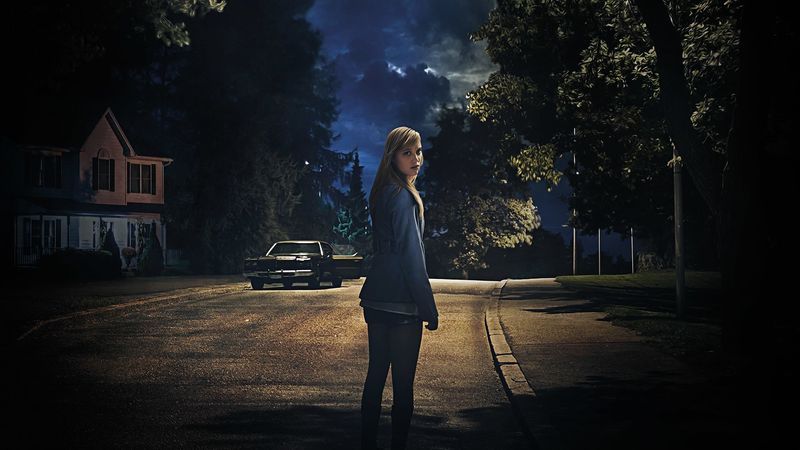
Imagine something that walks toward you. Always.
Slowly. Relentlessly.
That’s the central nightmare of It Follows, a film that turns an unstoppable supernatural entity into a symbol of inescapable dread.
The creature never runs, never hides, and never stops. Director David Robert Mitchell stretches this concept into something genuinely oppressive, with wide-angle shots constantly scanning backgrounds for approaching figures.
Audiences find themselves scanning the screen long after the credits roll. Few recent horror films linger this long.
7. The Ring (2002)
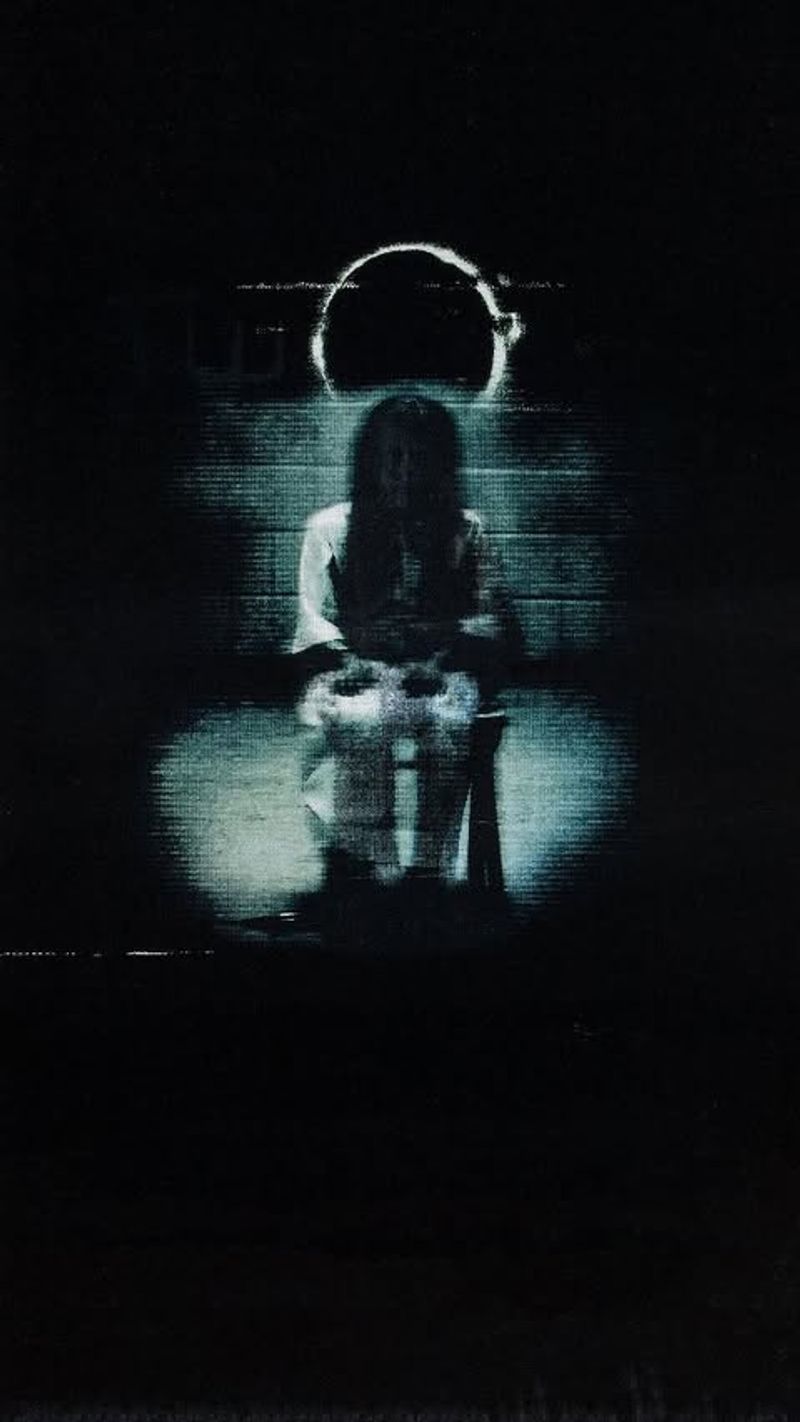
Watch a cursed videotape, and seven days later, you die. That premise sounds simple, but Gore Verbinski’s American remake of the Japanese classic Ringu turns it into something genuinely nightmarish.
The horror comes from eerie, dreamlike imagery and the ticking clock of a seven-day countdown rather than any graphic violence. Every frame feels slightly wrong, like a nightmare you can’t shake after waking up.
Samara remains one of modern horror’s most iconic and unsettling figures.
8. Psycho (1960)
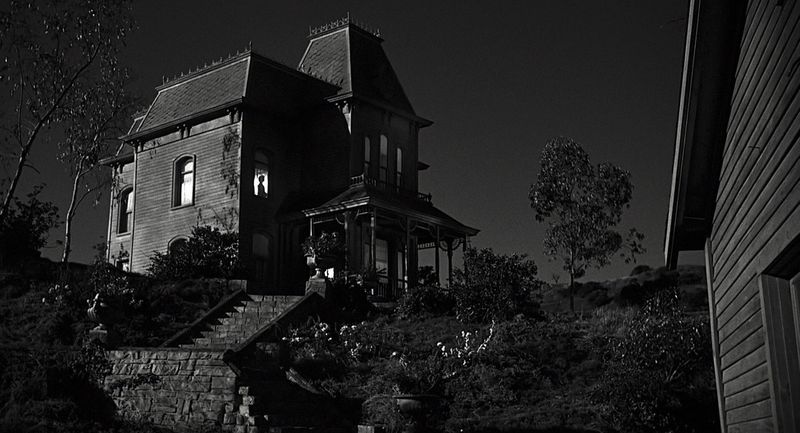
Alfred Hitchcock once said that the length of a film should be directly related to the endurance of the human bladder. Psycho tests that theory magnificently.
Released in 1960, it shattered audience expectations by killing its apparent protagonist early.
The famous shower scene is shocking not because of what it shows, but because of its rapid editing and Bernard Herrmann’s shrieking score. Hitchcock understood that implication frightens more effectively than explicit imagery.
Norman Bates still haunts us today.
9. The Babadook (2014)
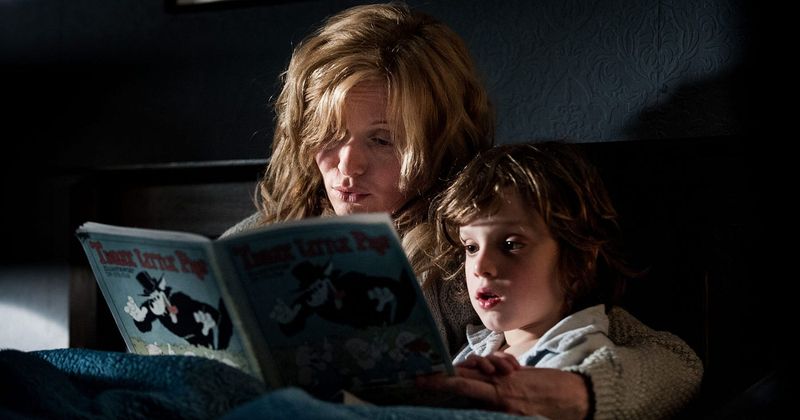
Grief can feel like a monster that lives in your house. Jennifer Kent’s debut feature takes that metaphor and makes it terrifyingly literal.
A widowed mother and her troubled young son discover a disturbing pop-up book that seems to summon a real entity.
The Babadook works because its horror is rooted in emotional truth. The creature represents unprocessed loss and depression, making the scares feel personal rather than cheap.
This is horror that genuinely means something, and that makes it stick.
10. Goodnight Mommy (2014)
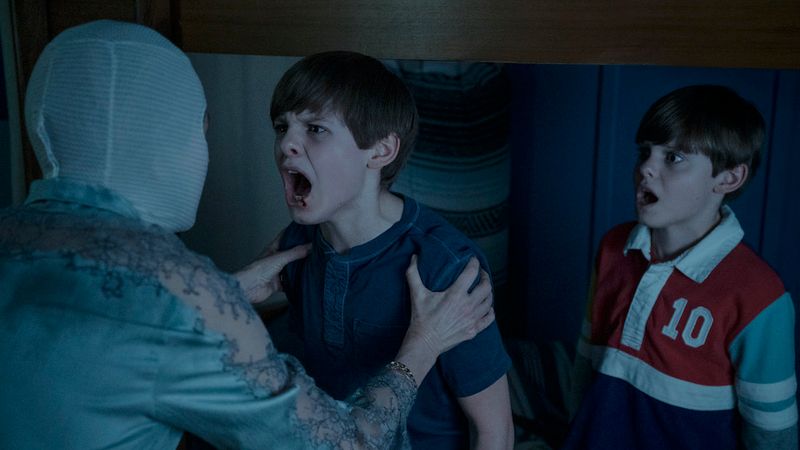
Austria’s unsettling contribution to slow-burn horror centers on twin boys who become convinced their bandaged, post-surgery mother is not actually their mother. That premise alone is enough to make your skin crawl.
Directors Severin Fiala and Veronika Franz let dread accumulate through long silences, strange behavior, and the mounting suspicion between children and adult. The film’s rural setting feels suffocatingly isolated.
Even the bright daylight scenes carry a cold, clinical wrongness that never lets the viewer fully relax.
11. Hereditary (2018)
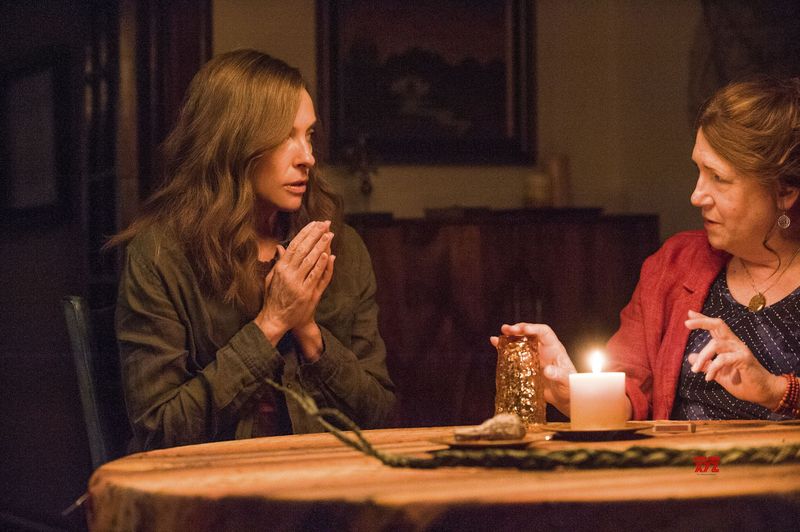
Ari Aster’s debut feature arrives quietly and then destroys you. Hereditary follows the Graham family as they unravel following a devastating loss, each member slowly pulled toward something dark and inescapable.
The horror here is deeply rooted in grief, guilt, and family secrets that stretch back generations. Toni Collette delivers one of horror’s greatest performances, conveying anguish so raw it hurts to watch.
The supernatural elements feel earned rather than cheap. This film leaves marks that don’t fade quickly.
12. The Haunting (1963)
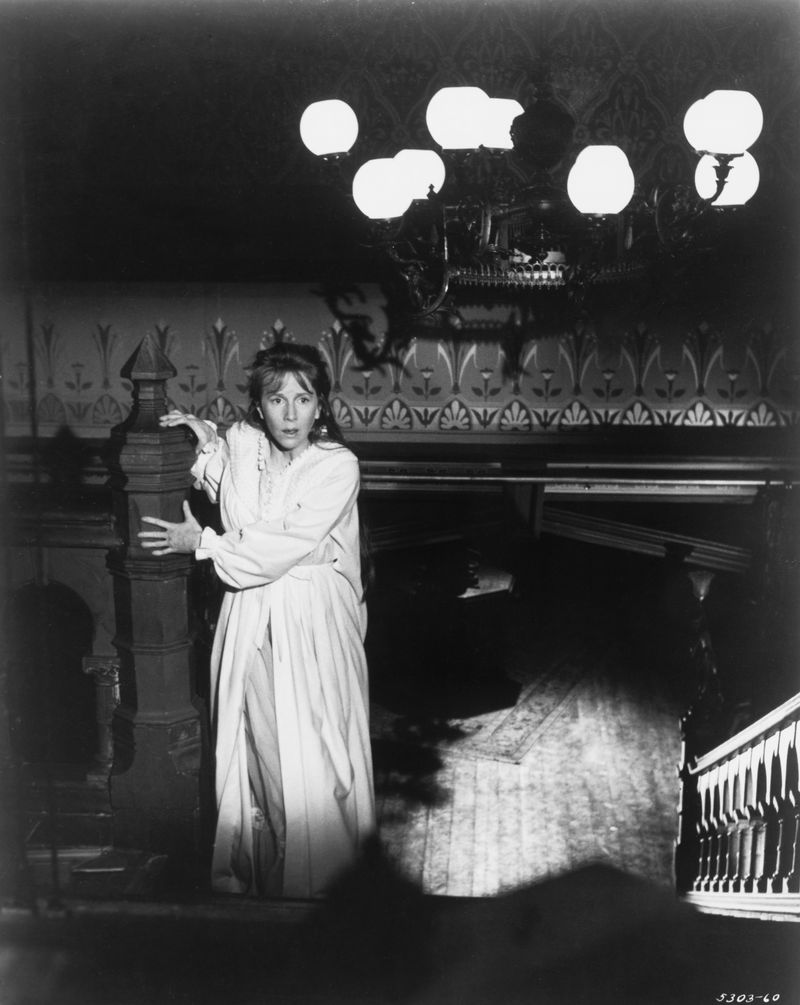
Robert Wise’s adaptation of Shirley Jackson’s novel proves you never need to show a ghost to terrify an audience. Hill House itself is the villain here, a building with wrong angles and a palpable sense of malevolence baked into its walls.
Julie Harris’s performance as Eleanor anchors the psychological horror beautifully. Strange sounds, slamming doors, and creeping dread replace any visual monster.
Many horror directors cite this as a foundational influence. It remains one of the most purely atmospheric haunted house films ever committed to film.
13. The Autopsy of Jane Doe (2016)
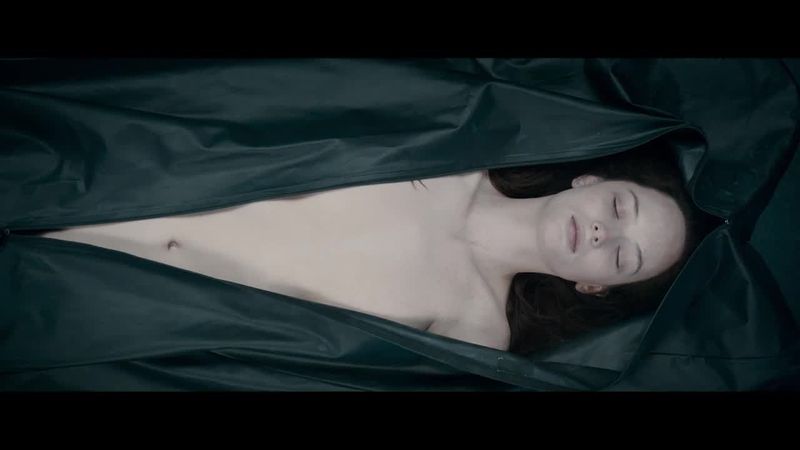
A father-and-son coroner team receives an unidentified female corpse with no obvious cause of death. What follows is one of the most tightly wound horror films of the 2010s, set almost entirely underground in a single morgue.
Director Andre Ovredal squeezes maximum dread from a claustrophobic location and a mounting series of impossible discoveries. Brian Cox and Emile Hirsch ground the supernatural elements with believable chemistry.
The film rewards patience with genuinely disturbing revelations that reframe everything you’ve witnessed. Brilliant and bleak.
14. It Comes at Night (2017)
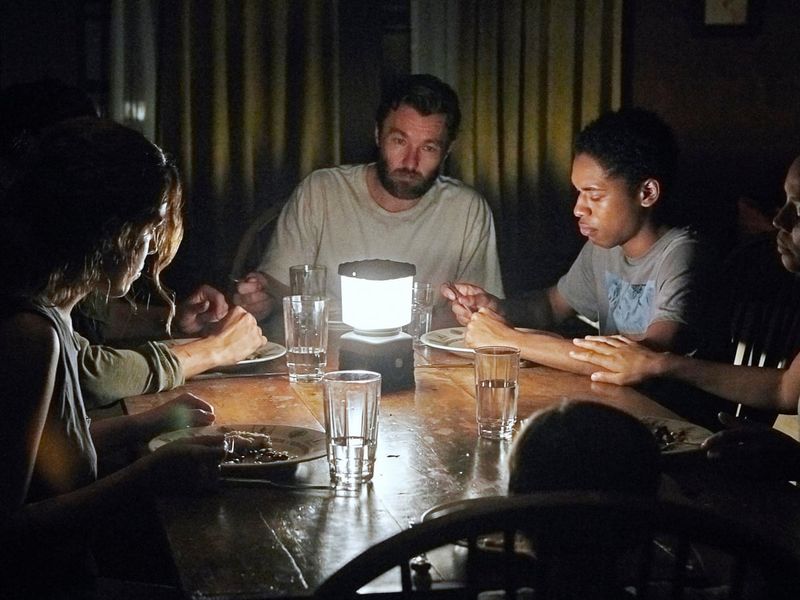
After an unnamed plague devastates the world, a family barricades themselves in a remote forest house and tries to survive. When another family arrives seeking shelter, trust becomes the most terrifying casualty of all.
Trey Edward Shults keeps the threat deliberately vague, letting paranoia fill the space where clear answers should be. There are no monsters, no jump scares, just the awful weight of humans pushed beyond their limits.
The film’s ambiguity is frustrating and masterful in equal measure.
15. Under the Skin (2013)
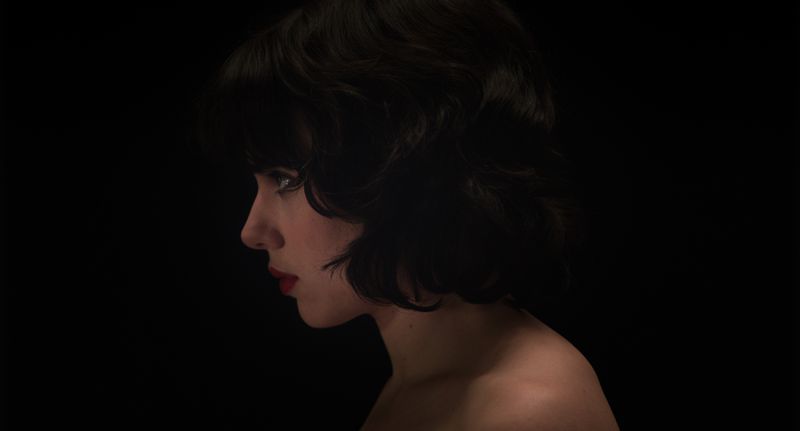
Scarlett Johansson plays an alien entity wearing human skin, driving through Scotland luring men toward an inky, silent void. Under the Skin is less a horror film and more a hypnotic experience that makes your subconscious deeply uncomfortable.
Director Jonathan Glazer strips away conventional storytelling in favor of pure sensation and dread. There’s no score telling you how to feel, no explanations offered.
The film trusts discomfort to do its work. Watching it feels like glimpsing something that was never meant for human eyes.