
Gene Siskel was one of the most respected film critics in American history, known for his sharp opinions and genuine passion for cinema. Alongside his famous partner Roger Ebert, Siskel helped millions of moviegoers decide what was worth watching each weekend.
His taste ranged from Hollywood blockbusters to foreign masterpieces, always guided by a deep love for storytelling. These are the ten films he considered truly unforgettable.
1. Saturday Night Fever (1977)
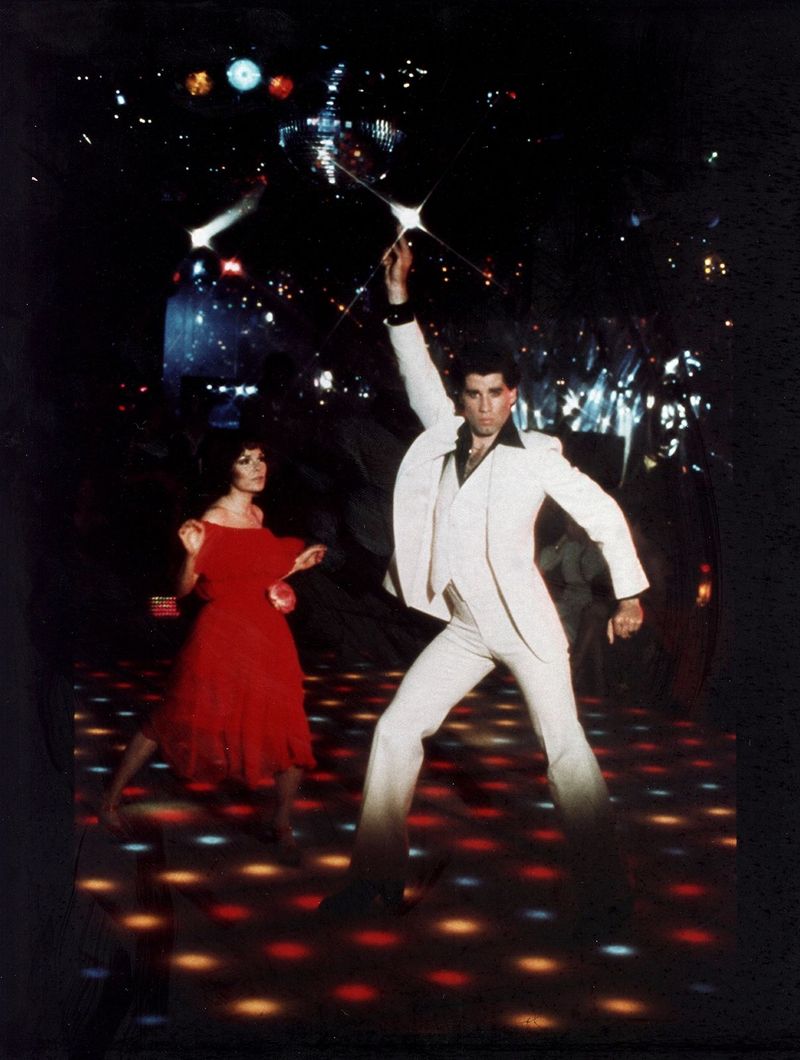
Gene Siskel called this his all-time favorite film, which might surprise people who expected a critic of his caliber to pick something more “serious.” But Siskel saw something raw and real in Tony Manero’s story that went far beyond disco dancing.
He believed John Travolta’s performance captured a generation’s hunger for escape and belonging. The Brooklyn streets felt alive, and the struggle felt honest.
For Siskel, Saturday Night Fever wasn’t just a movie — it was a mirror held up to working-class American dreams.
2. The Godfather (1972)
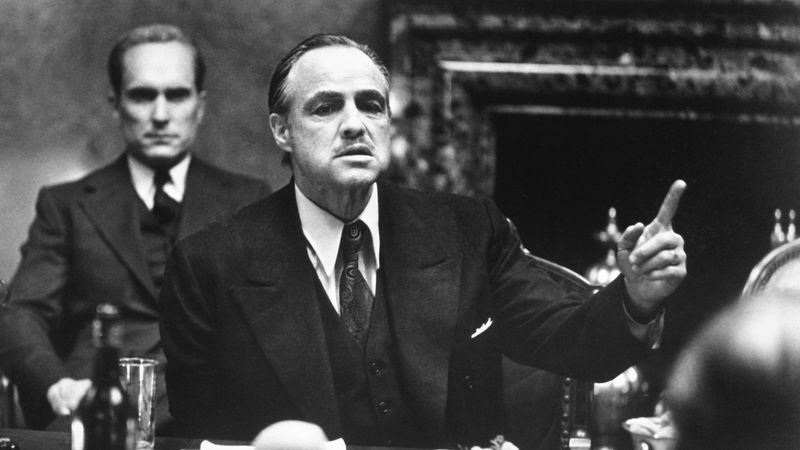
“Pure cinematic magic” — that was Gene Siskel’s verdict on Francis Ford Coppola’s landmark crime epic. High praise from a man who watched thousands of films over his career, and he meant every word.
Siskel saw The Godfather as American mythology captured on film. It wasn’t just about organized crime; it was about power, family loyalty, and the cost of ambition.
Few films have ever balanced intimate emotion with grand storytelling so perfectly, and Siskel recognized that achievement immediately.
3. Raging Bull (1980)
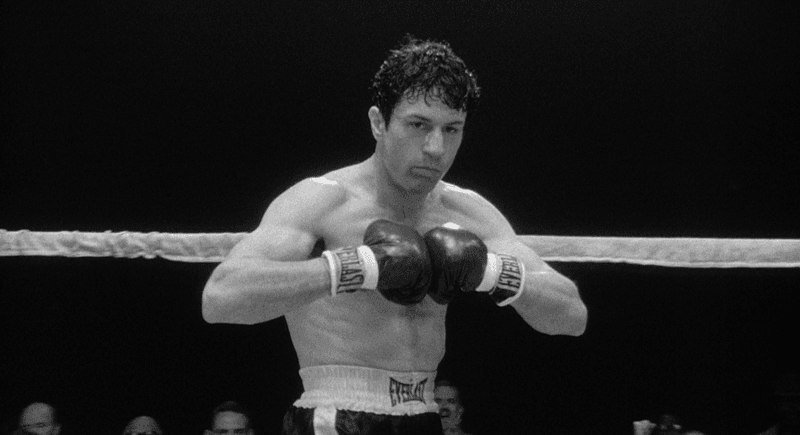
Siskel named Raging Bull the best movie of 1980 without hesitation, and later declared it the pinnacle of that entire decade’s cinema. Bold claim — but watching Robert De Niro’s transformation into Jake LaMotta, it’s hard to argue.
He praised De Niro and director Martin Scorsese as the finest acting-directing partnership working in America at the time. Shot in striking black and white, the film felt brutal and beautiful all at once — exactly the kind of fearless filmmaking Siskel championed throughout his career.
4. The Exorcist (1973)
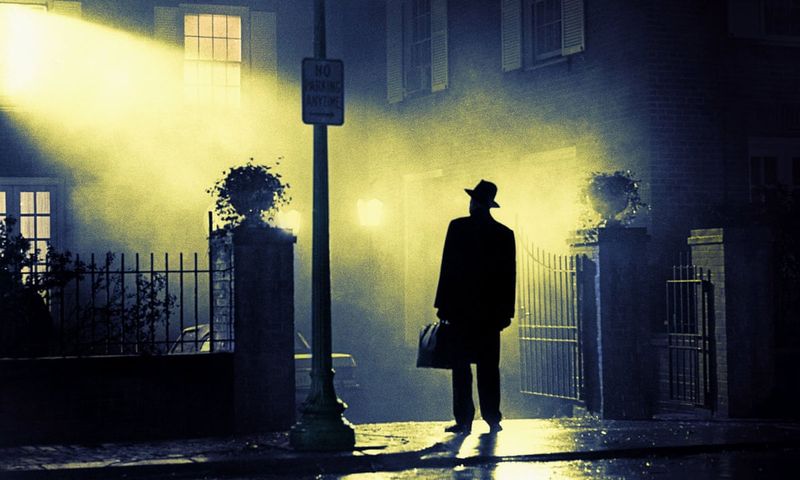
Most audiences remember The Exorcist as one of the scariest films ever made. Siskel saw something deeper underneath the horror — a serious meditation on faith, doubt, and the battle between good and evil in a world that was rapidly losing its belief in both.
He respected director William Friedkin’s refusal to play it safe. The film asked hard questions about spirituality and skepticism, wrapped inside a terrifying story.
Siskel felt that combination of intellectual weight and visceral fear made it genuinely extraordinary.
5. Last Tango in Paris (1972)
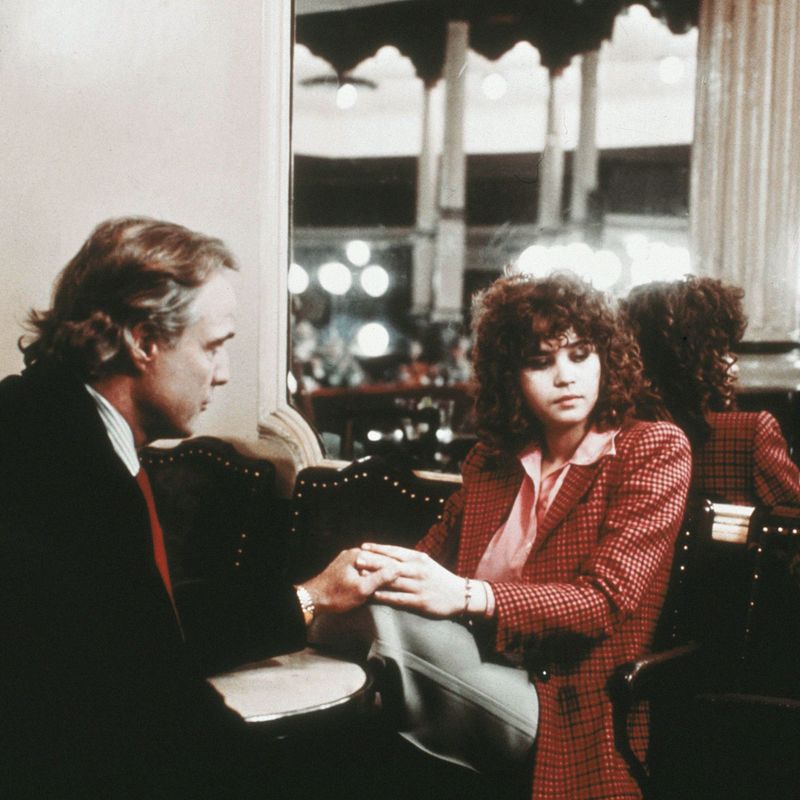
When Last Tango in Paris was released, much of the conversation centered on its controversial content. Siskel looked past the scandal entirely and recognized something far more meaningful: a raw, unflinching exploration of grief and the desperate ways humans search for connection.
Marlon Brando’s performance struck him as one of cinema’s most courageous. The film’s willingness to sit inside emotional pain without offering easy comfort impressed Siskel deeply.
He considered it a fearless piece of art that deserved serious critical attention, not dismissal.
6. Dr. Strangelove (1964)
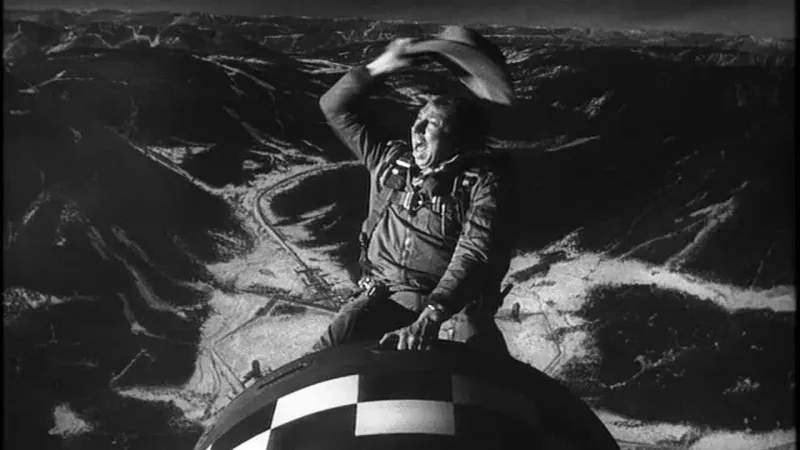
Stanley Kubrick took the terrifying reality of nuclear annihilation and turned it into one of the sharpest comedies ever made. Siskel deeply admired that audacity.
He included Dr. Strangelove in his celebrated “Great Movies” essay series, a distinction reserved for films he considered truly essential.
What impressed him most was how the humor never softened the message — it sharpened it. Laughing at the absurdity of mutually assured destruction made the danger feel more real, not less.
Kubrick’s genius was making the audience uncomfortable while they giggled.
7. Amarcord (1973)
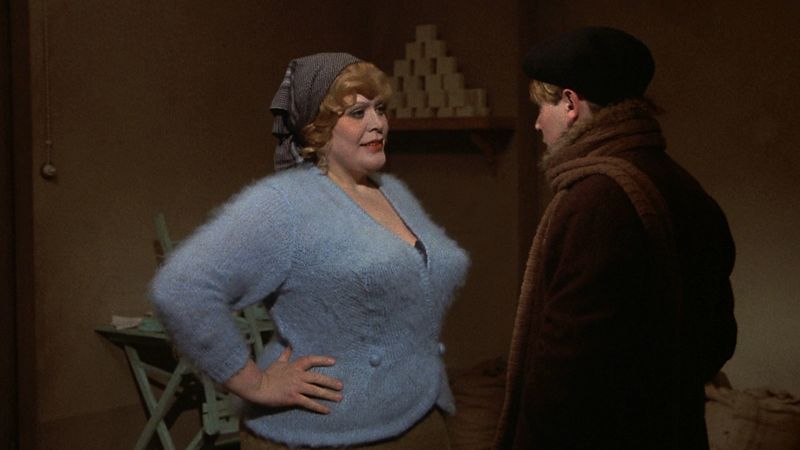
Federico Fellini’s semi-autobiographical masterpiece blends personal memory with universal human experience in a way few films manage. Siskel appreciated how Amarcord could feel deeply specific to one Italian town while simultaneously capturing something true about all of us.
The film moves between comedy, nostalgia, and quiet sadness with extraordinary grace. Siskel recognized Fellini’s ability to make you laugh and ache at the same time, often within the same scene.
For a critic who valued emotional honesty above technical showmanship, Amarcord hit exactly the right notes.
8. Shoah (1985)
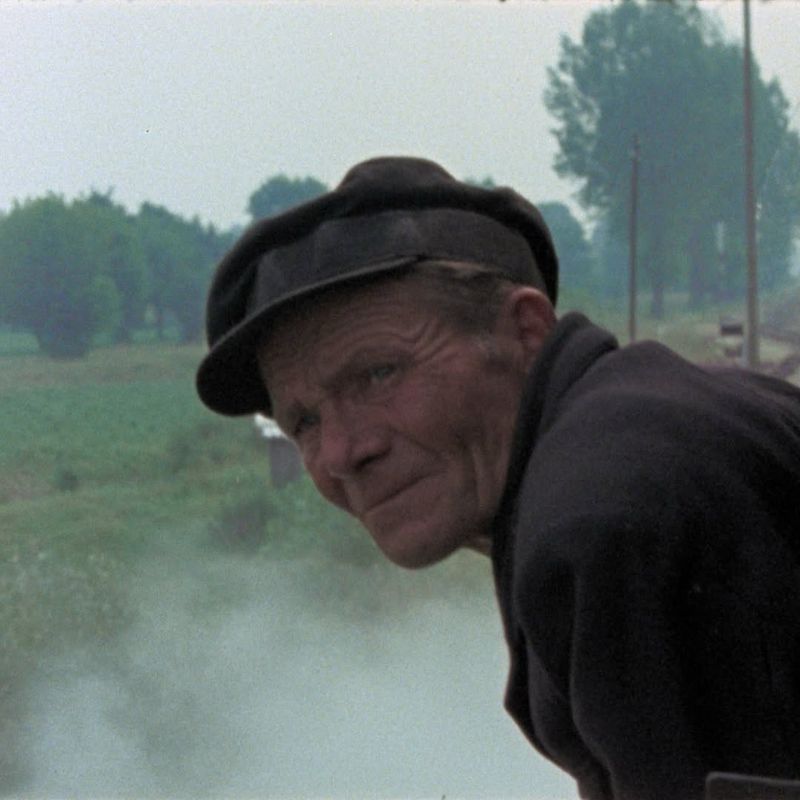
Claude Lanzmann’s nine-and-a-half-hour documentary about the Holocaust contains no archival footage — only the voices of survivors, witnesses, and perpetrators. Siskel called it the best film of 1985 and ranked it among the greatest cinematic achievements in history.
That’s an enormous statement, and Siskel made it without flinching. He understood that Shoah demanded patience and emotional courage from its audience.
Its power came from listening, not spectacle. For Siskel, a film that trusted its viewers that completely deserved the highest possible recognition.
9. Hoop Dreams (1994)
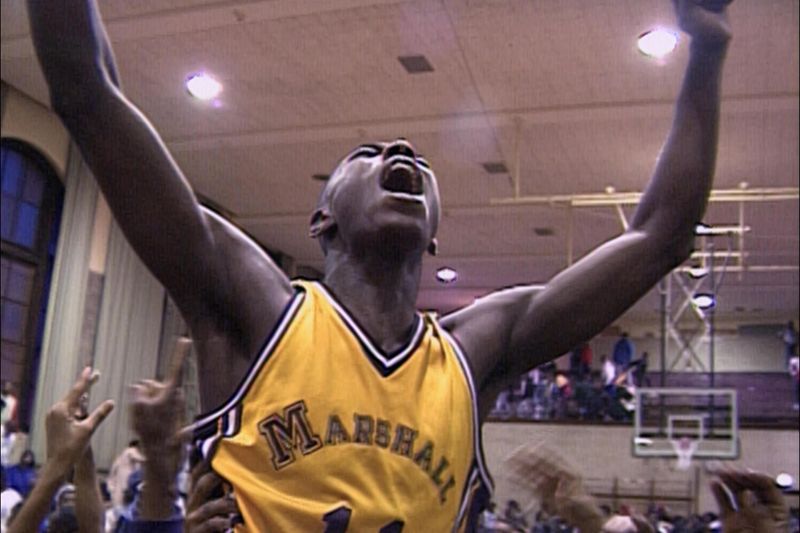
Siskel called Hoop Dreams “extraordinary” — and he wasn’t alone. This documentary followed two Chicago teenagers chasing NBA dreams for several years, capturing their families, setbacks, and determination with remarkable intimacy.
It felt less like a film and more like real life unfolding.
What moved Siskel was the film’s honesty about systems that promise opportunity while delivering obstacles. It wasn’t cynical, though — it respected its subjects too much for that.
Hoop Dreams showed what documentary filmmaking could accomplish when filmmakers truly cared about their subjects.
10. Once Upon a Time in America (1984)
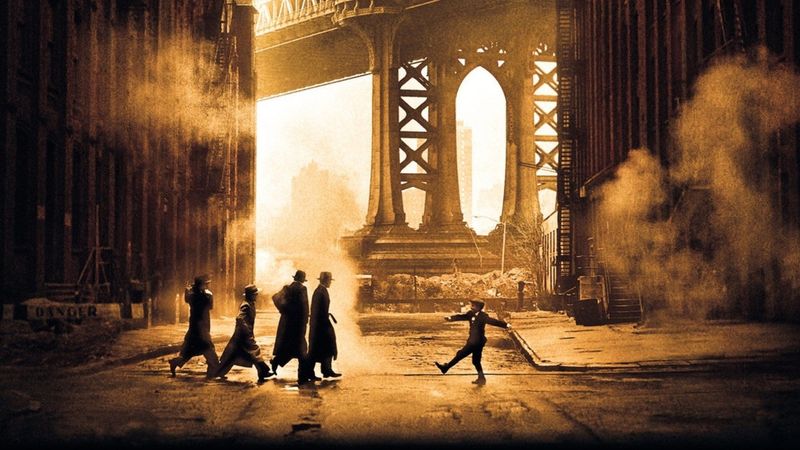
Sergio Leone’s sprawling crime epic was released in a butchered version in America, cut down from nearly four hours to under two. Siskel was furious.
He publicly urged audiences to seek out the complete cut, convinced that the full version was a genuine masterpiece being hidden from the public.
His passion for this film went beyond admiration — it felt almost personal. Once Upon a Time in America told its story of friendship, betrayal, and lost innocence with operatic sweep.
Siskel believed it deserved to be seen exactly as Leone intended.