
Eating healthier does not mean giving up every food you love. Small changes to everyday meals can help you get more fiber, cut back on added sugar, and enjoy a wider range of nutrients.
Start with a swap that sounds tasty and fits your budget. Your next sandwich, snack, or bowl of pasta is a chance to try something new.
1. Give Your Sandwich Whole-Grain Bread
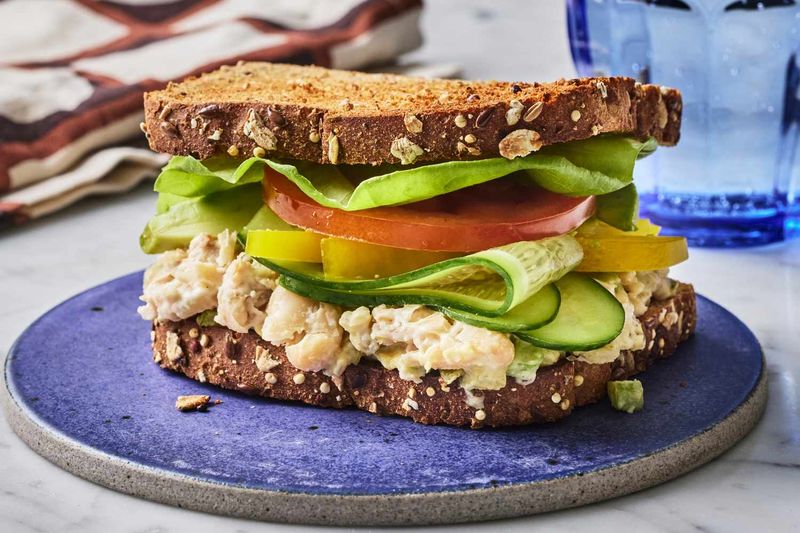
Your usual sandwich can get a fiber boost without changing its filling. Choose bread labeled whole grain or whole wheat, and check that a whole grain comes first on the ingredient list.
Brown color alone does not prove much.
Fiber supports digestion and can help meals feel more satisfying. Compare labels for sodium and added sugar, too.
If the texture feels unfamiliar, toast the bread or start with one whole-grain slice and one white slice.
2. Build a Better Bowl With Brown Rice or Quinoa
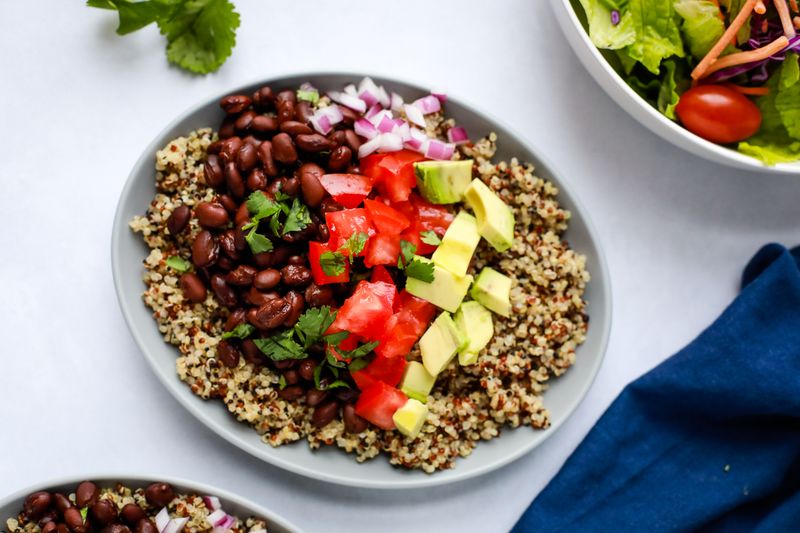
A rice bowl has room for a little adventure. Brown rice brings a chewy texture and more fiber than white rice, while quinoa adds variety and some extra protein.
Neither needs a fancy recipe to taste good.
Try mixing either option with your usual rice at first. Cook grains in water or lower sodium broth, then add vegetables and beans.
Calories vary by serving, so focus on nutrients rather than expecting a lighter bowl automatically.
3. Put Whole Wheat Pasta or Zucchini Noodles on the Menu
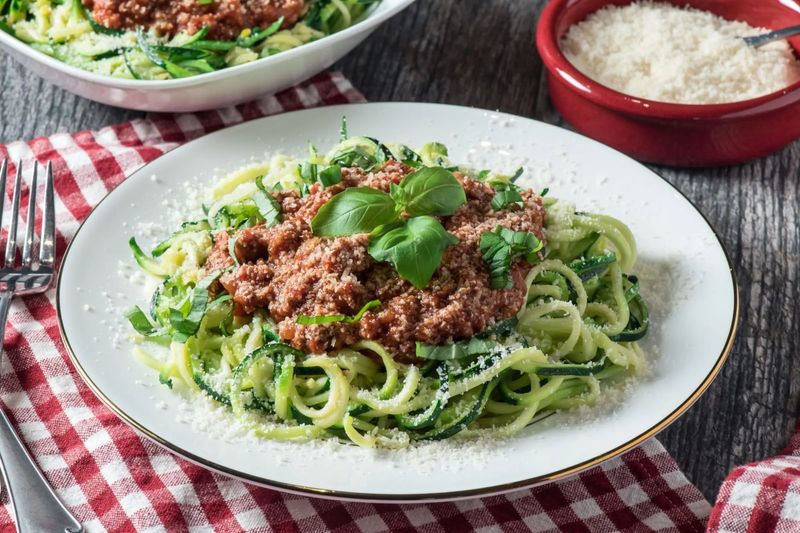
Pasta night can stay on the calendar. Whole wheat noodles usually offer more fiber than regular pasta, while zucchini noodles add vegetables and reduce the amount of starch in your bowl.
Their textures differ, so experiment before replacing everything.
Begin with half regular pasta and half your chosen alternative. Cook zucchini briefly to avoid a watery sauce.
Add beans, fish, or chicken for protein, and keep enough food on your plate to make dinner satisfying.
4. Trade Sugary Cereal for Oats or Plain Yogurt
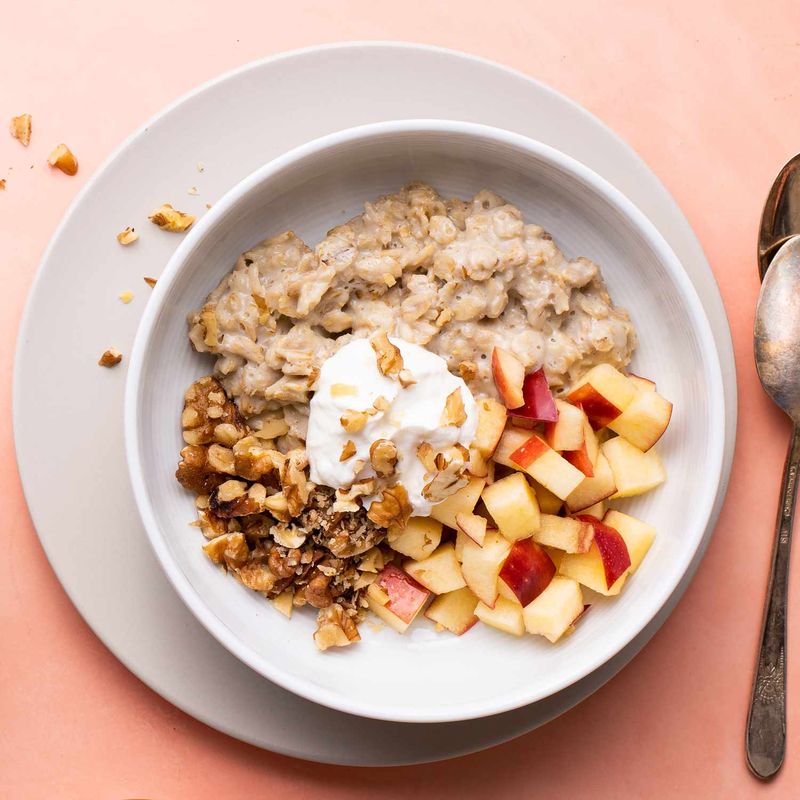
Breakfast does not need a sugar rush to feel like a treat. Plain oatmeal gives you whole grains and fiber, while plain Greek yogurt supplies protein.
Fruit adds sweetness along with useful nutrients.
For busy mornings, soak oats overnight in milk and refrigerate them. Prefer something cool and creamy?
Spoon berries and chopped nuts over yogurt. Check flavored versions for added sugar, and choose portions that suit your appetite rather than following the package picture.
5. Refresh Your Glass With Fruit-Flavored Water
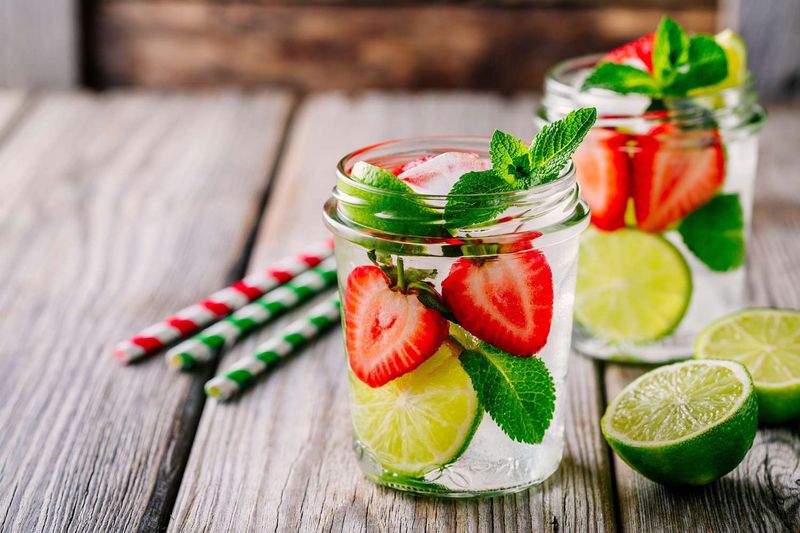
Fizz fans do not have to give up bubbles. Plain sparkling water offers that familiar sparkle without the added sugar found in regular soda.
Still water works just as well for everyday thirst.
Add orange slices, cucumber, berries, or mint for a fresh flavor. Choose unsweetened drinks and remember that fruit juice still contains sugar, even without added sweeteners.
If soda is a daily habit, replace one glass first and build from there over time.
6. Spread Avocado or Hummus Instead of Mayonnaise
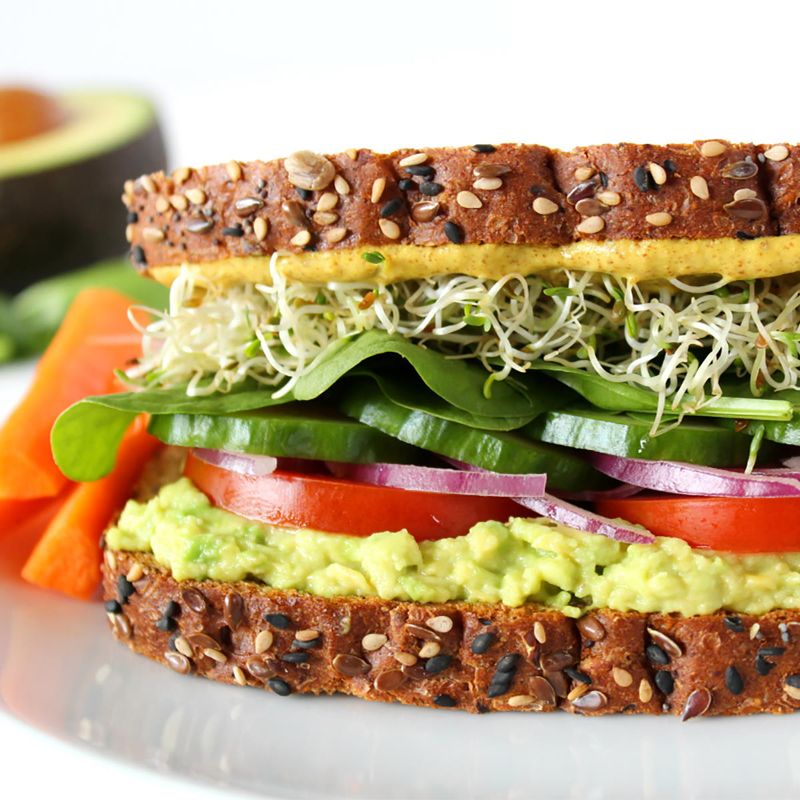
Lunch spreads can do more than keep bread moist. Mashed avocado adds fiber and unsaturated fats, while hummus brings chickpeas, a little protein, and a savory flavor.
Both make tasty partners for vegetables or chicken.
Spread a thin layer where you would usually use mayonnaise. A squeeze of lemon brightens avocado and slows browning.
Compare hummus labels for sodium, and remember that mayonnaise can also fit a balanced diet; variety is the main goal here.
7. Top Tacos With Plain Greek Yogurt
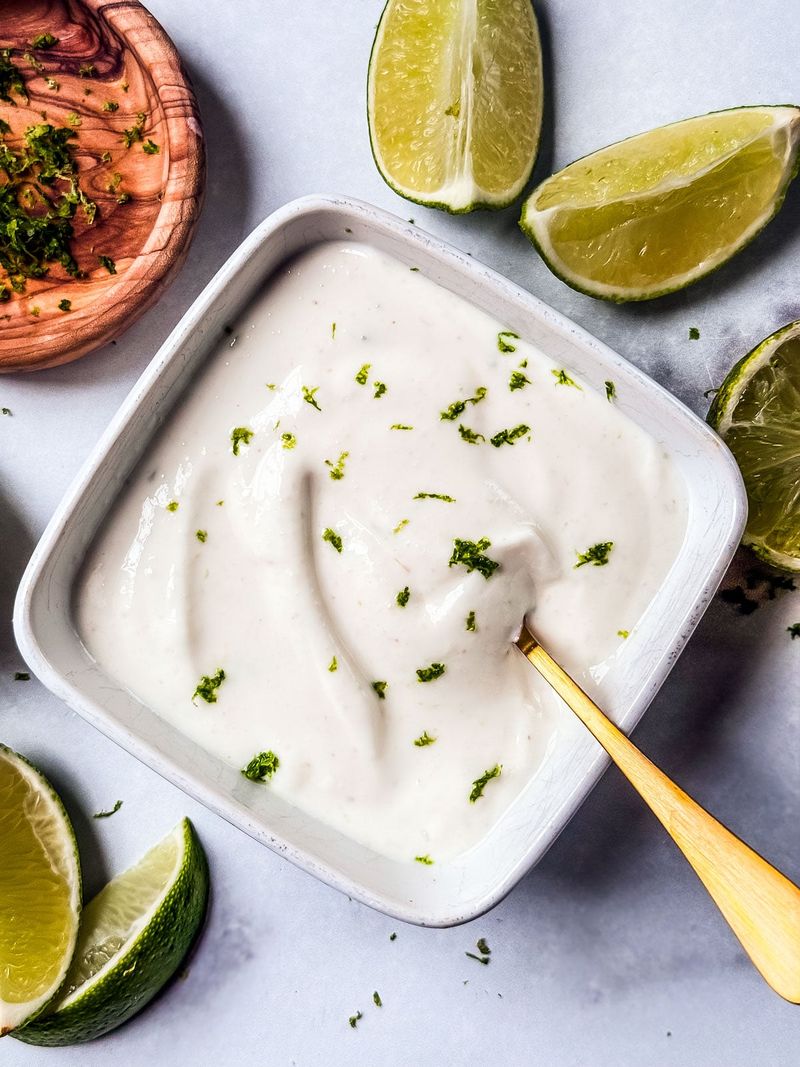
That cool, tangy topping on taco night can bring extra protein. Plain Greek yogurt has a thick texture similar to sour cream, and lower fat versions generally provide less saturated fat.
Choose unsweetened yogurt for savory dishes.
Spoon it onto baked potatoes, chili, or tacos straight from the fridge. For a quick dip, stir in lime juice and chopped herbs.
Add it gently to warm dishes, since high heat can cause the yogurt to separate.
8. Find Your Crunch in Vegetables or Plain Popcorn
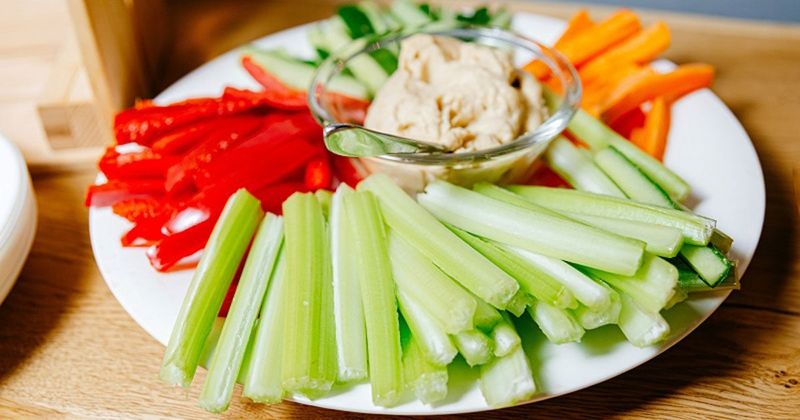
Crunch is half the fun of snack time. Carrots, peppers, and cucumbers offer a crisp bite plus water and nutrients, especially alongside hummus.
Plain popcorn is another option that supplies whole grains and fiber.
Wash and slice vegetables ahead so they are easy to grab. Air pop popcorn, then season it with paprika or herbs and a little oil if desired.
Keep salt moderate, and serve snacks in a bowl instead of eating from bags.
9. Bake With a Little Unsweetened Applesauce
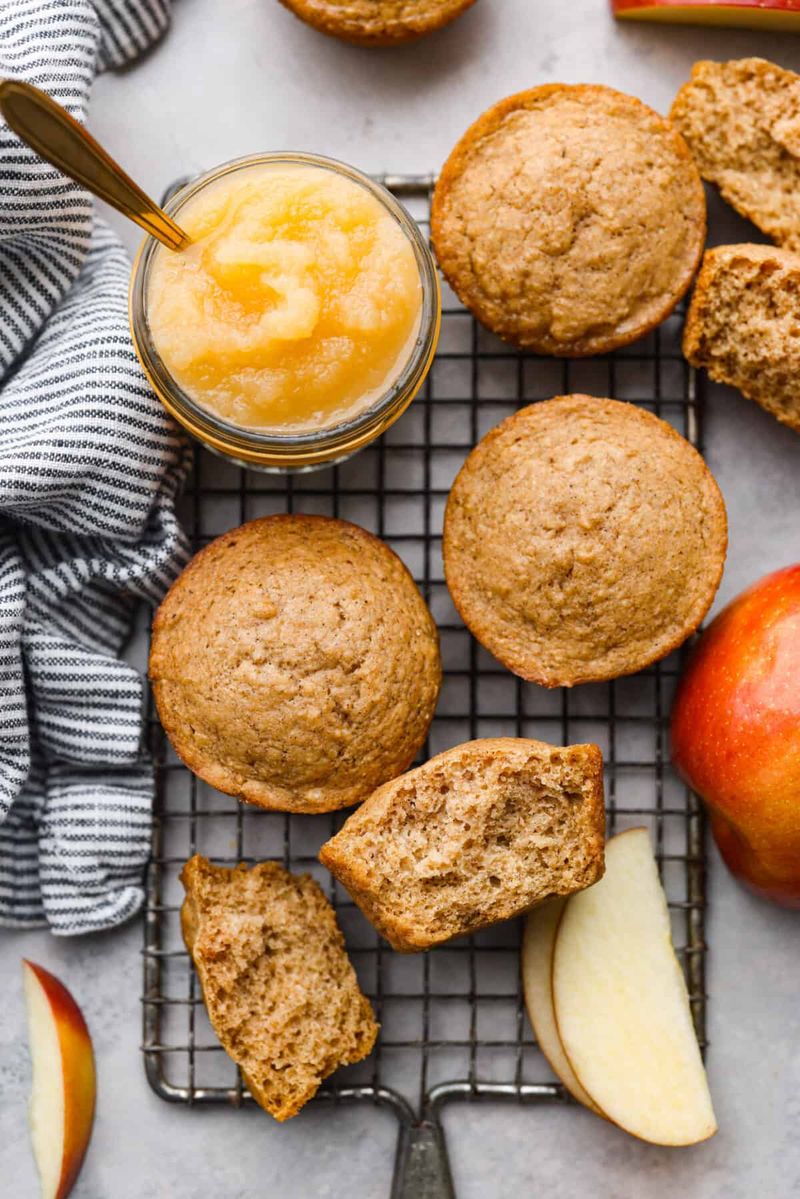
A humble jar of applesauce can help keep muffins moist. In some cakes, muffins, and quick breads, unsweetened applesauce can replace part of the oil or butter.
It adds moisture while reducing the fat used.
Start by replacing about one quarter of the recipe’s fat, then judge the texture. Results vary, and cookies or pastry may not respond well.
Choose a tested recipe when possible, since removing too much fat can make baked goods rubbery.
10. Make Creamy Sauces With Blended Cottage Cheese
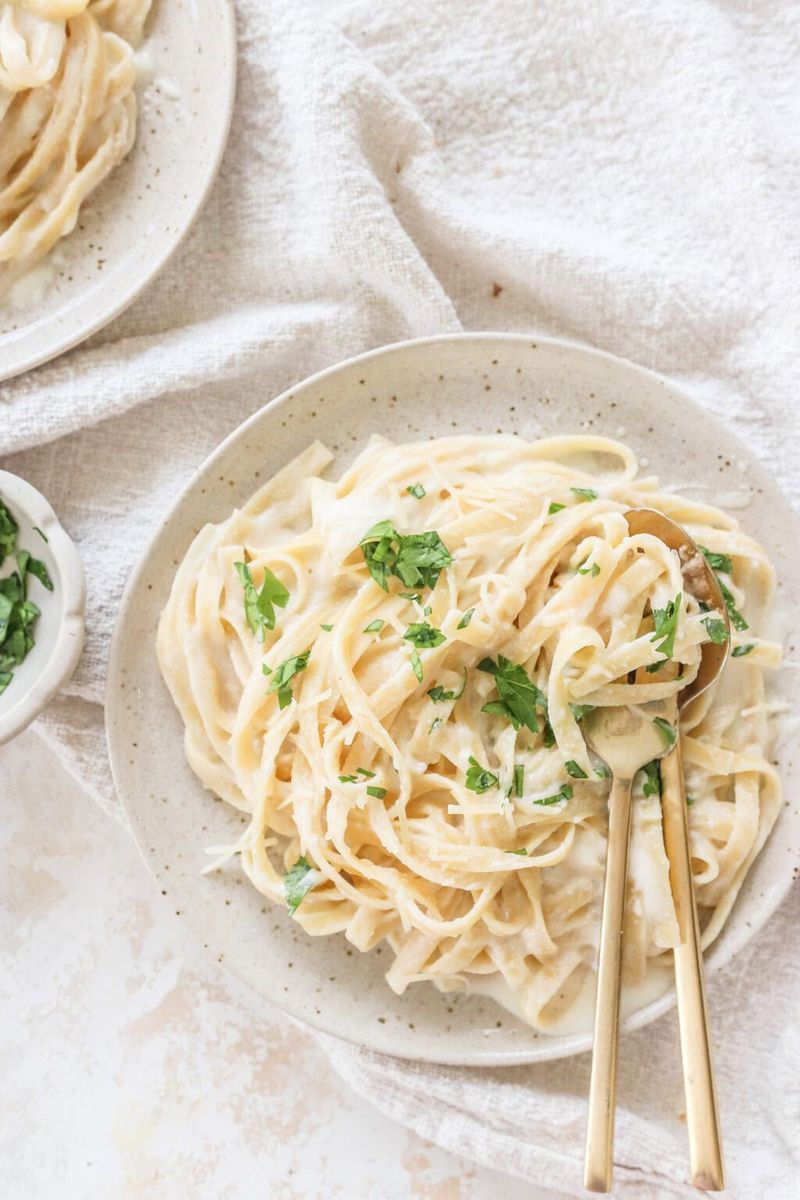
Curds might sound unlikely in a smooth sauce, but a blender changes everything. Blended cottage cheese can create a creamy base with more protein than heavy cream.
Lower fat varieties can also reduce saturated fat.
Blend until smooth, adding a splash of milk or water as needed. Try it in dips or gently warmed pasta sauces with garlic and herbs.
Check sodium levels across brands, and avoid boiling the mixture because its texture may change.
11. Get Crispy Results Without Deep Frying
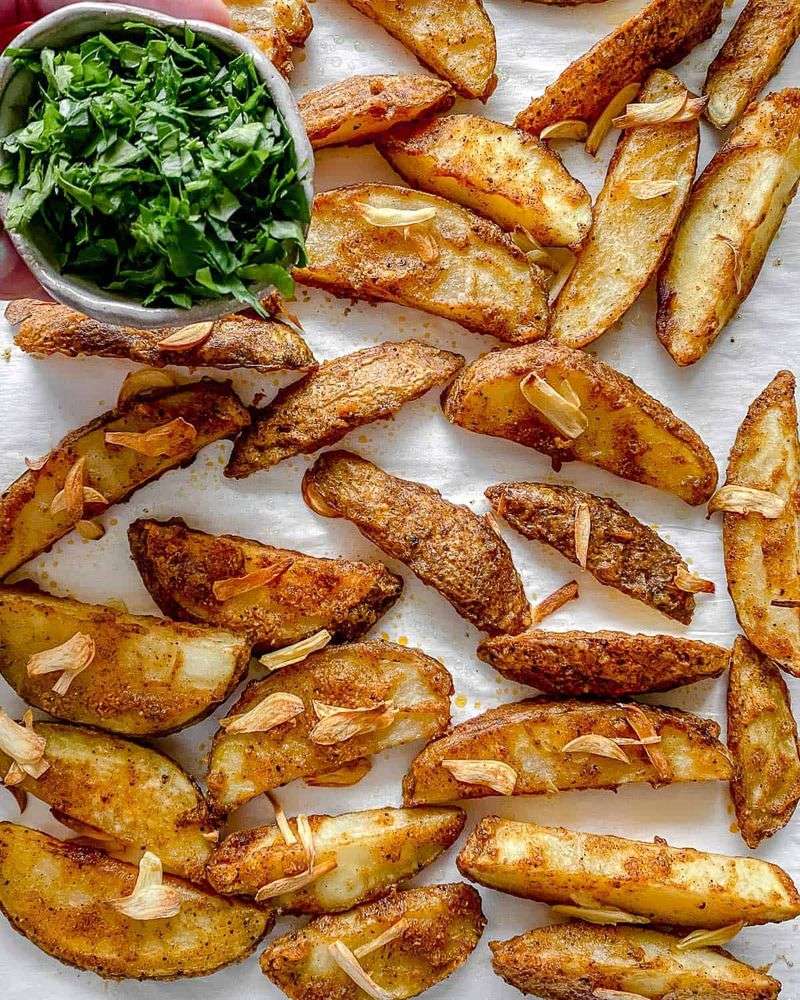
Golden edges do not require a pot of hot oil. Baking, grilling, and air frying can use less added fat than deep frying while still making meals tasty.
The ingredients and amount of oil matter, too.
Pat food dry, season it well, and leave space between pieces for better browning. Brush on a small amount of oil rather than pouring freely.
Turn food as needed, and use a thermometer to check meat for safe doneness.
12. Choose Skinless Chicken Breast for a Leaner Meal

Keeping chicken juicy is the trick to enjoying a leaner cut. Skinless breast generally has less saturated fat than thighs served with skin.
It works well in sandwiches, stir fries, salads, and simple sheet pan dinners.
Use lemon, herbs, or a yogurt marinade for flavor instead of relying on skin. Avoid overcooking, and check that the thickest part reaches 165 degrees Fahrenheit.
Thighs can still belong in balanced meals; removing their skin is another option.
13. Replace Some Processed Meat With Fish or Beans
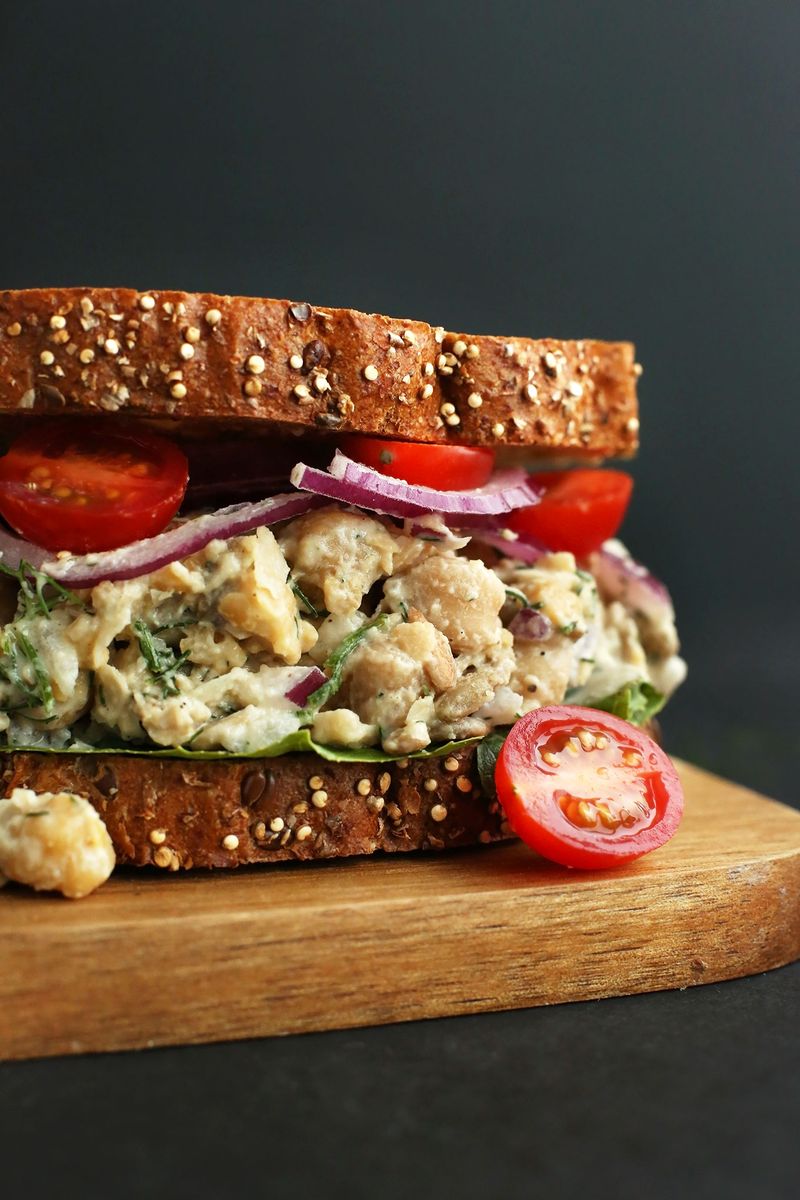
A lunch routine built around deli meat has plenty of tasty alternatives. Beans and lentils provide fiber, while fish offers protein and, in oily varieties such as salmon, omega-3 fats.
Swapping regularly can reduce reliance on processed meat.
Try mashed chickpeas in sandwiches, lentils in soup, or canned salmon over salad. Choose lower sodium canned foods when available, and rinse canned beans.
Start with one meal each week rather than trying to change your entire menu.
14. Shake Up a Simple Homemade Salad Dressing
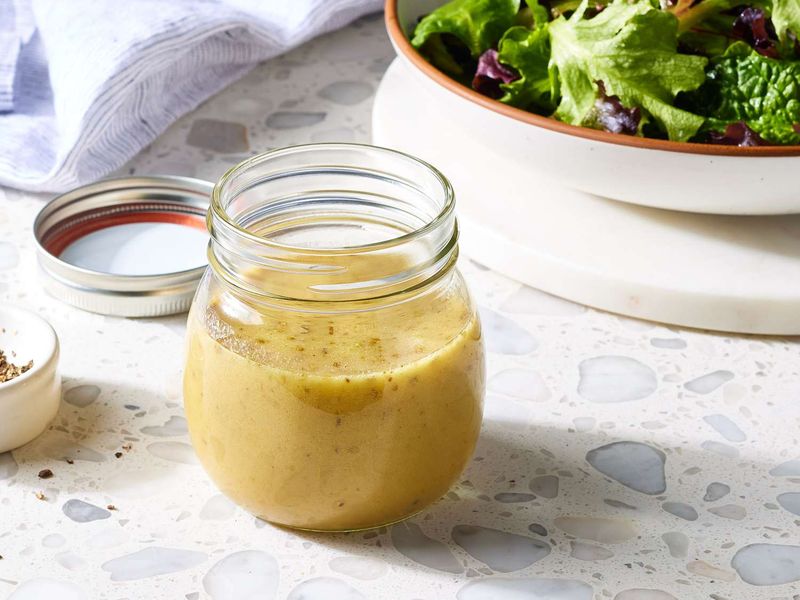
A jar and a quick shake are all you need. Homemade dressing lets you adjust salt, sweetness, and richness to your taste.
Olive oil brings mostly unsaturated fat, while vinegar or lemon juice adds brightness.
Start with two parts oil and one part vinegar, then adjust with water, mustard, or herbs. Taste before adding salt or honey.
Use a modest amount and refrigerate leftovers. Store-bought dressing can also work well when its label suits your needs.
15. Turn Frozen Bananas Into a Creamy Dessert

Frozen bananas have a surprisingly creamy side. Blend ripe frozen slices with a splash of milk to make a soft dessert without added sugar.
For another option, layer plain Greek yogurt with berries for extra protein.
Add cinnamon, vanilla, or unsweetened cocoa for flavor. Keep toppings simple, since generous amounts of syrup or candy can add plenty of sugar.
These treats are alternatives, not rules; enjoying a small bowl of ice cream sometimes is fine too.
16. Satisfy a Sweet Craving With Dried Fruit or Dark Chocolate
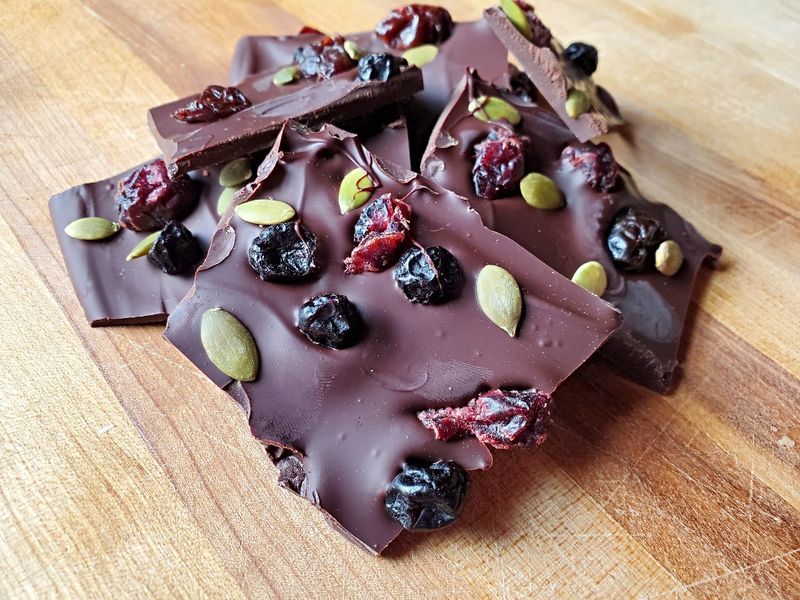
Sometimes a small, flavorful bite hits the spot. Dried apricots, raisins, or a square of dark chocolate can offer more nutrients than many candies.
Dried fruit provides fiber, and cocoa contains helpful plant compounds.
Look for fruit without added sugar and check chocolate labels, since darker does not mean sugar free. Keep portions small because both are concentrated foods.
Pair dried fruit with nuts for a filling snack, and choose fresh fruit when you want volume.