
Some movies are so popular that nearly everyone has seen them, yet most people walk away with the wrong idea about what they actually mean. Behind the explosions, romance, or horror, many films carry deeper messages about society, identity, and human nature.
These hidden layers often get lost in the excitement of watching. Get ready to look at 15 iconic films in a completely new light.
1. Fight Club (1999)
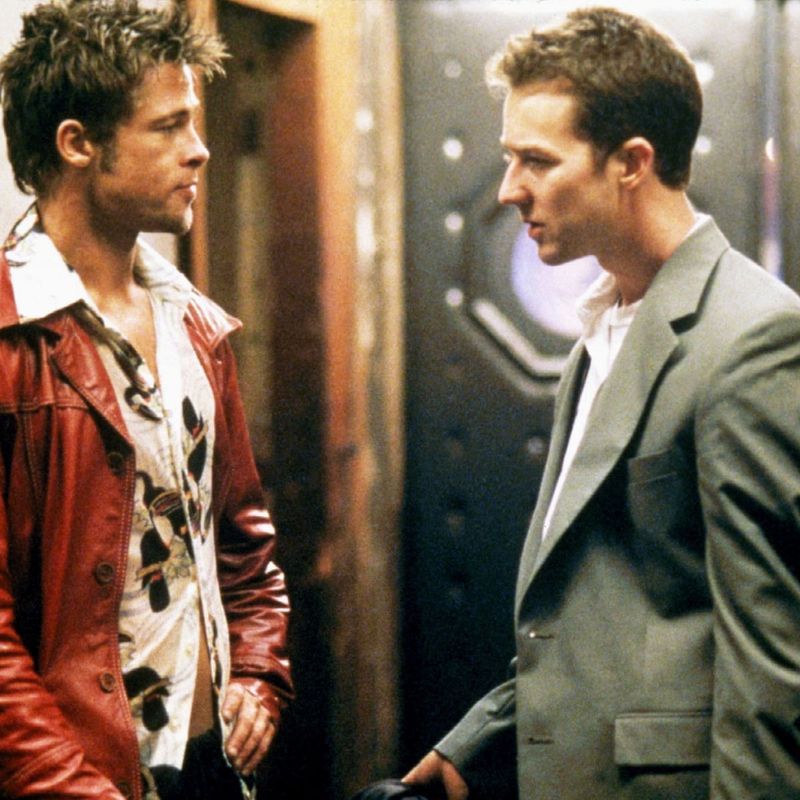
Most people left the theater thinking Fight Club was a cool movie about guys punching each other. That completely misses the point.
Director David Fincher built the story as a sharp critique of consumerism and how society pressures men to define themselves by what they own.
The violence is symbolic, not a blueprint. The real fight is happening inside the main character’s fractured mind.
Once you understand that, the whole film transforms into something far more thought-provoking than a simple action movie.
2. The Matrix (1999)
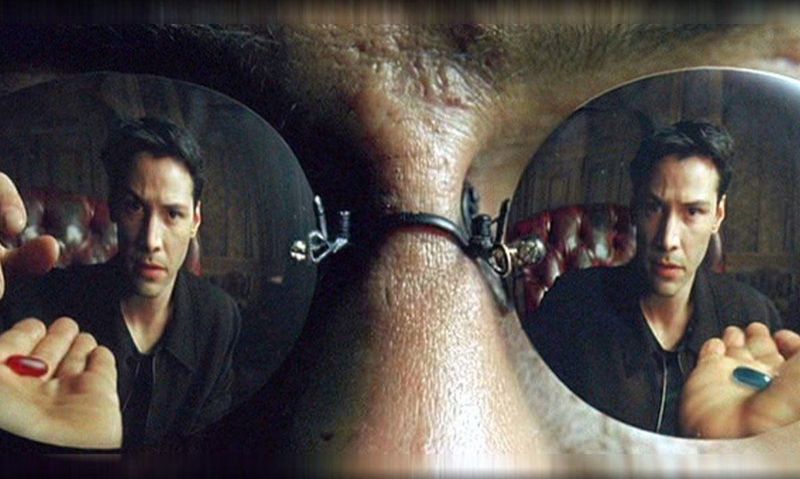
Slow-motion bullet dodging and sunglasses made The Matrix look like the coolest action movie ever made. Audiences packed theaters for the stunts, but the Wachowskis were asking something far bigger: what if everything you experience is fake?
The film borrows ideas from philosophy, Buddhism, and even Plato’s cave allegory. Neo’s journey is really about waking up to uncomfortable truths.
Rewatching it with that in mind turns a fun blockbuster into a genuinely mind-expanding experience.
3. The Shining (1980)
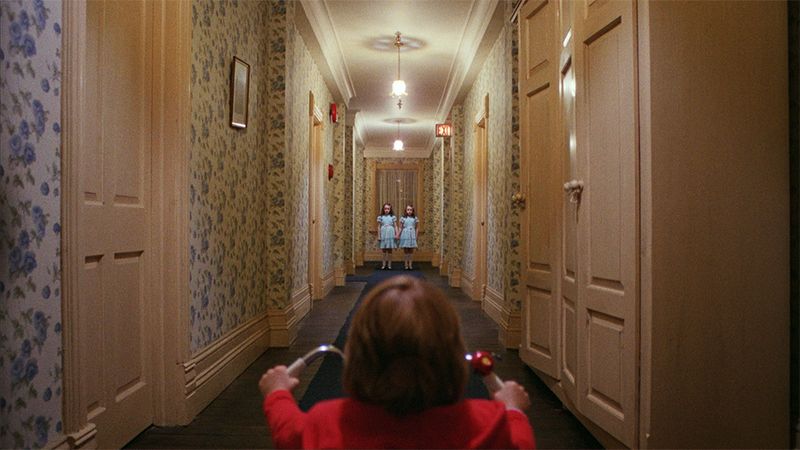
Stanley Kubrick’s masterpiece gets labeled a ghost story, but the haunting in The Shining is mostly internal. Jack Torrance doesn’t simply get possessed by a hotel.
He unravels because of isolation, alcoholism, and his own buried rage toward his family.
The supernatural elements might not even be real within the story. Kubrick deliberately leaves viewers uncertain.
That ambiguity is the whole point, forcing audiences to wrestle with questions about family, trauma, and what truly drives a person toward destruction.
4. American Psycho (2000)

Audiences focused on the graphic violence and missed the joke entirely. American Psycho is a pitch-black satire, and the joke is on the shallow, self-obsessed Wall Street culture of the 1980s.
Patrick Bateman is less a monster and more a mirror held up to corporate greed.
Director Mary Harron even hints that Bateman’s murders might exist only in his head. His colleagues are so absorbed in status games they barely notice him.
The real horror is the emptiness underneath all that wealth.
5. The Godfather (1972)
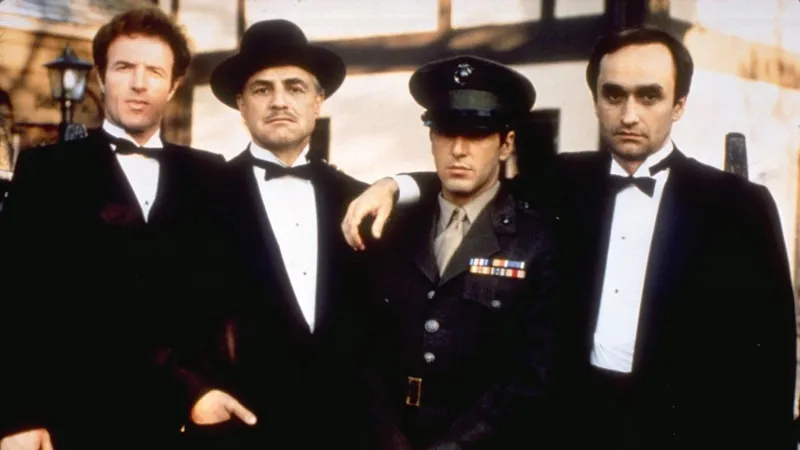
Generations of viewers have romanticized the Corleone family, quoting lines and idolizing Don Vito. Francis Ford Coppola never intended that reaction.
The Godfather is a tragedy disguised as an epic, showing how the pursuit of power poisons everything it touches.
Michael Corleone begins as an idealistic war hero who wants nothing to do with crime. By the end, he has become exactly what he feared.
The film is a warning about moral compromise, not a celebration of organized crime.
6. Forrest Gump (1994)
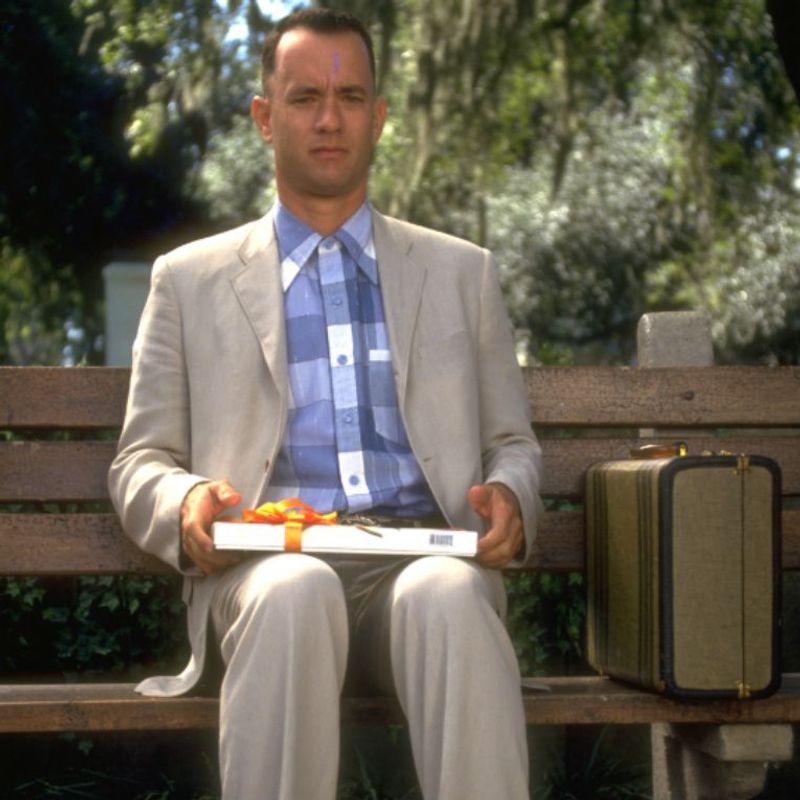
Everybody loves Forrest Gump, but audiences often walk away thinking the movie celebrates ignorance or that life is simply random luck. The film is actually exploring something subtler about authenticity versus ambition.
Forrest succeeds not because he is lucky but because he acts with complete sincerity, never chasing status or approval. Meanwhile, Jenny, who is far more aware of the world, suffers deeply.
The contrast suggests that overthinking and chasing meaning can be just as destructive as anything else.
7. Scarface (1983)
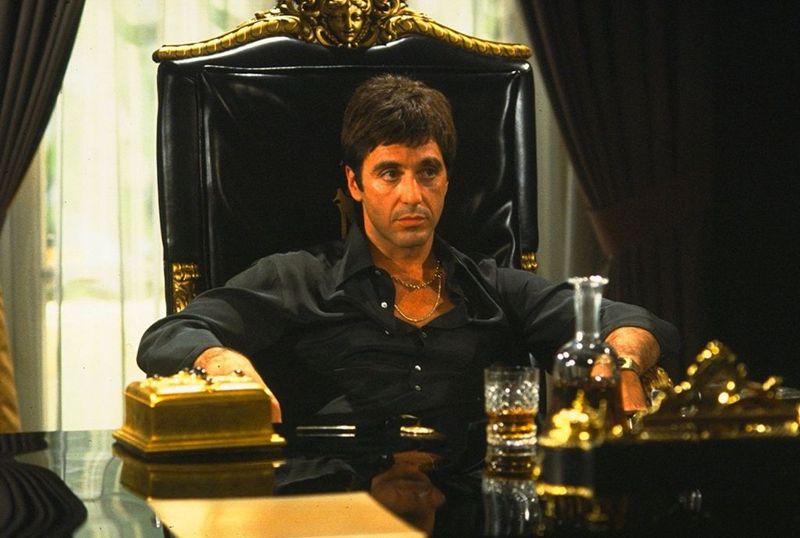
Tony Montana became a pop culture icon, his face plastered on bedroom walls and streetwear. Brian De Palma and writer Oliver Stone never expected that.
Scarface was designed as a cautionary tale, not a lifestyle guide.
Tony’s rise is thrilling, but his fall is the actual point of the movie. Every excess, every betrayal, every act of paranoia brings him closer to ruin.
The film essentially screams that greed destroys everything, and audiences somehow turned that into a brand.
8. A Clockwork Orange (1971)
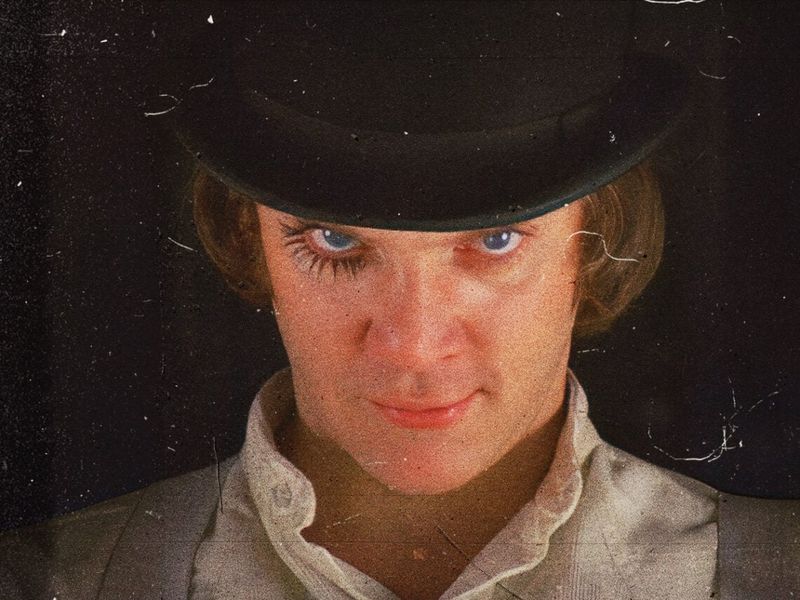
Stanley Kubrick’s controversial film was banned in several countries after people assumed it glorified violence. That reaction proved the movie’s own point.
A Clockwork Orange is fundamentally about free will and the danger of governments controlling human behavior through force.
Alex is genuinely terrible, but his forced rehabilitation is shown as equally monstrous. Kubrick argues that a society that removes choice, even the choice to do evil, is no longer truly free.
That uncomfortable idea is what the film is really about.
9. Taxi Driver (1976)
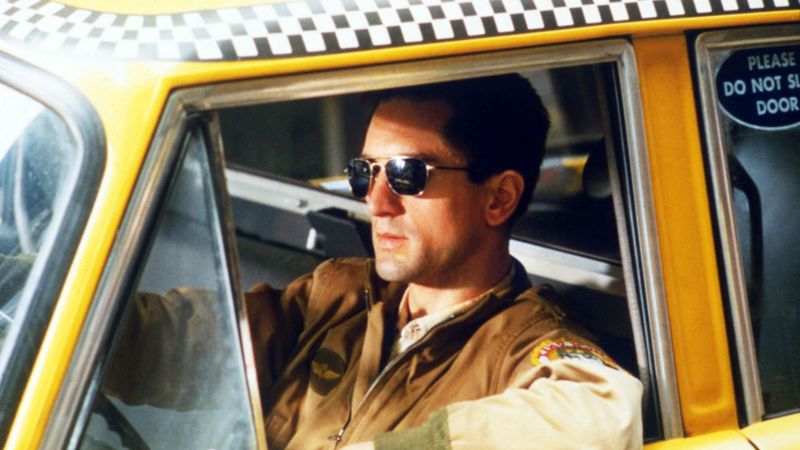
Travis Bickle became a symbol of the lone vigilante hero for many viewers, which is genuinely alarming given what the film actually does. Martin Scorsese and writer Paul Schrader built Travis as an unreliable, mentally unstable narrator who is not meant to be admired.
His worldview is warped, his actions are dangerous, and his perceived heroism at the end is deeply ironic. The film is a portrait of urban alienation and delusion, not a blueprint for taking justice into your own hands.
10. Requiem for a Dream (2000)

Many viewers found Requiem for a Dream so disturbing they never want to watch it again, which is exactly the response Darren Aronofsky was going for. Some dismissed it as torture porn or shock cinema.
That label completely misses the film’s emotional depth.
Each character’s addiction is tied to a desperate hunger for love, purpose, or recognition. The drugs are almost secondary to the loneliness underneath.
Aronofsky made a heartbreaking film about how dreams can destroy people when reality offers no real hope.
11. 2001: A Space Odyssey (1968)
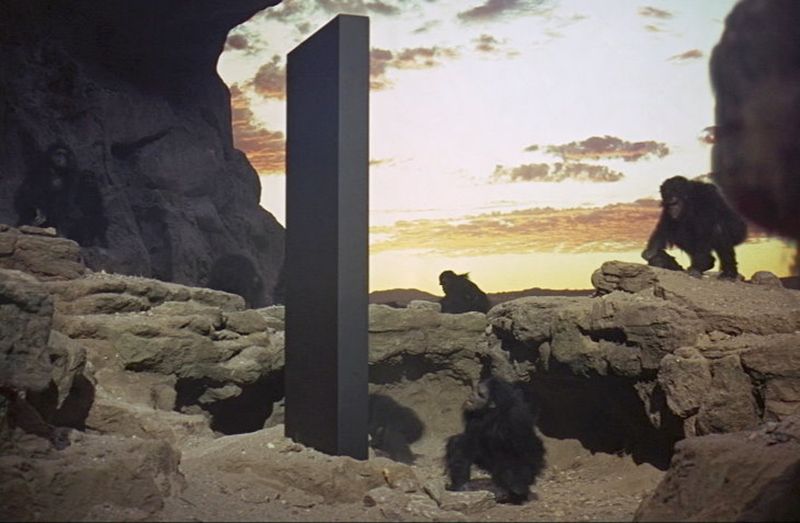
Audiences in 1968 were baffled, and honestly, many still are. Kubrick’s 2001 gets written off as slow, confusing, or pretentious, but it might be cinema’s most ambitious meditation on human evolution and our relationship with technology.
The film asks whether humans are truly in control of the tools they create or whether those tools eventually shape us. HAL 9000 isn’t just a scary computer.
He represents humanity’s fear of being replaced by its own inventions. That question feels more relevant today than ever.
12. Joker (2019)
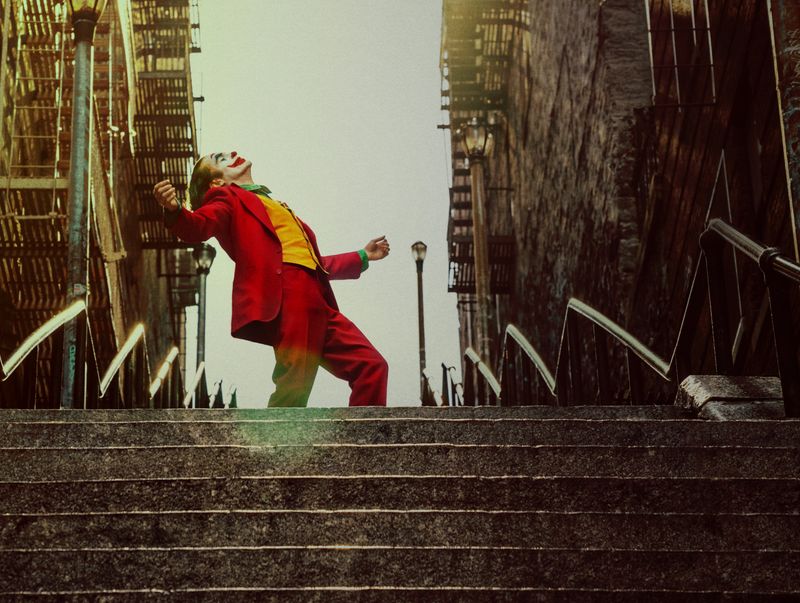
When Joker released, debates erupted about whether it was glorifying violence or inspiring dangerous people. Those conversations largely ignored what director Todd Phillips actually put on screen.
Arthur Fleck’s story is a portrait of systemic failure, not a celebration of chaos.
Society repeatedly ignores, mocks, and abandons Arthur at every turn. His transformation is presented as a tragedy, not a triumph.
The film forces uncomfortable questions about what happens when communities fail their most vulnerable members. Cheering for the Joker means you missed the warning.
13. Blade Runner (1982)

Most people remember Blade Runner for its stunning visuals and noir atmosphere. The deeper question the film poses gets overlooked almost every time.
Ridley Scott built the entire story around one haunting idea: what actually makes someone human?
Replicant Roy Batty delivers one of cinema’s greatest speeches about memory and mortality. The irony is that he shows more humanity in that moment than most of the actual humans in the film.
Blade Runner is a philosophical puzzle wrapped inside a sci-fi thriller.
14. Parasite (2019)

Bong Joon-ho’s Parasite won the Oscar for Best Picture, and plenty of viewers celebrated it as a clever thriller about a con artist family. That reading is accurate but surface-level.
The film is a precise, surgical examination of class inequality and how economic systems trap people.
Neither family is purely villainous. Both are products of a world where survival requires stepping on someone else.
Bong uses dark humor to make the discomfort easier to swallow, but the underlying message about wealth and desperation is razor-sharp.
15. Wall-E (2008)
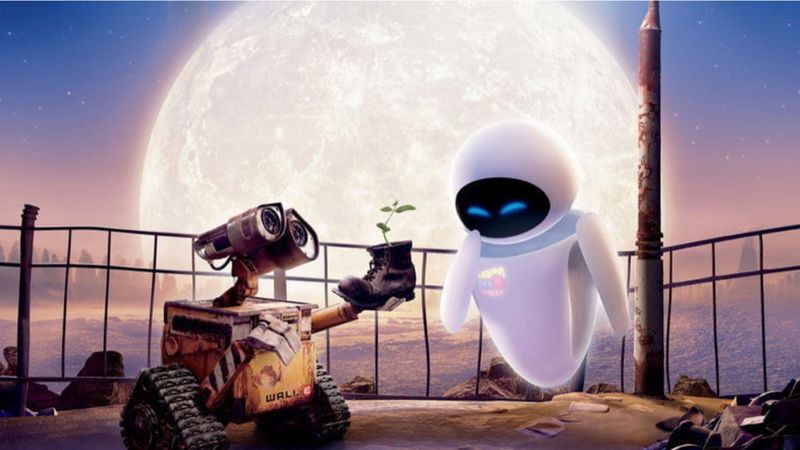
Kids adored Wall-E for the cute robot love story, and parents appreciated the charming animation. Pixar, however, packed something much bolder into that family-friendly package.
The film is one of the most pointed critiques of consumerism and environmental destruction ever made for children.
Humanity in Wall-E has become so dependent on screens and convenience that people can no longer even walk. The film predicted smartphone culture years before it fully arrived.
Calling it just a kids’ movie significantly undersells what Pixar was trying to say.