
Scottish cooking brings warmth to the table with hearty soups, rich pies, buttery treats, and fresh seafood. Many favorite recipes grew from making good use of local crops, fish, and meat.
They tell stories of family meals, fishing towns, and celebrations that still matter today. Whether you crave something savory or sweet, Scotland has plenty of memorable flavors to offer.
1. Haggis: Scotland’s Famous Celebration Dish
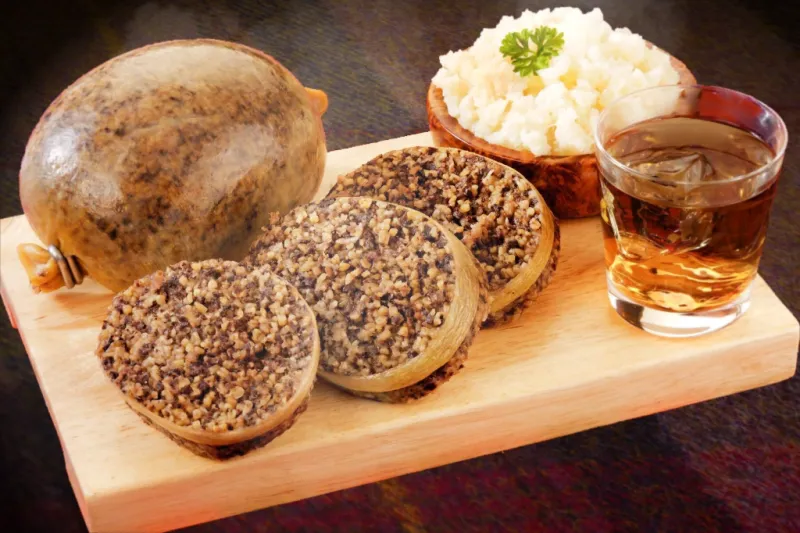
A Burns Night supper would feel incomplete without Scotland’s famous savory pudding. Made with sheep’s offal, oatmeal, onion, fat, and spices, haggis turns humble ingredients into a rich, peppery meal.
Its history reflects a practical habit of wasting very little.
Try it with mashed swede and potatoes to balance the bold seasoning. If the traditional ingredients feel unfamiliar, start with a small serving, or choose a vegetarian version made with pulses, vegetables, oats, and warming spices.
2. Neeps and Tatties: A Humble, Happy Pair
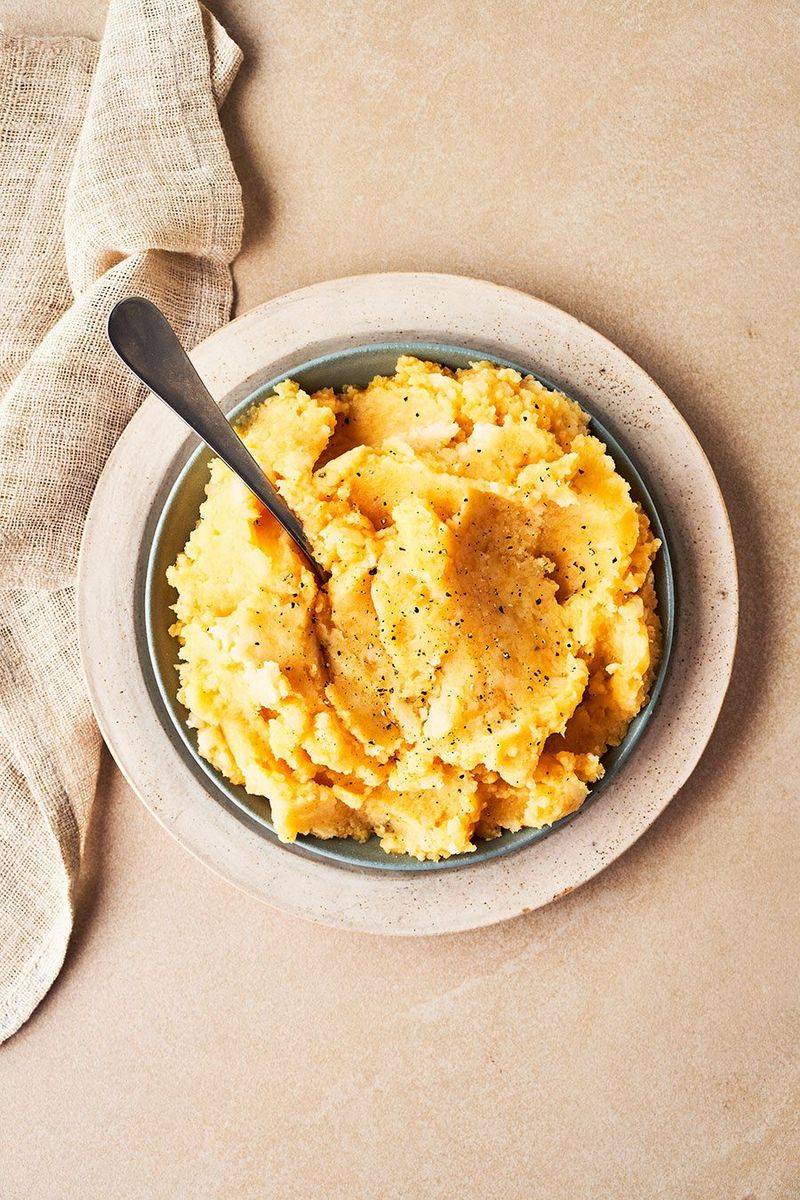
Two simple vegetables can make a surprisingly cheerful plate. Neeps usually means swede, also called rutabaga, while tatties means potatoes.
Cooked and mashed separately, they offer a lovely contrast between earthy sweetness and soft, creamy comfort.
Serve them beside haggis, sausages, or roast meat. Drain both vegetables well before mashing so they stay fluffy rather than watery.
Butter, salt, and black pepper are usually enough, letting these everyday ingredients shine without any fuss at the table.
3. Porridge: A Warming Start to the Day
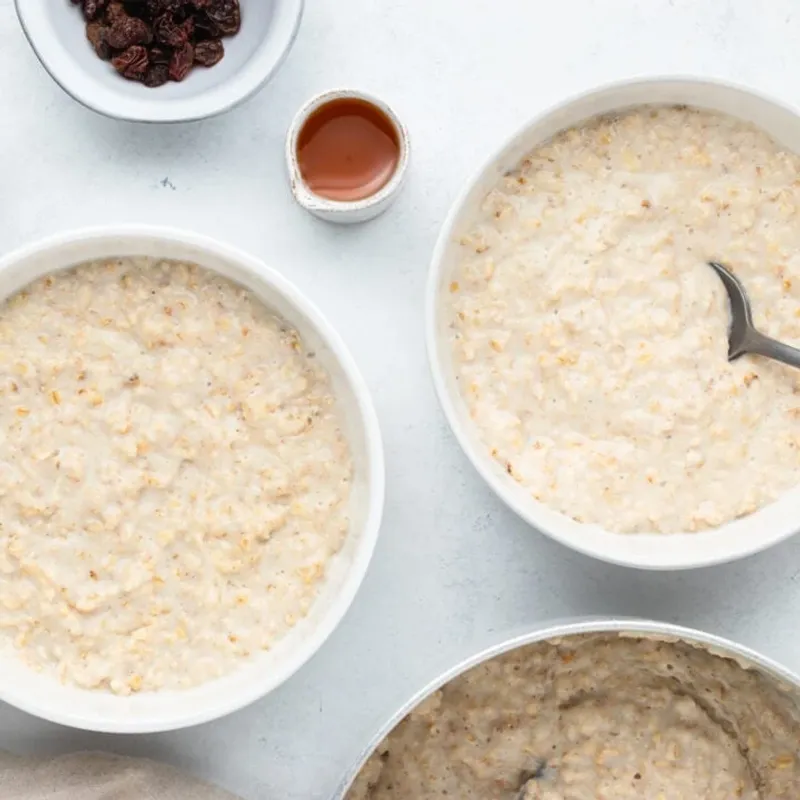
Cold mornings call for a bowl that warms you from the inside. Scottish porridge traditionally combines oats, water, and salt, proving that breakfast does not need many ingredients to satisfy.
Oats have long played an important role in Scotland’s everyday cooking.
Stir gently while cooking, and follow the timing for your chosen oats. Serve with milk on the side for a traditional touch.
Fruit or honey works too, though the plain version deserves a first taste.
4. Black Pudding: A Bold Breakfast Favorite
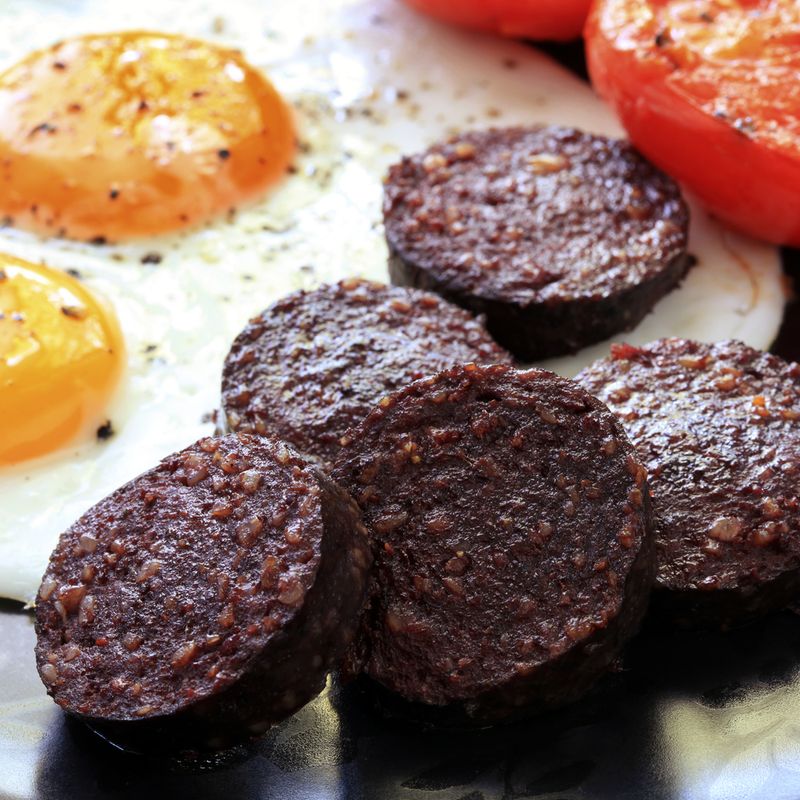
One crisp bite explains why black pudding has loyal fans. Known in Gaelic as marag dubh, this sausage combines blood, fat, cereal, and seasoning.
Scotland’s celebrated Stornoway version has protected geographical status, connecting its name to a particular island tradition.
Slice it thickly and fry according to the package instructions. The outside should brown while the middle stays tender.
Pair it with eggs for breakfast, or try a smaller portion beside scallops for a richer starter.
5. Shortbread: Buttery Bites for Sharing
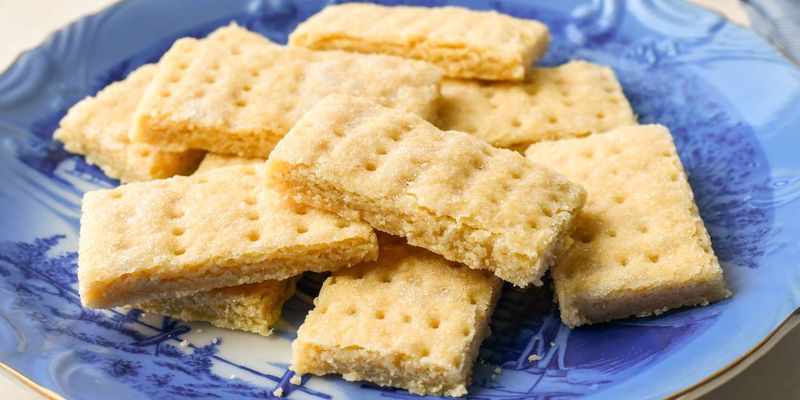
Butter does the talking in Scotland’s best known biscuit. Traditional shortbread uses flour, butter, and sugar, creating a crumbly texture that feels both simple and special.
It is closely linked with festive visits, especially around Hogmanay, Scotland’s New Year celebration.
For homemade batches, handle the dough lightly and avoid baking it too dark. A pale golden finish keeps the flavor delicate.
Offer fingers or wedges with tea, and store cooled pieces in an airtight tin afterward.
6. Forfar Bridie: Angus Comfort in Pastry
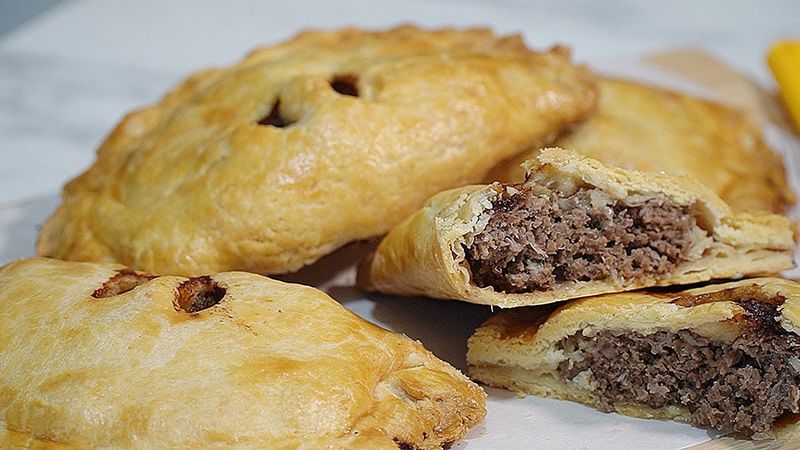
A bakery stop in Forfar offers a tasty lesson in local pride. The bridie is a folded meat pastry associated with this Angus town, usually filled with minced beef and sometimes onion.
Its curved shape makes it easy to recognize.
Unlike some other savory pastries, a traditional bridie does not need potatoes in its filling. Enjoy one warm for lunch, with a little mustard if you like.
Ask whether onions are included when choosing your favorite.
7. Cullen Skink: Coastal Comfort by the Spoonful
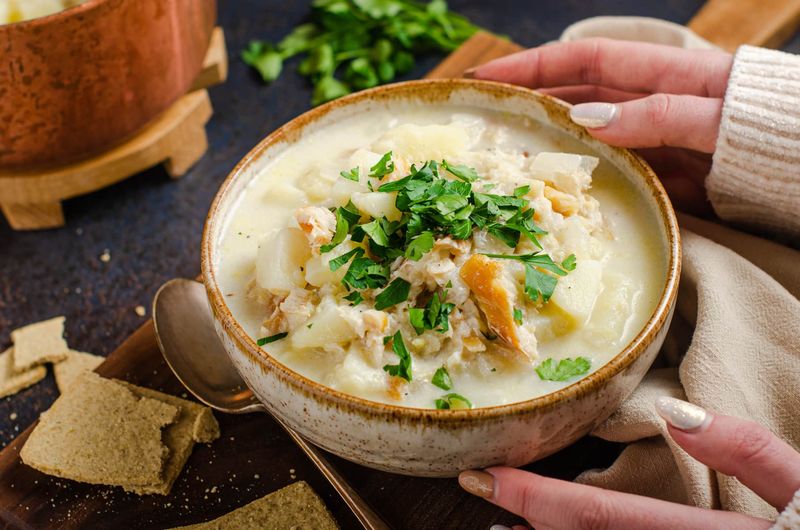
Smoke, creaminess, and tender potatoes meet in a bowl from Scotland’s northeast coast. Named after Cullen in Moray, this hearty soup brings together smoked haddock, onion, potatoes, and milk, sometimes enriched with cream.
Its flavor is rich without needing many extras.
Use good smoked fish, and check carefully for bones before serving. Taste before adding salt because the haddock already supplies plenty.
Crusty bread turns a generous bowl into a satisfying lunch on a chilly afternoon.
8. Scottish Tablet: Small Squares, Big Sweetness
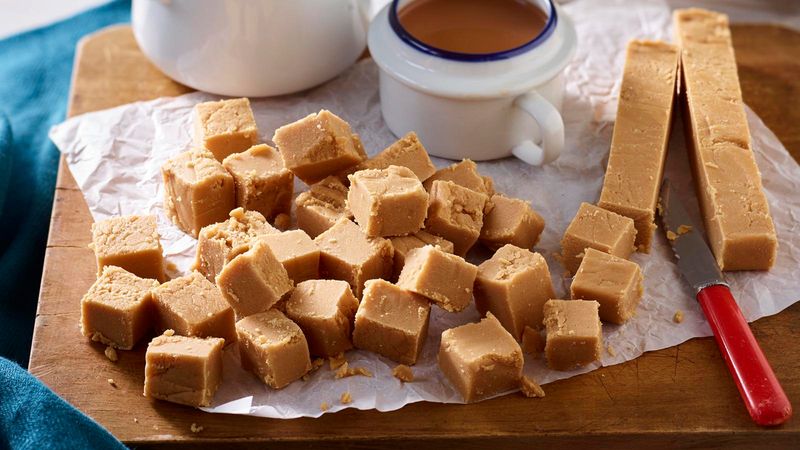
Expect a sweet surprise if you mistake tablet for soft fudge. Scotland’s beloved sugar treat is firmer and grainier, with a buttery flavor that melts away as you eat.
Modern recipes commonly combine sugar, butter, and condensed milk.
Small squares are plenty alongside tea or coffee. Making tablet requires careful heating and beating, so follow a reliable recipe and keep children away from hot sugar.
Wrapped pieces also make thoughtful gifts for celebrations or friendly visits.
9. Mince and Tatties: An Everyday Family Favorite
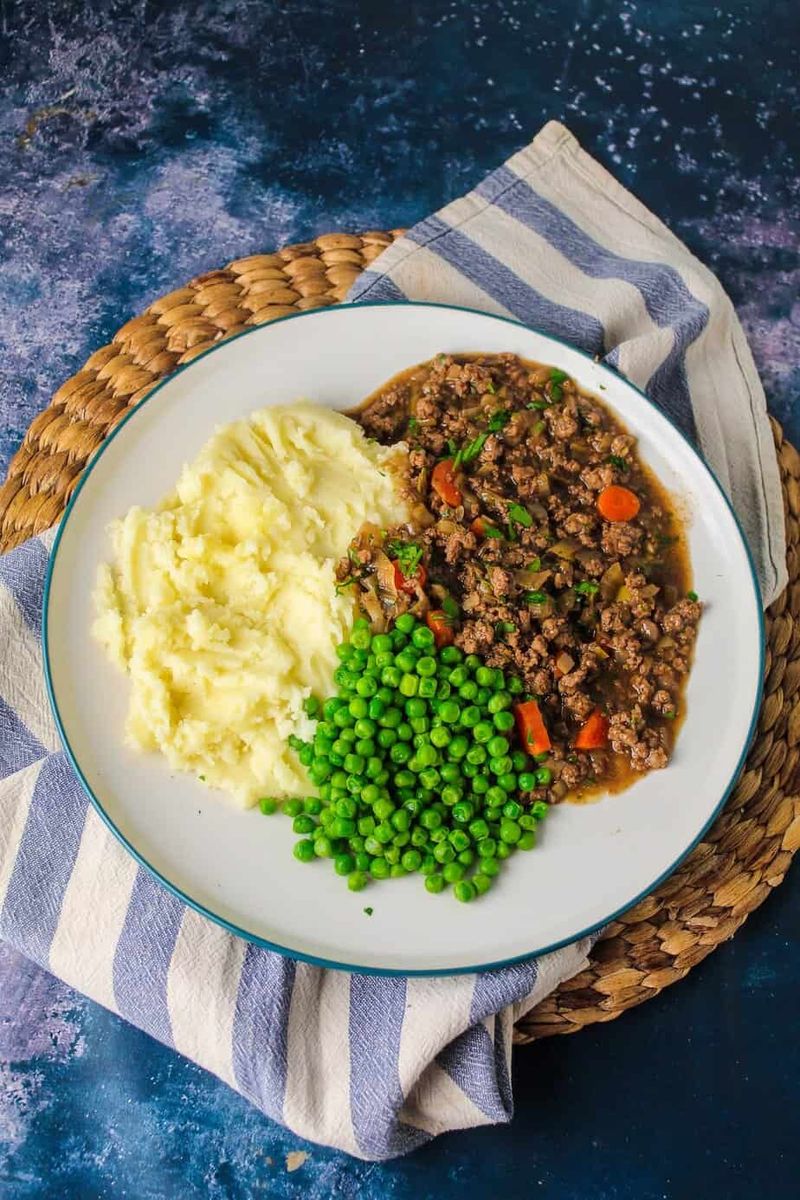
For many Scottish families, a plate of beef and mash tastes like home. Mince and tatties pairs minced beef in savory gravy with mashed potatoes, often adding onions and carrots.
Nothing fancy is needed to make this meal feel welcoming.
Brown the beef before adding stock for a deeper flavor. Let the gravy simmer until the vegetables soften, then adjust its thickness to suit you.
Peas on the side add color and a little extra sweetness.
10. Scotch Broth: A Bowl Built to Satisfy
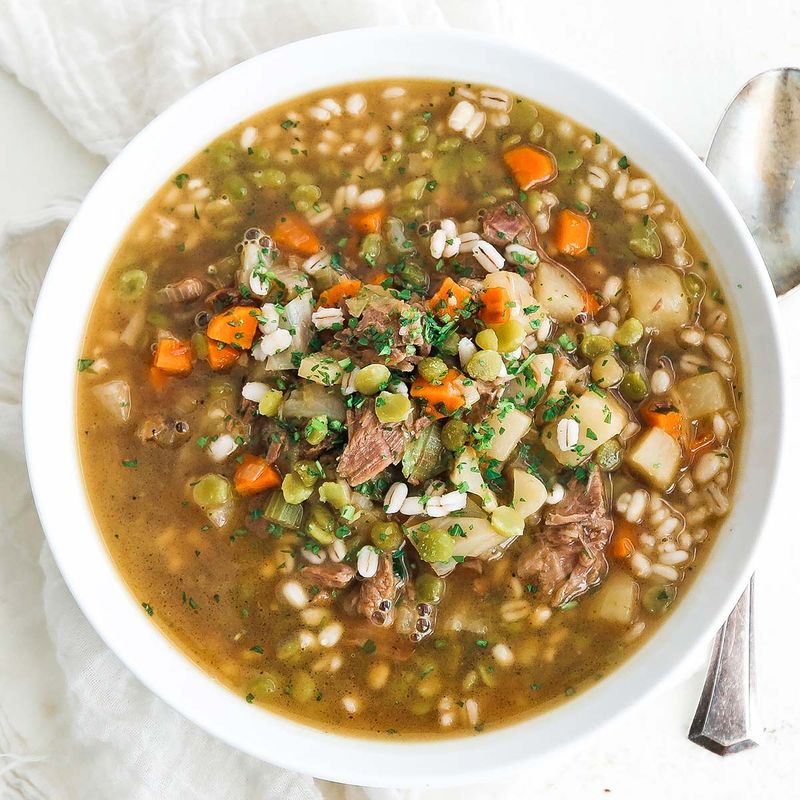
Barley gives this sturdy soup its gentle chew and lasting appeal. Scotch broth traditionally combines lamb or mutton with root vegetables, leeks, and barley.
The mixture reflects farm cooking, where available ingredients were stretched into meals that could feed a household.
Give the grains enough time to soften, and skim excess fat if needed. Leftovers often thicken overnight as the barley absorbs liquid.
Add a splash of water or stock when reheating to loosen each serving.
11. Cock-a-Leekie Soup: A Savory Bowl with a Twist
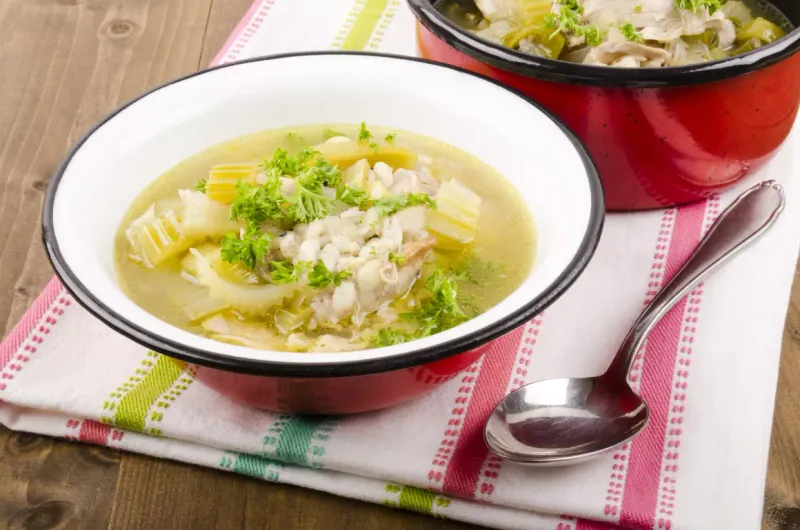
Prunes in chicken soup might sound surprising, but they have a place in this Scottish classic. Chicken and leeks form the heart of cock-a-leekie, while some versions include rice or barley.
The dried fruit adds a mild sweetness rather than turning the broth sugary.
Wash leeks carefully, since soil can hide between their layers. Keep the chicken tender with gentle cooking.
If you are unsure about prunes, add just a few and taste before adding more.
12. Stovies: Yesterday’s Roast, Today’s Comfort
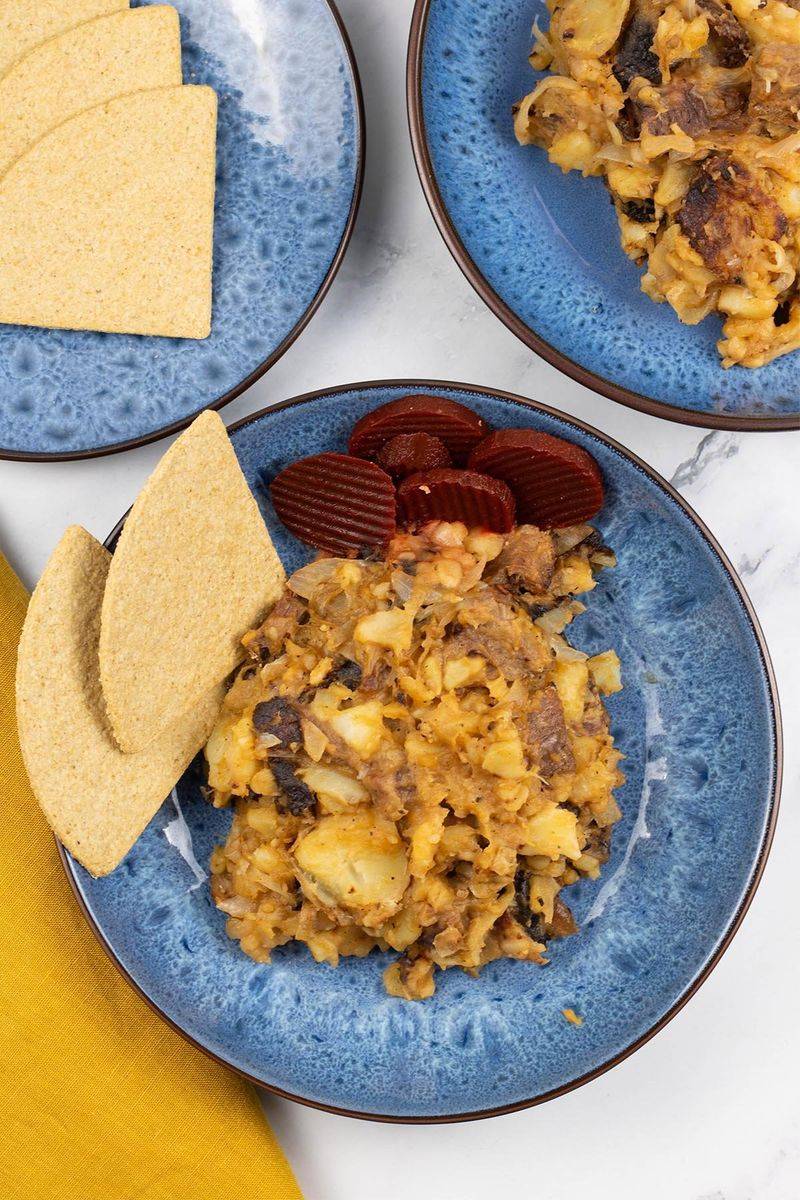
Leftover roast meat gets a welcome second chance in this thrifty favorite. Stovies cooks potatoes and onions slowly with fat, stock, or gravy, often including beef or lamb.
Family versions vary, which is part of the dish’s down to earth charm.
Keep the heat low so the potatoes soften and soak up flavor without burning. Some pieces may break apart, making the mixture pleasantly thick.
Serve with oatcakes or beetroot for contrasting texture and brightness alongside.
13. Scotch Pie: A Sturdy Snack with Peppery Punch
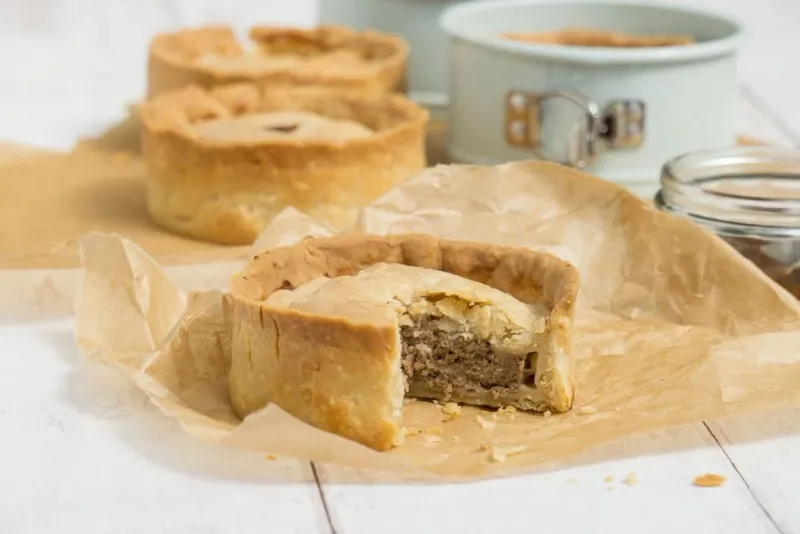
Football crowds and bakery customers share a fondness for this compact meat pie. A Scotch pie has a sturdy hot water pastry shell, traditionally filled with seasoned minced mutton, though other meats are common today.
Its peppery filling packs plenty of character.
The raised sides and recessed lid give it a distinctive look. Eat it warm, but let the filling cool slightly before biting.
For a fuller meal, serve with beans or potatoes and your preferred sauce.
14. Arbroath Smokie: A Proud Taste of the Coast
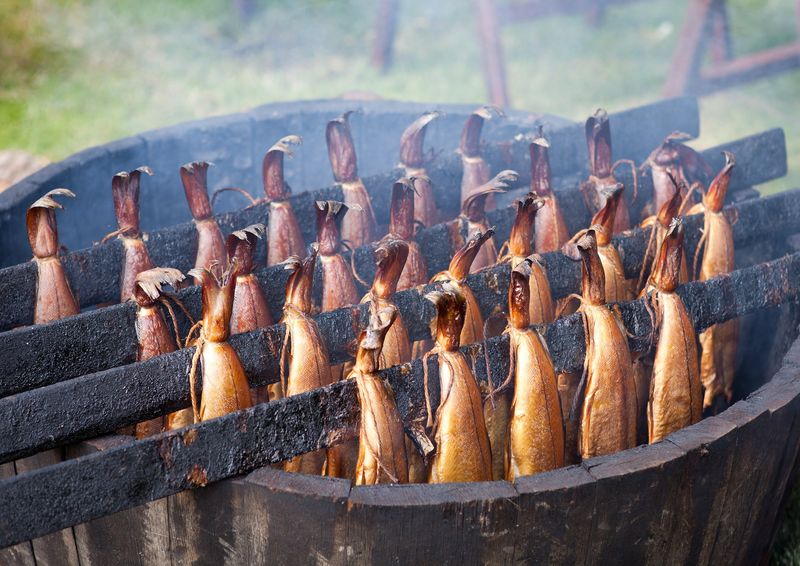
Wood smoke gives this coastal specialty a flavor you will remember. Arbroath smokies are haddock smoked using a traditional method linked to the Angus town of Arbroath.
Their protected geographical status helps preserve the connection between the fish and its local makers.
The flesh is tender, flaky, and already cooked by hot smoking. Warm it gently rather than drying it out with strong heat.
Remove the bones carefully, then enjoy with bread, butter, or simple potatoes.
15. Cranachan: A Bright Finish with Scottish Spirit
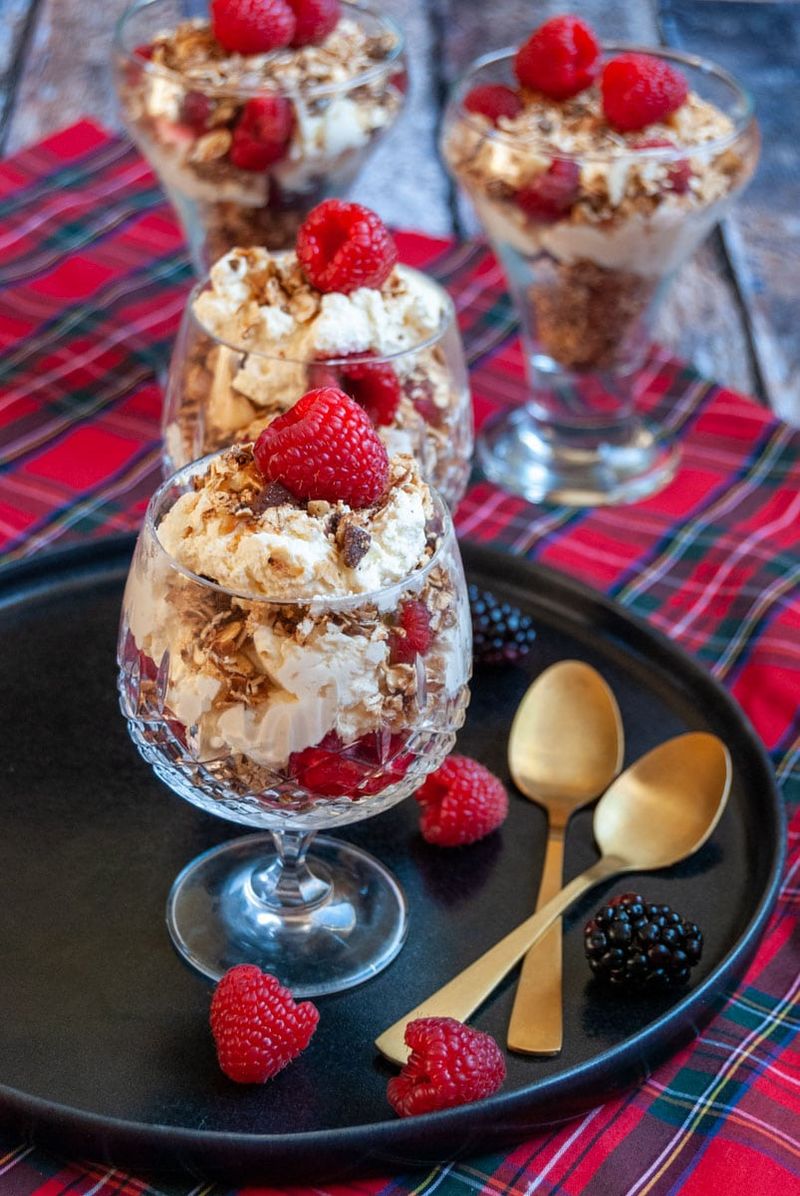
Summer raspberries bring a cheerful finish to a hearty Scottish meal. Cranachan combines whipped cream, toasted oatmeal, honey, berries, and a little Scotch whisky.
The mix balances soft cream with crunchy oats and fruit that tastes fresh rather than heavy.
Toast the oats carefully and let them cool before folding them into the cream. Assemble close to serving so their texture stays lively.
Leave out the whisky for children or anyone who prefers dessert without alcohol.