
The 1960s were a wild, fascinating time that shaped the world we live in today. From the way families were structured to how people got around without GPS, life looked very different back then.
Some of these facts might make you laugh, some might shock you, and a few might even make you grateful for the world you grew up in. Buckle up, because these 18 surprises from the ’60s are about to blow your mind.
1. Being Single Was Considered Shameful
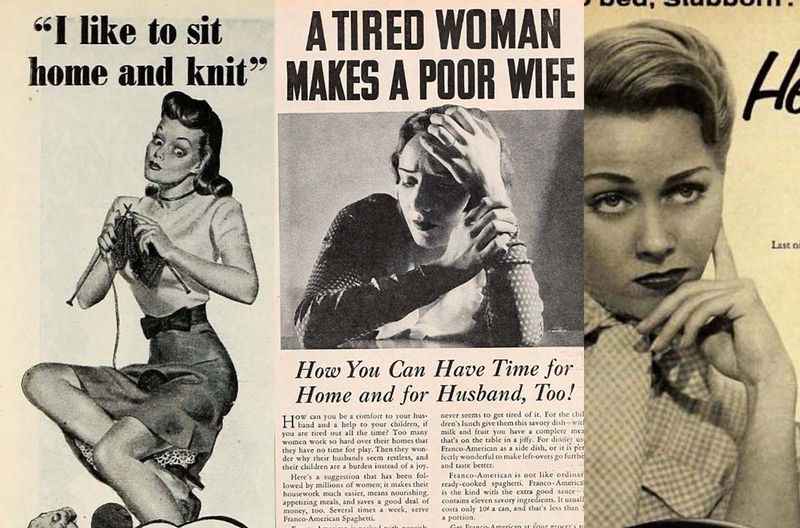
Back in 1960, staying single was not just unusual — it was considered a personal flaw. A national survey found that a whopping 80% of Americans viewed people who preferred to be single as “immoral,” “neurotic,” or even “sick.” That kind of judgment is hard to imagine today, when millions of people proudly choose solo living.
Society back then believed marriage was the only acceptable path for adults, especially women. Times have certainly changed for the better.
2. Far Fewer Adults Were Living Solo
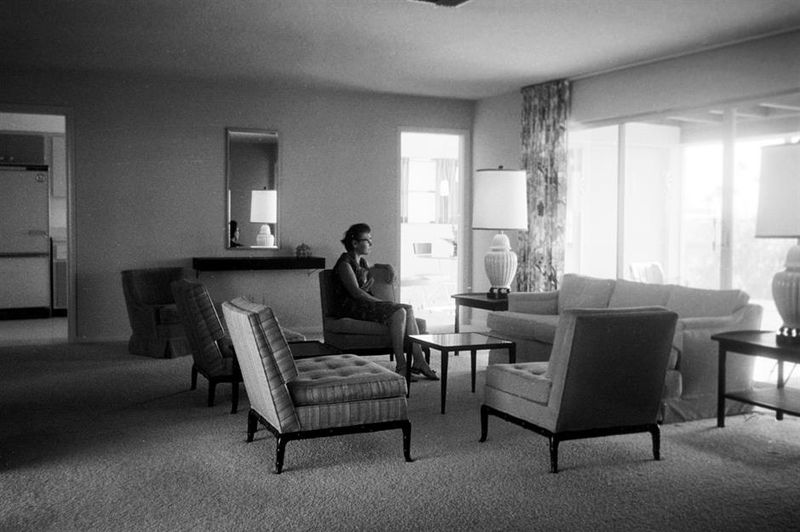
Only about 32 million adults in the U.S. were single in 1960 — that was just 28% of the adult population. Fast forward to 2013, and that number had exploded to 105 million, or 44% of all adults.
That shift is enormous and tells a big story about how American life evolved.
People today marry later, divorce more, and live alone more comfortably. The definition of a “normal” adult life has completely transformed over the decades.
3. The Birth Control Pill Was Practically Off-Limits
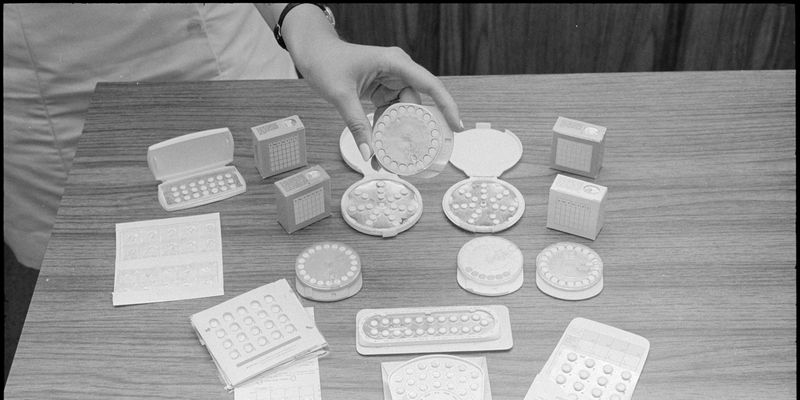
Hard to believe, but the birth control pill was not legally available to single women in all states until a Supreme Court ruling in 1972. When “The Pill” first arrived in 1960, it was only approved for married women — and even then, access was heavily restricted depending on where you lived.
That ruling changed reproductive freedom forever. Today, access to contraception is widely considered a basic healthcare right, making the ’60s restrictions feel like ancient history.
4. Most Women in Their 30s Had Never Earned a Degree
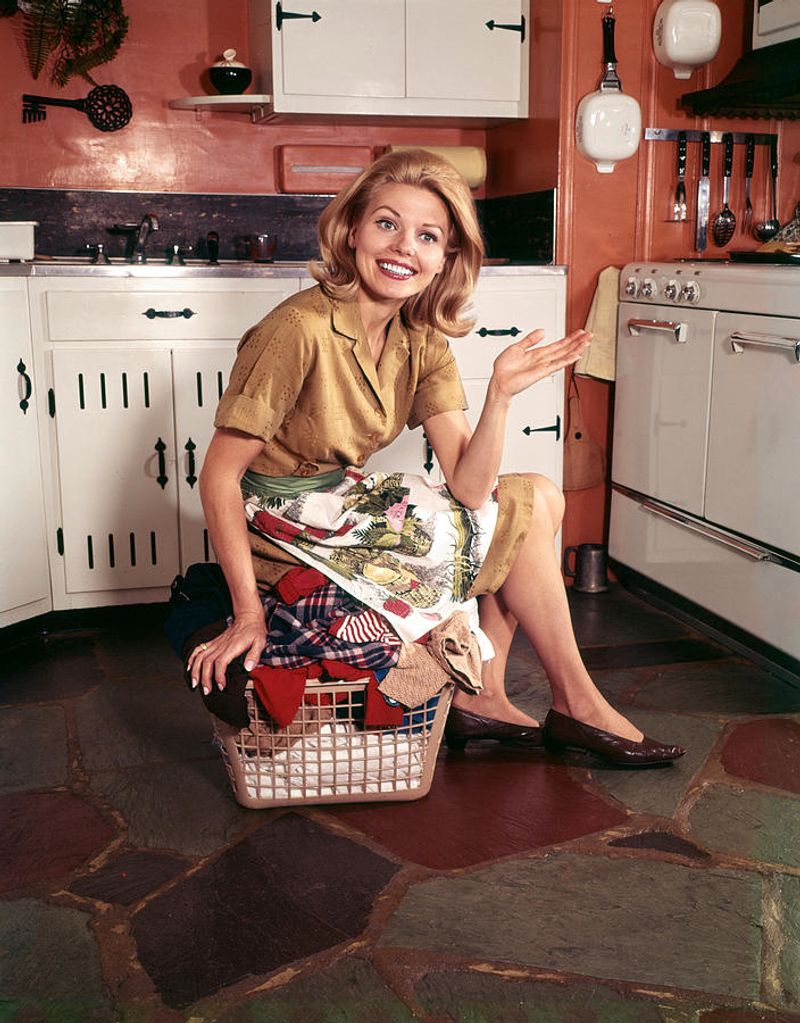
In 1960, nearly 80% of women in their early 30s had no college degree, were married, and already had children. Education for women was not a priority in mainstream American culture — homemaking was.
The idea of a woman building a career before starting a family was considered unusual or even selfish.
Today, women outnumber men on college campuses nationwide. That dramatic flip happened within just a few generations, making the ’60s feel like a completely different world.
5. Only 7% of Women Had a Bachelor’s Degree
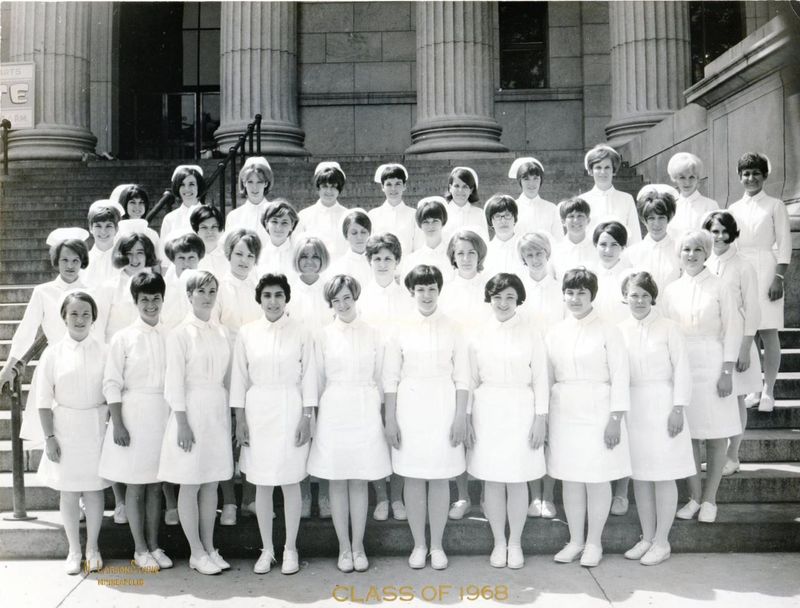
Just 7% of women aged 30 to 34 had earned a bachelor’s degree or higher in 1960. On top of that, only 30% of women in that age group were working outside the home at all.
Those numbers paint a picture of a society that simply did not invest in women’s professional futures.
Compare that to today, where women earn more college degrees than men. The transformation in educational opportunity over 60 years is nothing short of remarkable.
6. The “Traditional” Family Was Everywhere
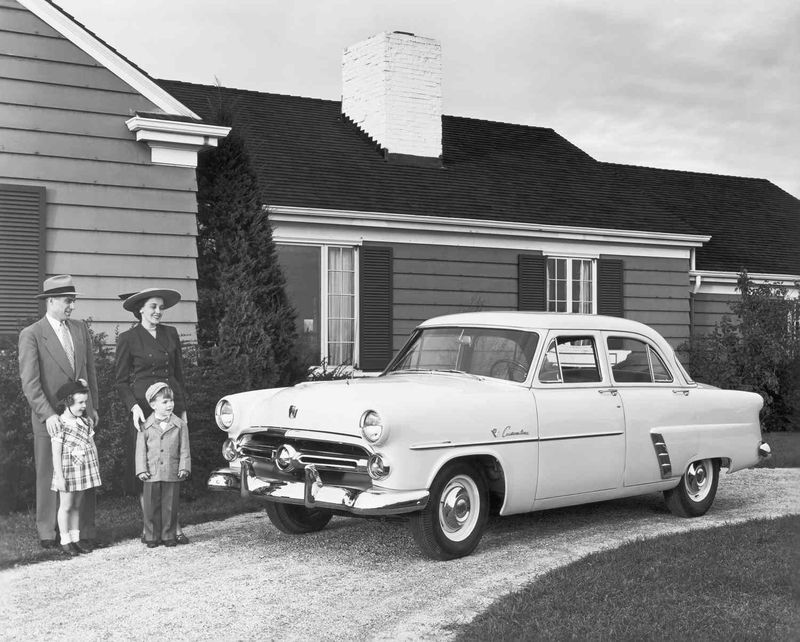
For every 100 children in 1960, 65 lived in a home where dad worked full-time and mom stayed home full-time. That “Leave It to Beaver” family setup was not just a TV fantasy — it was the dominant reality for most American households.
Dual-income families were the exception, not the rule.
Today, that model covers a much smaller slice of American families. Economic pressures and changing values have reshaped what family life actually looks like for most people.
7. Children Born to Unmarried Mothers Were Extremely Rare
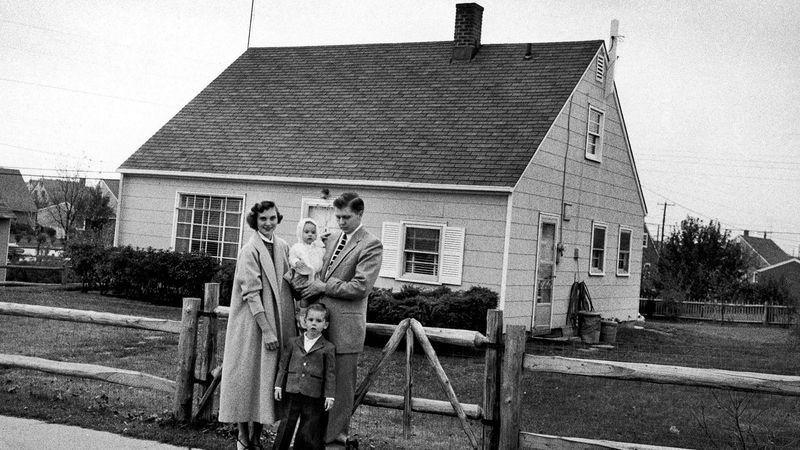
Here is a statistic that truly puts the ’60s in perspective: only 1 in every 350 children lived with a mother who had never been married. Unmarried parenthood carried enormous social stigma, and many single mothers faced serious judgment from their communities.
By contrast, today roughly 40% of births in the U.S. occur outside of marriage. Attitudes toward family structure have shifted dramatically, and the shame that once surrounded single motherhood has largely — though not entirely — faded away.
8. Zero Internet, Zero Wi-Fi, Zero Social Media
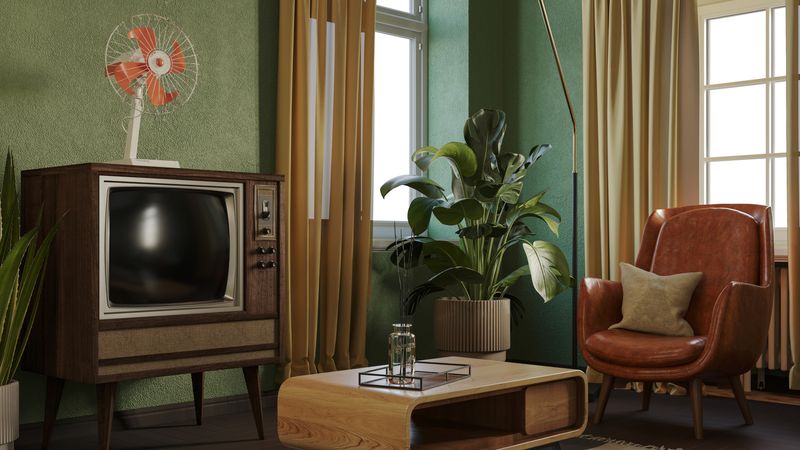
Imagine waking up tomorrow with no internet, no Wi-Fi, no email, and absolutely no social media. That was everyday life in the 1960s.
Staying in touch meant writing letters, making phone calls from a shared home phone, or simply showing up in person.
News traveled slowly, shopping meant going to actual stores, and if you missed a TV show, it was gone forever. The pace of life was radically different — quieter in some ways, but also far more disconnected from the wider world.
9. Getting Lost Was a Real Possibility Every Single Day
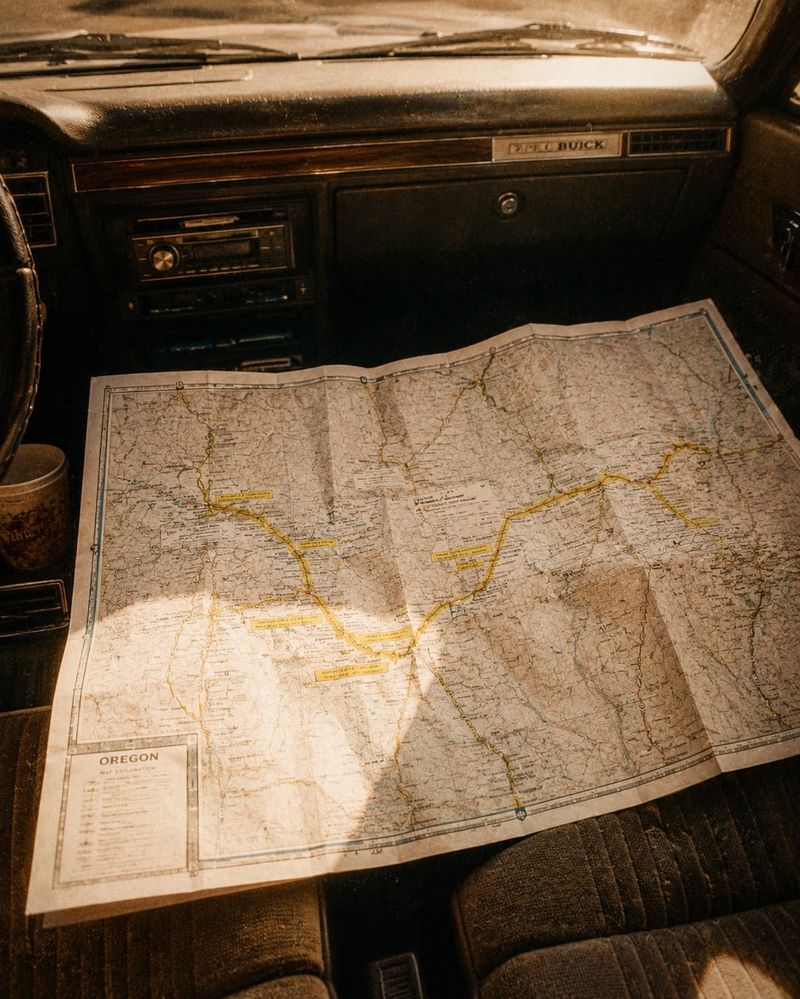
Before GPS, people navigated using paper maps — often free ones picked up at gas stations. A wrong turn on a road trip did not trigger a cheerful voice saying “recalculating.” It meant you were genuinely, sometimes hopelessly, lost.
Drivers had to read maps while driving, ask strangers for directions, or simply backtrack until something looked familiar. It sounds stressful, but many ’60s road trippers say those unplanned detours led to the best adventures.
Today’s generation may never fully appreciate the art of map-reading.
10. Television Was a Three-Channel Universe
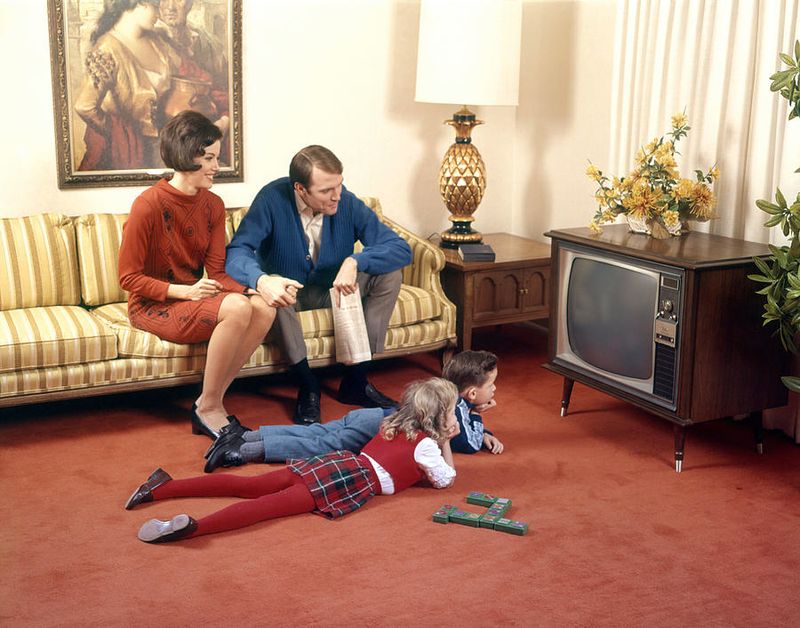
Streaming hundreds of shows on demand? Not even close to possible in the ’60s.
Most households had one boxy television that picked up three major broadcast networks — ABC, NBC, and CBS — using rabbit ear antennas. Color TV was a luxury that many families could not afford.
A 21-inch GE color TV cost $499 in 1965, roughly $4,800 in today’s money. Families gathered around whatever was on, and missing a show meant missing it forever.
No reruns, no replays, no pause button.
11. Everyday Prices Would Make Your Head Spin
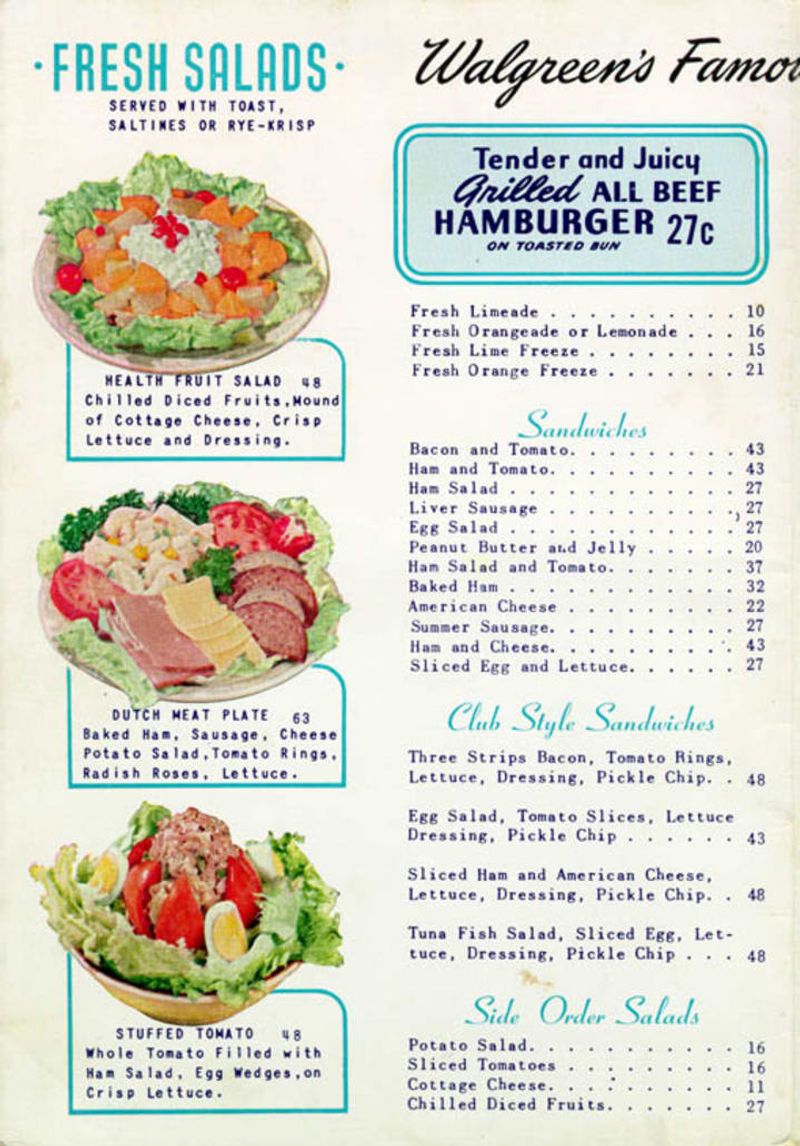
A hamburger for $0.21. A gallon of milk for $0.36.
A loaf of bread for $0.23. Those prices sound almost unbelievable today, but that was the reality of grocery shopping and eating out in the 1960s.
Of course, salaries were much lower too — but the sticker shock still hits hard.
Prices were low partly because of different production costs and economic conditions. Still, imagining paying less than a quarter for a burger at a diner makes today’s fast food prices feel genuinely outrageous.
12. Household Incomes Were a Fraction of Today’s Numbers
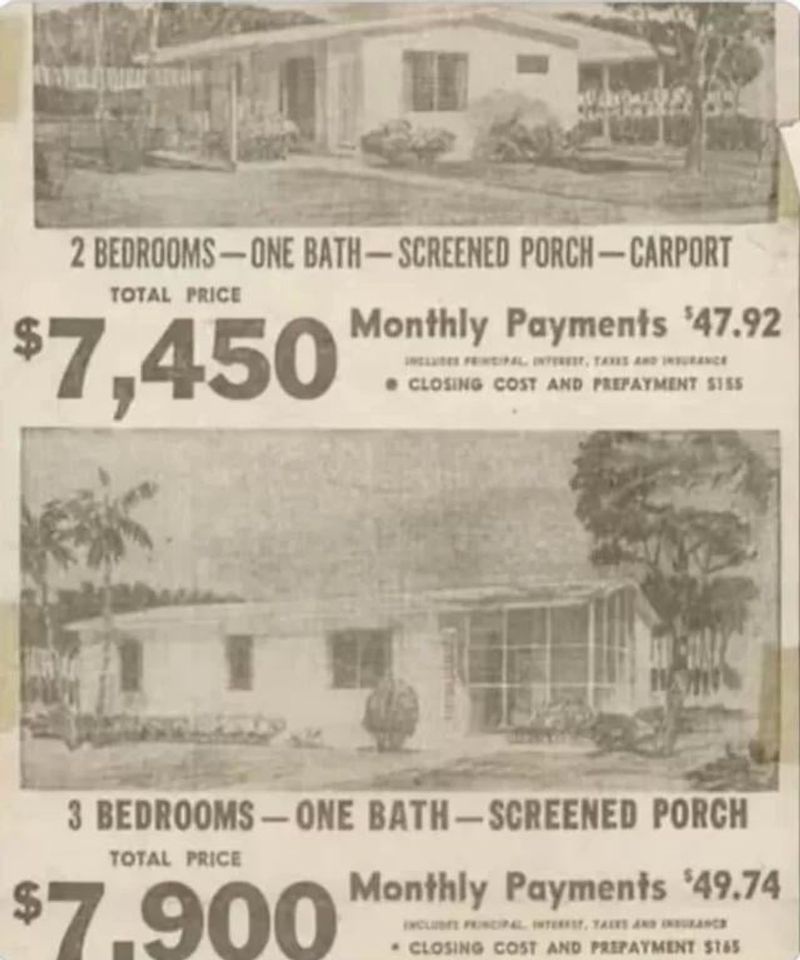
The average American household earned about $5,600 per year in 1960. Adjusted for inflation, that equals roughly $58,000 to $60,000 in today’s dollars — noticeably less than the 2023 median household income of around $106,000.
That gap reflects real growth in earning power over six decades.
However, costs for housing, healthcare, and education have also risen sharply. Whether families today are truly better off financially depends on where you live and what your biggest expenses are.
The comparison is more complicated than it first appears.
13. Cigarette Smoke Was Literally Everywhere
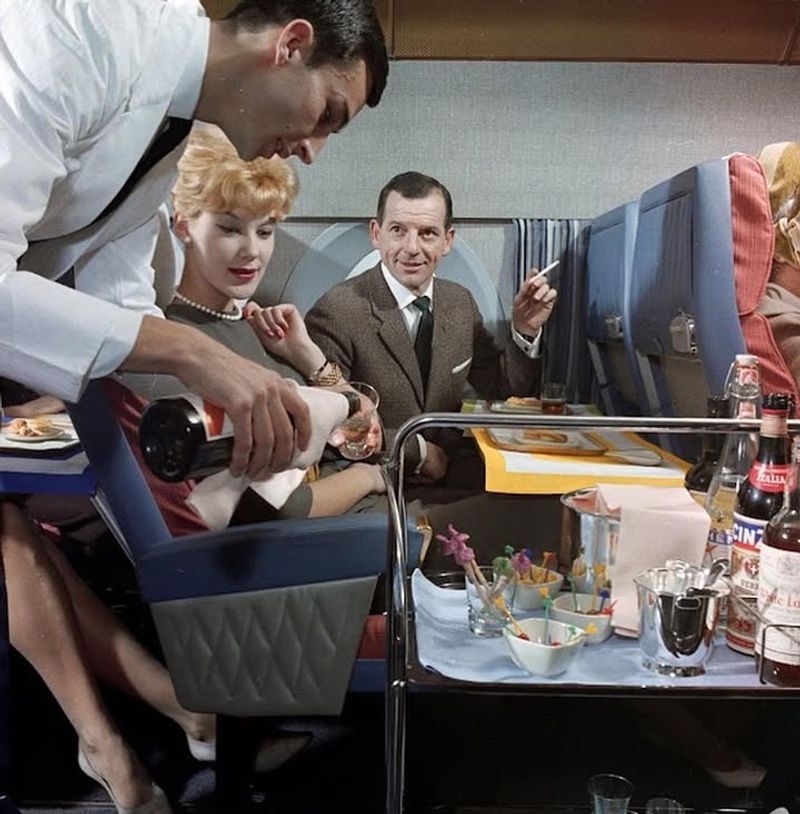
Offices, restaurants, movie theaters, airplanes, grocery stores — smoke was everywhere in the 1960s, and nobody batted an eye. Lighting up a cigarette in public was as normal as checking your phone is today.
Non-smokers simply had no choice but to breathe it all in.
There were no smoke-free sections, no outdoor smoking rules, and no warning labels on cigarette packs until 1965. The idea of banning indoor smoking would have seemed absolutely ridiculous to most Americans at the time.
14. Nearly Half of All Men Smoked Cigarettes
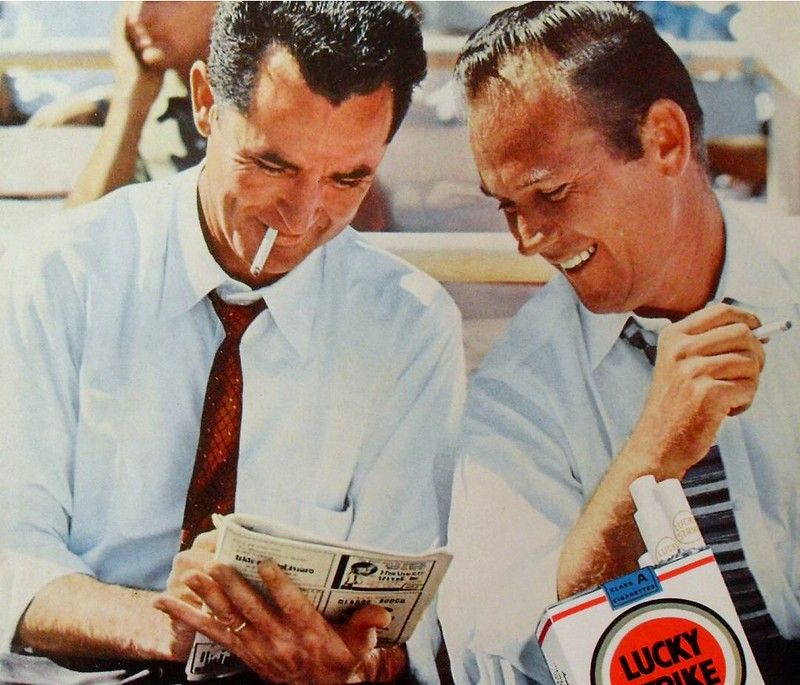
At its peak in 1965, 42% of American adults smoked — including an astonishing 52% of all men. Cigarettes were advertised on television, recommended by doctors in magazine ads, and handed out free to soldiers.
Smoking was not just accepted; it was practically expected of grown men.
Today, adult smoking rates have dropped below 12%. Decades of public health campaigns, tobacco taxes, and mounting medical evidence finally shifted the culture.
But for anyone living through the ’60s, a smoke-free world would have seemed like pure science fiction.
15. Homes Were Smaller and Much More Shared
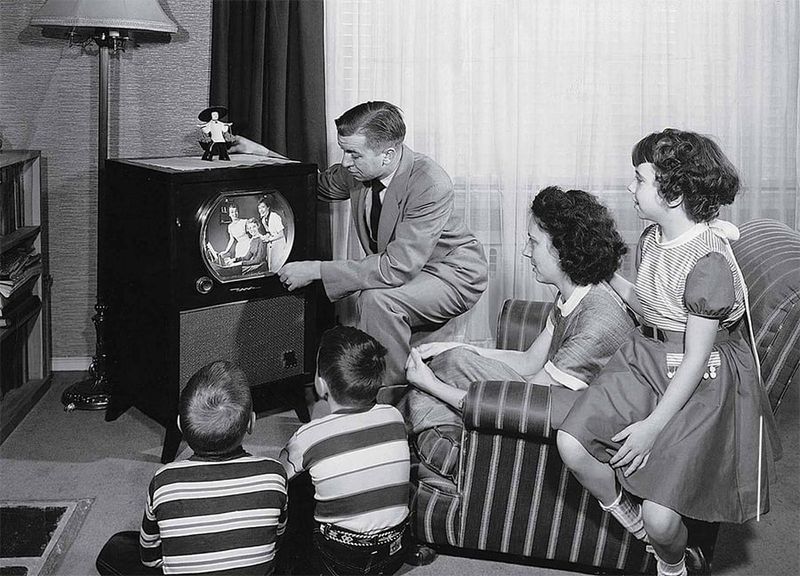
Forget multiple TVs in every room and a smartphone for each family member. In the 1960s, most families had one television — possibly still in black and white — and one telephone mounted on the kitchen wall.
Personal space and personal devices were not even concepts yet.
Houses were also physically smaller on average than today’s homes. Families of four or five shared tight spaces without thinking twice about it.
That closeness shaped family dynamics in ways that are hard to replicate in today’s larger, more tech-saturated households.
16. Fruits and Vegetables Only Showed Up in Season

Craving strawberries in December? Too bad — in the 1960s, you waited until summer.
Produce was almost entirely seasonal and locally grown, meaning the selection at your grocery store changed dramatically with the calendar. Eating a mango or avocado was a genuinely exotic experience for most Americans.
Today, global supply chains make nearly every fruit and vegetable available year-round. While that convenience is wonderful, it has also disconnected many people from understanding where food actually comes from and when it naturally grows.
17. Kids Played Outside All Day Without Anyone Worrying
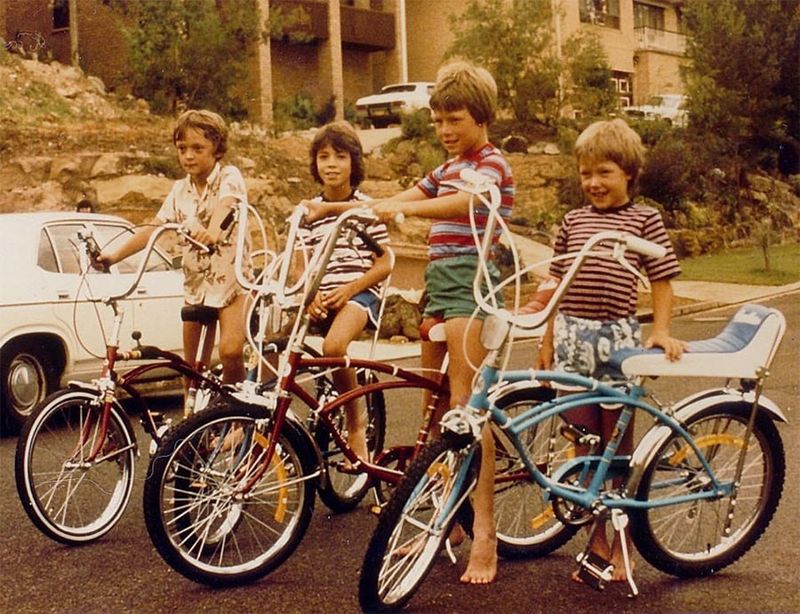
Children in the ’60s roamed freely — riding bikes across town, playing in parks, and staying out well past dark without parents tracking their every move. There were no cell phones to check in with, and helicopter parenting had not been invented yet.
Kids were expected to figure things out on their own.
That sense of community trust and outdoor freedom shaped an entire generation. Many adults who grew up then describe those unstructured hours outside as the best part of their childhood, something today’s kids rarely experience in quite the same way.
18. Youth Culture Exploded and Changed Everything
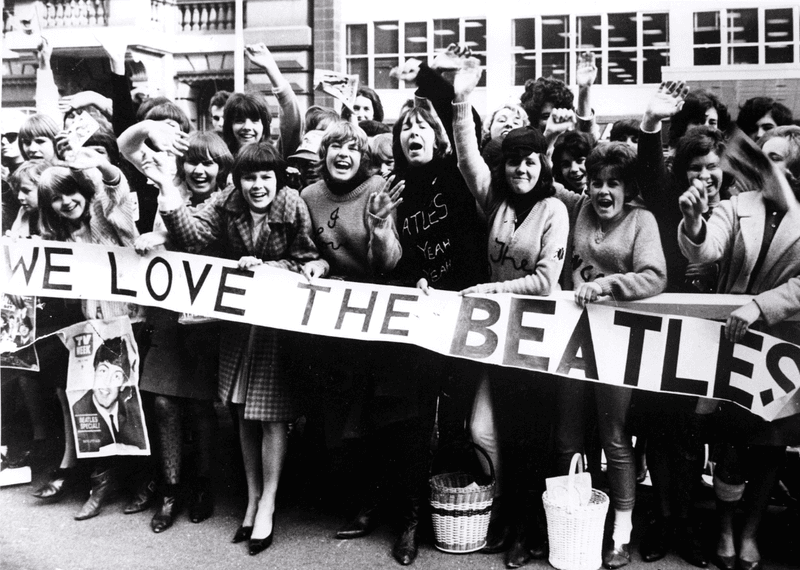
Rock and roll, miniskirts, psychedelics, and massive street protests — the 1960s did not just witness the birth of youth culture, they were practically detonated by it. Young people pushed back hard against the conservative values of their parents, and the shockwaves are still felt today in music, fashion, and politics.
Bands like The Beatles and The Rolling Stones became cultural forces. College campuses became hotbeds of activism.
The decade proved that young people, when fired up, can genuinely reshape society from the ground up.