
A great film performance can start long before the cameras roll. Some actors learn new skills, change their daily lives, or spend months studying the people they play.
Their preparation can help make a character feel real, though some methods carry serious risks. From mastering a laugh to driving a real taxi, these stories reveal the work behind memorable screen roles.
1. Joaquin Phoenix Built Arthur Fleck From the Inside Out

That chilling laugh did not happen by accident. For Joker, Joaquin Phoenix studied videos of people with uncontrollable laughter and tested different versions with director Todd Phillips.
He also explored Arthur Fleck through dance, posture, and a major weight change overseen by a doctor. Watch how his shoulders, steps, and sudden movements tell a story before he speaks.
The performance shows how carefully chosen physical details can reveal a character’s fear, loneliness, and growing anger.
2. Charlize Theron Looked Beyond the Makeup in Monster
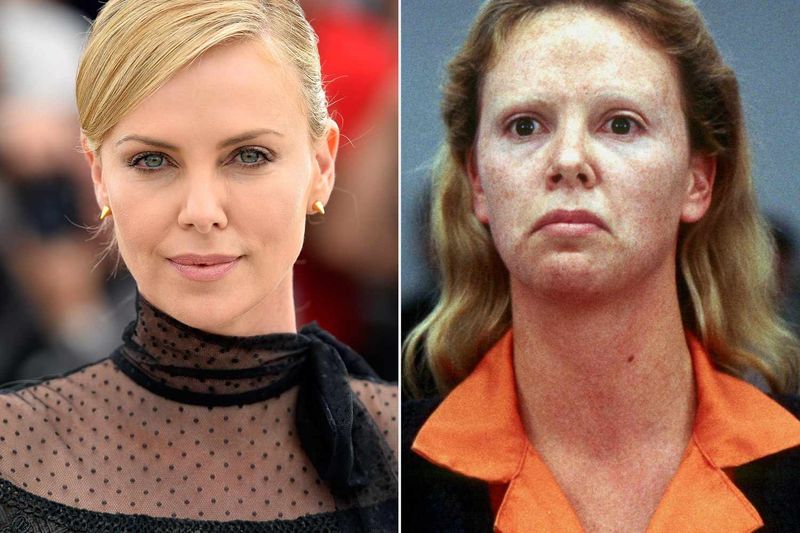
Behind the striking makeup was a performance built on close observation. Charlize Theron gained about 30 pounds and used dental prosthetics to portray Aileen Wuornos in Monster.
Her preparation also focused on Wuornos’s speech, posture, and restless energy, rather than appearance alone. Notice how she changes the way she holds her mouth and carries her body.
Those choices help explain why a transformation needs more than a convincing costume to become a fully realized character.
3. Heath Ledger Turned a Notebook Into the Joker’s Playground
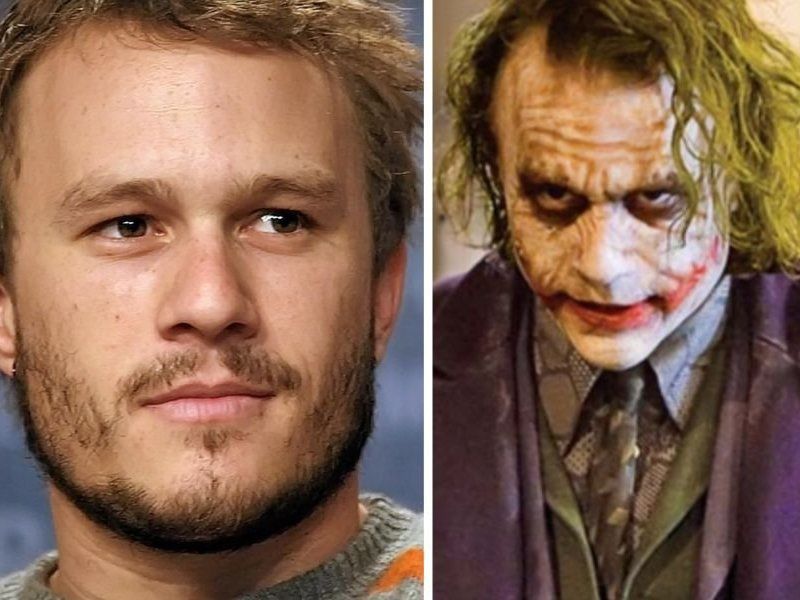
A hotel room became a testing ground for one of cinema’s most unsettling villains. Heath Ledger spent several weeks experimenting with the Joker’s voice and keeping a scrapbook of ideas for The Dark Knight.
His notes gathered images and thoughts that helped shape the character’s chaotic behavior. Listen for the changes in pitch and pacing during his scenes.
Ledger’s preparation offers a useful reminder that a distinctive voice can make familiar dialogue feel unpredictable and dangerous.
4. Daniel Day-Lewis Learned Christy Brown’s Physical World
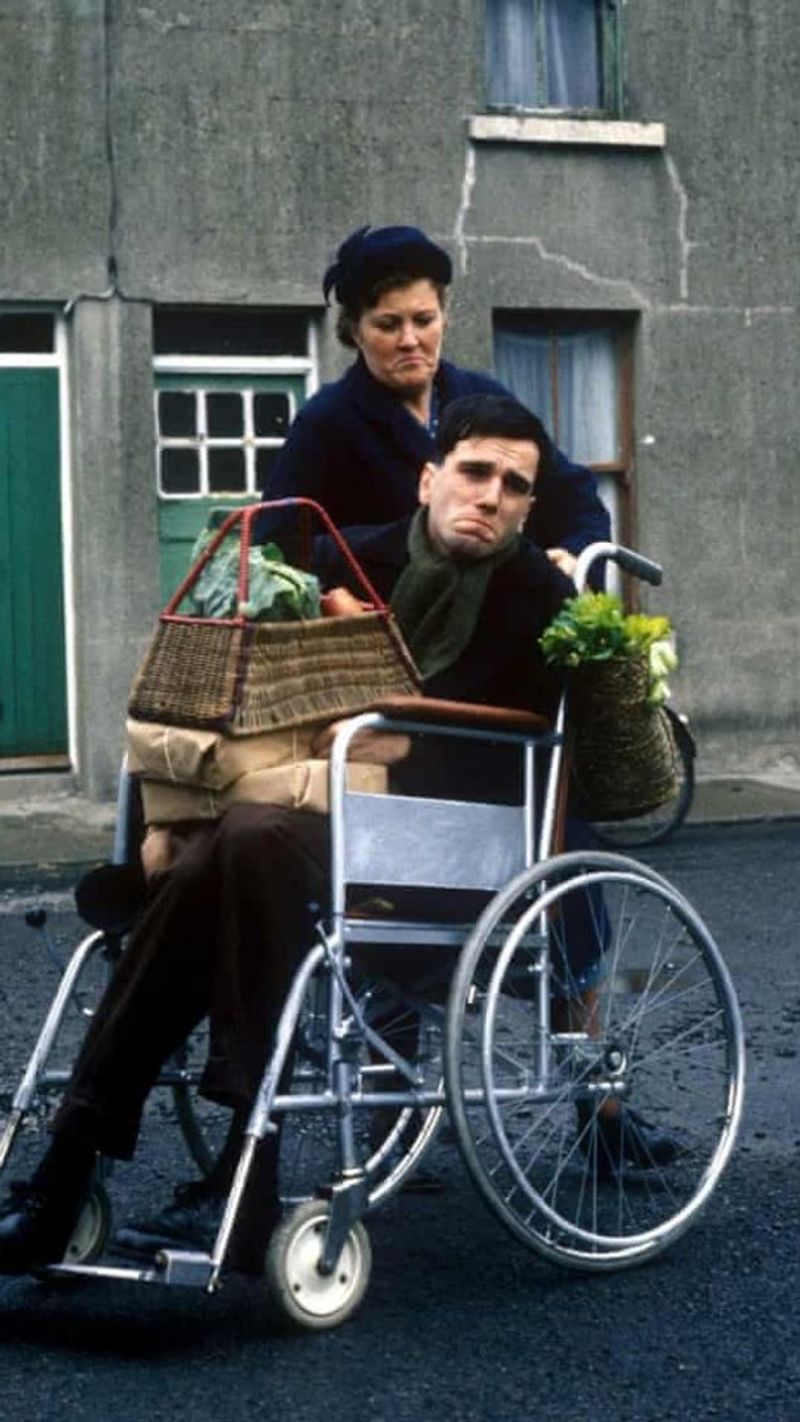
Learning lines was only one part of playing artist Christy Brown. For My Left Foot, Daniel Day-Lewis practiced writing and painting with his left foot and studied Brown’s movement and speech.
He also remained physically in character between takes, relying on help around the set. Brown, who had cerebral palsy, was a writer and painter with a sharp personality.
Remembering those achievements helps viewers see the role as a person’s story, not simply a physical challenge.
5. Robert De Niro Took Real Passengers Through New York
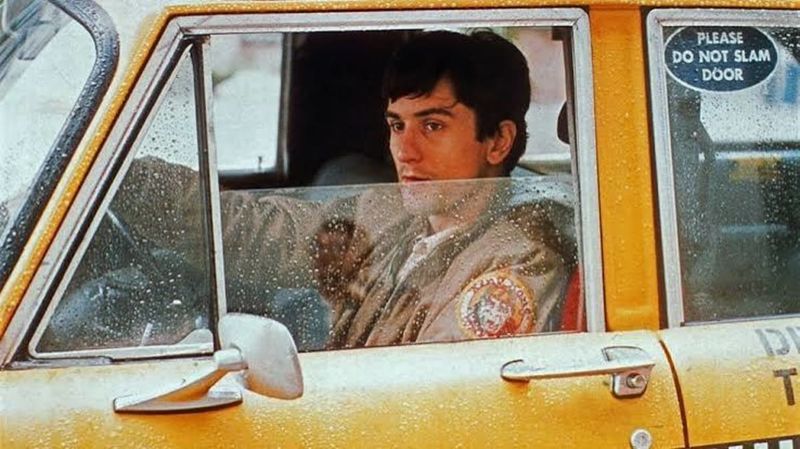
Imagine climbing into a cab and finding a future screen legend driving. Robert De Niro obtained a taxi license and worked shifts in New York while preparing to play Travis Bickle in Taxi Driver.
The job offered firsthand experience of long hours, city streets, and brief encounters with strangers. That routine mattered as much as the driving itself.
His approach shows how ordinary work can supply the small habits that make a fictional occupation feel believable.
6. Natalie Portman Trained for Ballet’s Demanding Rhythm
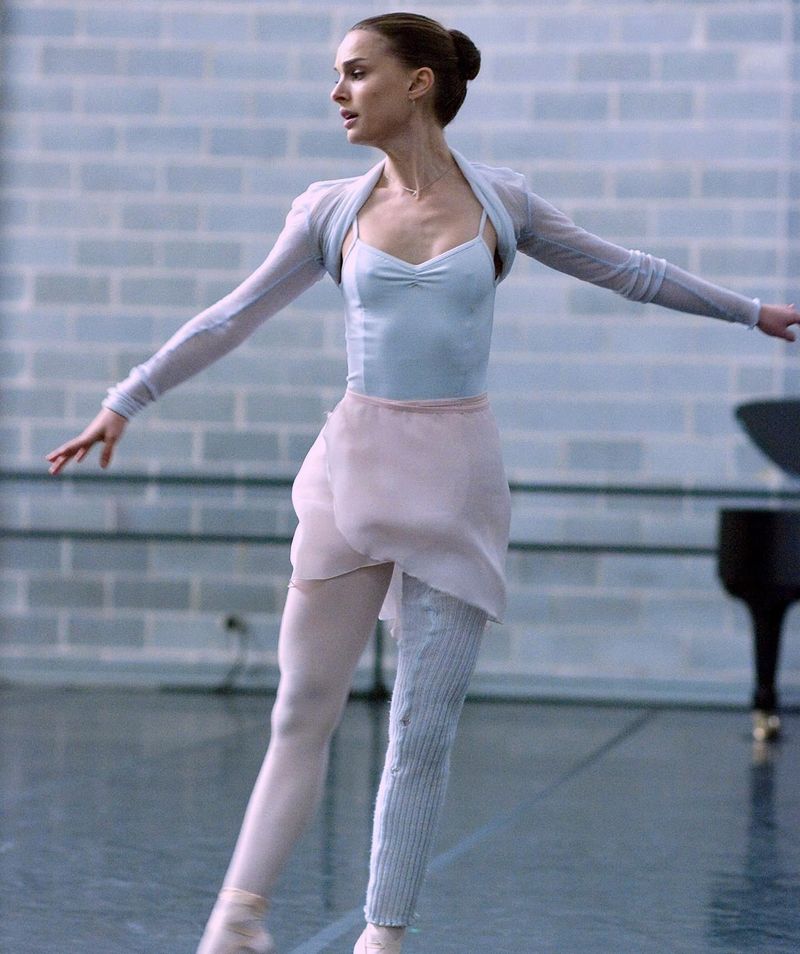
Ballet may look effortless, but the rehearsal room tells another story. Natalie Portman trained for about a year before Black Swan, working on ballet, strength, and the posture needed to portray Nina Sayers.
Professional dancers, including dance double Sarah Lane, also contributed to the finished film. Portman’s demanding preparation involved weight loss and injuries, which should not be treated as fitness goals.
Look instead at how controlled gestures help communicate Nina’s drive for an impossible perfection.
7. Jamie Foxx Found Ray Charles Through Sound
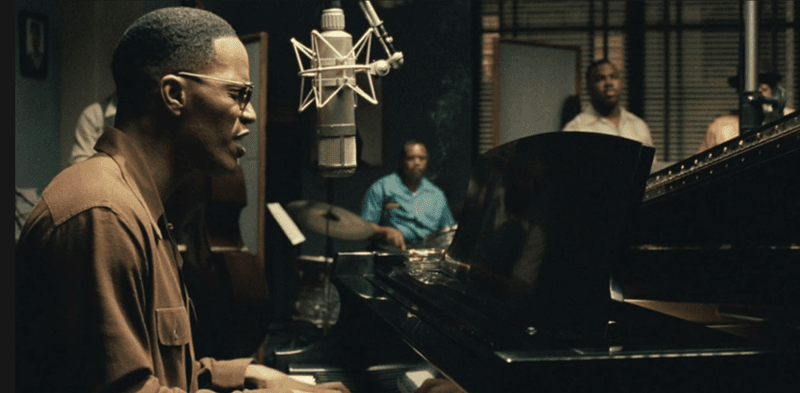
Music gave Jamie Foxx a strong starting point for Ray. Already a trained pianist, he studied Ray Charles’s playing, speech, and movements, and spent time with the musician before filming.
Foxx also wore prosthetics that covered his eyes during scenes, an experience he described as difficult. His performance depended on listening and physical timing as well as resemblance.
Watch his head movements at the piano, where musical rhythm becomes part of the character’s whole screen presence.
8. Shia LaBeouf Pushed Fury Preparation Too Far
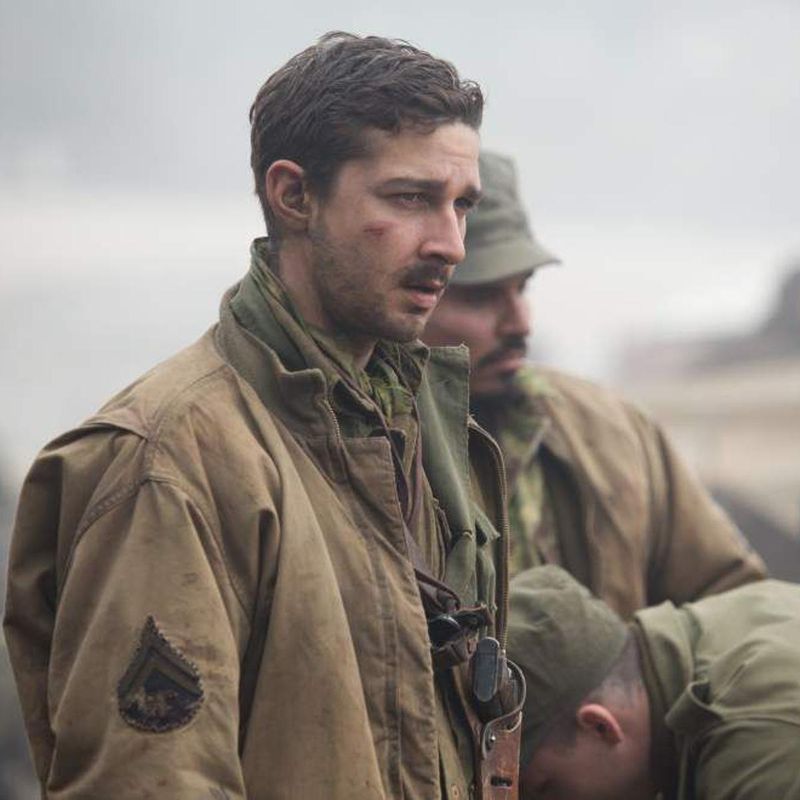
Mud, cramped spaces, and military drills helped build Fury’s harsh atmosphere. Shia LaBeouf trained for his role as tank crewman Boyd Swan, while reports about his preparation described poor hygiene and deliberate injuries.
Those extreme stories deserve caution, not applause or imitation. Hurting yourself is not a requirement for convincing acting.
The more useful detail is the cast’s shared training, which helped create the sense that these men understood their equipment and depended on one another.
9. Marlon Brando Carried Stanley From Stage to Screen
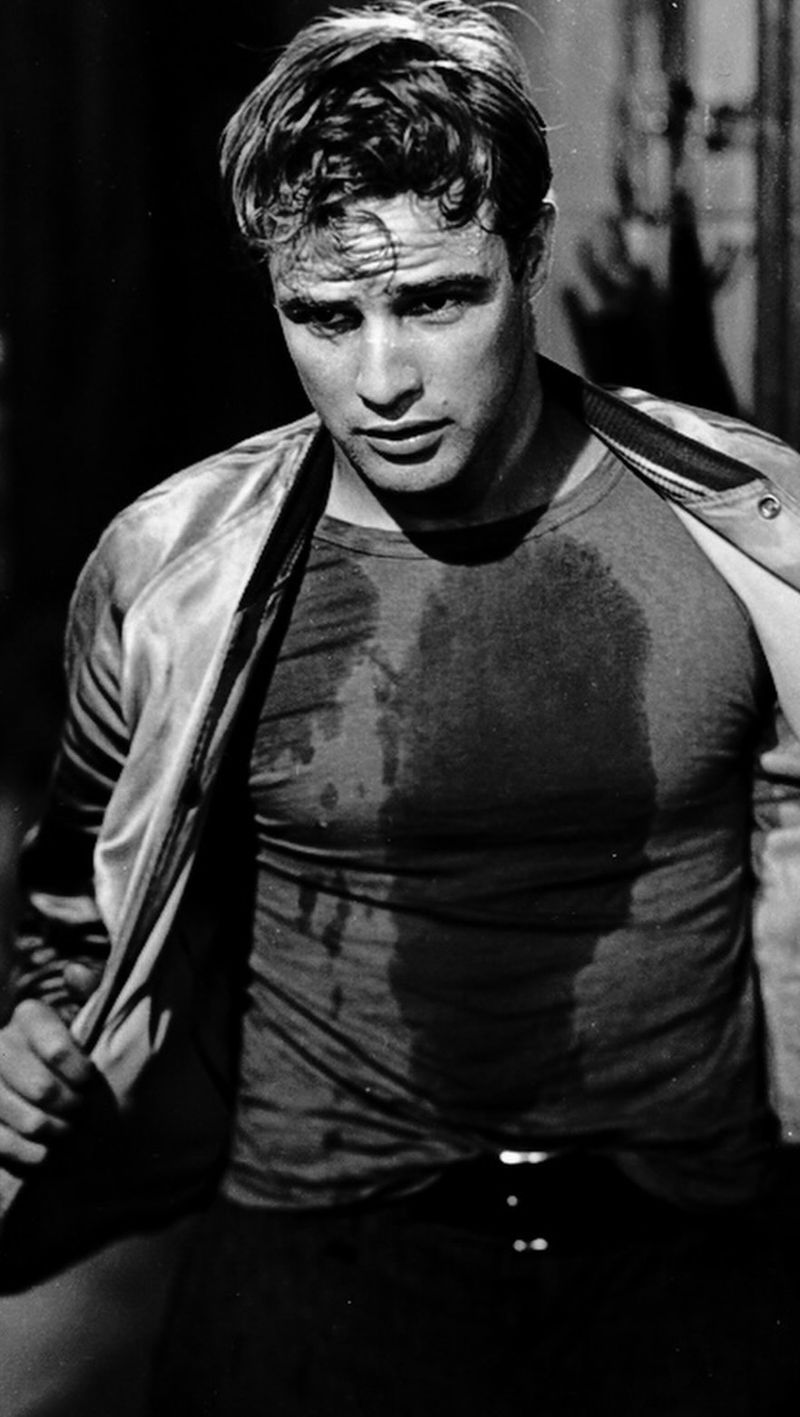
Before the film cameras arrived, Stanley Kowalski already lived in Marlon Brando’s body. He had played the role on Broadway, giving him extensive time to develop its rough speech, restless movement, and explosive temper.
For A Streetcar Named Desire, that experience helped create a screen performance that felt unusually immediate. Notice the pauses, slouched posture, and sudden bursts of energy.
Brando showed how behavior that seems casual can be carefully shaped through rehearsal and close observation.
10. Christian Bale Changed More Than His Appearance
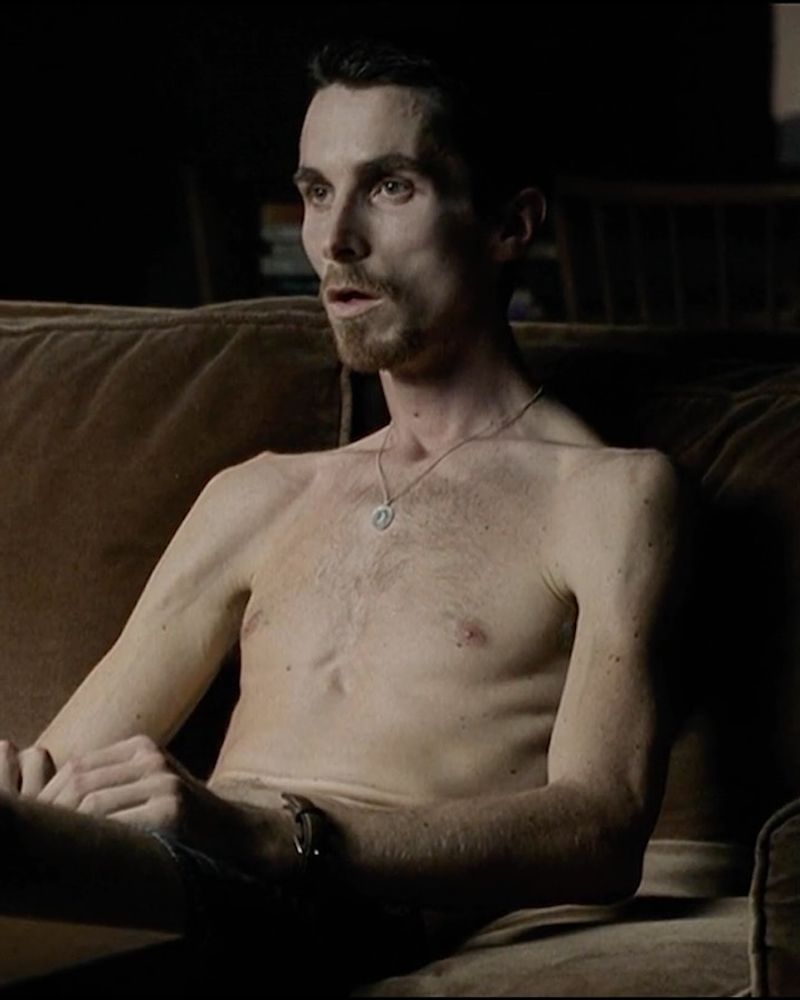
A tired stare can say plenty before a character explains anything. Christian Bale lost roughly 60 pounds to play Trevor Reznik in The Machinist, creating an alarming appearance that matched the story’s sleepless, troubled mood.
Such rapid weight loss is dangerous and should never serve as a personal challenge. Beyond his size, Bale used hesitant movement and distant expressions to suggest exhaustion.
Watching those quieter choices reveals the acting underneath a transformation that often dominates the conversation.
11. Adrien Brody Stripped Away Comfort for The Pianist

What happens when familiar comforts disappear? Adrien Brody gave up his apartment and car while preparing for The Pianist, seeking some understanding of loss before portraying Holocaust survivor Wladyslaw Szpilman.
He also lost weight and practiced piano extensively so his movements would look convincing. None of that could reproduce a survivor’s experience, but it shaped his approach to the role.
The film’s quiet moments reward attention, especially when his face carries feelings that dialogue leaves unspoken.
12. Hilary Swank Practiced Brandon Teena’s Everyday Presence

Everyday errands became part of rehearsal for Boys Don’t Cry. Hilary Swank spent about a month presenting as a man before filming, working on her voice, clothing, and physical presence to portray Brandon Teena.
Brandon was a transgender man whose life ended in violence, so the role carried responsibilities beyond getting mannerisms right. Swank’s preparation highlights how social encounters can shape a performance.
His hopes, relationships, and need for acceptance remain central to understanding the story.
13. Jared Leto Stayed With Rayon Between Takes

Costume changes did not mark the end of Jared Leto’s workday on Dallas Buyers Club. He stayed in character as Rayon between takes and lost substantial weight for the role.
He also met transgender people while preparing, seeking perspectives beyond the script. Rayon is a transgender woman living with HIV, not simply a collection of outward traits.
Paying attention to her humor and friendship reveals more about the performance than focusing only on Leto’s altered appearance.
14. Tom Hardy Built Bronson’s Size and Showmanship
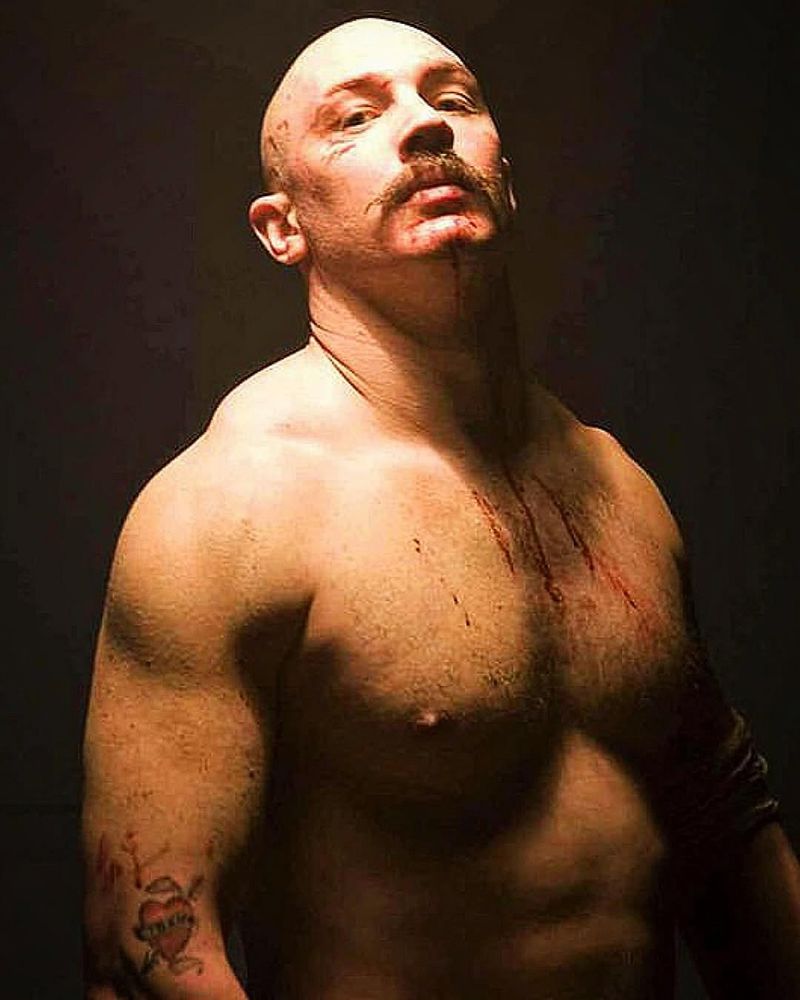
Bulk was only half the job in Bronson. Tom Hardy gained considerable weight and muscle to portray the British prisoner known as Charles Bronson, then paired that size with a strange, theatrical energy.
He also met the real man while developing the performance. The result mixes threatening stillness with moments that resemble a stage act.
Notice how Hardy shifts his voice and stance: those contrasts make the character feel larger than the room around him onscreen.
15. Forest Whitaker Studied the Person Behind Amin’s Public Image
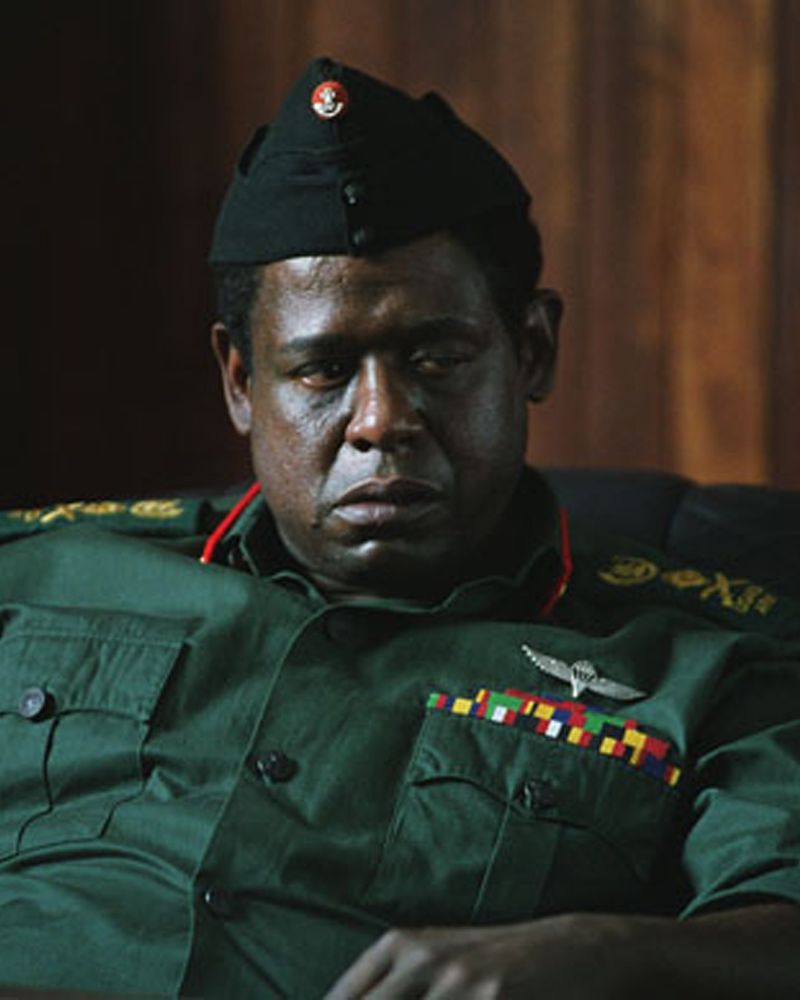
A booming public presence can hide a terrifying abuse of power. Forest Whitaker studied Idi Amin’s recordings, speech, and gestures for The Last King of Scotland, and traveled to Uganda to deepen his research.
He learned Swahili and spoke with people familiar with Amin’s world. That groundwork helped him move between charm and menace without making either feel separate.
His approach shows why historical roles benefit from studying local voices rather than relying solely on famous images.