
Gary Oldman can make a quiet glance feel as powerful as a shouted threat. Across crime films, fantasy adventures, and true stories, he builds characters who stay with us long after the credits.
This ranking weighs his range, the impact of each performance, and how much he brings to the story. From dangerous villains to trusted heroes, these are our picks, starting with the best.
1. Norman Stansfield in Léon: The Professional (1994)
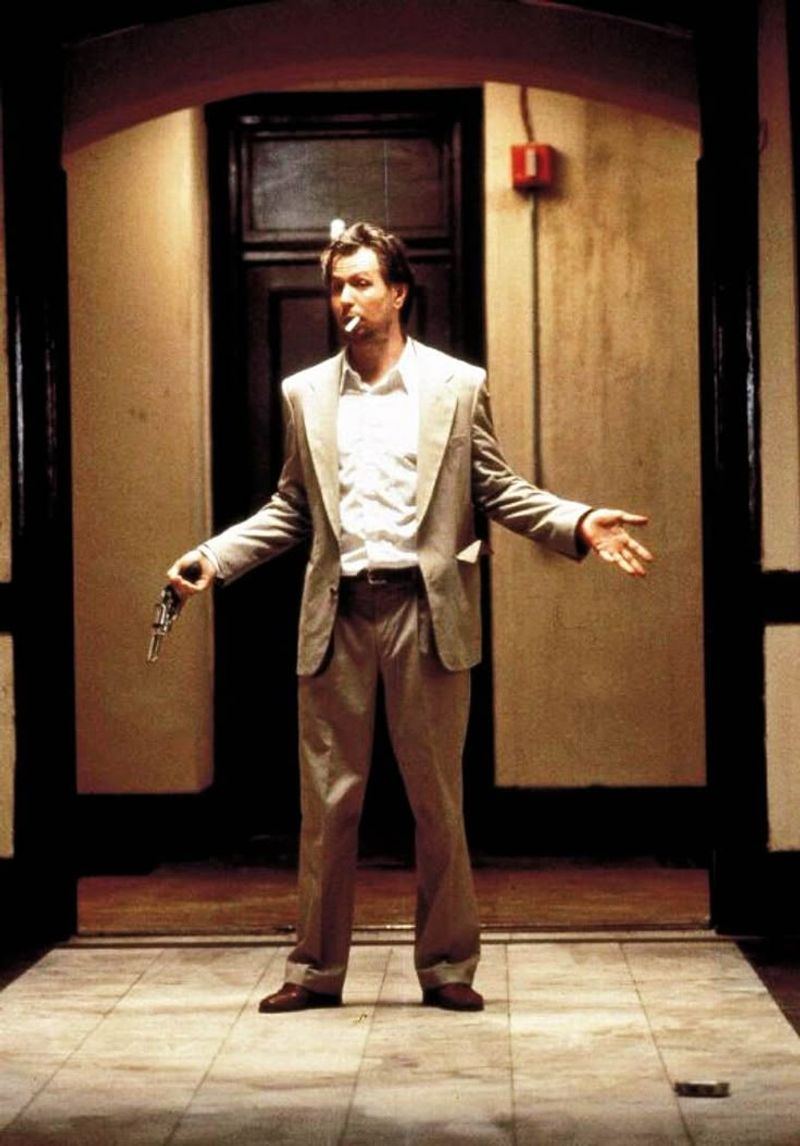
Few movie villains make a room feel unsafe quite so quickly. As a corrupt DEA agent, Oldman mixes sudden anger, strange calm, and a love of Beethoven into a deeply frightening character.
Watch how his body seems ready to explode even when he stands still. The famous shouting gets attention, but his unpredictable pauses do just as much work.
That balance makes Stansfield our top choice, turning a supporting role into the film’s lasting nightmare.
2. Jim Gordon in The Dark Knight Trilogy (2005-2012)
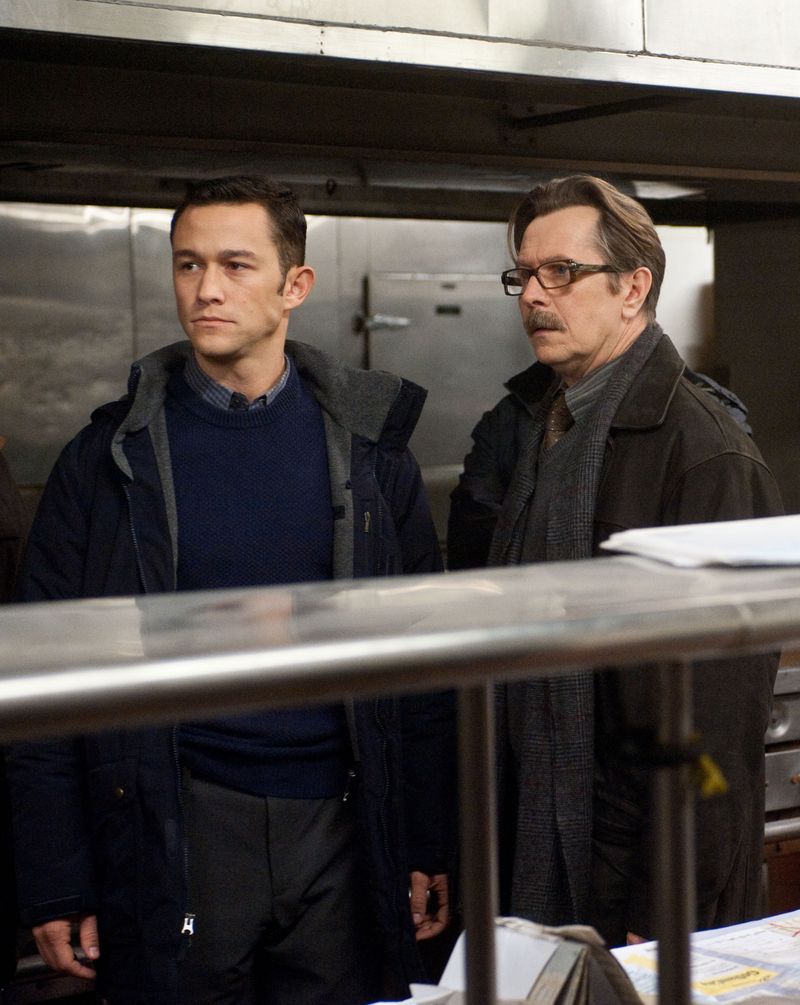
Honesty can look heroic without a cape. Across Christopher Nolan’s Batman films, Oldman gives Gotham a decent police officer who keeps working while the city slides toward chaos.
His tired eyes and careful voice make Gordon feel like someone carrying real responsibility. Notice how naturally he shares scenes with larger, flashier characters.
Rather than fighting for attention, he anchors the story, proving that a steady performance can matter as much as a spectacular one does.
3. Sirius Black in the Harry Potter Films (2004-2011)
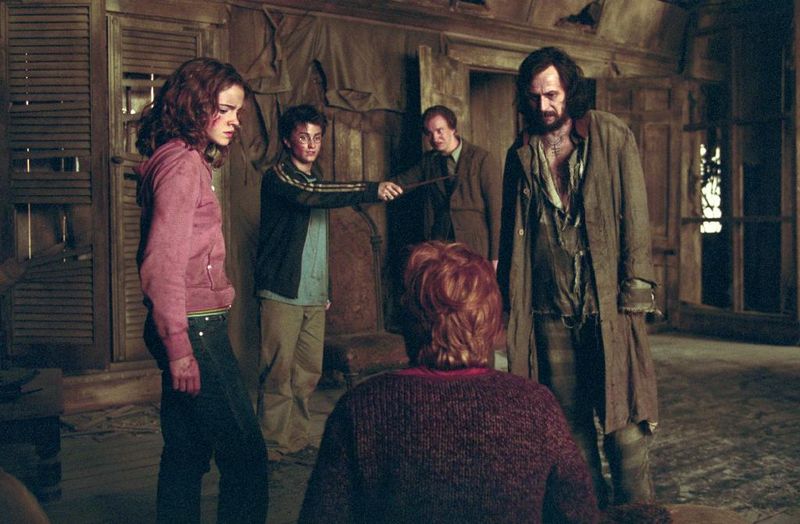
Behind the frightening wanted posters waits someone Harry desperately needs: family. Oldman first presents Sirius as a wild, dangerous mystery, then reveals the warmth beneath years of pain.
That change gives Prisoner of Azkaban much of its emotional force. In later appearances, a smile or brief exchange can suggest the home Harry never had.
Follow his scenes with Daniel Radcliffe closely, because their growing trust makes the character’s place in the series feel deeply personal.
4. Winston Churchill in Darkest Hour (2017)
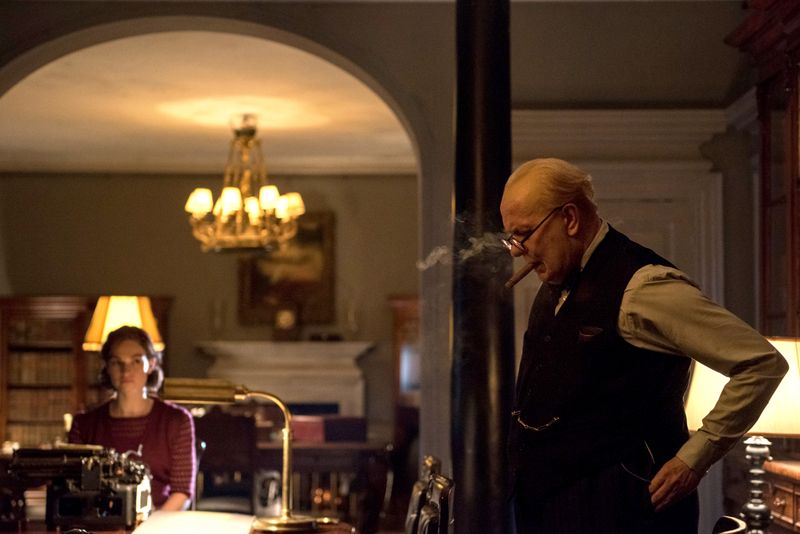
Under layers of makeup, the real achievement is making a famous leader feel human. Oldman’s Churchill is stubborn, witty, uncertain, and weighed down by decisions that could shape Britain’s future.
The performance earned him the Academy Award for Best Actor. Listen beyond the grand speeches for changes in pace and breath during quieter conversations.
Those details reveal the strain behind the public image, keeping the role from becoming only an impressive voice and physical transformation.
5. Count Dracula in Bram Stoker’s Dracula (1992)
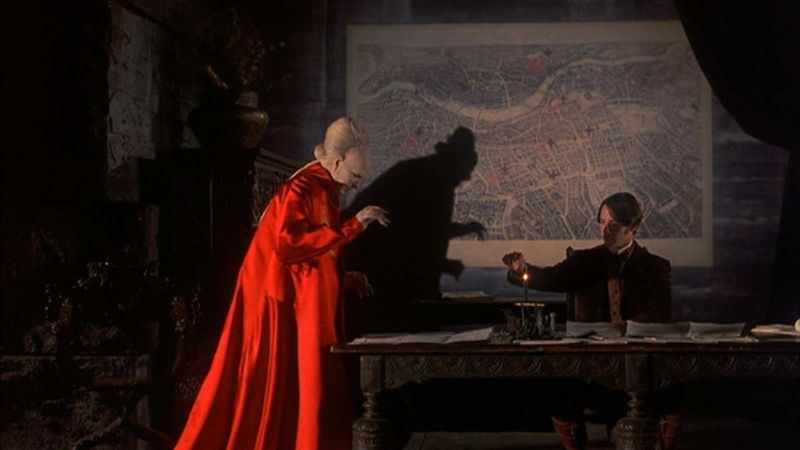
A monster and a wounded romantic share the screen in one remarkable performance. Oldman moves between Dracula’s ancient, unsettling form and his younger appearance with a sense of theatrical delight.
Elaborate costumes help, but his voice and movements connect the different versions. Pay attention to how tenderness can suddenly turn possessive or cruel.
The role ranks highly because he embraces the film’s strange style while giving its supernatural horror a clear emotional center throughout it.
6. Sid Vicious in Sid and Nancy (1986)
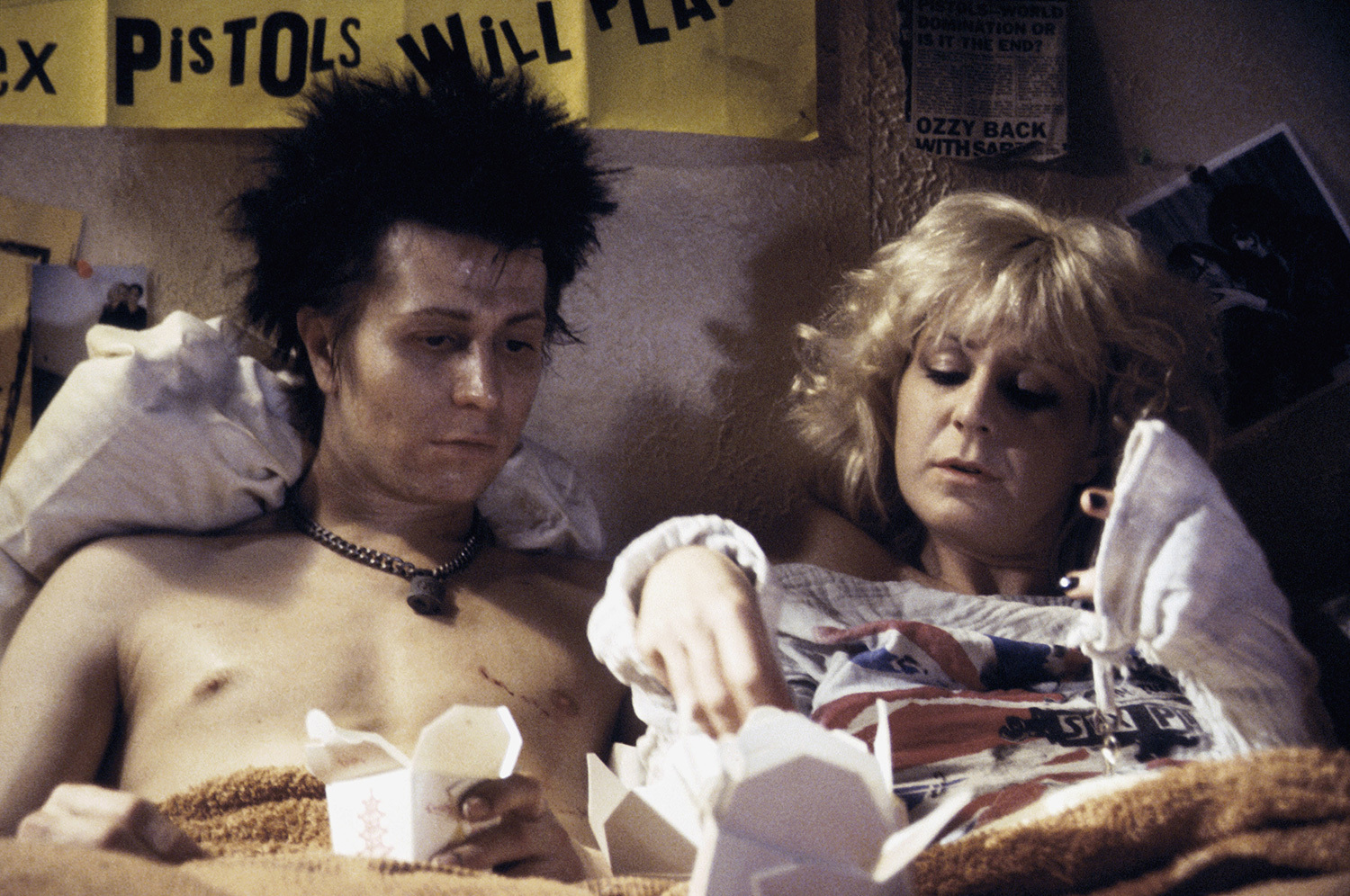
Punk swagger offers little protection from the sadness at this film’s core. Playing Sex Pistols bassist Sid Vicious, Oldman captures a young man whose public rebellion hides confusion and growing dependence.
His breakthrough performance feels restless, messy, and painfully exposed. He also performed vocals for the role.
Approach the film as a dramatic interpretation rather than a complete history lesson, and notice how his connection with Chloe Webb’s Nancy turns reckless behavior into personal tragedy.
7. George Smiley in Tinker Tailor Soldier Spy (2011)
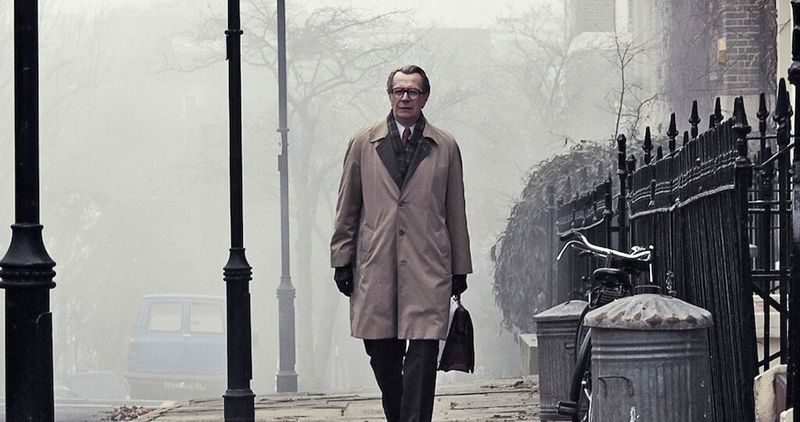
Silence becomes a powerful tool when Oldman plays a spy hunting a mole within British intelligence. Smiley watches, listens, and waits, making small changes in expression carry unusual weight.
The role brought Oldman his first Academy Award nomination. Give this slow mystery your full attention, especially during conversations that seem ordinary at first.
His controlled reactions often tell you where the real danger lies, showing how gripping acting can be without raised voices or movement.
8. Drexl Spivey in True Romance (1993)
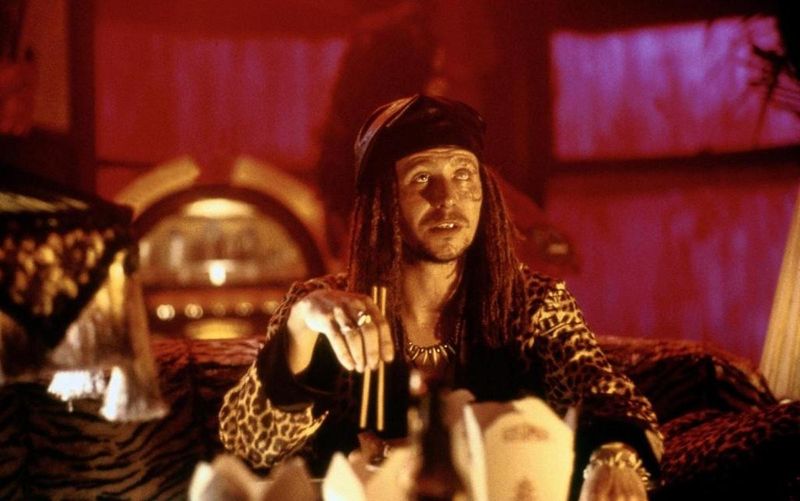
Only a few minutes are needed to make an unforgettable impression. As Drexl, a violent pimp with an affected identity and swagger, Oldman turns a brief encounter into a deeply uncomfortable showdown.
The dreadlocks and damaged eye create a striking image, but the danger comes from his timing. Watch how casual talk becomes a threat without warning.
Although the character’s racial performance is deliberately ugly, Oldman’s commitment makes this small role impossible to brush aside.
9. Lee Harvey Oswald in JFK (1991)
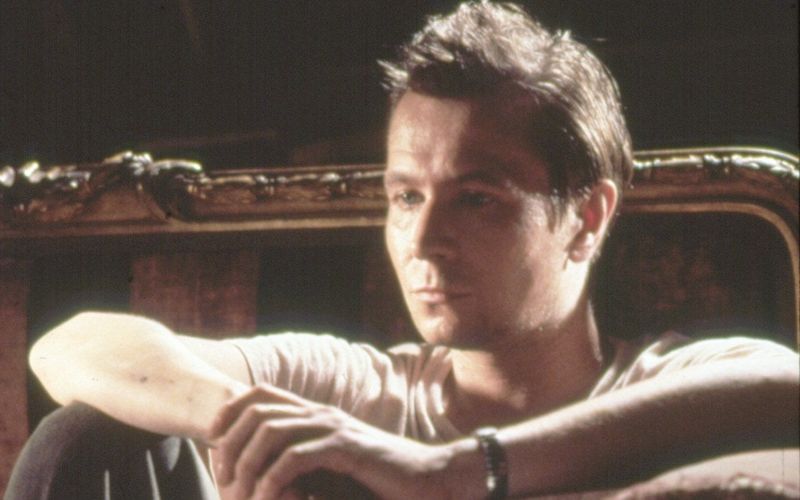
A familiar face from history becomes strangely hard to read. Oldman’s resemblance to Lee Harvey Oswald helps Oliver Stone blur the line between recreated scenes and the film’s use of historical material.
His guarded manner supports the movie’s atmosphere of doubt. Still, treat JFK as a dramatic argument, not a settled account of the assassination.
Separating the performance from the film’s claims makes it easier to appreciate how carefully Oldman builds uncertainty around each appearance.
10. Jean-Baptiste Emanuel Zorg in The Fifth Element (1997)
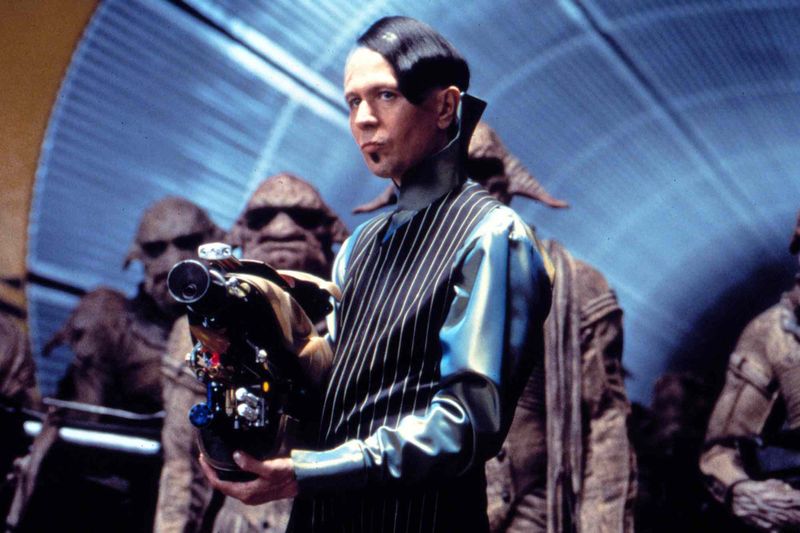
Bad hair, huge ambition, and terrible judgment make a surprisingly entertaining mix. Oldman’s futuristic arms dealer brings a sharp Southern drawl and fussy manners to a world already overflowing with odd characters.
Rather than playing Zorg as a calm mastermind, he lets panic leak through the bluster. That choice makes the villain funny without removing his cruelty.
Look for the gap between his grand speeches and actual control, which supplies some of the film’s best comedy.
11. Ludwig van Beethoven in Immortal Beloved (1994)
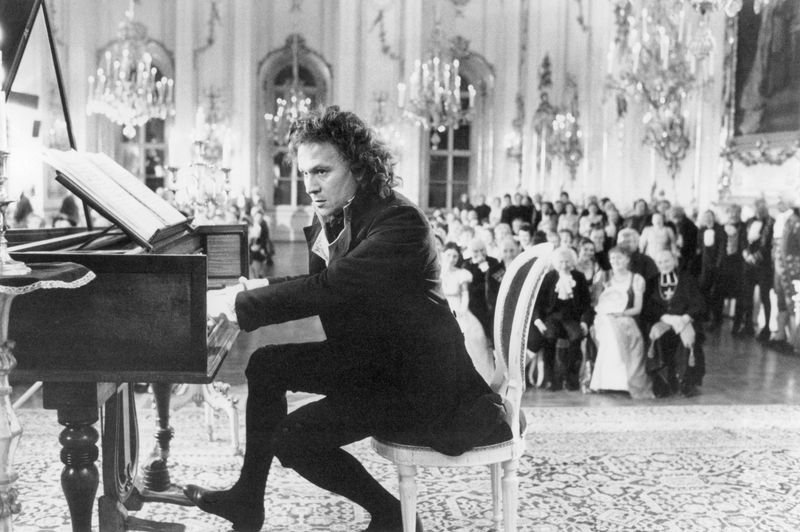
Beautiful music does not guarantee an easy life or a gentle temper. Oldman’s Beethoven is difficult, lonely, and driven, with flashes of tenderness breaking through his anger and frustration.
The story builds a mystery around the composer’s unnamed beloved, blending known history with speculation. Watch how Oldman uses posture and expression to suggest isolation as Beethoven loses his hearing.
His performance gives the sweeping music a human source, even when the screenplay takes imaginative paths.
12. Jackie Flannery in State of Grace (1990)
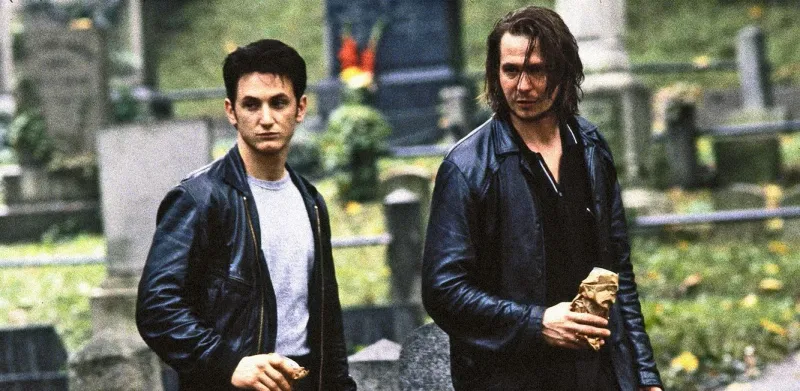
Trouble seems to follow Jackie into every room. In this crime drama set around New York’s Irish American underworld, Oldman plays a gangster whose fierce loyalty comes tangled with frightening impulses.
His loose movements and sudden bursts of feeling make the character difficult to predict. Beside Sean Penn and Ed Harris, he brings the story a raw, nervous charge.
Seek this one out for a less famous example of his ability to command an ensemble.
13. Herman Mankiewicz in Mank (2020)
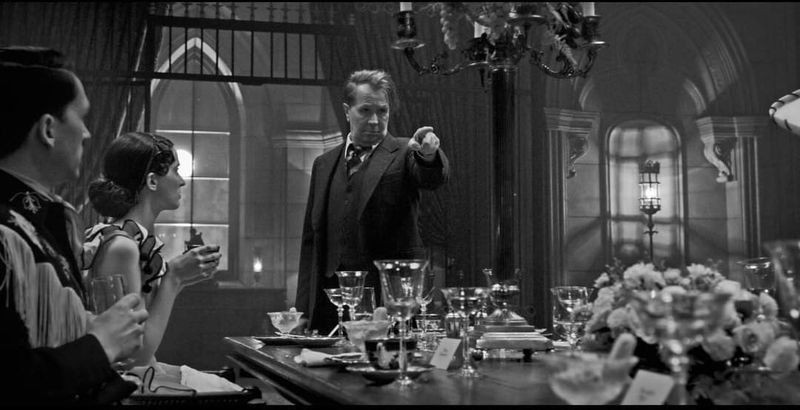
Sharp jokes can hide a great deal of disappointment. As screenwriter Herman Mankiewicz, Oldman plays a gifted talker caught between Hollywood power, personal weakness, and the struggle to finish Citizen Kane.
The performance earned another Academy Award nomination for Best Actor. Beneath the wit, watch for moments when confidence gives way to exhaustion or regret.
His weary delivery suits the film’s backward glance at studio politics, though its version of the screenplay’s authorship remains historically debated.
14. Ivan Korshunov in Air Force One (1997)
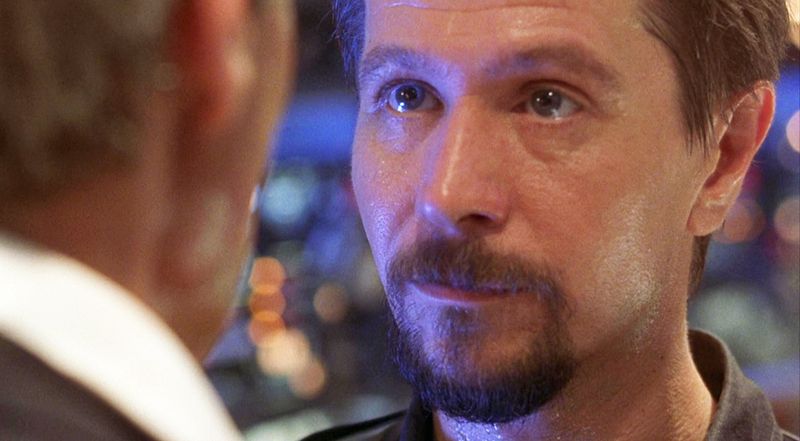
At cruising altitude, a convincing villain makes every narrow hallway feel dangerous. Oldman gives this action thriller a ruthless hijacker who sees political violence as a cause rather than a crime.
His intensity provides a strong contrast to Harrison Ford’s determined president. The character is less layered than several others here, but Oldman never treats him like a joke.
Notice how his firm delivery helps sell the stakes, even as the movie embraces blockbuster spectacle.
15. Joe Orton in Prick Up Your Ears (1987)
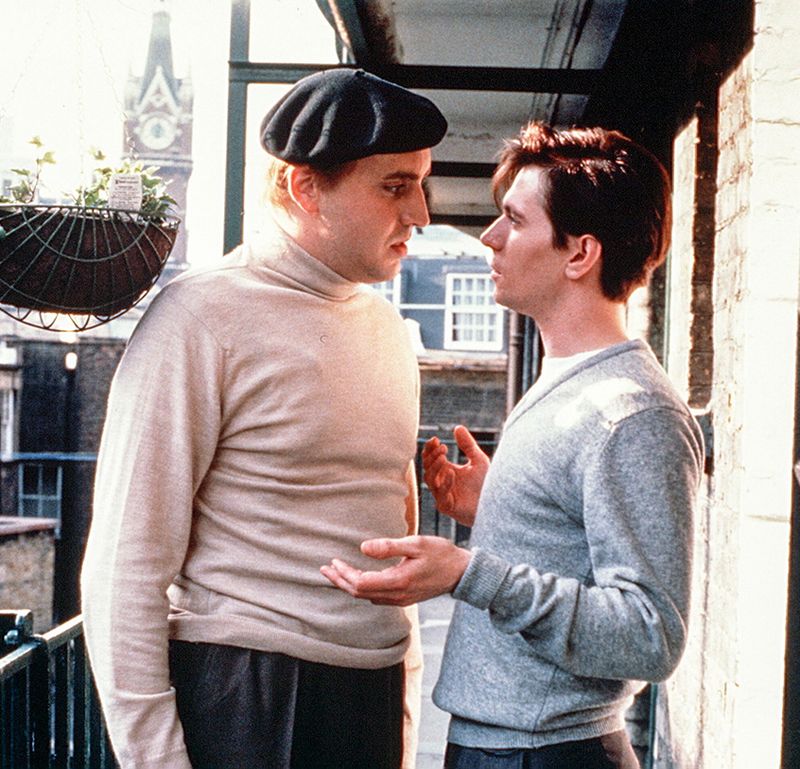
Before the blockbuster villains came a lively portrait of a writer finding his voice. Oldman’s Joe Orton is playful, ambitious, and increasingly confident as success changes his life and closest relationship.
His work earned a BAFTA nomination for Best Actor. The warmth matters because the story moves toward Orton’s murder by his partner, Kenneth Halliwell.
Watch the exchanges with Alfred Molina for a painful study of affection, jealousy, and two people growing apart over time.
16. Dreyfus in Dawn of the Planet of the Apes (2014)
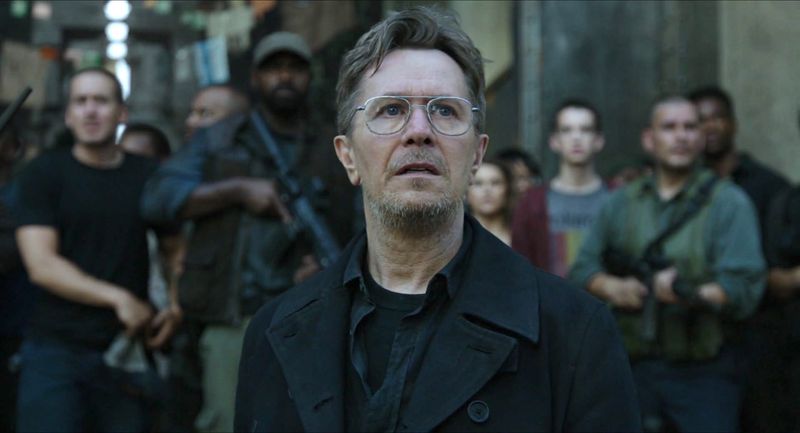
Fear can make a survivor mistake force for safety. Leading a struggling human community, Oldman’s Dreyfus carries grief that helps explain his growing distrust of the intelligent apes nearby.
A quiet scene involving family photographs gives the role its strongest emotional detail. He places last because the film offers him less room than these other performances, not because his work lacks value.
His presence reminds viewers that even destructive choices can begin with recognizable human pain.