
Every cook has heard a kitchen tip that sounded smart at first. Some of these tricks get passed down from parents, friends, or the internet without anyone checking if they work.
The truth is, many of them waste your time and do nothing for your food. Knowing which ones to skip can make cooking faster, easier, and a lot more fun.
1. Adding Oil to Pasta Water
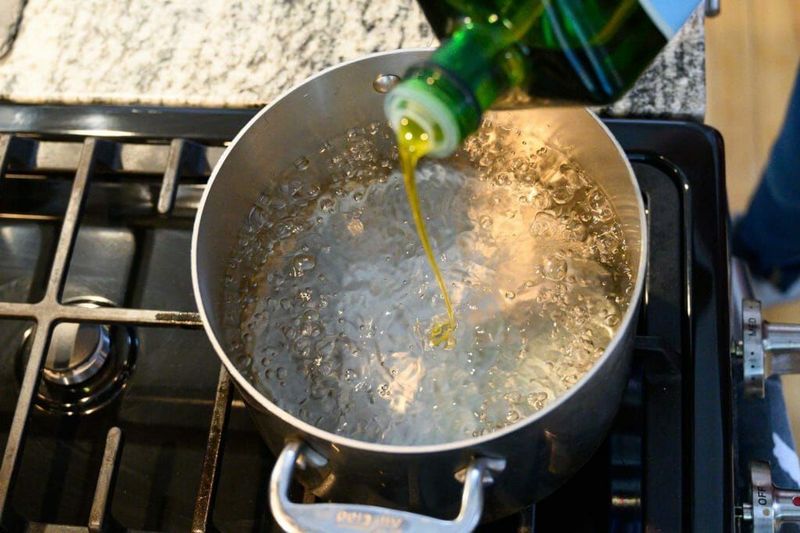
Grandma swore by it, but that splash of olive oil just floats on top of the water. It never coats the noodles while they cook, so it does nothing to stop sticking.
Worse, any oil that clings to drained pasta can keep sauce from grabbing on. What really prevents clumps is using plenty of water and stirring during the first two minutes.
Save your good oil for drizzling over the finished dish instead.
2. Searing Meat to Seal in Juices
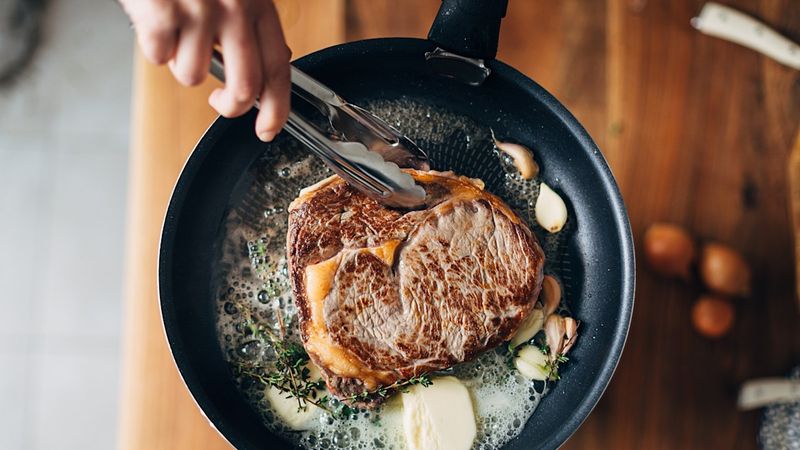
Picture a steak hissing in a hot pan. Sounds like it is locking in moisture, right?
Scientists tested this years ago and found seared meat actually loses about the same amount of juice, sometimes more.
Searing is still worth doing, just for a different reason. That browned crust adds deep, savory flavor thanks to the Maillard reaction.
So sear for taste, not juiciness. For moist meat, avoid overcooking and let it rest.
3. Rinsing Raw Chicken
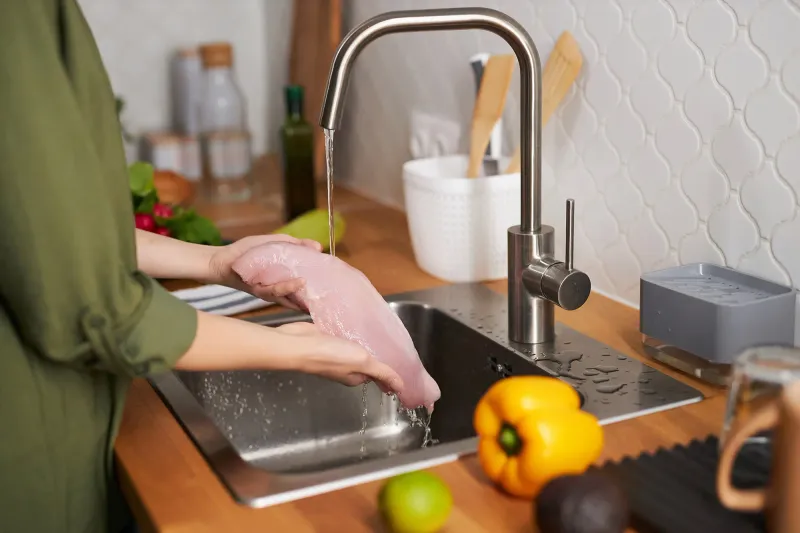
Here is a habit worth breaking today. Washing raw chicken under the faucet does not remove harmful bacteria in any useful way.
Instead, tiny droplets can spray germs up to two feet around your sink, landing on dishes, sponges, and nearby food. The USDA actually warns against it.
Cooking chicken to 165 degrees Fahrenheit kills the bacteria that matter. Pat it dry with a paper towel if needed, toss the towel, and wash your hands.
4. Salting Eggplant to Remove Bitterness
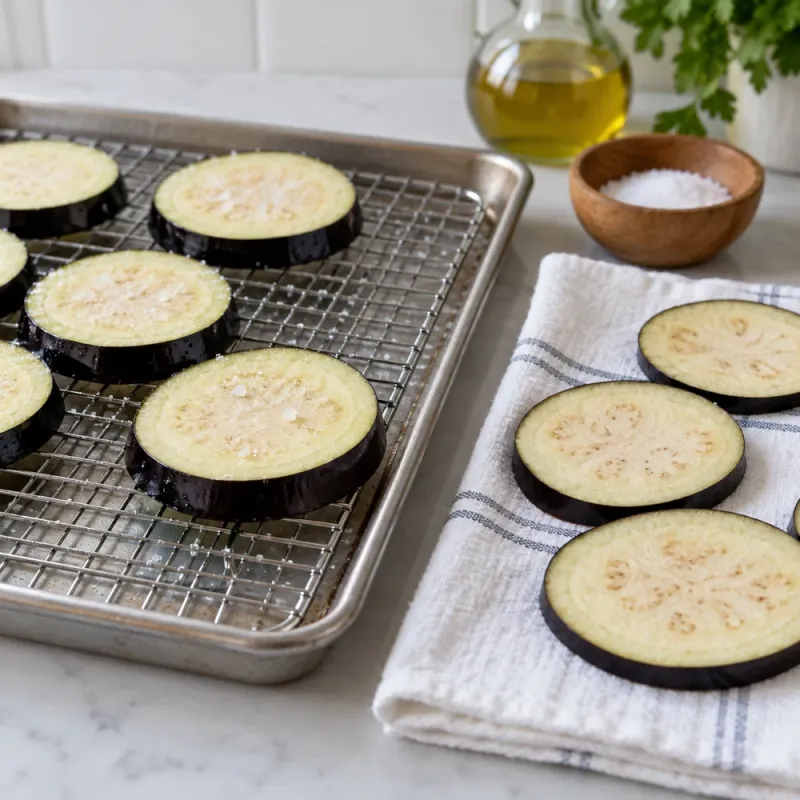
Old cookbooks love this step. You slice eggplant, cover it in salt, and wait an hour for bitterness to drip away.
Back then, eggplants were often more bitter. Modern farm varieties have been bred to taste much milder, so the long wait rarely changes anything you can notice.
If you want less oily eggplant, a quick salt can help with texture. Otherwise, skip the hour and get straight to cooking dinner.
5. Bringing Steak to Room Temperature
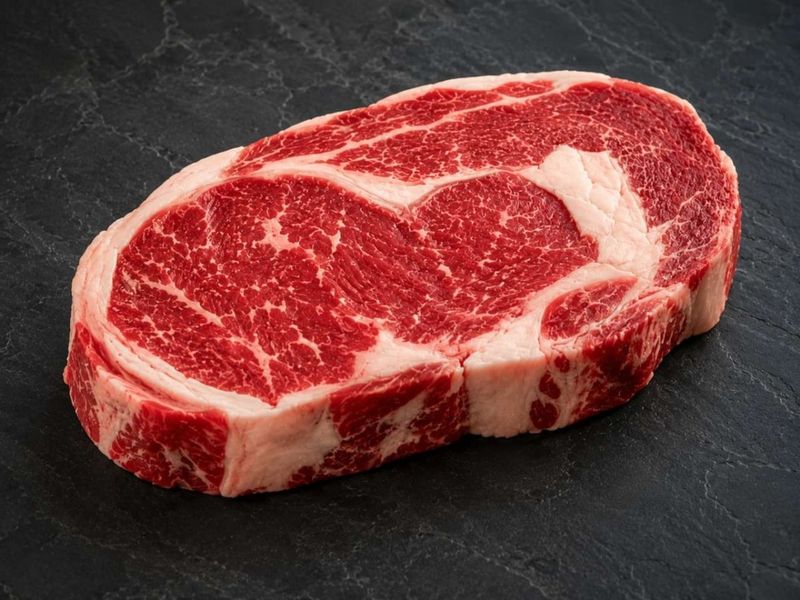
Thirty minutes on the counter sounds like a nice warm-up for your steak. Sadly, the center barely moves a few degrees in that time.
Food testers have checked this with thermometers, and the results are almost laughable. A thick cut can take hours to truly reach room temperature, which is not safe anyway.
Want a better crust? Simply pat the steak very dry and get your pan properly hot before it goes in.
6. Alcohol Burning Off Completely
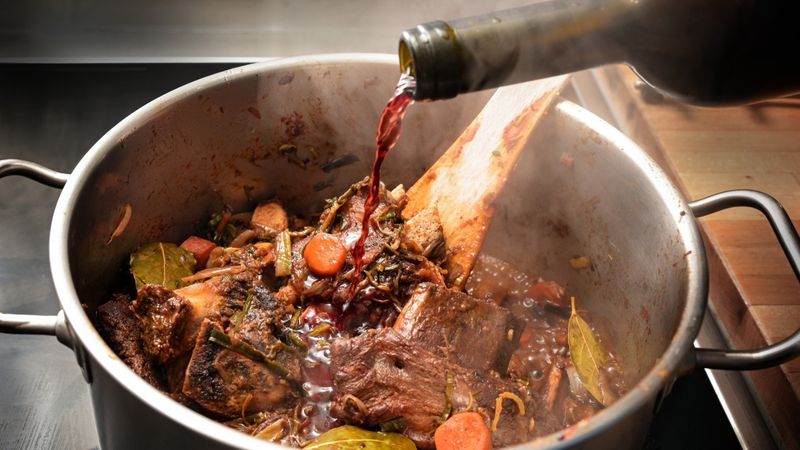
Did you know a splash of wine in sauce can stick around longer than you think? Many people believe all alcohol vanishes the moment it heats up.
Research shows that after 15 minutes of simmering, about 40 percent can remain. Even after two hours, roughly 10 percent is still there.
This matters if you cook for kids or people avoiding alcohol. Instead of trusting the myth, use broth or grape juice as swaps.
7. Sifting Flour Every Time
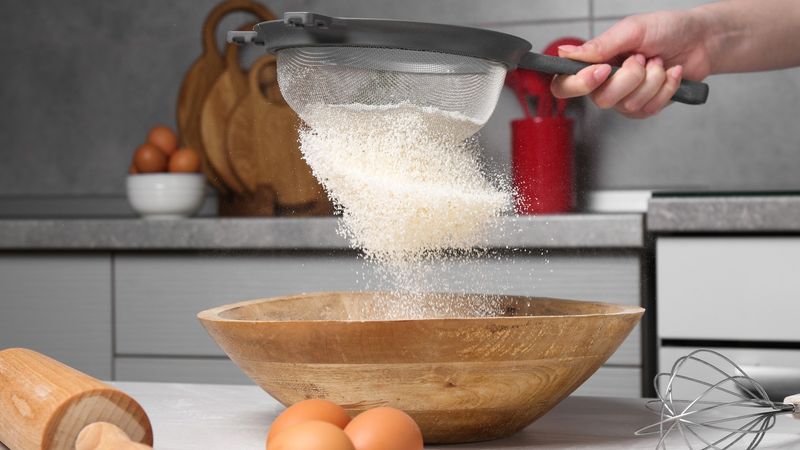
Flour used to arrive lumpy and full of tiny bits, so sifting made sense a century ago. Today, store-bought flour is already finely milled and fairly clean.
Unless a delicate cake recipe specifically asks for it, sifting is usually extra dishes for no reward.
A smarter move is weighing flour with a kitchen scale. It gives you accurate amounts every time, and a quick whisk in the bowl breaks up any small clumps.
8. Salt Makes Water Boil Faster
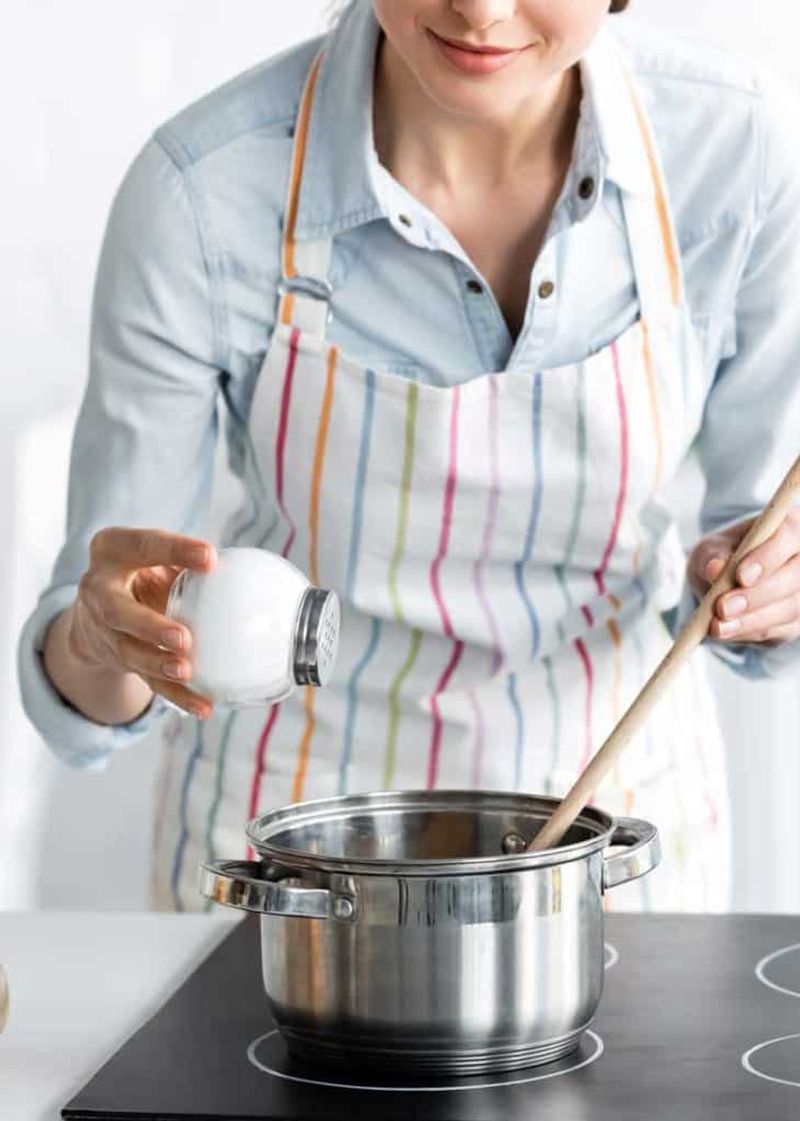
Ever toss salt into a pot hoping to speed things up? Truthfully, it does the opposite, though only by a tiny fraction of a degree.
Salt raises the boiling point slightly, so it will not rush anything. The amount used in cooking makes almost no difference either way.
Still, salting pasta water is great for flavor. Just add it because you want tasty noodles, and use a lid if you need faster boiling.
9. Washing Mushrooms Is Forbidden
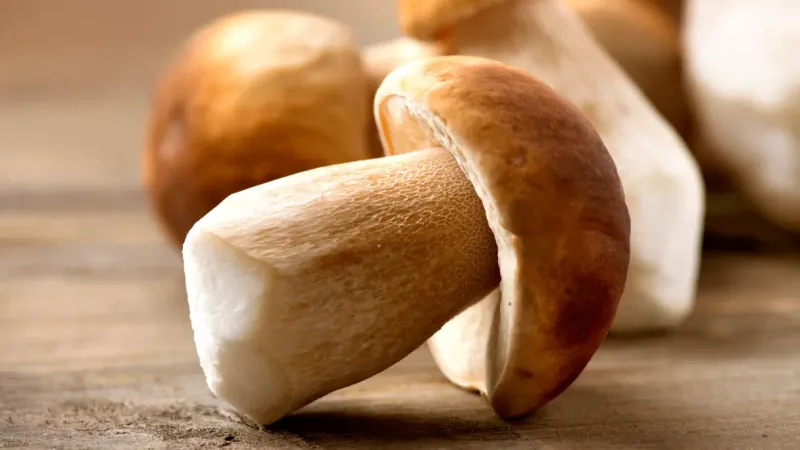
Chefs once warned that mushrooms act like little sponges. Rinse them, the story goes, and they turn soggy and gross.
Food scientist Harold McGee tested this and found mushrooms absorb very little water during a quick wash. Brushing each one by hand takes forever for basically no benefit.
Give them a fast rinse, shake them off, and pat dry. Your dinner will be ready sooner, and nobody will taste the difference.
10. Rinsing Pasta After Cooking
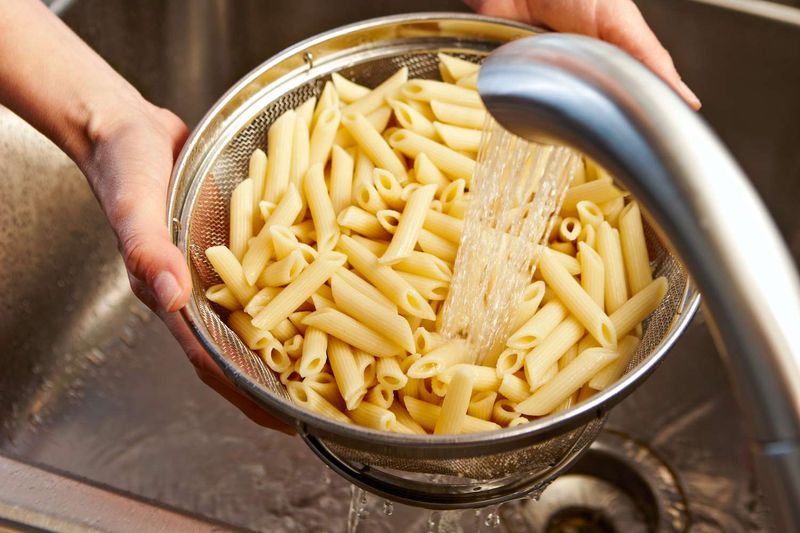
A cold shower might feel refreshing for you, but your spaghetti hates it. Rinsing washes away the starchy coating on each strand.
That starch is the secret glue that helps sauce cling. Without it, sauce slides right off and pools at the bottom of the plate.
The only time rinsing helps is for cold pasta salad. For hot dishes, drain the noodles and toss them with sauce right away, saving some cooking water too.
11. Avocado Pit Keeps Guacamole Green
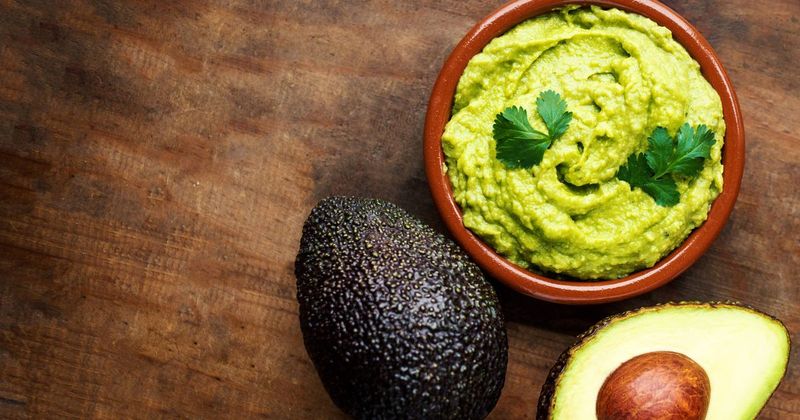
Nestling the pit in your guacamole looks cute at parties. Unfortunately, it only protects the tiny spot it touches.
Browning happens when air hits the avocado. The pit simply blocks air from that one small area, while everything around it still turns dull and brown.
For real results, press plastic wrap directly onto the dip’s surface. A squeeze of lime juice helps too, so your bowl stays bright green much longer.
12. Throwing Spaghetti at the Wall
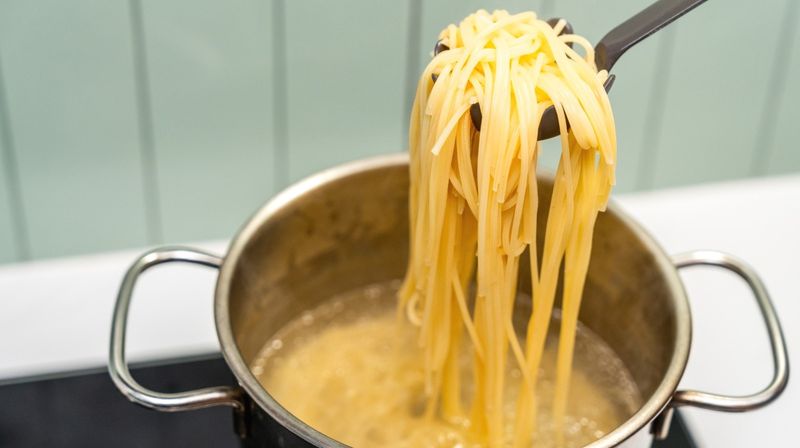
Splat! It is fun, sure, but a noodle sticking to the wall tells you almost nothing useful.
Pasta can stick long before it is properly cooked, or after it turns mushy.
All you really get is a messy backsplash to scrub later.
The easiest test is tasting a piece. Bite into it a minute or two before the package time, and stop when it feels tender with a little chew in the middle.
13. Flipping Burgers Only Once
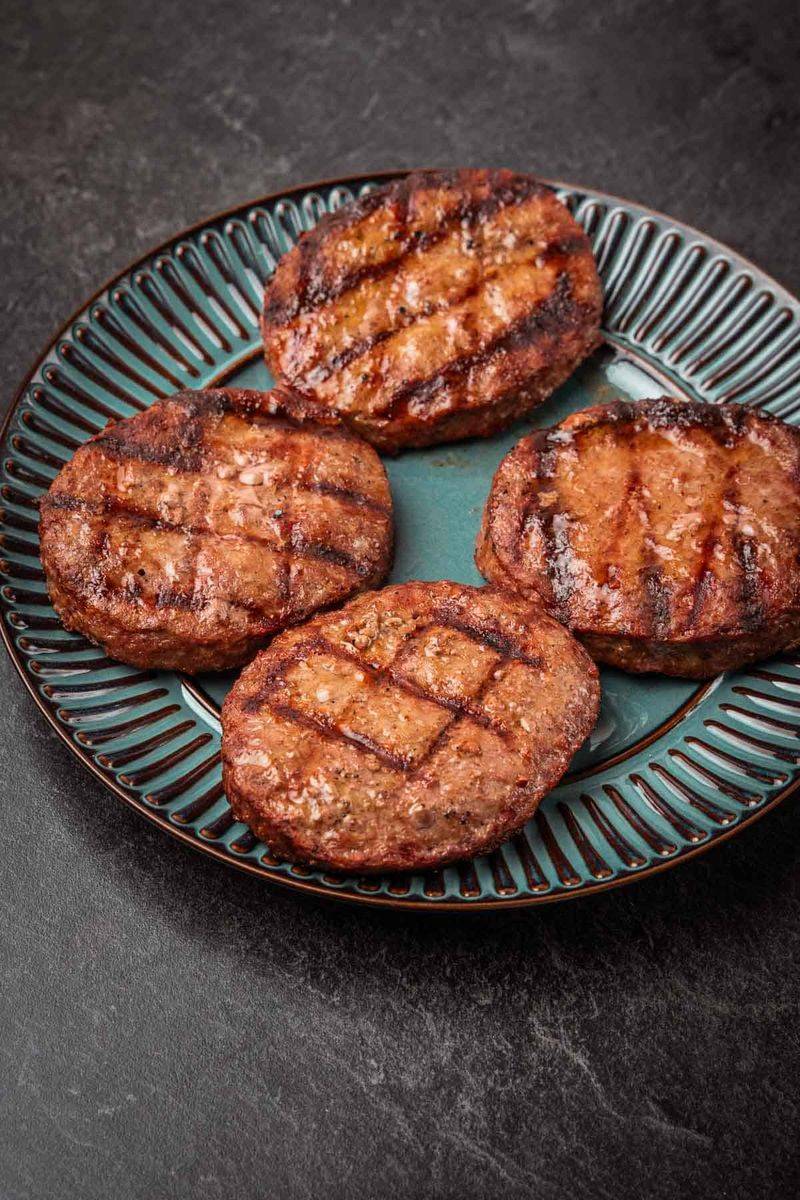
Backyard grill masters often guard this rule like a family secret. Flip once, they say, or you will ruin the burger.
Tests from food writers like J. Kenji Lopez-Alt show the opposite.
Flipping often actually cooks meat more evenly and a little faster, since both sides share the heat.
So relax and flip as much as you like. Just avoid pressing down with the spatula, because that really does squeeze out the juices.
14. Soaking Dried Beans Overnight
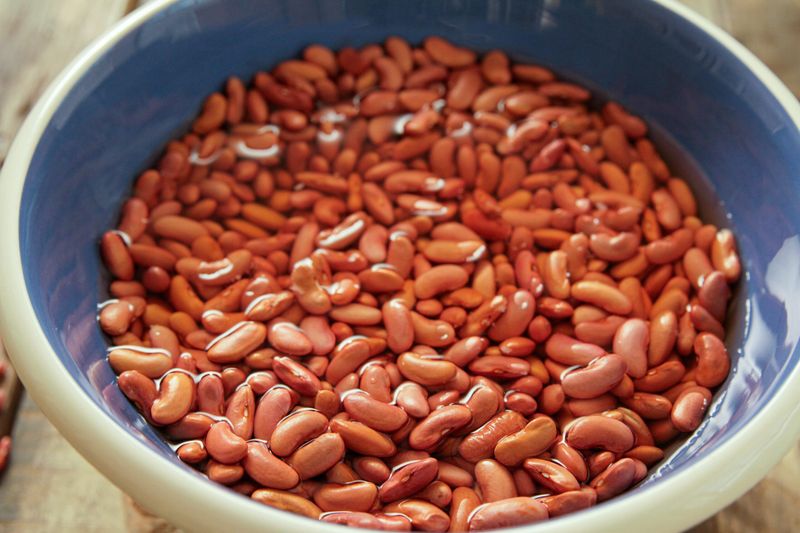
Forgot to soak your beans last night? Good news, dinner is not ruined.
Many cooks now skip the overnight soak completely. Unsoaked beans take a bit longer on the stove, but they often keep a richer flavor and darker color.
Soaking does not dramatically reduce gas either, despite popular belief. Simply rinse the beans, simmer them gently with salt, and check for tenderness.
A pressure cooker makes the job even quicker.
15. Peeling Every Vegetable
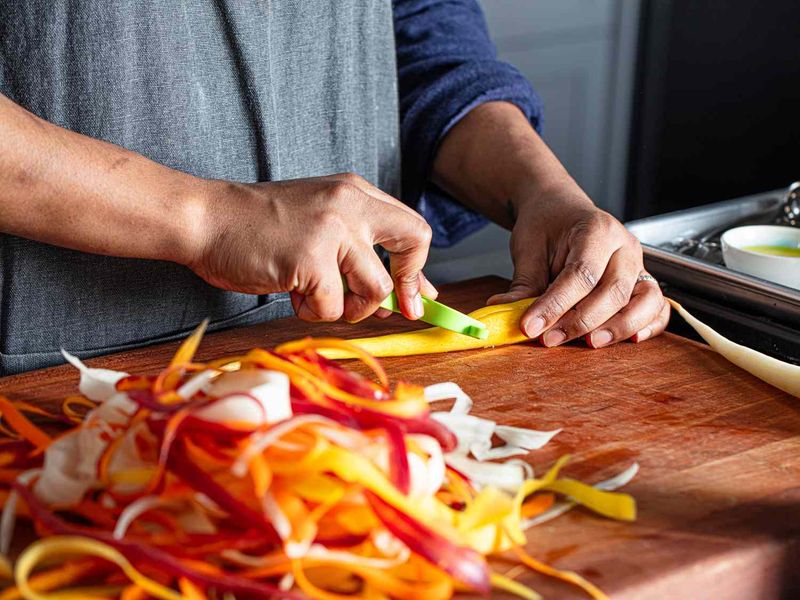
Peeling a mountain of carrots and potatoes can eat up half your prep time. Most of the time, it is totally optional.
The skins are safe to eat and hold lots of fiber and vitamins. A good scrub with a vegetable brush removes the dirt just fine.
Roasted potatoes with skins even get crispier edges. Unless a recipe needs a super smooth texture, like silky mashed potatoes, leave those peels right where they are.
16. Adding Rice to the Salt Shaker
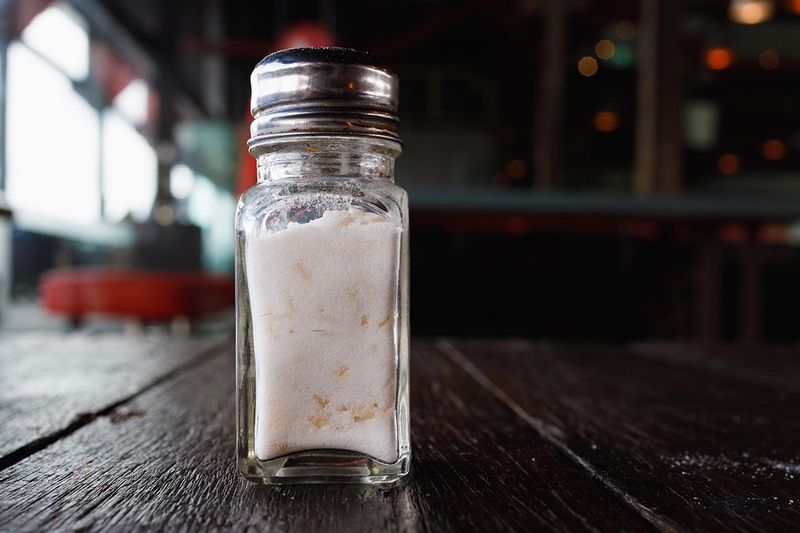
Plenty of diners keep a few rice grains in their salt shakers. The idea is that rice soaks up moisture and keeps salt flowing.
It helps a tiny bit in very humid places, but rice is not a strong drying agent. Most table salt already contains anti-caking ingredients that do the job.
If your shaker clogs, try storing it away from the stove’s steam. That simple move works better than any grain ever will.
17. Resting Every Single Dish
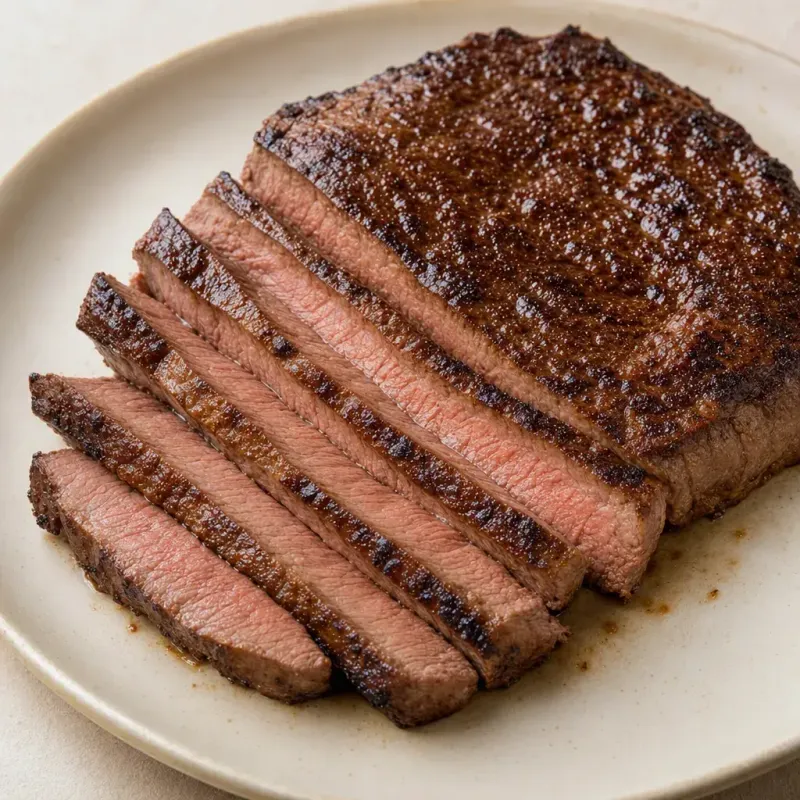
Resting meat matters for big roasts and thick steaks. Lately, though, people rest everything, even thin cutlets and shrimp.
Small, thin pieces lose heat fast and gain little from sitting. By the time they rest, dinner is lukewarm and the crispy coating turns soft.
Here is a simple rule. Rest large cuts for ten to fifteen minutes, and serve thin foods right away while they are hot and crisp.