
What you put on your plate each day can shape how you feel today and for many years to come. Small food choices add up, just like saving a little money every week.
The good news is that eating well does not have to be hard, boring, or expensive. Here are simple habits you can start using right away to feel stronger, happier, and full of energy.
1. Fill Half Your Plate With Vegetables
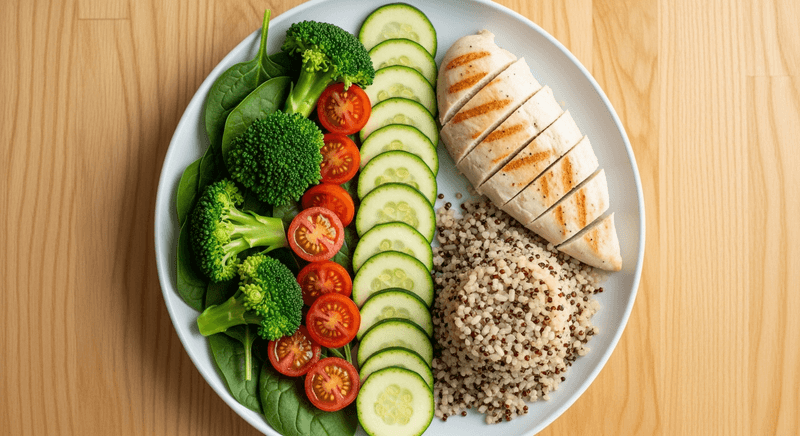
Picture your dinner plate as a pie chart. When vegetables take up half the space, you get loads of vitamins, fiber, and water without many calories.
Greens, carrots, peppers, and tomatoes all count. Mixing colors gives your body a wider range of nutrients.
Try roasting veggies with a little olive oil and garlic. They turn sweet and crispy, which even picky eaters often enjoy.
2. Drink Water Before Reaching For Soda
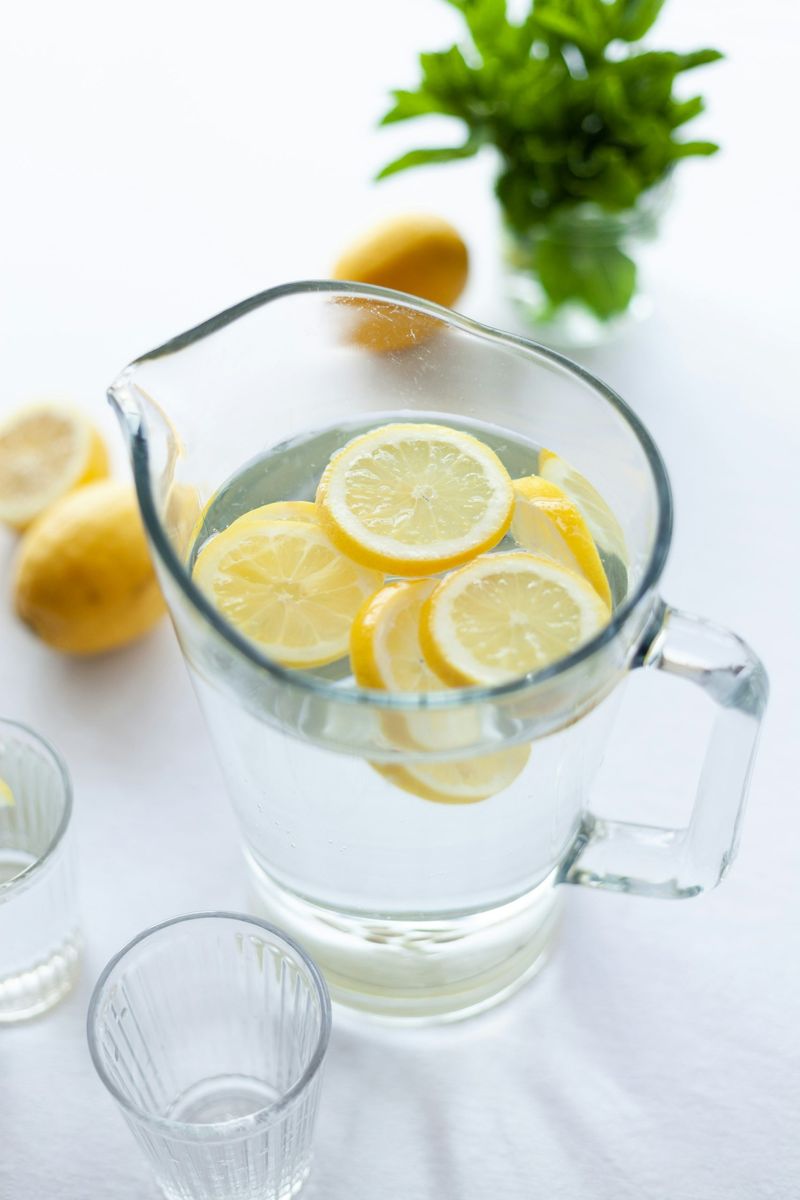
Your body is roughly 60 percent water, so staying hydrated really matters. Feeling tired or cranky in the afternoon is sometimes just thirst in disguise.
Soda and sweet drinks pack sugar that can lead to energy crashes. Plain water has zero sugar and helps your brain stay sharp.
Bored of the taste? Toss in lemon, cucumber, or a few berries for natural flavor.
3. Eat A Real Breakfast
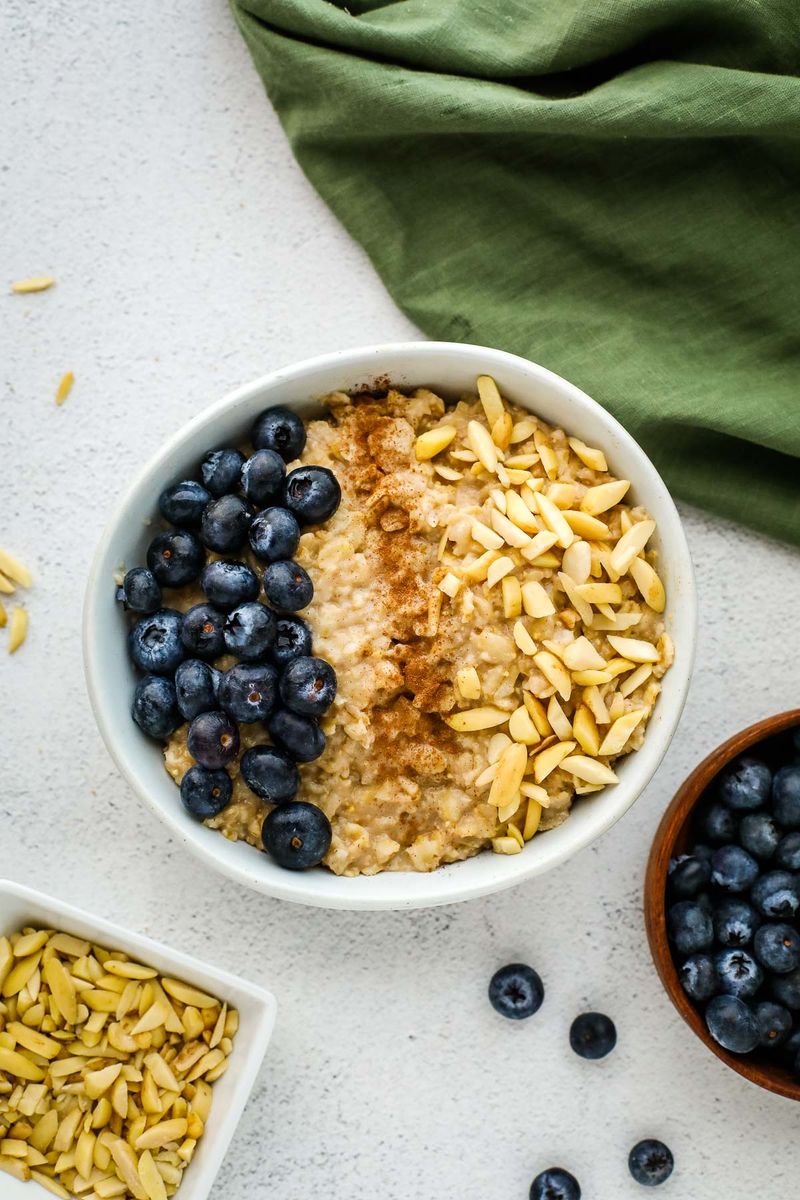
Grandma was onto something when she called breakfast the meal that gets you going. A solid morning meal can help you focus and avoid grabbing junk food by ten o’clock.
Good options include oatmeal with fruit, eggs with whole grain toast, or yogurt with nuts.
Short on time? Overnight oats can be made the night before and grabbed on your way out the door.
4. Choose Whole Grains Over White
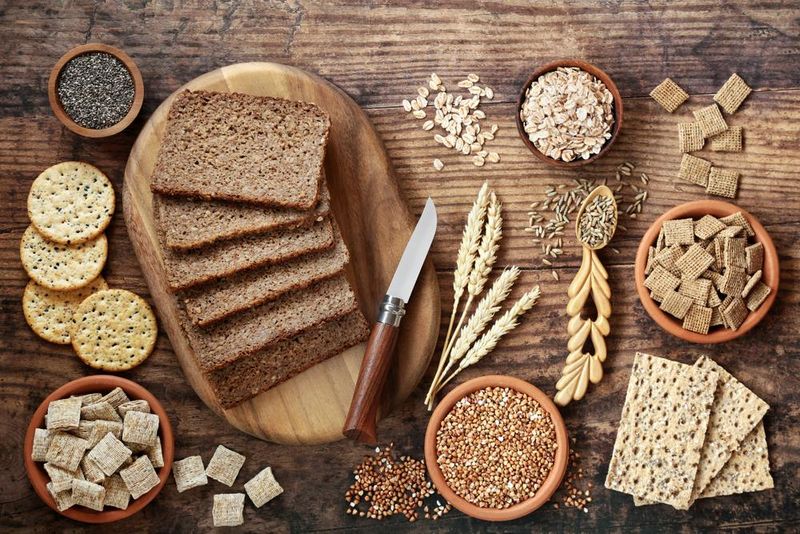
White bread and brown bread may look like cousins, but they act very differently inside you. Whole grains keep the outer bran and germ, where much of the fiber and vitamins live.
That fiber helps you feel full longer and keeps digestion running smoothly.
Easy swaps include brown rice, whole wheat pasta, oats, and quinoa. Check labels for the word whole listed first in the ingredients.
5. Slow Down And Savor Each Bite
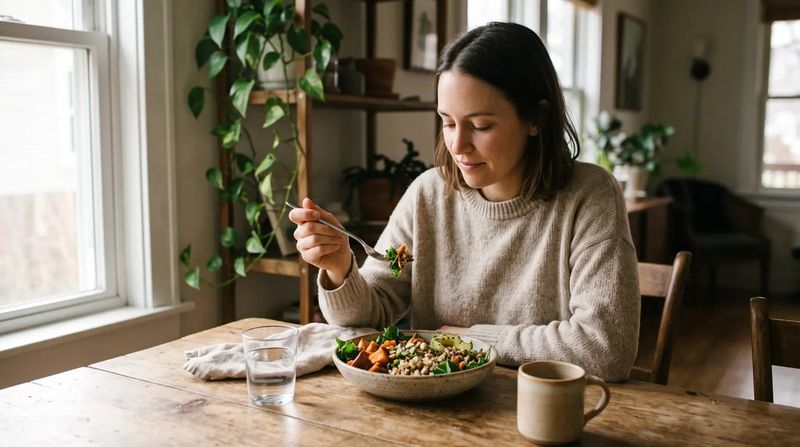
Did you know your brain needs about 20 minutes to realize your stomach is full? Wolfing down food can trick you into eating far more than you need.
Put your fork down between bites. Chew slowly and notice flavors, smells, and textures.
Meals become more enjoyable this way. You might even discover that a smaller portion leaves you perfectly satisfied and content.
6. Snack On Nuts Instead Of Chips
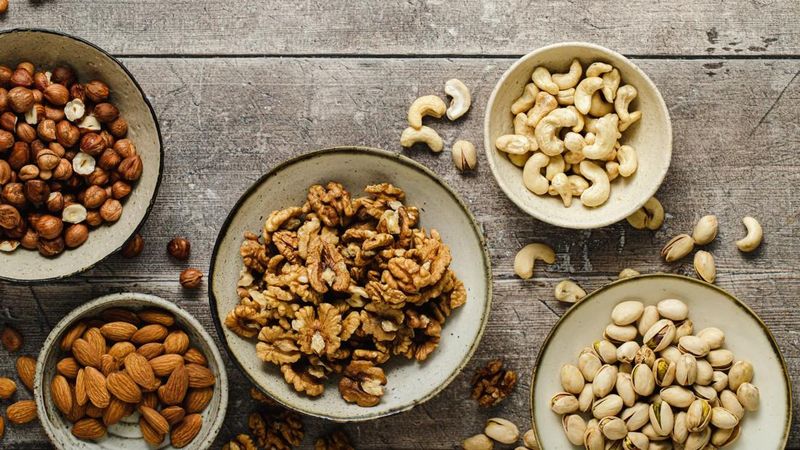
A handful of almonds beats a bag of chips any day. Nuts are loaded with healthy fats, protein, and fiber that keep hunger quiet for hours.
Studies have linked regular nut eating with better heart health and longer lives.
Watch portion size, though, since nuts are rich. About a small palmful is plenty.
Pick unsalted versions when you can to keep sodium in check.
7. Cook More Meals At Home
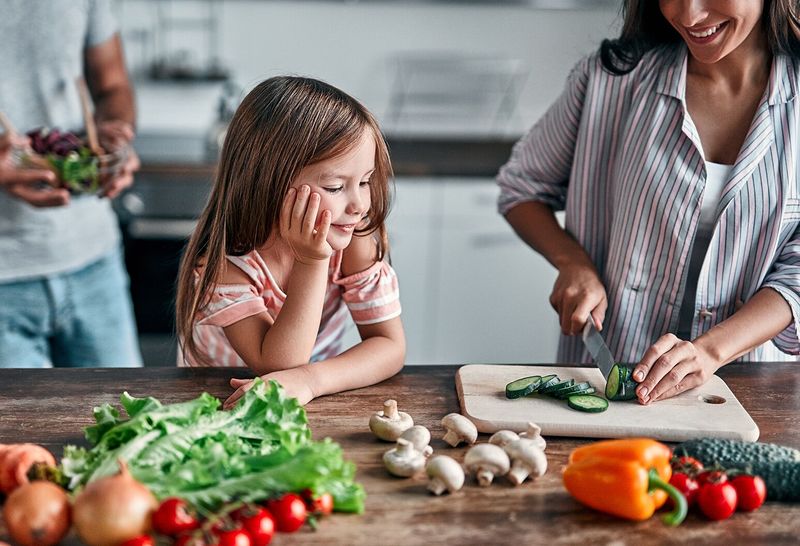
Restaurant food tastes great, but it often hides extra butter, salt, and sugar. Cooking at home puts you in charge of every ingredient.
You also save money, which is a nice bonus.
Start small with two or three home cooked dinners a week. Simple dishes like stir fries, tacos, or soups are quick to learn.
Inviting family to help turns cooking into fun time together.
8. Add Beans To Your Week

People in the world’s longest living communities, called Blue Zones, eat beans almost every day. Coincidence?
Researchers don’t think so.
Beans, lentils, and chickpeas are cheap, filling, and packed with plant protein and fiber.
Toss black beans into tacos, add lentils to soup, or blend chickpeas into hummus. Canned versions work fine too.
Just rinse them first to wash away extra salt.
9. Cut Back On Added Sugar
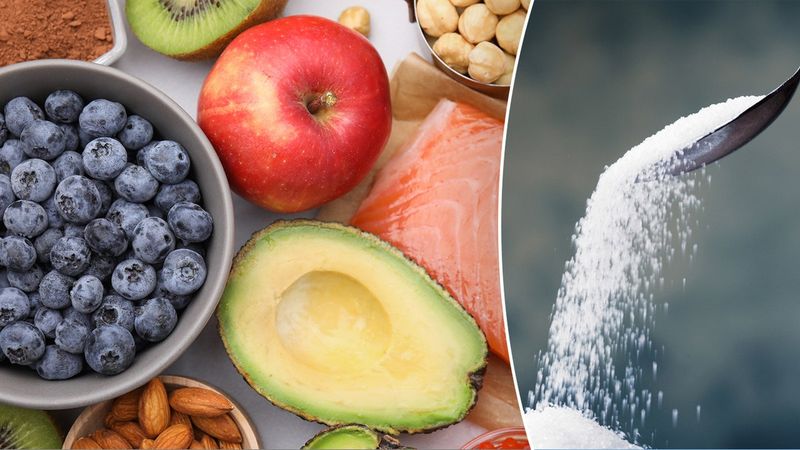
One can of soda can hold around ten teaspoons of sugar. That’s more than many experts suggest for a whole day!
Too much added sugar is tied to weight gain, tooth trouble, and heart problems.
Read food labels, since sugar hides in sauces, cereals, and even bread. When a sweet craving hits, reach for fruit first.
Your taste buds adjust surprisingly fast once you cut back.
10. Eat The Rainbow
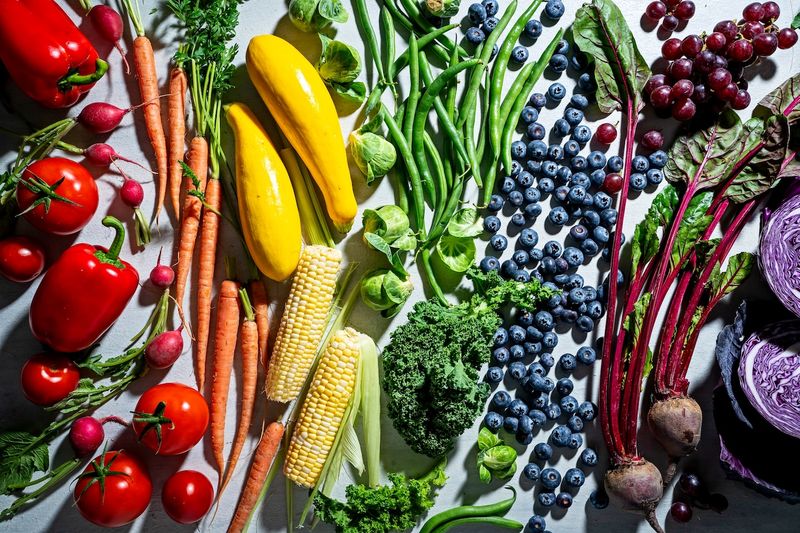
Red, orange, yellow, green, blue, purple. Every color on your plate brings different natural compounds that protect your cells.
Tomatoes offer lycopene, carrots give beta carotene, and blueberries bring antioxidants.
Make it a game! See how many colors you can eat in one day.
Kids especially love this challenge, and grown-ups secretly do too. A bright plate is usually a healthy plate.
11. Pick Healthy Fats Like Olive Oil
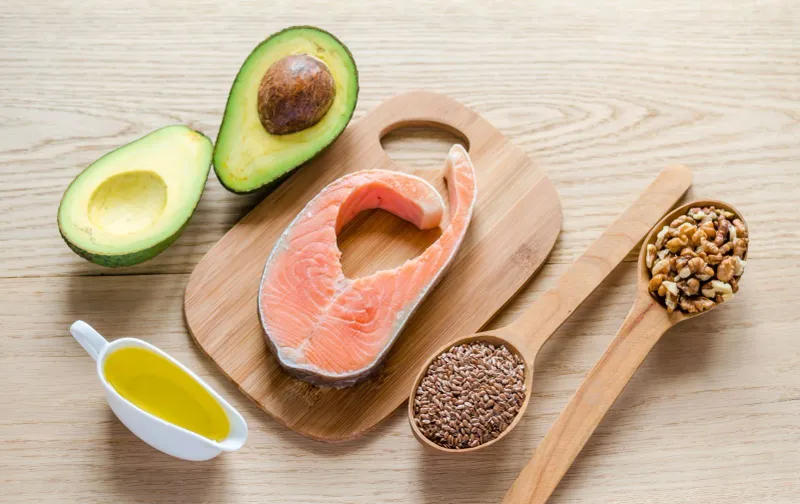
Fat used to be the villain of every diet, but scientists now know some fats are friends. Olive oil, avocados, and fatty fish support your heart and brain.
The Mediterranean diet, famous for olive oil, has been linked to longer, healthier lives.
Use olive oil for salad dressings and light cooking. Try to limit fried foods and heavily processed snacks made with less healthy oils.
12. Enjoy Fish Twice A Week
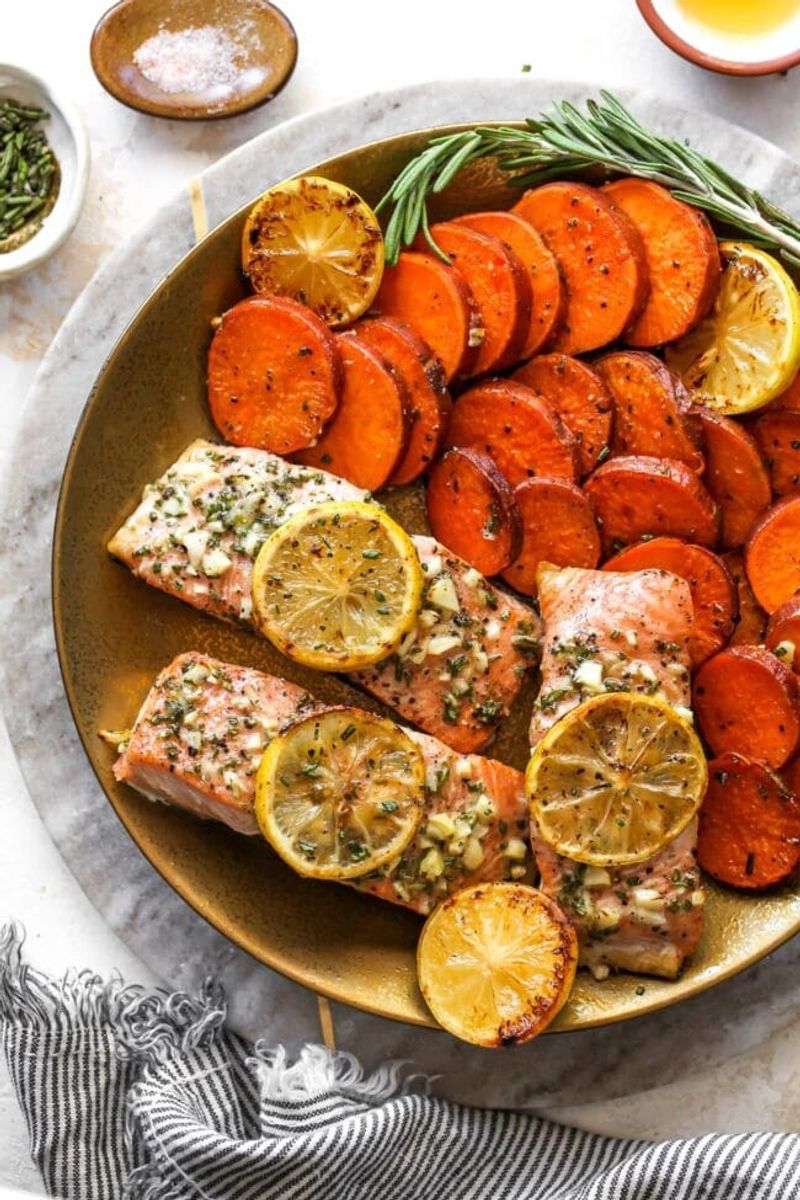
Salmon, sardines, and trout are swimming with omega-3 fatty acids. These special fats help your heart beat steadily and may even boost your mood.
Many health groups suggest eating fish about two times each week.
Not a seafood fan? Start with mild fish like cod or tilapia, baked with lemon and herbs.
Canned tuna or salmon also makes an easy, budget friendly sandwich.
13. Watch Your Portion Sizes

Plates have grown bigger over the decades, and our servings grew right along with them. Even healthy foods can lead to overeating if portions get huge.
A simple trick is to use smaller plates and bowls. Your brain sees a full plate and feels satisfied.
Your hand helps too. A palm of protein, a fist of grains, and two handfuls of veggies make a balanced meal.
14. Limit Processed Foods
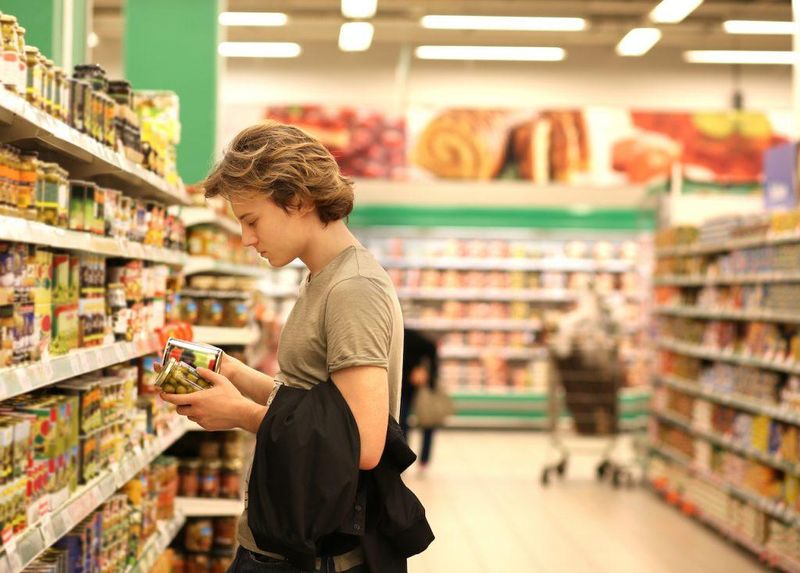
Here’s a handy rule: if your great-grandmother wouldn’t recognize it as food, think twice. Highly processed snacks often contain long ingredient lists, extra salt, and cheap fats.
Whole foods like fruit, eggs, and plain vegetables keep things simple.
You don’t need to be perfect. Just aim to fill most of your cart from the outer edges of the grocery store, where fresh foods usually live.
15. Share Meals With People You Love

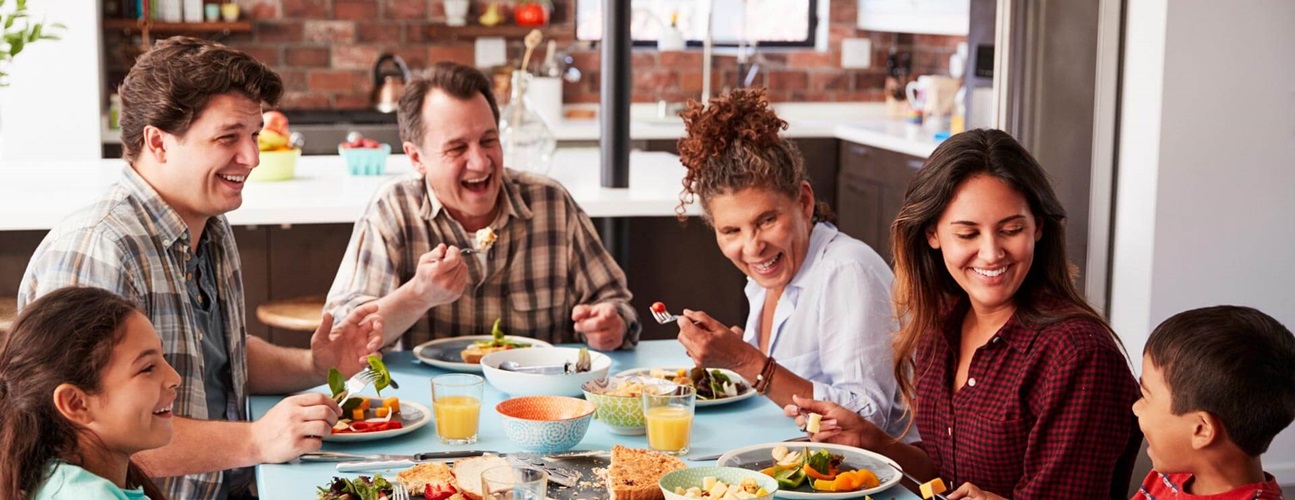
Some of the happiest memories happen around a dinner table. Eating with family or friends isn’t just fun, it may help you live longer.
Research shows strong social connections are linked to better health and less stress.
Shared meals also tend to be slower and more balanced. Put phones away, pass the bowls, and talk about your day.
Laughter makes a wonderful side dish.
16. Go Easy On Salt
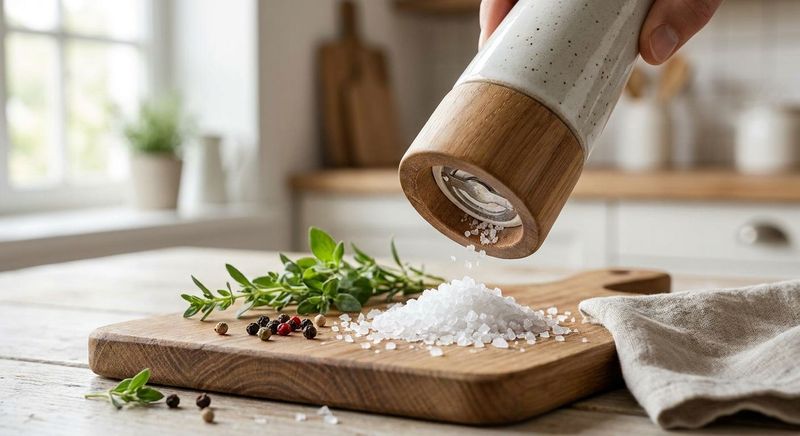
Most salt in our diets doesn’t come from the shaker. It sneaks in through canned soups, deli meats, frozen meals, and fast food.
Too much sodium can raise blood pressure over time.
Flavor food with herbs, spices, garlic, lemon, or vinegar instead. Basil, cumin, and paprika add tons of taste.
After a few weeks, you may notice salty foods start tasting almost too strong.
17. Plan Meals Ahead Of Time
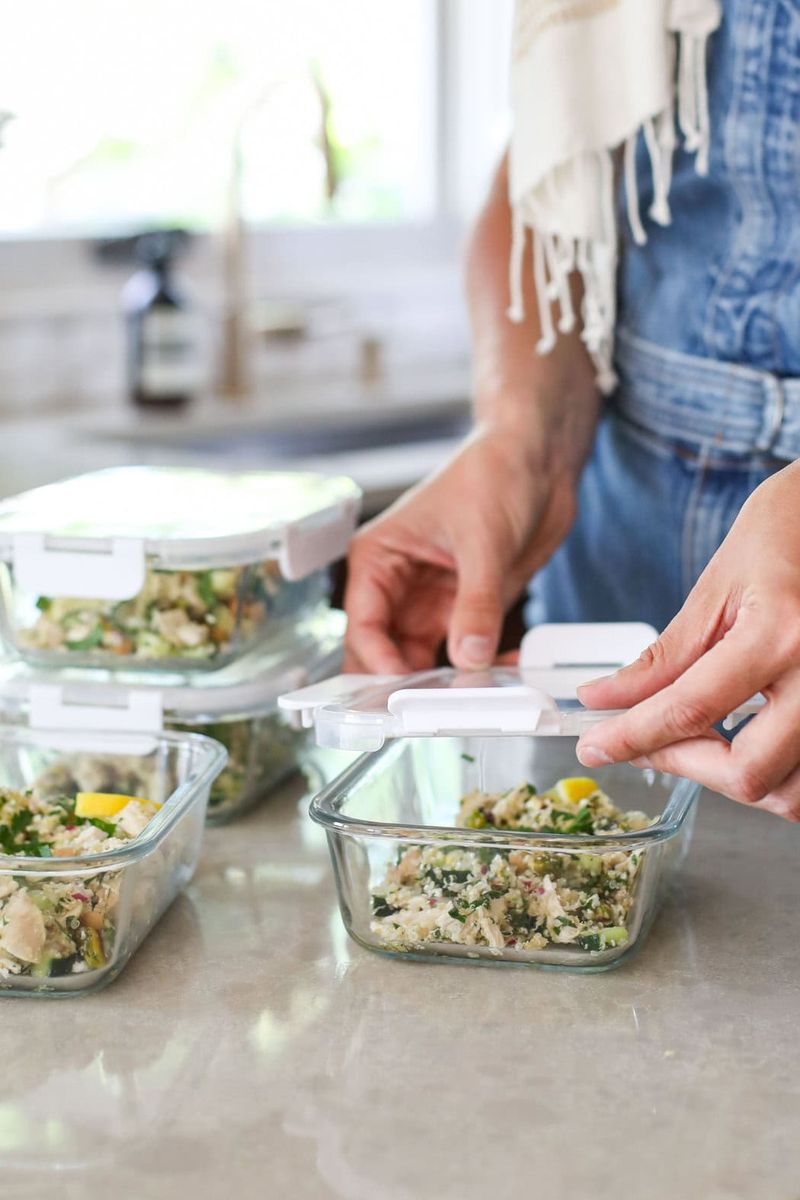
Ever stood in front of the fridge at 7 p.m. with no clue what to eat? That’s when pizza delivery starts calling your name.
Spending 20 minutes on Sunday planning meals can change your whole week.
Write a simple menu, shop with a list, and prep a few items like chopped veggies or cooked rice. Healthy choices become the easy choices when food is ready.
18. Include Fermented Foods
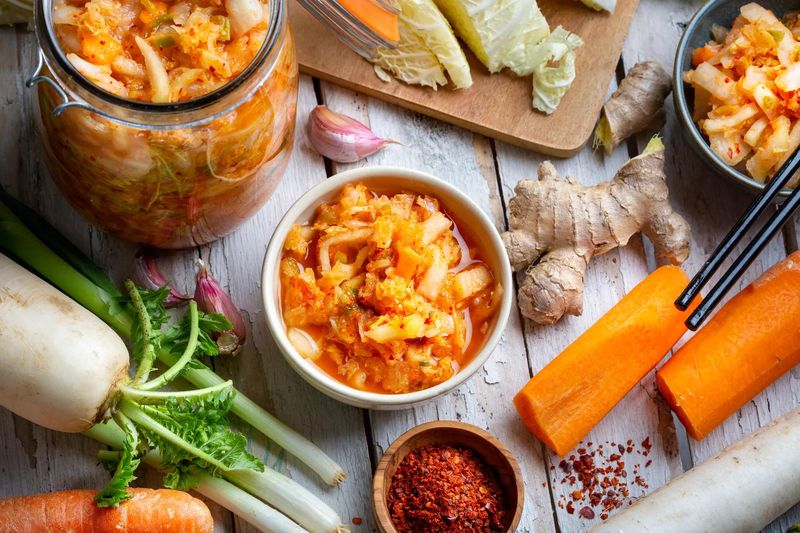
Your gut is home to trillions of tiny bacteria, and many of them are helpful. Fermented foods feed this busy community.
Yogurt, kefir, sauerkraut, kimchi, and miso contain live cultures that support digestion.
Fun fact: people have fermented foods for thousands of years to keep them from spoiling. Start with a spoonful of plain yogurt or a forkful of sauerkraut and build from there.
19. Stop Eating When Comfortably Full
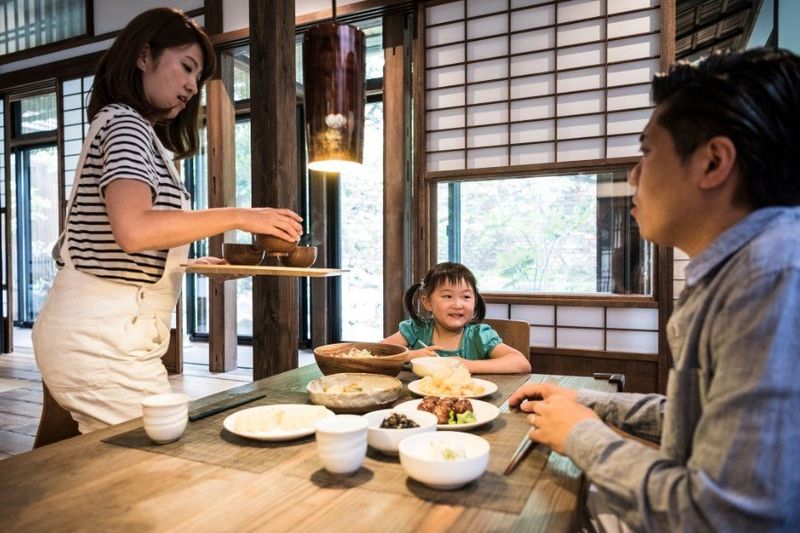
In Okinawa, Japan, many people live past 100. They follow a saying called hara hachi bu, which means eating until you’re about 80 percent full.
Stopping before you feel stuffed gives your body a break and helps manage weight.
Listen to your belly. If you feel satisfied but not heavy, that’s a great place to set down your fork and enjoy the moment.
20. Swap Sweets For Fresh Fruit
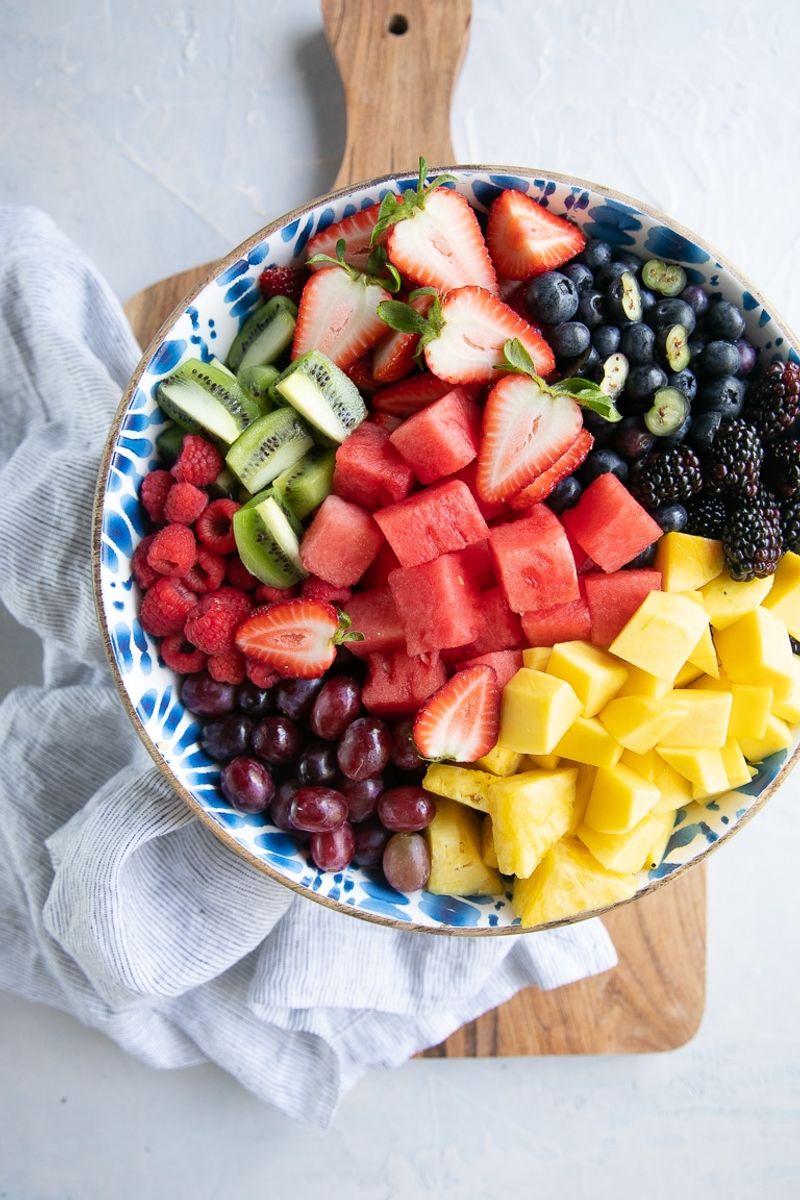
Nature makes the best candy. Juicy grapes, sweet mango, and ripe strawberries can satisfy a sugar craving while delivering fiber and vitamins.
Unlike cookies, fruit fills you up without a big sugar crash afterward.
Keep a fruit bowl on the counter where you can see it. Frozen grapes taste like little popsicles, and banana slices dipped in a bit of dark chocolate feel like a treat.
21. Be Kind To Yourself About Food
Nobody eats perfectly, and that’s totally okay. Feeling guilty over a slice of birthday cake only adds stress, which isn’t healthy either.
Think of healthy eating as a long road trip, not a single race. One detour won’t ruin the journey.
Aim for good choices most of the time and enjoy treats without shame. A happy relationship with food is a big part of a happy life.