
The microwave is one of the handiest tools in any kitchen, but it is not perfect for every food. Some snacks can explode, some lose their flavor, and a few can even become unsafe to eat.
Knowing which foods need a different cooking method can save you from messy cleanups, burned fingers, and upset stomachs. Here are the foods that deserve a second thought before you press start.
1. Whole Eggs in the Shell
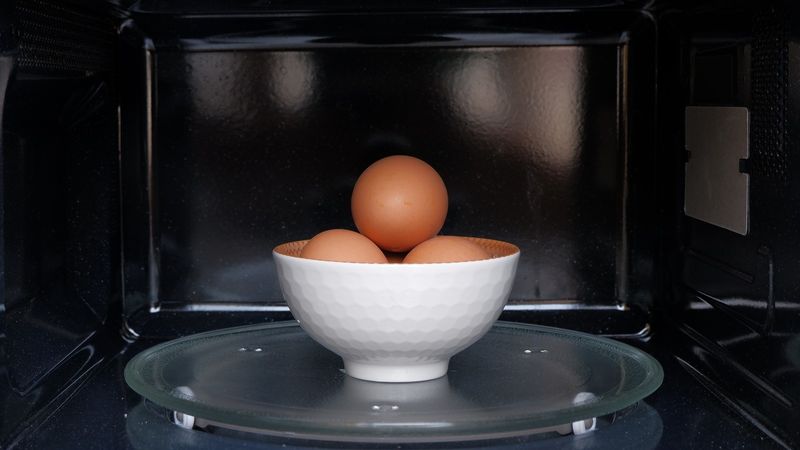
Picture a tiny bomb sitting on your microwave plate. Steam builds up inside the shell with nowhere to escape, and the egg can burst open, sometimes even after you take it out.
People have been burned when a hot egg exploded near their face. That is a breakfast nobody wants.
Boil eggs on the stove instead. If you must use the microwave, crack the egg into a bowl and poke the yolk first.
2. Grapes That Turn Into Sparks
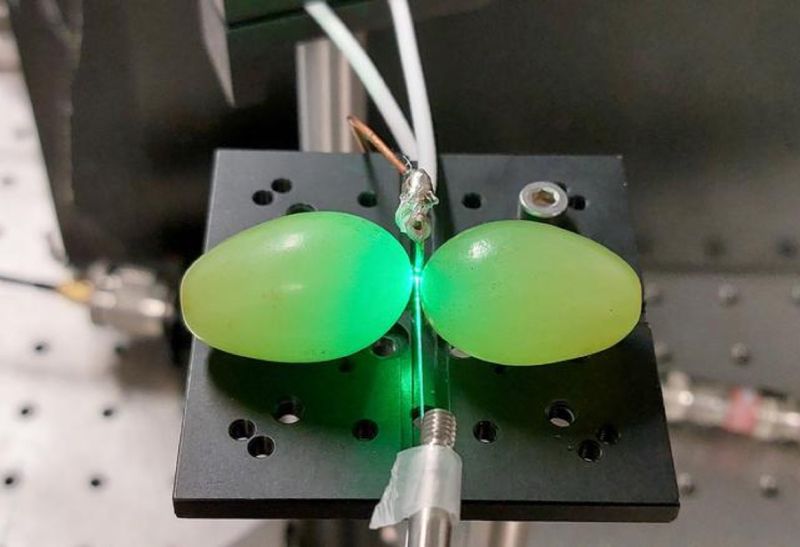
Here is a strange science fact. When grapes are cut almost in half and heated, they can create glowing balls of plasma, like tiny lightning.
Scientists have studied this effect, and it looks cool on video. Inside your kitchen, though, it can damage your microwave and start a fire.
Grapes taste best cold or frozen anyway. Toss them in the freezer for a sweet summer snack instead of zapping them.
3. Leftover Rice
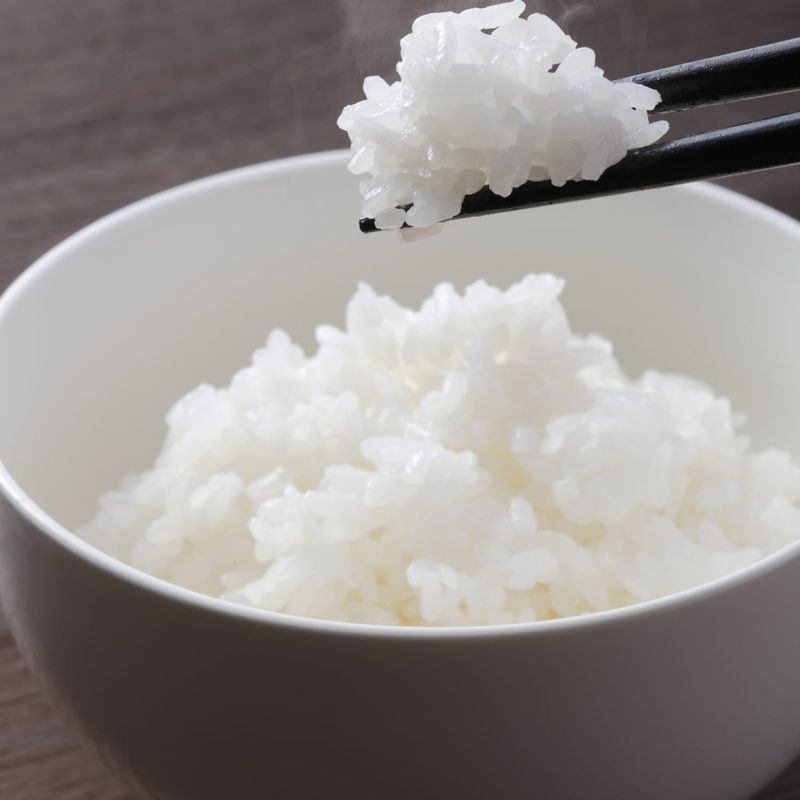
Rice seems harmless, right? Yet cooked rice that sits out too long can grow bacteria called Bacillus cereus, and its spores can survive reheating.
The microwave does not always heat food evenly, so cold spots may stay unsafe. Food poisoning from rice is more common than most people think.
Chill leftover rice within an hour of cooking. When reheating, stir it well and make sure it is steaming hot all the way through.
4. Hot Peppers
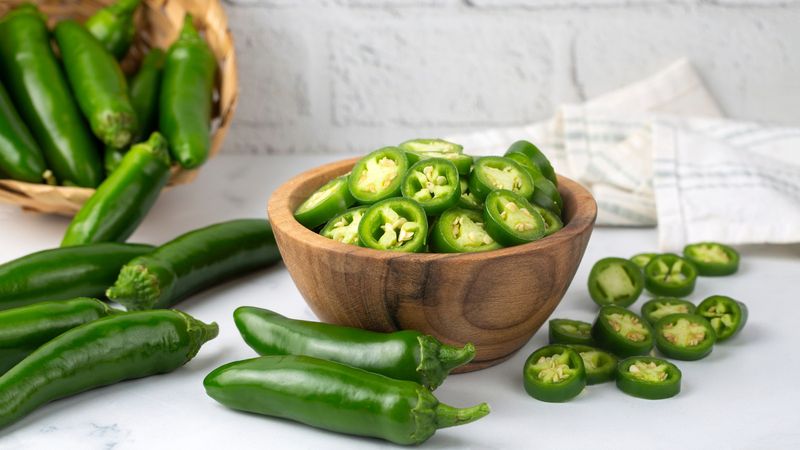
Ever opened a microwave and started coughing? Heating hot peppers releases capsaicin, the spicy chemical, into the air like pepper spray.
When you open the door, that cloud hits your eyes and throat. It can sting for several minutes and make the whole kitchen uncomfortable.
Roast peppers in the oven or sauté them in a pan with the window open. Your eyes and lungs will thank you later.
5. Processed Meats

Hot dogs and bacon are quick favorites for busy mornings. Still, some studies suggest microwaving processed meats may increase certain unhealthy compounds called oxidized cholesterol.
Hot dogs can also split and spatter grease all over the inside of the oven.
Try cooking these meats in a skillet or on a grill. You get better flavor, crispier edges, and less mess.
Enjoy them in moderation as an occasional treat.
6. Breast Milk and Baby Formula
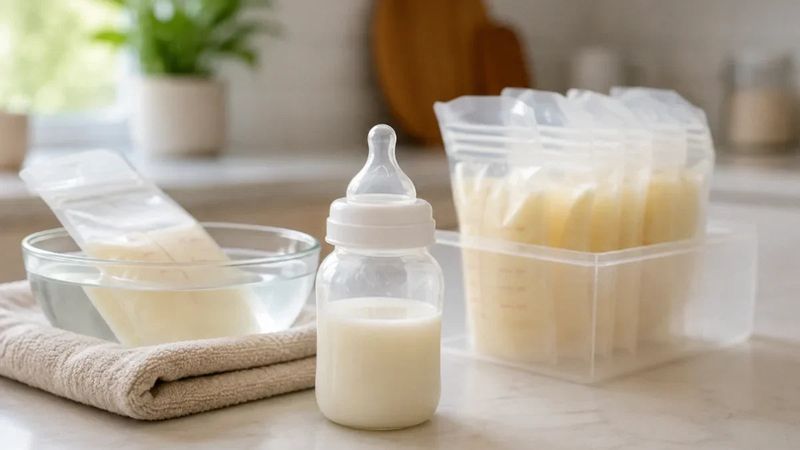
Parents, this one matters a lot. Microwaves create hot spots, so a bottle can feel warm outside while pockets inside are hot enough to burn a baby’s mouth.
Heating breast milk too fast may also break down some of its helpful nutrients.
Warm bottles in a bowl of warm water or use a bottle warmer. Always test a few drops on your wrist before feeding your little one.
7. Frozen Meat for Thawing
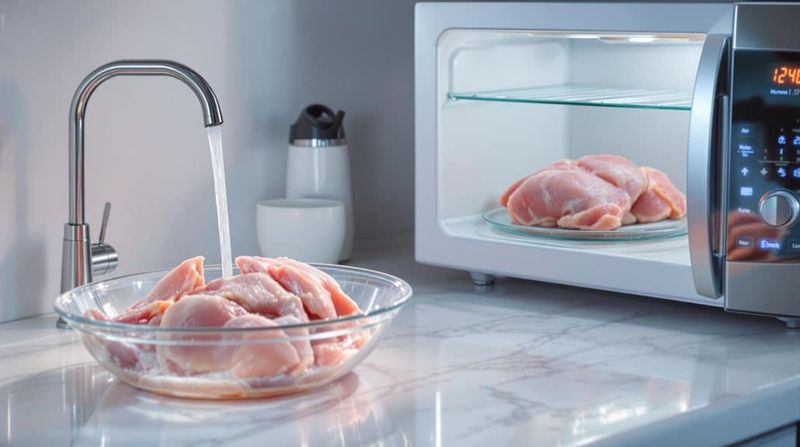
We have all been there. Dinner is in an hour and the chicken is still frozen solid.
The defrost button is tempting, but it often cooks the edges while the middle stays icy. Those warm areas become perfect places for bacteria to grow.
Plan ahead and thaw meat in the fridge overnight. In a rush, seal it in a bag and soak it in cold water, changing the water every thirty minutes.
8. Bread That Turns Rock Hard
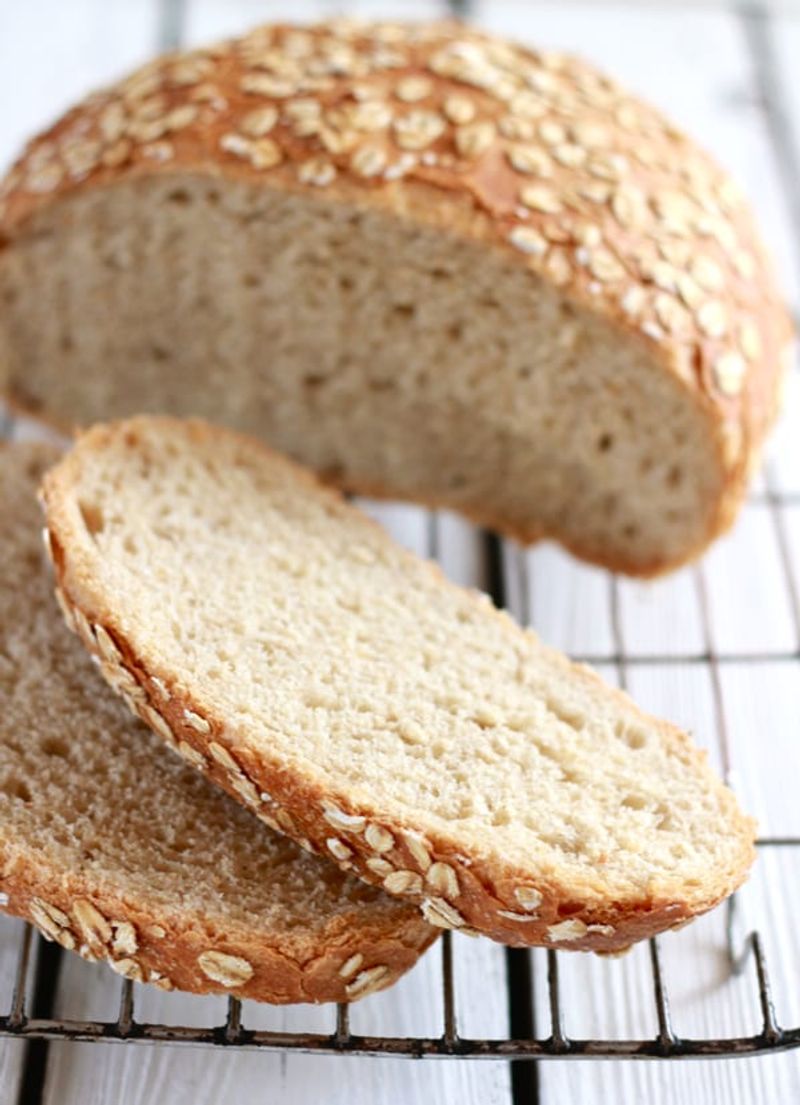
Thirty seconds can turn a soft dinner roll into a chewy hockey puck. Microwaves heat water inside bread, and once it cools, the starches tighten up fast.
The result is tough, rubbery, and kind of sad.
For warm bread, wrap it in foil and pop it in the oven for a few minutes. A toaster works great for slices.
If you must microwave, cover it with a damp paper towel and eat it right away.
9. Sauces in a Sealed Jar
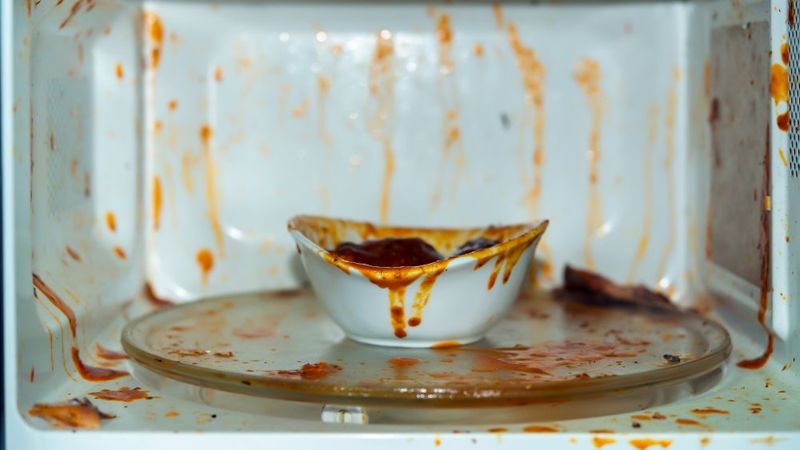
Tomato sauce loves to explode. Thick sauces trap bubbles of steam that suddenly burst and paint your microwave red.
Many jars also have metal lids, which can spark. Some glass jars are not made for high heat either and could crack.
Pour sauce into a microwave-safe bowl and cover it loosely. Better yet, warm it in a small pot on the stove and stir often for smooth, even heat.
10. Leafy Greens Like Spinach
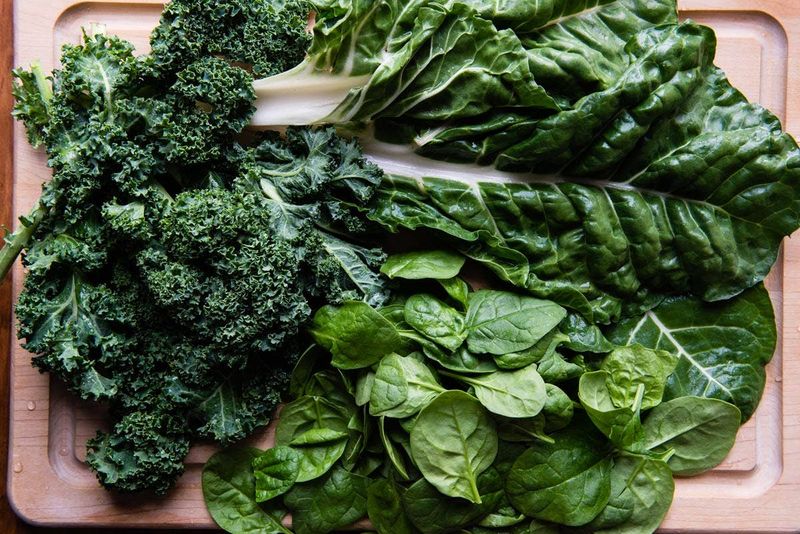
Did you know spinach and kale can actually spark in the microwave? Some leafy greens contain minerals like iron and magnesium that may act like tiny bits of metal.
Reheated cooked spinach also carries nitrates that can change into less healthy compounds when heated again.
Steam fresh greens on the stove or toss them into a hot pan. They cook in just a couple of minutes and keep their bright color.
11. Potatoes Without Holes
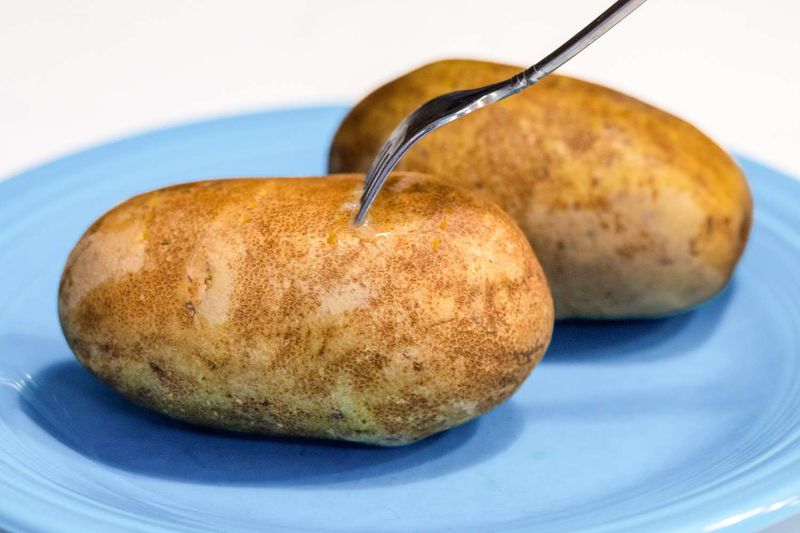
A baked potato in five minutes sounds like magic. Skip one small step, though, and that spud can burst like a balloon.
Steam builds under the tough skin until it pops. Leftover baked potatoes also need care, since cooling them slowly can allow harmful bacteria to grow.
Always poke a potato several times with a fork before cooking. Refrigerate leftovers quickly, and remove any foil before reheating.
12. Fish Leftovers
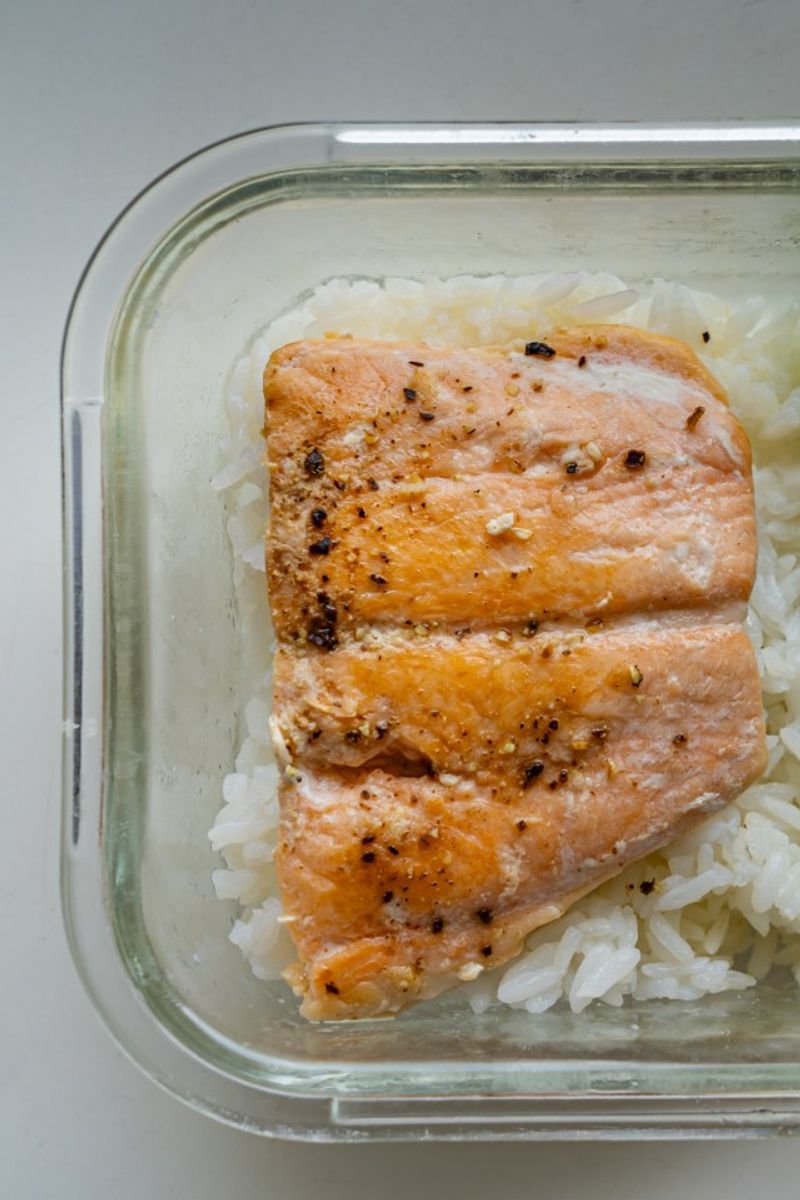
Ask any office worker about the fish smell incident. Reheated fish fills a room with a strong odor that lingers for hours and annoys everyone nearby.
Fish also dries out quickly, turning flaky fillets tough and rubbery.
Enjoy cold salmon on a salad, or reheat fish gently in the oven at a low temperature with a splash of water. Your coworkers and your taste buds will both be much happier.
13. Mushrooms From Yesterday
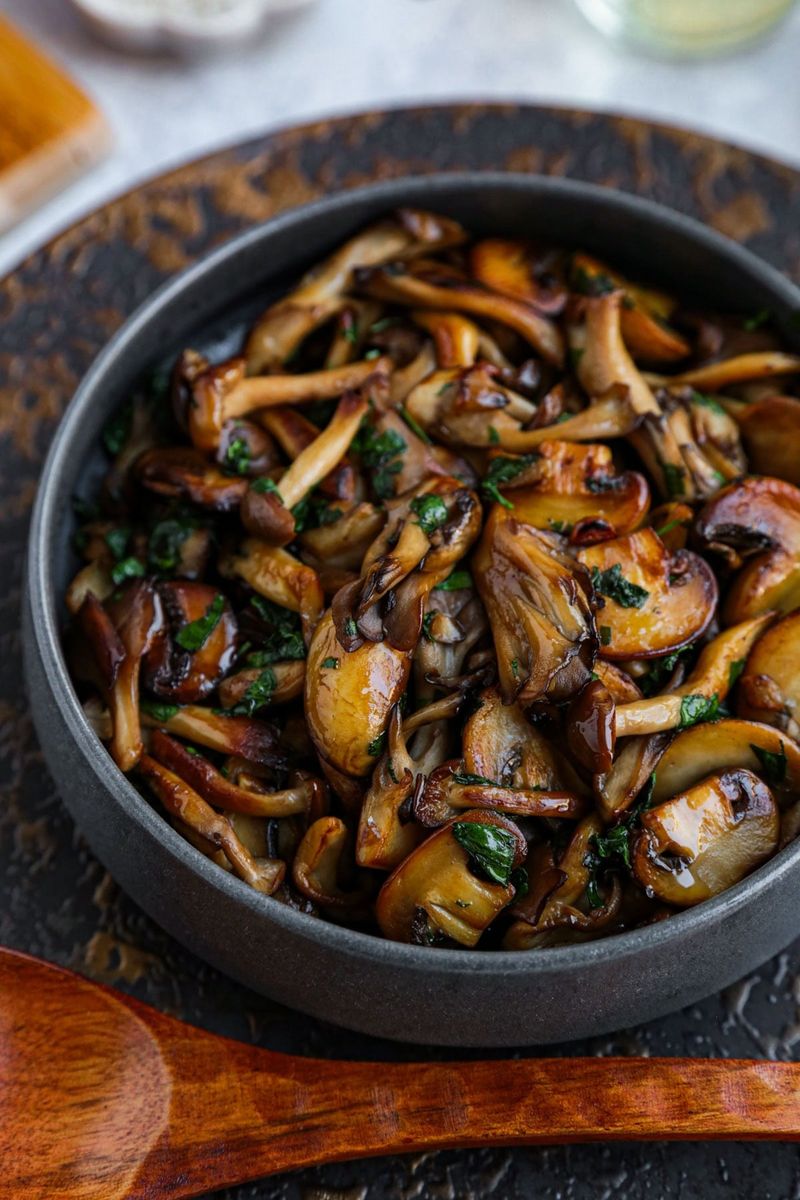
Mushrooms are delicate little things. Their proteins break down quickly after cooking, and leftovers stored poorly can upset your stomach when reheated.
Some food experts suggest eating cooked mushrooms the same day for the best safety and taste.
If you have leftovers, keep them in the fridge and eat them within a day. Try them cold in a salad, or reheat them fully until steaming hot in a pan.
14. Hard-Boiled Eggs
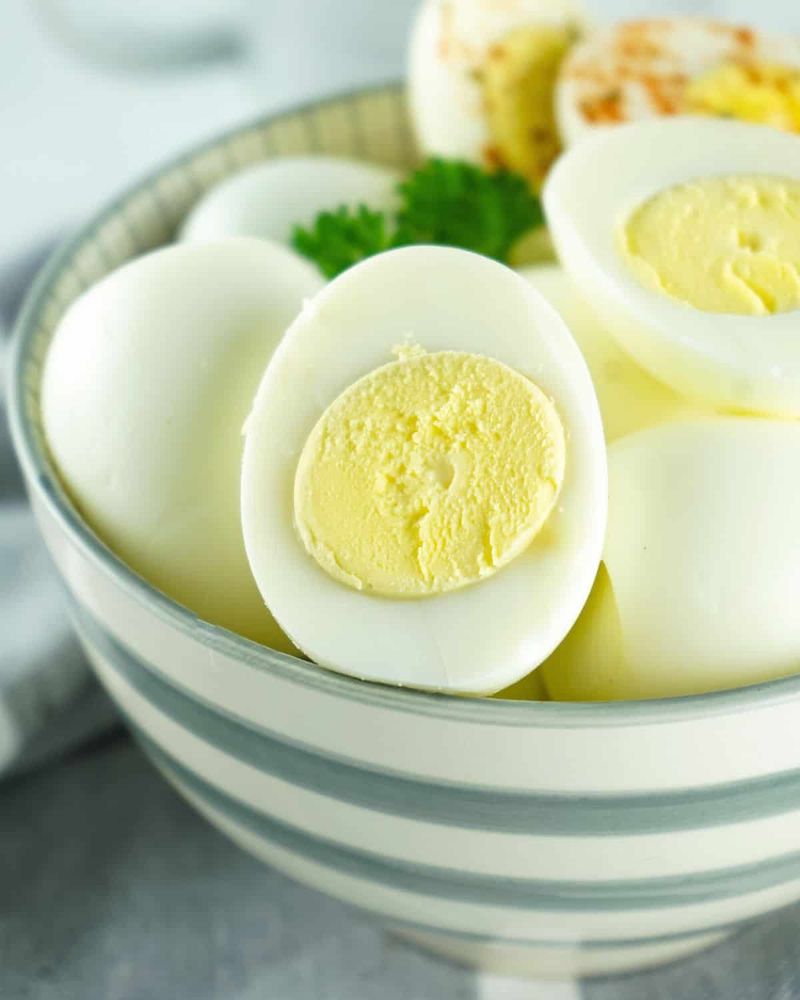
Peeled or not, a hard-boiled egg is a sneaky troublemaker. It looks calm in the microwave but can explode when you bite or cut into it.
Steam gets trapped inside the firm yolk and releases with a loud pop. Some people have suffered burns this way.
Eat hard-boiled eggs cold or at room temperature. If you want warmth, slice them first and heat them gently on the stove.
15. Takeout in Original Containers
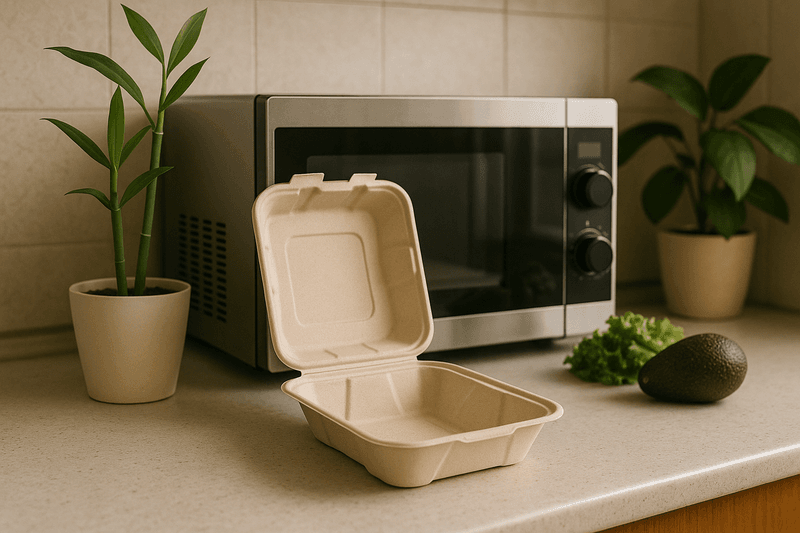
Late-night noodles straight from the box sound easy. However, many takeout containers have metal handles or foil linings that can spark and cause fires.
Some plastic and foam containers may also leak chemicals into hot food.
Move your leftovers to a glass or ceramic dish marked microwave-safe. It takes ten extra seconds and keeps your dinner safer.
Bonus tip: add a splash of water to keep noodles from drying out.
16. Plain Water
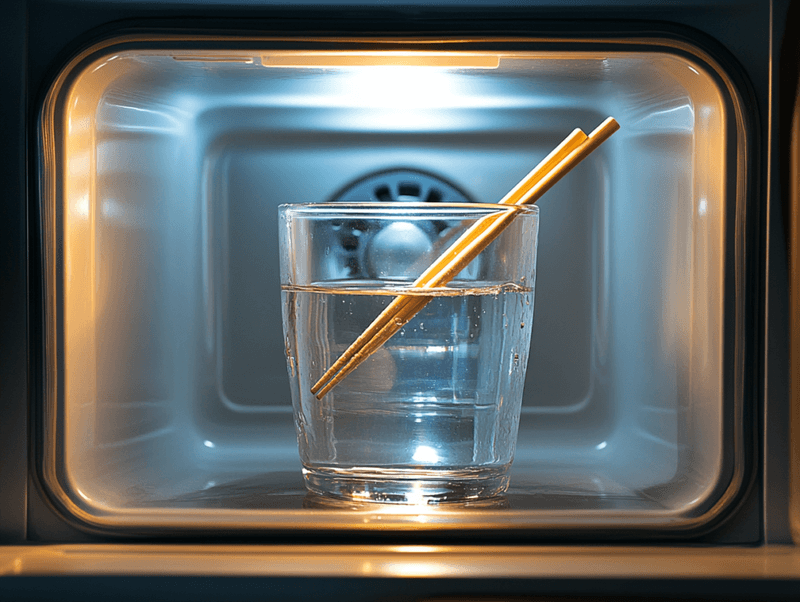
Water seems like the safest thing to heat. Surprisingly, it can become superheated, getting hotter than boiling without any bubbles.
When you move the cup or add a tea bag, it can suddenly erupt and splash scalding water on your hands.
Place a wooden stir stick or microwave-safe spoon in the cup while heating. Avoid overheating, and let the mug sit for a moment.
A kettle is often the smarter choice.
17. Frozen Fruit
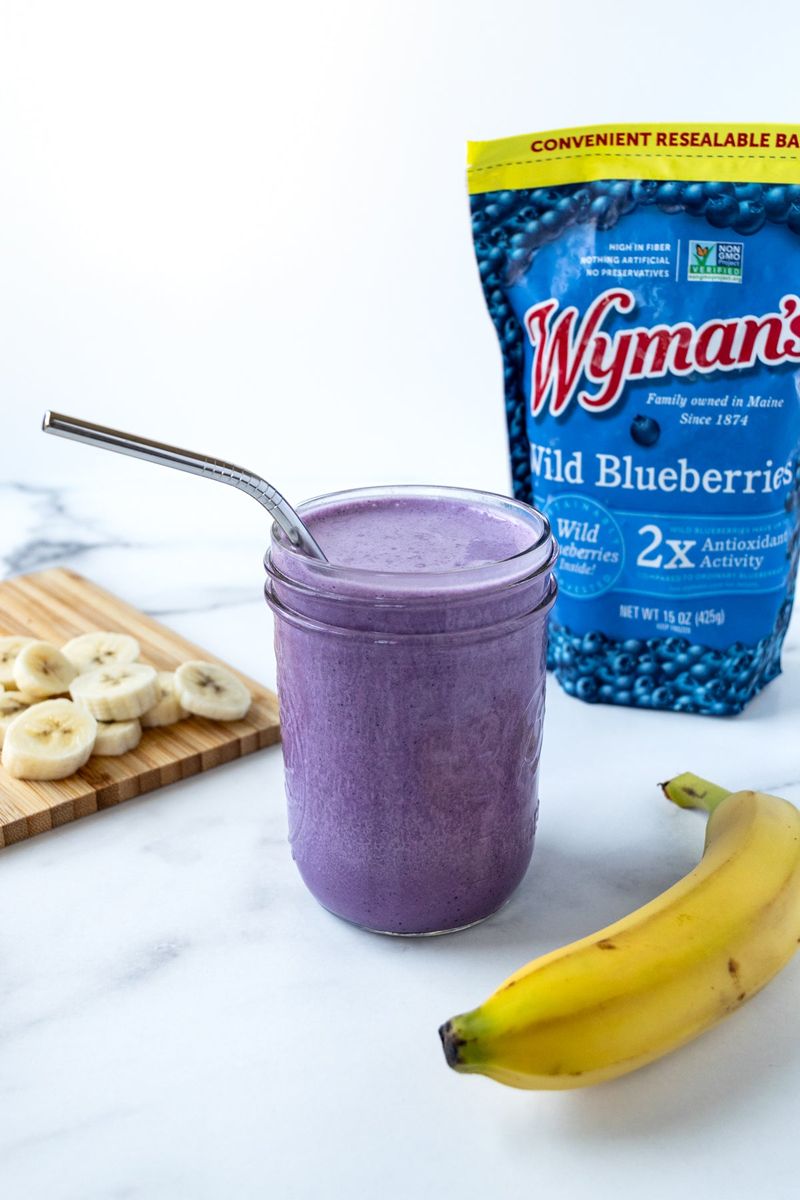
Frozen berries in a hurry? Microwaving them often leaves some parts mushy and others still icy, and the texture becomes soggy.
Heat can also lower levels of helpful nutrients like vitamin C. Plus, uneven thawing makes frozen fruit taste watery instead of fresh.
Let fruit thaw in the fridge or on the counter for a bit. Frozen fruit is also perfect blended straight into smoothies with no heating needed at all.