
Reading a script, following directions, or staying focused can be harder than it looks, even for famous people. By sharing their experiences, celebrities can help children and adults feel less alone and more comfortable asking for support.
The public accounts below cover learning disorders and related conditions, including dyslexia, ADHD, and dyspraxia, which are not all the same diagnosis. Each story shows why struggles in school should never define someone’s worth or future.
1. Tom Cruise: Finding Another Way Into Scripts

Action scenes may look effortless, but reading was a major challenge for this movie star. Tom Cruise has publicly described being diagnosed with dyslexia as a child and struggling to understand written material.
He has discussed using listening and other study methods to prepare for roles. His experience offers a useful reminder: difficulty reading does not mean low intelligence.
Audio tools and guided reading practice can make written information more accessible for many learners today.
2. Keira Knightley: Letting Acting Spark Reading

A dream of acting gave one young reader a powerful reason to keep practicing. Keira Knightley has spoken about receiving a dyslexia diagnosis around age six and working hard on reading during childhood.
Her family connected acting opportunities with schoolwork, giving practice a clear purpose. That approach will not suit everyone, but the broader idea helps: choose reading material linked to a child’s interests, while providing patient teaching rather than pressure or punishment at home.
3. Daniel Radcliffe: Speaking Honestly About Coordination

Even the actor behind Harry Potter has found shoelaces tricky. Daniel Radcliffe has publicly discussed dyspraxia, a condition that affects movement and coordination, and has mentioned difficulties with handwriting and tying shoes.
Dyspraxia is not a measure of intelligence, and its effects vary between people. Practical changes, such as typing instead of handwriting or breaking physical tasks into smaller steps, may reduce frustration.
An occupational therapist can help someone find strategies suited to daily needs.
4. Whoopi Goldberg: Rejecting Hurtful School Labels
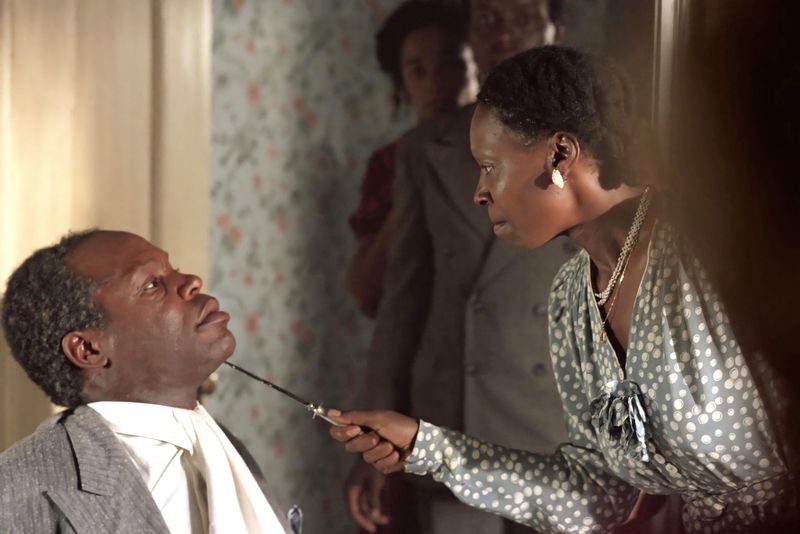
Being called lazy or slow can leave lasting marks on a child. Whoopi Goldberg has recalled struggling in school before learning as an adult that she had dyslexia.
Her story challenges the unfair labels often attached to reading difficulties. A student who avoids written work may need help, not criticism.
Families can ask teachers about reading assessments and targeted instruction. Listening carefully to a child’s frustration is often a better starting point than demanding effort.
5. Michael Phelps: Building Structure Through Swimming

The swimming pool gave a restless child a place to channel his energy. Michael Phelps has discussed being diagnosed with ADHD at age nine and finding structure through training.
ADHD affects attention, activity levels, and impulse control; it is not a specific learning disorder. Exercise can support wellbeing, but it does not replace individual care.
Phelps has also encouraged mental health conversations, showing that achievement and needing professional support can exist together throughout someone’s life.
6. Richard Branson: Making Communication Clearer
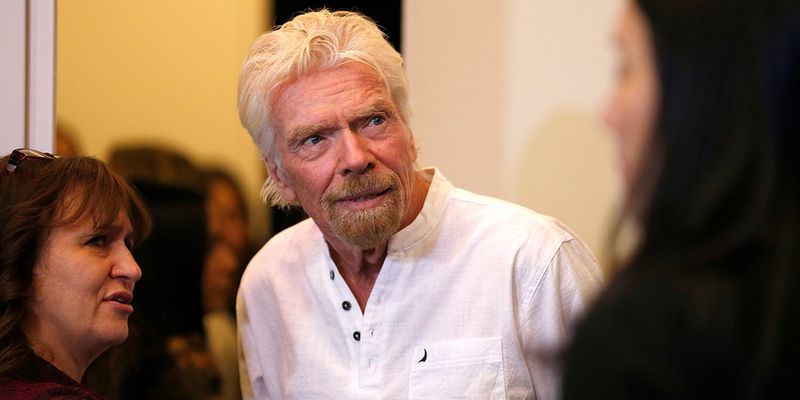
Complicated business language never impressed this entrepreneur. Richard Branson has often discussed dyslexia and how school difficulties shaped his preference for clear explanations and big ideas.
His public account of dyslexia is well established; claims about other diagnoses need separate evidence. Rather than treating dyslexia as a guaranteed business advantage, take a practical lesson from his approach: request plain language, record useful ideas, and work with people whose skills complement your own strengths and needs.
7. Cher: Understanding School Struggles Later
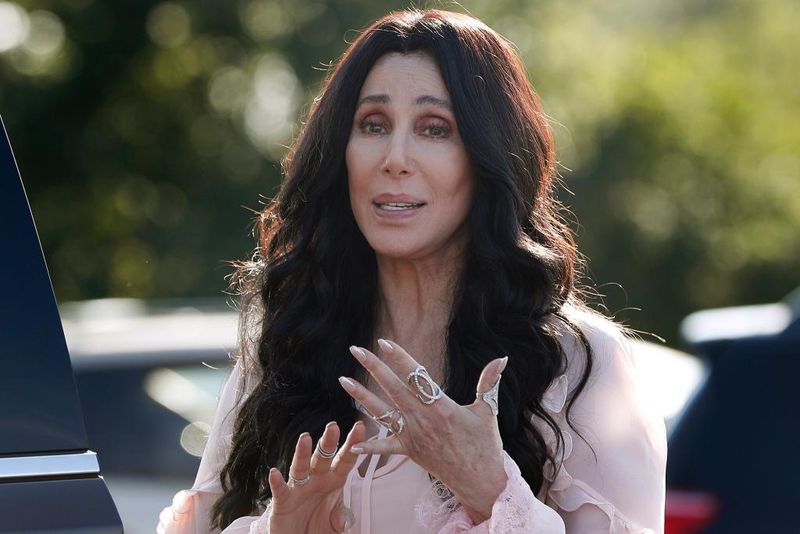
Behind the bold costumes and confident performances was a student who found school confusing. Cher has described difficulties with reading and numbers, and learning about her dyslexia while one of her children was being assessed.
Late answers can help people rethink years of self blame. Trouble with numbers also deserves proper assessment rather than guesses based on celebrity stories.
Adults can still seek support, including accessible reading tools and practical help with everyday money tasks.
8. Henry Winkler: Turning Pain Into Children’s Books
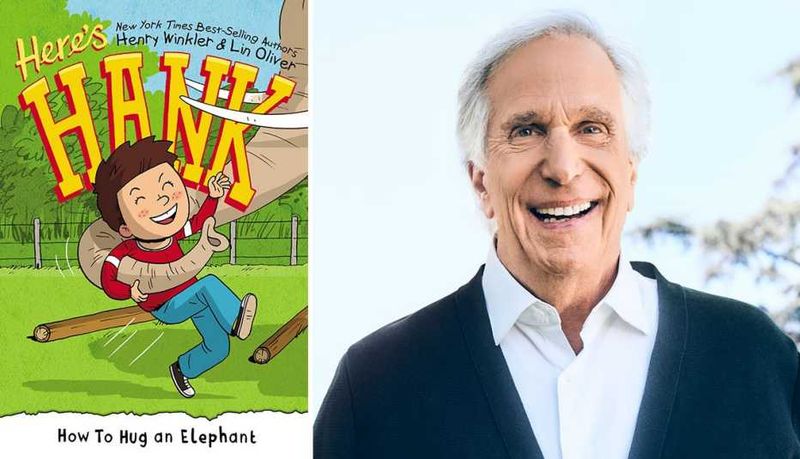
Playing the confident Fonz did not erase painful memories of school. Henry Winkler has spoken openly about discovering his dyslexia as an adult after years of feeling misunderstood.
He later helped create the Hank Zipzer books, featuring a boy with learning challenges. Stories like these can give children language for their own experiences.
Sharing a relatable book may open a gentler conversation than asking why school is difficult, especially when a child already feels embarrassed.
9. Steven Spielberg: Finding Answers After Decades

Long before directing famous films, a young storyteller felt out of place in class. Steven Spielberg has discussed reading struggles, bullying, and receiving a dyslexia diagnosis in his sixties.
Making movies became a meaningful creative outlet, but success did not explain those early difficulties until much later. His experience shows that assessment can matter at any age.
Adults who struggle with reading deserve useful answers and support, even after building careers and raising their families.
10. Justin Timberlake: Discussing Conditions Beyond Learning Disorders

A polished performance reveals little about what happens away from the stage. Justin Timberlake has publicly said that he has attention difficulties and obsessive compulsive disorder, often called OCD.
Neither diagnosis should automatically be described as a learning disorder. ADHD can affect focus, while OCD involves distressing obsessions and compulsions.
Keeping those differences clear helps prevent stereotypes. Anyone facing similar symptoms should seek an individual assessment rather than compare their habits with a performer’s brief comments.
11. Jennifer Aniston: Rethinking an Old Self-Image
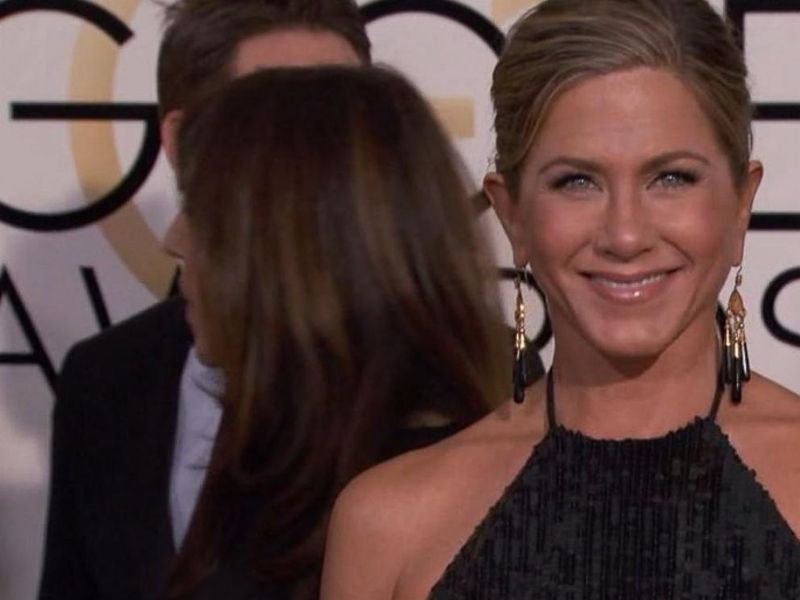
An appointment connected with getting glasses led to an unexpected answer. Jennifer Aniston has said she discovered her dyslexia in her twenties, helping explain reading and school struggles that had hurt her confidence.
A diagnosis did not change her intelligence; it changed how she understood her past. Readers can take that distinction to heart.
If written information remains unusually difficult, ask a qualified professional about assessment instead of assuming the problem is a personal failure.
12. Orlando Bloom: Practicing Without Hiding the Struggle

Reading aloud can feel intimidating when every line takes extra effort. Orlando Bloom has publicly discussed childhood dyslexia and the work involved in learning scripts as an actor.
He has also supported conversations about learning differences, helping challenge the idea that reading speed determines potential. For students, preparation can make public reading less stressful.
Asking for material beforehand, choosing a quiet practice space, and discussing classroom adjustments are reasonable steps, not signs of taking shortcuts.
13. Salma Hayek: Giving Reading the Time It Needs

Working across languages adds another layer to learning a script. Salma Hayek has spoken about dyslexia and needing more time to read, while also describing strengths in remembering material.
Her experience is personal, not a rule that everyone with dyslexia has an exceptional memory. The useful takeaway is flexibility: allow enough preparation time and notice which methods actually help.
Reading slowly can still lead to careful understanding, whether someone is studying dialogue or classroom notes.
14. Anderson Cooper: Getting Reading Support Early

Delivering news on television requires constant contact with written words. Anderson Cooper has publicly discussed childhood dyslexia and receiving support to develop his reading skills.
That background may surprise viewers who see a confident journalist, but learning difficulties are not always visible. Early help can build skills and reduce shame.
If a child struggles to connect letters with sounds or read accurately, speak with the school about screening and structured reading instruction rather than waiting.
15. Channing Tatum: Separating Grades From Worth

Feeling lost in a classroom can overshadow everything a student does well. Channing Tatum has described growing up with ADHD and dyslexia, along with the damage school struggles did to his confidence.
His account highlights the emotional side of learning differences, not just grades or test scores. Children need adults who recognize effort and strengths without ignoring support needs.
Creative activities, movement, and clear instructions may help, alongside teaching and treatment tailored to each learner.
16. Jay Leno: Looking Beyond Academic Predictions
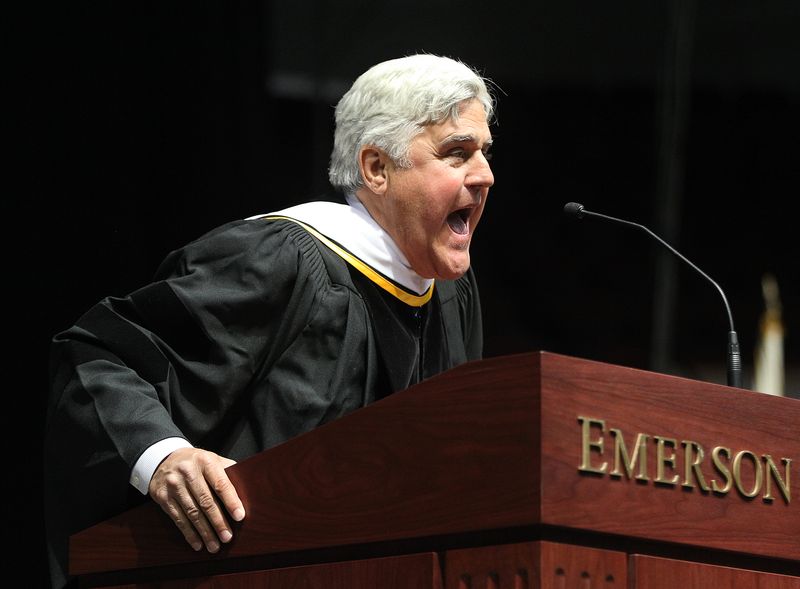
A quick joke can hide years of classroom frustration. Jay Leno has discussed having dyslexia and facing discouraging views about his academic future before building a long career in comedy.
His path is a reminder that school performance measures only part of someone’s abilities. Humor, observation, and communication matter too.
Still, celebrating strengths should not mean withholding reading help. Students benefit most when adults combine realistic support with room to explore interests beyond report cards.
17. Danny Glover: Speaking Up About Early Difficulties
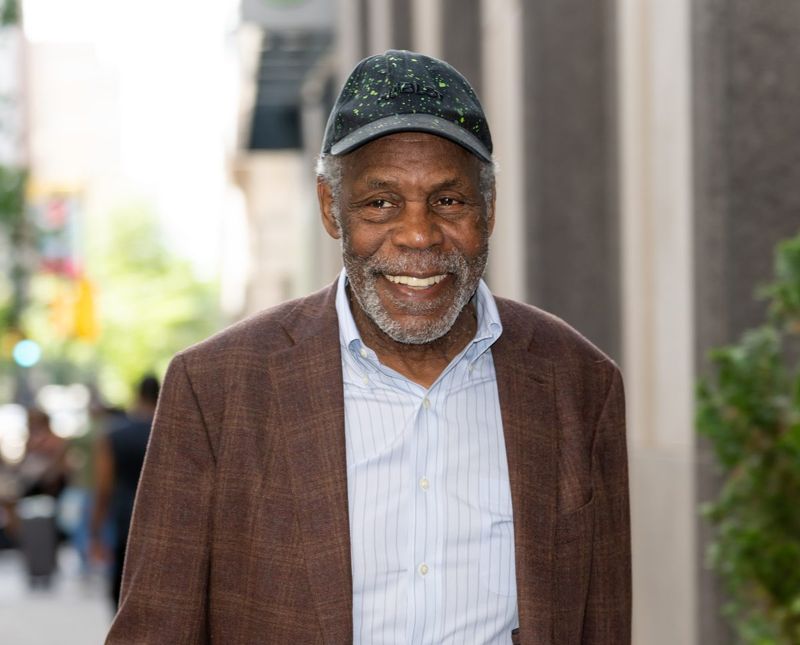
For some children, reading trouble becomes a secret they work hard to hide. Danny Glover has spoken about dyslexia and the difficulties he experienced during his school years.
His openness can help others understand that struggling with words does not limit a person’s ability to tell powerful stories. A supportive classroom makes room for questions without embarrassment.
Offering spoken explanations alongside written directions is one practical way to help students participate while strengthening reading skills.
18. Jamie Oliver: Learning Through Hands-On Work

A busy kitchen offered a different kind of classroom for this British chef. Jamie Oliver has frequently discussed dyslexia, his difficult relationship with school, and the appeal of practical learning.
Cooking can involve watching, listening, measuring, and practicing, giving learners several ways to understand a task. That does not mean everyone with dyslexia learns best through cooking.
Instead, try combining demonstrations with clear written steps and suitable reading support, then notice what improves understanding and confidence.