
Long before store-bought desserts filled every shelf, grandmothers baked pies using whatever the season, the garden, or the pantry offered. Many of those clever recipes have slowly faded from family tables.
Learning about them connects us to our history and might even give you a new favorite dessert. Grab a fork, because these old-fashioned fillings deserve a second chance.
1. Mock Apple Pie
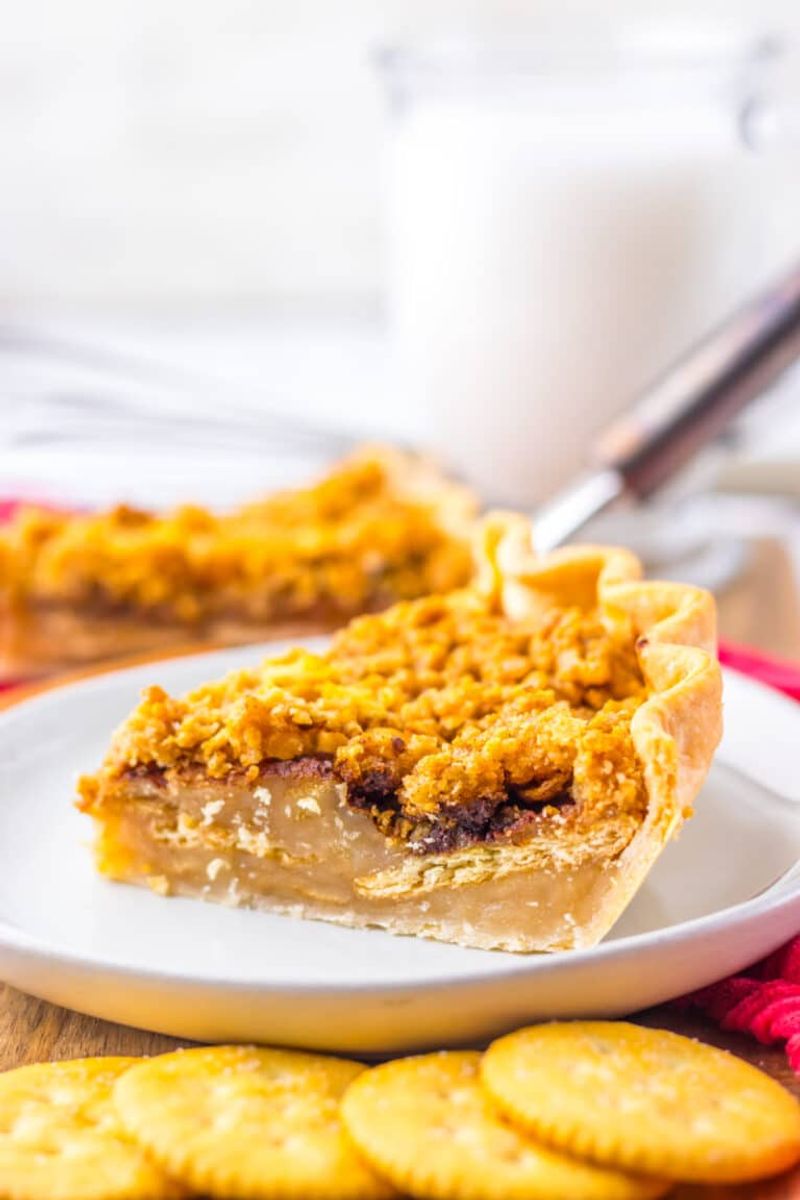
Picture a pie that tastes like apples but contains zero fruit. During the Great Depression, apples were costly, so clever cooks used buttery crackers soaked in sugar syrup, lemon, and cinnamon instead.
The result fooled plenty of dinner guests. Even today, people are shocked when they learn the secret.
Want to try it? Use plenty of lemon juice and cinnamon, since those two flavors do most of the tricking.
2. Vinegar Pie
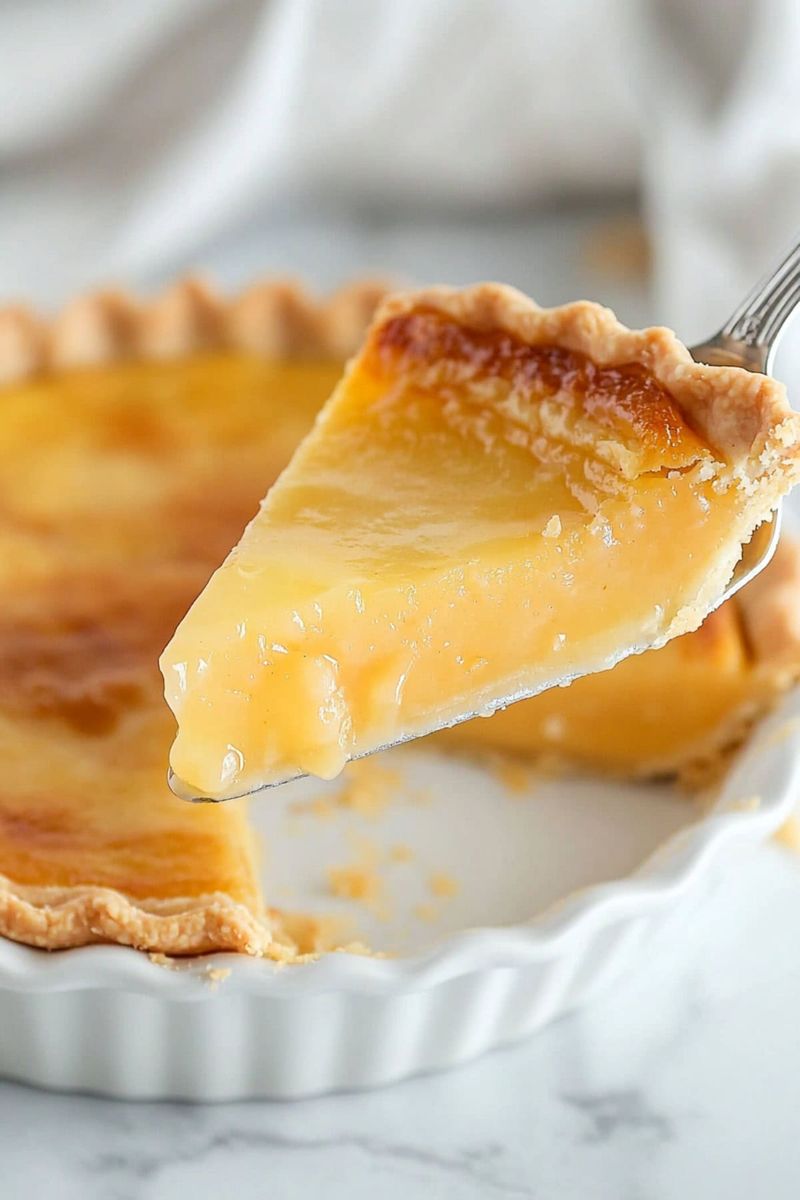
Vinegar in dessert sounds strange, right? Pioneer families crossing the prairie often had no lemons, so they reached for a bottle of cider vinegar to add that bright, tangy kick.
Mixed with eggs, sugar, and butter, the filling bakes into a smooth custard that tastes surprisingly like lemon chess pie.
Fun fact: some folks called it desperation pie, because it came from simple pantry staples when nothing fresh was around.
3. Green Tomato Pie
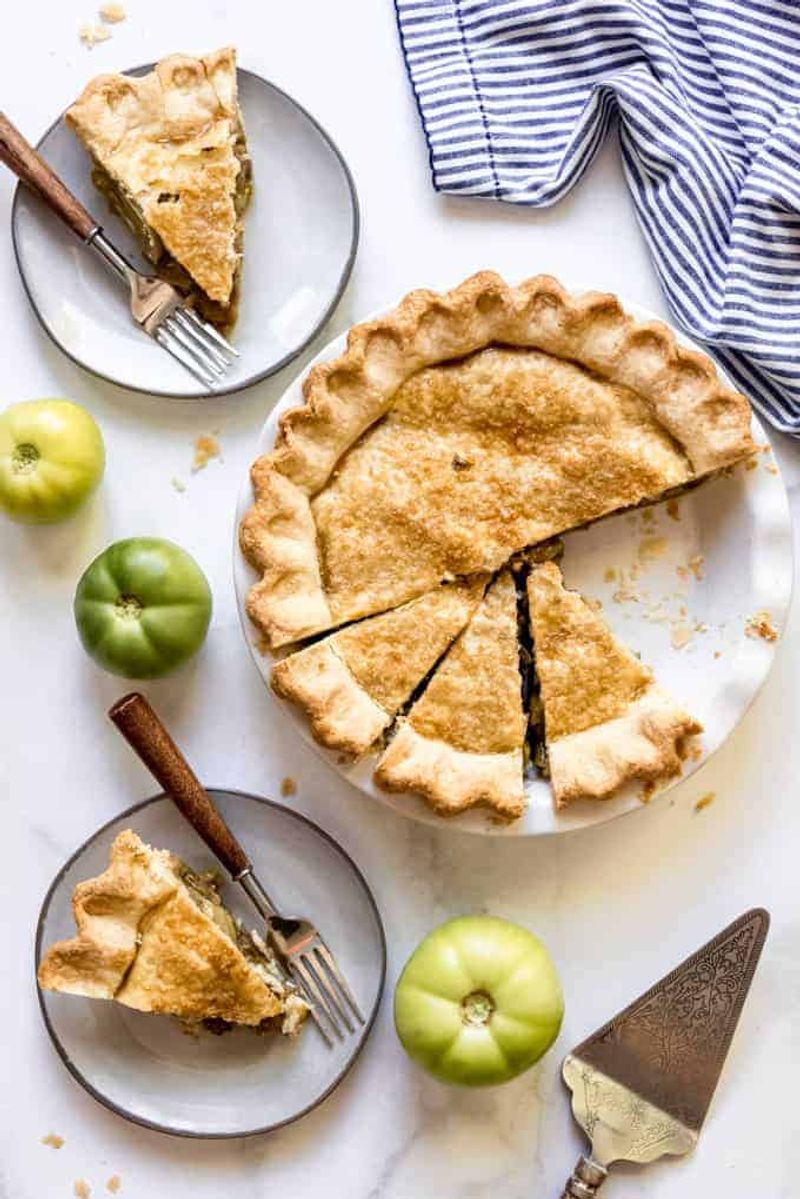
When the first frost threatened the garden, grandma never let unripe tomatoes go to waste. She sliced them thin, tossed them with sugar, cinnamon, and a splash of vinegar, then tucked them under a flaky crust.
Once baked, they soften and taste a lot like tart green apples.
Got a backyard plant still loaded in October? Pick those hard green ones and give this thrifty, cozy dessert a try.
4. Shoofly Pie
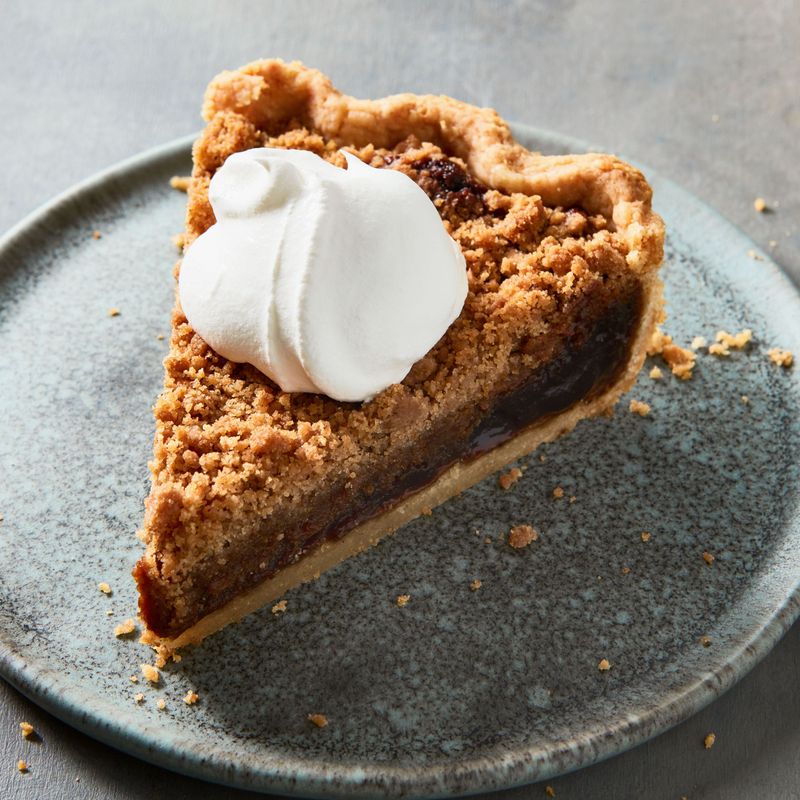
Legend says the sticky molasses filling attracted so many flies that bakers had to keep shooing them away. That silly story gave this Pennsylvania Dutch classic its catchy name.
Underneath a crumbly brown sugar topping sits a gooey, rich layer that tastes almost like gingerbread.
Amish families often ate it for breakfast with strong coffee. Try a wet-bottom version if you like it extra sticky and sweet.
5. Sugar Cream Pie
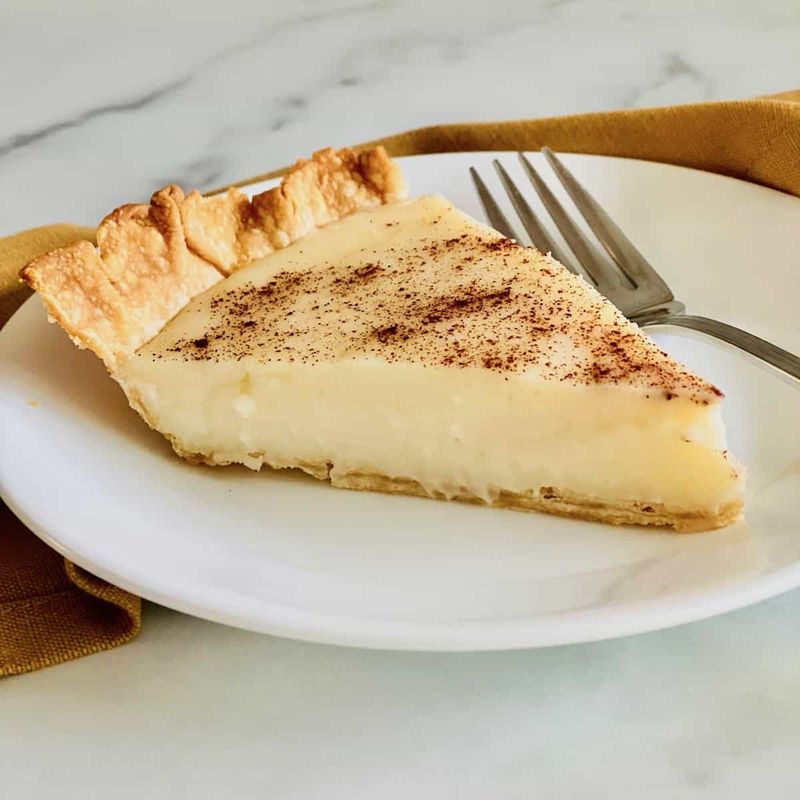
Hoosiers are proud of this one, and for good reason. Indiana even named sugar cream its official state pie in 2009.
The recipe is wonderfully simple: cream, sugar, flour, butter, and a little vanilla. No eggs are needed, which made it handy in winter when hens stopped laying.
A dusting of nutmeg on top adds warmth. Each bite feels like a soft, sweet hug from an old friend.
6. Mincemeat Pie
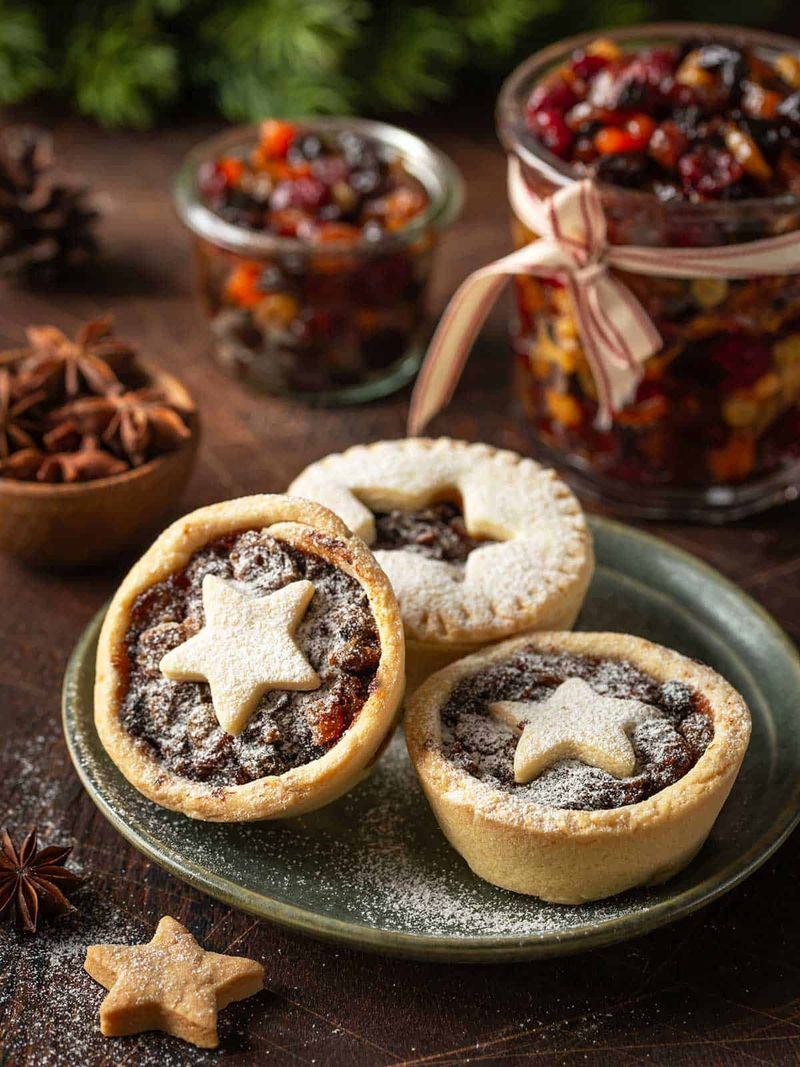
Back in the day, mincemeat really meant meat. Old recipes mixed chopped beef or suet with raisins, apples, spices, and sometimes a splash of brandy.
Holiday tables in England and America weren’t complete without it. Over time, most cooks dropped the meat but kept the fruity, spicy mix.
Many younger eaters have never tasted it. Grab a jar of prepared mincemeat and bake a small one this December for fun.
7. Rhubarb Custard Pie
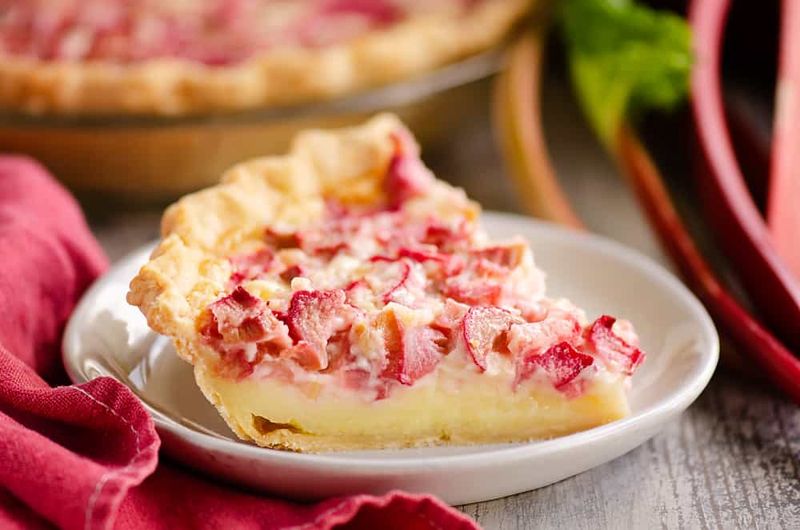
Spring arrived in grandma’s yard the moment those bright red rhubarb stalks popped up. She would chop them, blend them with a sweet egg custard, and bake the tart treat for Sunday dinner.
The sour stalks and creamy filling balance each other perfectly.
Quick tip: only use the stems. The leaves are poisonous, so trim them off and toss them before you start baking.
8. Gooseberry Pie
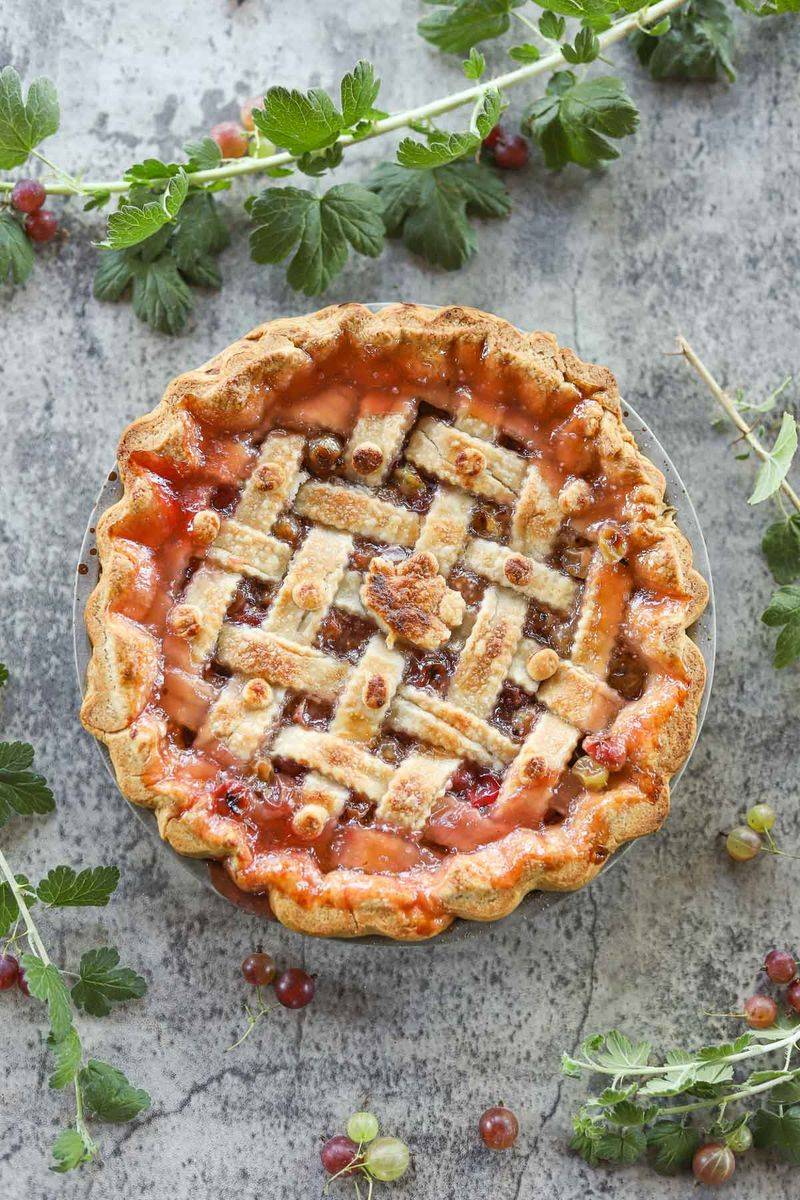
Ever bitten into a gooseberry? These tiny striped berries pack a mouth-puckering punch that made them a summer favorite in British and early American kitchens.
Bakers balanced the sourness with lots of sugar, turning the filling jammy and bright.
Fresh gooseberries are rare in stores now, partly because the bushes were once banned in many U.S. states due to a tree disease. Farmers markets sometimes carry them, so keep watching.
9. Chess Pie
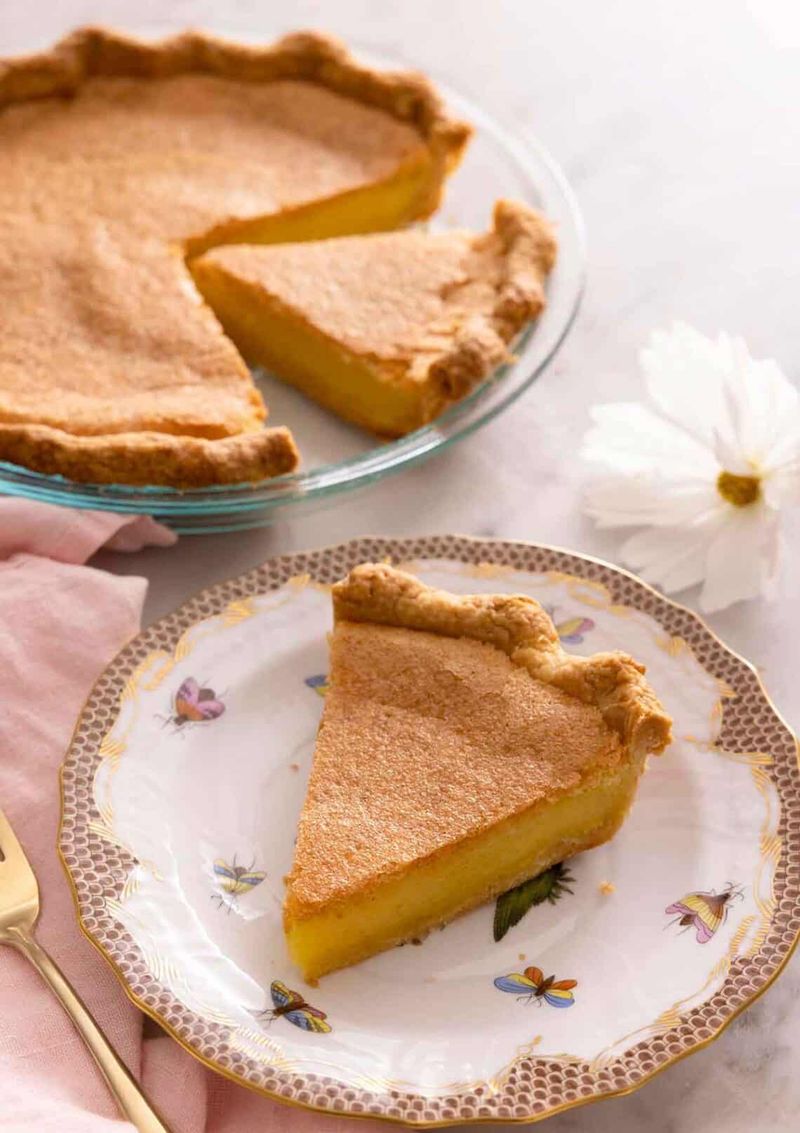
Ask a Southern grandmother about the name and she might laugh and say, it’s jes’ pie. That joke is one popular origin story, though nobody knows for sure.
Eggs, butter, sugar, and a spoonful of cornmeal create a dense, crackly-topped filling.
Because it uses basic ingredients, it was a go-to dessert for unexpected company. Add lemon juice or cocoa powder to make fun variations.
10. Raisin Pie
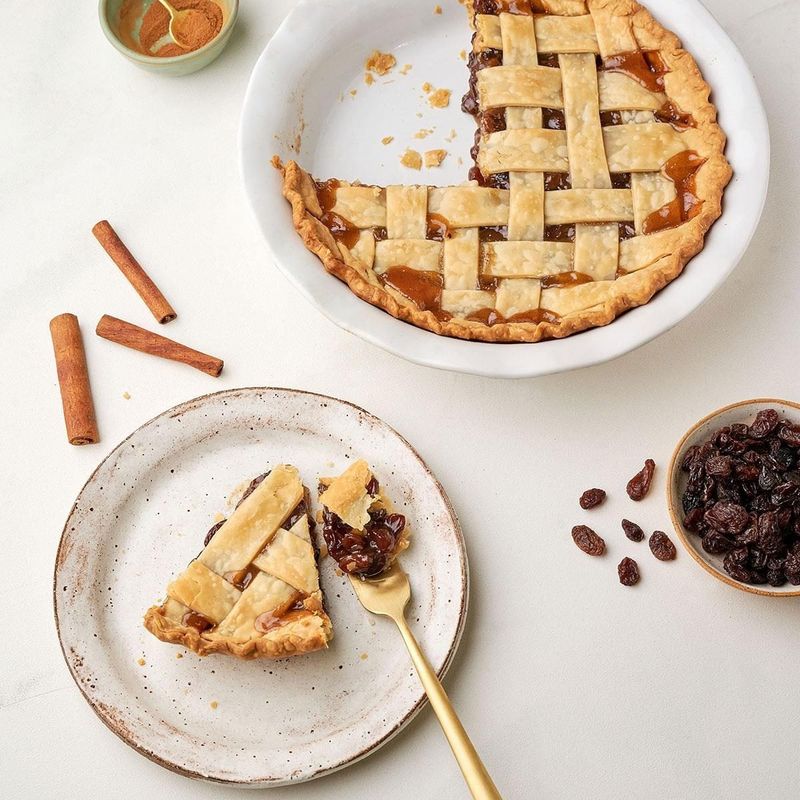
Funeral pie was its old nickname. Raisins kept well all year, so Amish and Mennonite cooks could bake this comforting dessert quickly for grieving families.
The plump fruit simmers in a lemony, spiced syrup until thick and glossy. It tastes deeper and richer than most people expect.
Many kids today wrinkle their noses at raisins. A warm slice with vanilla ice cream might just change their minds.
11. Buttermilk Pie
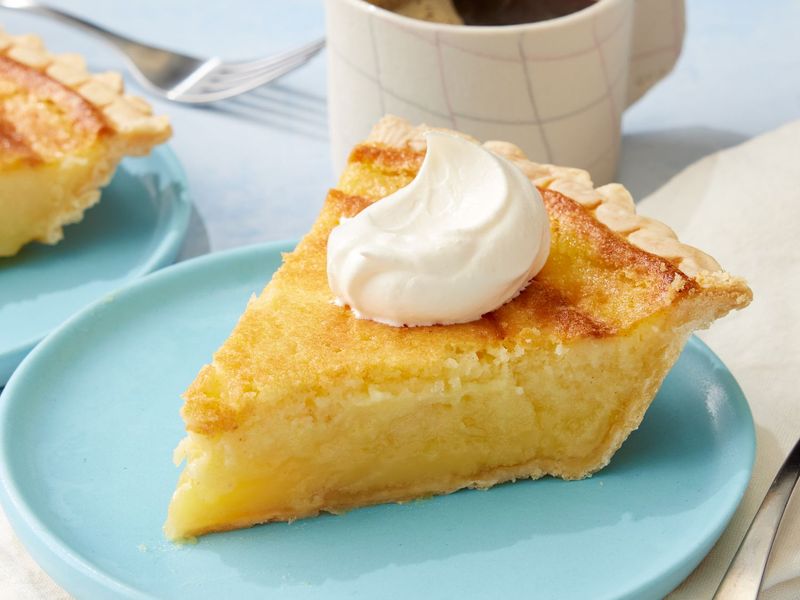
Leftover buttermilk from churning butter never went to waste on the farm. Thrifty cooks whisked it with sugar, eggs, and vanilla for a silky custard pie.
Its flavor is gently tangy, almost like cheesecake but lighter.
Texans and Southerners still love it at family reunions, yet it rarely shows up in bakeries anymore. Try serving it with fresh berries to brighten up each creamy slice.
12. Transparent Pie
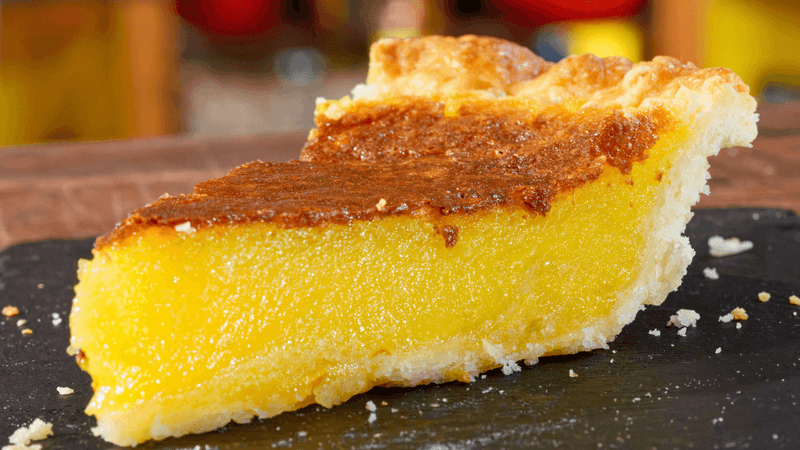
Kentucky bakers know this sweet secret well. Transparent pie gets its name from the glassy, see-through look of its sugary filling.
Made with butter, sugar, eggs, and cream, it resembles pecan pie without any nuts.
The small town of Maysville is famous for selling it, and locals still line up for slices. If you enjoy super sweet treats, cut thin pieces.
A little goes a very long way.
13. Sweet Potato Custard Pie
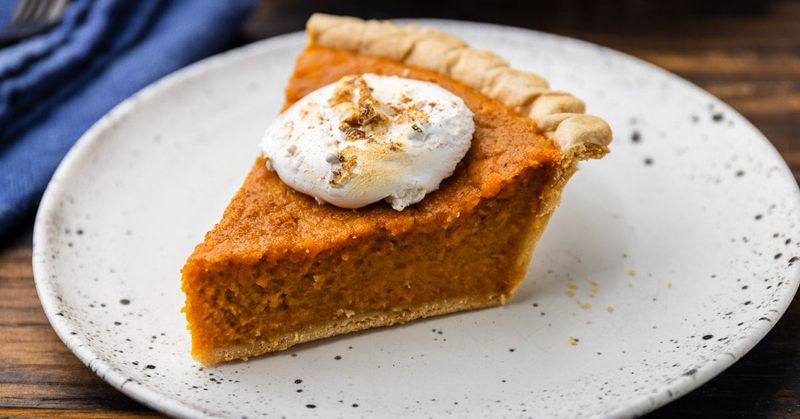
Long before pumpkin took over Thanksgiving, many Southern families proudly served sweet potato pie. Grandmas mashed roasted potatoes with butter, nutmeg, and evaporated milk until velvety smooth.
African American cooks especially kept this tradition alive for generations.
Compared to pumpkin, the texture feels richer and the flavor sweeter. Roast your potatoes instead of boiling them, since roasting deepens their natural caramel taste.
14. Oatmeal Pie
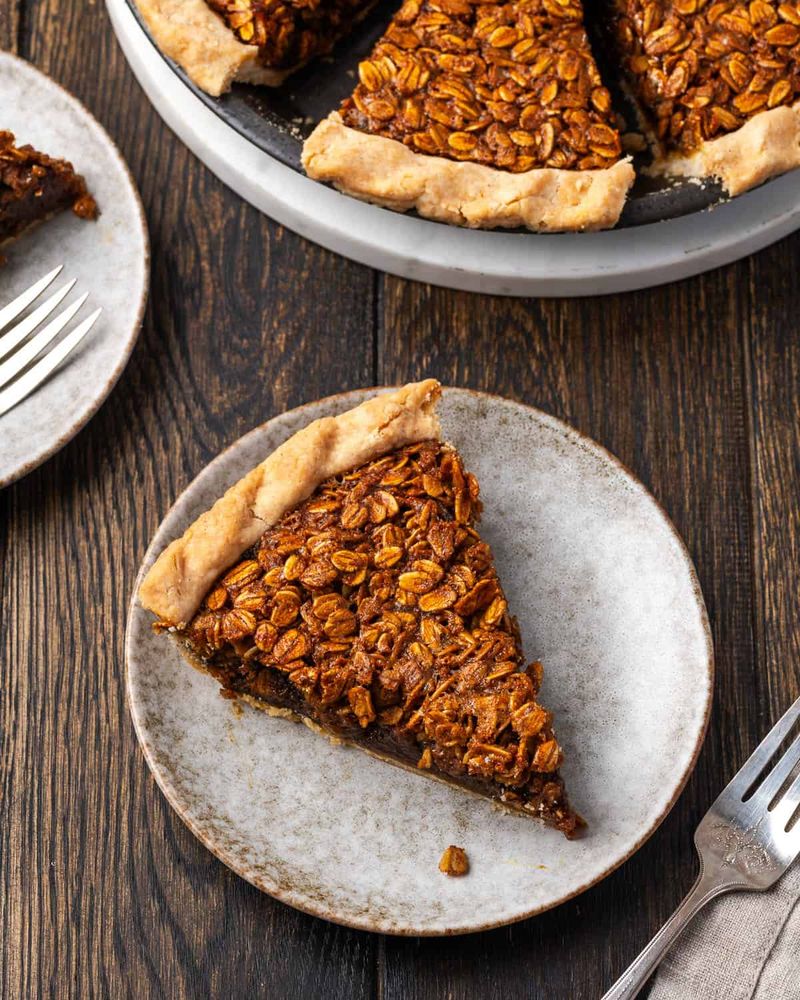
Some call it poor man’s pecan pie, and honestly, that nickname is pretty accurate. Rolled oats replace pricey pecans, soaking up a buttery brown sugar filling.
As it bakes, the oats toast on top and turn chewy and nutty.
Wartime rationing made this a smart choice for budget-minded families. Toss in coconut or chocolate chips if you want to jazz up the classic version a little.
15. Elderberry Pie
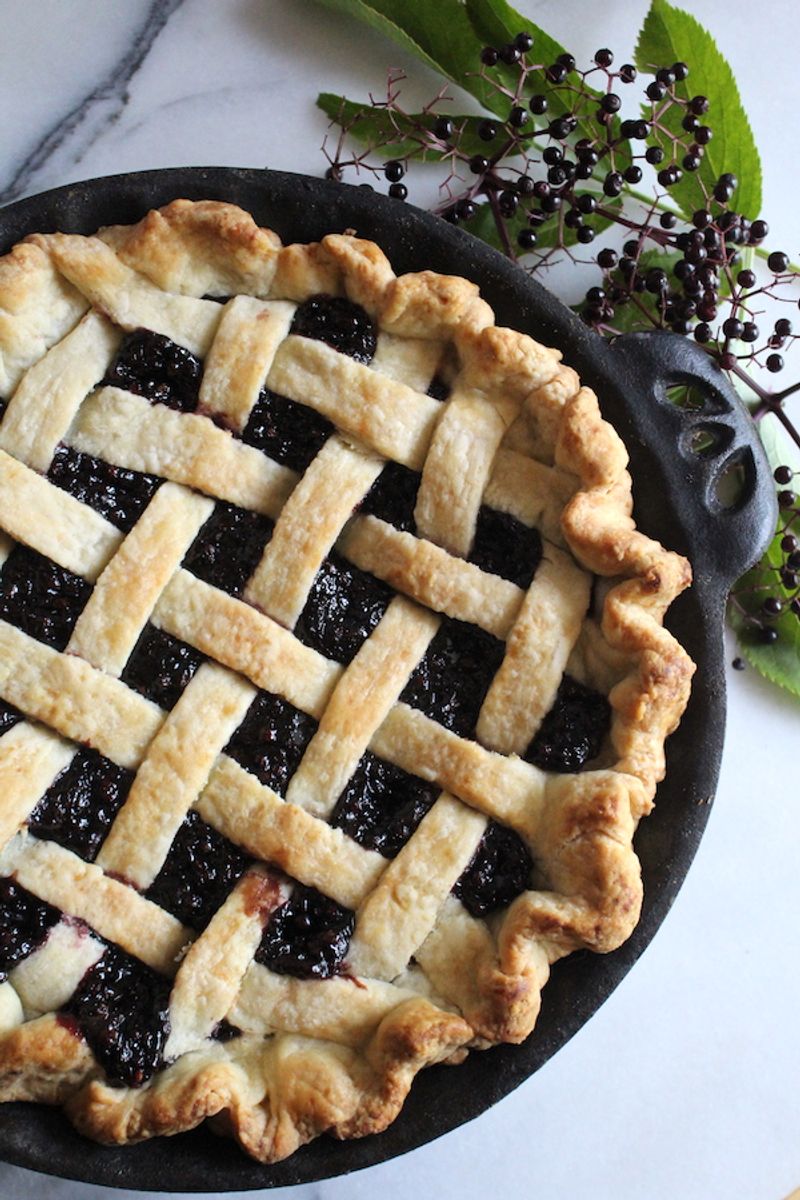
Wandering country roads in late summer, families once picked clusters of dark elderberries growing wild along fences. Those tiny purple fruits became a deeply colored, slightly earthy pie.
Grandma often mixed in apples or lemon to add brightness.
Safety matters here. Raw elderberries and their stems can upset your stomach, so always cook them fully.
Frozen or dried berries from health stores work nicely too.
16. Butterscotch Pie
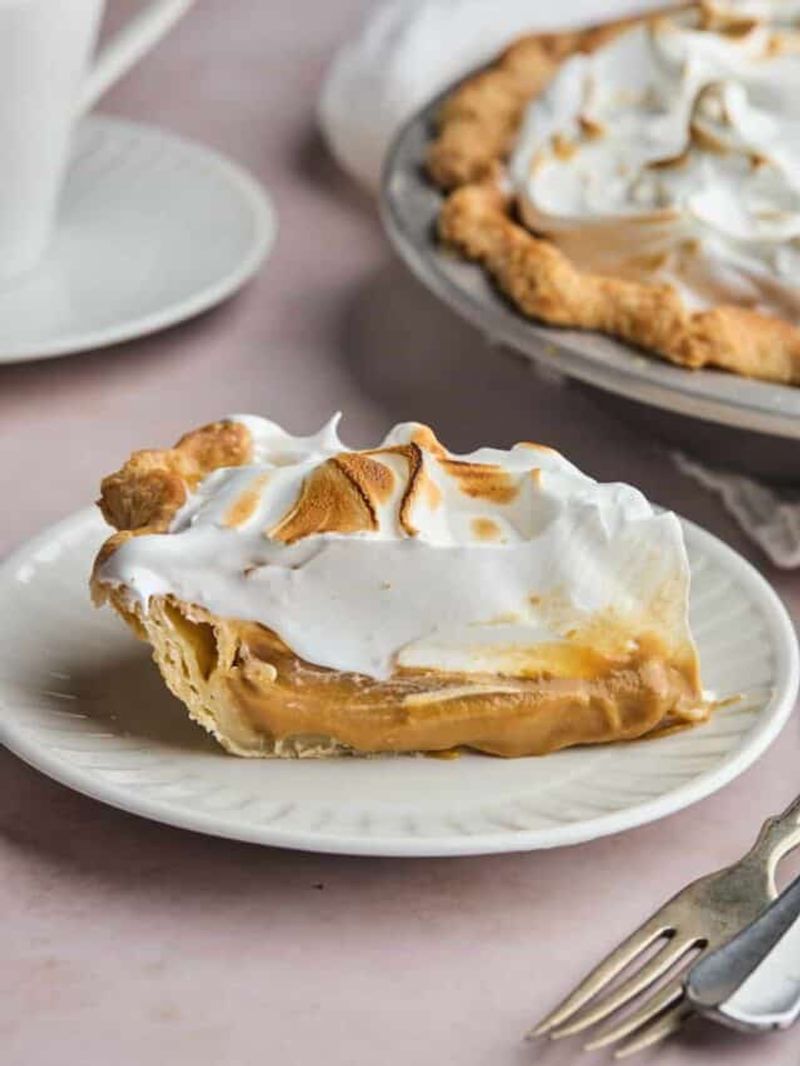
Golden, creamy, and topped with a cloud of meringue, butterscotch pie once starred on diner menus across America. Brown sugar and butter cooked slowly create that deep caramel flavor.
Instant pudding mixes eventually pushed the homemade version aside.
Making it from scratch takes patience, but stirring the custard is half the fun. Keep the heat low so nothing scorches, and you’ll taste why folks adored it.
17. Concord Grape Pie
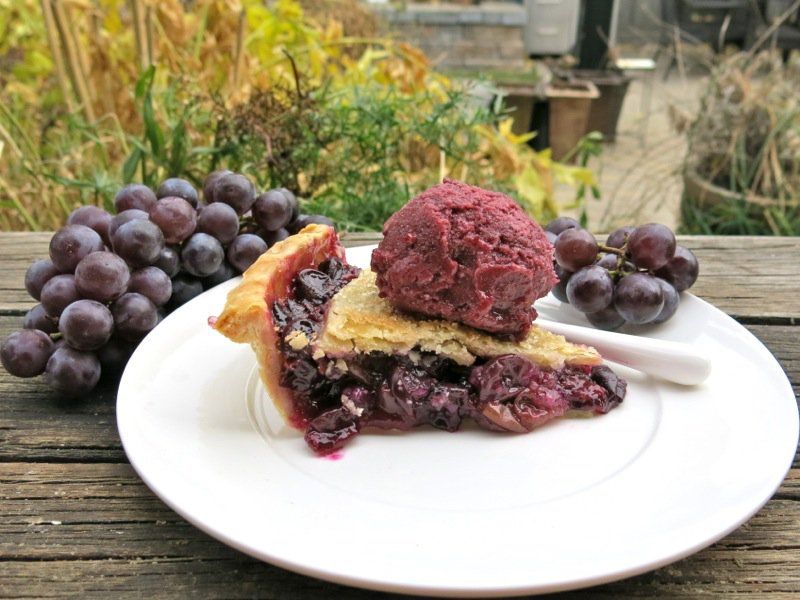
Each fall, the small town of Naples, New York, celebrates with a festival honoring this purple beauty. Concord grapes give the filling a bold, jammy flavor kids instantly recognize.
The work is tricky, though. Bakers must squeeze out the pulp, cook it, and strain away seeds before baking.
Patience pays off with a taste like grape jelly turned fancy. A crumbly streusel top makes it even better.