
British food has a funny reputation, but anyone who has tasted a proper Sunday roast knows the truth. From cozy pub meals to sweet puddings, the UK is packed with dishes full of history and flavor.
Many of these recipes have been passed down for hundreds of years, and each one tells a story about the people who made it. Grab a fork and get ready to discover the meals that make Britain taste like home.
1. Fish and Chips
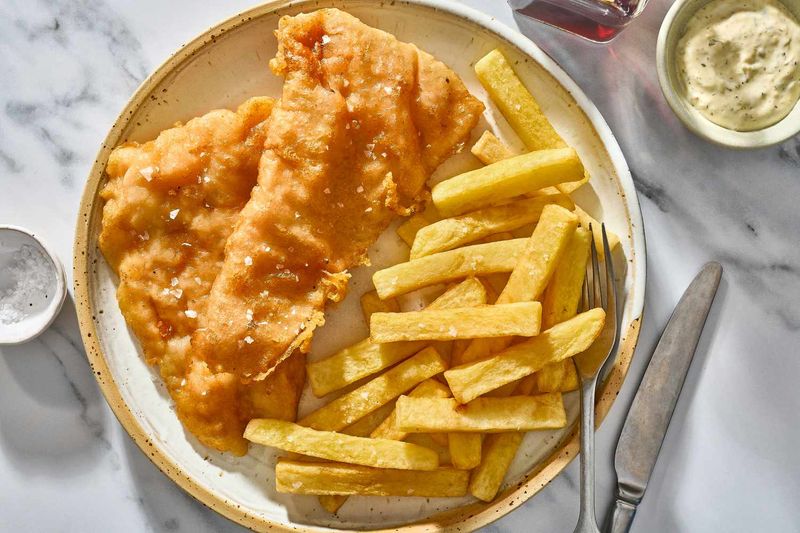
Picture a chilly seaside evening, salty air, and a warm paper parcel in your hands. Fish and chips has been a British favorite since the 1860s, when the first shops opened in London and northern England.
Flaky cod or haddock gets dipped in crispy batter, then served with thick, fluffy chips. Add a splash of malt vinegar and a pinch of salt.
Top tip: eat it outside by the water for the full experience.
2. Sunday Roast
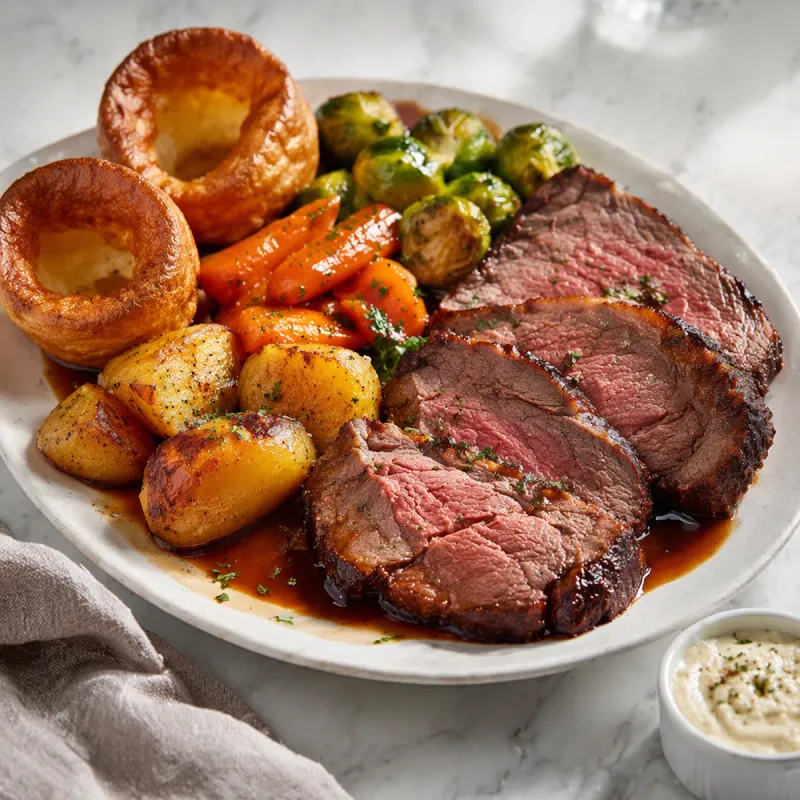
Ask any Brit about their favorite meal of the week, and many will say Sunday lunch. Families gather around the table for roast beef, chicken, lamb, or pork with all the trimmings.
Crispy roast potatoes, carrots, peas, and rich gravy fill every plate. Some homes argue loudly over whether stuffing belongs.
Pubs across the country serve excellent versions, so you don’t need a British grandma to enjoy one. Arrive hungry and leave happy.
3. Full English Breakfast
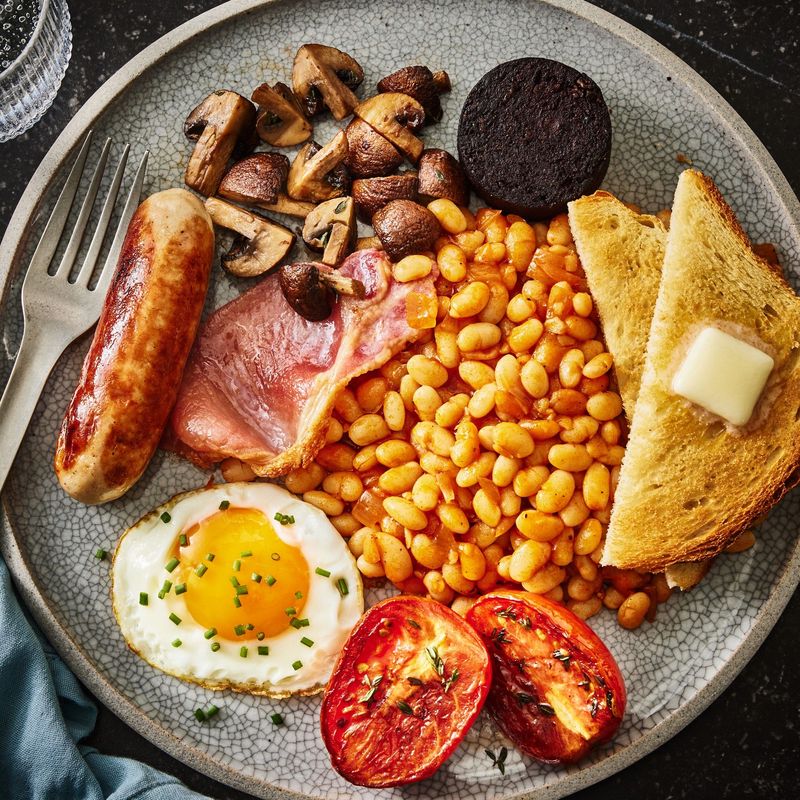
Eggs, bacon, sausages, beans, mushrooms, grilled tomato, and toast all on one plate. That’s a lot of breakfast, and that’s exactly the point.
Workers once needed a big meal to power through long days on farms and in factories. Today, the full English is a weekend treat or a hotel favorite.
Many cafes add black pudding or hash browns too. Pair it with a strong cup of tea, and you probably won’t need lunch.
4. Shepherd’s Pie
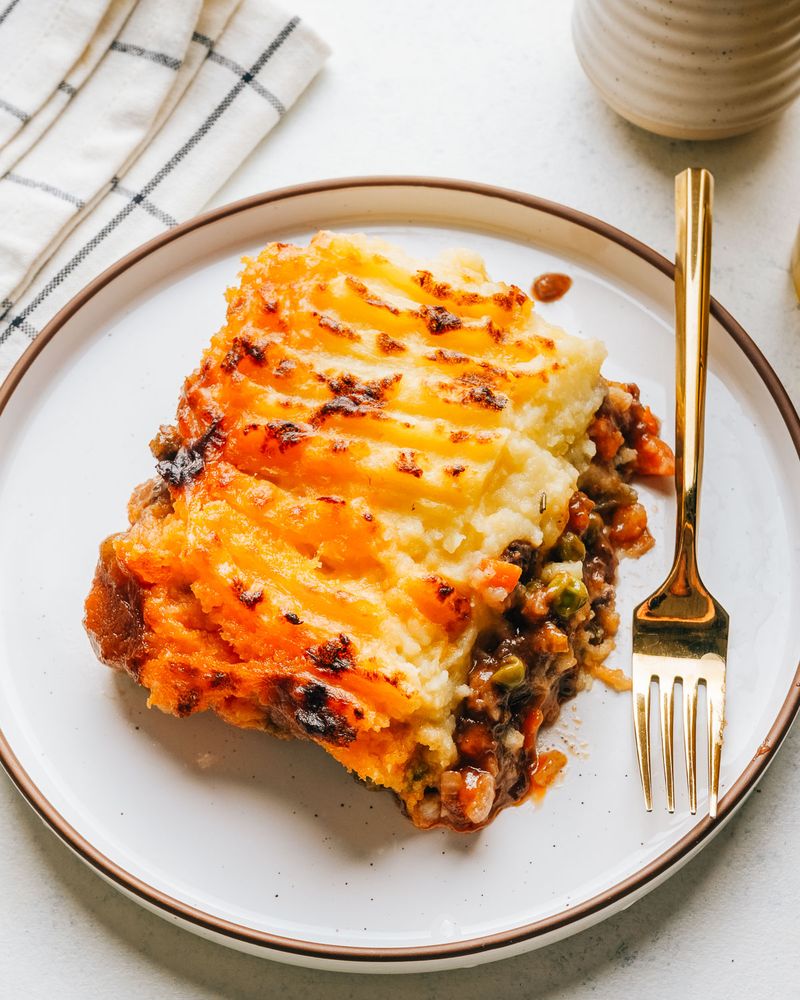
Here’s a little secret: real shepherd’s pie uses lamb, because shepherds look after sheep. Made with beef instead, it becomes cottage pie.
Minced meat simmers with onions, carrots, and gravy, then gets covered with creamy mashed potatoes. Everything bakes until the top turns golden and slightly crunchy.
Families love it because leftovers from a roast can be turned into a brand new dinner. Try running a fork across the mash for extra crispy ridges.
5. Bangers and Mash
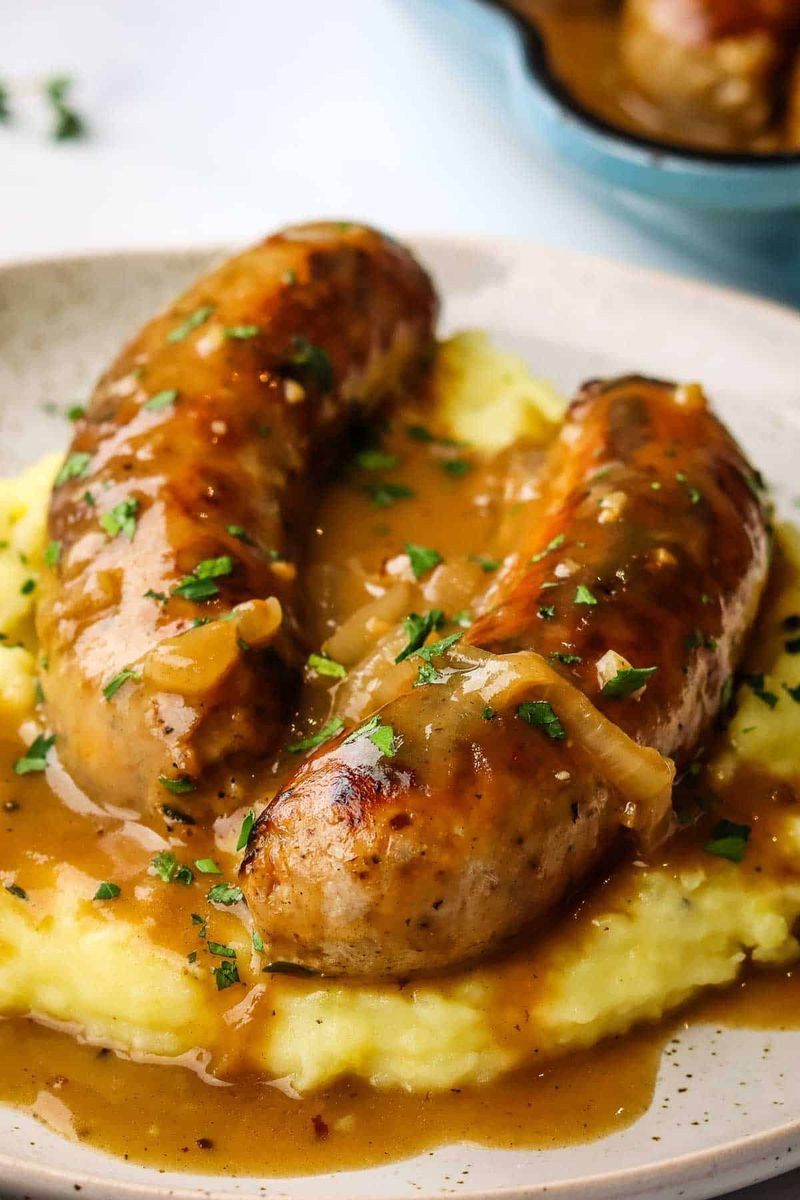
Why are sausages called bangers? During World War I, sausages were packed with so much water that they often burst with a loud pop while cooking.
Today’s bangers are meaty and juicy, served on a pillow of buttery mashed potatoes. Rich onion gravy ties it all together beautifully.
You’ll find this comfort meal in nearly every British pub. Ask for Cumberland or Lincolnshire sausages if you want to taste regional flavors.
6. Yorkshire Pudding
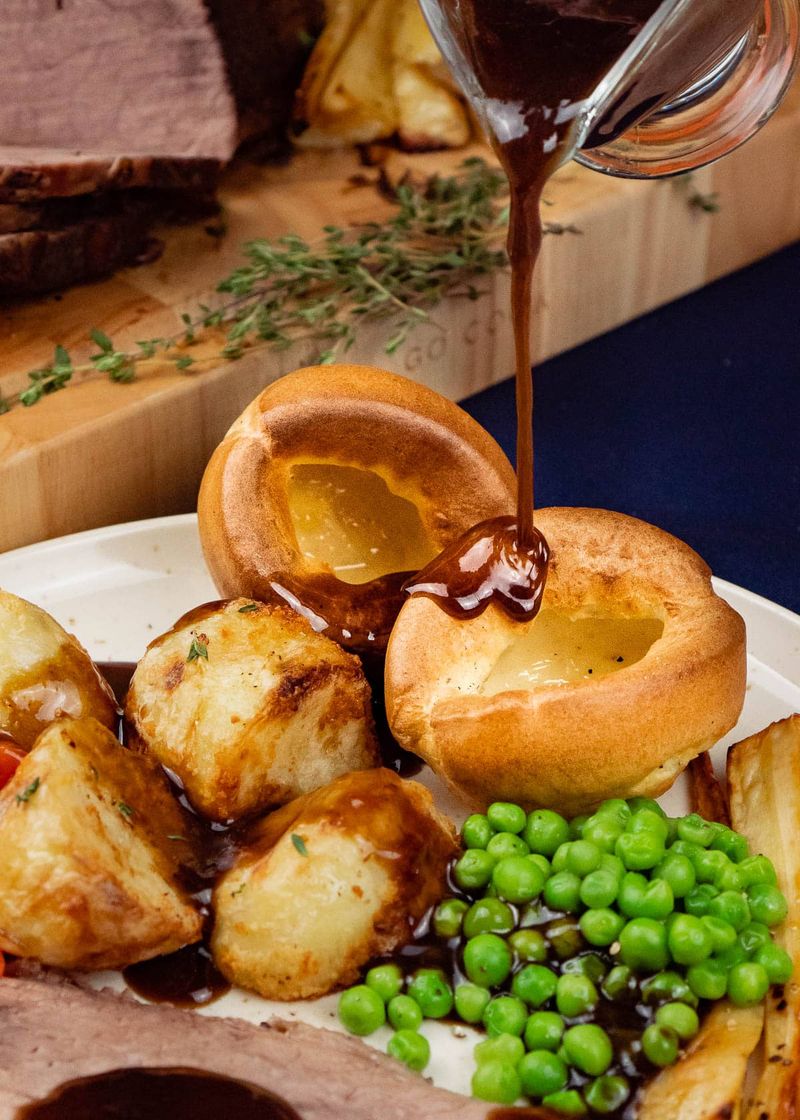
Don’t let the name fool you, because this pudding isn’t sweet at all. Yorkshire puddings are puffy, golden cups made from eggs, flour, and milk.
Cooks in northern England first made them centuries ago, using drippings from roasting meat. The hot fat helps the batter rise tall and crispy.
Fill the hollow center with gravy for the best bite. Some people even make giant ones and stuff them with sausages and veggies.
7. Toad in the Hole
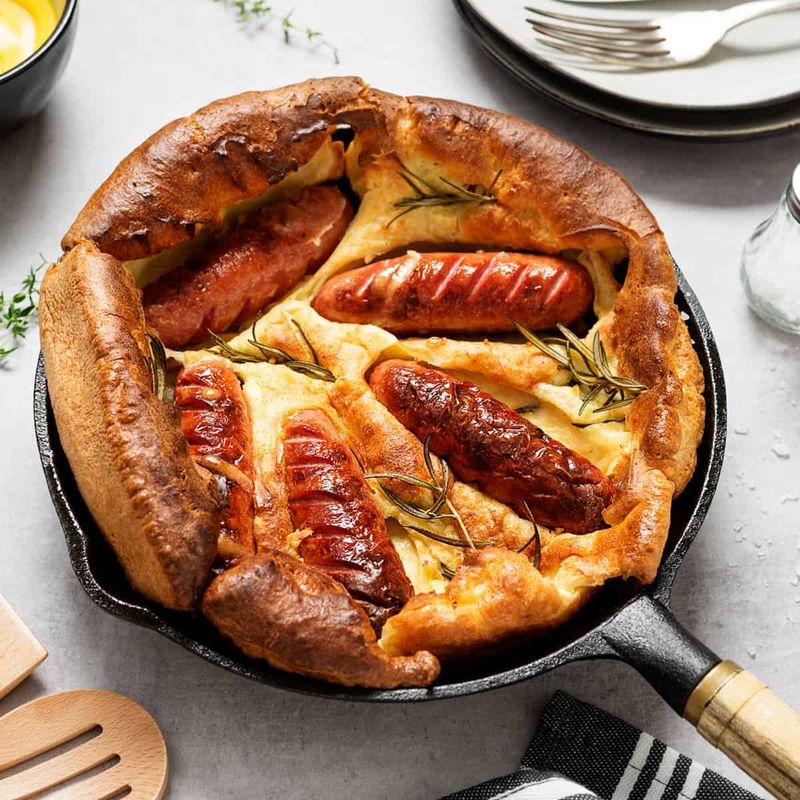
No toads were harmed in making this dish, promise! Toad in the hole is simply sausages baked inside a big Yorkshire pudding batter.
Nobody knows exactly where the silly name came from. One idea is that the sausages peeking out look like toads poking their heads from a burrow.
Kids especially love it, and it’s easy to make at home with just a few ingredients. Serve with onion gravy and green peas.
8. Cornish Pasty
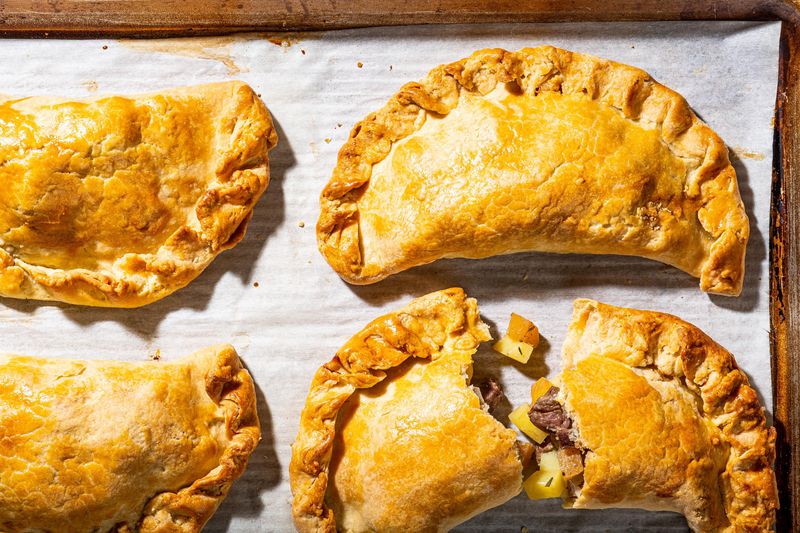
Tin miners in Cornwall needed a lunch they could hold with dirty hands. Their clever answer was the pasty, a pastry pocket stuffed with beef, potato, onion, and swede.
The thick crimped edge worked like a handle and was often thrown away afterward. Pretty smart, right?
Real Cornish pasties have protected status, meaning they must be made in Cornwall to use the name. Grab one warm from a bakery while visiting the coast.
9. Steak and Kidney Pie
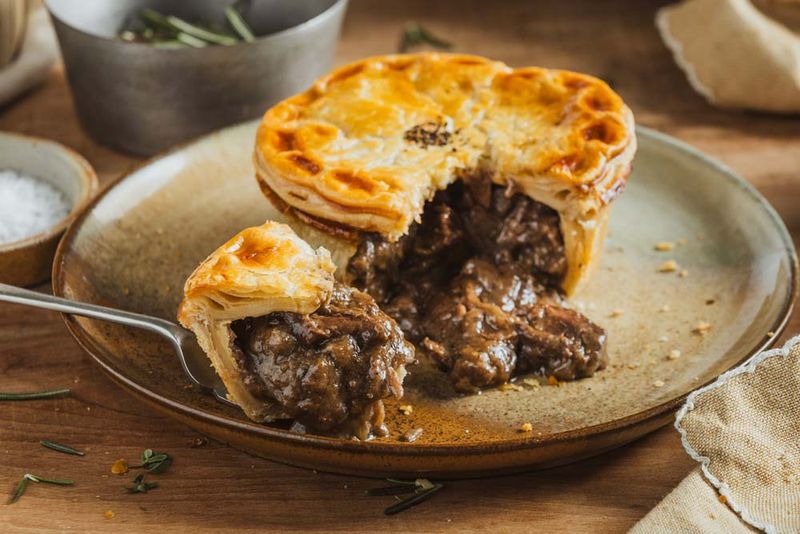
Brave eaters, this one’s for you. Steak and kidney pie mixes tender beef chunks with kidney in a thick, savory gravy under flaky pastry.
Kidney has a strong, earthy flavor that some people adore and others avoid. Victorian families ate it often because it was filling and affordable.
If you feel unsure, try a pub version first since chefs usually balance the flavors well. A side of mash makes it even heartier.
10. Ploughman’s Lunch
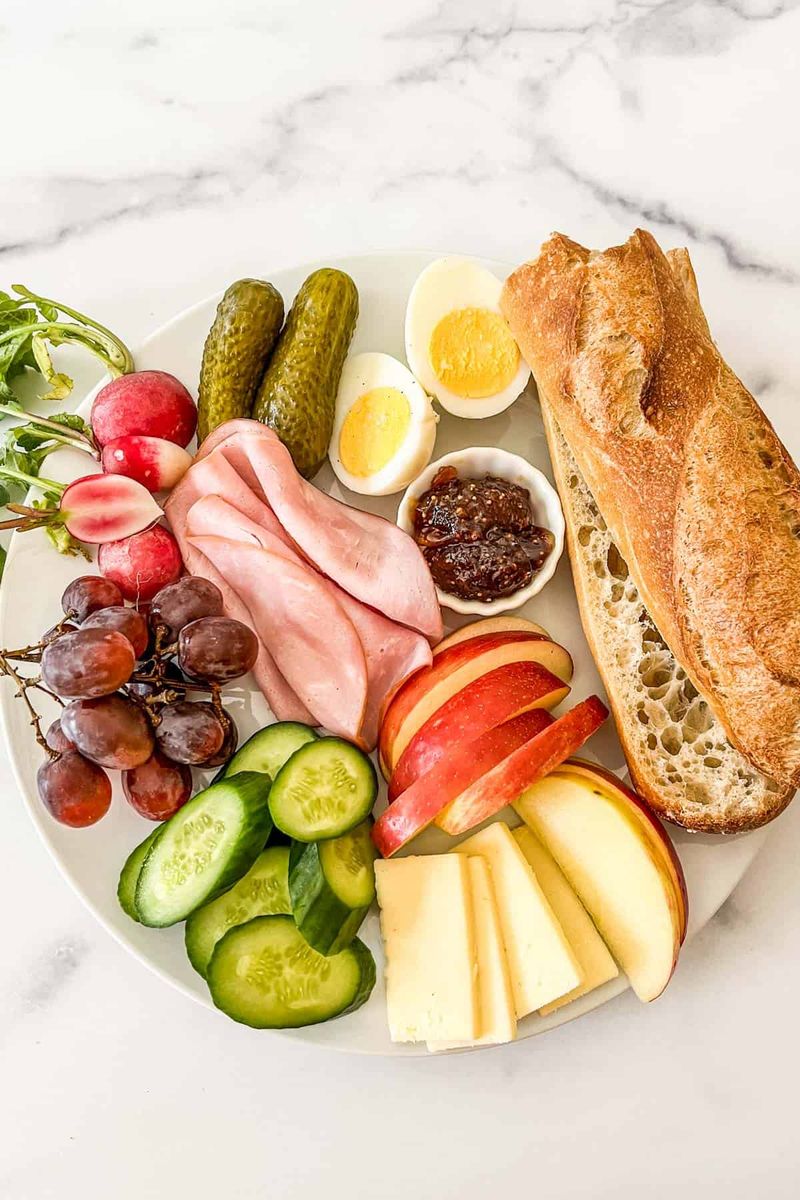
Sometimes the best meals need no cooking at all. A ploughman’s lunch is a simple platter of crusty bread, cheddar cheese, pickles, apple, and maybe some ham.
Farm workers once carried similar foods into the fields. Pubs made it popular in the 1950s and 60s.
Look for tangy Branston pickle and pickled onions on the board. Enjoy it on a sunny afternoon in a pub garden for a perfectly relaxed British moment.
11. Beans on Toast
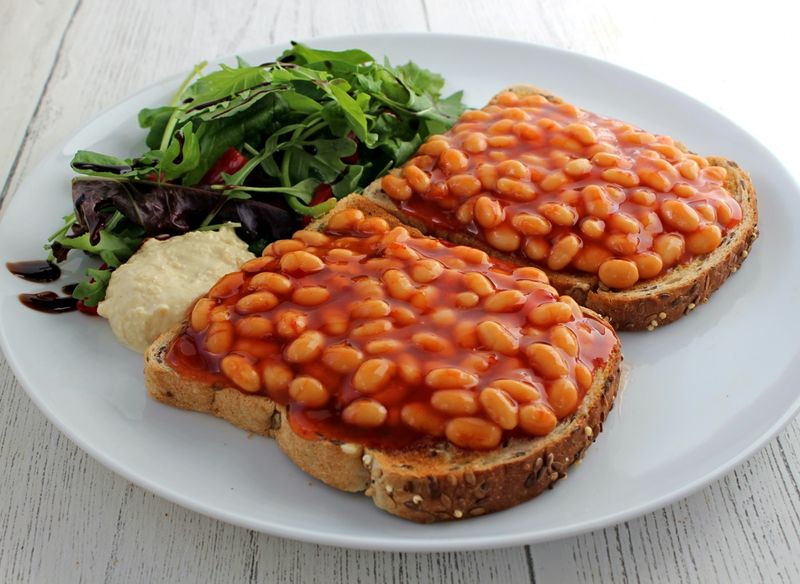
Students, busy parents, and tired workers all agree on one quick fix. Beans on toast is warm, cheap, and ready in about five minutes.
Baked beans in tomato sauce get poured over buttered toast. That’s it, yet Brits eat millions of cans every year.
Want to level it up? Sprinkle grated cheddar on top or add a fried egg.
Visitors often laugh at first, then secretly start making it at home.
12. Scotch Eggs
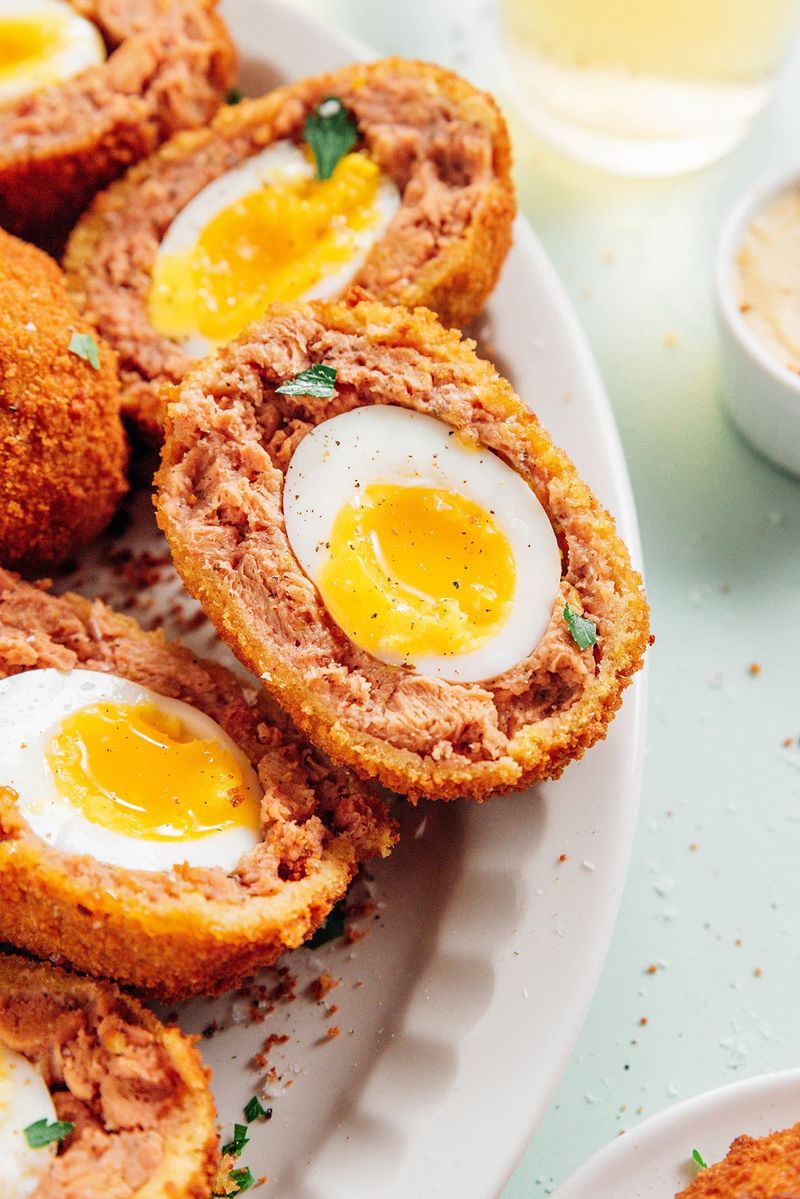
A boiled egg wrapped in sausage meat, rolled in breadcrumbs, then fried until crunchy. Sounds wild, but it’s delicious.
London department store Fortnum and Mason claims it invented Scotch eggs in 1738 as a snack for travelers. Despite the name, they may not come from Scotland at all.
Fancy pubs now serve them with gooey, runny yolks. Pack a few for your next picnic since they taste great cold too.
13. Haggis, Neeps and Tatties
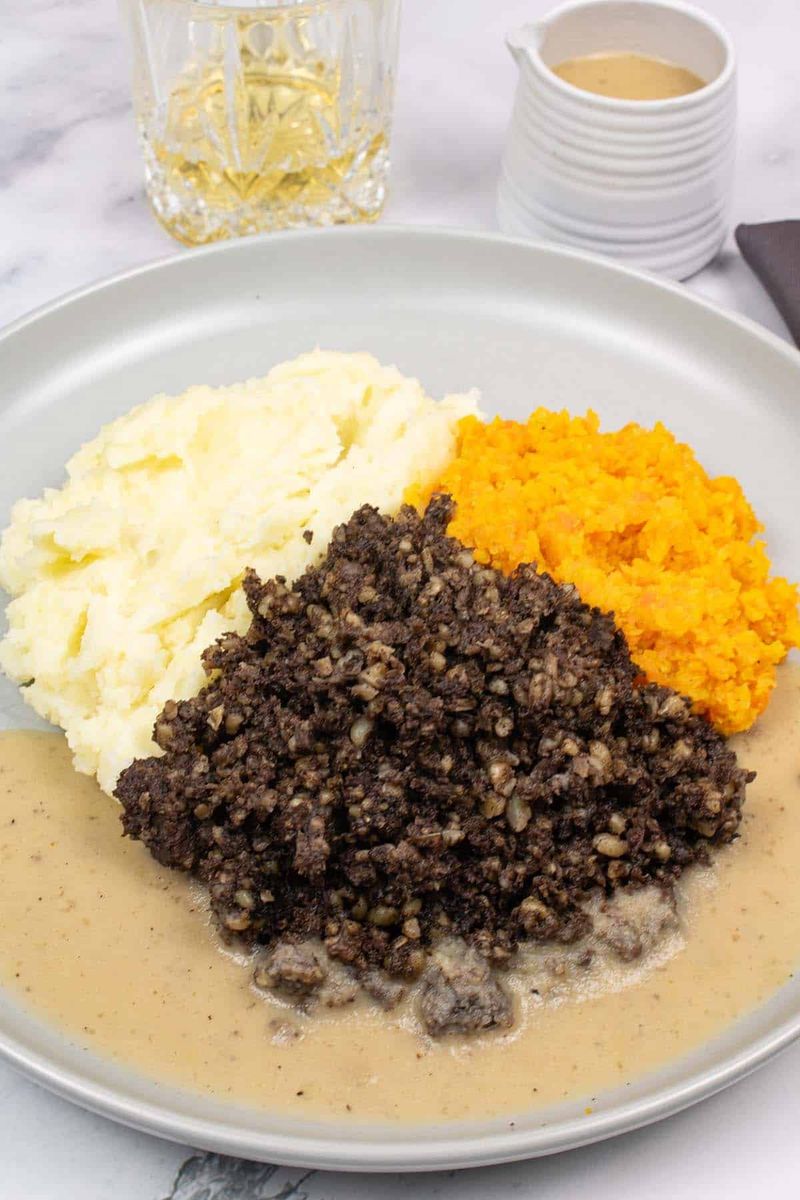
Scotland’s national dish has a bold reputation. Haggis combines sheep’s heart, liver, and lungs with oats, onions, and spices, traditionally cooked inside a stomach.
Before you say no, know that it tastes peppery and savory, a bit like crumbly sausage. Most people are surprised how much they like it.
It’s served with neeps, which are mashed turnips, and tatties, meaning potatoes. Scots celebrate it every January on Burns Night with poems and bagpipes.
14. Welsh Rarebit
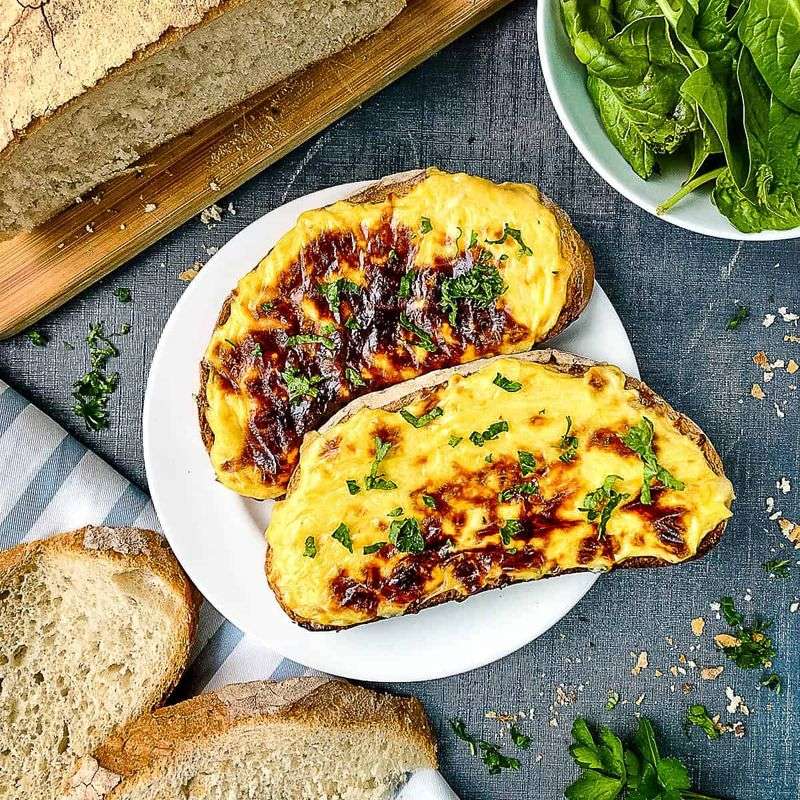
Think cheese on toast, only fancier and way more flavorful. Welsh rarebit features a rich sauce of melted cheddar, mustard, Worcestershire sauce, and sometimes ale, spread over toast and grilled until bubbly.
Back in the 1700s, it was called Welsh rabbit, though no rabbit was ever inside. Funny, isn’t it?
Make it at home for a cozy lunch on a rainy day. Using sharp, mature cheddar gives the best tangy bite.
15. Chicken Tikka Masala
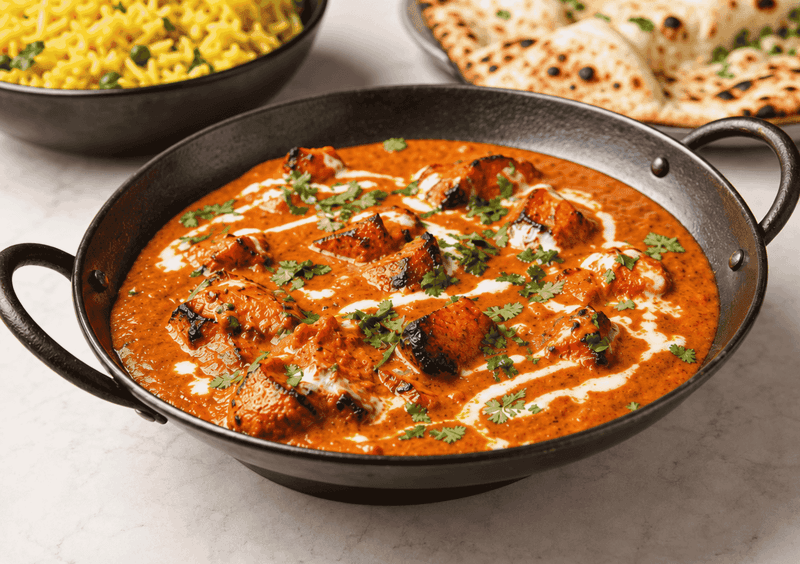
Britain’s favorite curry might surprise you. Chicken tikka masala is often said to have been created in Glasgow during the 1970s by a chef who added a creamy tomato sauce to grilled chicken.
Whatever its true origin, it shows how South Asian cooks shaped modern British food.
The sauce is mild, creamy, and gently spiced, so it’s great for curry beginners. Scoop it up with fluffy naan bread and rice.
16. Bubble and Squeak
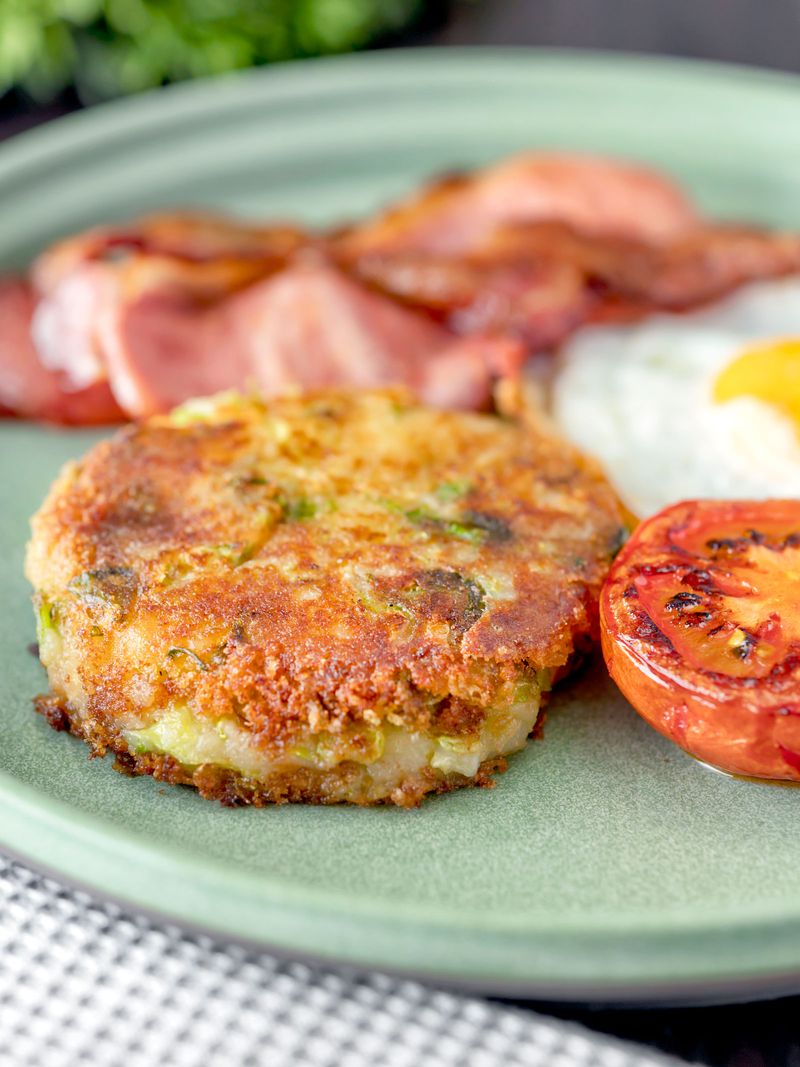
Leftover veggies from Sunday dinner get a second life in this crispy Monday meal. Mashed potatoes and cabbage are mixed, pressed into a pan, and fried until golden.
Its name comes from the bubbling and squeaking sounds it makes while cooking. Listen closely next time!
Wartime families relied on it to waste nothing. Serve it with a fried egg or cold meat, and you’ve turned scraps into something seriously tasty.
17. Lancashire Hotpot
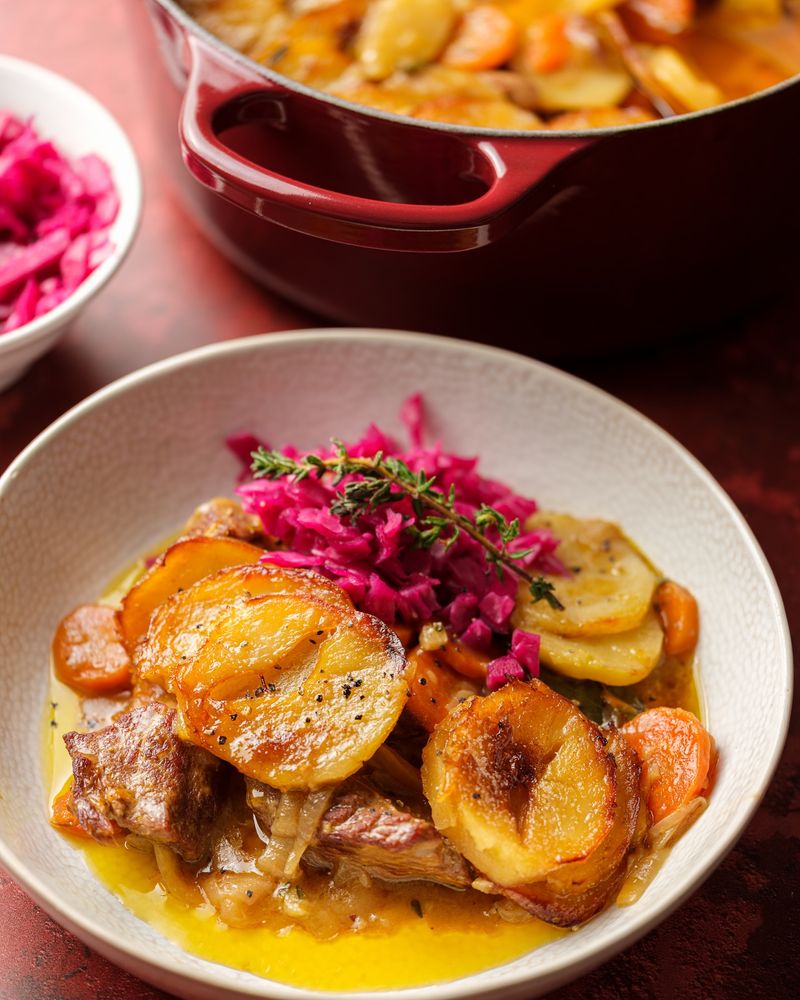
Mill workers in northern England had long days, so they needed a dinner that could cook slowly while they worked. Enter the Lancashire hotpot.
Lamb and onions sit at the bottom of a deep pot, topped with neatly layered potato slices. Hours in the oven make the meat tender and the potatoes crispy.
It’s best served with pickled red cabbage on the side. Simple ingredients, big flavor, total comfort.
18. Pie and Mash with Liquor
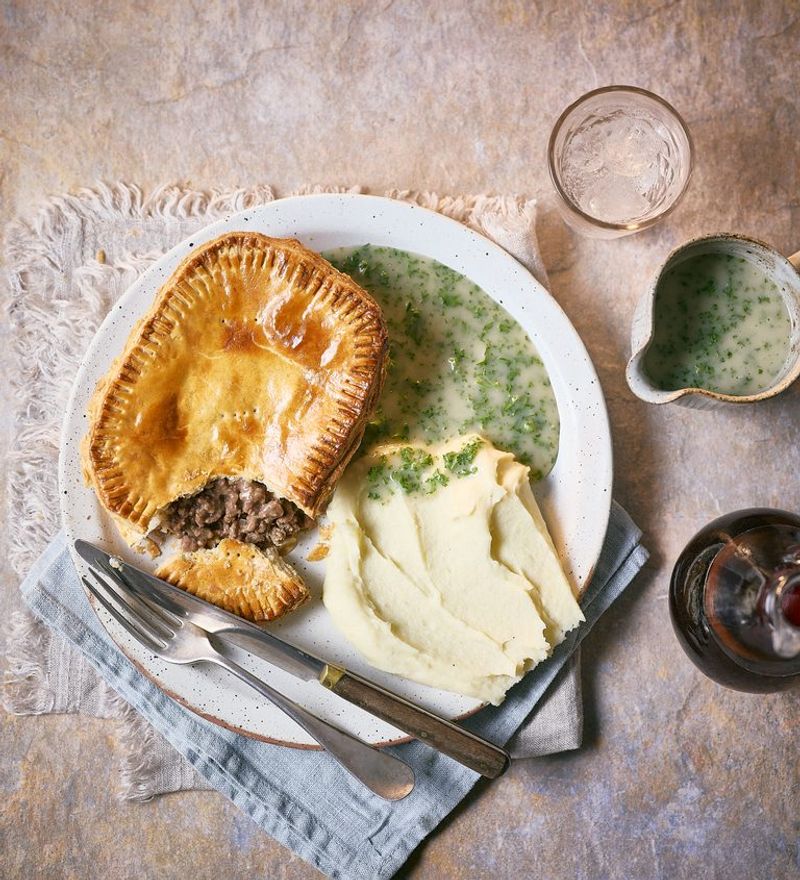
Walk into an old East London pie shop, and you’ll see white tiles, marble tables, and plates covered in bright green sauce. Welcome to a Cockney classic.
Minced beef pies come with mashed potatoes and liquor, a parsley sauce once made with water from cooking eels.
Some shops have been run by the same families for over a century. Add a dash of chili vinegar like the locals do.
19. Sticky Toffee Pudding
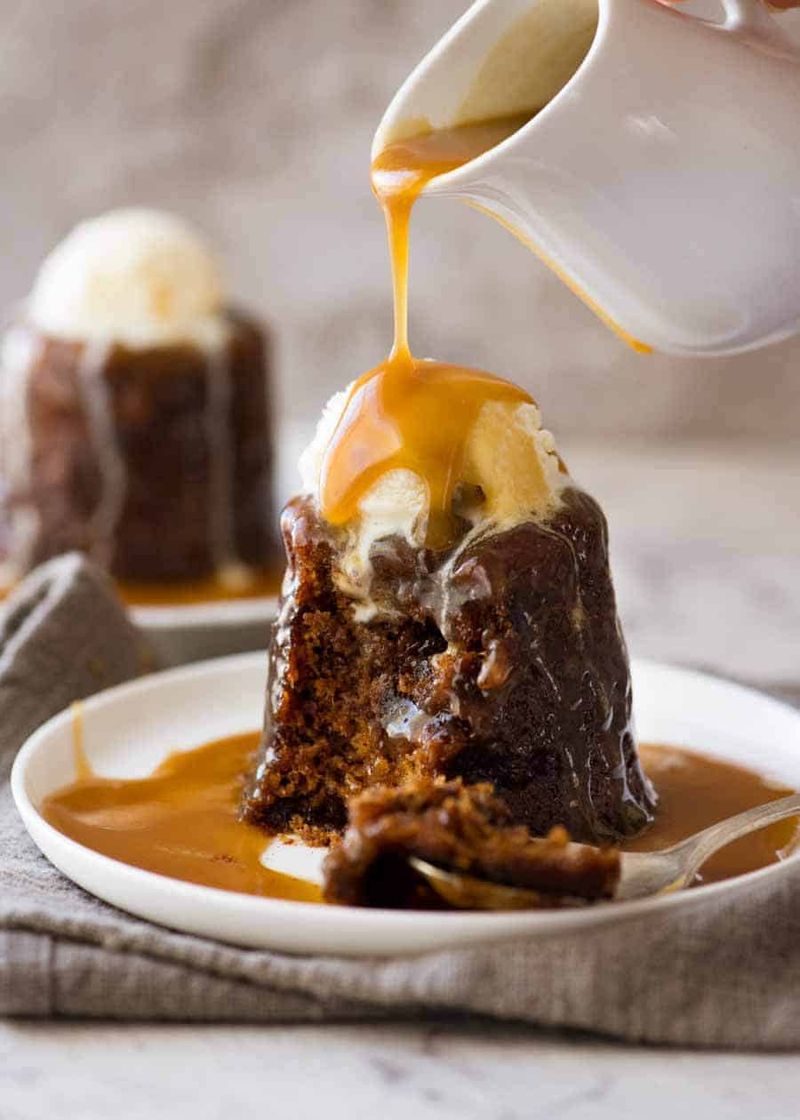
Soft, warm, and soaked in caramel sauce, sticky toffee pudding might be the most loved dessert in Britain. The cake gets its moist texture from chopped dates.
Many people link it with the Lake District, where a hotel made it famous in the 1970s.
Pour on extra toffee sauce and add vanilla ice cream or custard. Warning: once you try it, regular cake may seem a little boring.
20. Scones with Clotted Cream and Jam
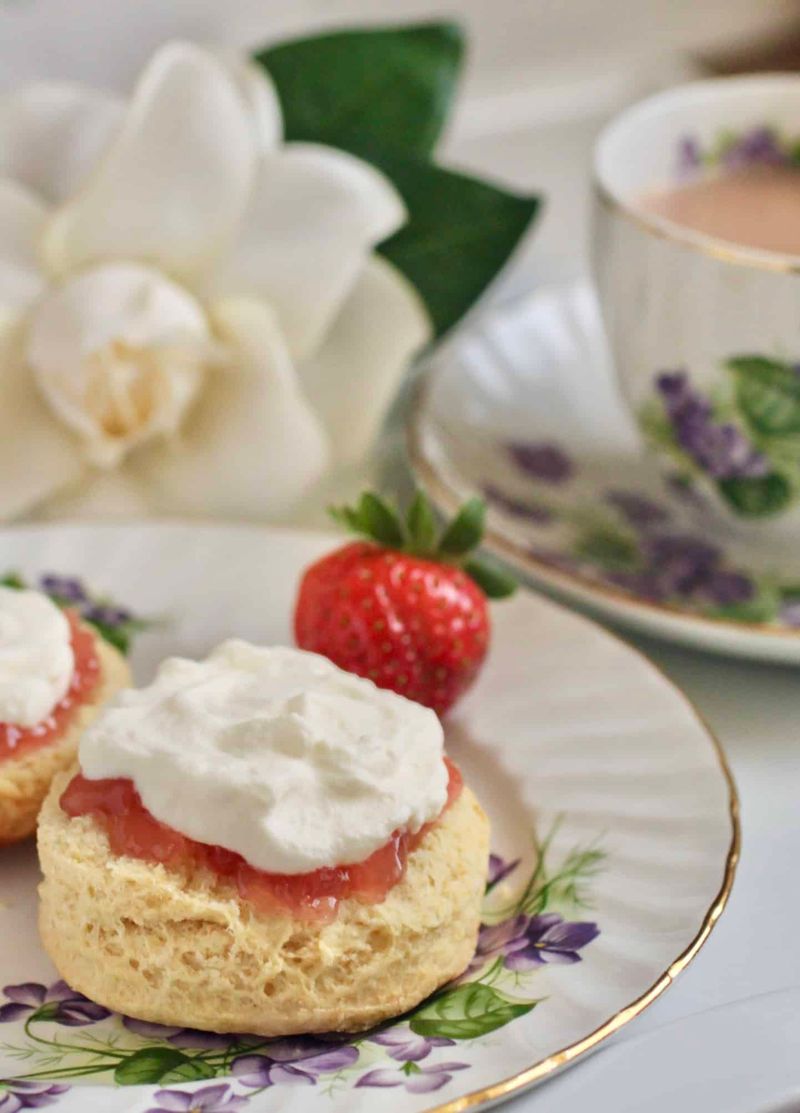
Jam first or cream first? People in Devon and Cornwall have argued about this for generations.
Devon folks spread clotted cream first, then jam. Cornish folks do it the other way around.
Either way, a warm scone with thick cream and strawberry jam is pure joy.
Order a cream tea in a countryside tearoom for the classic experience. A pot of tea on the side completes this charming afternoon tradition.
21. Eton Mess
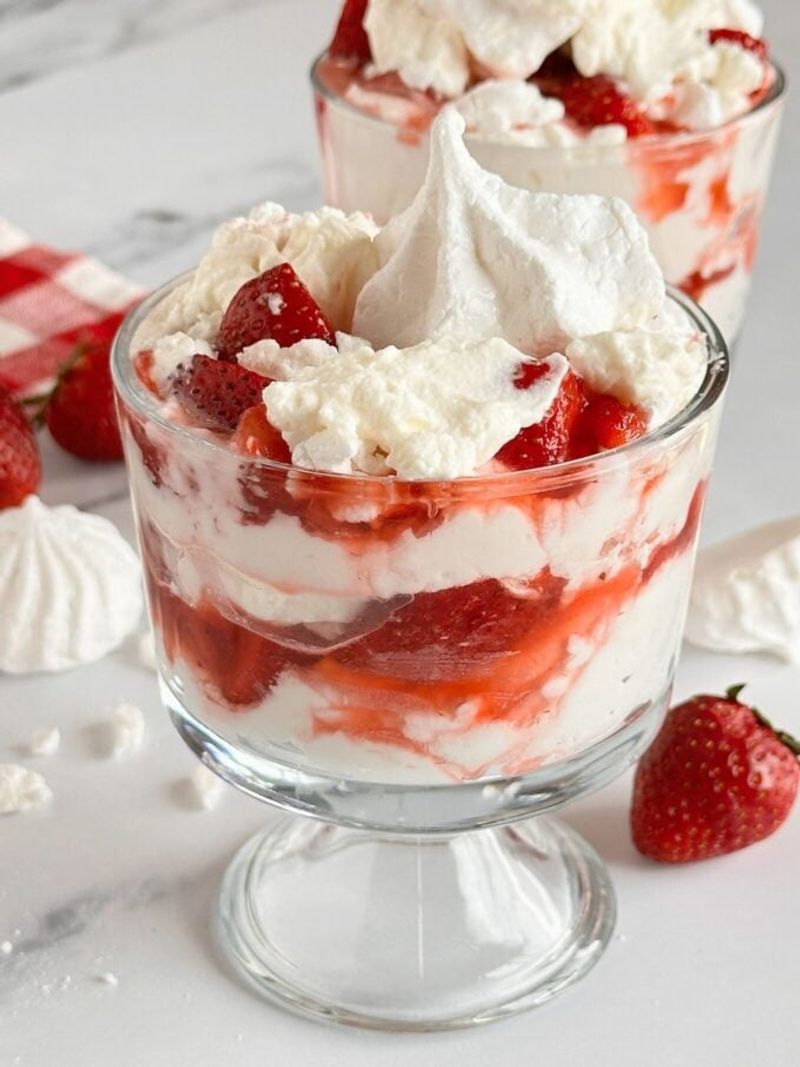
Legend says this dessert happened when a pavlova got dropped at Eton College. Whether that’s true or not, the result is gloriously messy.
Crushed meringue, whipped cream, and fresh strawberries get tossed together in a bowl. No fancy skills required.
It’s a summer favorite, especially during strawberry season. Kids can easily help make it, which makes it a fun family dessert for garden parties and barbecues.
22. Bread and Butter Pudding
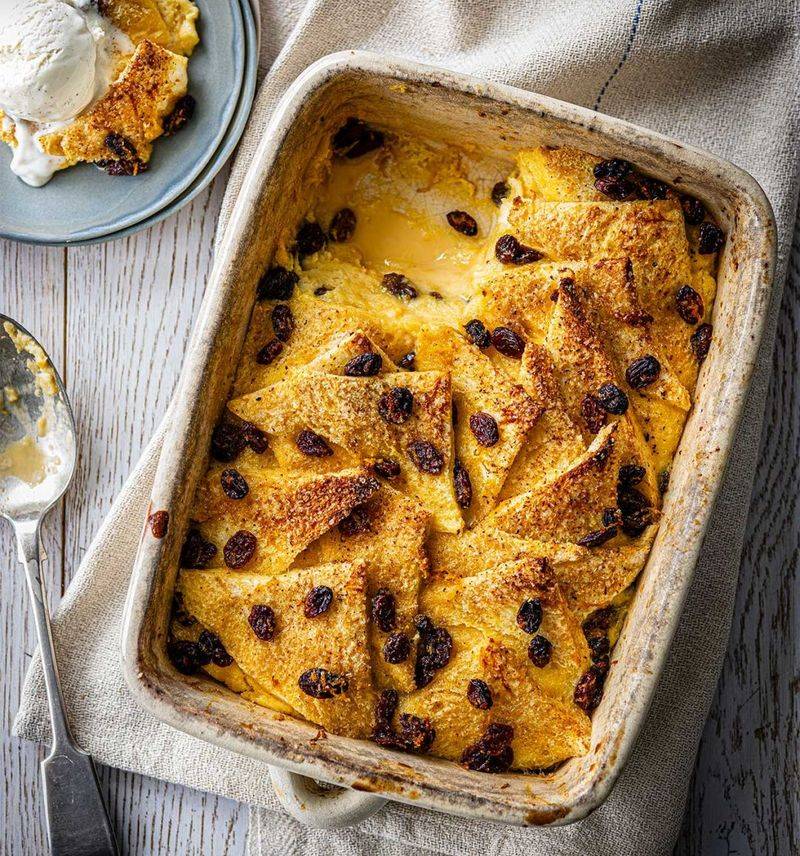
Grandmas across Britain have a smart trick for stale bread. Slices are buttered, layered with raisins, and soaked in sweet egg custard, then baked until puffy.
Recipes go back to the 1700s, when nobody wanted to waste food.
The top turns crispy while the inside stays soft and creamy. Try adding a sprinkle of cinnamon or a little orange zest for a modern twist on this old-fashioned treat.
23. Trifle
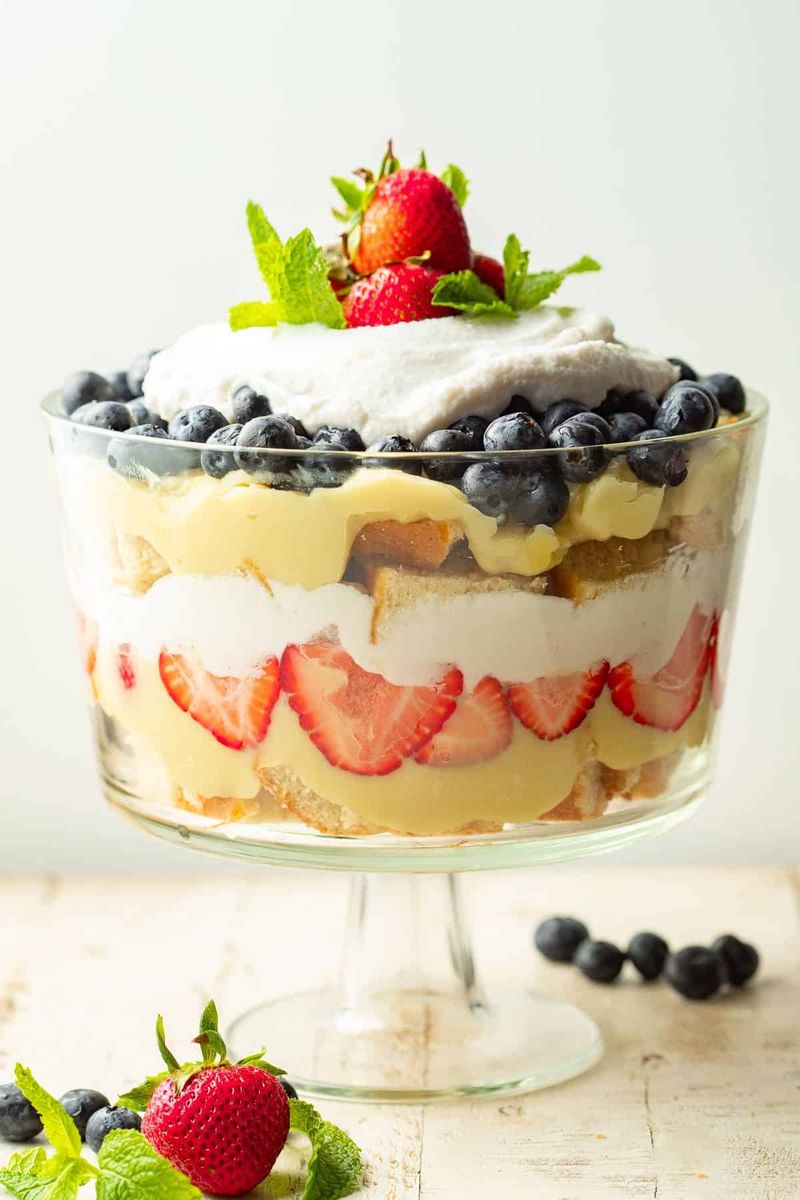
Layers make everything better, and trifle proves it. Sponge cake, fruit, jelly, custard, and whipped cream stack up in a tall glass bowl.
Christmas tables in Britain often feature a big, colorful trifle as the showstopper. Some families add a splash of sherry for grown-ups.
Every spoonful scoops through different layers, so no two bites taste quite the same. Make it a day early to let the flavors blend.