
Turning 70 can bring a clearer sense of what deserves your time and what no longer does. Letting go of old pressures makes more room for good health, close friendships, and everyday joy.
You do not have to change everything at once. A few thoughtful choices can help you feel more at ease while staying active and involved in life.
1. Release Regrets That Keep Replaying

Some memories arrive like unwanted guests, bringing the same old mistakes back to your door. You cannot rewrite yesterday, but you can decide how much space it gets today.
Write down one regret, name what it taught you, and choose a small action that reflects that lesson. When the memory returns, gently bring your attention to the present.
If regret keeps disrupting sleep or daily life, a counselor can help you work through it safely.
2. Put Down Old Grudges

A grudge can turn a brief hurt into a very long companion. Forgiveness does not mean excusing harm, forgetting what happened, or inviting someone unsafe back into your life.
Instead, practice loosening the hurt’s grip on your day. Talk with someone you trust, write a letter you never send, or work with a therapist.
Keep useful boundaries in place while making room for calmer thoughts, better rest, and relationships that treat you with genuine respect.
3. Retire From Everyone Else’s Expectations

Your calendar should not feel like a report card graded by other people. After years of meeting demands, you deserve choices that reflect your own interests, energy, and values.
Before agreeing to something, pause and ask whether you truly want it. Practice a kind refusal without adding a long defense.
Save regular time for activities you enjoy, even if nobody else understands their appeal. A satisfying life does not require an audience or constant approval.
4. Stop Comparing Your Life With Others

The neighbor’s vacation photos tell only one small piece of their story. Comparing your health, money, family, or home with someone else’s can hide the good already within reach.
Try measuring progress against your own needs instead. Notice whether you feel more rested, connected, or comfortable than last month.
If social media leaves you discouraged, shorten your visits. Keep a brief gratitude list that celebrates ordinary comforts without pretending that life’s real difficulties do not exist.
5. Clear Clutter Without Erasing Memories

That crowded cupboard may hold more decisions than dishes. Clearing a little space can make your home easier to use, while keeping the belongings that carry real meaning.
Start with one drawer rather than an entire room. Sort items into keep, donate, recycle, and discard groups, then stop before you become tired.
Photograph bulky keepsakes if that feels right. Leave walking paths clear, and ask for help moving anything heavy or awkward around your home.
6. Step Back From Harmful Relationships

Feeling drained after every conversation is worth noticing. Relationships need not be perfect, but repeated insults, pressure, or manipulation are not a fair price for companionship.
Set a clear limit, such as ending calls when shouting begins. Reduce contact when necessary, and seek support from trusted people or a counselor.
If someone threatens you or controls your money, contact local support services. Build space for people who listen, respect your choices, and welcome your company.
7. Break the Habit of Waiting for Company

A quiet afternoon can feel peaceful, but too many lonely days may leave you feeling cut off. Connection often begins with a small invitation rather than a grand social plan.
Call an old friend, visit a library group, or invite a neighbor for tea. Put one social activity on your weekly calendar.
If travel is difficult, try phone chats or accessible online gatherings. Regular contact matters more than having a large circle of friends nearby.
8. Trade Fear of Starting for Beginner’s Curiosity
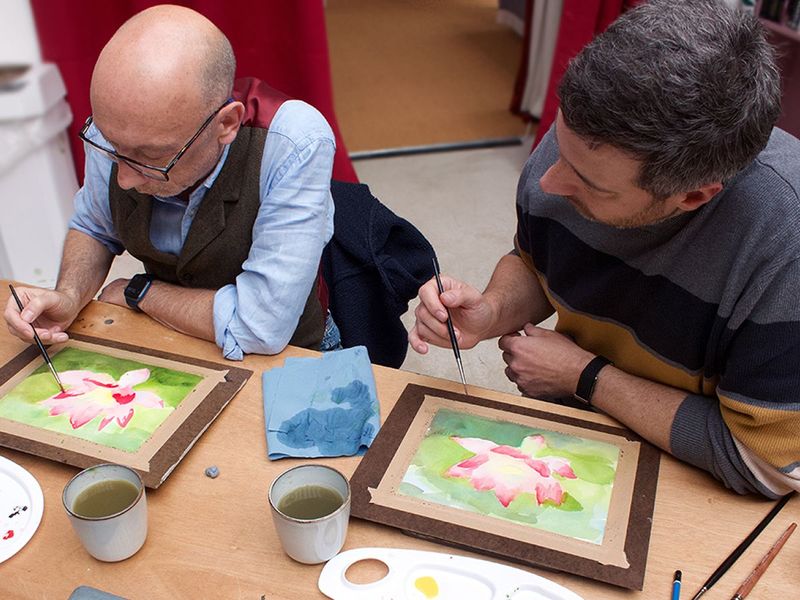
Nobody expects a first watercolor painting to belong in a museum. Being new at something can be awkward, funny, and surprisingly freeing at any age.
Choose one interest that fits your budget and abilities, then try a short lesson or beginner group. Borrow supplies before buying equipment.
Learning gives your mind fresh challenges and may introduce you to new friends. Progress can mean enjoying the process, not becoming skilled enough to impress anybody else watching.
9. Leave Constant News Checking Behind

Another alert rarely brings the peace you hoped to find. Staying informed has value, but checking upsetting headlines all day can crowd out sleep, conversation, and enjoyment.
Pick one or two brief news periods and use reliable sources. Turn off alerts that do not affect your immediate safety.
After reading, shift toward something within your control, such as calling a friend or taking a walk. You can care about the world without watching every update.
10. Loosen the Grip of Small Worries

Choosing lunch should not require the energy of planning a wedding. Small decisions can grow exhausting when your mind keeps searching for a perfect answer.
Give simple choices a short time limit, then move forward with a reasonable option. For bigger concerns, write down the next useful step rather than every possible outcome.
Slow breathing may help settle tension. When worry becomes hard to control or limits daily activities, speak with a healthcare professional soon.
11. Challenge the Belief That Aging Means Giving Up

More birthdays do not erase your ability to grow. Aging brings changes, yet assuming every challenge is unavoidable can keep you from finding helpful treatment, tools, or new routines.
Replace harsh labels with specific observations: your knee hurts, but that does not make you useless. Ask what support could help you keep doing what matters.
Celebrate effort and adaptation. A hopeful outlook leaves room for honest feelings, including grief, frustration, and uncertainty about the future.
12. Abandon the All-or-Nothing Exercise Rule

Five minutes of movement still counts as movement. You do not need a gym membership or a long workout to begin building a more active day.
Try walking during a phone call, stretching after breakfast, or taking brief movement breaks while watching television. Increase activity gradually and choose options that suit your health and mobility.
Ask your clinician about safe limits when needed. Stop and seek medical help for chest pain, fainting, or severe breathlessness.
13. Reject the Idea That Strength No Longer Matters

Getting out of a chair is a small act of independence worth protecting. Muscle strength and balance support daily tasks, from carrying groceries to stepping over a doorway.
Ask a physical therapist or qualified instructor about chair rises, resistance bands, and supported balance practice. Use a stable support and avoid exercises beyond your ability.
Short sessions done regularly can help. If you have fallen, feel unsteady, or fear falling, request an assessment rather than guessing.
14. Drop Food Rules That Leave You Undernourished

A smaller appetite does not mean your body has stopped needing nourishment. Strict diets and skipped meals can make it harder to get enough protein, energy, and other nutrients.
Build meals around vegetables, fruit, beans, whole grains, healthy fats, and protein foods you enjoy. Keep easy options ready for tired days.
Discuss calcium, vitamin D, and any supplements with your clinician. Unplanned weight loss, chewing trouble, or ongoing poor appetite deserves medical attention, not stricter dieting.
15. Stop Relying Only on Thirst

Your water glass can be an easy daily reminder to care for yourself. Thirst may become less noticeable with age, so waiting until you feel parched is not always helpful.
Offer yourself drinks with meals and keep water within reach. Soups, milk, and other suitable drinks can also contribute fluids.
Needs vary with weather, activity, medicines, and health conditions. If you have a prescribed fluid limit, follow your clinician’s guidance rather than general drinking targets.
16. Give Up Treating Poor Sleep as Inevitable

A bad night happens, but endless tiredness should not become your normal. Sleep patterns can change with age, while pain, medicines, and sleep disorders may also disturb rest.
Keep a steady wake time, get daylight, and create a quiet wind down routine. Limit late caffeine and long naps if they interfere with bedtime.
Mention loud snoring, breathing pauses, or lasting sleep trouble to your clinician. Check before using sleep aids, which can increase fall risk.
17. Quit Assuming No Symptoms Means No Problems

Feeling fine is welcome news, but it does not tell the whole health story. Some conditions develop quietly, making regular care useful even when nothing seems wrong.
Review medicines, blood pressure, vaccinations, and concerns with your healthcare team. Keep up with dental, vision, and hearing care.
Screening choices should reflect your health, preferences, and likely benefits, not age alone. Bring a written question list, and report new symptoms instead of saving everything for next year.
18. Set Aside the Need to Handle Everything Alone

Accepting a ride does not cancel your independence. Often, the right help protects your energy and makes it easier to keep making your own choices.
Notice which tasks leave you strained, unsafe, or overwhelmed. Ask for specific support, such as grocery delivery, help with bills, or company at an appointment.
Share what you can offer in return, if you wish. Support works best when it respects your wishes rather than taking control of your life.
19. End the Habit of Postponing Important Conversations

The conversation you keep putting off may bring relief once it begins. Sharing wishes about care, money, housing, and family concerns can reduce confusion later.
Choose a calm time and discuss one subject at a time. Explain what matters to you, listen carefully, and write down agreed steps.
Consider naming a trusted healthcare decision maker and completing documents appropriate to your location. Legal or financial professionals can help with decisions that need specialized advice too.
20. Release the Belief That Purpose Must Be Grand

A good day can begin with something as modest as watering a plant. Purpose does not require a paid job, public praise, or a packed schedule.
Choose one small reason to get up and take part: feed a pet, encourage a neighbor, mend something, or volunteer when able. Leave space for laughter and rest as well.
Your worth is not measured by productivity, and a meaningful life can include quiet days spent simply enjoying being here.