
Growing up with frugal parents can shape habits that last long after you leave home. You might save every gift bag or pause before buying something you can easily afford.
Friends may find these choices unusual, but they often come from lessons about waste, security, and making money last. Some are worth keeping, while others may need a little balance.
1. Feeling Guilty About Small Treats

A simple coffee can come with a surprising side of guilt. When parents questioned every extra purchase, spending on yourself may feel wrong even after your finances improve.
That feeling does not always mean the purchase is a mistake. Set aside a small amount for enjoyment after covering bills and savings.
Giving those dollars a clear purpose can help you enjoy a treat without turning each decision into a private debate about whether you deserve it.
2. Waiting Longer Than Everyone Else

While friends order the newest gadget, someone raised to save may happily wait another year. They learned early that wanting something and buying it do not have to happen together.
A waiting period can prevent rushed purchases and leave more money for larger goals. Try keeping a wish list with dates beside each item.
If the desire lasts and the cost fits your budget, buying it can be a thoughtful choice rather than a failure.
3. Keeping a Stash of Useful Containers
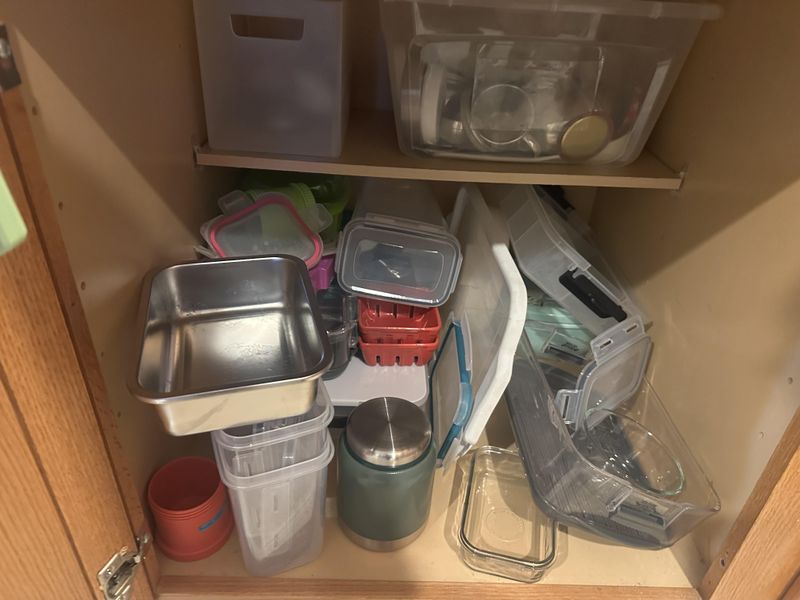
Open the cupboard, and yesterday’s takeout tub might be holding today’s lunch. Gift bags, ribbons, and sturdy food containers often get another turn in homes shaped by thrift.
Reusing supplies saves money, but a useful stash can become clutter. Keep only clean items you expect to use, and recycle damaged pieces where accepted.
Follow container labels for food storage and heating, since not every plastic tub belongs in the microwave or can safely handle repeated use.
4. Switching Off Lights Almost Automatically

Click goes the switch before anyone has finished leaving the room. For some adults, saving electricity is less a decision and more a reflex learned from years of reminders.
Turning off unused lights makes sense, especially with older bulbs. Still, avoid unplugging medical devices, refrigerators, or equipment that needs steady power.
Focus on safe changes that matter, such as efficient bulbs and sensible thermostat settings, rather than making guests feel watched whenever they enter a room.
5. Giving Drafty Windows a Winter Outfit

Bubble wrap on a window may look strange until a cold draft disappears. Families watching heating bills often find simple ways to keep warmth from slipping through older windows.
Clear window film, weather stripping, and fitted curtains can help without major repairs. If you try a homemade fix, keep materials away from heaters and leave exits clear.
Check for trapped moisture, too. Saving on heat should not mean creating mold problems or blocking a safe escape.
6. Wearing Clothes Through Several Chapters

Those jeans have survived three moves, two patches, and countless weekends. People raised with hand-me-downs often judge clothing by comfort and usefulness rather than how recently it left a store.
Basic sewing skills can stretch a wardrobe without much cost. Replace loose buttons, repair small tears early, and follow washing directions to reduce wear.
There is also room to let go: shoes that hurt or clothing that no longer fits need not become a lifelong obligation.
7. Turning Leftovers Into a Dinner Plan

Half a pepper, leftover rice, and yesterday’s chicken can look like dinner instead of a problem. Frugal households often teach children to see ingredients where others see odds and ends.
Plan a regular fridge check and use older food first. Refrigerate leftovers promptly, label dates, and follow food safety guidance rather than trusting smell alone.
Taking restaurant leftovers home is sensible, too, provided you can keep them cold and eat them within a safe storage window.
8. Packing Food Before Leaving Home

A packed sandwich can feel as necessary as keys and a phone. Buying lunch every day may seem odd to someone who grew up leaving home with food already prepared.
Simple meals often work best: sandwiches, beans, fruit, or portions from dinner. Keep cold foods chilled with an insulated bag and ice packs.
You do not need to cook everything from scratch, either. A few convenient groceries can still cost less than frequent takeout during busy weeks.
9. Asking Whether the Price Can Move

The price tag is sometimes just the start of the conversation. After watching parents negotiate, adults may feel comfortable asking about discounts on furniture, used goods, or certain service bills.
A polite question works better than pressure. Compare prices first, explain your request clearly, and accept that some sellers cannot lower the cost.
Negotiating is most useful where bargaining is welcome. Saving a few dollars should never require being rude or making a worker feel cornered.
10. Treating Full Price as a Last Resort

A sale sticker can catch their eye from across the aisle. Coupons, thrift shops, and clearance racks may feel like normal shopping tools rather than special ways to save money.
The catch is that a discount does not create a need. Compare the final price, check quality, and ask whether you would want the item without the bargain label.
Buying something useful at a fair price usually beats collecting cheap things that sit untouched in closets.
11. Reaching for Tools Before the Trash Can

A wobbly chair is a puzzle, not an automatic trip to the store. Growing up around repairs can build patience, confidence, and a habit of checking what actually went wrong.
Start with simple jobs, such as tightening screws or replacing a drawer handle. Look up reliable instructions and compare repair costs with replacement costs.
Leave dangerous electrical, gas, or structural work to qualified professionals. Being handy is valuable; knowing when to stop is part of that skill.
12. Bringing Water Instead of Buying It
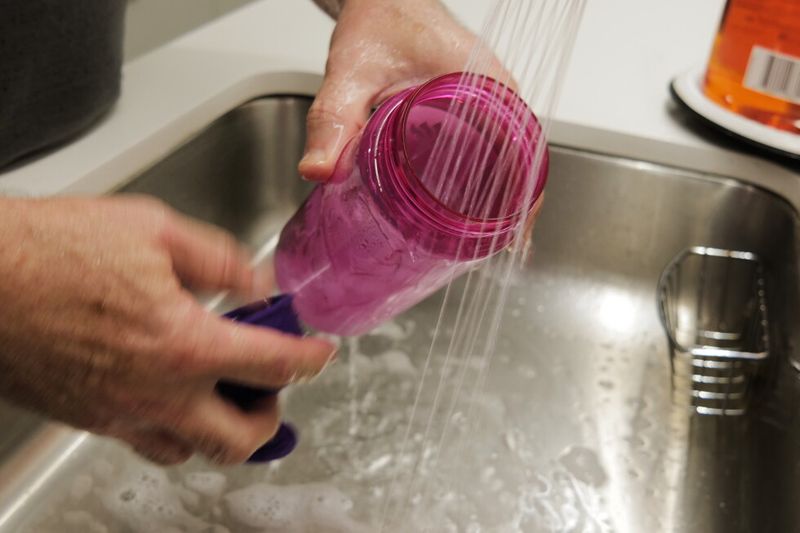
Paying for water can seem puzzling when a filled bottle came from home. For many people raised to avoid small expenses, carrying a drink is simply part of getting ready.
A reusable bottle can reduce repeat spending and disposable waste. Wash it regularly, including the lid, and check whether safe drinking water will be available at your destination.
Bottled water still has a place during emergencies, travel, or situations where the local supply is not safe.
13. Measuring Every Drop of Household Products
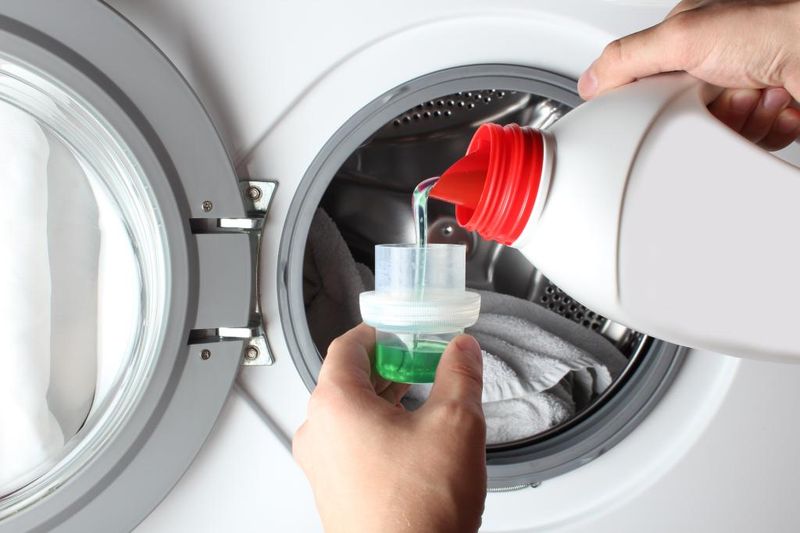
One squeeze, not three, might be the household rule. A childhood spent stretching supplies can make adults careful about how much detergent, shampoo, or dish soap they use each day.
Check product directions before cutting amounts or adding water. Too little may clean poorly, while diluting stored soap can affect its formula and allow germs to grow.
Measuring correctly often prevents waste without guesswork. Concentrated products especially deserve attention because a small dose may already be enough.
14. Choosing Cloth Over Another Tissue Box
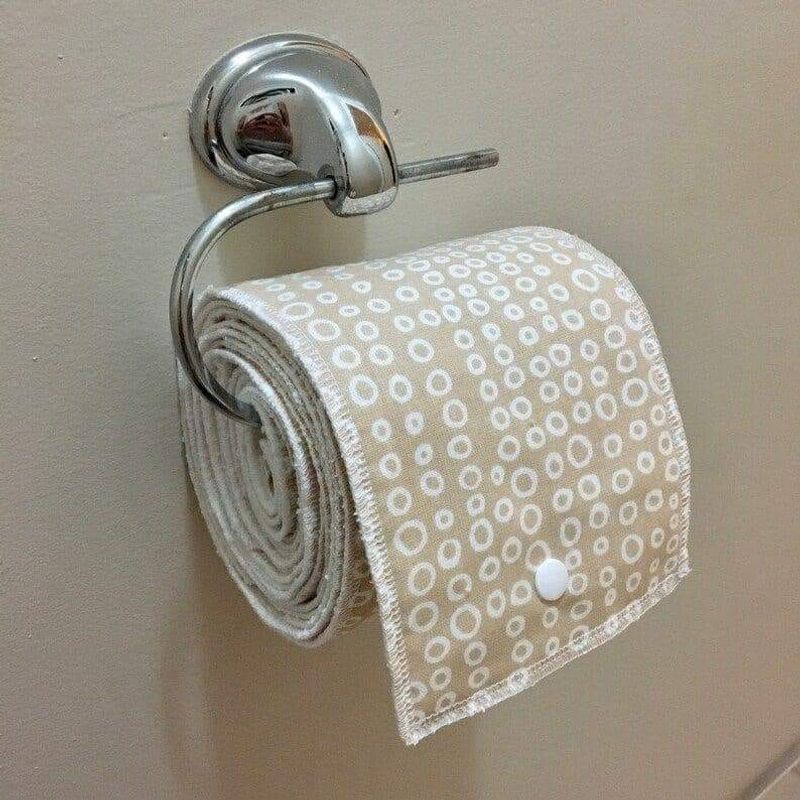
A neatly folded handkerchief may seem like a keepsake from another age. In some careful households, washable cloths remain everyday tools, while toilet paper sometimes replaces a separate box of tissues.
Comfort and hygiene matter more than winning a savings contest. Use a fresh cloth when needed, wash used ones promptly, and avoid sharing them.
During illness, disposable tissues may be easier to manage. Wash your hands after blowing your nose, whichever option you choose to use.
15. Checking Subscriptions Like a Detective

That tiny monthly charge rarely slips past someone trained to watch every dollar. Streaming plans, apps, and memberships often receive more attention than friends expect because small payments quietly add up.
Review recurring charges every few months and cancel services you no longer use. Set reminders before free trials end, and check cancellation terms before signing up.
Keeping a subscription you enjoy is fine. The goal is choosing expenses on purpose, not banning every form of entertainment.
16. Putting Socks on the Gift List

New towels might bring more excitement than a fancy surprise. Practical gifts can feel deeply thoughtful to adults who grew up hearing that useful things deserve a place in the budget.
If someone asks what you want, share a few options at different prices. Everyday tools, needed clothing, or help with an activity can all make welcome gifts.
Leave space for the giver’s style, too. A present can serve a purpose while still feeling warm and personal.
17. Saying the Outing Costs Too Much

Instead of inventing a scheduling problem, they may simply say the restaurant costs more than they want to spend. That honesty can surprise friends who treat money limits as private matters.
Clear boundaries make planning easier when they come without judgment. Suggest a picnic, a cheaper cafe, or dinner at home instead.
You do not owe anyone a full account of your finances. A calm explanation can protect your budget while showing that spending time together still matters.
18. Staying Loyal to an Older Car

The car may lack a giant screen, but it starts reliably every morning. People raised to value usefulness often keep vehicles long after friends begin shopping for something newer or shinier.
Regular maintenance can extend a car’s life, though safety and repair costs should guide decisions. In snowy areas, some owners store a vehicle to limit road salt exposure.
Compare storage expenses and transportation needs first. Keeping an older car only saves money when the arrangement works.
19. Refusing to Waste the Last Soap Sliver
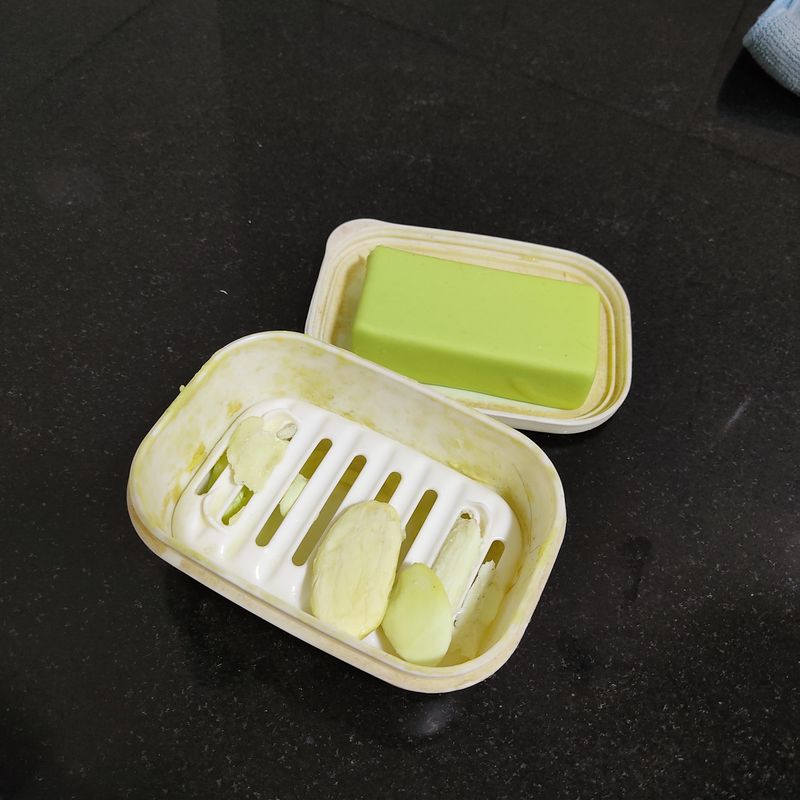
Even a tiny scrap of soap can look too useful to toss. Some adults collect the leftovers, press a softened piece onto a larger bar, or keep scraps in a soap pouch.
It is a small habit, but it reflects a wider dislike of waste. Let soap drain and dry between uses so it lasts longer.
Avoid risky stovetop experiments with unfamiliar products. A simple pouch or careful pressing usually takes less effort than melting scraps together.
20. Planning for Financial Rainy Days

A healthy bank balance may not quiet the urge to check it again. Growing up around tight budgets can leave adults alert to surprise bills, job loss, and other possible troubles.
Regular reviews and emergency savings can provide security, but constant checking may feed worry instead. Choose a review schedule, set useful account alerts, and build a realistic backup plan.
If money fears keep disrupting sleep or daily life, consider support from a qualified counselor or financial professional.