
Keeping a band together can be harder than writing a hit song. Money, travel, and creative clashes often send members in different directions, but some groups keep the same team through every album.
The bands below stand out for their steady official lineups, even when they took breaks or brought extra musicians onstage. Their stories show how familiar faces can keep making surprising music.
1. Radiohead: School Friends Who Kept Exploring

A school friendship grew into one of rock’s most adventurous partnerships. Thom Yorke, Jonny Greenwood, Colin Greenwood, Ed O’Brien, and Philip Selway started playing together in 1985, first calling themselves On a Friday.
After becoming Radiohead, they moved from guitar rock toward strange rhythms and electronic sounds without replacing anyone. Compare The Bends with Kid A to hear how much a steady group can change its music while keeping its shared identity firmly intact through decades.
2. Garbage: Four Different Skills, One Strong Sound
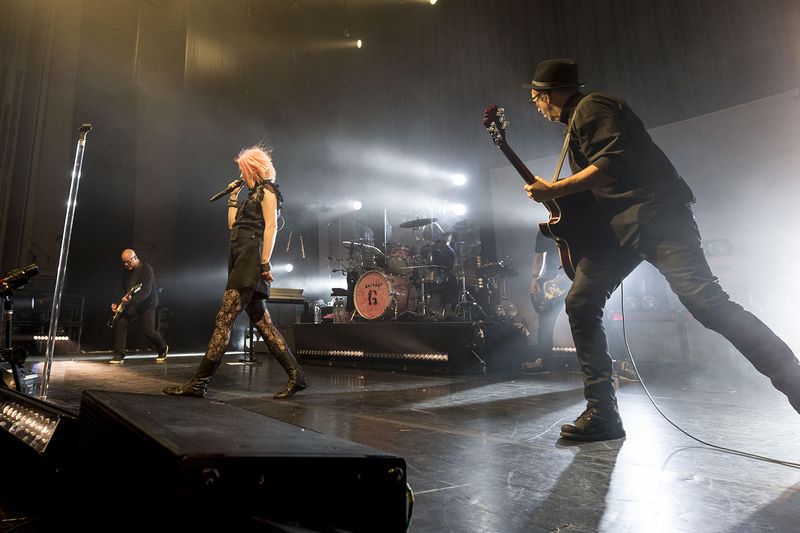
Crunchy guitars and shiny electronic beats made an unlikely match, but the people behind them clicked. Shirley Manson, Butch Vig, Duke Erikson, and Steve Marker established Garbage’s recording lineup before the band’s 1995 debut.
The quartet has stayed intact through breaks and changing musical trends. Extra touring players have helped fill out the live sound without becoming replacements.
Start with Stupid Girl, then explore later records to hear their mix of polish, tension, and sharp hooks.
3. The Strokes: New York’s Lasting Five
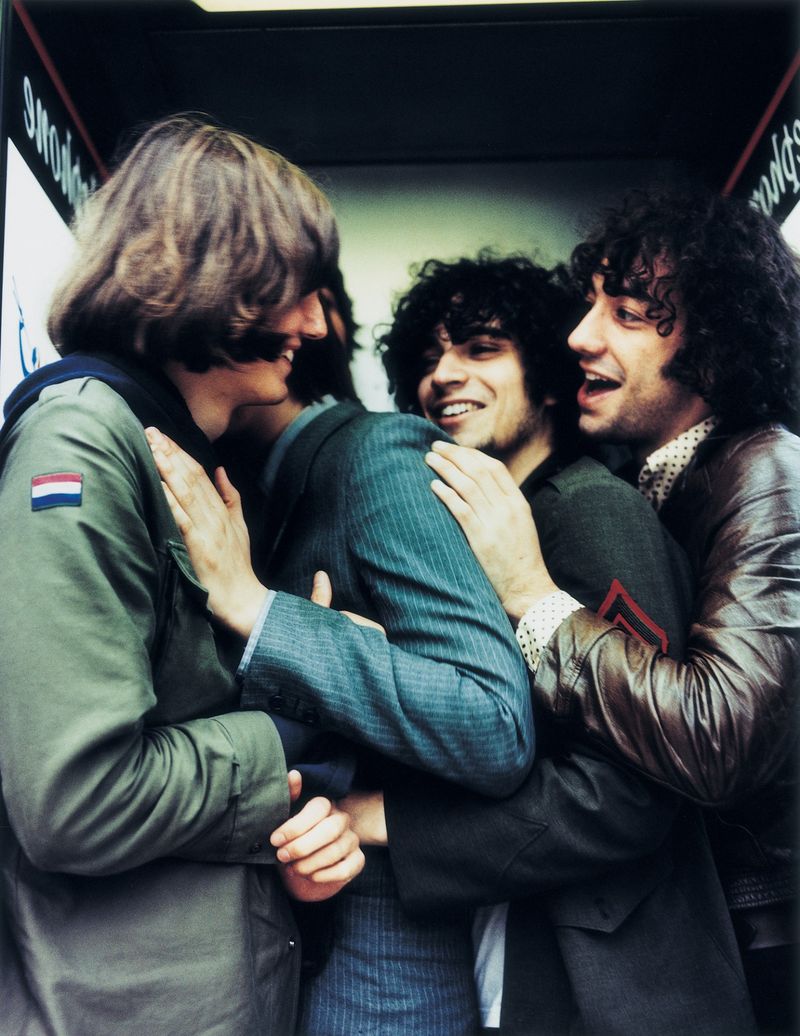
Few debut albums capture a city quite like Is This It. Behind its loose, late night energy stood Julian Casablancas, Nick Valensi, Albert Hammond Jr., Nikolai Fraiture, and Fabrizio Moretti.
That same five joined forces in New York in 1998 and stayed the official lineup. Solo projects and long gaps between releases did not bring replacements.
Listen for the two guitar parts weaving together, a musical conversation that helps explain why their familiar partnership remains so recognizable.
4. Yeah Yeah Yeahs: A Small Group With Huge Energy
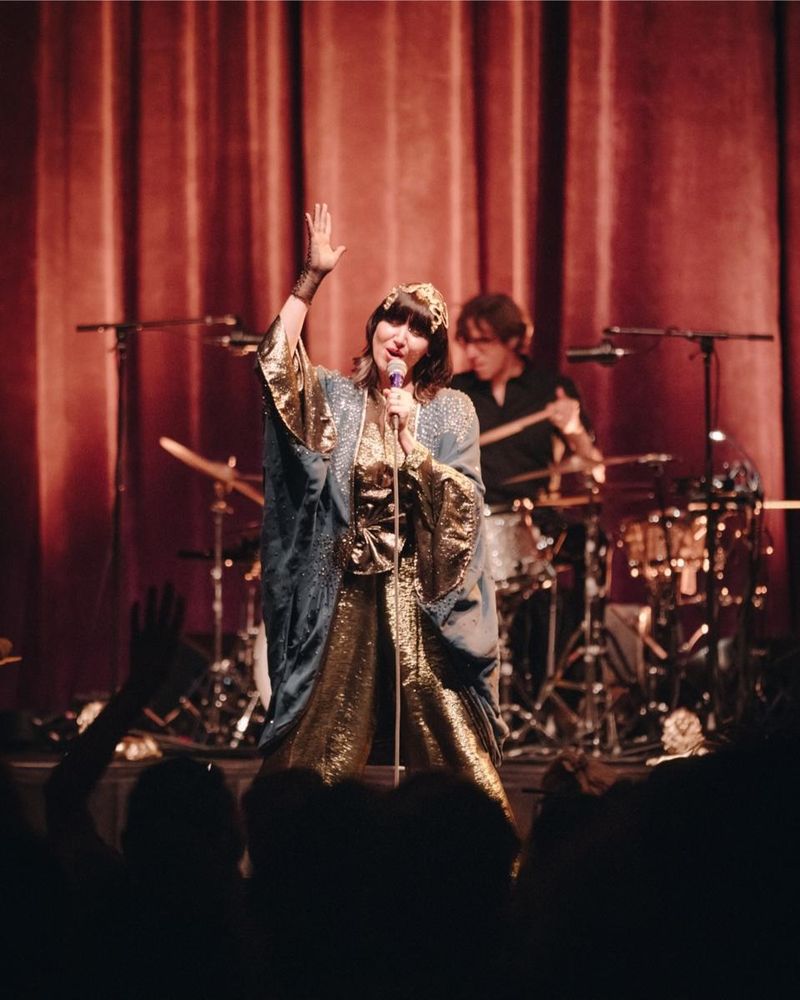
One singer, one guitarist, and one drummer can make a remarkable amount of noise. Karen O, Nick Zinner, and Brian Chase formed their trio in New York in 2000.
Their early songs felt wild and scrappy, while later releases welcomed dance beats and sweeping keyboards. Throughout those shifts, the official membership stayed the same.
Try Maps beside Heads Will Roll for an easy introduction to their range, from an aching love song to a glittering dancefloor favorite.
5. Thrice: Growing Without Trading Places
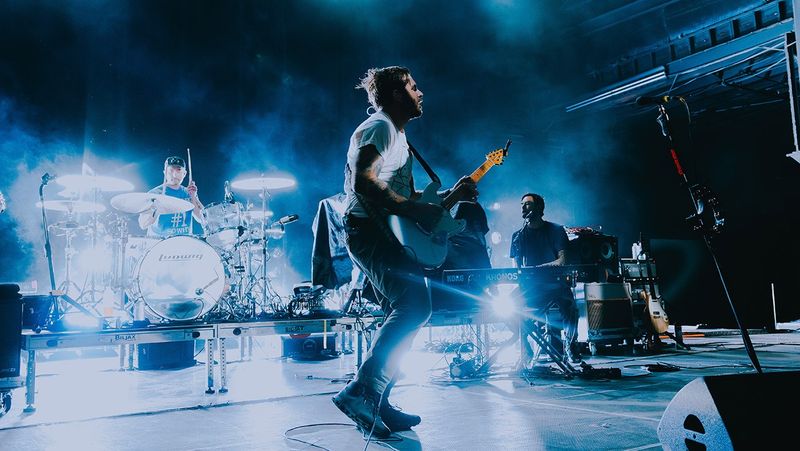
Growing older did not mean growing apart for these California musicians. Dustin Kensrue, Teppei Teranishi, Eddie Breckenridge, and Riley Breckenridge formed Thrice in 1998 and built their career together.
Early records leaned toward urgent, heavy rock, but later work brought quieter textures and broader ideas. Even a hiatus did not lead to a new lineup when they returned.
Follow The Artist in the Ambulance with Vheissu to hear a band stretching its skills rather than changing its players.
6. Rammstein: Six Members Behind the Spectacle

Flames may grab the headlines, but the lasting teamwork is just as striking. Till Lindemann, Richard Kruspe, Paul Landers, Oliver Riedel, Christoph Schneider, and Christian Lorenz formed Rammstein in Berlin in 1994.
All six remained the band’s official members as its stage shows became enormous. Their sound pairs heavy guitar riffs with firm rhythms and electronic touches.
For a useful listening exercise, notice how each instrument leaves room for the others instead of fighting for constant attention.
7. Muse: Three Players, Stadium-Sized Ideas
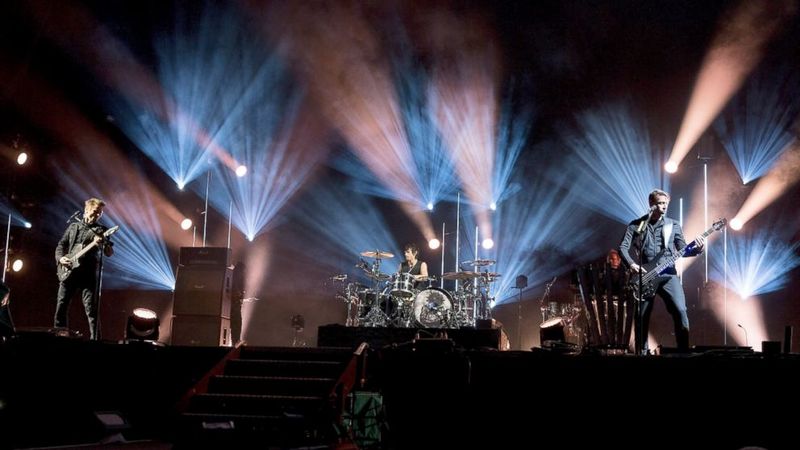
A trio from Devon learned to sound larger than many orchestras. Matt Bellamy, Chris Wolstenholme, and Dominic Howard formed Muse in 1994, turning youthful ambition into a career filled with dramatic songs.
The three official members stayed together while touring musicians helped deliver their layered arrangements live. Their records blend rock, electronic music, and classical touches.
Start with Origin of Symmetry, then try Black Holes and Revelations to hear that imagination expand without changing the core team.
8. Phoenix: A French Friendship With Lasting Rhythm
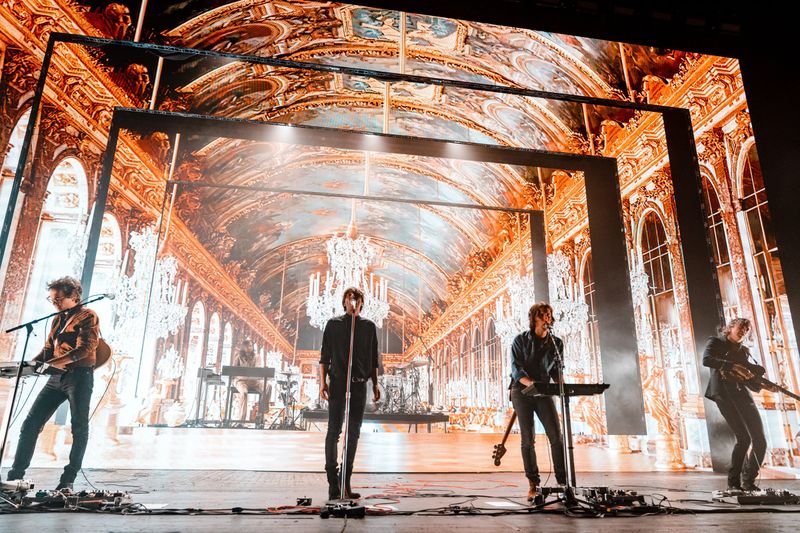
Behind those breezy pop hooks sits a friendship rooted in Versailles, France. Thomas Mars, Deck d’Arcy, Laurent Brancowitz, and Christian Mazzalai make up Phoenix’s enduring official quartet.
Since forming in the 1990s, they have mixed guitars, keyboards, and dance rhythms without swapping core members. Concert drummers and other supporting players are separate from that membership.
Wolfgang Amadeus Phoenix offers an inviting starting point, especially if you enjoy songs that sound relaxed while hiding carefully arranged musical details.
9. Rage Against the Machine: The Same Four Voices of Protest
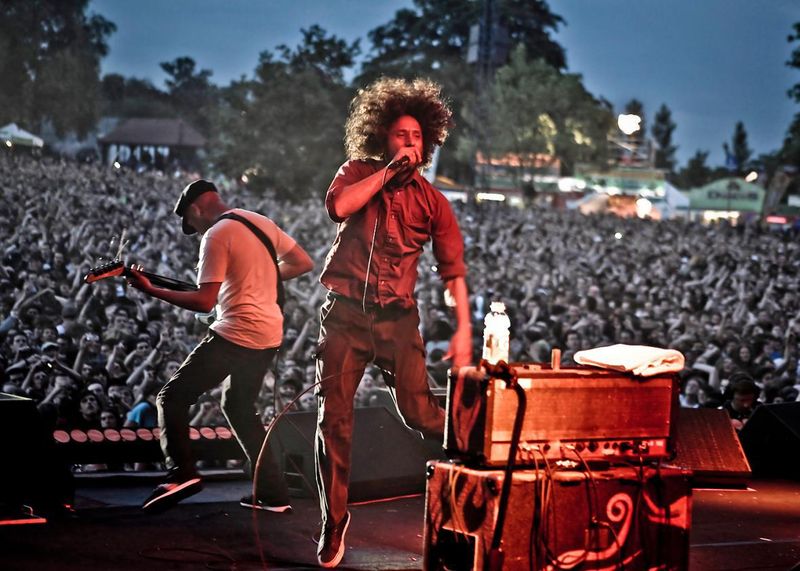
Anger became a powerful musical language when four Los Angeles musicians joined forces in 1991. Zack de la Rocha, Tom Morello, Tim Commerford, and Brad Wilk combined rap, rock, and political protest.
Breakups and reunions interrupted their history, but replacements never entered the official lineup. Their separate work in other bands belongs to different stories.
On the debut album, listen closely to Morello’s unusual guitar sounds and the rhythm section’s steady groove beneath the outspoken lead vocals.
10. Alter Bridge: A Fresh Start That Stuck
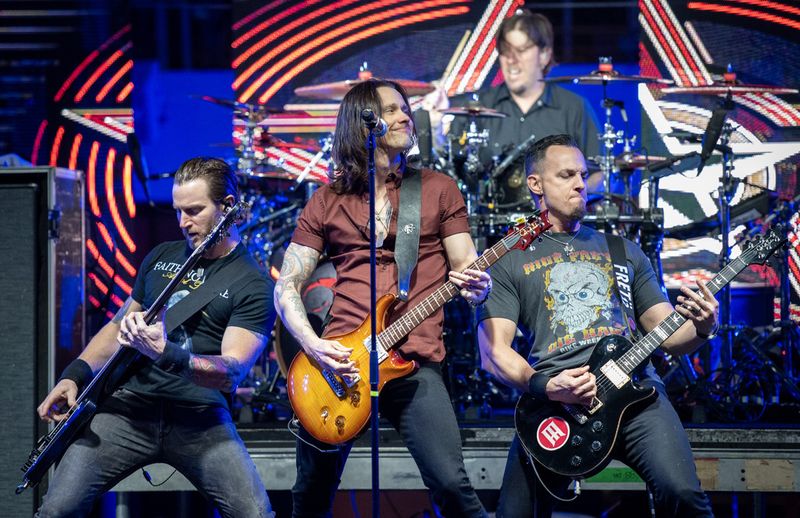
A new singer helped three former bandmates begin a different chapter. Myles Kennedy joined Mark Tremonti, Brian Marshall, and Scott Phillips to form Alter Bridge in 2004.
Unlike projects that keep rebuilding around one leader, this group kept all four musicians in place. Their songs balance heavy riffs with clear melodies and strong vocals.
Blackbird makes a rewarding introduction, especially its title track, where patient songwriting gives the guitar work room to tell its own emotional story.
11. Dir En Grey: Constant Members, Changing Extremes
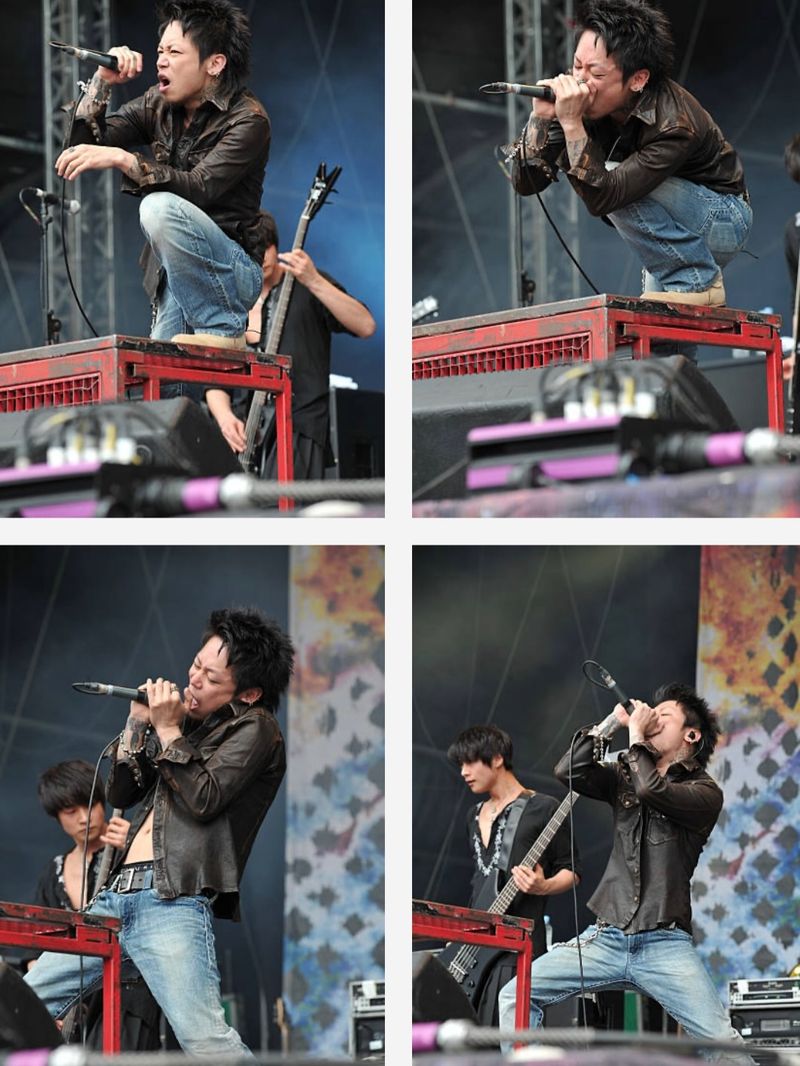
Musical comfort zones rarely last long around this Japanese band. Kyo, Kaoru, Die, Toshiya, and Shinya formed Dir En Grey in 1997 and have remained its five members.
Their journey stretches from visual kei roots into harsh metal, unusual song structures, and deeply expressive singing. That range can surprise new listeners, so sample several albums before deciding what they sound like.
A fixed lineup has not meant fixed ideas, which makes their long partnership especially interesting to follow.
12. Brutus: Three Musicians With Nothing to Spare
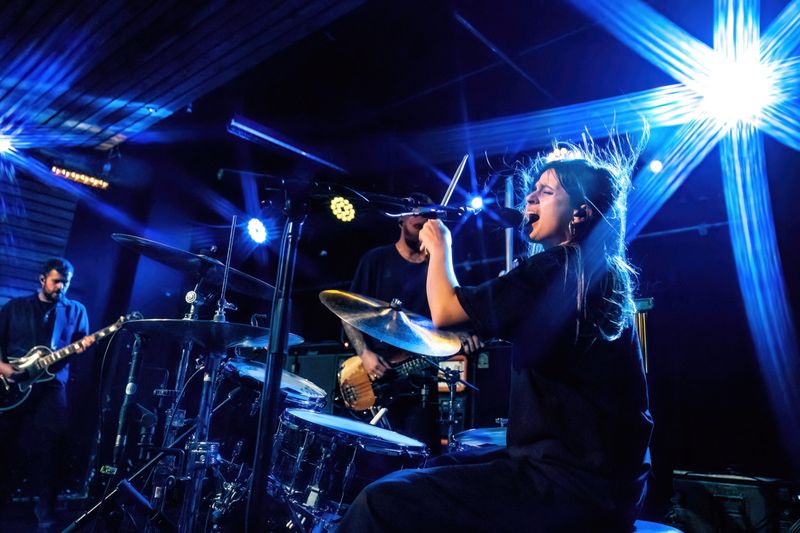
Singing while drumming is demanding enough before the music gets this intense. Stefanie Mannaerts handles both roles in Brutus, alongside bassist Peter Mulders and guitarist Stijn Vanhoegaerden.
The Belgian trio formed in Leuven in 2014 and established its sound without changing members. Their music moves between heavy bursts and wide, atmospheric passages.
Try watching a live performance before hearing a full album: seeing those three jobs connect makes the band’s balance of force and feeling easier to appreciate.
13. Led Zeppelin: An Ending Instead of a Replacement
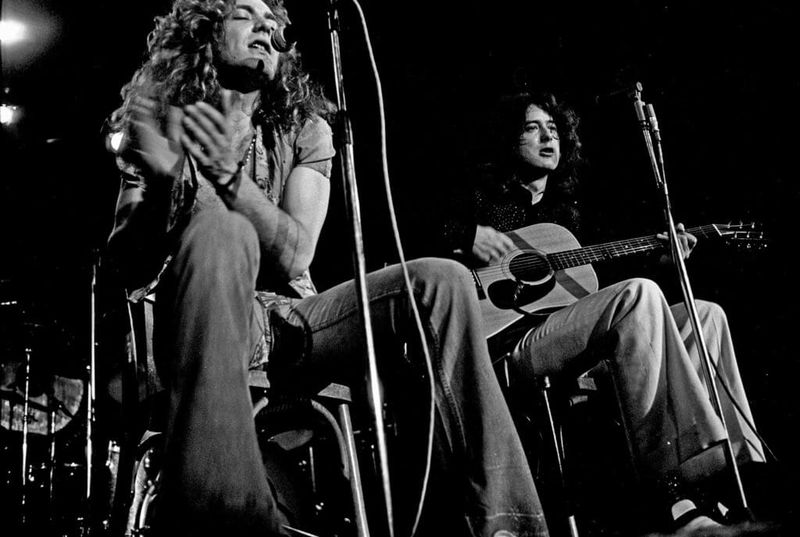
Sometimes loyalty means knowing when to stop. Jimmy Page, Robert Plant, John Paul Jones, and John Bonham formed Led Zeppelin in 1968 and remained together throughout the band’s original active career.
After Bonham died in 1980, the surviving members ended the group rather than hire a replacement. Later reunion appearances used guest drummers, including his son Jason.
That distinction matters: their uninterrupted original run, not every later appearance, is the reason they belong in this conversation today.
14. Dredg: A Shared Taste for the Unexpected

Odd ideas feel natural when the same friends keep building them together. Gavin Hayes, Mark Engles, Drew Roulette, and Dino Campanella formed Dredg in California in 1993.
The quartet mixed alternative rock with dreamy textures, unusual rhythms, and albums shaped around larger themes. Periods of limited activity should not be confused with lineup changes or a firm breakup date.
El Cielo is a strong starting point for listeners who enjoy following an album’s atmosphere from beginning to end.
15. Enter Shikari: Friendship Beneath the Electronic Chaos
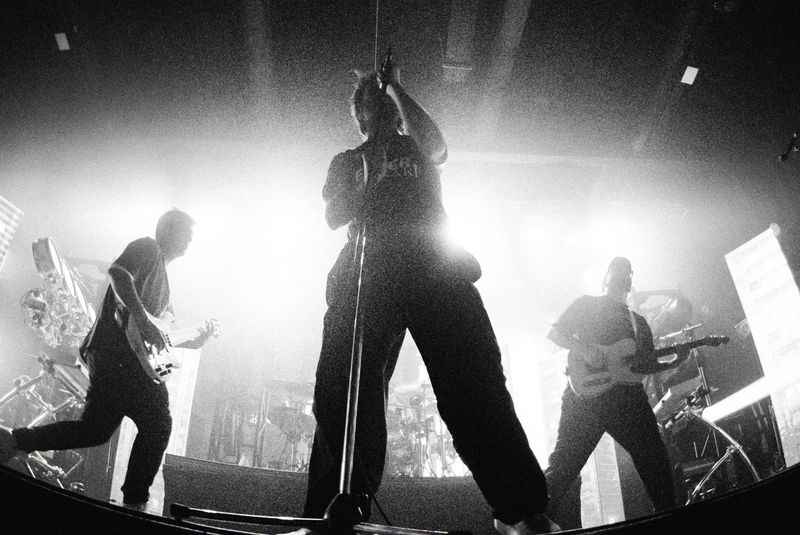
Dance beats crashing into heavy guitars might sound like a recipe for chaos. For Rou Reynolds, Rory Clewlow, Chris Batten, and Rob Rolfe, it became a shared language.
Enter Shikari formed in St Albans, England, in 2003 and kept that quartet together. Their songs can shift quickly from shouting to melody to electronic breakdowns.
Listen to Take to the Skies alongside a later release to hear how familiar bandmates can keep expanding their sound without losing their energy.
16. The White Stripes: Two People Were Enough
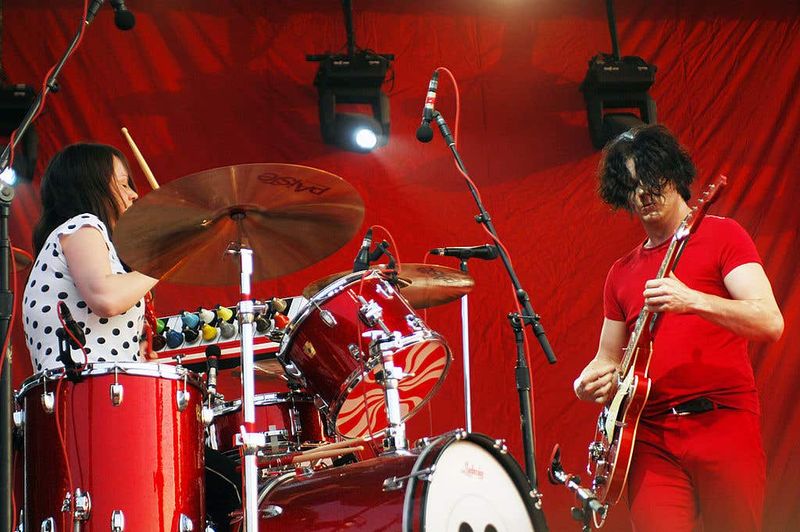
No bass player, no crowded stage, no revolving door. Jack White and Meg White formed the White Stripes in Detroit in 1997 and stayed a duo until announcing their breakup in 2011.
Their stripped back approach turned simple drum patterns and raw guitar sounds into something huge. Neither member was replaced during the band’s run.
Begin with White Blood Cells or Elephant, then notice how empty space gives the riffs extra punch instead of making the music smaller.
17. The Civil Wars: A Brief Partnership With Lasting Harmony

Two voices sometimes create a sound that needs almost nothing else. Joy Williams and John Paul White formed the Civil Wars in 2008, blending folk, country, and closely woven harmonies.
Their partnership ended publicly in 2014, but neither musician was replaced along the way. A short career still counts when the membership never changes.
Play Barton Hollow with good headphones and pay attention to how their voices meet, separate, and build tension without a large backing band.