
A great movie or TV show can make you trust the wrong person, miss a clue, or believe something impossible. Sometimes the trick is a shocking story turn, and sometimes it is a clever camera effect.
Knowing how these moments work makes watching them again even more fun. Major spoilers follow, so be careful if any of these titles are still on your watchlist.
1. The Sixth Sense Hides Malcolm’s Fate
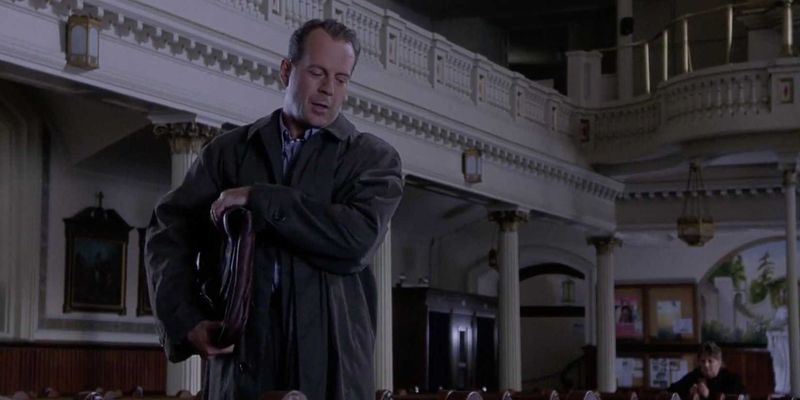
That quiet doctor seems like the safest person to trust. Malcolm Crowe helps young Cole understand his ability to see dead people, while viewers assume Malcolm survived the shooting shown near the beginning.
The ending reveals that Malcolm is dead himself. Watch again and notice how nobody except Cole truly responds to him.
Ordinary pauses and awkward silences suddenly mean something else, making the reveal feel carefully planted rather than pulled from nowhere at all.
2. Game of Thrones Turns a Wedding Into a Trap
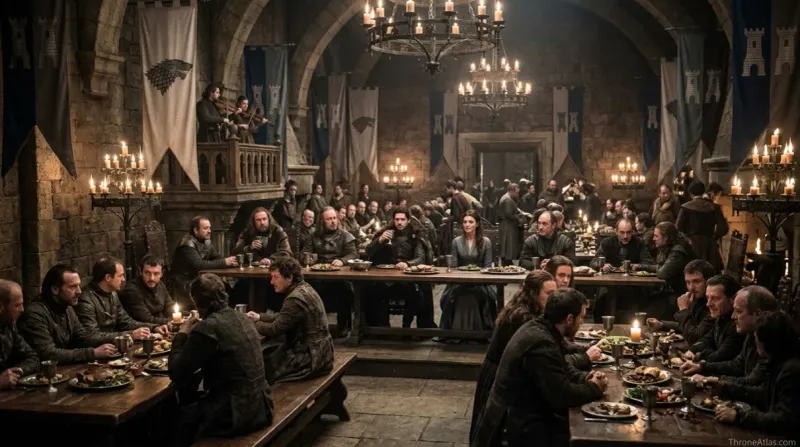
A wedding should offer a break from war, right? At the Twins, Robb Stark hopes a marriage celebration will help repair a broken alliance.
Instead, the gathering becomes a deadly trap for his family.
The Red Wedding kills Robb, his pregnant wife Talisa, and his mother Catelyn. Its shock comes from breaking the usual promise that major heroes survive.
Listen for the changing music and watch Catelyn’s expression as the danger finally becomes horribly clear.
3. Lost Moves Forward While You Look Back
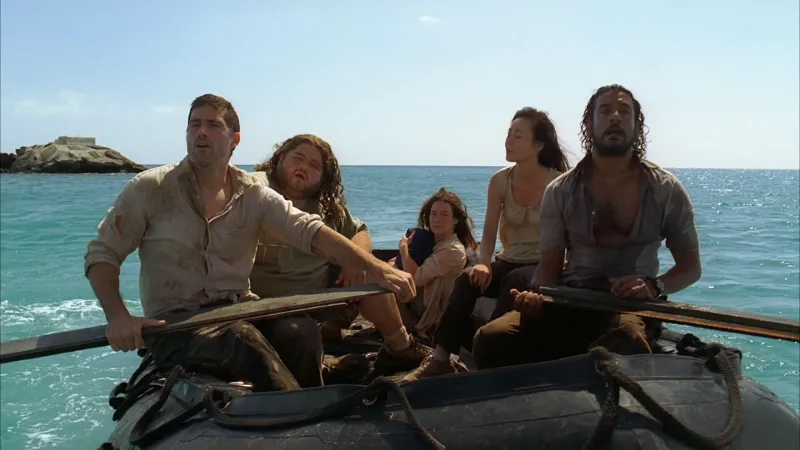
By season three, viewers knew the rhythm: island action mixed with scenes from the past. So a troubled, bearded Jack seemed to belong to another familiar flashback, even when details felt strangely out of place.
Then Kate arrives, and the truth lands. These scenes happen after they escape the island.
Jack’s desperate wish to return flips the whole story around. The trick works because the show uses an established pattern to guide your expectations elsewhere.
4. The Good Place Gives Paradise a Wicked Twist
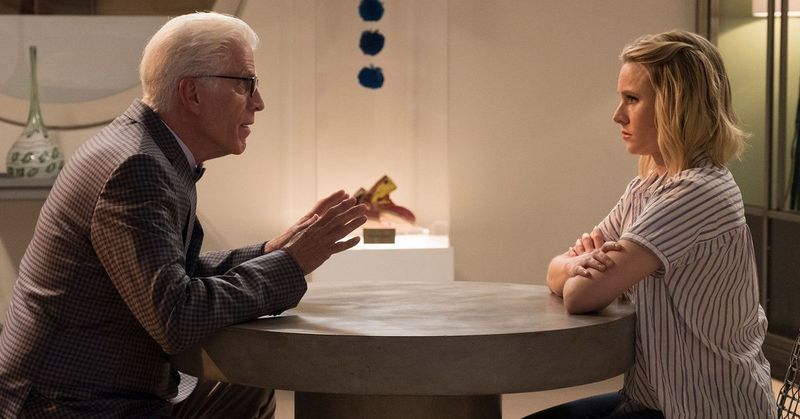
Frozen yogurt, friendly neighbors, and endless sunshine make a pretty convincing heaven. Eleanor believes she entered the Good Place by mistake, and much of the first season follows her attempts to become a better person.
Actually, the neighborhood is a version of the Bad Place. Michael designed it so its residents would make each other miserable.
Suddenly, every awkward pairing has a purpose. The cheerful setting hides the punishment, proving that pleasant appearances can fool.
5. Psycho Pulls Away Its Leading Lady
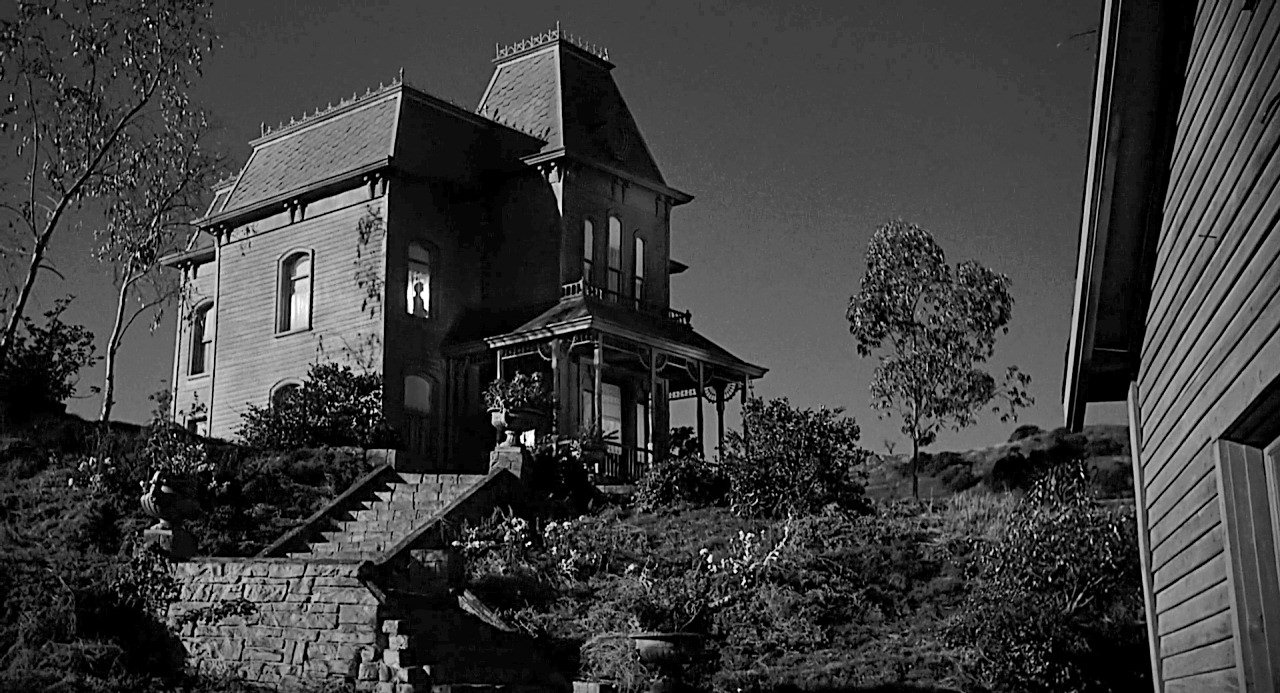
Following Marion Crane makes it easy to assume her choices will drive the entire movie. Then the shower scene abruptly removes her, leaving viewers without the person they thought the story was really about.
Another deception waits at the Bates house: Norman’s mother is dead, and Norman commits the murders while taking on her identity. Hitchcock directs your attention toward the wrong questions twice.
Notice how voices and carefully limited views help protect the secret.
6. The Social Network Builds a Matching Pair
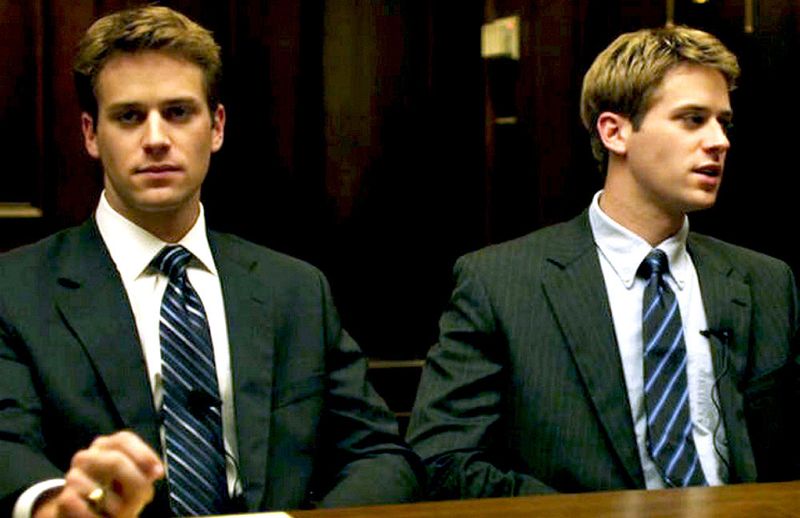
Two matching faces can hide a surprising amount of teamwork. The Winklevoss twins look like a straightforward piece of casting, but their shared appearance depended on performances, careful camera planning, and digital face replacement.
Armie Hammer supplied the twins’ recognizable faces, while Josh Pence performed opposite him as the other brother in many scenes. Hammer’s face was then added where needed.
Remember Pence when watching their conversations: believable effects still depend on another actor’s physical performance.
7. I Am Legend Makes Manhattan Feel Abandoned
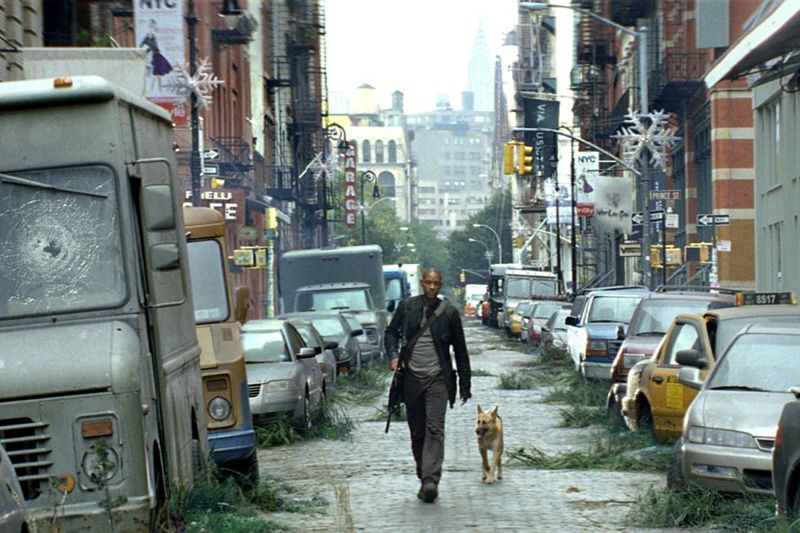
New York without crowds feels almost impossible, which is exactly why these scenes stick. Robert Neville moves through empty Manhattan streets that look as though the city has simply stopped breathing.
The production combined controlled location filming with extensive digital cleanup and added details. Traffic, people, and other unwanted elements could disappear from the finished image.
Rather than assuming everything was filmed on an empty street, look at how practical locations and visual effects cooperate.
8. The Departed Sneaks in One Final Rat
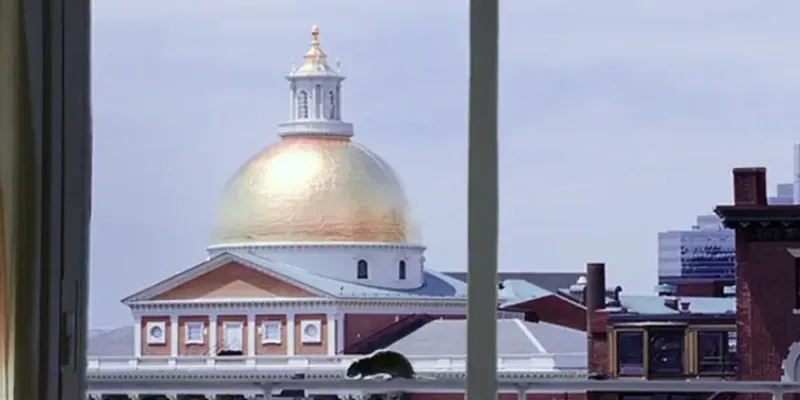
After so many lies, even a tiny animal can make a loud statement. The final balcony shot places a rat against the Boston skyline, turning the movie’s theme of betrayal into a literal image.
The animal is widely reported as a digital addition, not simply a lucky visitor on set. Its brief appearance shows how an effect can carry meaning instead of creating spectacle.
Keep an eye on backgrounds: the closing message isn’t always spoken.
9. Dr. No Puts an Ocean on a Screen
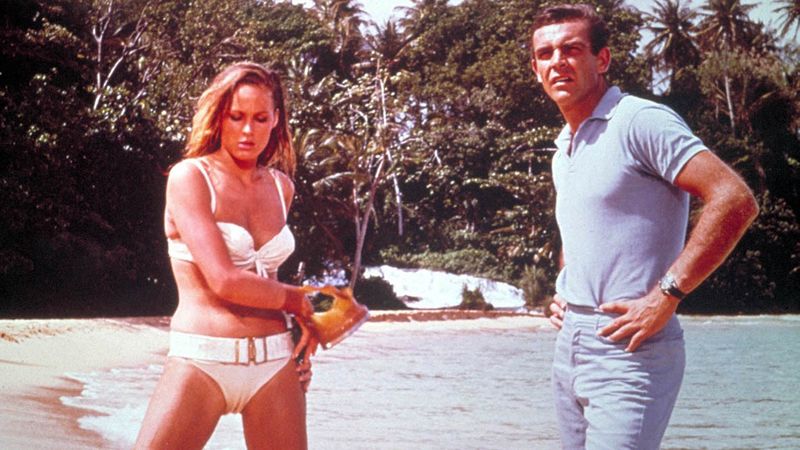
Luxury looks stranger when fish seem to tower behind your dinner host. Inside Dr. No’s lair, the impressive aquarium wall helps sell the villain’s wealth, unusual taste, and control over his surroundings.
But the underwater view came from projected footage rather than a giant working tank. Enlarging the fish made them appear unusually big, a detail the dialogue even addresses.
Long before modern digital tools, projection could turn a simple set into an extravagant hideout.
10. The Dark Knight Makes a Pencil Vanish
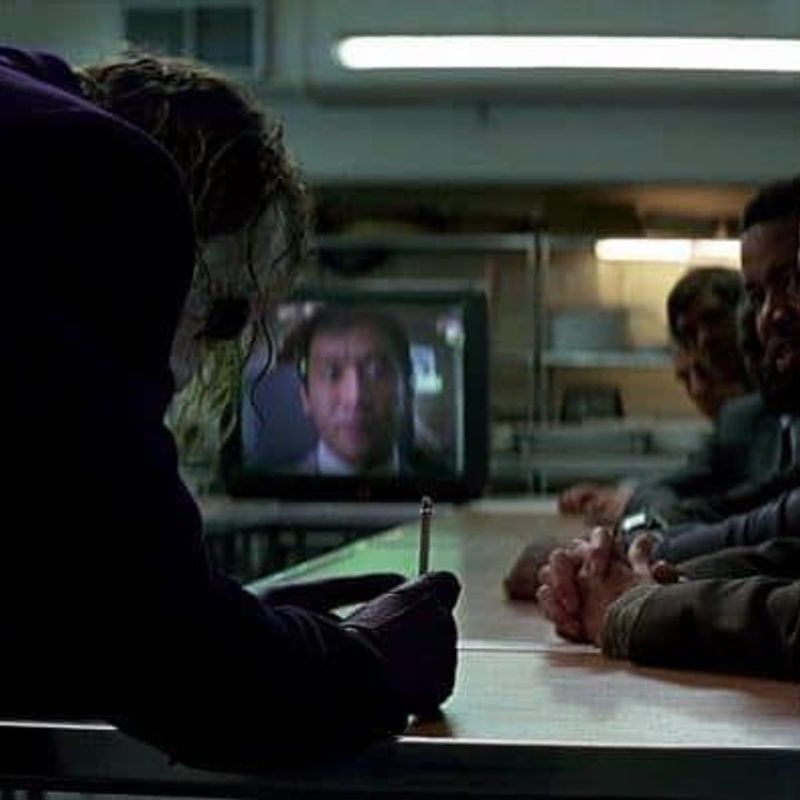
Blink, and the pencil is gone. The Joker’s awful party trick happens so quickly that it can seem like an obvious computer effect, especially given how dangerous the finished moment appears.
In reality, the scene relied on stunt timing, camera placement, and a performer clearing the pencil before his head reached the table. The apparent impact sells what never actually happens.
It is a useful reminder that convincing screen violence requires planning, not real injury.
11. Severance Reveals Who Helly Is Outside
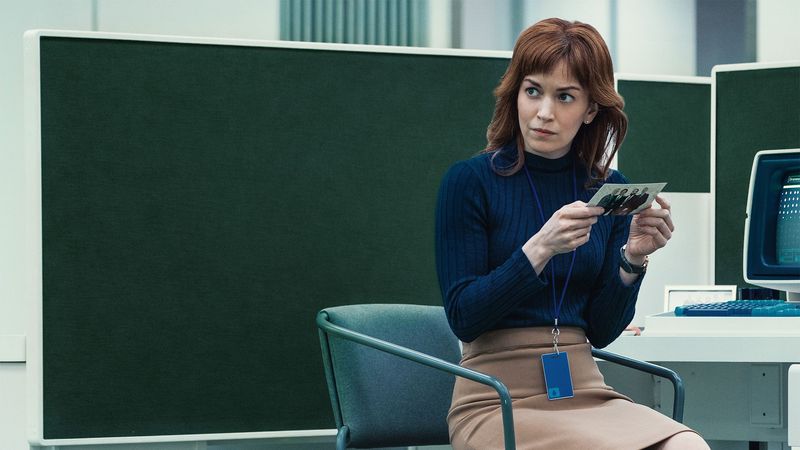
Nobody seems more eager to escape Lumon than Helly. Her office self fights the severance system, so viewers naturally imagine that her outside self must be another ordinary worker caught in a cruel arrangement.
The finale reveals Helena Eagan, a member of Lumon’s powerful founding family. She volunteered to support the procedure through a publicity campaign.
Her divided identity makes the conflict deeply personal: sharing a body does not mean sharing values, freedom, or goals.
12. WandaVision’s Mystery Guest Is Already There
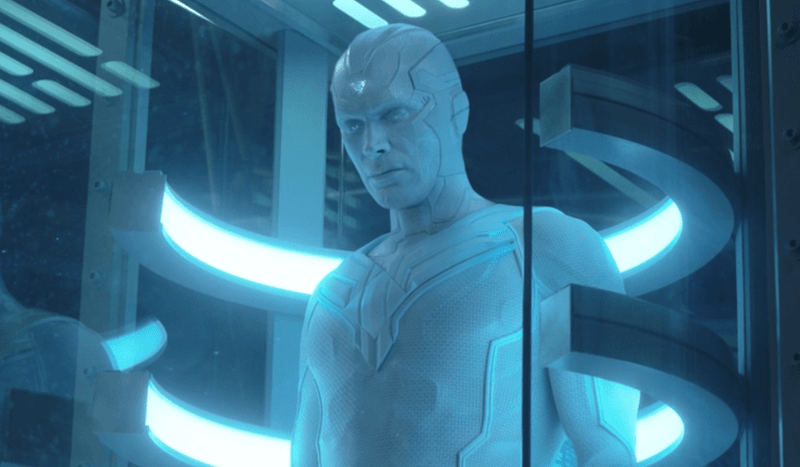
Fan theories took off when Paul Bettany teased an actor he had always wanted to work with. With Marvel’s huge roster of possible guests, viewers started imagining a major surprise waiting near the finish.
The joke pointed back to Bettany himself. He played both the familiar Vision and White Vision, giving him a scene opposite his own character.
Unlike a hidden plot clue, this misdirection happened outside the show, showing how interviews can shape expectations.
13. The Mist Lets Help Arrive Too Late
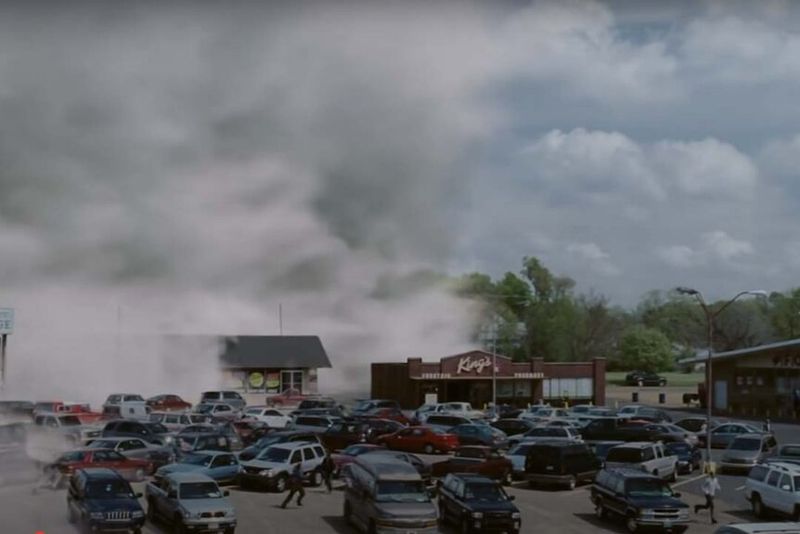
Hope seems completely gone when David’s group runs out of options. Believing a terrible death is near, he kills his companions, including his son, but has no bullet left for himself.
Then soldiers emerge from the mist, revealing that help was close. The ending does not prove every danger everywhere is over, but it makes his decision tragically premature.
Unlike a puzzle twist, this reversal hurts because viewers understand his fear before seeing the alternative.
14. Forrest Gump Erases Lieutenant Dan’s Lower Legs
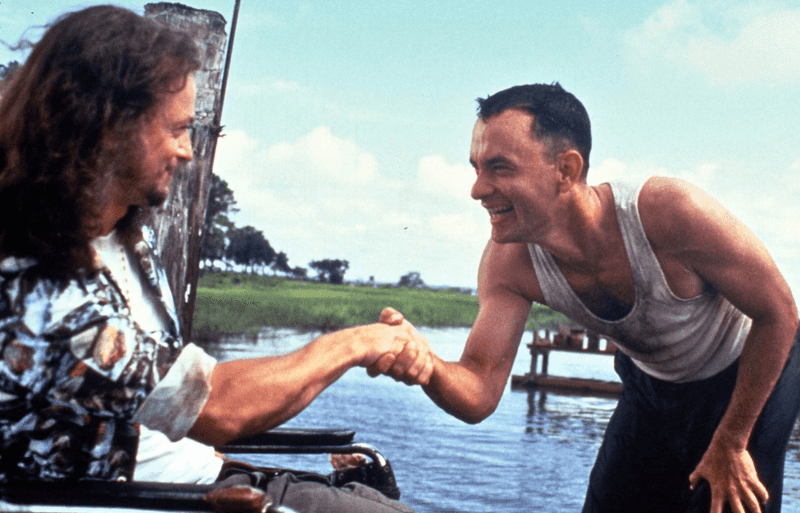
Gary Sinise’s performance is so convincing that the visual trick can slip past unnoticed. After Lieutenant Dan loses his lower legs in Vietnam, the movie shows him moving through spaces where hiding them seems impossible.
Sinise wore blue coverings over his lower legs so effects artists could remove those areas and rebuild the background. Camera angles and physical staging also helped.
The result supports the character rather than demanding applause, which is often excellent filmmaking.
15. Newhart Wakes Up in Another Sitcom
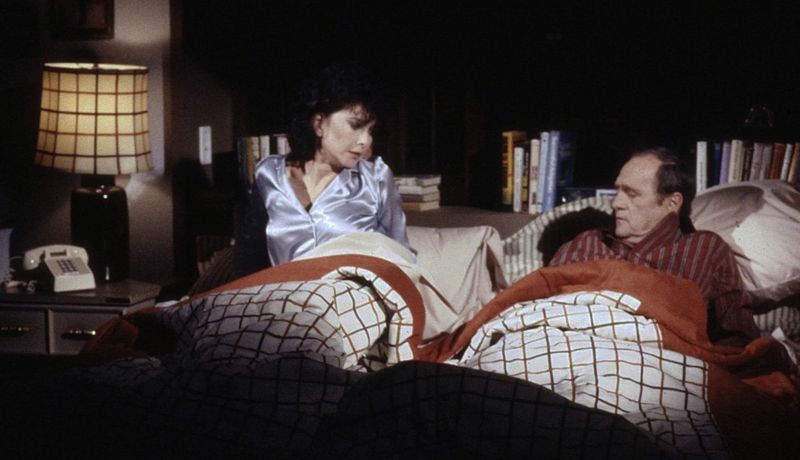
Imagine finishing eight seasons, then discovering you were watching somebody else’s dream. Newhart ends with Bob waking beside Suzanne Pleshette, his television wife from The Bob Newhart Show, rather than beside his current sitcom spouse.
He is Bob Hartley again, describing his strange dream about running a Vermont inn. The reveal connects two separate shows through one familiar bedroom.
For longtime fans, recognizing Pleshette turns the surprise into a reunion as well as a joke.