
Food prices keep climbing, and many families feel it every time they check out at the store. The good news is that you do not have to eat less or eat worse to spend less.
Small changes in what you put in your cart can add up to big savings over a month. Here are some easy trades that keep meals tasty while protecting your wallet.
1. Dried Beans Instead of Canned
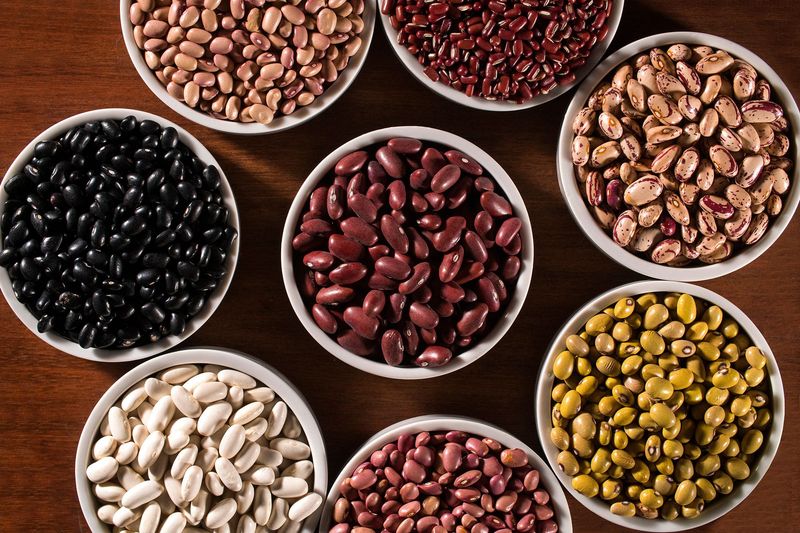
A one-pound bag of dried beans costs about the same as two cans, yet it makes roughly three times as much food. That math is hard to beat.
Soak them overnight, then simmer for an hour or so. A slow cooker makes the job almost effortless.
Cook a big batch on Sunday and freeze portions in bags. You will have ready beans for tacos, soups, and chili all month long.
2. Store Brands Over Name Brands
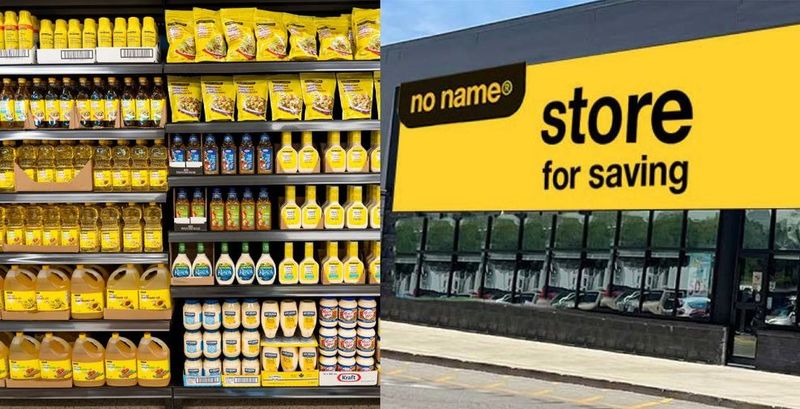
Here is a little secret: many store brand products are made in the very same factories as famous labels. Only the box and price change.
Shoppers often save 20 to 30 percent by grabbing the generic version of cereal, flour, canned tomatoes, and spices.
Try a taste test at home with your family. Most people cannot tell the difference, and some even prefer the cheaper choice.
3. Whole Chicken Instead of Boneless Breasts
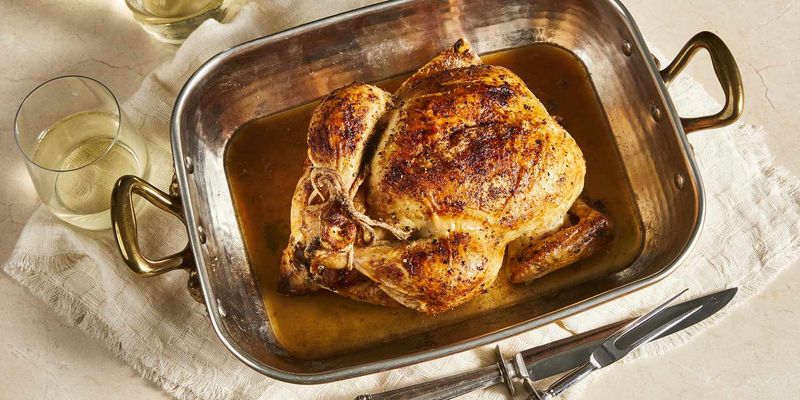
Grandma knew what she was doing when she roasted a whole bird every Sunday. Per pound, a whole chicken usually costs far less than boneless breasts.
One roast can become dinner, then sandwiches, then soup.
Save the bones and simmer them with onion scraps and carrot ends for homemade broth. That is three meals plus a free stock from one purchase, which feels pretty clever.
4. Frozen Berries for Fresh Ones
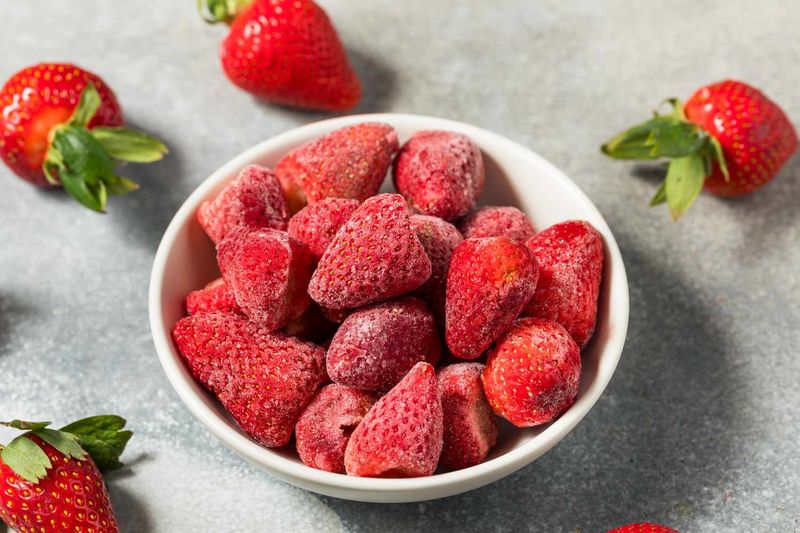
Fresh berries in winter can cost a small fortune, and they often turn mushy in two days. Frozen berries solve both problems.
Picked at peak ripeness and frozen quickly, they keep their vitamins well. You only use what you need, so nothing goes to waste.
Toss them into smoothies, oatmeal, or muffins. Nobody will notice they came from the freezer aisle.
5. Rolled Oats Over Boxed Cereal
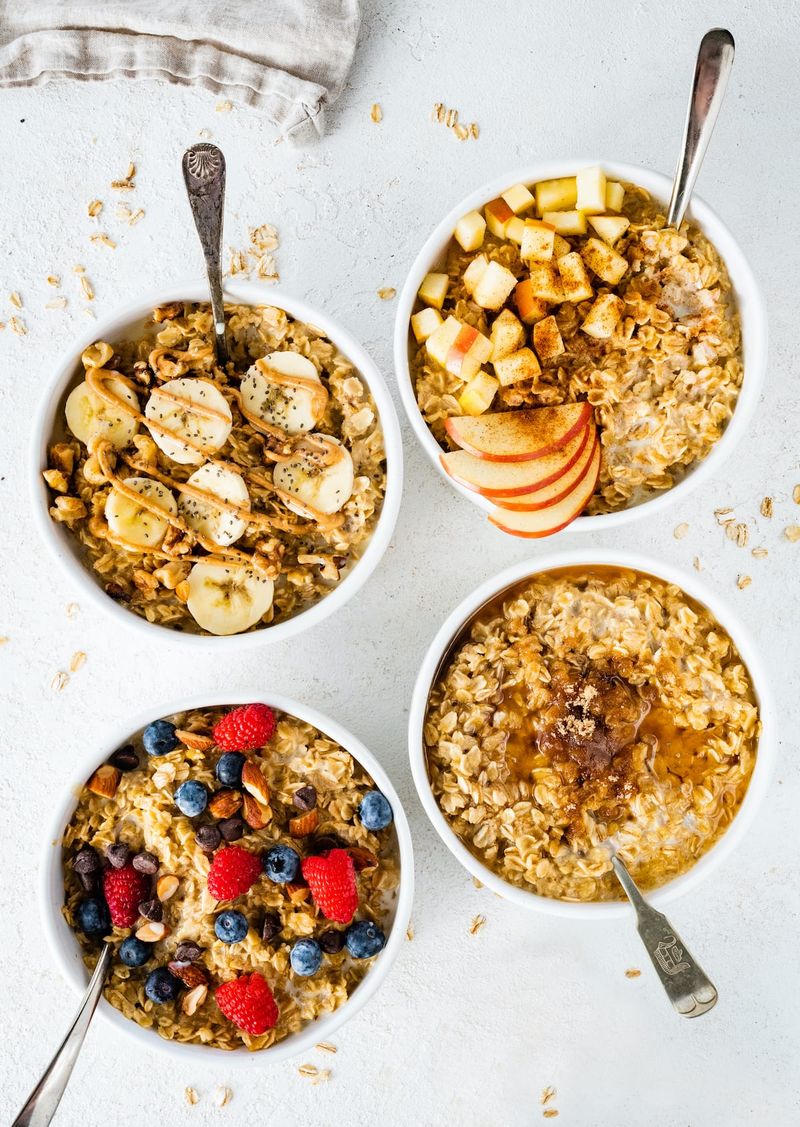
Ever looked at the price per ounce on a cereal box? It can be shocking.
A big canister of rolled oats costs pennies per serving.
Oats also keep you full longer, so fewer snack attacks before lunch.
Jazz them up with cinnamon, a sliced banana, or a spoon of peanut butter. Overnight oats in a jar make busy school mornings much easier, too.
6. Block Cheese Rather Than Shredded
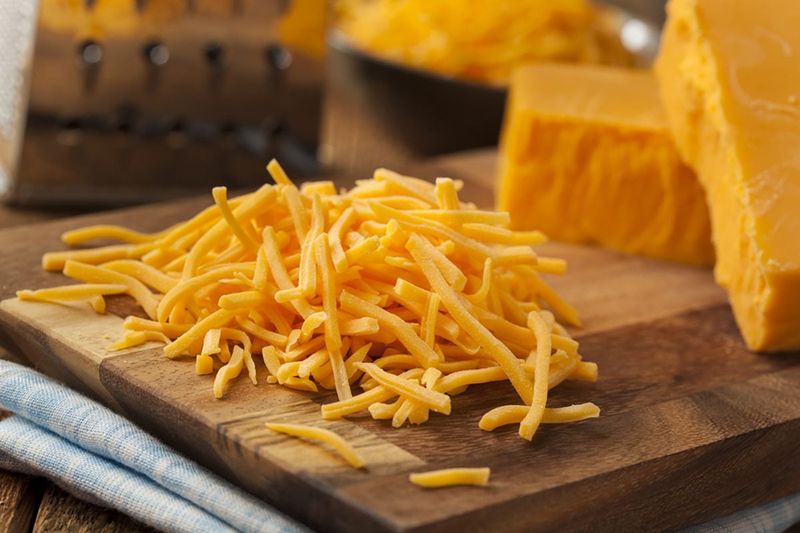
Pre-shredded cheese charges you for convenience, and it often includes anti-caking powder to stop clumping. A solid block is usually cheaper per ounce.
Grating takes about one minute with a simple box grater.
Freshly shredded cheese also melts smoother on pizza and mac and cheese. Shred a whole block at once and freeze extra in a zip bag for quick use later.
7. Homemade Popcorn Over Chip Bags

Movie night just got cheaper. A jar of popcorn kernels makes dozens of big bowls for about the price of one bag of chips.
Pop them on the stove with a little oil, or use a brown paper bag in the microwave.
Fun fact: people have been popping corn for thousands of years. Season yours with salt, parmesan, or a dash of chili powder.
8. Canned Salmon Instead of Fresh Fillets

Fresh salmon fillets can drain a budget fast. Canned salmon gives you the same healthy omega-3 fats for much less money.
It also sits in the pantry for years without spoiling.
Mix it with breadcrumbs, an egg, and some herbs to make crispy salmon patties. Kids who claim they hate fish often gobble these up, especially with a little ketchup or tartar sauce on the side.
9. Brew Coffee at Home

Five dollars a day at the coffee shop adds up to over 1,800 dollars a year. Ouch.
A bag of good beans brews many cups at home for a fraction of that cost.
Want that fancy feel? Froth some milk in a jar by shaking it, then warm it in the microwave.
Add a pinch of cinnamon or vanilla, and you have a homemade latte.
10. Plain Yogurt in Place of Flavored Cups
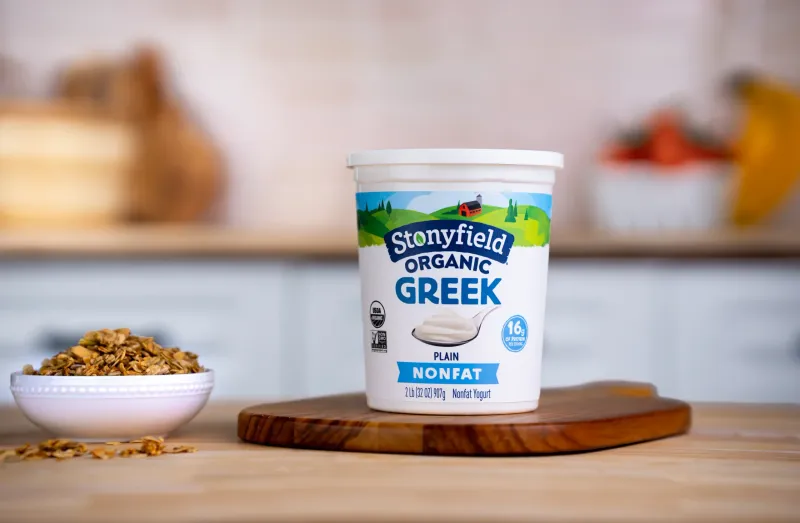
Those cute little flavored cups cost more and pack lots of added sugar. A large tub of plain yogurt is the smarter buy.
You control the sweetness by stirring in honey, jam, or fruit.
Plain yogurt also works as a stand-in for sour cream on tacos and baked potatoes. One container doing two jobs means fewer items on your list and more money left over.
11. Lentils as a Meat Stretcher
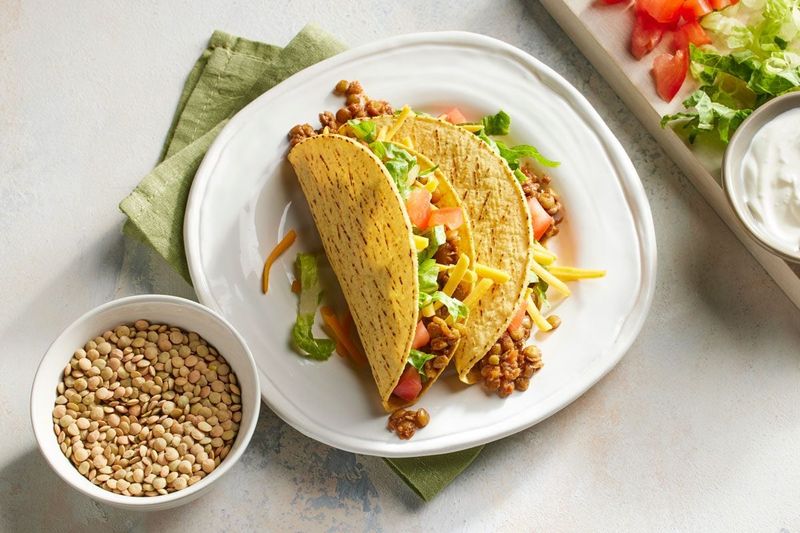
Picture a pot of chili that serves eight instead of four. Mixing cooked lentils into ground beef makes that happen.
Lentils soak up flavor and blend right in, so picky eaters rarely notice.
Unlike dried beans, they need no soaking and cook in about 20 minutes. Try a half-and-half mix in tacos, sloppy joes, or spaghetti sauce for a protein boost that costs very little.
12. Bulk Rice Over Microwave Pouches
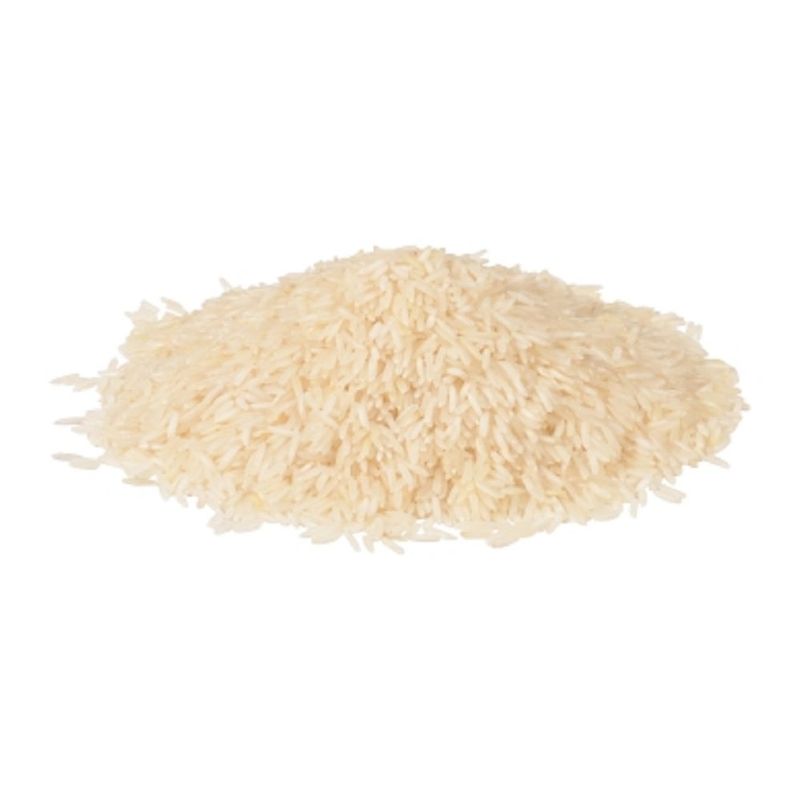
Microwave rice pouches are handy, but you pay up to ten times more per serving. A big bag of rice is one of the cheapest foods around.
Cooking it takes about 15 minutes of mostly waiting.
Make a large batch and keep it in the fridge for fried rice, burrito bowls, or quick side dishes. Leftover rice actually makes the best fried rice, so plan ahead.
13. Bake Your Own Snacks
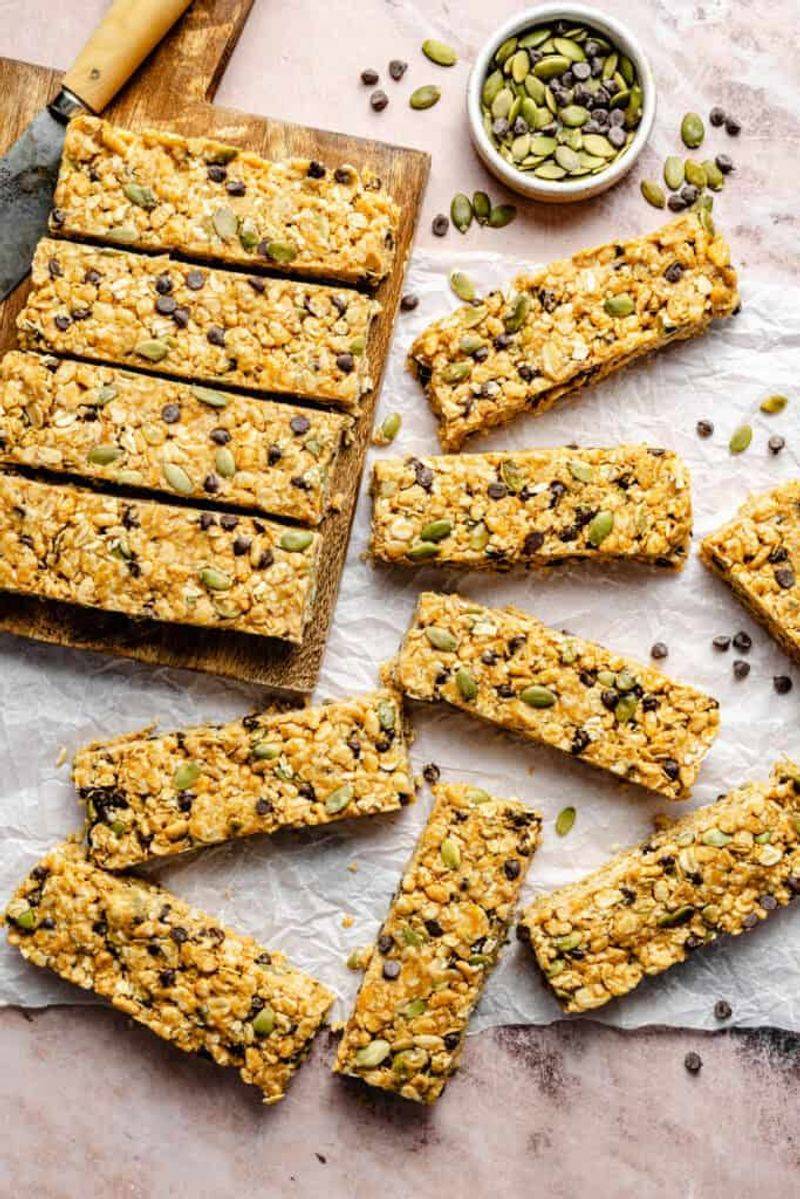
Granola bars, muffins, and cookies from the snack aisle cost a bundle for just a few bites. Baking at home can cut that price in half.
Plus, the kitchen smells amazing.
Oats, peanut butter, and honey make simple no-bake bars in minutes. Get kids involved in measuring and stirring.
It is a fun weekend project, and they learn a handy life skill while you save cash.
14. Whole Carrots Over Baby Carrots
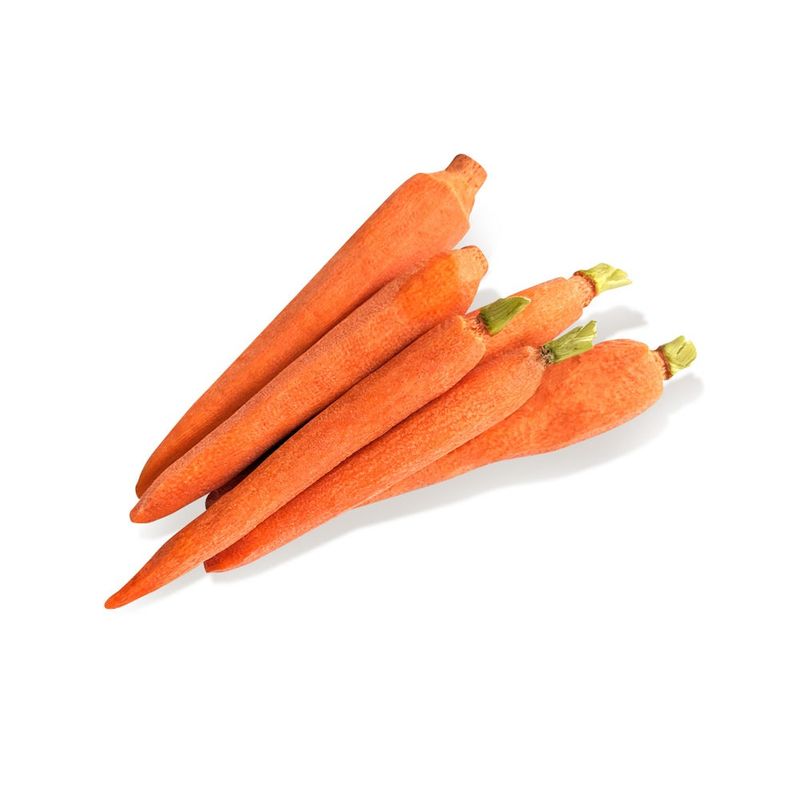
Did you know baby carrots are usually just big carrots that got peeled and trimmed by a machine? You pay extra for that work.
Whole carrots often cost about half as much per pound.
Spend ten minutes peeling and cutting them into sticks. Store them in a container with a little water, and they stay crunchy for days, ready for lunchboxes and dipping.
15. Frozen Veggies Instead of Pre-Cut Fresh
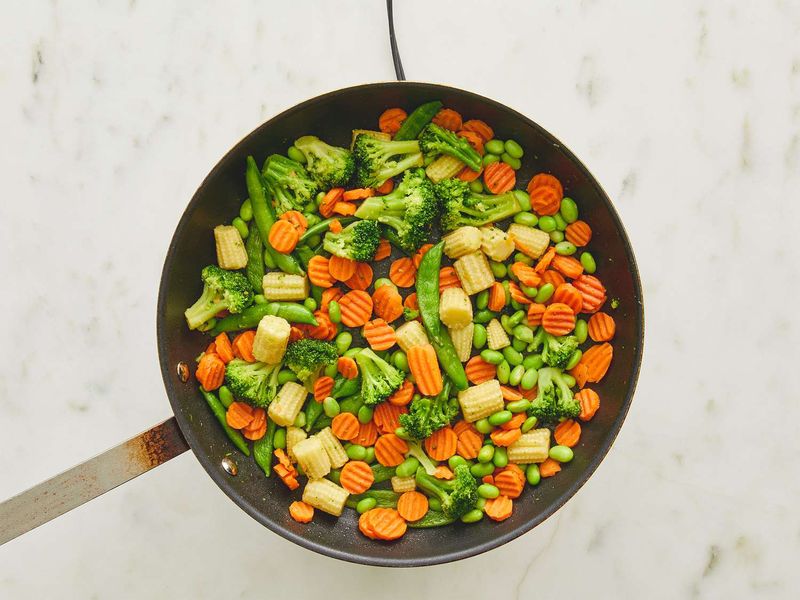
Pre-cut fresh veggies in plastic trays carry a steep price tag. Frozen vegetables are already washed and chopped for less.
They stay good for months, which means fewer slimy surprises in the fridge drawer.
Toss frozen broccoli into pasta, peas into fried rice, or corn into soup. Stir fry nights become super speedy when everything is prepped and waiting in the freezer.
16. Tap Water Over Bottled Drinks

Soda, juice, and bottled water can quietly eat up a large part of any grocery budget. Tap water is nearly free.
If taste bothers you, a simple filter pitcher helps a lot.
Make it fancy by adding lemon slices, cucumber, mint, or a few frozen berries. Keep a pitcher cold in the fridge so grabbing a glass feels as easy as grabbing a can.
17. Eggs for Dinner Protein
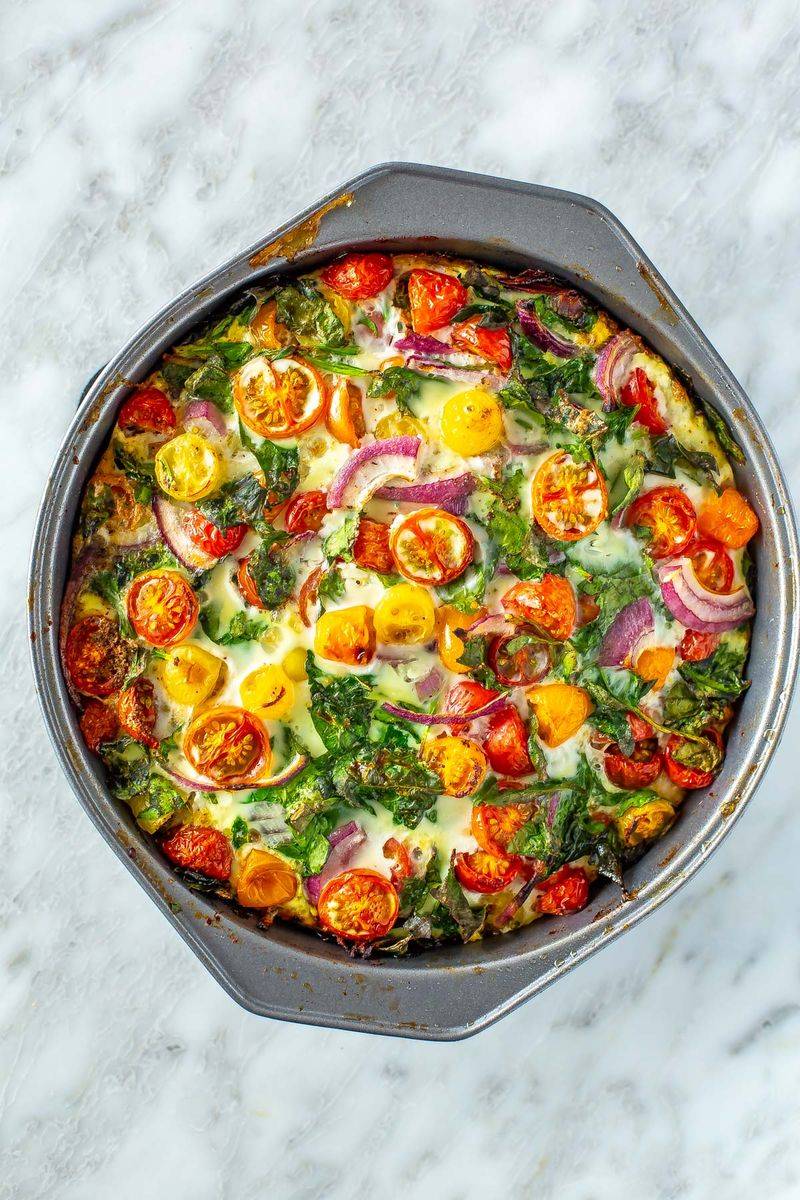
Breakfast food for dinner? Absolutely.
Even when prices jump, eggs usually remain cheaper per serving than steak or pork chops.
They cook fast and work in so many dishes.
Whip up a veggie frittata, egg fried rice, or breakfast burritos. A frittata is also a sneaky way to use leftover bits of cheese, spinach, and peppers before they spoil.
18. Homemade Salad Dressing
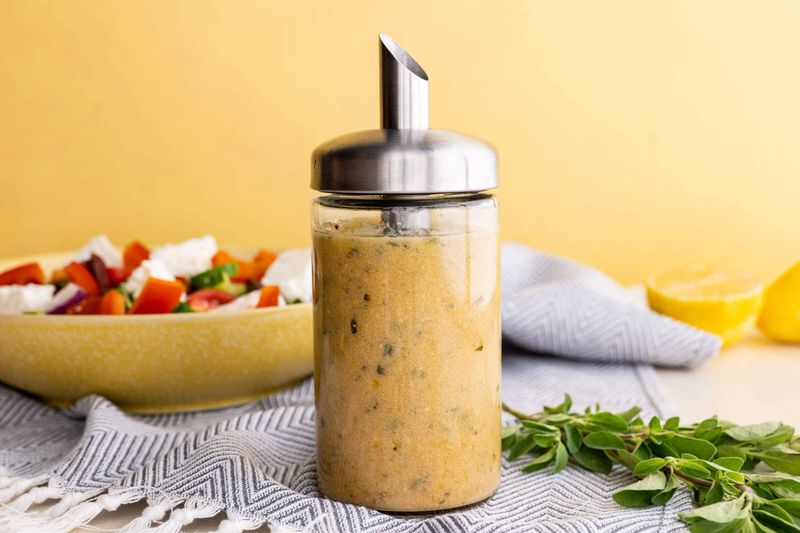
A bottle of dressing can cost four dollars or more. Meanwhile, olive oil, vinegar, and a dab of mustard already sit in most pantries.
Shake three parts oil with one part vinegar in a jar. Add salt, pepper, and maybe honey.
That is it. Your dressing tastes fresher, has no weird additives, and keeps in the fridge for about two weeks.
19. Seasonal Produce Over Out-of-Season Picks
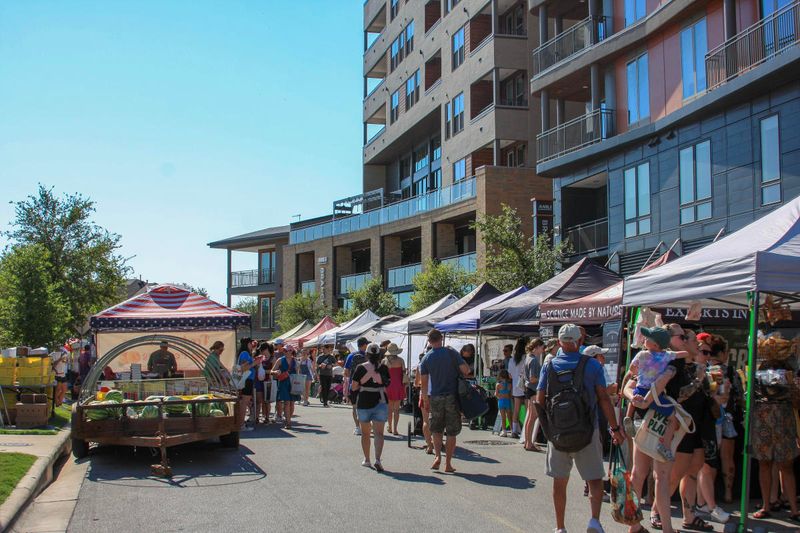
Strawberries in December travel thousands of miles, and you pay for that trip. Fruits and veggies in season are cheaper and tastier.
Think apples and squash in fall, citrus in winter, and peaches in summer.
Check grocery flyers to spot what is on sale, since in-season items usually get the best deals. Farmers markets near closing time can offer bargains, too.
20. Cheaper Cuts of Beef
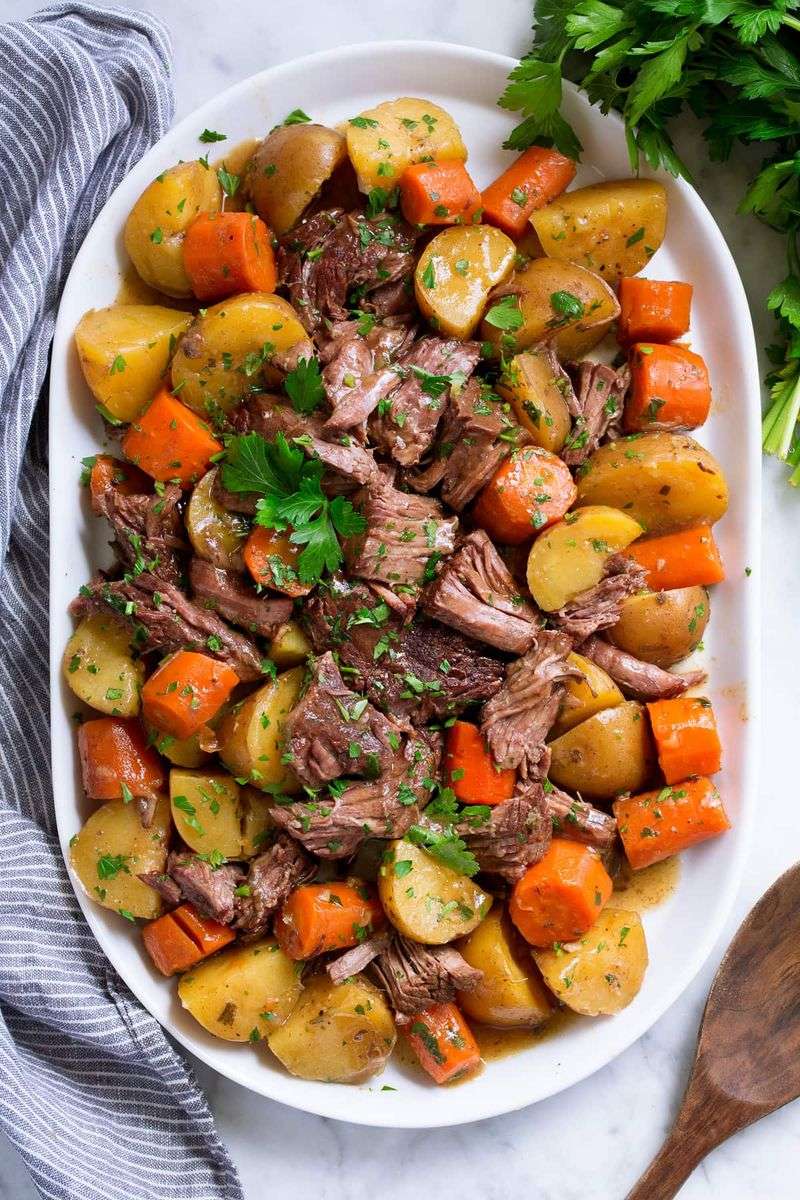
Tough cuts like chuck roast and beef shank cost much less than ribeye. With slow cooking, they turn fall-apart tender.
Low heat and time break down the tough parts into rich, juicy meat.
Toss a chuck roast in a slow cooker with potatoes, carrots, and broth before school. By dinnertime, the whole house smells cozy, and you spent way less than steak night.
21. Pasta Night Instead of Takeout
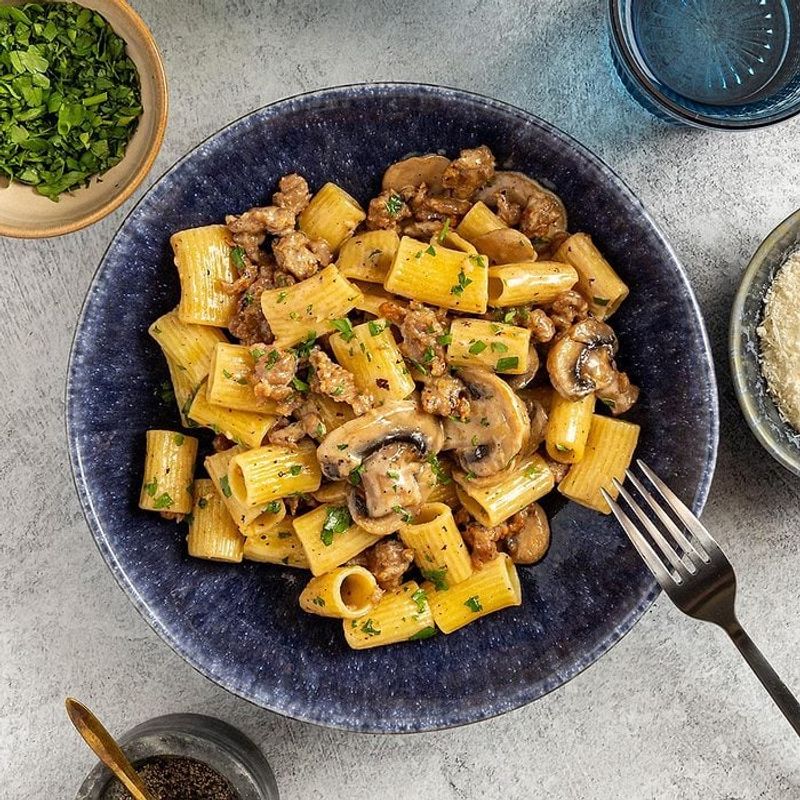
Friday night pizza delivery for a family can top 40 dollars. A box of pasta, a jar of sauce, and some garlic bread costs under ten.
It is ready in about 20 minutes, faster than most deliveries.
Turn it into a tradition with fun shapes and a toppings bar. Add frozen spinach or leftover meatballs to stretch it further.
Everyone gets fed, and wallets stay happy.