
Long before grocery stores and refrigerators, families had to plan ahead to make it through the winter. Every fall, kitchens filled with steam, salt, and smoke as people worked hard to save the harvest.
The foods they made were tasty, clever, and sometimes a little surprising. Learning about these old methods can help you understand history and maybe even try a few recipes at home.
1. Crunchy Sauerkraut
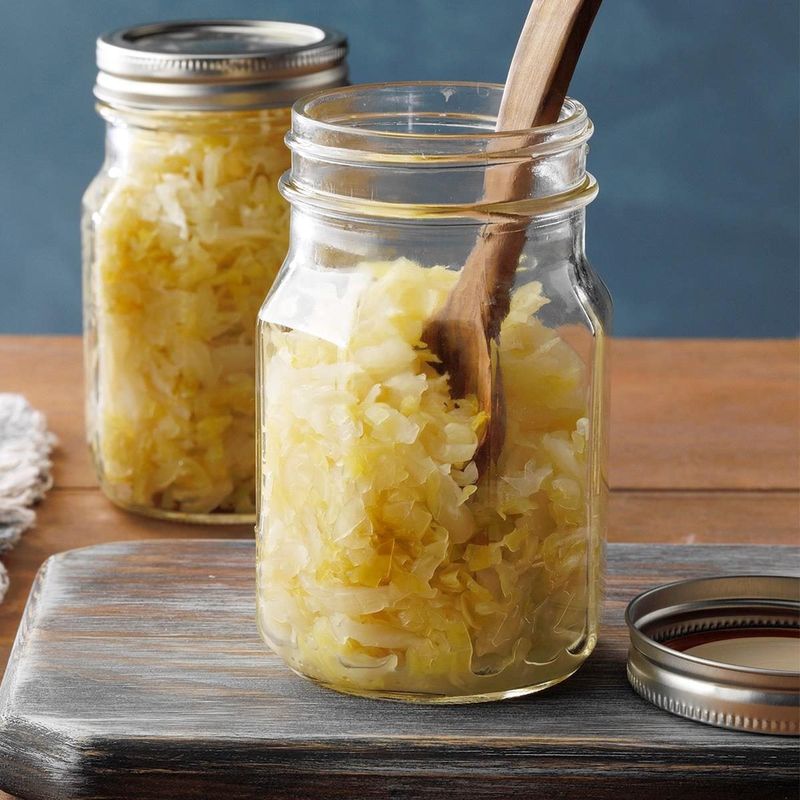
Shredded cabbage, salt, and time. That simple trio kept whole villages in Germany and Eastern Europe healthy through long winters.
Salt pulls water from the cabbage, creating a briny bath where good bacteria grow. Those tiny helpers turn the cabbage sour and keep it safe for months.
Sailors once packed barrels of it to fight scurvy, since it holds vitamin C. Want to try it?
A clean jar and a few weeks are all you need.
2. Salt-Cured Ham
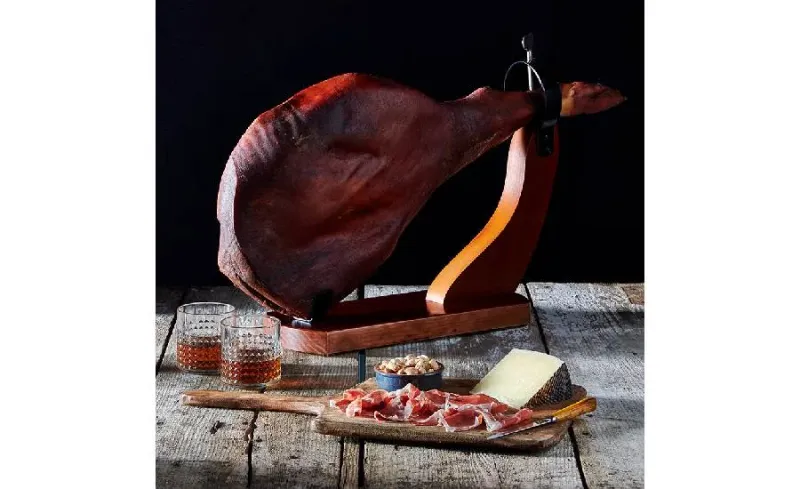
Picture a cold November morning on a farm, with the whole family gathered for hog butchering day. Nothing went to waste.
The back legs were rubbed thickly with salt, sugar, and sometimes pepper, then left to rest for weeks. Salt drew out moisture so germs could not survive.
Afterward, hams hung in a cool smokehouse for months. Country hams from Virginia and Kentucky still follow this patient method today, and folks proudly serve them at holidays.
3. Smoked Fish

Did you know that Native peoples of the Pacific Northwest built entire seasons around salmon runs? Fish caught in fall had to last until spring.
Cleaned fillets were salted lightly, then hung over slow, smoky fires of alder wood. The smoke dried the flesh and added a rich flavor.
Well-smoked fish could be stored for many months. In Scandinavia, families did something similar with herring and trout, proving smoke works wonders everywhere.
4. Apple Butter
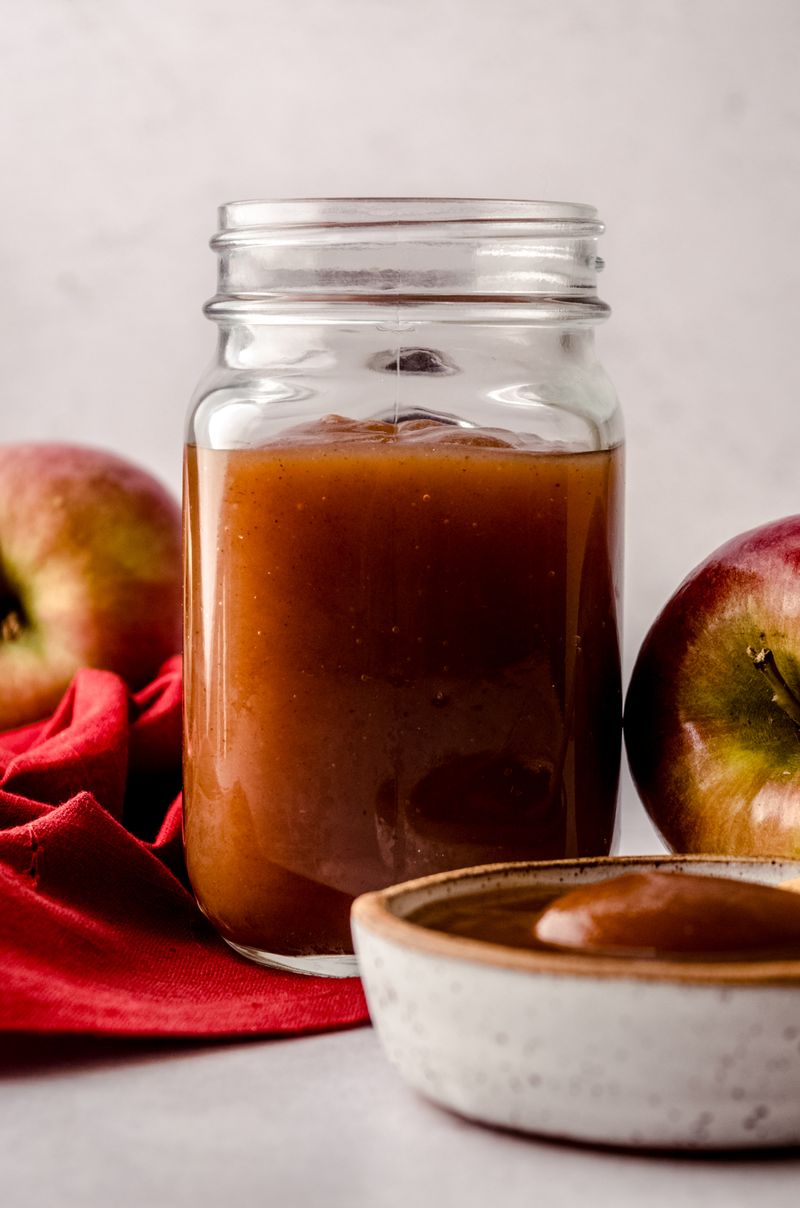
Stirring apple butter was an all-day party. Neighbors in Pennsylvania took turns pushing a long wooden paddle through a giant copper kettle over an open fire.
Apples cooked down with cider and spices for hours until the mix turned thick, dark, and glossy. Sugar and slow cooking made it last.
Poured into crocks and sealed, it spread happiness on biscuits all winter long. Your slow cooker can make a small batch with almost no effort.
5. Pemmicans of the Plains
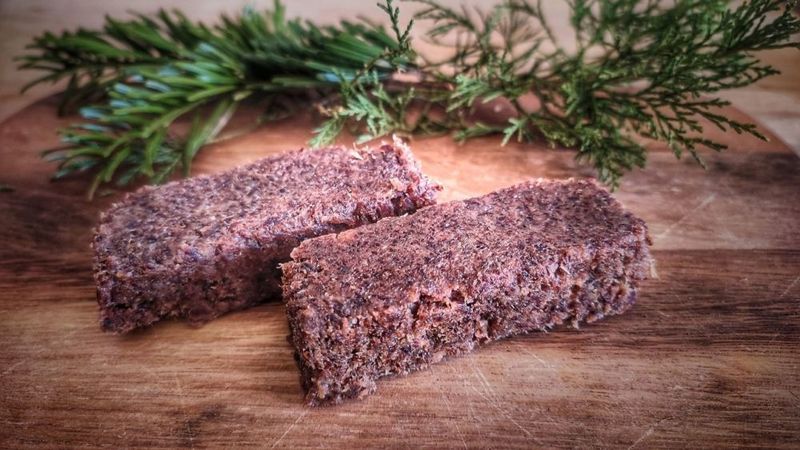
Think of pemmican as the original energy bar. Plains tribes of North America created it from dried bison meat pounded into powder.
Melted fat was mixed in, and sometimes dried berries like chokecherries were added for flavor. Packed into rawhide bags, it stayed good for years.
Fur traders later relied on it during long trips through frozen land. Just a small chunk delivered huge calories, perfect for surviving brutal cold when hunting was poor.
6. Root Cellar Potatoes

Sometimes the best preserving trick is simply finding the right spot. Root cellars dug into hillsides stayed cool, dark, and slightly damp all winter.
Potatoes, carrots, beets, and turnips rested in bins of sand or straw. They stayed firm and fresh for months without any cooking at all.
Grandparents often remember fetching potatoes by lantern light. A cool garage corner or basement can still work for storing spuds if you keep them away from light.
7. Dill Pickles
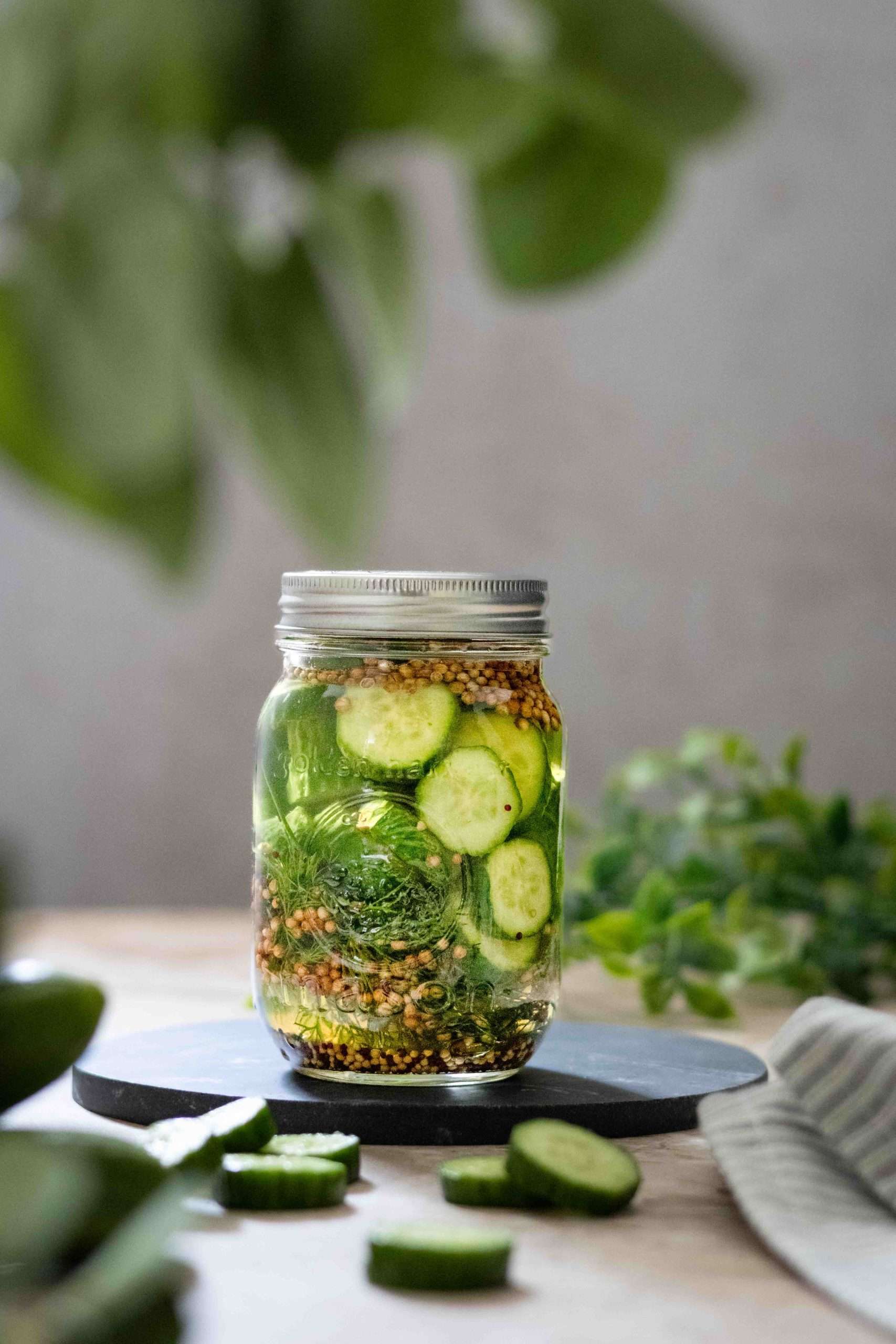
Crisp, sour, and loud when you bite them, pickles have been around for roughly four thousand years. Even ancient people in Mesopotamia made them.
Cucumbers soaked in salty brine or vinegar with dill, garlic, and spices. The acid stopped spoilage and gave that famous tang.
Families lined shelves with dozens of jars every August. Here is a handy tip: adding a grape leaf to the jar helps keep pickles extra crunchy.
8. Strawberry Jam
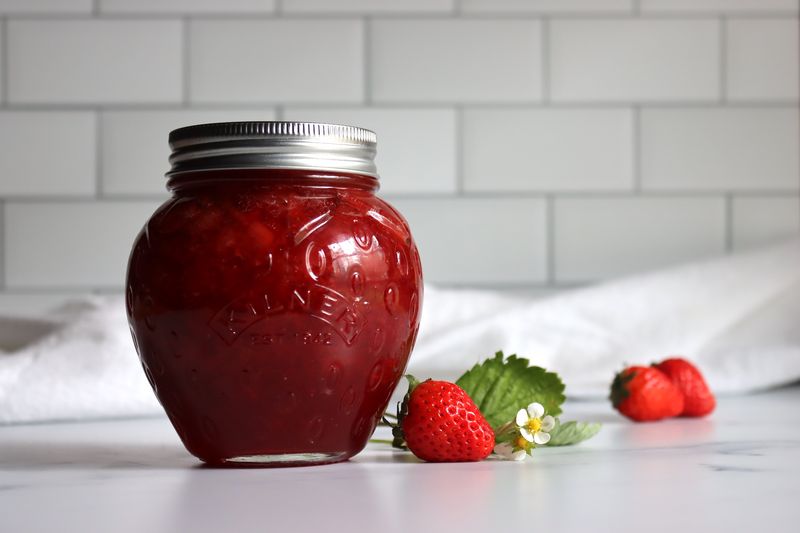
Summer in a jar might be the sweetest way to describe it. When berries ripened faster than anyone could eat them, cooks grabbed the sugar.
Fruit boiled with lots of sugar thickened into jam. Sugar locks up water, so mold and bacteria struggle to grow.
On a gray January morning, spreading bright red jam on toast felt like magic. Kids today can help mash berries, which is honestly the most fun part.
9. Corned Beef

Here is a fun surprise: there is no corn in corned beef! The name comes from the large salt grains, called corns, used to cure it.
Beef soaked in a salty brine with spices for days or weeks. Barrels of it fed families and sailors through cold seasons.
Irish immigrants in America made it famous on St. Patrick’s Day. Simmered with cabbage and potatoes, it still warms up chilly evenings beautifully.
10. Dried Apple Rings
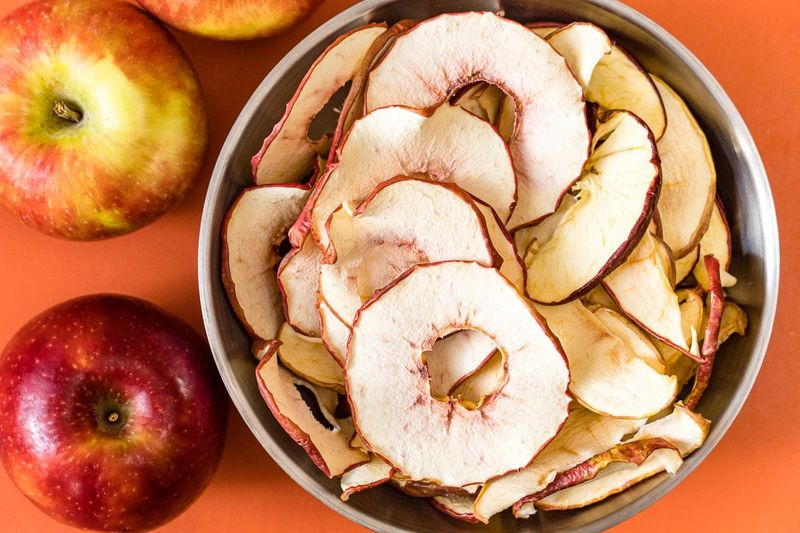
Strings of apple slices hanging by the stove were once a common sight in pioneer cabins. They looked almost like holiday decorations.
Peeled apples were cut into rings, threaded on cord, and left to dry in warm air. Without water, they could not rot.
Later, the rings were soaked and baked into pies or simply chewed as snacks. A low oven or food dehydrator makes this an easy weekend project now.
11. Kimchi Buried in Pots
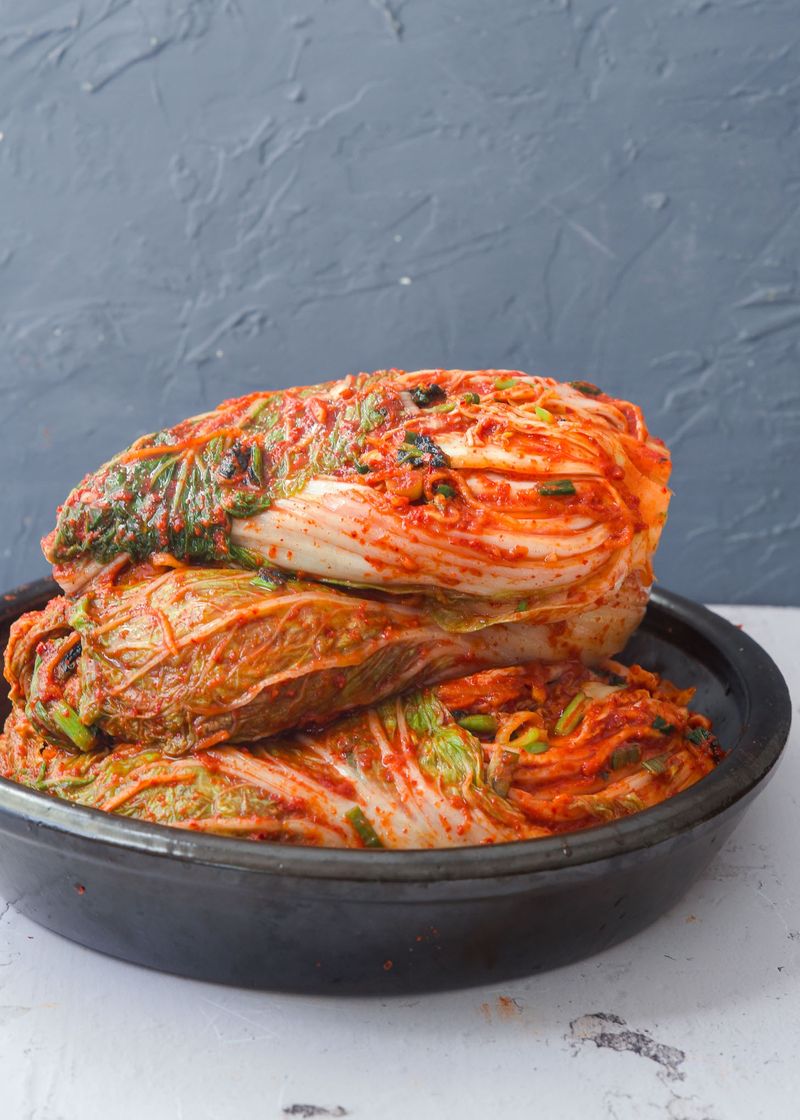
Every November, Korean families gather for kimjang, a huge kimchi-making event. Neighbors may prepare hundreds of cabbages together.
Napa cabbage is salted, then coated in a spicy paste of chili, garlic, ginger, and fish sauce. It ferments into a tangy, fiery side dish.
Traditionally, the clay pots were buried in the ground to keep a steady cool temperature. UNESCO even honors kimjang as an important cultural tradition worth protecting.
12. Rendered Lard
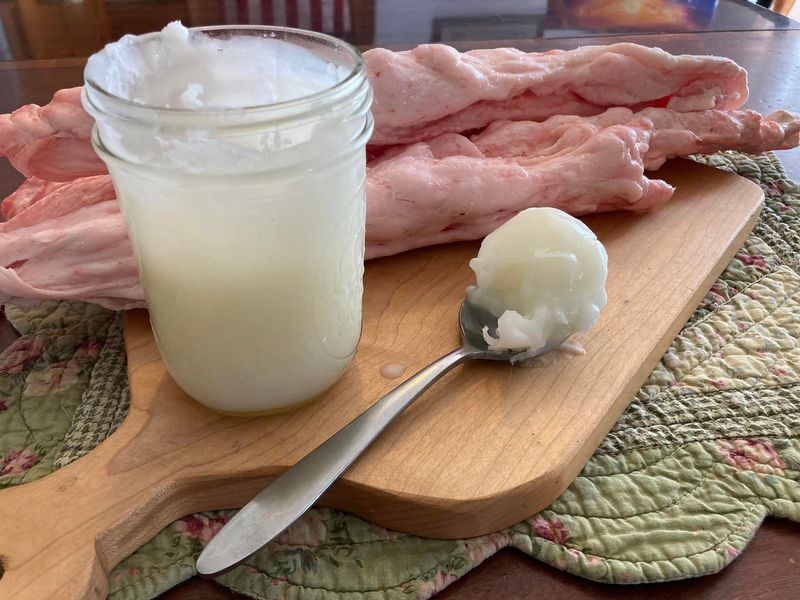
Grandma’s flaky pie crust had a secret, and it was probably lard. Pig fat was slowly melted down, strained, and poured into crocks.
Once cooled, it turned creamy white and kept for months in a cold pantry. Families used it for frying, baking, and even greasing boots.
Meat was sometimes stored inside the lard, too. Covering cooked sausages in fat sealed out air, a clever trick called confit.
13. Duck Confit
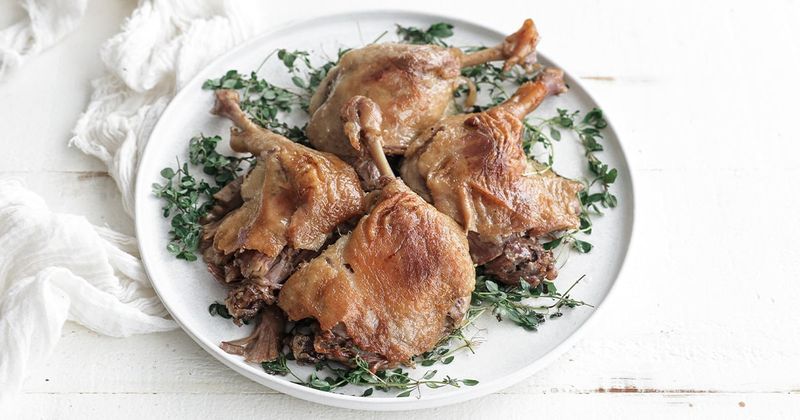
In southwest France, farmers found a delicious way to save duck. They salted the legs, then cooked them slowly in their own fat.
Packed into jars and covered completely in fat, the meat stayed safe through winter. Air could not reach it, so spoilage stayed away.
When reheated, the skin turns crispy and the meat falls apart. Fancy restaurants serve it today, but it started as plain survival food for country folks.
14. Water Glassed Eggs
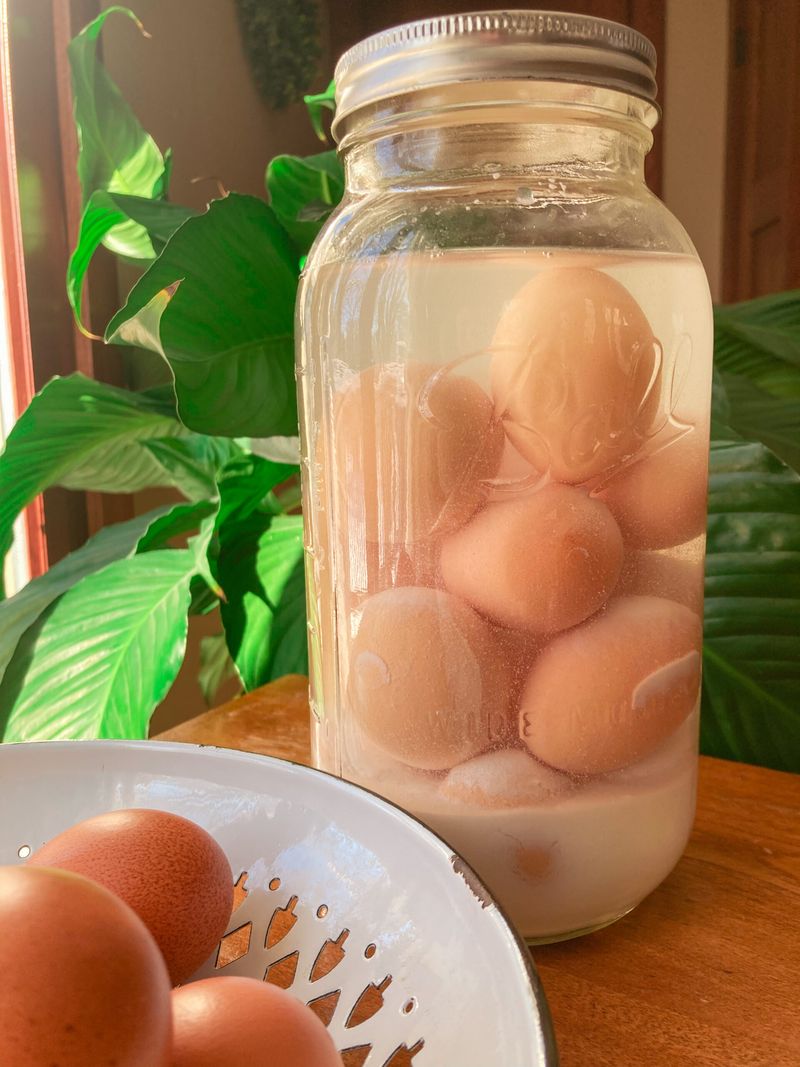
Hens lay fewer eggs when days grow short, so what did people do? They saved summer eggs in a strange liquid.
Clean, unwashed eggs went into crocks filled with water and pickling lime. The mix sealed the shells and kept germs out for up to a year.
Homesteaders are bringing back this odd method today. Just remember to crack each egg into a separate bowl first, in case one went bad.
15. Jerky Strips
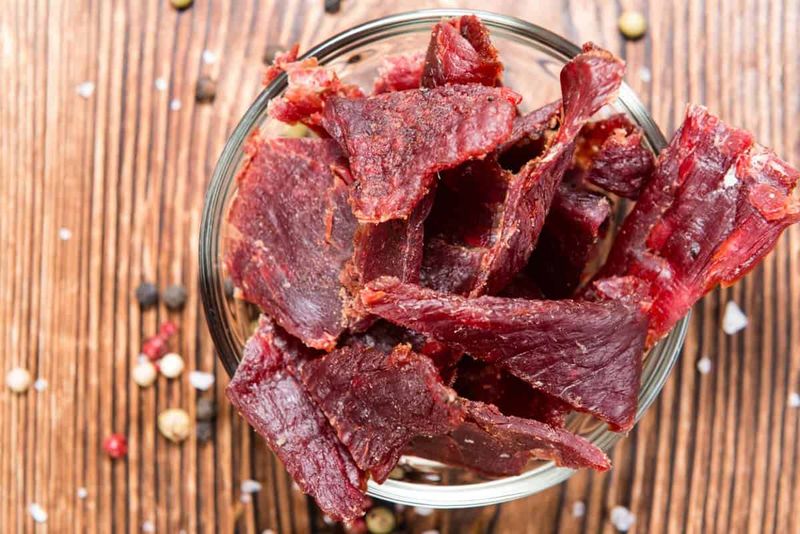
Chewy, salty, and great for long journeys, jerky gets its name from the Quechua word charqui from South America.
Thin strips of meat were salted and dried in sun, wind, or gentle smoke. Removing moisture made the meat light and long lasting.
Cowboys, trappers, and travelers all carried it in their pockets. Lean cuts dry best, because fat can turn rancid.
Store-bought versions are tasty, but homemade lets you choose flavors.
16. Fruit Leather
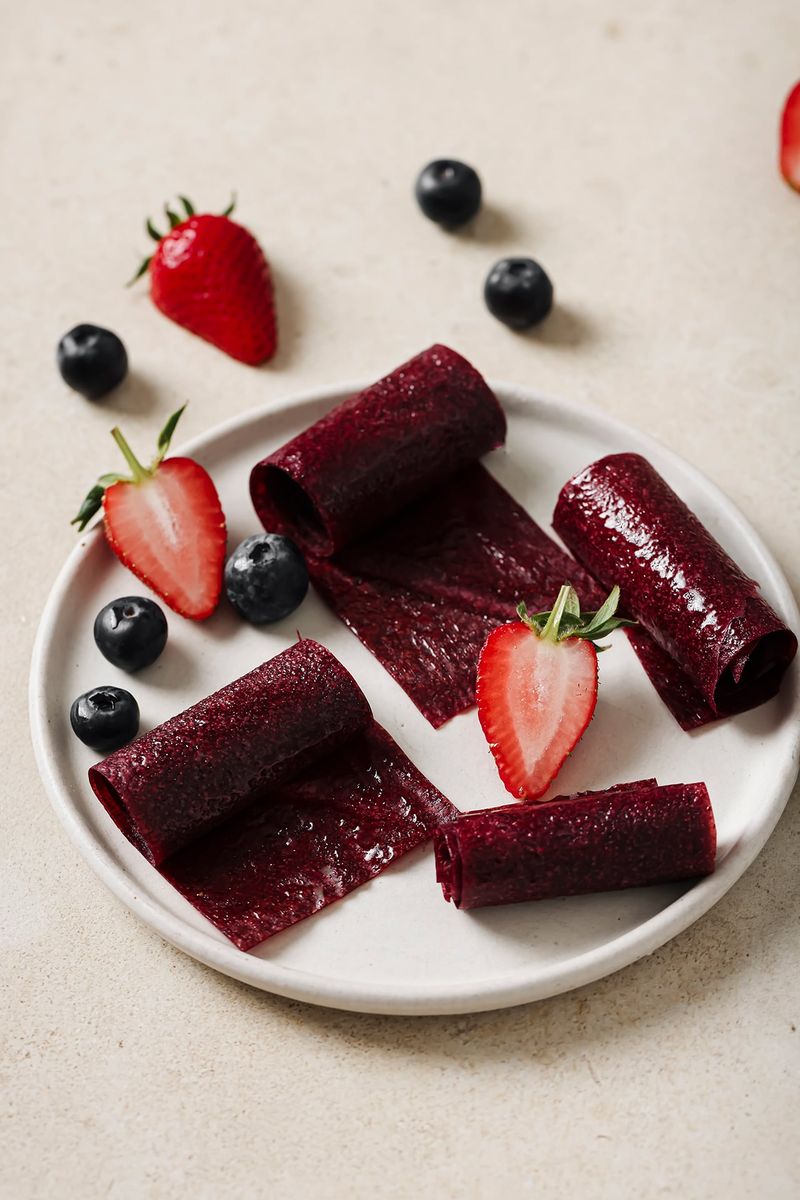
Long before fruit snacks came in shiny wrappers, people in the Middle East were drying fruit pastes in the sun.
Mashed apricots, plums, or berries were spread thin on boards and dried until bendy. Rolled up, the sheets stored well for months.
Kids loved it then and still do. Puree fruit, spread it on a lined tray, and bake on very low heat for several hours.
Easy, sweet, and healthy!
17. Salted Cod
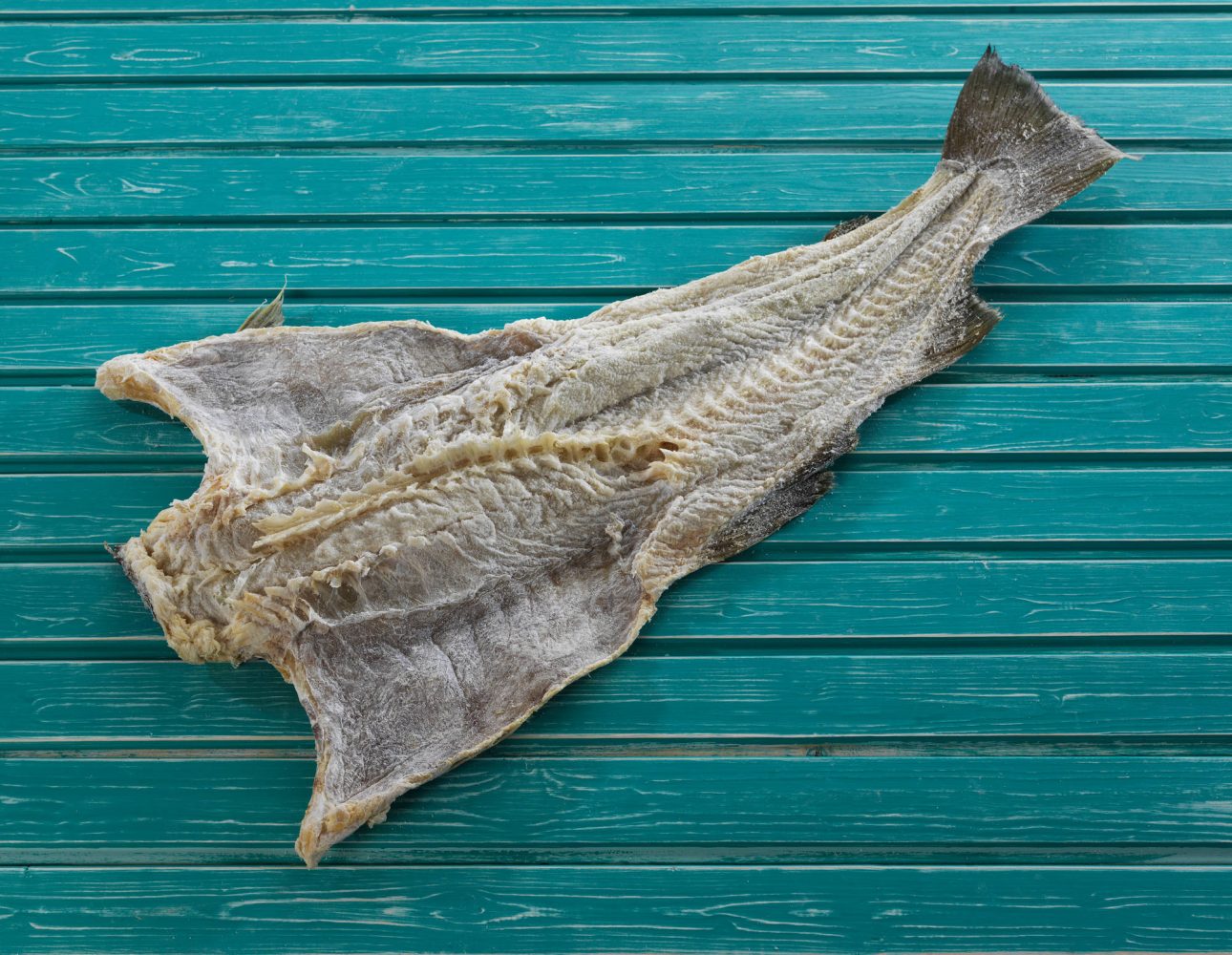
Stiff as a board and white with salt, dried cod fed half of Europe for centuries. Fishermen from Norway and Newfoundland caught it by the ton.
The fish was split, heavily salted, and dried in sea breezes. It could last for years and travel around the world.
Portugal claims to have hundreds of recipes for bacalhau. Before cooking, you must soak it in water for a day or two to remove the extra salt.
18. Canned Tomatoes
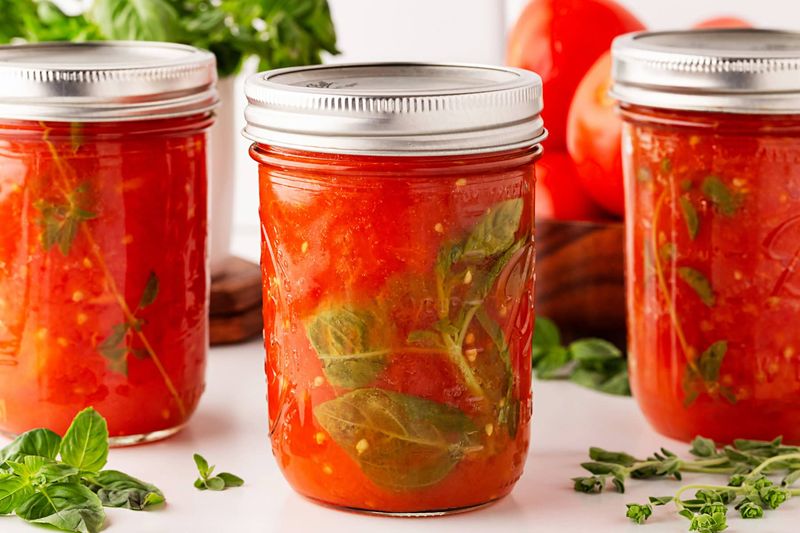
Ask anyone who grew up on a farm, and they will remember sweaty August afternoons spent canning tomatoes.
After French inventor Nicolas Appert discovered sealing food in heated containers around 1810, home canning slowly spread. Tomatoes were peeled, packed into jars, and boiled to seal.
Rows of red jars meant soups, sauces, and stews all winter. Adding a little lemon juice keeps the acid level safe, a step modern canners never skip.
19. Fermented Beets
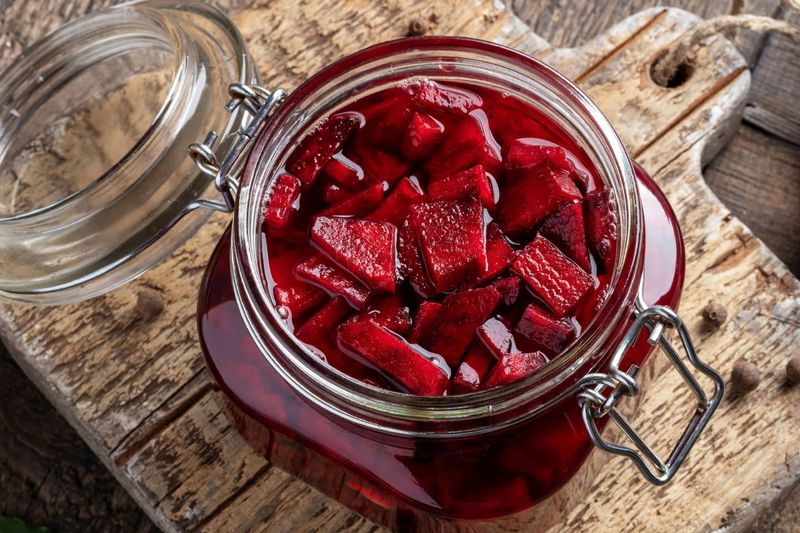
Bright purple and full of earthy flavor, fermented beets brightened gray Russian and Ukrainian winters.
Chopped beets sat in salty water for a week or so, creating both tangy beets and a drink called kvass. The liquid also gave borscht its sour kick.
Some people believe it helps digestion, though it is mostly loved for taste. Be warned, though: beet juice stains everything, so wear an apron and maybe some gloves.
20. Honey Preserved Fruit
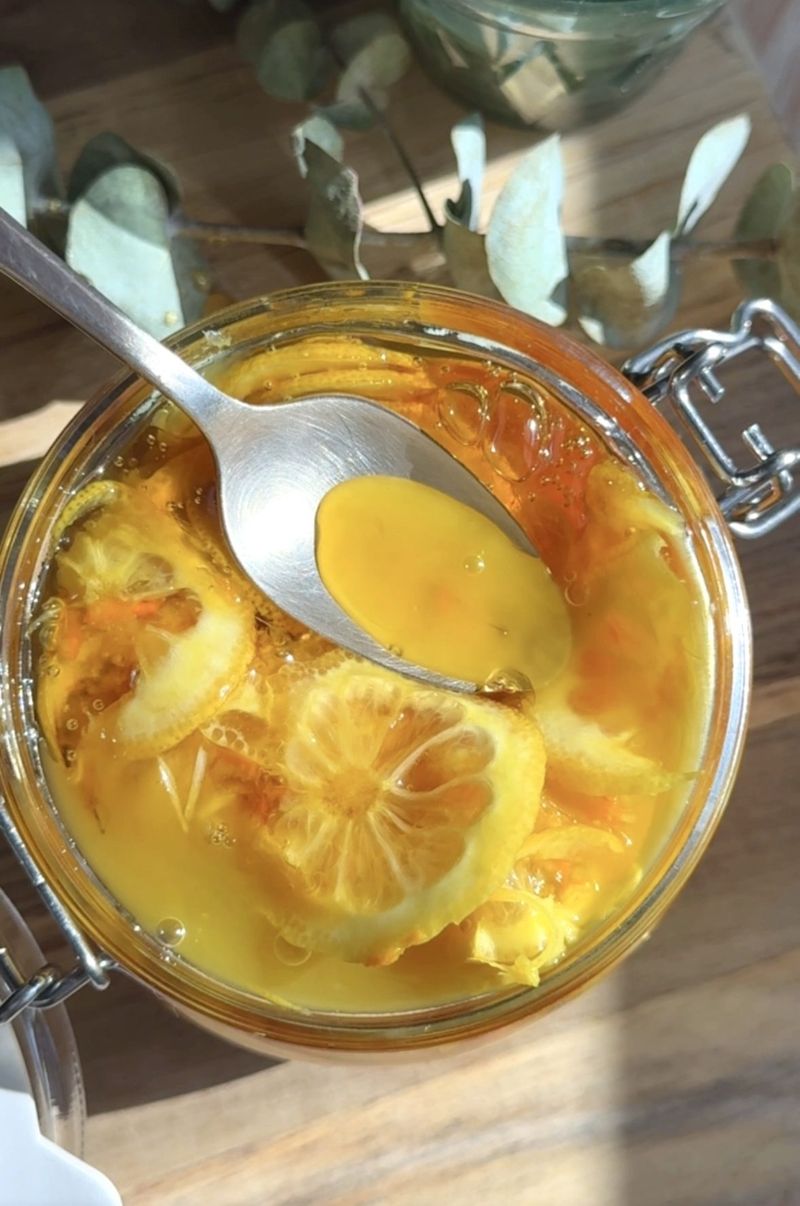
Archaeologists have found honey in Egyptian tombs that was still edible after thousands of years. No wonder ancient cooks trusted it.
Romans dropped quinces, figs, and other fruits into jars of honey. The thick, sugary liquid kept bacteria from growing.
Months later, both the fruit and the flavored honey were treats. Try slipping lemon or ginger slices into honey for a soothing winter tea that tastes amazing when you have a sore throat.
21. Mincemeat Pie Filling
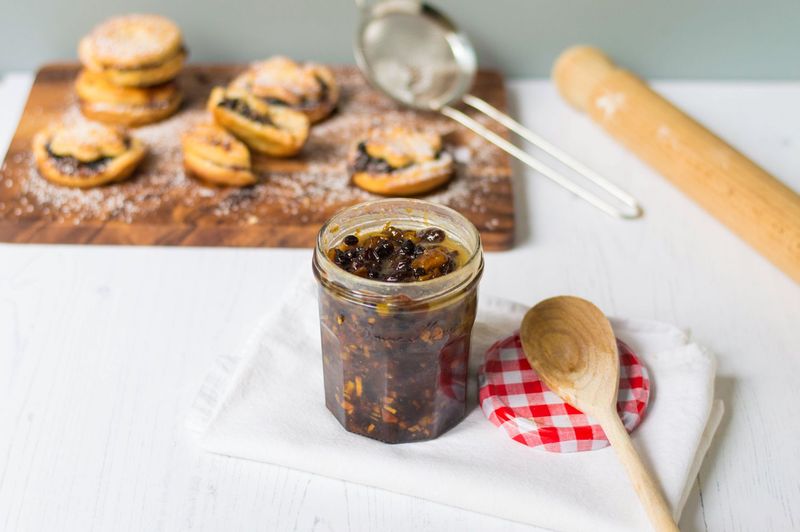
Old English recipes for mincemeat actually included real meat! Chopped beef and suet were mixed with dried fruits, spices, and sugar.
Brandy or cider was often stirred in, helping the mix keep for weeks or months in a cool larder. Flavors grew richer as it aged.
Around Christmas, cooks baked it into little mince pies. Modern versions usually skip the meat, but the warm smell of cinnamon and cloves still means holidays.