
Planning a divorce can feel overwhelming when your spouse uses blame, pressure, or control. The word narcissist is often used loosely, so focus on harmful actions rather than trying to prove a diagnosis.
You do not need a label to take your safety and concerns seriously. A careful plan can help you protect your money, support your children, and face the next steps with more confidence.
1. Recognize Harmful Patterns Without Chasing a Diagnosis

A familiar argument can leave you doubting what happened. Notice repeated actions such as threats, blame, money control, or denial of clear events instead of trying to diagnose your spouse.
Only a qualified professional can assess narcissistic personality disorder, and a diagnosis does not predict every person’s behavior. Learn about controlling behavior from reliable abuse resources.
Share specific examples with your lawyer or counselor so your plan addresses actual risks, not assumptions about a label alone.
2. Make Safety Your First Decision

Your safety matters more than announcing your decision on a certain day. If you fear threats or violence, contact a domestic abuse service from a safe device before discussing divorce.
Choose a safe place, trusted contacts, and a code word for help. Keep medication, identification, keys, and children’s essentials accessible.
Ask an advocate about leaving safely and a lawyer about protective orders. If danger is immediate, contact local emergency services when safe to do so now.
3. Keep Early Plans Private and Protect Digital Access

A shared tablet can reveal more than you expect. Before researching lawyers or housing, consider whether your spouse can see your messages, location, browsing activity, or account alerts.
Use a safer device and private email when possible. Ask an abuse advocate about digital safety, since sudden password or tracking changes may trigger suspicion.
Share plans only with people who respect your privacy. Private preparation should protect you, not involve hiding assets or ignoring required legal disclosures.
4. Choose a Lawyer Who Understands Difficult Divorces

The right legal advice can turn a frightening unknown into manageable tasks. Arrange an early consultation with a family lawyer experienced in abuse, financial control, or difficult custody disputes.
Bring a short timeline, financial questions, and examples of concerning behavior. Ask about fees, likely deadlines, temporary support, housing, and safe communication.
Laws vary by location, so get advice before moving children, changing locks, or taking shared money. Choose someone who explains options without promising certain court outcomes.
5. Build a Small, Dependable Support Team

You should not have to carry every worry alone. Pick a few people who listen well, keep information private, and help without pressuring you to act before you are ready.
A counselor familiar with controlling relationships can support your coping skills. Trusted friends might offer rides, meals, childcare, or somewhere to stay.
Consider a moderated support group, but protect identifying details online. Tell each person what would help most, and avoid relying on children for emotional support.
6. Gather Financial and Legal Records Lawfully

Paperwork tells a story that memory may miss. Make copies of records you may legally access, including tax returns, bank statements, debts, retirement accounts, property papers, insurance, and household bills.
Include identification, marriage records, and children’s documents. Store copies somewhere secure, outside shared accounts if possible.
Never guess passwords, impersonate your spouse, or take documents unlawfully. If records are missing, tell your lawyer; formal legal requests can help uncover information without putting you at unnecessary legal risk.
7. Create a Realistic Money Plan

Knowing what life costs gives you firmer ground. List monthly needs such as housing, food, transport, insurance, childcare, debt payments, and legal fees, then compare them with income you can access.
Ask your lawyer whether opening an individual account or building emergency savings is appropriate. Do not drain joint accounts, hide assets, or take on secret debt.
Check your credit through an authorized service, and discuss unfamiliar accounts. Ask about temporary support if your spouse controls money.
8. Preserve Clear Evidence Instead of Arguing

A dated note can be more useful than another exhausting debate. Keep factual records of threats, missed parenting exchanges, unusual spending, damaged property, and other events relevant to your case.
Save original messages and complete conversations, not just selected screenshots. Record dates, witnesses, and what happened without guessing motives.
Store evidence safely and ask your lawyer what courts accept. Recording laws differ, so get advice before secretly recording conversations.
Never provoke an incident to create more evidence.
9. Set Practical Communication Boundaries

Not every accusation needs an answer. When communication is necessary and safe, keep replies brief, factual, and focused on practical matters such as bills, appointments, or the children’s schedule.
Use written channels your lawyer recommends, including a parenting app when appropriate. Avoid insults, long defenses, and threats that could fuel conflict.
Decide when you will check messages while allowing for genuine emergencies and court requirements. If direct contact feels unsafe, ask about communication through lawyers or intermediaries.
10. Give Children Stability and a Safe Voice

Children need reassurance, not a role in the dispute. Explain changes in simple terms, remind them the divorce is not their fault, and keep meals, school, and bedtime as steady as possible.
Do not use them as messengers or ask them to gather information. Listen without coaching their answers or attacking their other parent.
Share safety concerns with your lawyer and relevant school staff. Follow custody orders unless emergency authorities or legal counsel direct otherwise for safety.
11. Prepare for Delays Without Losing Your Priorities

A slow case does not mean you are failing. Some divorces involve repeated disputes, missed deadlines, or broken agreements, so plan with your lawyer for possible delays without assuming they will happen.
Choose your main goals, such as safe housing, fair finances, and workable parenting arrangements. Track deadlines and follow court orders yourself.
Ask whether mediation is suitable when abuse or unequal power is present. Let your lawyer address violations rather than responding with threats or retaliation.
12. Protect Your Energy While Rebuilding Independence

Small routines can hold you steady when everything feels unsettled. Eat regularly, rest when you can, move your body, and make room for activities that remind you who you are outside the marriage.
Break large tasks into short lists and celebrate practical progress. A counselor can help with grief, fear, or damaged confidence.
Recovery rarely follows a straight path, and needing help is not weakness. Build your future through manageable choices rather than expecting yourself to feel strong daily.
13. Make a Separate Plan for Pets

A favorite dog or cat can become another source of pressure during a breakup. Before moving, ask your lawyer how local rules treat pet ownership and whether temporary arrangements are available.
Gather adoption papers, vet records, license details, and receipts you can lawfully access. Arrange a safe caregiver if needed, and check whether shelters nearby offer pet support for people leaving abuse.
Keep medicine, food, carriers, and familiar bedding ready. Avoid using pet visits as a reason to meet alone if you feel unsafe.
A clear plan helps protect an animal that depends on you while reducing another opening for conflict.
14. Practice the Moving Day Before It Arrives

Picture reaching the doorway and realizing your keys are missing. A simple practice run can reveal problems before moving day brings extra stress.
Walk through transport, building access, packing help, and where you will sleep afterward. Keep essential medicine and necessary documents accessible, rather than buried inside boxes.
Ask your lawyer before removing shared belongings or changing access to the home. If threats are possible, contact a local abuse service about safer options, including whether a police standby is available.
Do not announce or rehearse plans where doing so could increase danger. Your goal is a safe departure, not perfect packing.
15. Ask Whether Mediation Needs Extra Safeguards

Not every negotiation belongs around one table. When intimidation or control shapes a marriage, ordinary mediation may leave one person unable to speak freely.
Tell your lawyer and the mediator about threats, financial pressure, or fear before sessions begin. Ask about separate rooms, remote attendance, private screening, and having legal advice available throughout negotiations.
Find out whether mediation is required locally and what alternatives or exceptions may apply. Never assume you must accept a proposal simply because someone calls it fair.
Request time to review terms with your lawyer. Agreements should reflect informed choices, not exhaustion or pressure to finish quickly.
16. Turn the Final Order Into a Follow-Up Checklist
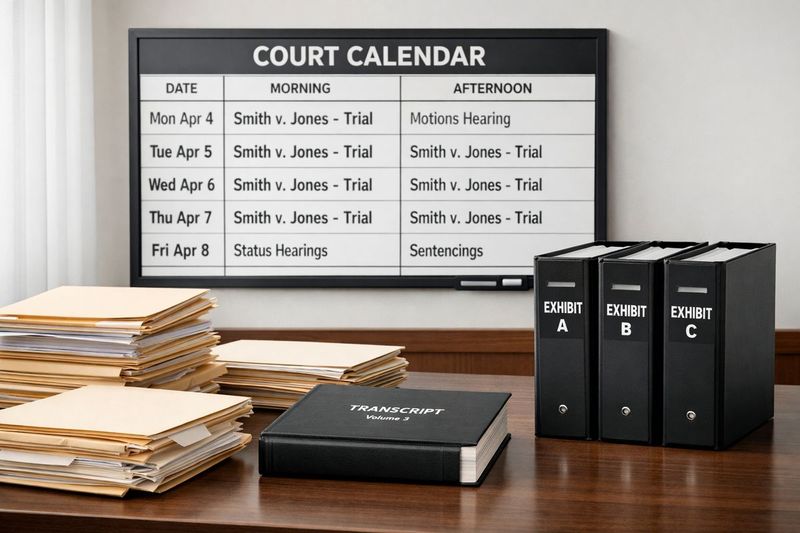
The court date may end, but paperwork can keep arriving. Once orders are issued, ask your lawyer to explain each deadline and who must complete each task.
List required property transfers, account changes, insurance steps, and any support arrangements. Some changes need special documents or professional help, so avoid assuming the divorce order handles everything automatically.
Review beneficiaries and emergency contacts when legally allowed, and ask about updating your will. Save confirmation that required actions were completed.
If your former spouse ignores an order, seek legal guidance instead of trying to enforce it yourself. Quiet follow-through can prevent expensive surprises later.