
Your body changes as the years go by, and so do the things it needs to stay strong. Bones, muscles, eyes, and even your brain all count on the right nutrients to keep working well.
The good news is that many of the best foods are simple, tasty, and easy to find at any grocery store. Here are some smart picks that can help you feel your best at every age.
1. Salmon for a Sharper Mind
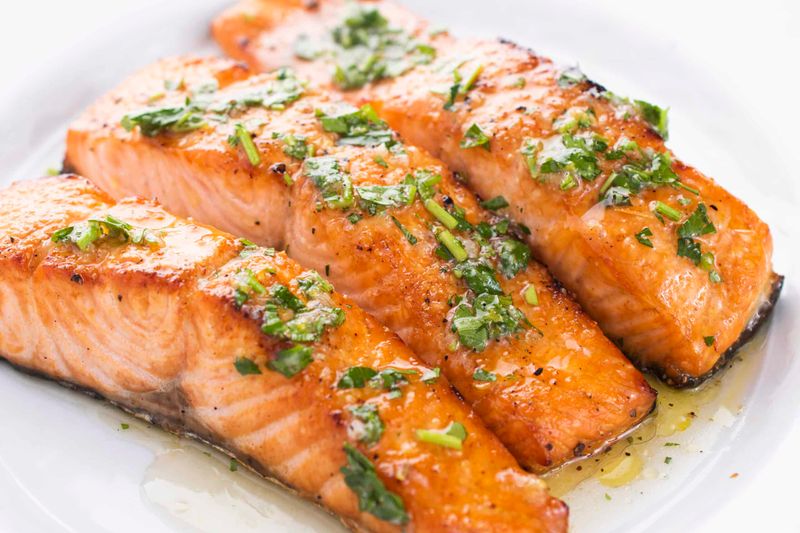
Fishermen have long called salmon brain food, and science agrees. This pink fish is packed with omega-3 fats that help protect memory and keep your heart beating strong.
Salmon also gives you vitamin D, which many older adults lack. Try baking it with lemon and herbs twice a week.
Canned salmon works too and costs less. Mash it into patties or toss it on a salad for an easy lunch.
2. Blueberries, Tiny but Mighty
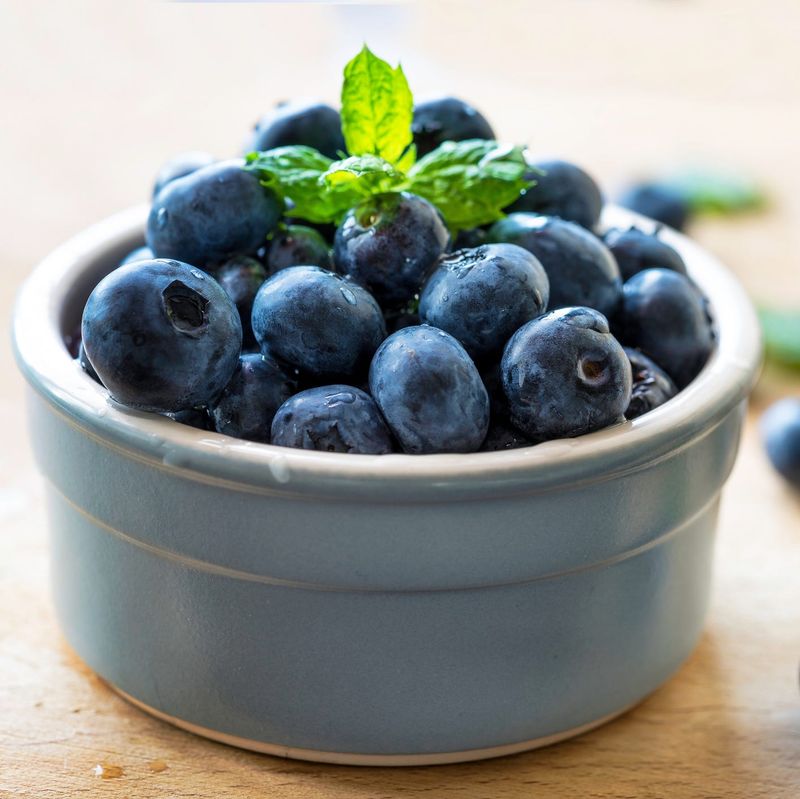
Small enough to pop by the handful, blueberries pack a surprising punch. Their deep blue color comes from antioxidants that may help slow memory loss as we age.
Studies have linked regular berry eating to better thinking skills in older adults. Pretty impressive for something so tiny!
Frozen blueberries are just as healthy as fresh ones. Stir them into oatmeal, yogurt, or a morning smoothie for a sweet boost.
3. Greek Yogurt for Strong Bones
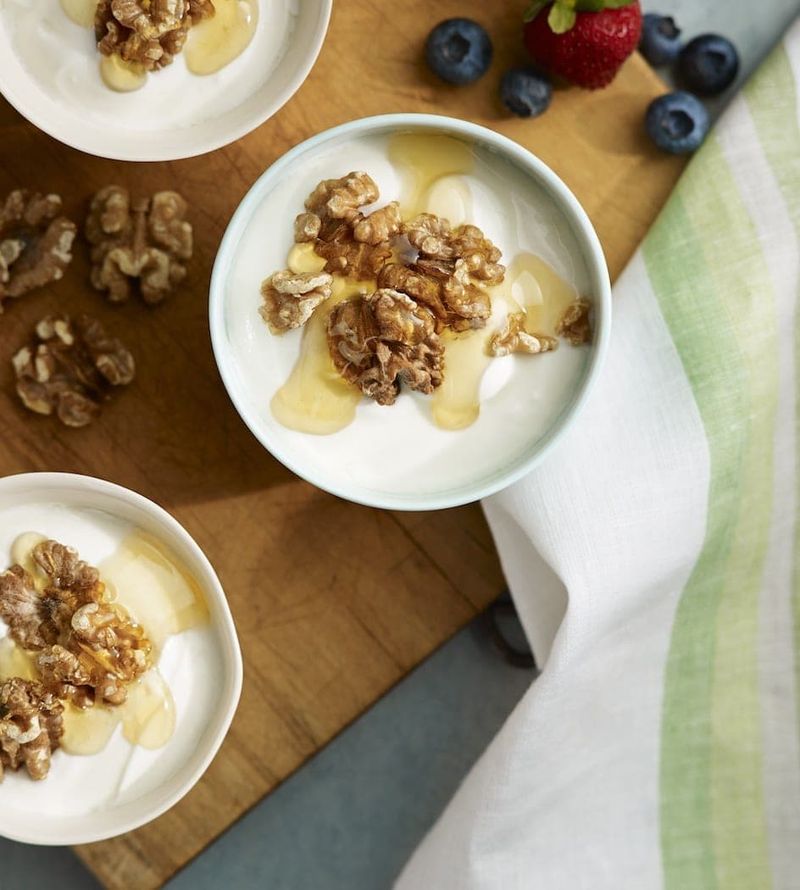
Thick, creamy, and a little tangy, Greek yogurt is a quiet hero for aging bodies. One cup holds about twice the protein of regular yogurt.
That protein helps you hold on to muscle, which naturally shrinks with age. You also get calcium for bones and probiotics for a happy gut.
Pick plain versions to skip extra sugar. Add your own fruit, a drizzle of honey, or crunchy nuts on top.
4. Leafy Greens Like Spinach and Kale
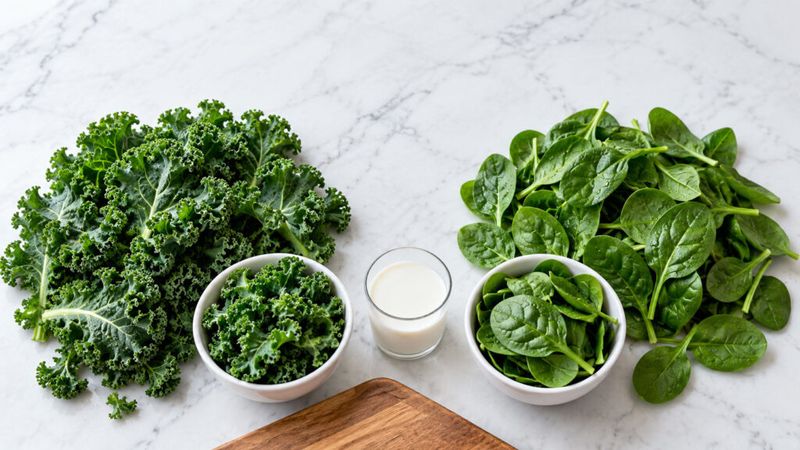
Popeye was onto something. Spinach, kale, and other dark greens are loaded with vitamin K, folate, and calcium.
One study found that people who ate a daily serving of leafy greens had brains that acted about eleven years younger. That is a pretty great trade for one salad.
Not a salad fan? Blend a handful into soup, scramble it with eggs, or wilt it into pasta sauce.
You will barely notice it.
5. Eggs, the Breakfast Powerhouse
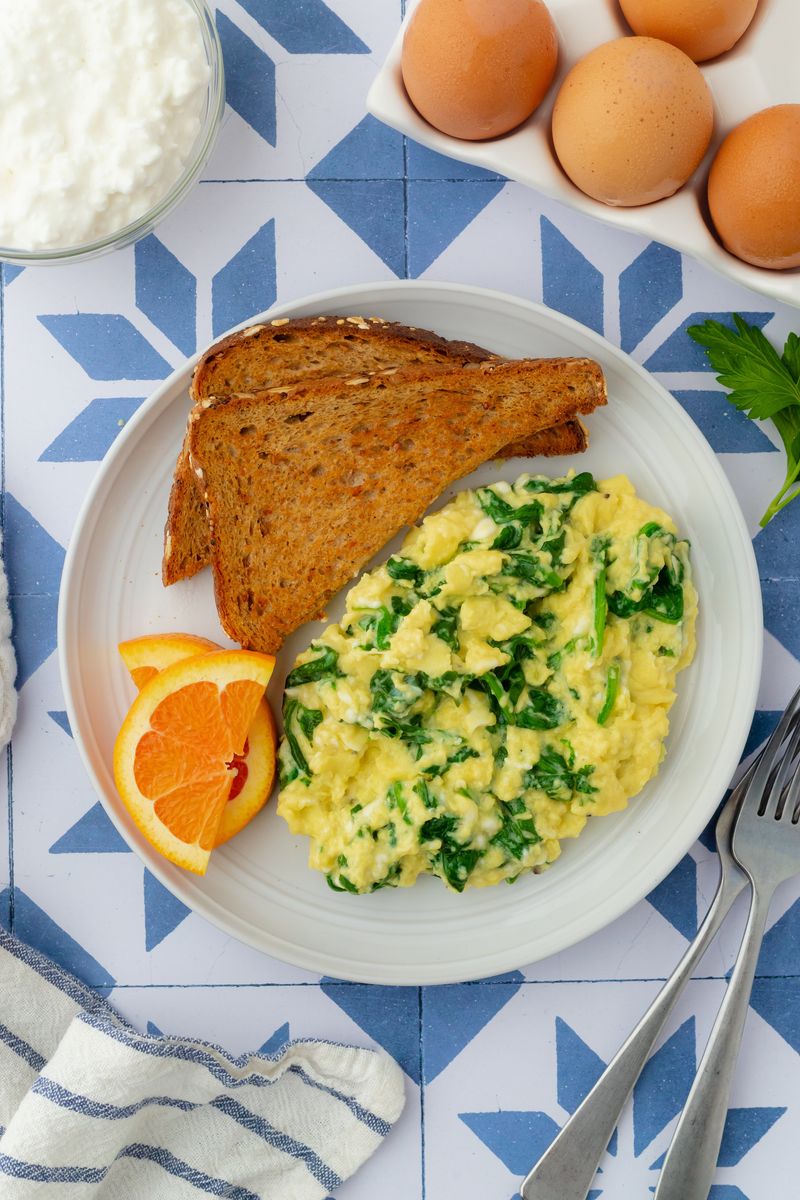
Cheap, quick, and full of goodness, eggs deserve a spot in your fridge. Each one offers high quality protein plus vitamin B12, which gets harder to absorb after age fifty.
The yolks hold lutein and zeaxanthin, two nutrients that help protect your eyes from age related damage.
Hard boil a batch on Sunday for grab and go snacks all week. Easy meals like this make healthy eating feel effortless.
6. Oats That Love Your Heart
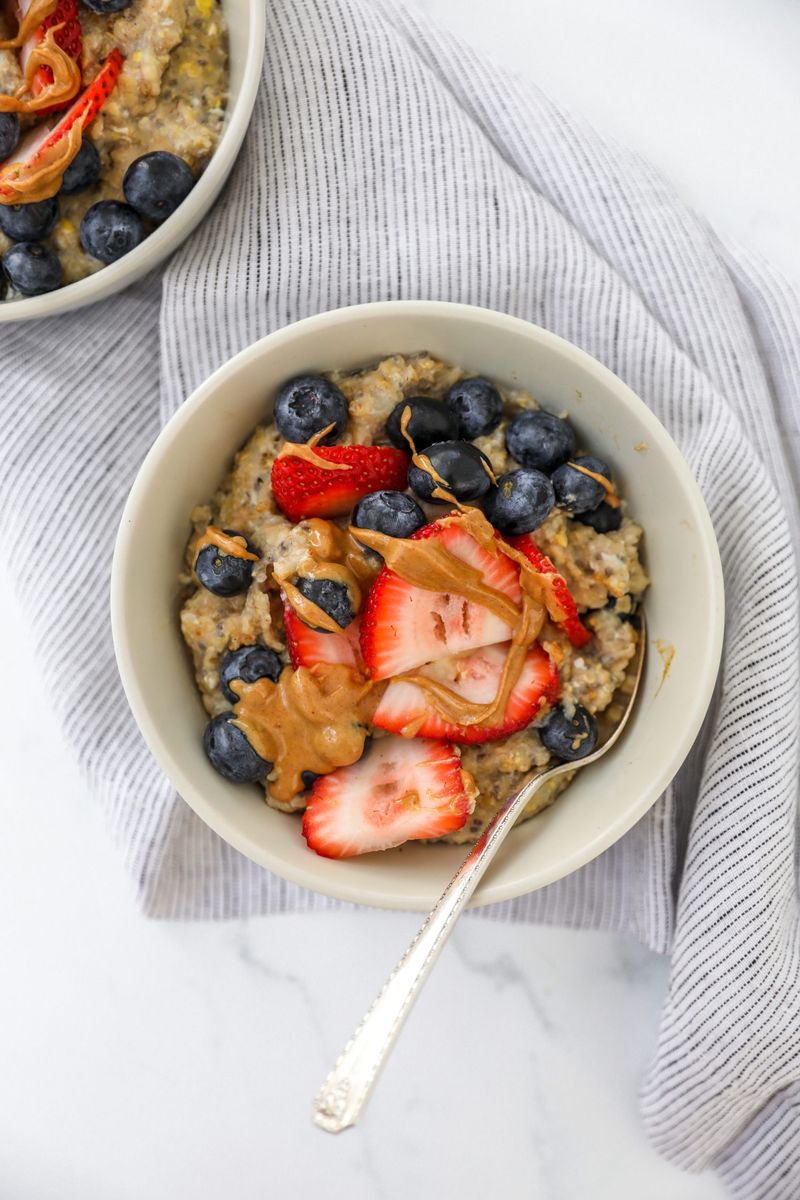
Grandma’s morning oatmeal was smarter than it looked. Oats contain a special fiber called beta-glucan that helps lower bad cholesterol.
That same fiber keeps you feeling full and helps your digestion stay regular, a common worry as we get older. It also keeps blood sugar steady.
Choose rolled or steel cut oats over sugary instant packets. Top your bowl with cinnamon, fruit, and a spoon of peanut butter for staying power.
7. Beans and Lentils on a Budget
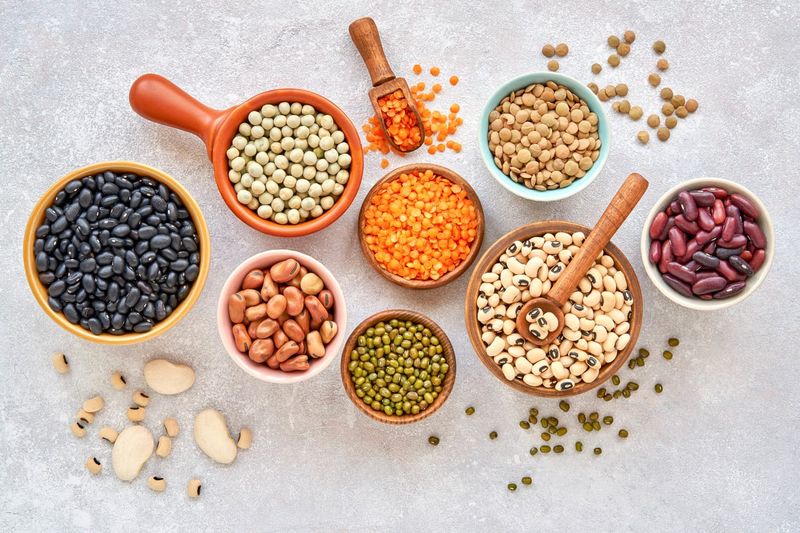
Here is a food that is kind to both your body and your wallet. Beans and lentils deliver protein, fiber, potassium, and iron for just pennies per serving.
People in the world’s longest living communities, known as Blue Zones, eat beans almost every day. That says a lot.
Start small by adding black beans to tacos or lentils to soup. Rinsing canned beans cuts down on extra salt.
8. Walnuts for Snack Time
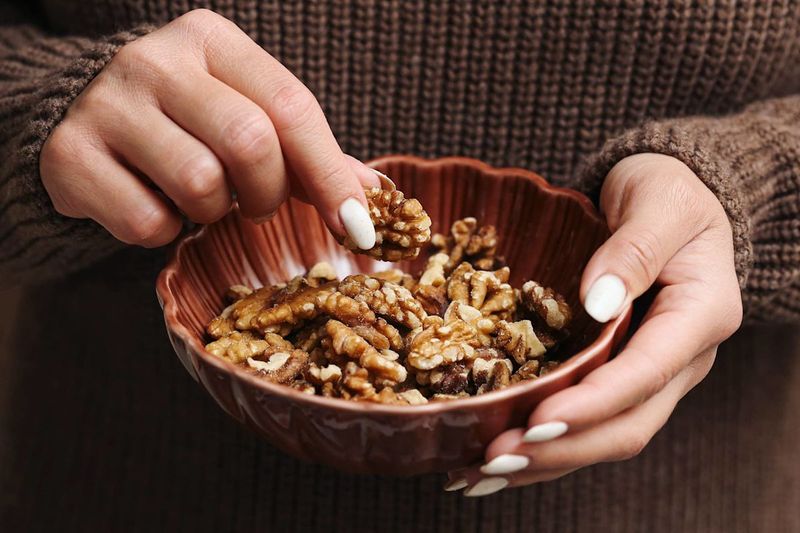
Ever notice how a walnut looks a bit like a tiny brain? Funny enough, it is one of the best nuts for your noggin.
Walnuts are rich in plant based omega-3s, along with healthy fats that support your heart. A small handful a day is plenty.
Keep them in the fridge so they stay fresh longer. Sprinkle them on salads, oatmeal, or simply munch them plain in the afternoon.
9. Sweet Potatoes, Naturally Sweet
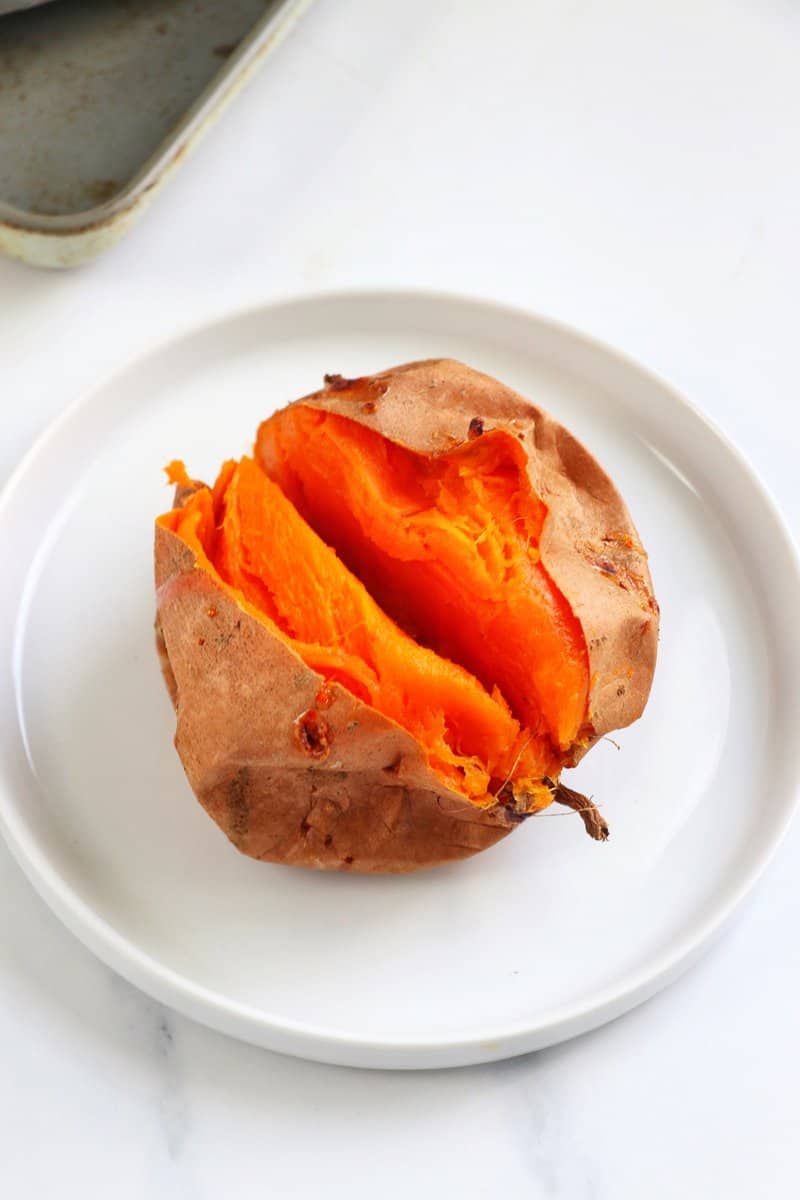
Sweet potatoes taste like a treat but act like a multivitamin. Their bright orange color signals beta carotene, which your body turns into vitamin A for healthy eyes and skin.
They also bring fiber and potassium, which helps keep blood pressure in check.
Skip the marshmallow topping most days. Instead, roast cubes with olive oil and a pinch of paprika, or microwave one whole for a fast, filling side dish.
10. Avocados and Their Good Fats
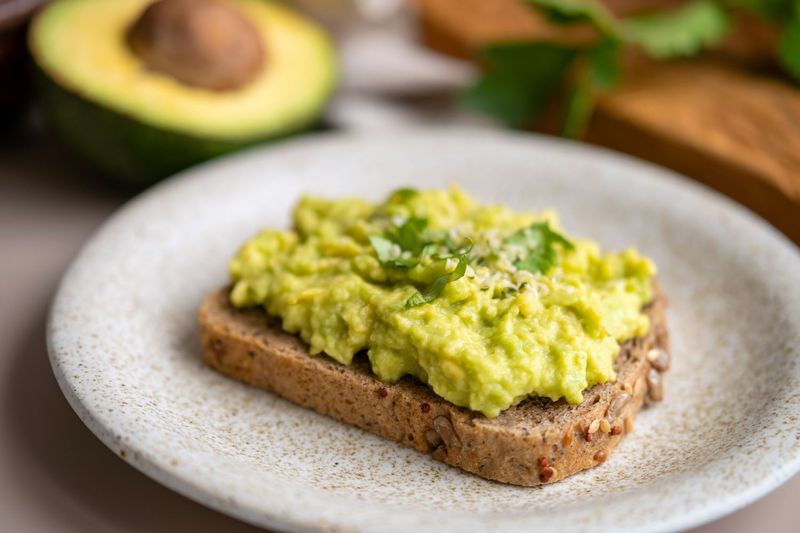
Creamy, green, and wildly popular on toast, avocados earn their fame. They are full of heart friendly fats that help your body soak up vitamins from other foods.
One avocado also has more potassium than a banana. Surprised?
Most people are.
Spread some on whole grain toast, slice it into a salad, or mash it with lime for quick guacamole. Half an avocado makes a smart serving.
11. Olive Oil, the Mediterranean Secret
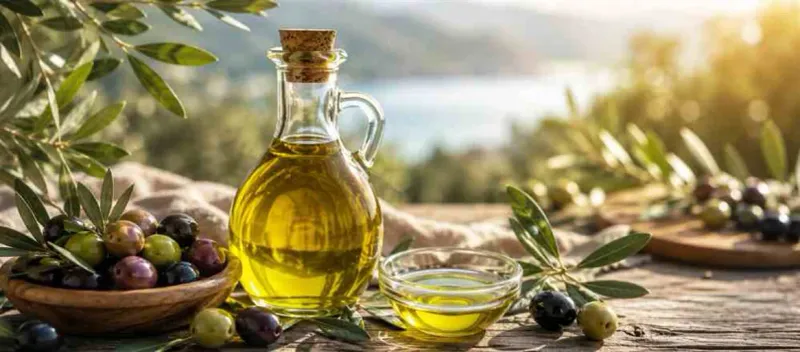
Picture a sunny village in Greece where folks often live into their nineties. Olive oil flows freely in their kitchens, and that is no accident.
Extra virgin olive oil contains polyphenols that fight inflammation and protect blood vessels. Swapping butter for it may lower heart disease risk.
Use it to sauté veggies, whisk a simple salad dressing, or dip crusty bread. Store the bottle away from heat and light.
12. Broccoli, the Crunchy Classic
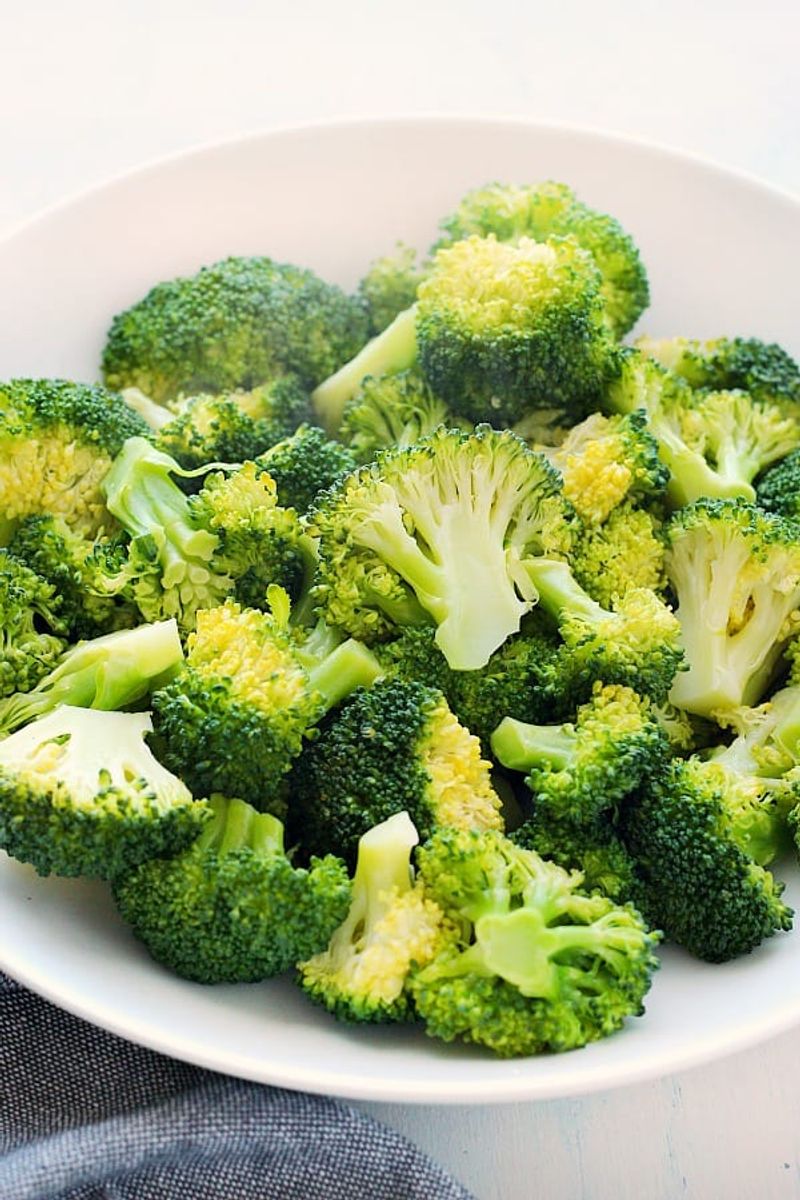
Many of us pushed broccoli around our plates as kids. Time to give it a second chance!
These little green trees carry vitamin C, vitamin K, calcium, and fiber. They also hold sulforaphane, a compound researchers are studying for its cancer fighting powers.
Steam it lightly so it stays bright and crisp. Overcooking makes it mushy and drains nutrients.
A squeeze of lemon and some parmesan makes it seriously tasty.
13. Sardines Packed with Calcium
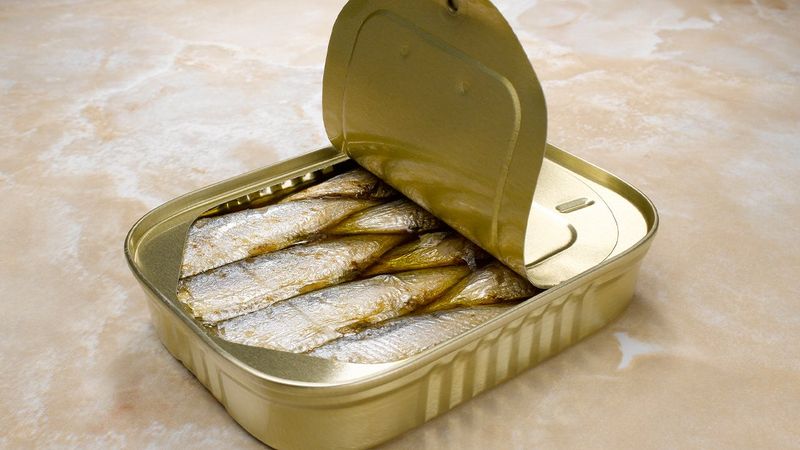
Sardines might not win a beauty contest, but they are nutrition champions. Because you eat the soft, tiny bones, you get a big dose of calcium.
They also offer omega-3s, vitamin D, and protein. Since they are small fish, they carry very little mercury.
Try mashing them onto crackers with mustard, or tossing them into pasta with garlic. Give them a fair shot.
You might become a fan.
14. Cottage Cheese Makes a Comeback
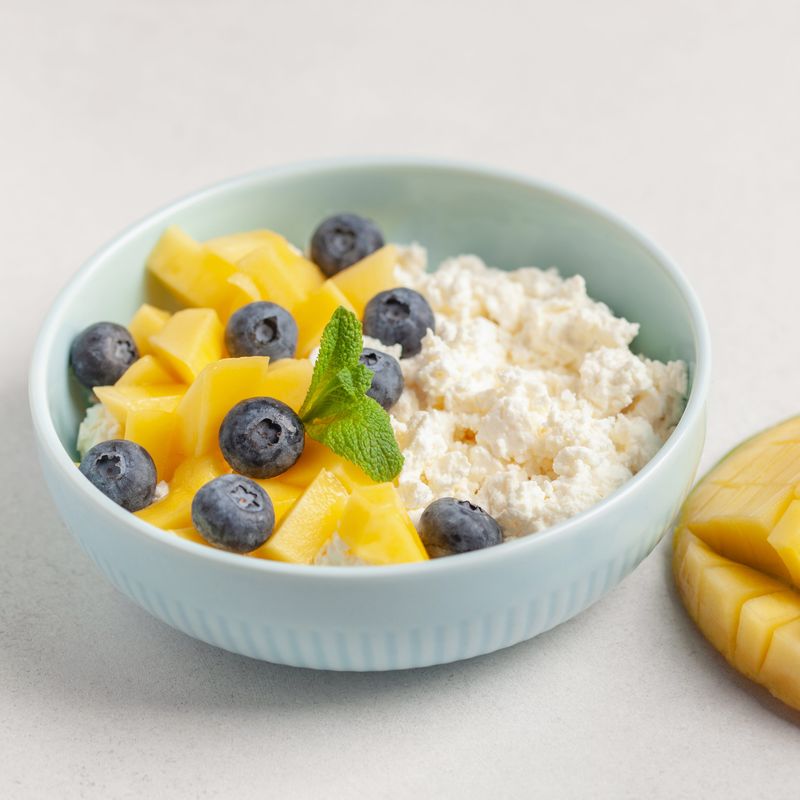
Once a staple of 1970s diet plates, cottage cheese is trendy again, and for good reason. A half cup gives about twelve grams of protein.
Muscle loss speeds up after sixty, so getting protein at every meal really matters. This food makes it simple.
Eat it with pineapple or peaches, spread it on toast, or blend it into pancake batter. Low sodium versions are a wise choice.
15. Tomatoes Full of Lycopene
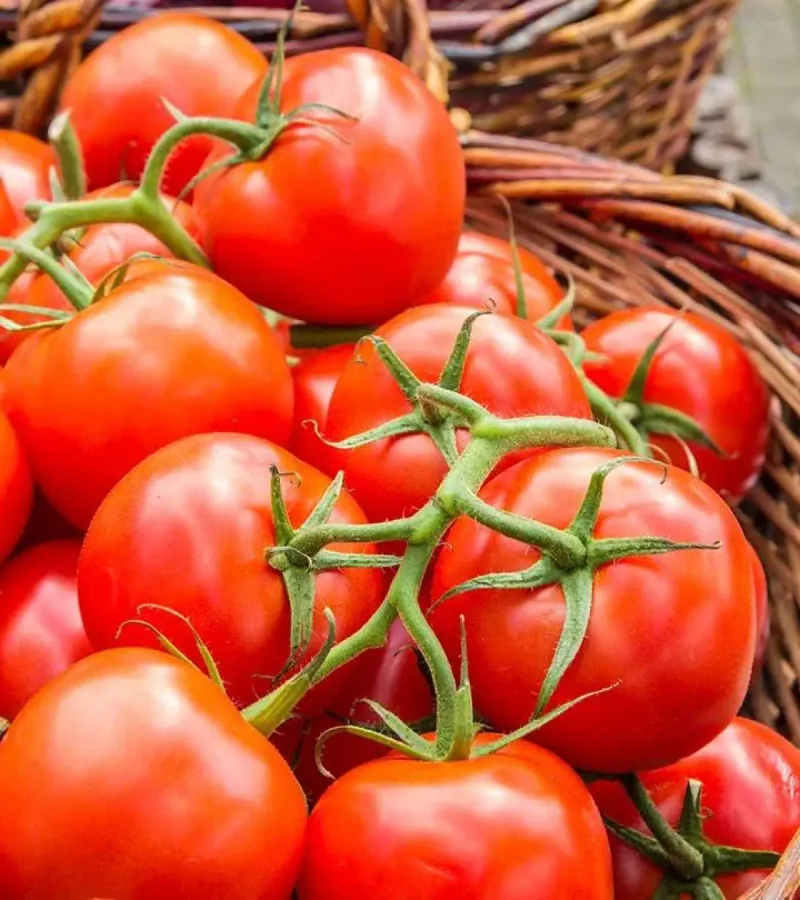
Juicy summer tomatoes bring more than flavor to the table. They are the top source of lycopene, an antioxidant linked to heart health and protection against some cancers.
Fun fact: cooking tomatoes actually makes lycopene easier for your body to use. So tomato sauce and soup count!
Pair them with a little olive oil to boost absorption even more. A simple bruschetta or homemade marinara is a delicious place to begin.
16. Bananas for Easy Potassium
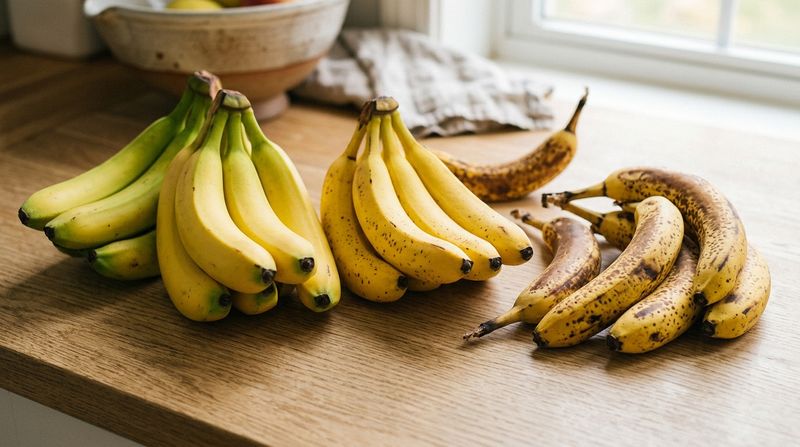
Easy to peel and gentle on the stomach, bananas are the ultimate portable snack. They deliver potassium, which helps control blood pressure and keeps muscles from cramping.
Some medicines older adults take can lower potassium, making this fruit extra helpful.
Slice one over cereal, freeze chunks for creamy smoothies, or bake overripe ones into banana bread. Brown spots mean it is sweeter, not spoiled, so do not toss them.
17. Quinoa, the Ancient Grain
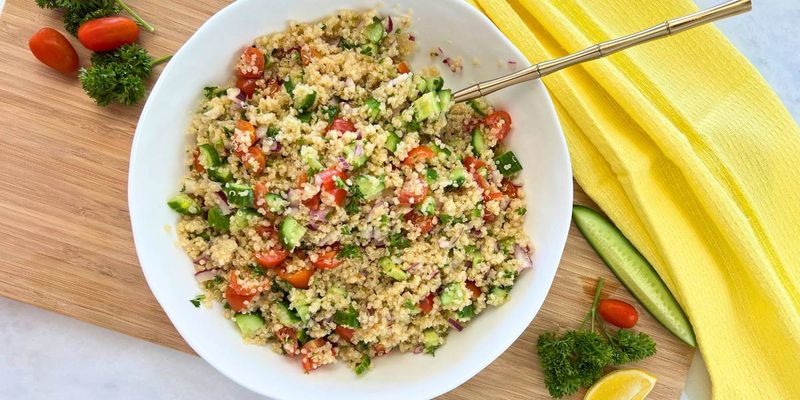
The Inca people called quinoa the mother of all grains, and they grew it high in the Andes mountains for thousands of years.
Unlike most plant foods, quinoa is a complete protein, meaning it has all nine essential amino acids. It also gives magnesium and fiber.
Rinse it before cooking to remove a bitter coating. Use it like rice, or make a cold salad with chopped veggies and lemon.
18. Ginger to Calm Aches
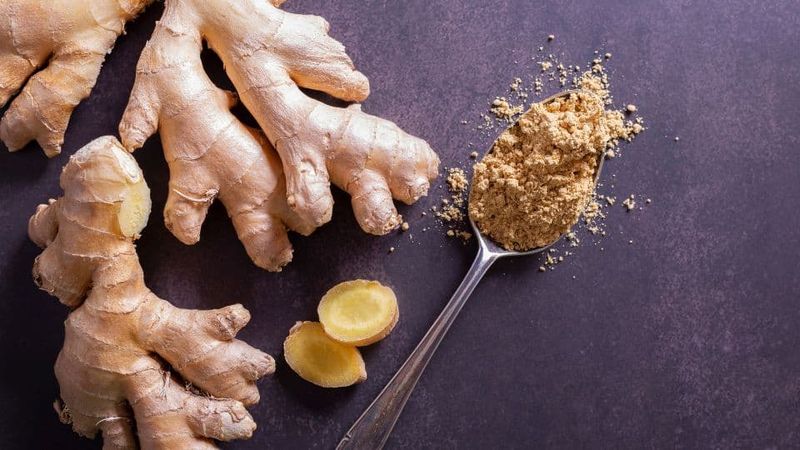
Feeling a little stiff in the mornings? Ginger has been used as a home remedy for centuries, and modern studies back up some of the hype.
Its natural compounds may ease joint pain and soothe an upset stomach. That makes it a handy kitchen helper as the years add up.
Grate fresh ginger into stir fries, steep slices in hot water for tea, or add a pinch of ground ginger to smoothies.
19. Dark Chocolate in Small Bites
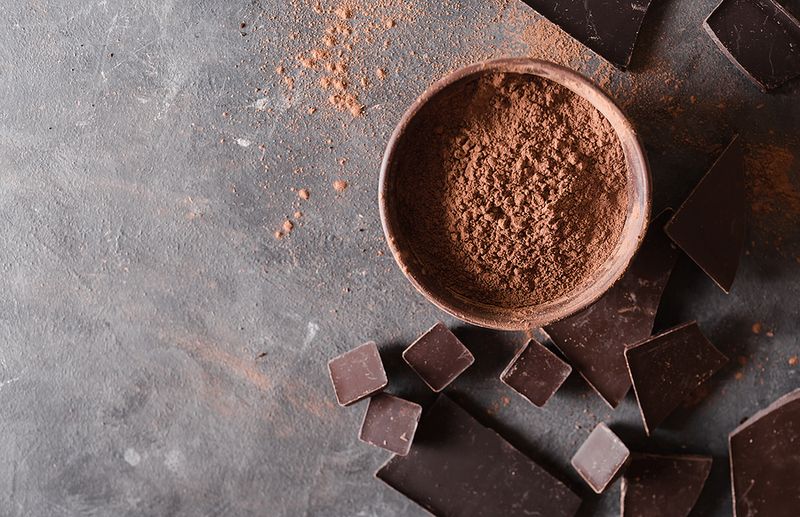
Good news for sweet tooths: a little dark chocolate can actually be good for you. Bars with 70 percent cocoa or more contain flavanols that support blood flow to the brain and heart.
The key word is little. One or two squares a day is enough.
Let it melt slowly on your tongue to enjoy it fully. Pair it with strawberries or almonds for a treat that feels fancy.