
Some movies cause debates that last much longer than their time in theaters. Stories about race, religion, politics, and violence have sparked protests, court cases, and bans around the world.
Learning why these films upset people helps us understand both movie history and the limits placed on art. Not every controversy led to a ban, and some of the most repeated stories need a closer look.
1. The Birth of a Nation (1915): Racism Behind a Landmark
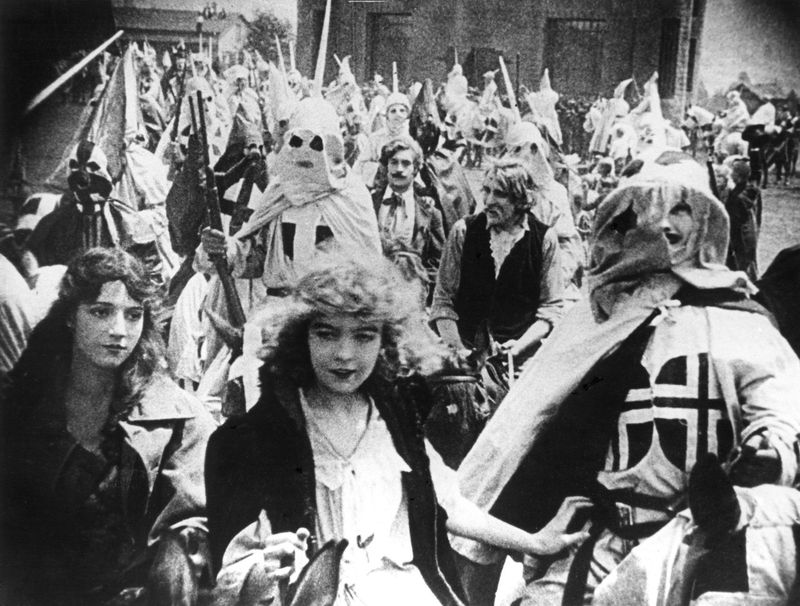
A movie can change filmmaking while spreading terrible ideas. D.
W. Griffith’s Civil War epic used advanced storytelling techniques, but its racist portrayal of Black Americans and praise for the Ku Klux Klan caused lasting harm.
The NAACP organized protests, and several American cities blocked screenings. Historians also connect the film to the Klan’s revival.
Approach it as a historical document, with reliable context explaining how powerful images can support dangerous lies and encourage racial hatred.
2. Battleship Potemkin (1925): A Mutiny That Alarmed Censors
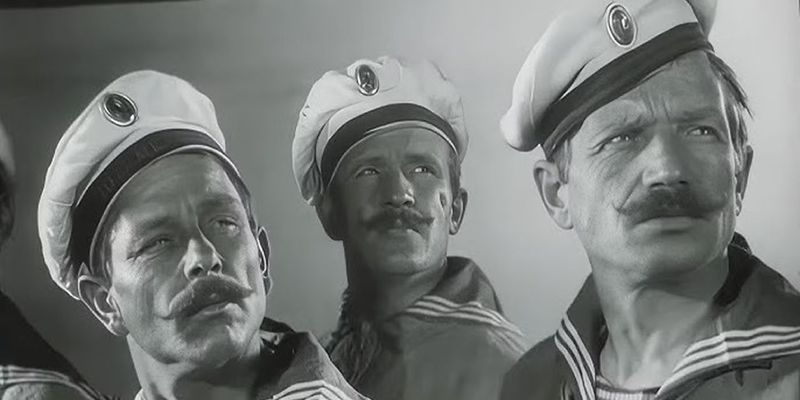
Could a silent film make leaders fear a rebellion? Sergei Eisenstein’s story of Russian sailors rising against their officers certainly worried authorities.
British film censors refused it a certificate, while other countries also restricted screenings.
Violence was an official concern, but the film’s revolutionary message mattered too. Its famous Odessa Steps sequence remains a major lesson in editing.
Watching how separate shots build fear helps explain why officials considered its images so politically powerful at release.
3. Freaks (1932): Who Gets Called a Monster?
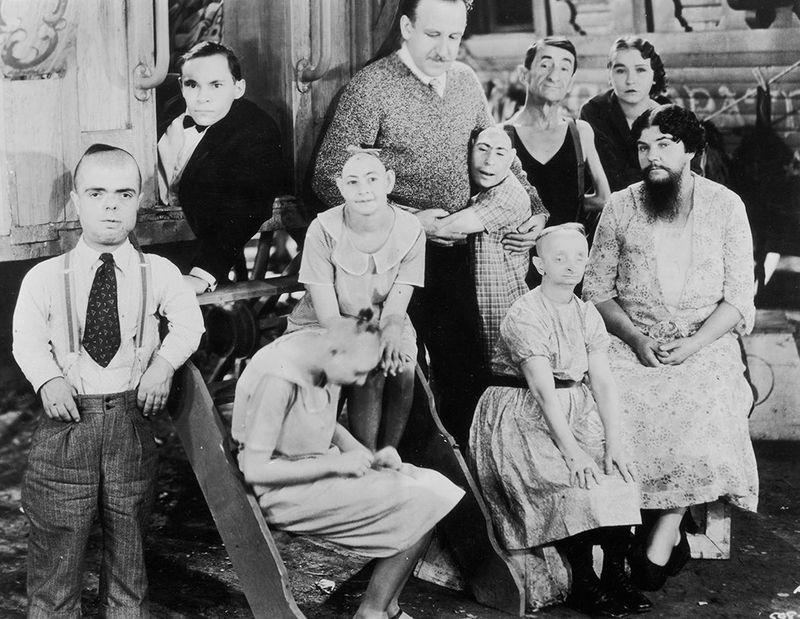
Behind the circus setting lies a sharp question about cruelty and belonging. Tod Browning cast performers with real disabilities and physical differences, something rarely seen in major Hollywood productions.
Audience reactions were often harsh, and the studio cut the film.
British censors rejected it, keeping it from approved release for roughly three decades. Modern discussions consider both its sympathy for outsiders and its troubling presentation.
Respectful language matters when talking about the people who appeared onscreen.
4. A Clockwork Orange (1971): A Director’s Withdrawal
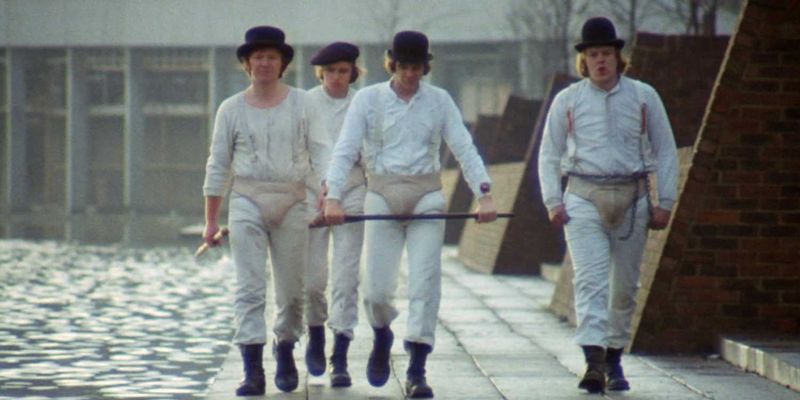
Sometimes the filmmaker, rather than a censor, removes a movie. Stanley Kubrick asked Warner Bros. to withdraw his disturbing crime drama from British distribution in 1973 after controversy and threats affecting his family.
That distinction matters: its long absence was not a nationwide government ban. The film returned to British cinemas in 2000, following Kubrick’s death.
Its treatment of violence and forced behavior change still raises uncomfortable questions about punishment, choice, and society’s responsibility toward individuals.
5. Straw Dogs (1971): The Home Video Dispute
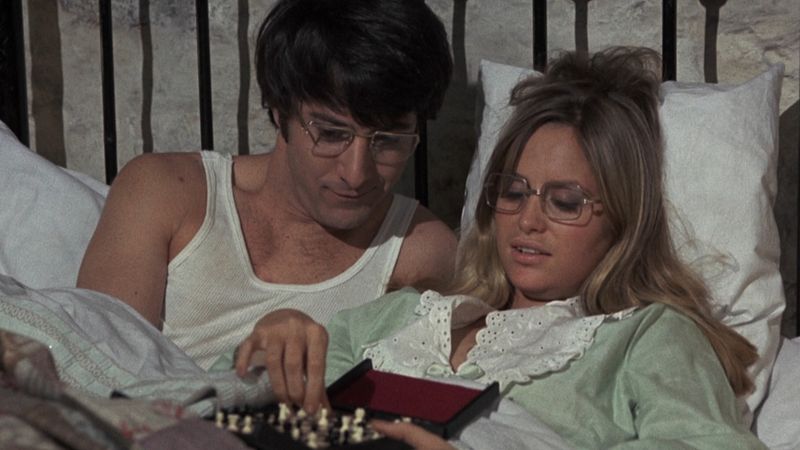
A quiet countryside setting offers little comfort in Sam Peckinpah’s harsh thriller. Its sexual assault sequence and brutal revenge story drew criticism over whether the film challenged violence or made it seem exciting.
Although it received a British cinema release, its uncut home video version faced a lengthy certification struggle. An uncut certificate followed in 2002.
Separating theatrical rules from video restrictions helps explain why calling it simply banned in Britain leaves out an important detail.
6. The Devils (1971): Religion Under Pressure
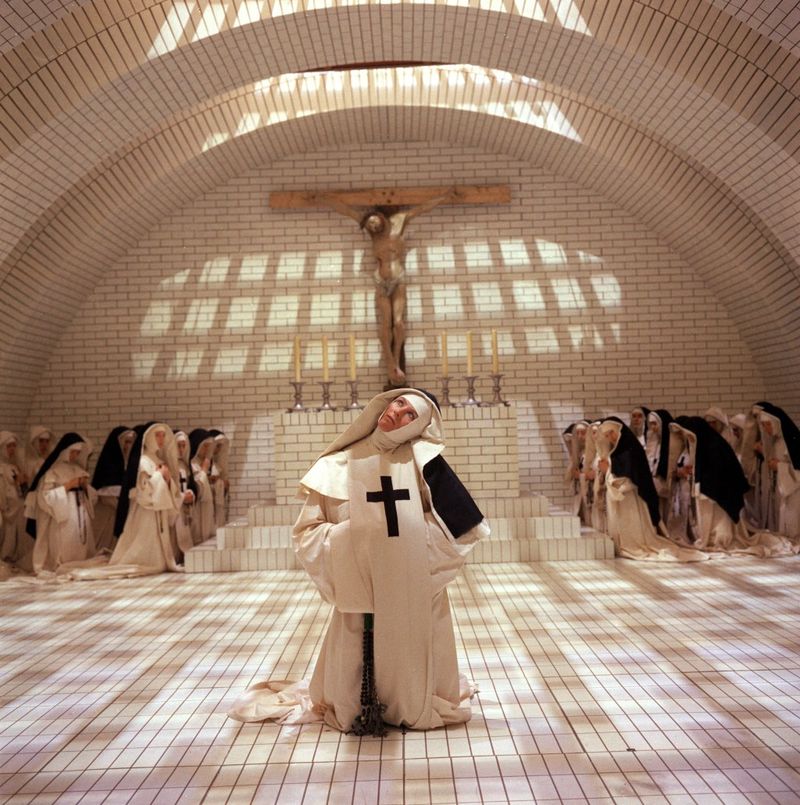
White walls, wild accusations, and religious power make Ken Russell’s historical drama hard to forget. Set in seventeenth century France, it combines political control with disturbing scenes involving faith, sexuality, and public punishment.
Censors demanded cuts in several markets, and Italy banned the film. Different surviving versions make its release history unusually confusing.
Before reading a review or choosing an edition, check which version it discusses, because missing footage can change how viewers understand Russell’s intended argument.
7. Deep Throat (1972): Obscenity Goes to Court
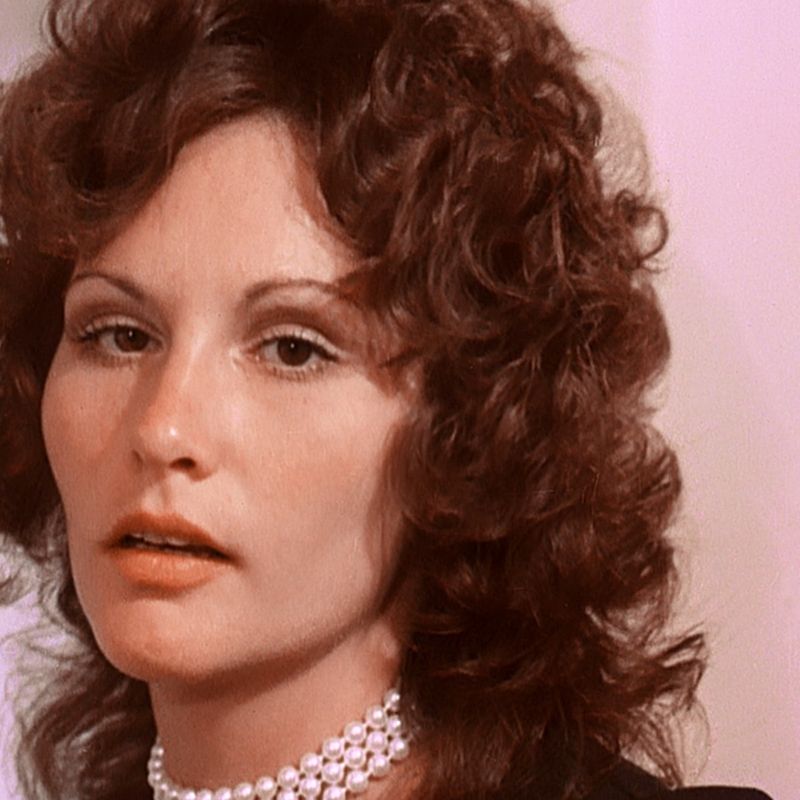
Courtrooms became part of the release story for this adult film. Its popularity pushed pornography into wider public discussion, while prosecutors pursued obscenity cases and local authorities restricted screenings across the United States.
The disputes showed how differently communities could judge the same material. Another serious issue concerns performer Linda Lovelace, who later described coercion and abuse surrounding her involvement.
Any account should include those allegations rather than treating the controversy as merely a colorful censorship battle.
8. Last Tango in Paris (1972): Consent Beyond the Screen
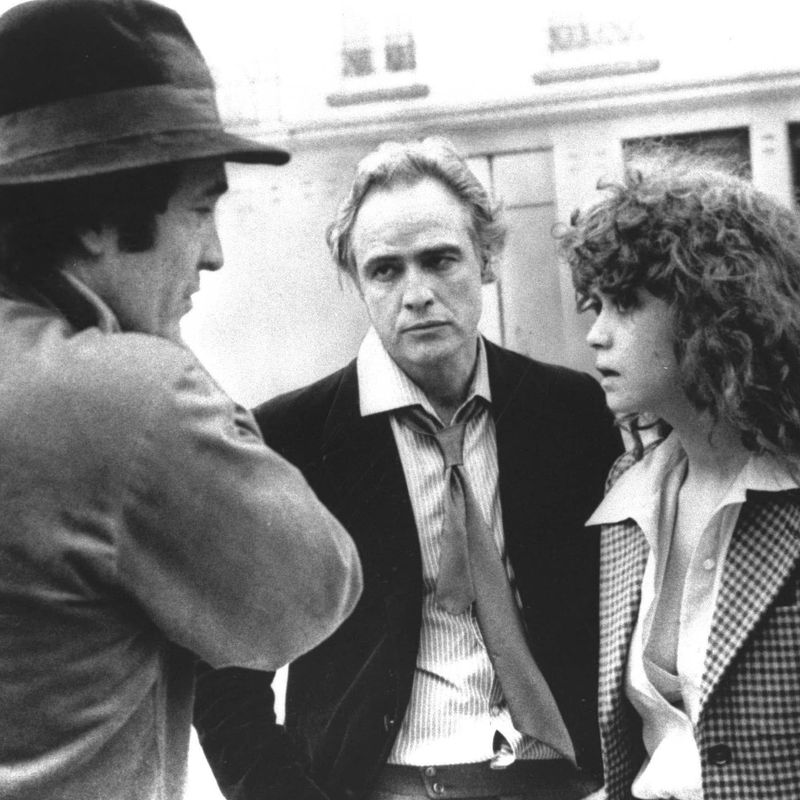
Offscreen treatment matters as much as what audiences see. Bernardo Bertolucci’s drama faced bans and legal action over sexual content, including an Italian ruling that ordered copies destroyed.
Its original release was in 1972.
Later debate centered on Maria Schneider’s account of feeling humiliated during a simulated assault scene and not knowing a planned detail beforehand. The sex was not real, despite repeated claims.
Her experience remains central to discussions about informed consent and performer protection.
9. The Exorcist (1973): Fear Beyond the Theater
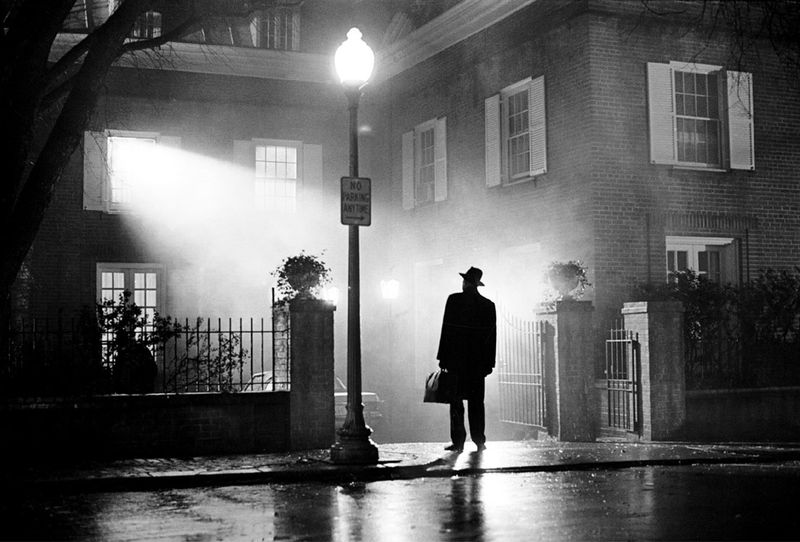
Lines outside theaters helped turn a possession story into a public event. Reports of fainting and other strong audience reactions added to the film’s frightening reputation, while religious themes brought further argument.
British censors approved its cinema release, but home video certification became a separate issue. The movie remained unavailable on approved British video for years before receiving a certificate in 1999.
Its history shows why theatrical permission does not always mean identical access at home.
10. The Texas Chain Saw Massacre (1974): Terror Through Suggestion
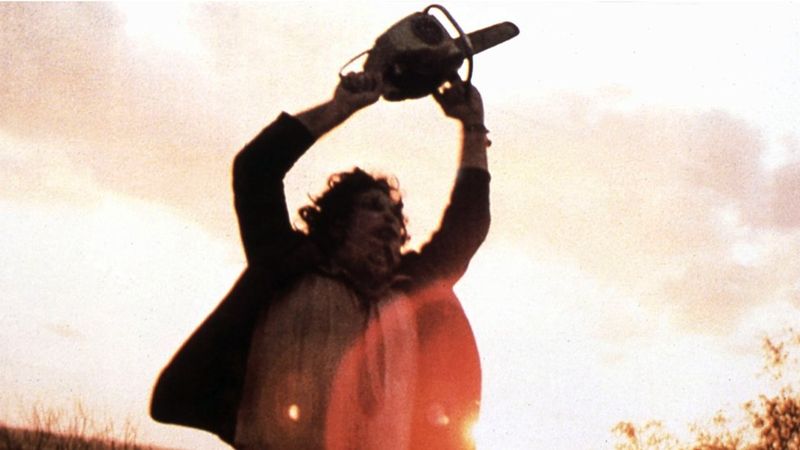
Sunlight and a lonely farmhouse can be scarier than darkness. Tobe Hooper’s low budget horror film built an overwhelming sense of danger, prompting bans or release restrictions in several countries, including Britain and Australia.
Surprisingly, much of its reputation comes from suggested violence rather than constant visible gore. Sound, editing, and panic do much of the work.
For readers studying censorship, it offers a useful example of officials reacting to a film’s overall impact, not bloodshed alone.
11. Salò, or The 120 Days of Sodom (1975): An Extreme Political Statement
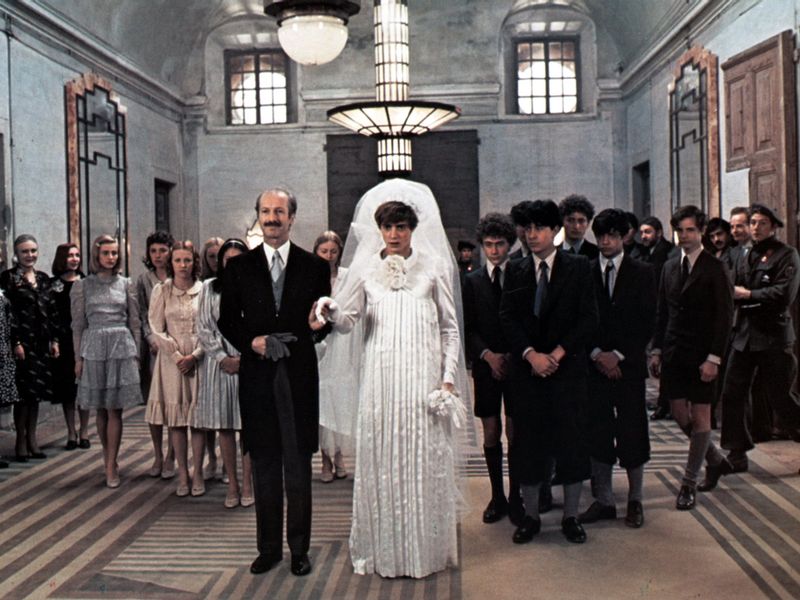
Few films draw such a firm line between artistic purpose and audience limits. Pier Paolo Pasolini placed a story of captivity and abuse within fascist Italy, using extreme material to attack power and the treatment of people as objects.
Authorities in several countries banned or restricted it, and its reputation remains deeply divisive. Historical context can explain the director’s aims without making viewing necessary.
Reading a thoughtful analysis is a reasonable alternative to experiencing its disturbing content.
12. Cannibal Holocaust (1980): When Fiction Looked Too Real
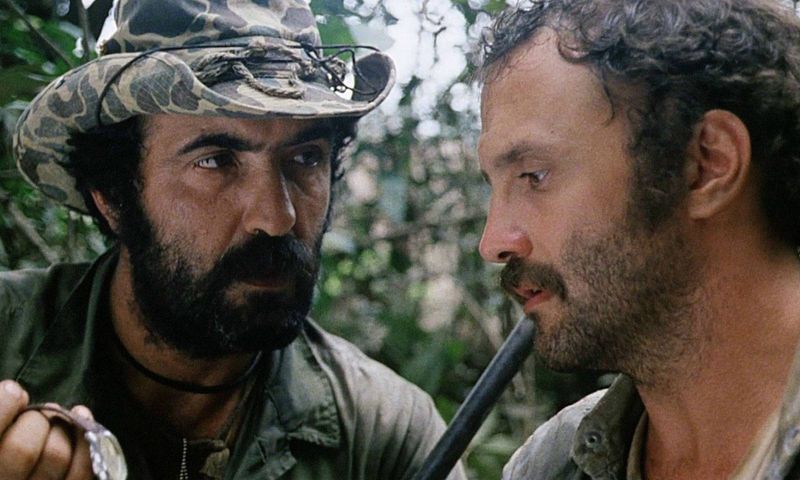
The illusion became convincing enough to create a legal nightmare. Ruggero Deodato faced allegations that actors had actually been killed while making his horror film.
Those claims were disproved, but its legal troubles continued over other content.
Real animal killings remain a major ethical objection, separate from its staged human violence. British authorities also targeted the film during the video nasties panic.
Its history invites a clear distinction between fictional shock, production misconduct, and harm that genuinely occurred.
13. The Last Temptation of Christ (1988): Faith and Fiction Collide
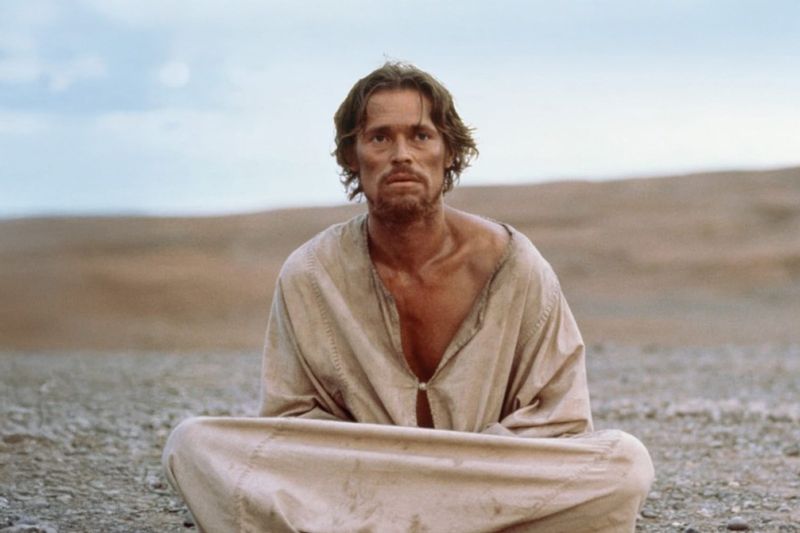
Protests began before many critics had seen a single scene. Martin Scorsese’s religious drama imagined Jesus struggling with human temptation, drawing strong objections from Christians who believed that approach was disrespectful.
Boycotts and demonstrations shaped its release, and some countries banned it, although it was not banned everywhere. The film presents itself as fiction inspired by a novel, not a direct Gospel account.
Recognizing that distinction helps explain the creative intention without dismissing the concerns of religious viewers.
14. Kids (1995): A Rating With Real Consequences
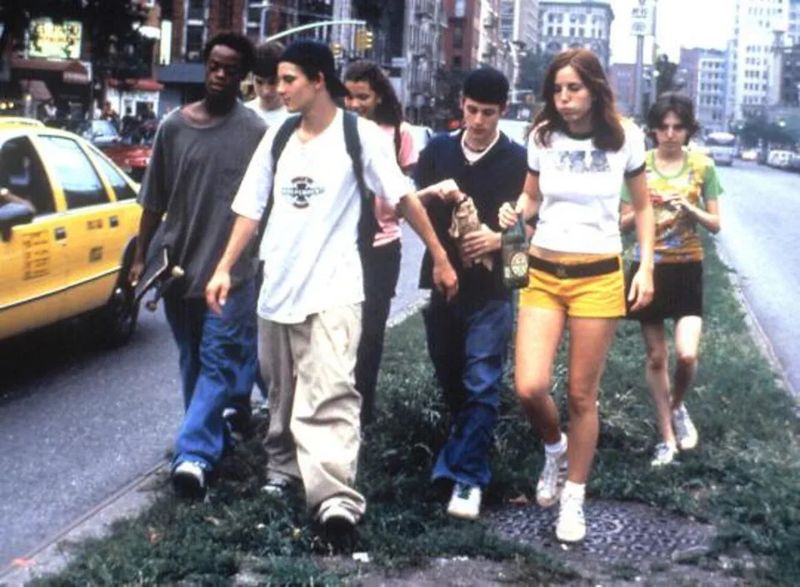
Skateboards and city streets frame a deeply troubling portrait of teenage life. Larry Clark’s drama drew fierce debate over its treatment of sex, drug use, and HIV, with critics divided between praise for honesty and accusations of exploitation.
An NC-17 rating complicated its release through Disney owned Miramax. A separate company ultimately distributed it unrated in America.
That was a distribution dispute, not a nationwide ban, showing how ratings and corporate rules can also limit a movie’s reach.
15. Crash (1996): A Local Ban After National Approval
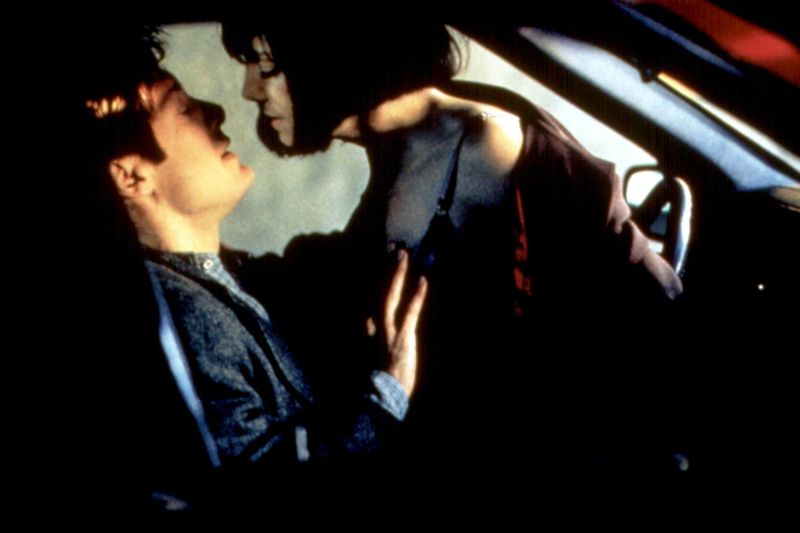
National approval did not settle the argument around David Cronenberg’s drama. Its story about adults linking car crashes with sexual desire caused a media storm in Britain and demands that screenings be stopped.
The British Board of Film Classification passed it uncut for adults, but Westminster Council refused permission for local cinemas to show it. That split reveals how local powers can affect access even after national review.
Be careful not to confuse it with the unrelated 2004 film.
16. Irréversible (2002): A Story Told Backward
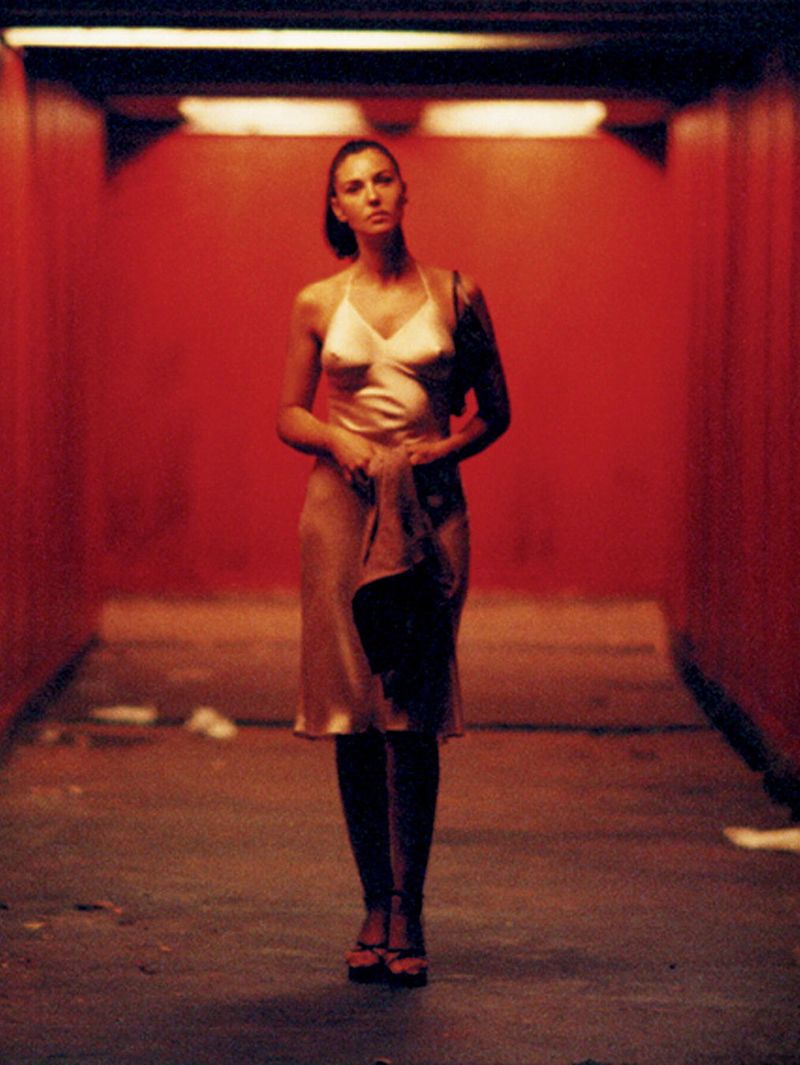
Running the story backward does not soften its impact. Gaspar Noé’s French drama became notorious for a prolonged sexual assault sequence and severe violence, prompting walkouts and angry debate during its festival run.
Supporters argued that its structure exposed the waste and damage caused by revenge. Critics questioned whether its methods overwhelmed that message.
Rather than assuming walkouts prove an official ban, separate audience reactions from government action. Detailed content warnings are especially useful before considering this demanding film.
17. The Passion of the Christ (2004): Belief and Representation
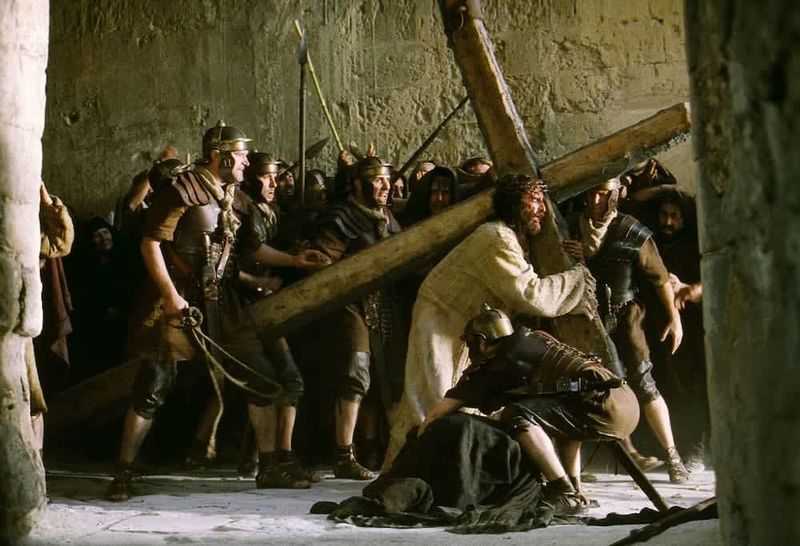
Large crowds and intense disagreement arrived together for Mel Gibson’s account of Jesus’s final hours. Many Christian viewers found it moving, while others criticized its graphic violence and questioned whether its portrayal of Jewish figures encouraged antisemitic ideas.
Those concerns belong to a long history of harmful blame directed at Jewish communities. The movie’s controversy was not simply a story of widespread bans.
Comparing thoughtful religious and historical responses offers a fuller picture than judging its impact through ticket sales.
18. A Serbian Film (2010): Where Censors Drew the Line
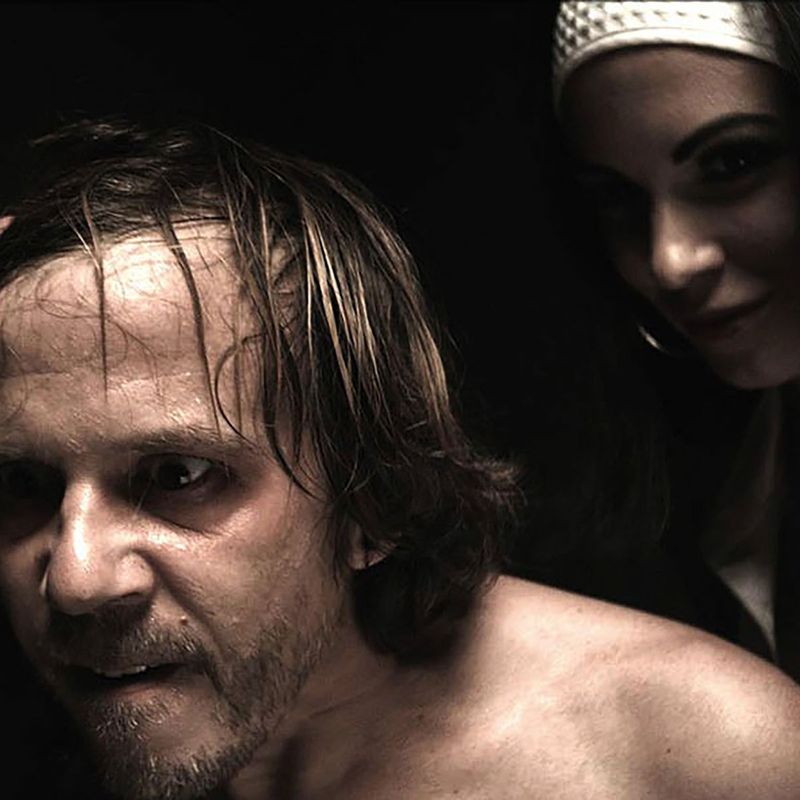
Even viewers familiar with extreme horror often draw a boundary here. Srđan Spasojević’s film includes severe sexual violence and child abuse themes, leading to bans, rejected classifications, and heavy cuts across different countries.
Its makers described political intentions, but many critics argued that shock overwhelmed any larger message. British approval required extensive cuts before release.
For understanding its place in censorship history, a reliable written overview is enough; nobody needs to watch distressing material to join the discussion.