
Magnesium is a mineral your body uses for hundreds of jobs, from keeping your heart steady to helping your muscles relax. Many people do not get enough of it, and they might not even know.
The good news is that plenty of tasty foods you already see at the store are packed with it. Here are some easy picks that can help you fill the gap one bite at a time.
1. Pumpkin Seeds
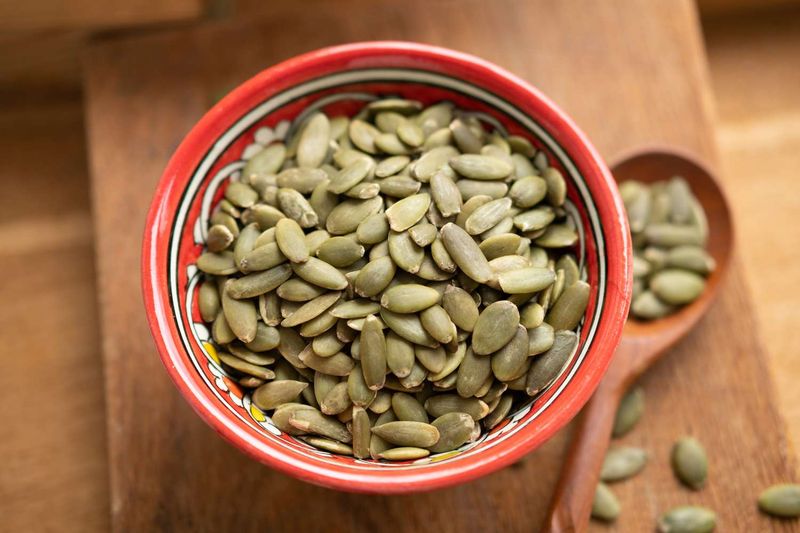
Tiny but mighty, pumpkin seeds are one of the richest magnesium sources around. Just one ounce gives you about 150 milligrams, which is over a third of what most adults need daily.
Toss a handful on your oatmeal, salad, or yogurt for a nutty crunch. You can also roast them at home with a little salt.
Fun fact: the green seeds sold in stores are often called pepitas and come without the white shell.
2. Spinach
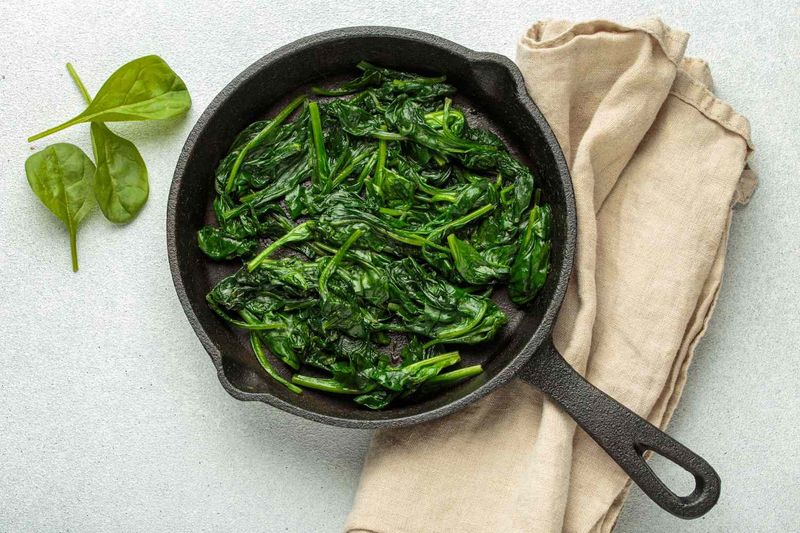
Popeye was onto something. Cooked spinach delivers around 157 milligrams of magnesium per cup, making it a leafy superstar.
Cooking shrinks the leaves a lot, so you get more nutrients in each bite. Stir a big handful into pasta sauce, scrambled eggs, or soup and watch it melt right in.
Raw spinach works too in smoothies, where the fruit hides the flavor. Kids often never notice it is there, except for the fun green color.
3. Almonds
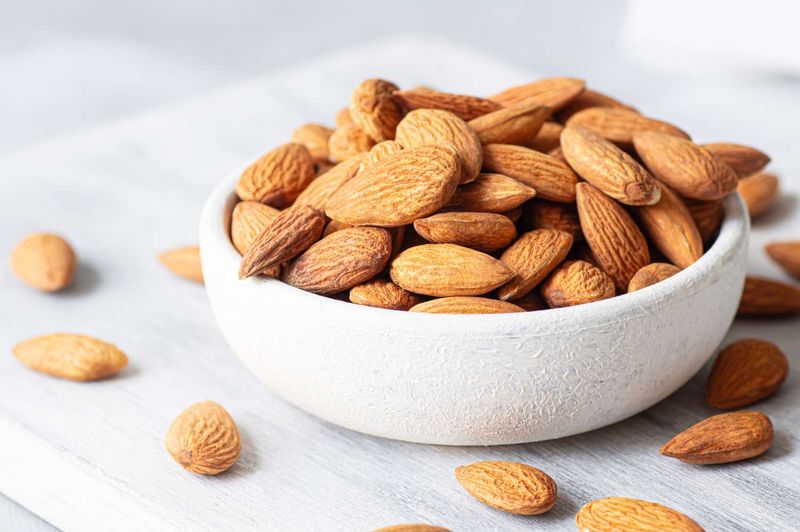
Picture a snack that fits in your pocket and helps your body at the same time. About 23 almonds, or one ounce, give you roughly 80 milligrams of magnesium.
They also bring healthy fats, fiber, and protein, so you stay full longer between meals. Keep a small bag in your backpack or car for busy days.
Not into whole nuts? Almond butter spread on apple slices offers the same benefits with a creamy twist.
4. Dark Chocolate

Good news for sweet tooths everywhere! Dark chocolate with 70 percent cocoa or more packs about 65 milligrams of magnesium per ounce.
The darker the bar, the more minerals and the less sugar you usually get. A couple of squares after dinner can feel like a treat and a small health boost.
Just remember that chocolate still has calories, so enjoy it in small amounts. Milk chocolate, sadly, does not offer nearly as much.
5. Black Beans
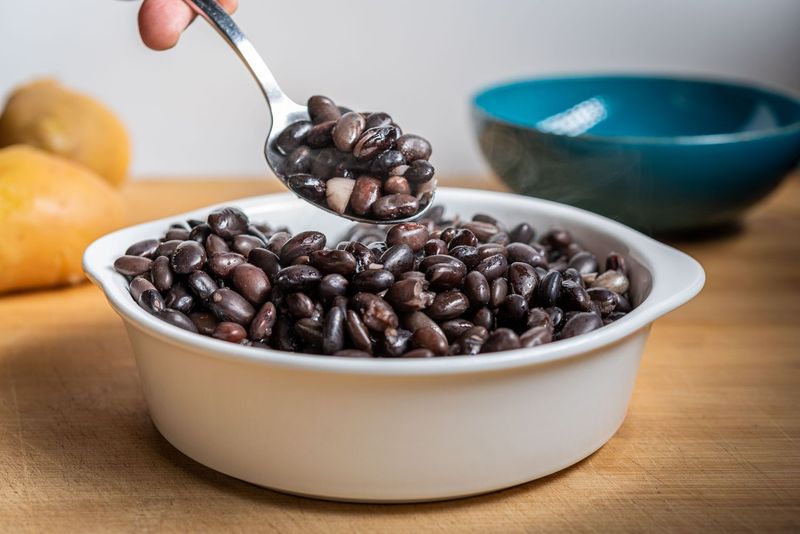
Taco night just got healthier. One cup of cooked black beans contains around 120 milligrams of magnesium, plus lots of fiber and plant protein.
Canned beans are cheap and quick. Rinse them under water first to wash away extra salt, then add them to burritos, rice bowls, or chili.
People in Latin America have eaten black beans for thousands of years, and they remain a daily staple in many homes there today.
6. Avocado
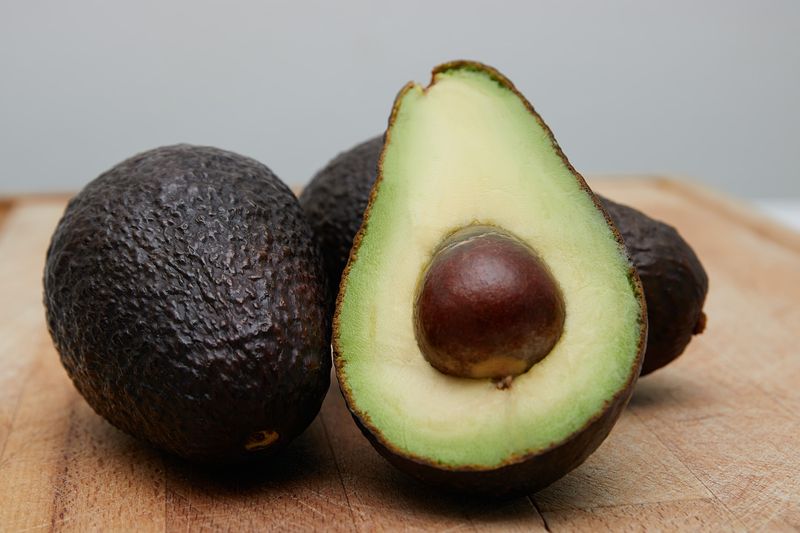
Creamy, green, and loved on toast, avocados are more than a trendy brunch item. A medium one holds about 58 milligrams of magnesium.
They also offer potassium, which teams up with magnesium to support your heart and muscles. Mash some with lemon juice and salt for a simple dip.
Here is a handy tip: if your avocado is still hard, place it in a paper bag with a banana to help it ripen faster.
7. Bananas
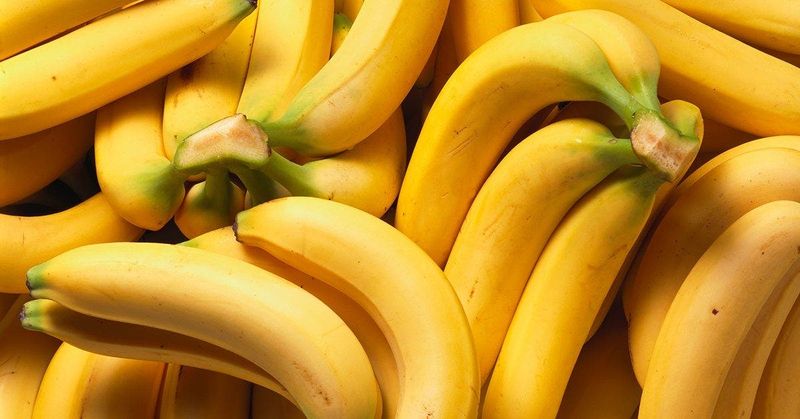
Most folks think of potassium when they grab a banana, but magnesium is hiding in there too. One large banana gives around 37 milligrams.
That might not sound huge, yet it adds up across the day. Bananas are easy to carry, need no washing, and come in their own wrapper.
Slice one over cereal, blend it into a smoothie, or freeze chunks for a cold treat that tastes almost like ice cream.
8. Cashews
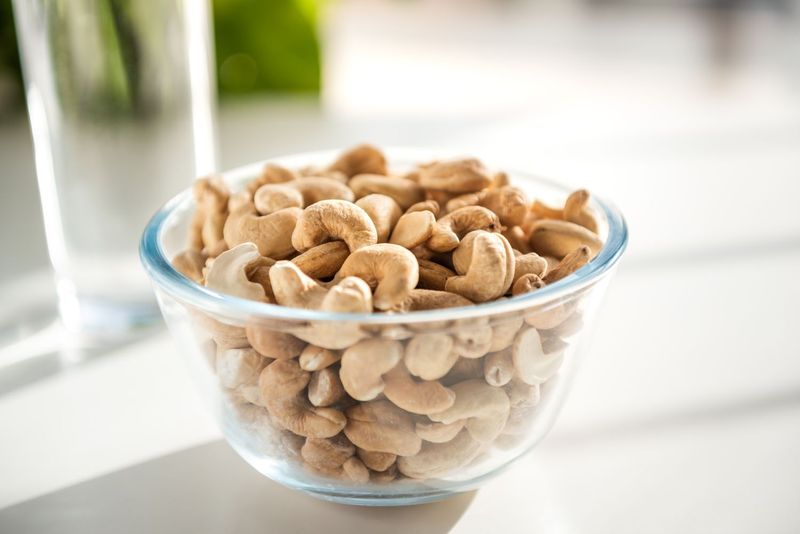
Curved like little smiles, cashews bring about 74 milligrams of magnesium in every ounce. Their mild, buttery taste makes them easy to love.
Toss them into a veggie stir-fry or grab a handful on the go. Some people even blend soaked cashews into creamy sauces as a dairy-free option.
Odd but true: cashews grow hanging from the bottom of a fruit called the cashew apple, and their shells contain an itchy oil.
9. Quinoa
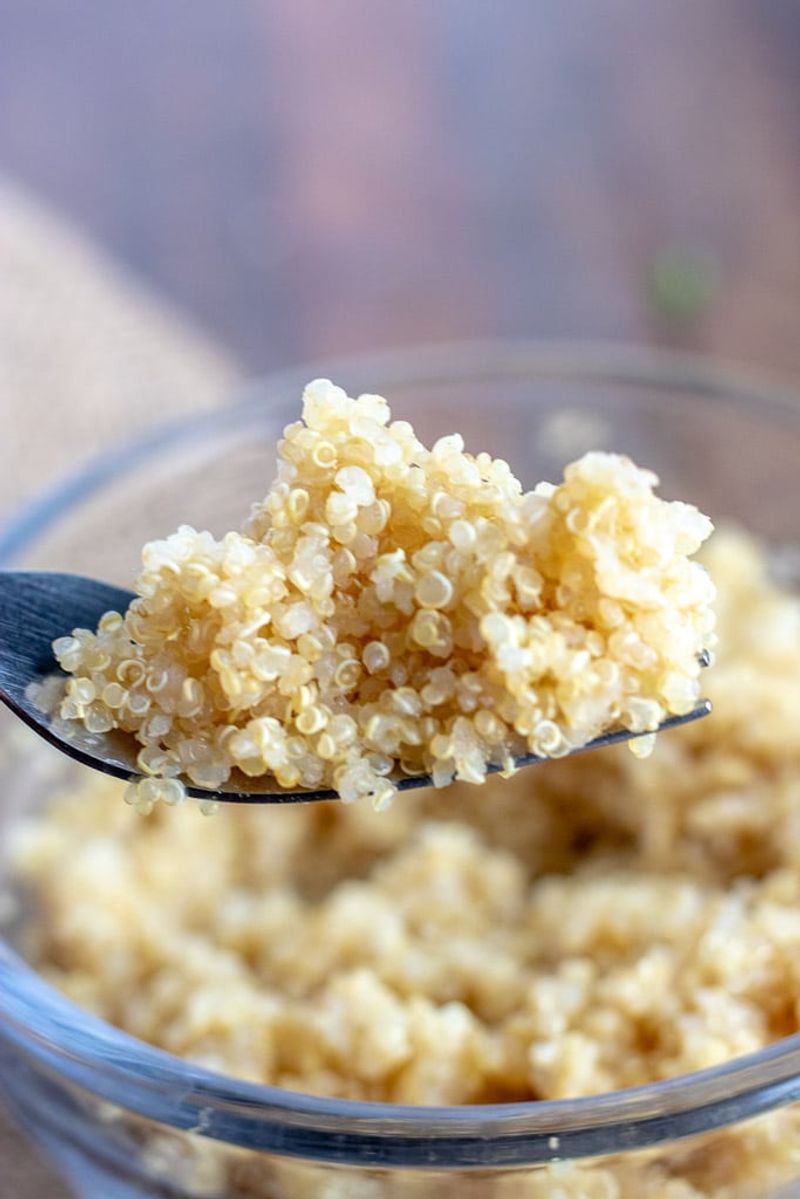
Pronounced KEEN-wah, this tiny seed acts like a grain in the kitchen. A cup of cooked quinoa gives you about 118 milligrams of magnesium.
It cooks in roughly 15 minutes, which is faster than brown rice. Rinse it before cooking to remove a natural bitter coating.
Use quinoa as a base for salads, a side for chicken, or even a warm breakfast with cinnamon and berries. It is also naturally gluten-free.
10. Tofu
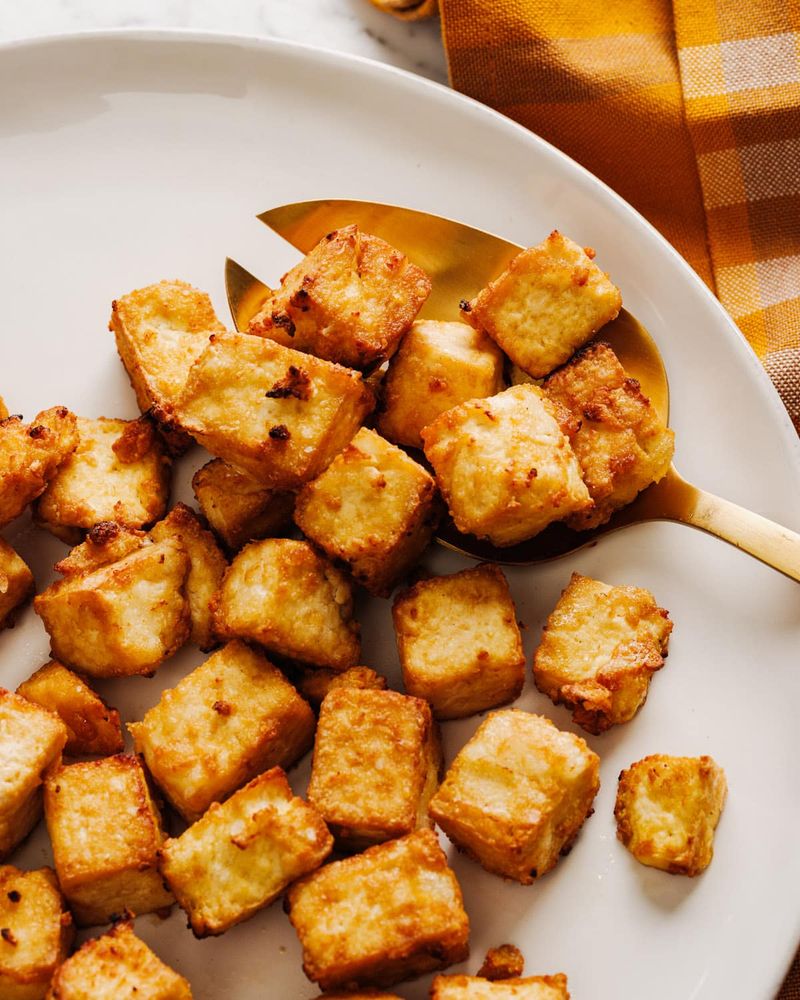
Tofu has a reputation for being bland, but think of it as a sponge for flavor. Half a cup offers around 53 milligrams of magnesium, depending on how it is made.
Press out the water, cube it, and pan-fry until golden. Then splash on soy sauce or your favorite marinade.
Many tofu brands use magnesium chloride, called nigari, to firm up the soy milk. That step can actually raise the mineral content.
11. Salmon

Fish lovers, rejoice. Half a fillet of salmon serves up roughly 50 milligrams of magnesium, along with heart-friendly omega-3 fats.
Baking is the easiest method. Season with lemon, garlic, and a pinch of salt, then cook at 400 degrees for about 12 to 15 minutes.
Leftovers flake nicely into salads or wraps the next day. Canned salmon is a budget-friendly choice that still brings plenty of good nutrients.
12. Oatmeal
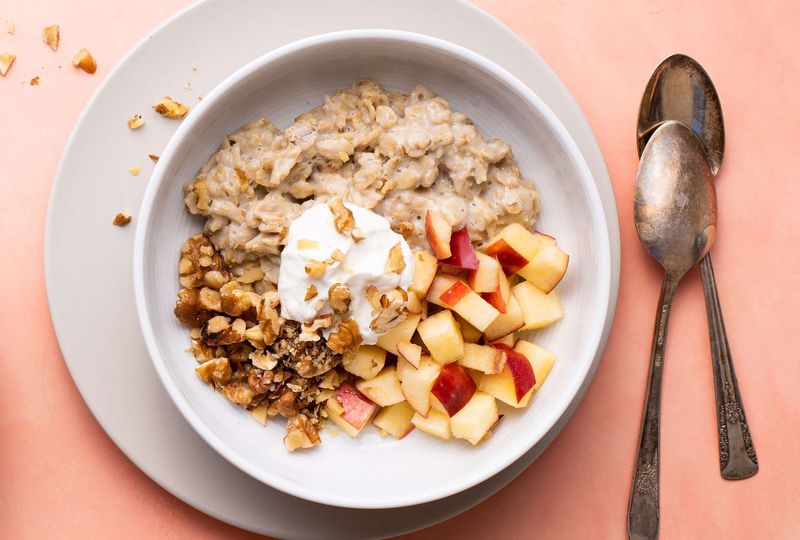
Grandma was right to serve a warm bowl of oats on cold mornings. One cup of cooked oatmeal has about 60 milligrams of magnesium.
Plain rolled or steel-cut oats are better choices than sugary instant packets. Add your own toppings like nuts, seeds, or fruit to boost the mineral count even more.
Short on time? Try overnight oats.
Mix oats with milk in a jar before bed, and breakfast waits in the fridge.
13. Edamame
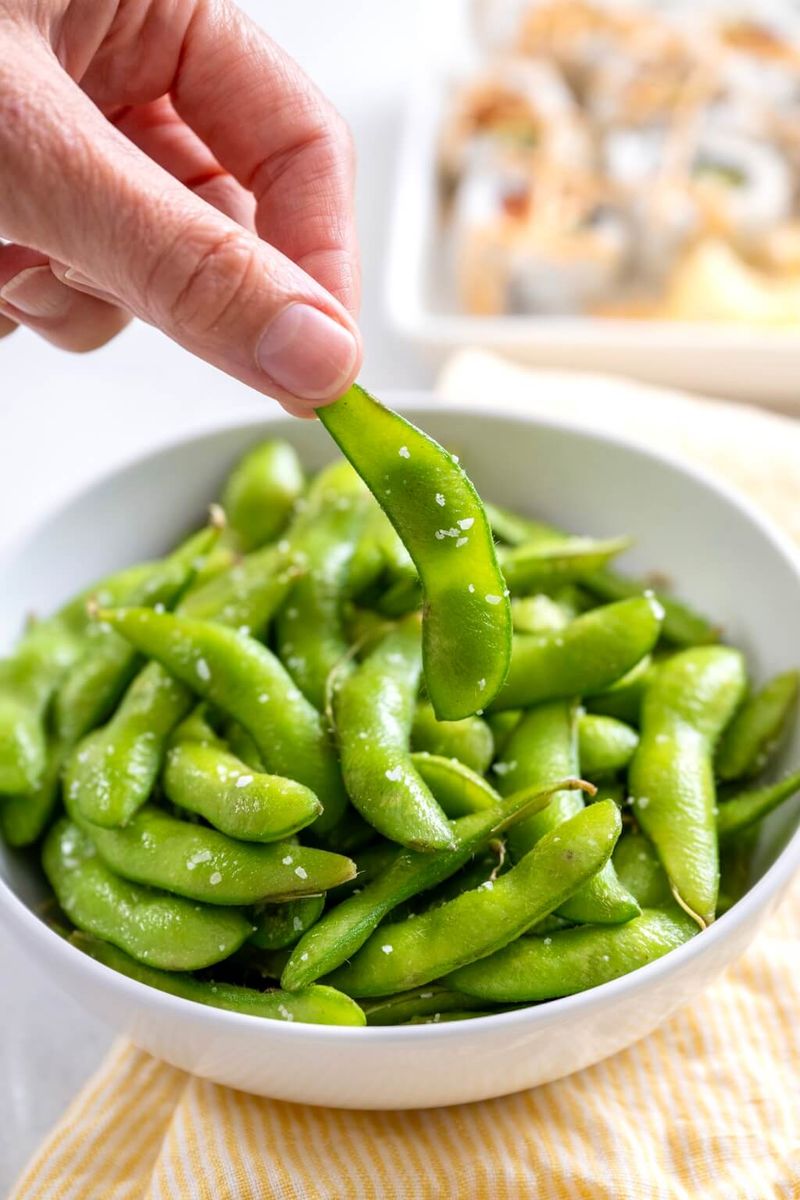
Popping these bright green beans out of their pods is half the fun. A cup of shelled edamame carries close to 100 milligrams of magnesium.
You can find them frozen in most grocery stores. Steam or microwave them for a few minutes, then sprinkle with salt.
Edamame are young soybeans, and the name means beans on a branch in Japanese. They make a protein-packed snack that beats chips any day.
14. Peanut Butter
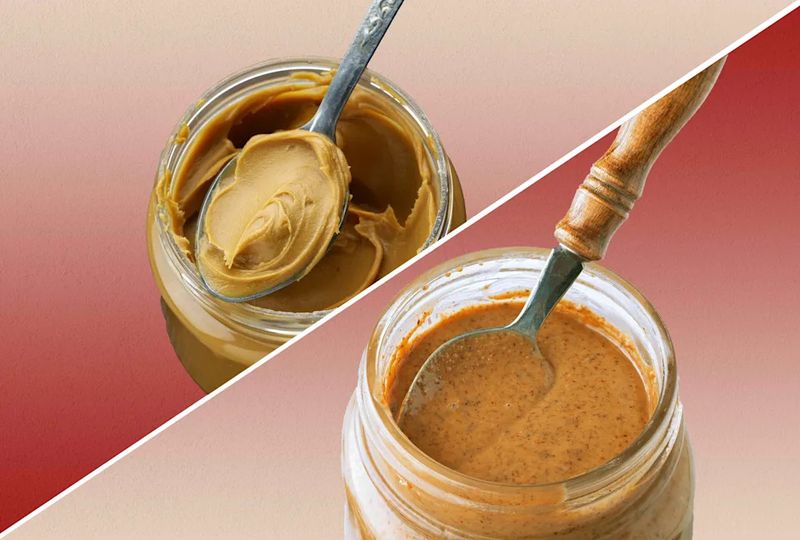
Here is a lunchbox classic with hidden perks. Two tablespoons of peanut butter provide about 50 milligrams of magnesium.
Look for brands with just peanuts and salt on the ingredient list. Skip the ones loaded with added sugar or oils.
Spread it on whole wheat bread for double the magnesium, or dip celery sticks in it for an after-school snack. Stir natural kinds well, since the oil separates on top.
15. Brown Rice
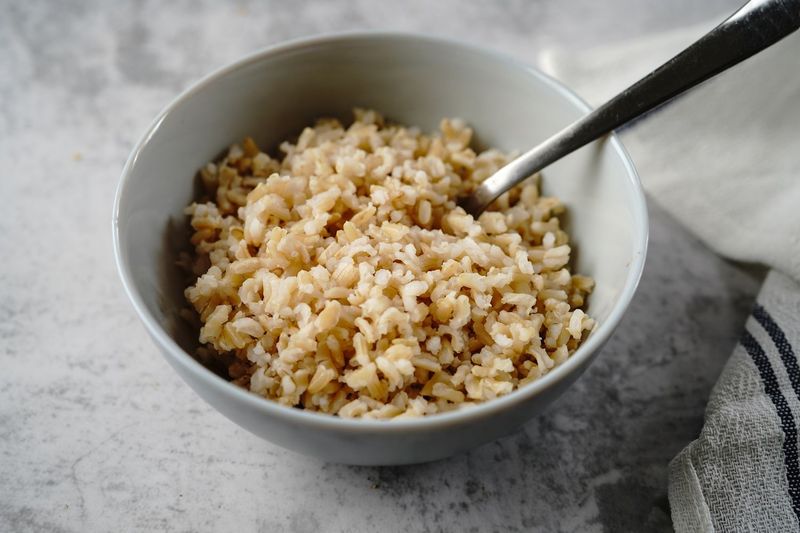
White rice loses most of its magnesium when the outer layers are polished away. Brown rice keeps those layers, giving you around 86 milligrams per cooked cup.
It takes a bit longer to cook, about 45 minutes, so make a big batch on the weekend. It freezes well in small bags.
Serve it with beans, stir-fries, or curry. The slightly nutty, chewy texture grows on you after a few tries.
16. Chia Seeds
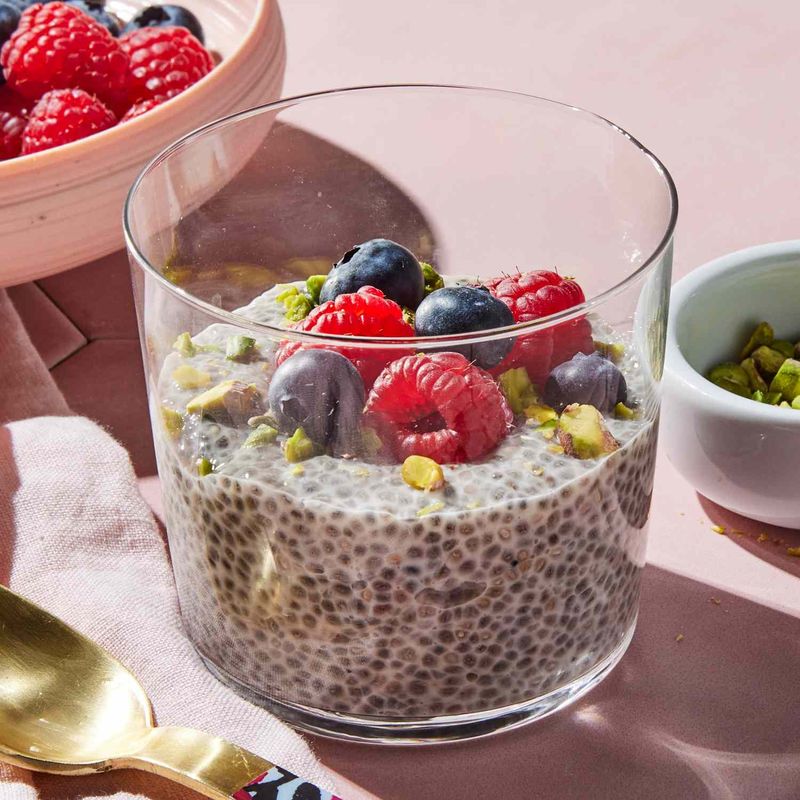
Drop chia seeds in liquid and something wild happens. They swell into a jelly-like gel within minutes.
Just one ounce has about 95 milligrams of magnesium, plus loads of fiber. Mix three tablespoons with a cup of milk, add a little honey, and chill overnight for chia pudding.
Ancient Aztec warriors reportedly ate chia for energy. Today you can sprinkle the seeds on cereal or blend them into smoothies with no fuss.
17. Whole Wheat Bread

Swapping your sandwich bread is one of the simplest changes you can make. Two slices of whole wheat bread give around 46 milligrams of magnesium.
White bread offers much less because the bran and germ are removed. Check the label for the words 100 percent whole wheat as the first ingredient.
Pair it with peanut butter, turkey, or avocado, and your lunch suddenly becomes a small magnesium powerhouse without any extra effort.
18. Yogurt
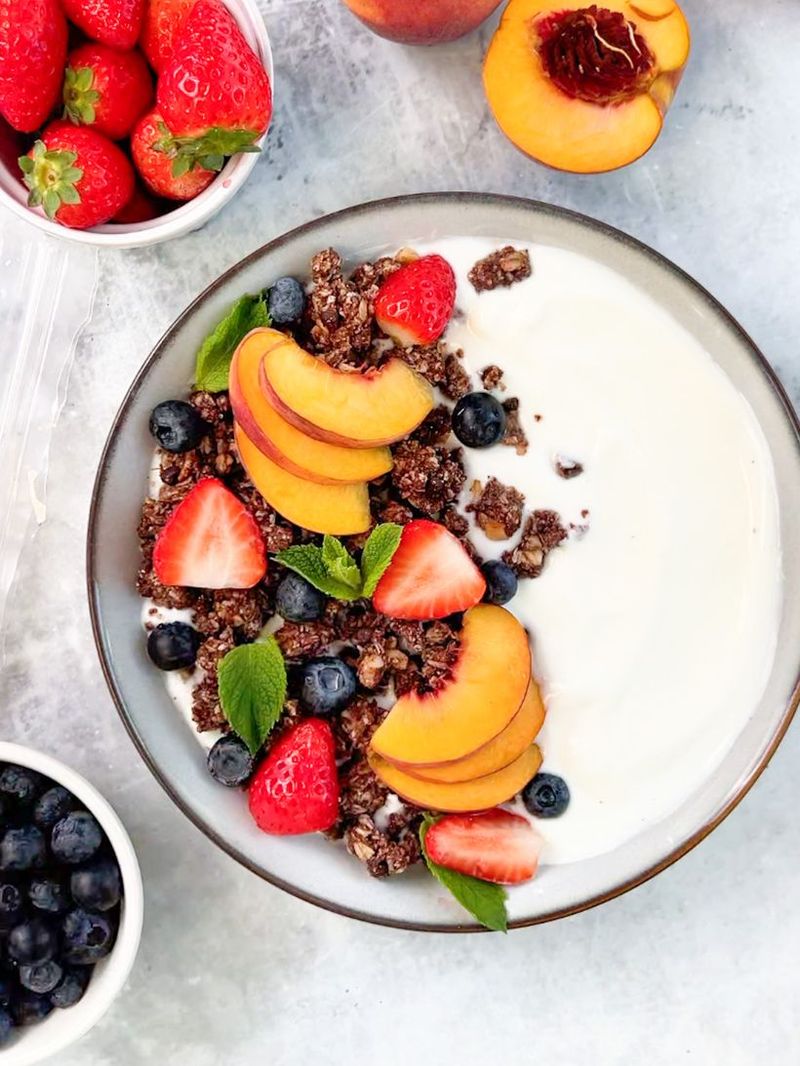
Cool, creamy, and good for your gut, yogurt also brings magnesium to the party. An eight-ounce cup of plain low-fat yogurt has about 42 milligrams.
Flavored kinds often hide a lot of sugar. Choose plain and sweeten it yourself with fruit or a drizzle of honey.
Top it with pumpkin seeds or almonds and you will stack several magnesium foods into one bowl. That is a smart trick for busy mornings.
19. Potatoes with Skin
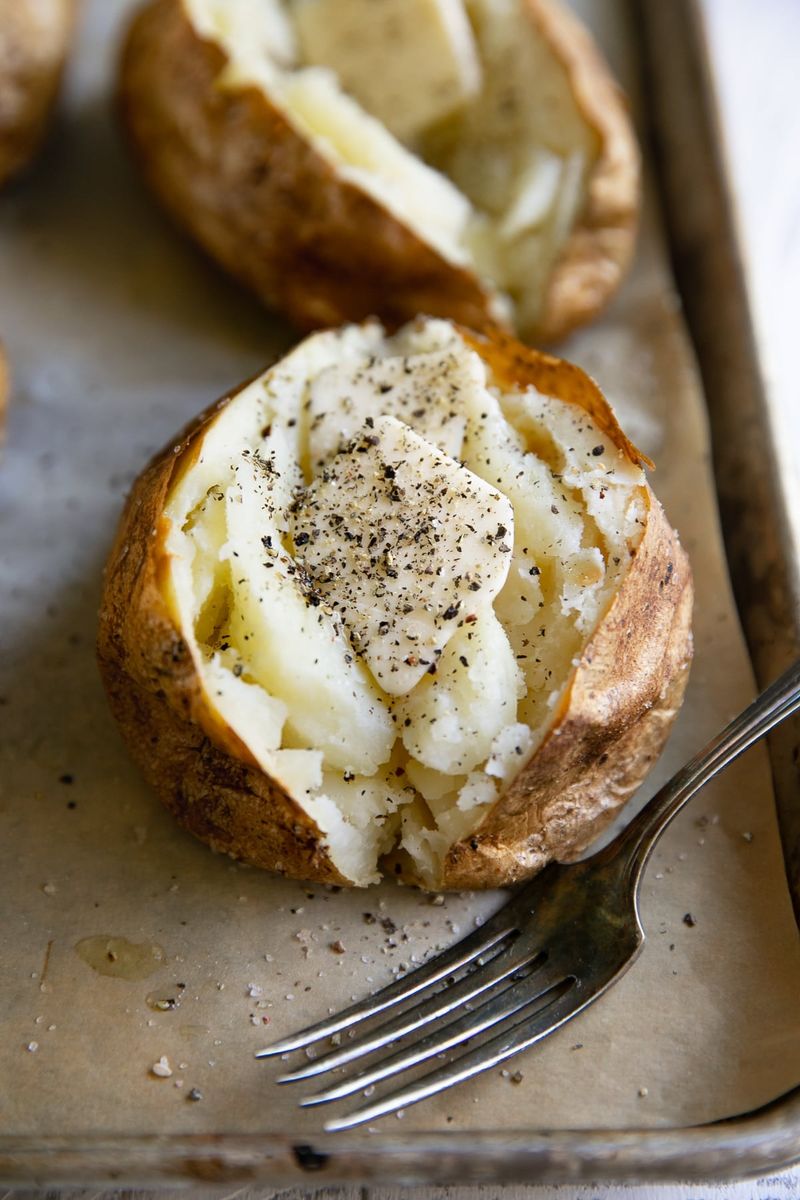
Don’t peel that spud! A medium baked potato with the skin on holds roughly 48 milligrams of magnesium, and much of the goodness sits near the skin.
Scrub it well, poke a few holes with a fork, and bake until soft. Top with beans, salsa, or a little cheese.
Potatoes were first grown in the Andes Mountains of South America about 7,000 years ago. Now they show up on dinner plates worldwide.