
One day, you realize a close friend has become someone you mostly catch up with on birthdays. That change can hurt, even when neither of you did anything wrong.
As life gets fuller and your needs change, friendships often change too. Understanding why can help you hold on to meaningful bonds without feeling guilty about the ones that grow quieter.
1. Busy Schedules Leave Less Room
Your calendar can fill up before you remember to plan anything fun. Between errands, appointments, and daily chores, meeting a friend may start to feel like another puzzle to solve.
Try making plans smaller instead of waiting for a completely free afternoon. A short walk or quick call still counts as time together.
If you meet less often, that does not erase your bond. Sometimes a friendship needs a slower pace, not a guilty goodbye.
2. Moving Away Changes Everyday Closeness

The friend who once lived five minutes away now needs a plane ticket to visit. Without casual dinners and surprise visits, staying close takes more planning than either person expects.
Choose a simple habit, such as sending voice messages or sharing Sunday photos. Distance may change how often you talk, but it does not make your history less real.
Some friendships become occasional reunions, and those meetings can still bring plenty of warmth and joy.
3. Careers Pull People Into Different Rhythms

A night shift and a nine to five job rarely make easy dinner partners. New roles, longer commutes, and changing work hours can quietly interrupt routines that once kept friends connected.
Before taking missed plans personally, compare schedules honestly. Breakfast might work better than dinner, or a monthly visit might replace weekly outings.
When work leaves little overlap, some distance is understandable. Different schedules are a practical problem, not proof that someone stopped caring altogether.
4. Parenting Brings a Different Daily Life

Bedtime can suddenly become the biggest event on a Friday night. Raising children often changes a person’s sleep, budget, freedom, and attention, which can leave old friendships feeling squeezed.
Friends without children may also feel left out when every conversation turns toward parenting. Try finding activities that welcome both lives, while keeping some time for adult conversation.
A changing friendship does not mean either lifestyle matters more. It means both people have needs worth respecting.
5. Romantic Relationships Reshape Social Time

Falling in love can rearrange a weekend almost overnight. A partner becomes part of everyday decisions, and friends may notice fewer invitations or less time alone together.
Balance helps: keep some plans just for friends, rather than making every gathering a couples event. If someone becomes distant, explain what you miss without asking them to choose sides.
Closeness can shift while everyone adjusts. That change is normal, though friendships still deserve attention alongside romantic relationships.
6. Caregiving Uses Time and Emotional Energy

Behind an unanswered message, someone may be helping a parent get dressed or arranging medical appointments. Caring for another person can leave little energy for explaining why plans keep changing.
Offer something specific, like dropping off dinner or calling during a quiet hour. Caregivers can also name what feels manageable instead of promising more than they can give.
A quieter season need not signal rejection. Sometimes friendship survives best through patience, practical help, and fewer expectations.
7. Health Needs Can Limit Social Plans

An evening out may cost more energy than a friend can spare. Pain, illness, disability, or mental health struggles can make travel, noise, and long visits harder to handle.
Ask what would feel comfortable rather than assuming a canceled plan means disinterest. Short visits, accessible places, or quiet company may work better.
Health needs can change the shape of a friendship without reducing its value. Respecting limits lets people stay connected without pushing beyond their capacity.
8. Energy Becomes Something You Protect

Sometimes the best Saturday plan is staying home in comfortable clothes. After a demanding week, social time can feel tiring even when you truly enjoy the people involved.
Notice whether you need rest, a smaller gathering, or a different activity. Suggest an easy lunch instead of agreeing to a crowded evening you will dread.
Choosing recovery is not selfish. Friendships can become less frequent while remaining warm, especially when you explain your limits with kindness.
9. Interests Stop Overlapping

You used to bond over concerts; now one person gardens while the other trains for races. Shared hobbies can fade as curiosity leads people toward different ways of spending time.
Look for a small bridge, such as cooking together or visiting somewhere new. You do not need matching interests to care about each other.
Still, if activities were the main connection, the friendship may naturally loosen. Enjoying different things is growth, not a betrayal of yesterday.
10. Values and Beliefs Move Apart

A familiar conversation can feel strange when your views no longer match. Beliefs about family, money, fairness, or how to treat others may change with experience and reflection.
Disagreement alone does not end a healthy friendship, but respect matters. Notice whether both people can listen without insults or pressure.
You may choose lighter topics, firmer limits, or more distance. It is okay to step back when staying close requires hiding values that deeply matter to you.
11. Money Changes What Feels Possible

One friend’s casual weekend trip may equal another friend’s grocery budget. Differences in income, debt, or savings goals can make invitations uncomfortable, especially when nobody mentions the cost.
Suggest free walks, shared meals, or a clear spending limit before making plans. Avoid guessing what someone can afford or treating cheaper outings as less special.
When budgets pull friends apart, nobody has to be the villain. Honest planning can protect dignity and make room for connection again.
12. Shared Places No Longer Bring You Together

The office kitchen once did half the work of keeping you connected. School, jobs, neighborhoods, and regular groups create easy meetings that disappear when you leave those settings.
After retirement or another change, reach out directly instead of waiting to cross paths. A recurring coffee date can replace the old routine.
Some friendships may stay tied to that earlier chapter, and that is okay. They were meaningful then, even if they do not follow you everywhere.
13. Communication Styles Fall Out of Step

A missed call can mean nothing to one person and everything to another. Some friends prefer long talks, while others send short messages whenever they have a spare moment.
Talk about what helps each of you feel remembered. You might agree that replies can wait or choose a regular time to catch up.
Different habits are not always signs of fading love. Still, if neither style fits comfortably, accepting a looser connection may reduce hurt feelings.
14. Uneven Effort Becomes Harder to Ignore
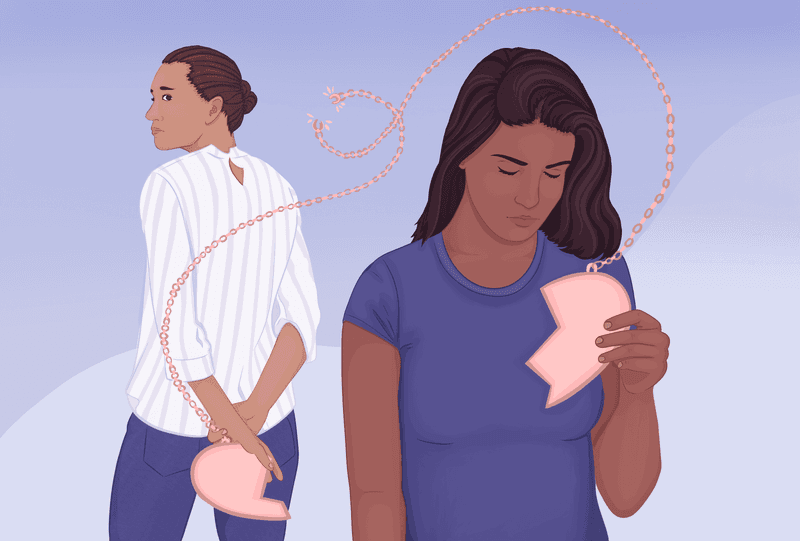
Being the only person who calls can start to sting. While effort rarely stays perfectly equal, a lasting pattern of unanswered invitations may leave you feeling more lonely than supported.
Explain what you have noticed without keeping a scorecard. There may be a hidden struggle, or the friendship may matter differently to each person now.
After an honest conversation, you can reduce your effort without punishment or drama. Mutual care should not depend on endless chasing.
15. Stronger Boundaries Change Old Patterns

The joke you once laughed off might not feel funny anymore. As you understand yourself better, you may stop accepting constant criticism, unwanted advice, or pressure to say yes.
State your limits clearly and watch how your friend responds. Someone who cares may need time to adjust, but repeated disrespect deserves attention.
Stepping away from hurtful patterns can bring relief. You are allowed to outgrow a role that required you to stay quiet or feel small.
16. Your Need for Connection Takes a New Shape

A packed guest list may matter less than one person who truly listens. Over time, you might prefer a few steady friendships instead of keeping up with every old connection.
Choose relationships that allow honesty, laughter, and support, while staying open to meeting people of different ages. A smaller circle is not automatically a lonely one.
Let yourself miss the past without rebuilding every bond. Friendship changes can hold sadness and possibility at the same time.