
White beans are one of the most humble foods on the planet, yet cooks everywhere have turned them into something special. From smoky stews in France to garlicky dips in Italy, these creamy little beans show up in kitchens on almost every continent.
They are cheap, healthy, filling, and packed with protein and fiber. Get ready to explore comforting bowls and bold flavors you might want to cook this week.
1. Cassoulet (France)
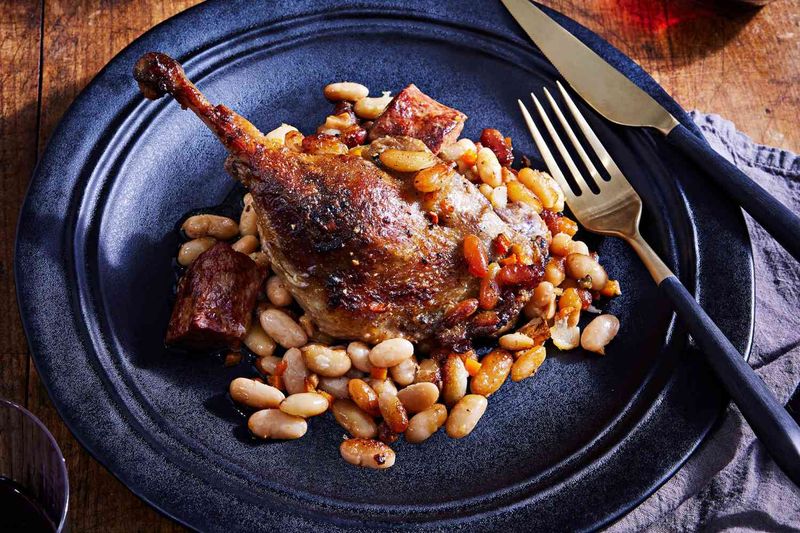
Towns in southern France still argue about who makes the best cassoulet. Castelnaudary, Carcassonne, and Toulouse each claim the crown.
The dish slowly bakes white beans with duck confit, pork sausage, and sometimes lamb until a golden crust forms on top. Traditional cooks break that crust and stir it back in several times.
Plan ahead if you try it at home. A real cassoulet takes a full day, but the leftovers taste even better.
2. Fasolada (Greece)
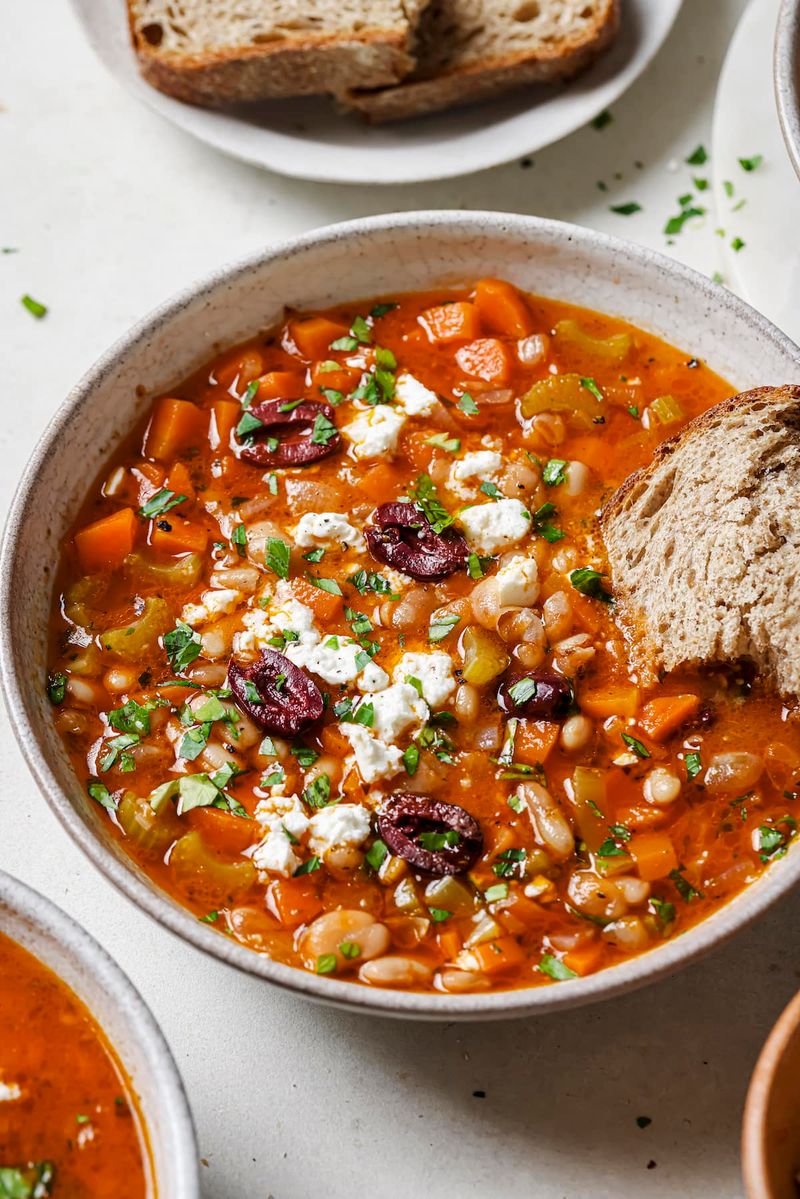
Many Greeks call fasolada their national dish, and one spoonful explains why. White beans simmer with tomatoes, carrots, celery, and onion in a broth rich with olive oil.
It was long a favorite during religious fasting days, when meat was off the menu.
For the best flavor, add a generous splash of good olive oil at the end. Serve it with crusty bread, feta, and a few salty olives on the side.
3. Fabada Asturiana (Spain)
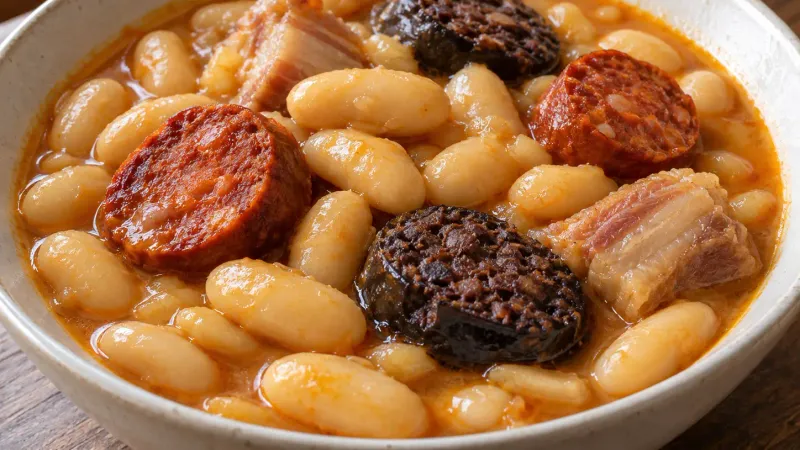
Picture a rainy day in northern Spain, and you will understand fabada. This hearty stew from Asturias uses fabes, big buttery white beans grown in the region.
They cook gently with chorizo, morcilla blood sausage, and pork belly, called the compango.
Here is a local trick: never stir with a spoon. Shake the pot instead so the delicate beans stay whole.
Locals often enjoy it with a glass of cider.
4. Pasta e Fagioli (Italy)
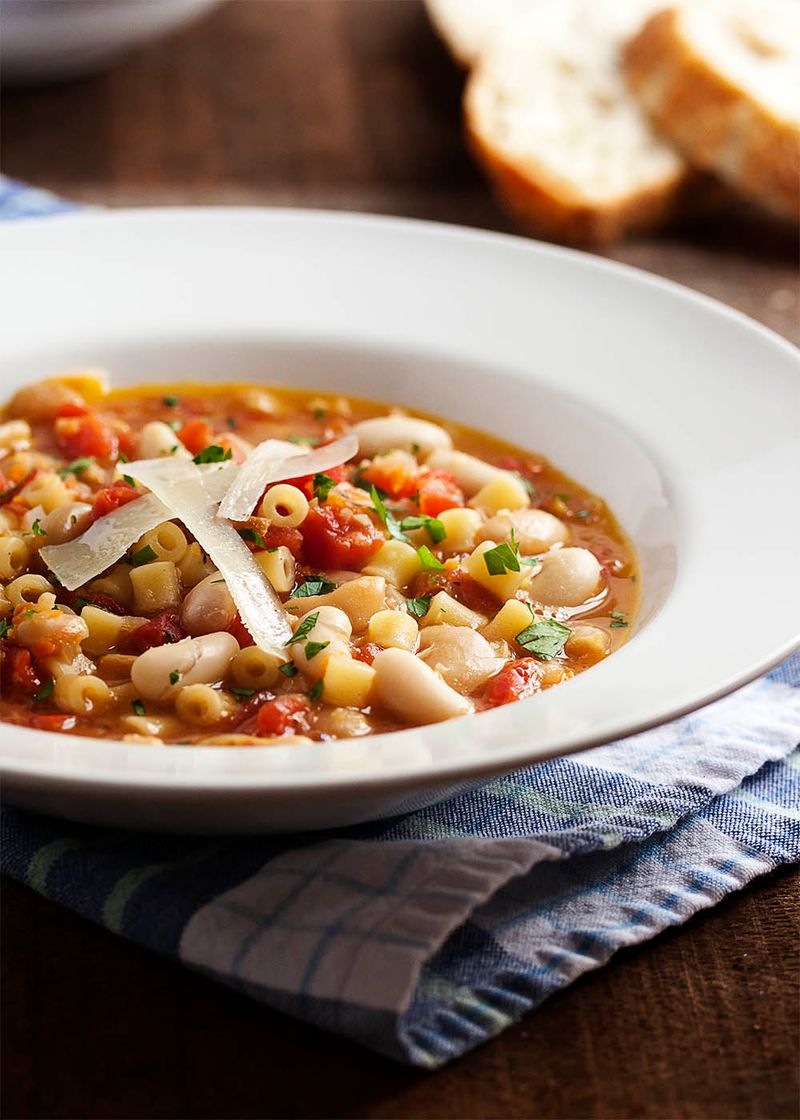
Grandmothers across Italy have stretched a few pantry items into dinner with this classic. Pasta e fagioli simply means pasta and beans.
Small pasta shapes cook right in a thick soup of cannellini beans, garlic, tomatoes, and herbs. Some families mash part of the beans to make it extra creamy.
Fun fact: Italian Americans nicknamed it pasta fazool, and it even appears in a famous Dean Martin song.
5. Ribollita (Tuscany, Italy)
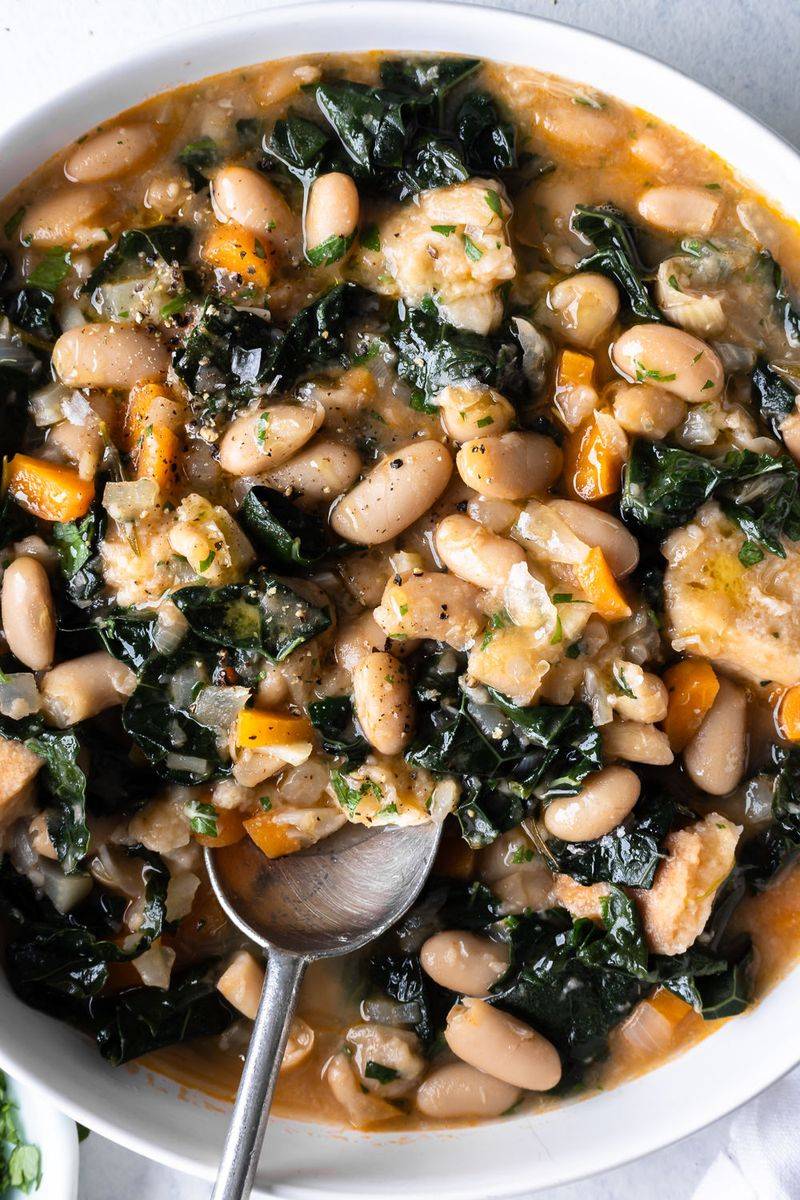
Leftovers rarely get this much love. Ribollita means reboiled, because Tuscan peasants used to heat up yesterday’s vegetable soup with stale bread.
The modern version still mixes cannellini beans, black kale, carrots, and chunks of old bread into a thick, spoonable stew.
Do not toss your day-old loaf. It soaks up the broth perfectly.
Finish each bowl with peppery olive oil, and you have a cozy winter meal for pennies.
6. Fagioli all’Uccelletto (Italy)
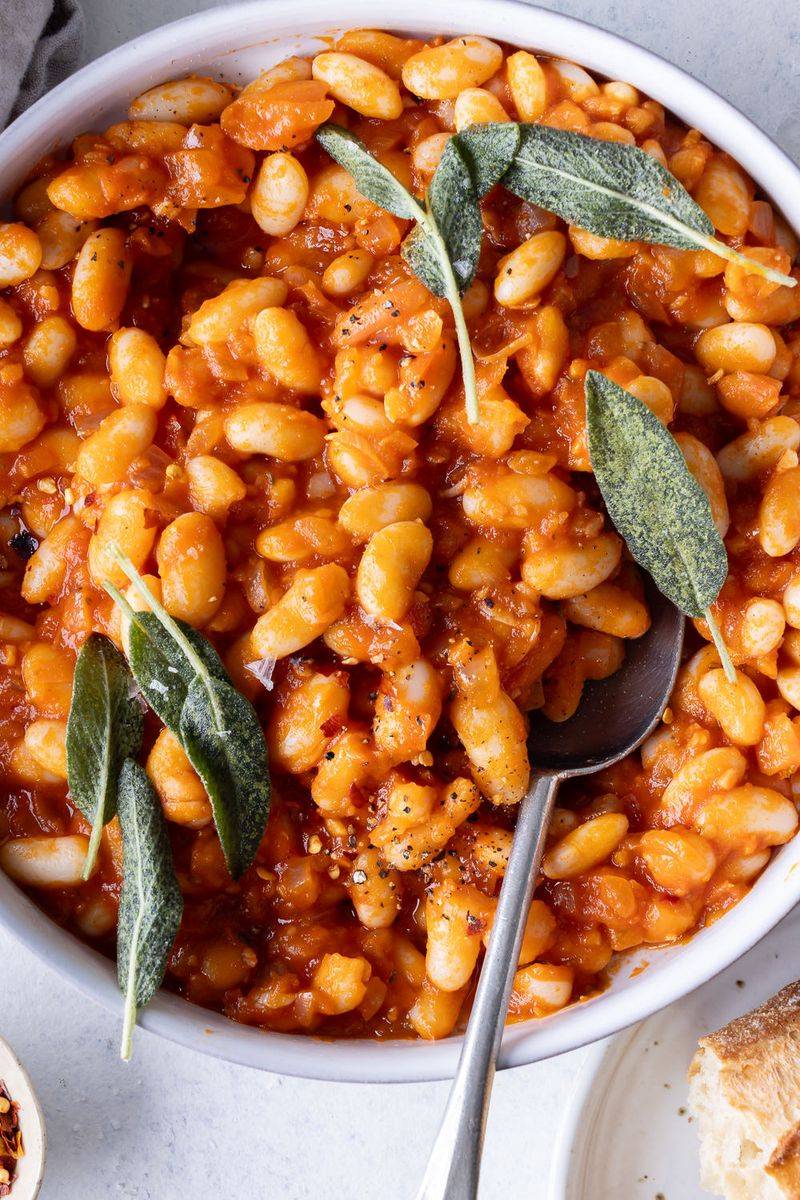
Funny name, simple dish. Fagioli all’uccelletto translates to beans cooked like little birds, because they use the same sage and garlic seasoning once used for roasting small game birds.
Cannellini beans simmer in tomato sauce with plenty of fresh sage.
Florentines serve it beside grilled sausages or steak. Make it on a weeknight in about twenty minutes using canned beans.
Fresh sage really matters here, so skip the dried stuff.
7. Boston Baked Beans (USA)
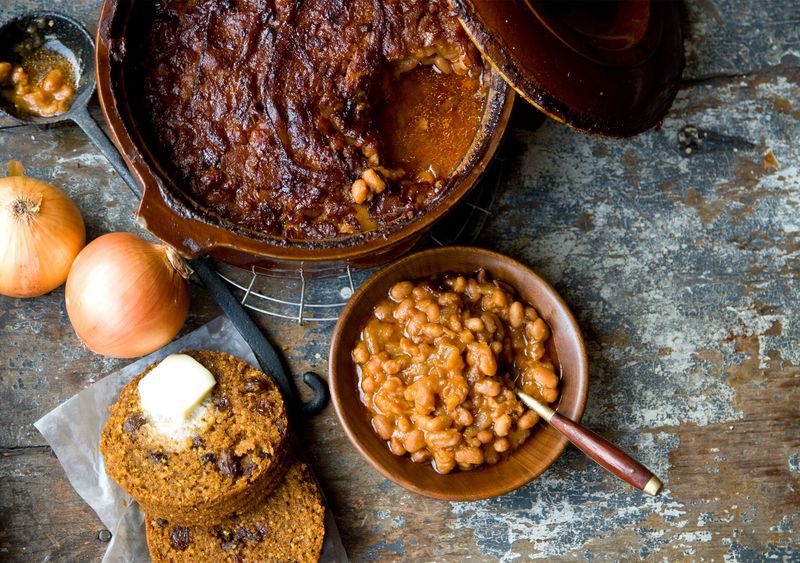
Ever wonder why Boston is nicknamed Beantown? Blame this sweet, sticky dish.
Colonial New Englanders baked navy beans with molasses and salt pork for hours in a ceramic bean pot. Molasses was everywhere in Boston thanks to the rum trade, so it became the key ingredient.
Families often baked them Saturday and ate leftovers Sunday. Serve yours with brown bread or hot dogs for a true New England supper.
8. Senate Bean Soup (USA)
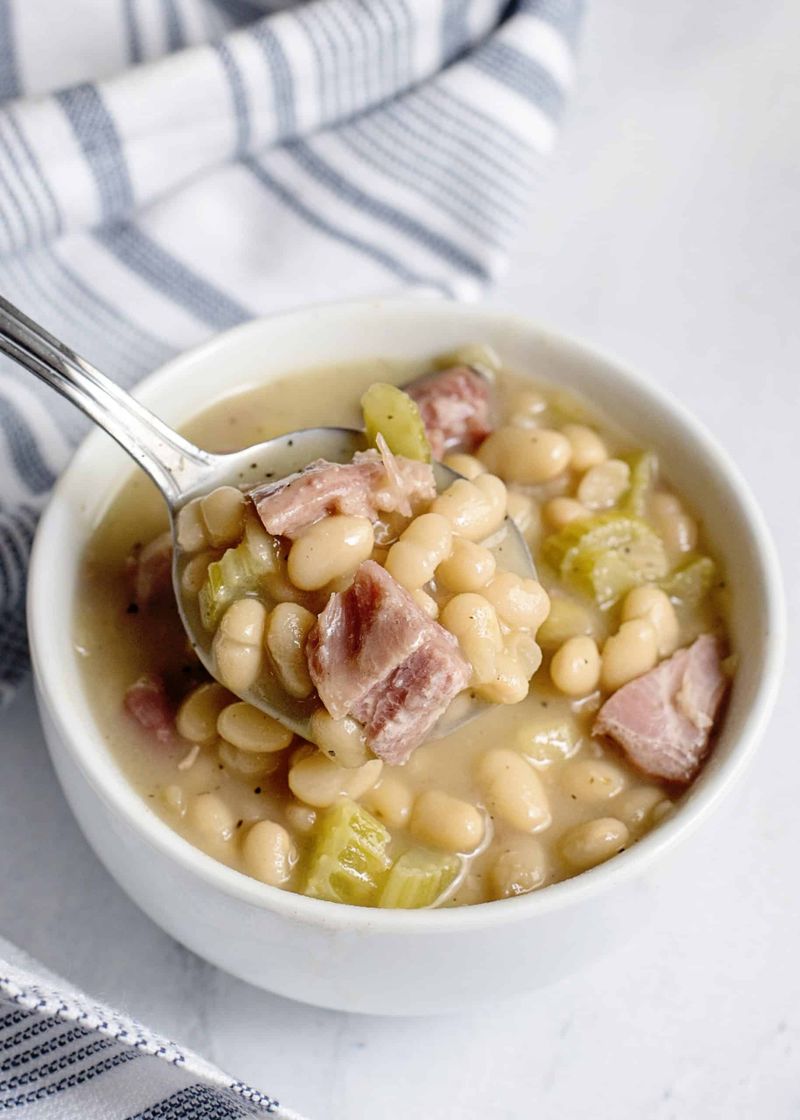
Since the early 1900s, one soup has appeared on the menu of the United States Senate dining room every single day.
Senate bean soup keeps things simple with navy beans, a smoked ham hock, onion, and butter. Stories say a senator once demanded it never be removed.
You can easily copy it at home. Let the ham hock simmer a long time, then pull the meat off the bone and stir it back in.
9. Fasulye Pilaki (Turkey)
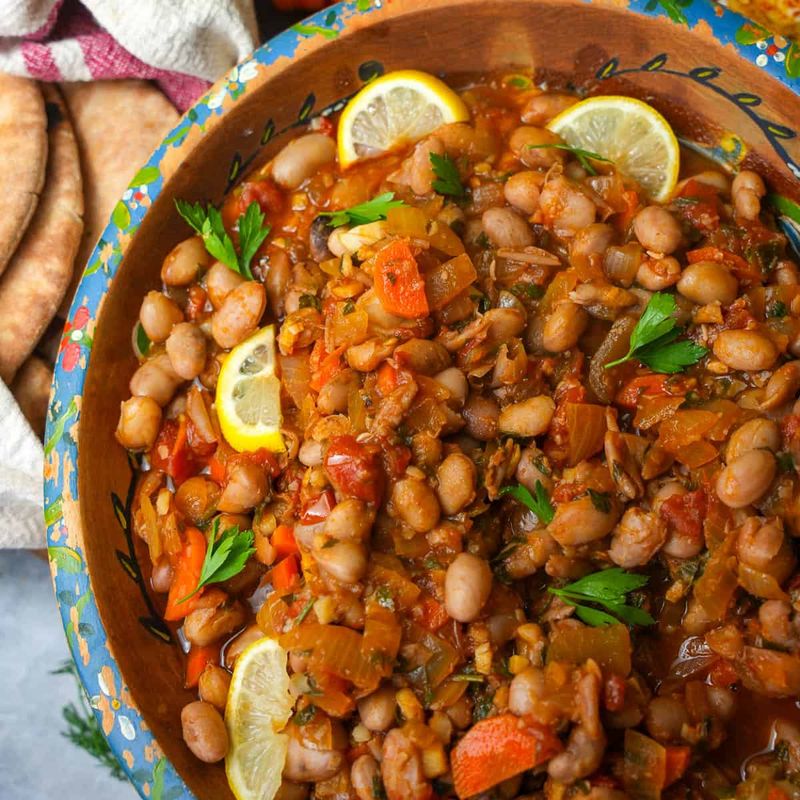
Turkish meze tables would feel empty without pilaki. White beans cook with carrots, onions, garlic, tomato, and lots of olive oil.
Surprisingly, people usually eat it cold or at room temperature. That makes it a smart make-ahead dish for picnics or hot summer days.
Squeeze fresh lemon over the top and scatter chopped parsley before serving. It belongs to a family of Turkish dishes called zeytinyağlı, meaning cooked with olive oil.
10. Kuru Fasulye (Turkey)
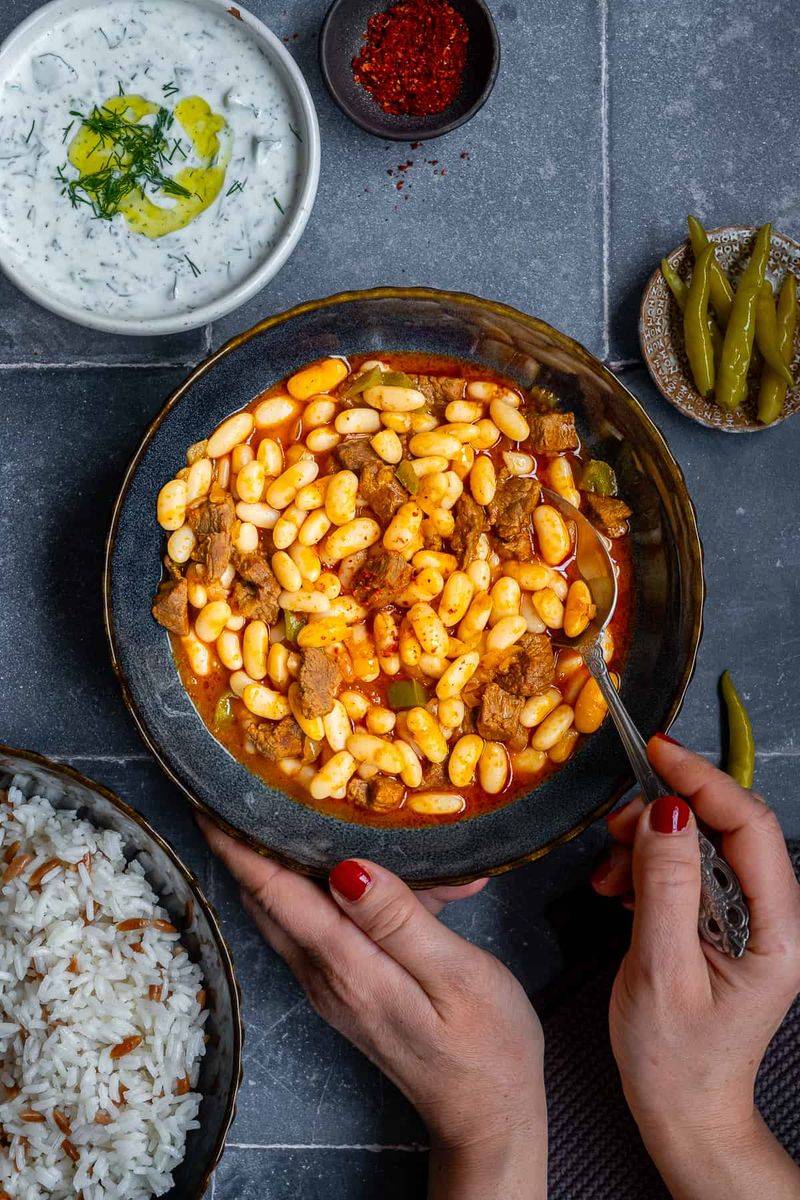
Ask a Turkish friend about comfort food, and kuru fasulye will probably come up first.
White beans stew in a red sauce made with tomato and pepper paste, often with chunks of beef or sausage. It is almost always served beside buttery rice pilaf and crunchy pickles.
The pairing is so common that people joke the beans and rice are married. Spoon both onto your plate together for the full experience.
11. Gigantes Plaki (Greece)
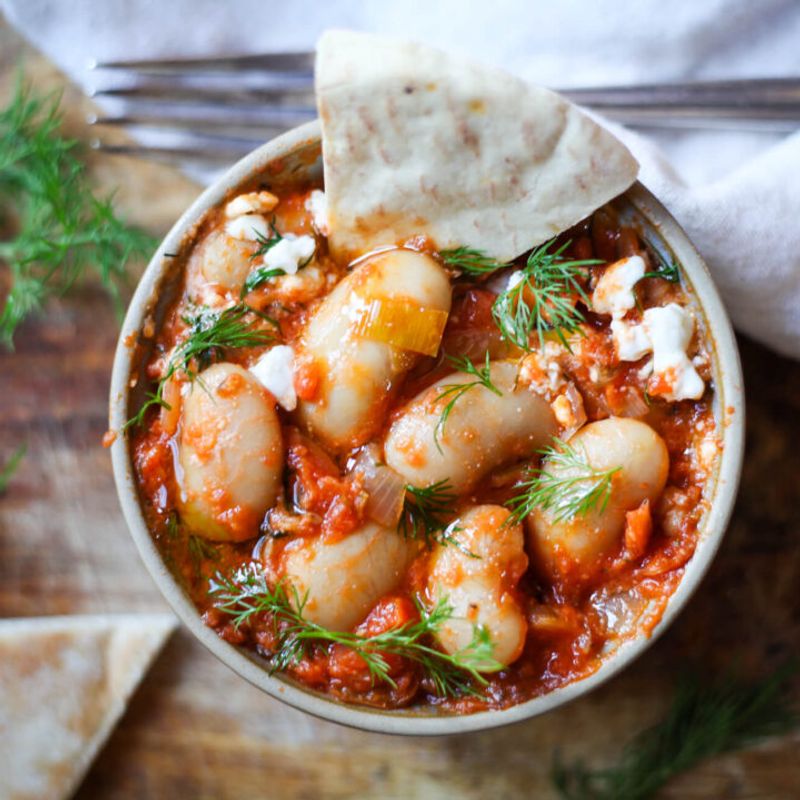
Gigantes means giants, and these beans live up to the name. Huge white beans bake in a thick tomato sauce with onions, garlic, and dill until soft and jammy.
Greek tavernas serve them as a meze, often with crumbled feta on top.
Look for dried gigantes or large butter beans at Mediterranean shops. Soak them overnight first.
The slow oven time lets the sauce caramelize slightly around the edges, which is the best part.
12. Tavče Gravče (North Macedonia)
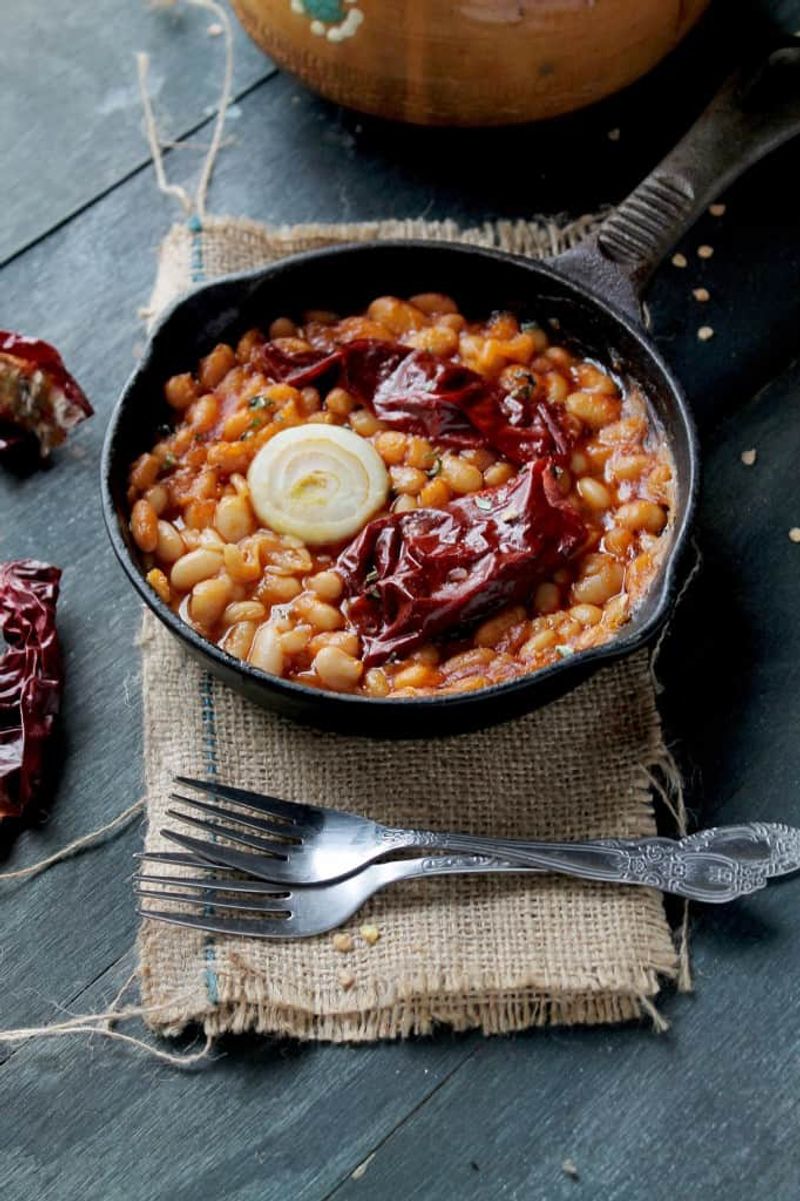
North Macedonia proudly calls tavče gravče its national dish. The name literally means beans in a pan.
White beans cook with onions, dried red peppers, and paprika, then bake in a shallow clay dish called a tava. The clay pan gives the top a slightly crispy finish.
Visitors to Skopje find it on nearly every restaurant menu. At home, any oven-safe skillet works.
Sweet paprika keeps it mild, while hot paprika adds a kick.
13. Pasulj (Serbia)
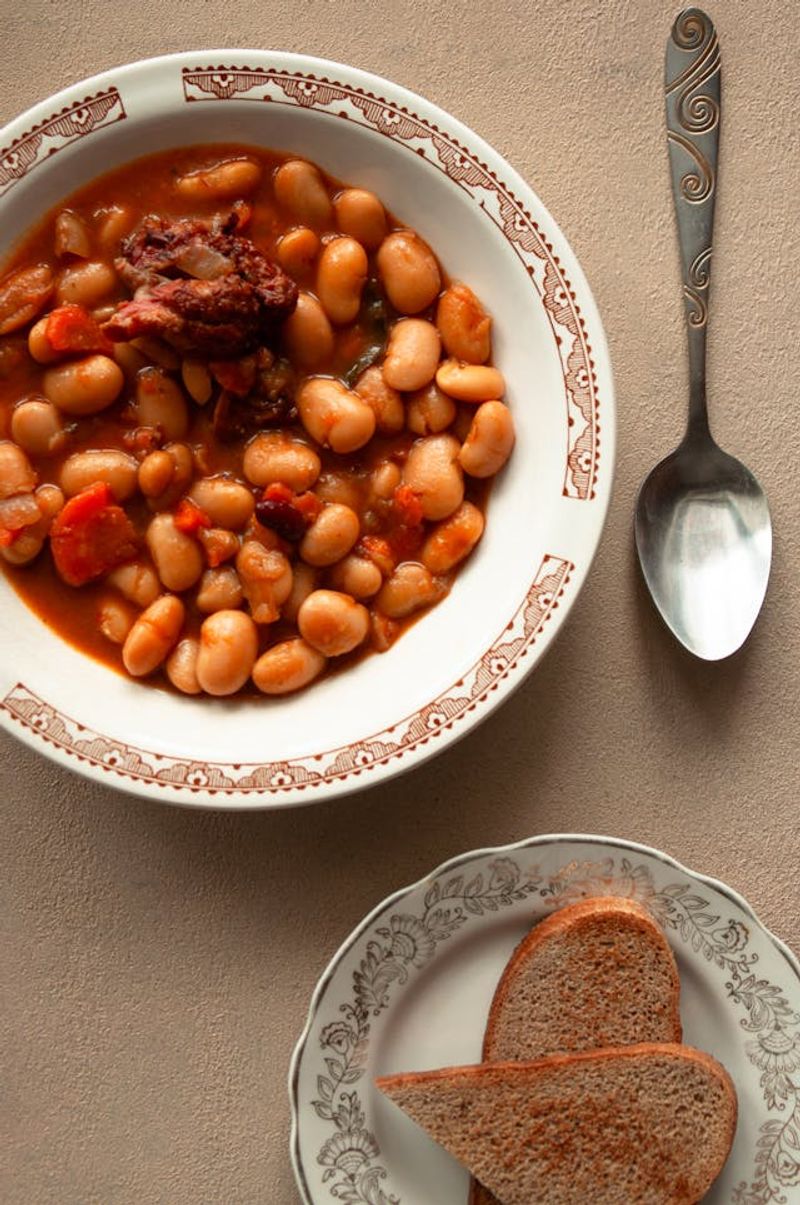
Soldiers, students, and grandparents in Serbia all share one favorite: pasulj. This thick bean soup gets deep, smoky flavor from smoked ribs, bacon, or sausage plus a generous dose of paprika.
Many families make it on Fridays.
A Balkan tip worth borrowing is making a quick roux of flour, oil, and paprika and stirring it in near the end. That step thickens the broth and turns it a gorgeous rusty red.
14. Fasolia Bil Lahme (Lebanon)
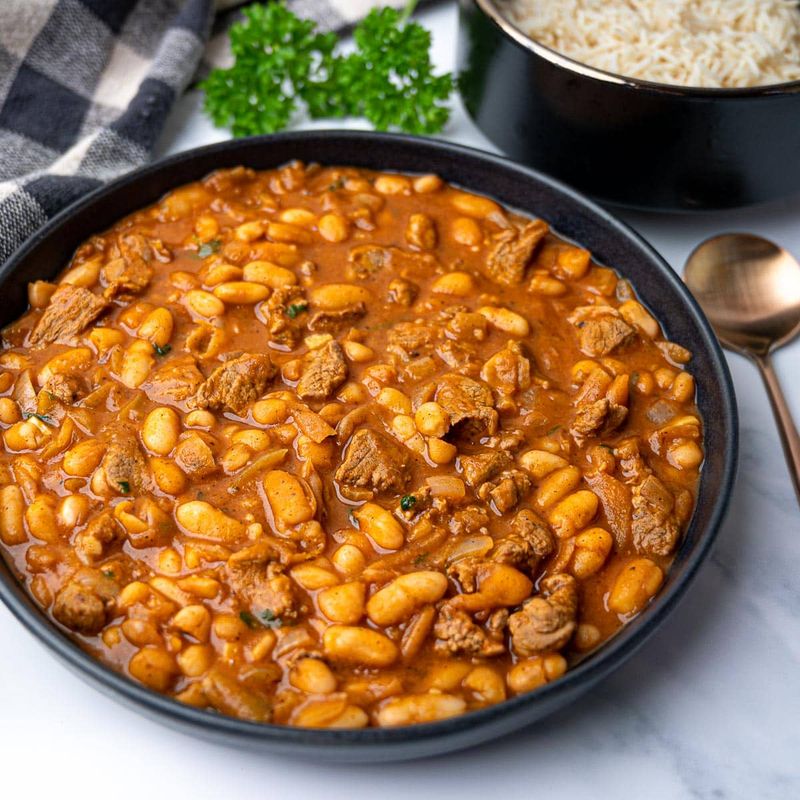
In many Lebanese homes, the smell of fasolia simmering means lunch is almost ready.
White beans stew with tender lamb or beef in a garlicky tomato sauce. Cooks finish it with a mix of fried garlic and chopped cilantro, a combo that makes the whole kitchen smell amazing.
Serve it over rice cooked with toasted vermicelli noodles. Leftovers freeze beautifully, so double the batch and save some for a busy week.
15. Lobio (Georgia)
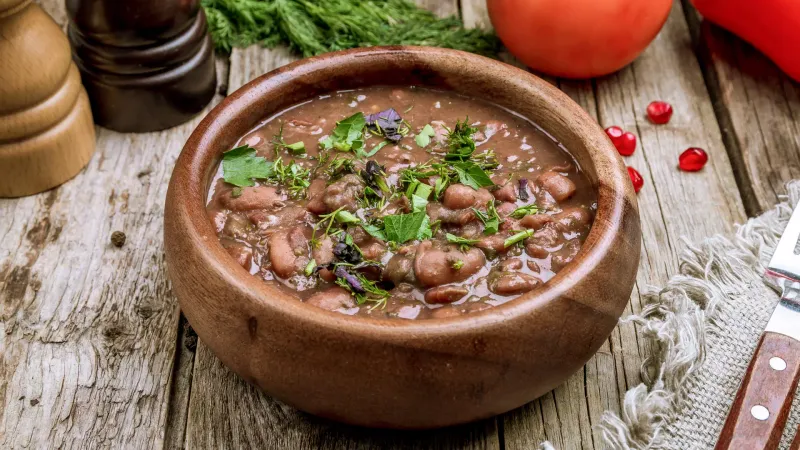
Georgian cooks love walnuts, and they even add them to beans.
Lobio is a warm bean stew flavored with crushed walnuts, garlic, cilantro, and a spice blend that often includes blue fenugreek. White beans are popular in some regions, while red beans appear in others.
It is traditionally served in a clay pot called a ketsi, alongside cornbread and tangy pickles. Try a splash of vinegar at the end for brightness.
16. Loubia (Morocco)
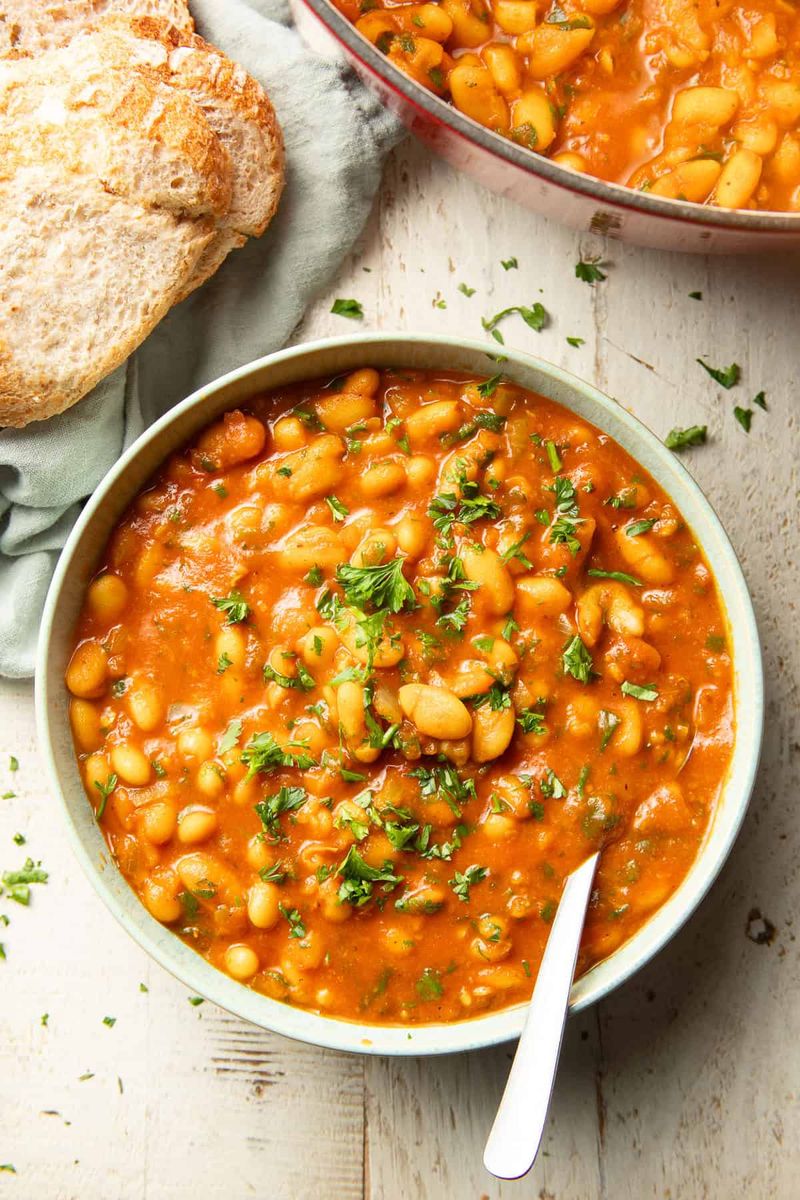
Street stalls in Morocco serve loubia in the morning, and workers scoop it up with fresh bread before starting the day.
White beans simmer in tomato sauce spiced with cumin, paprika, garlic, and a little ginger.
Cilantro and parsley go in at the end. It costs very little but delivers huge flavor.
Pair it with round khobz bread or crusty rolls, and do not be shy about adding a pinch of cayenne.
17. Fasoulia (Egypt and Sudan)
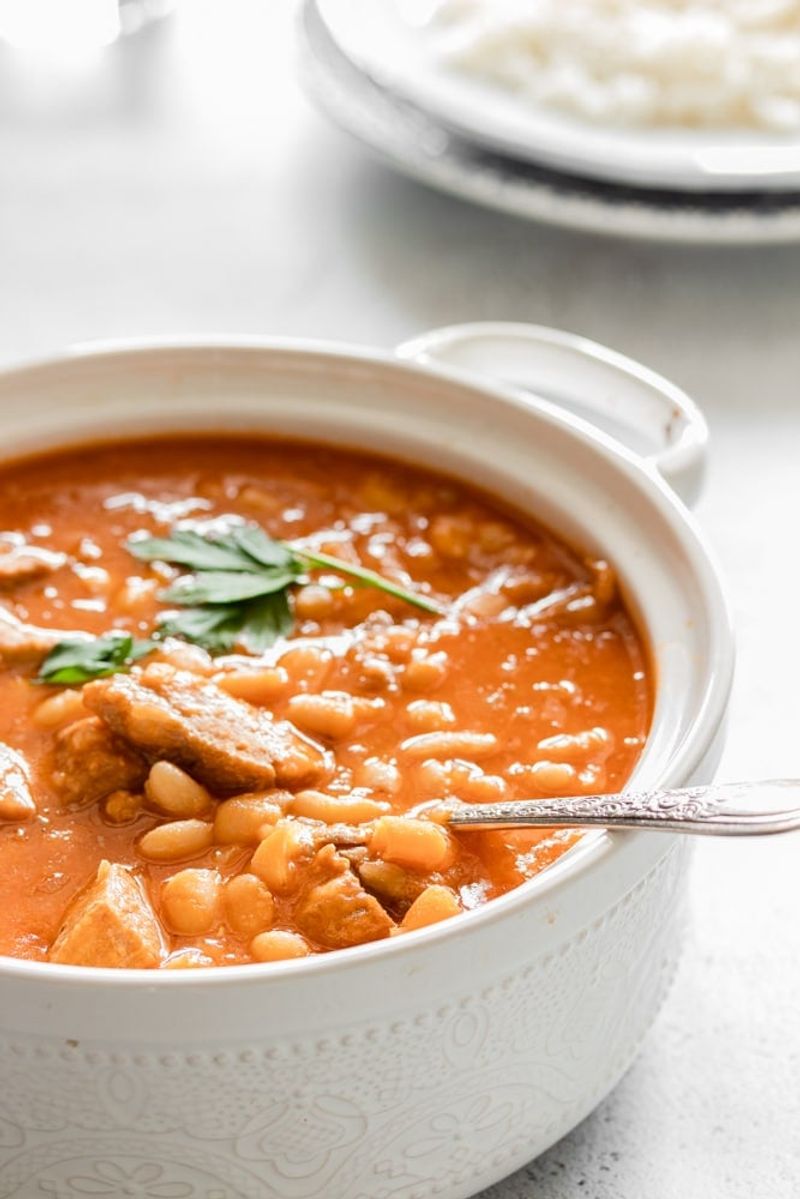
Simple and dependable, fasoulia shows up on dinner tables across Egypt and Sudan.
White beans cook down in a rich tomato sauce with onions and garlic, sometimes with small pieces of beef. Each family seasons it slightly differently, using coriander, cumin, or a dash of chili.
Egyptian households usually spoon it over white rice. It is a fantastic first bean recipe for beginners because it is very hard to mess up.
18. Feijoada Branca (Portugal)
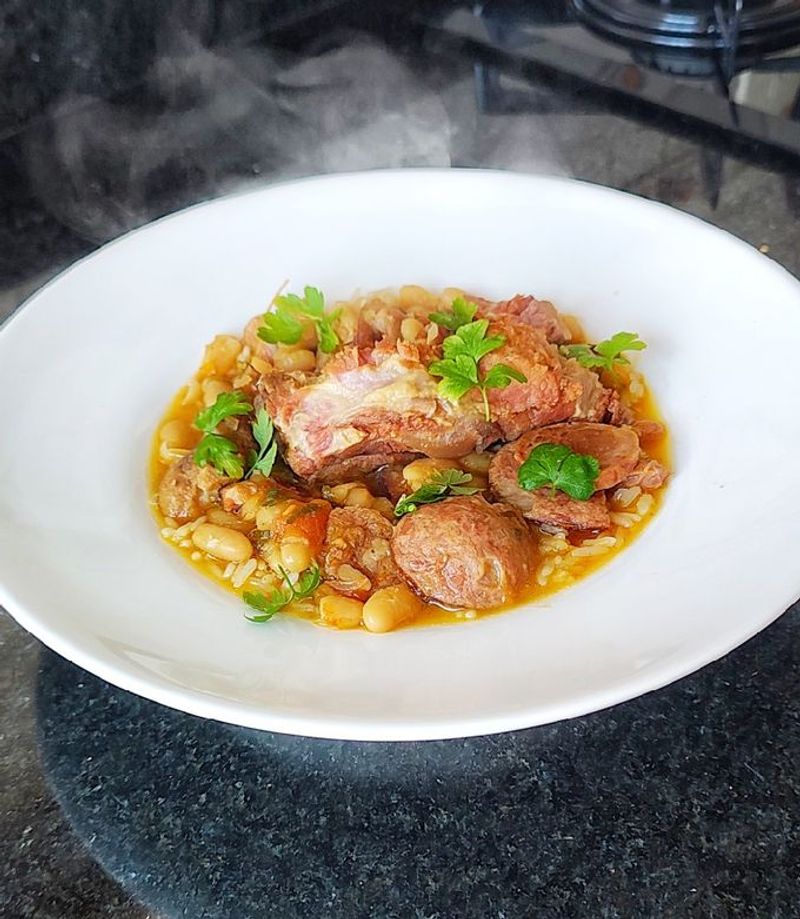
Brazil made black bean feijoada famous, but northern Portugal has its own white version.
Feijoada branca mixes white beans with pork cuts, chouriço sausage, and sometimes cabbage or carrots. Porto has a tripe-based cousin called tripas à moda do Porto, and locals there are even nicknamed tripeiros.
Do not worry, the sausage version is easy to love. Serve it with fluffy white rice to catch every bit of smoky sauce.
19. Garbure (France)
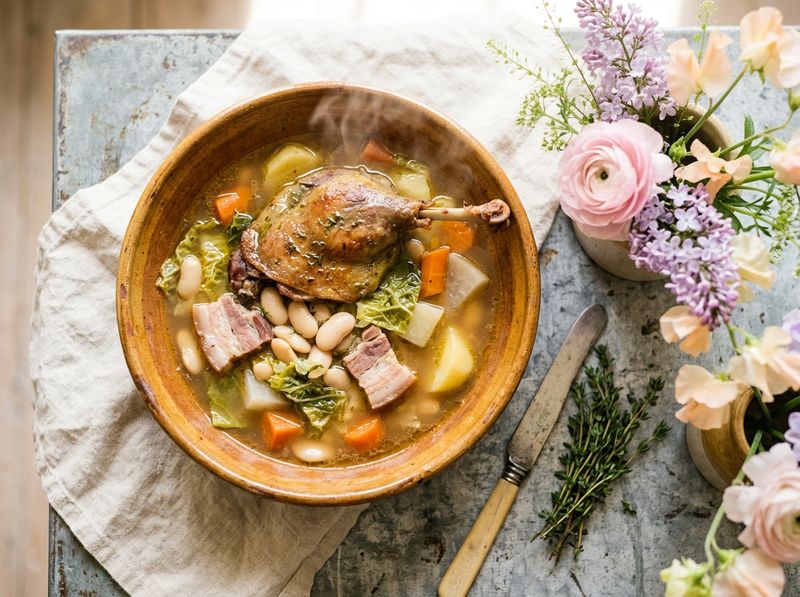
Farmers in the Gascony region of France once ate garbure almost daily during cold months.
The thick soup combines white beans, cabbage, potatoes, and duck confit. Old tradition says a spoon should stand straight up in a proper bowl.
Here is a fun custom called faire chabrot: when you finish, pour a splash of red wine into the last bit of broth and drink it. Kids can skip the wine, naturally.
20. Cannellini Bean Dip (Italy)
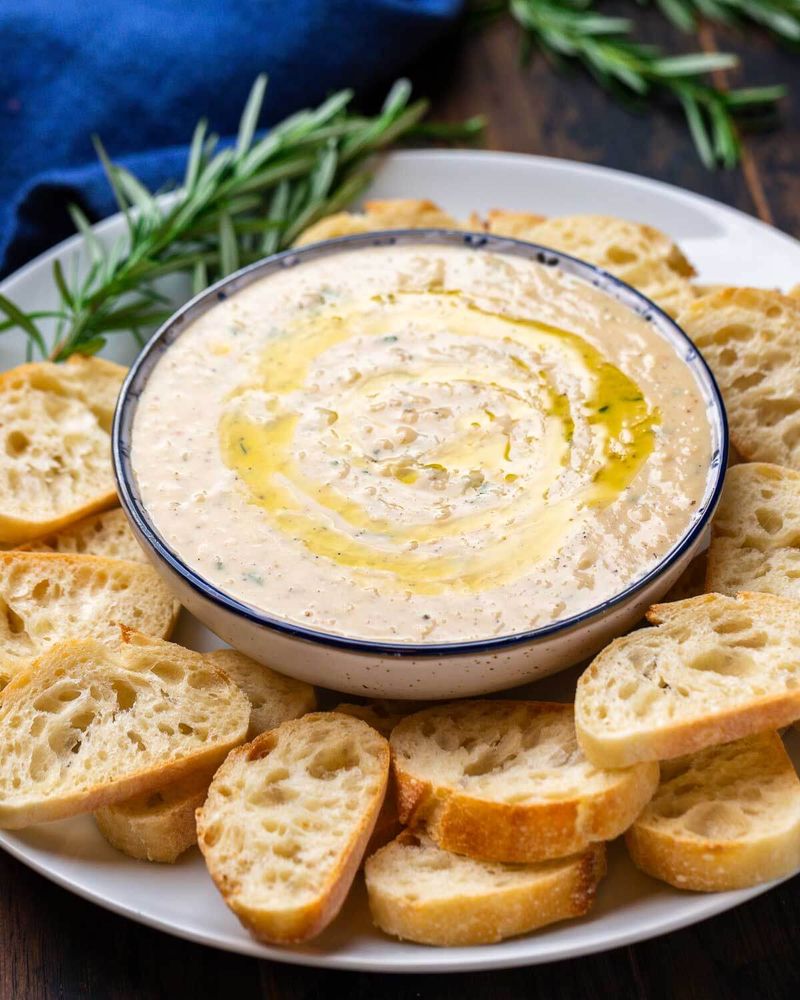
Move over, hummus. Italians have their own smooth spread made from cannellini beans.
Blend cooked beans with garlic, lemon juice, olive oil, and fresh rosemary or sage until creamy. Tuscan cooks spread it on toasted bread for an easy crostini snack.
It takes about five minutes with a can of beans and a food processor. Bring it to parties with crackers and carrot sticks, and watch it disappear fast.
21. Fasole Bătută (Romania)
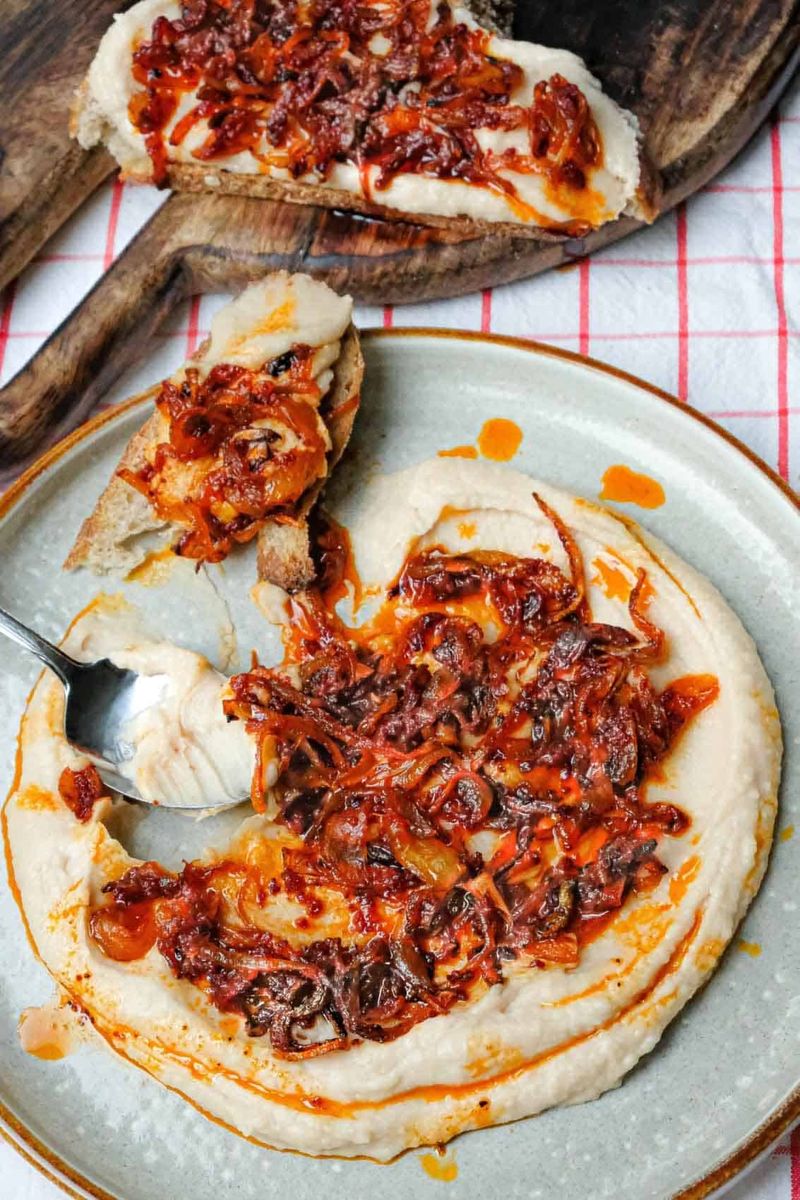
Romanians have a clever party trick for beans: mash them.
Fasole bătută is a whipped white bean spread mixed with garlic and oil, then crowned with a pile of sweet caramelized onions and a sprinkle of paprika.
Many families serve it during Christmas fasting periods when meat is skipped. Spread it thick on rustic bread.
Cook those onions low and slow until deep brown, because they really make the dish shine.
22. Haricots Blancs à la Bretonne (France)
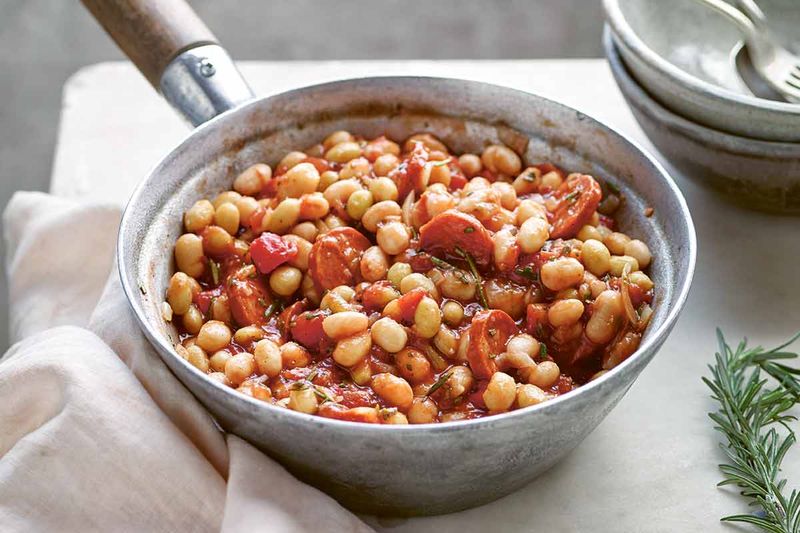
Brittany, on the rocky western coast of France, gave its name to this cozy side dish.
White beans simmer with onions, tomatoes, butter, and herbs until silky. French families traditionally serve them next to roast leg of lamb, especially at Easter.
The beans soak up every drop of meat juice, so place them right under your roast. Fresh coco beans from Paimpol, a Breton town, are considered the finest choice.
23. White Bean Chili (USA)
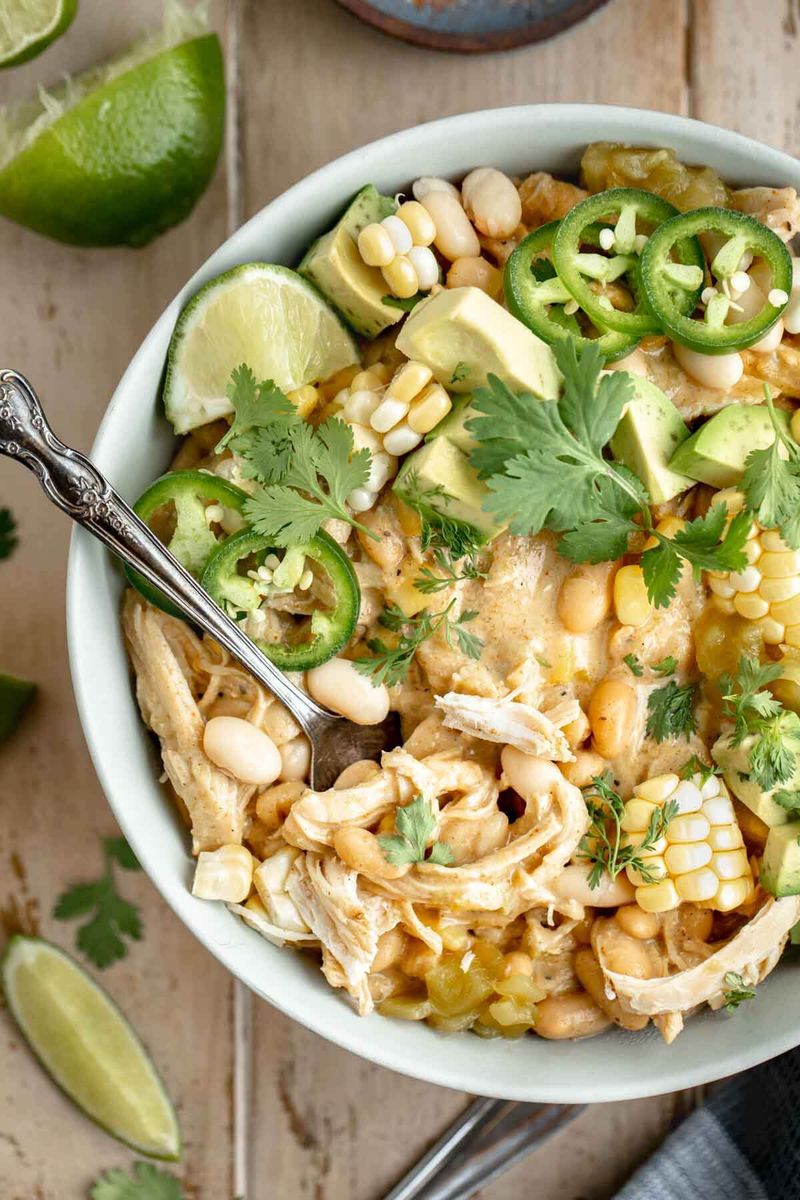
Chili does not always have to be red. White bean chili swaps tomatoes for a creamy broth packed with great northern beans, shredded chicken, green chiles, and cumin.
It became popular in American cook-offs and Southwest kitchens.
Toppings make it fun. Add sour cream, avocado, cilantro, shredded cheese, and crunchy tortilla chips.
It is also a great way to use leftover rotisserie chicken on a busy school night.