
Some of the tastiest foods in the world are not rushed at all. They sit quietly in jars, barrels, or clay pots for weeks while tiny helpful microbes slowly change their flavor.
People have used this patient trick for thousands of years to keep food fresh and make it taste amazing. Get ready to meet some delicious foods that prove good things really do come to those who wait.
1. Korean Kimchi
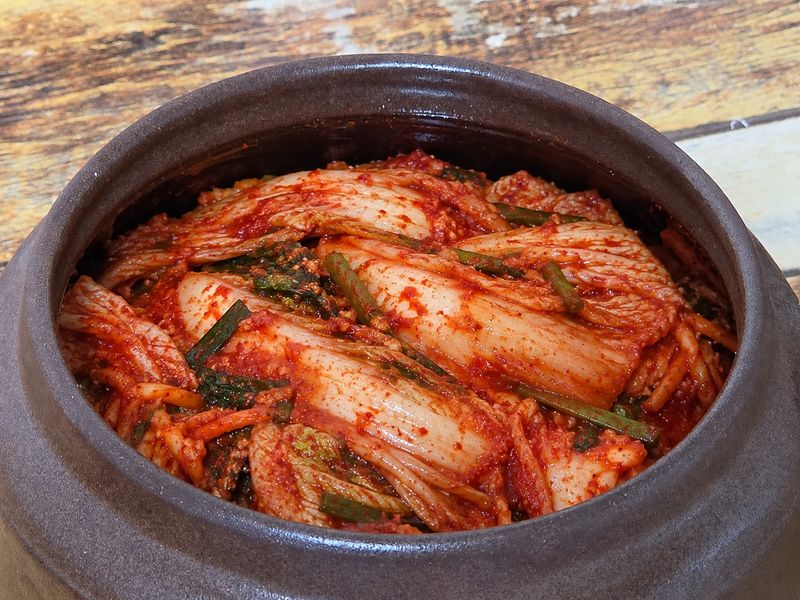
Ask any Korean grandmother and she will tell you that fresh kimchi is fine, but aged kimchi is magic. After three or four weeks, the cabbage turns tangy, bubbly, and deeply savory.
Families once buried big clay pots in the ground to keep them cool all winter. That tradition is called kimjang.
Try older kimchi in fried rice or stew. Its sour punch makes simple dishes taste rich and exciting.
2. German Sauerkraut
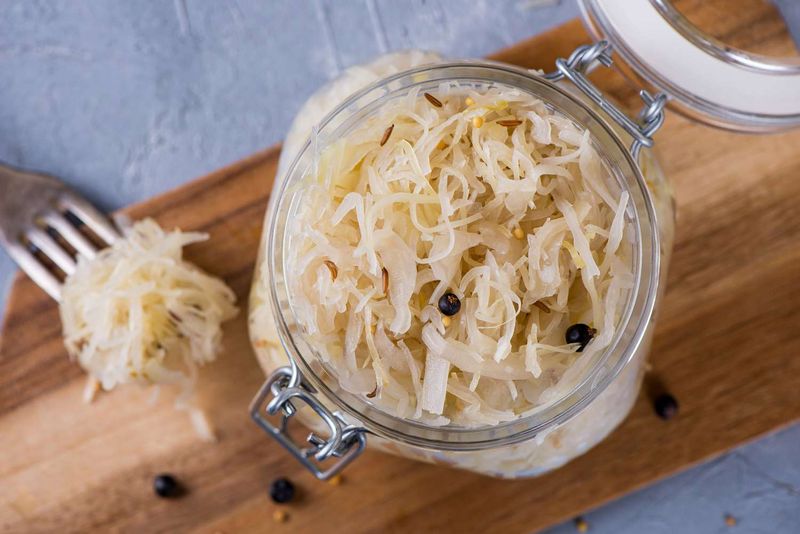
Only two ingredients go into real sauerkraut: cabbage and salt. Yet after four to six weeks, those simple things transform into something sharp, crunchy, and wonderfully sour.
Sailors long ago packed barrels of it on ships because it helped prevent scurvy. Pretty clever for a humble vegetable!
Want to make your own? Keep the cabbage pressed under its brine, and taste it weekly until it suits you.
3. Japanese Miso
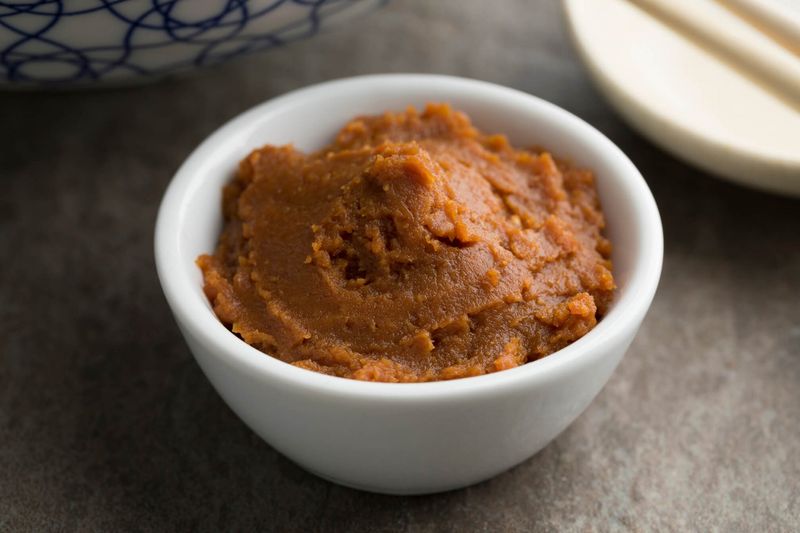
Picture a cedar barrel sitting in a quiet Japanese storehouse for months. Inside, soybeans, salt, and a mold called koji are slowly becoming miso.
Light miso may only need a few weeks, while dark red miso can age for years. The longer it rests, the saltier and bolder it gets.
Stir a spoonful into warm water for soup, but avoid boiling it. High heat dulls the flavor.
4. Fish Sauce from Vietnam
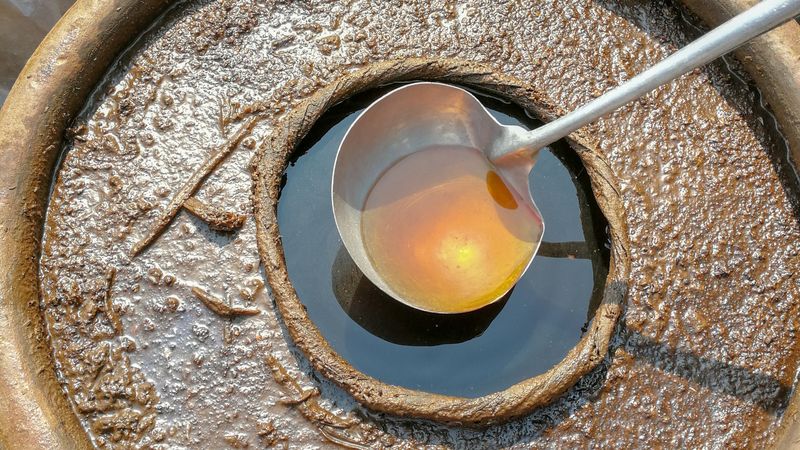
Here is a fun surprise: one of Southeast Asia’s favorite flavors comes from tiny anchovies and salt left in barrels for many months.
On Vietnam’s Phu Quoc island, makers wait up to a year before draining the first golden liquid. It smells strong, but tastes incredibly savory.
Just a few drops brighten soups, noodles, and dipping sauces. A little bottle goes a very long way in the kitchen.
5. Parmigiano Reggiano
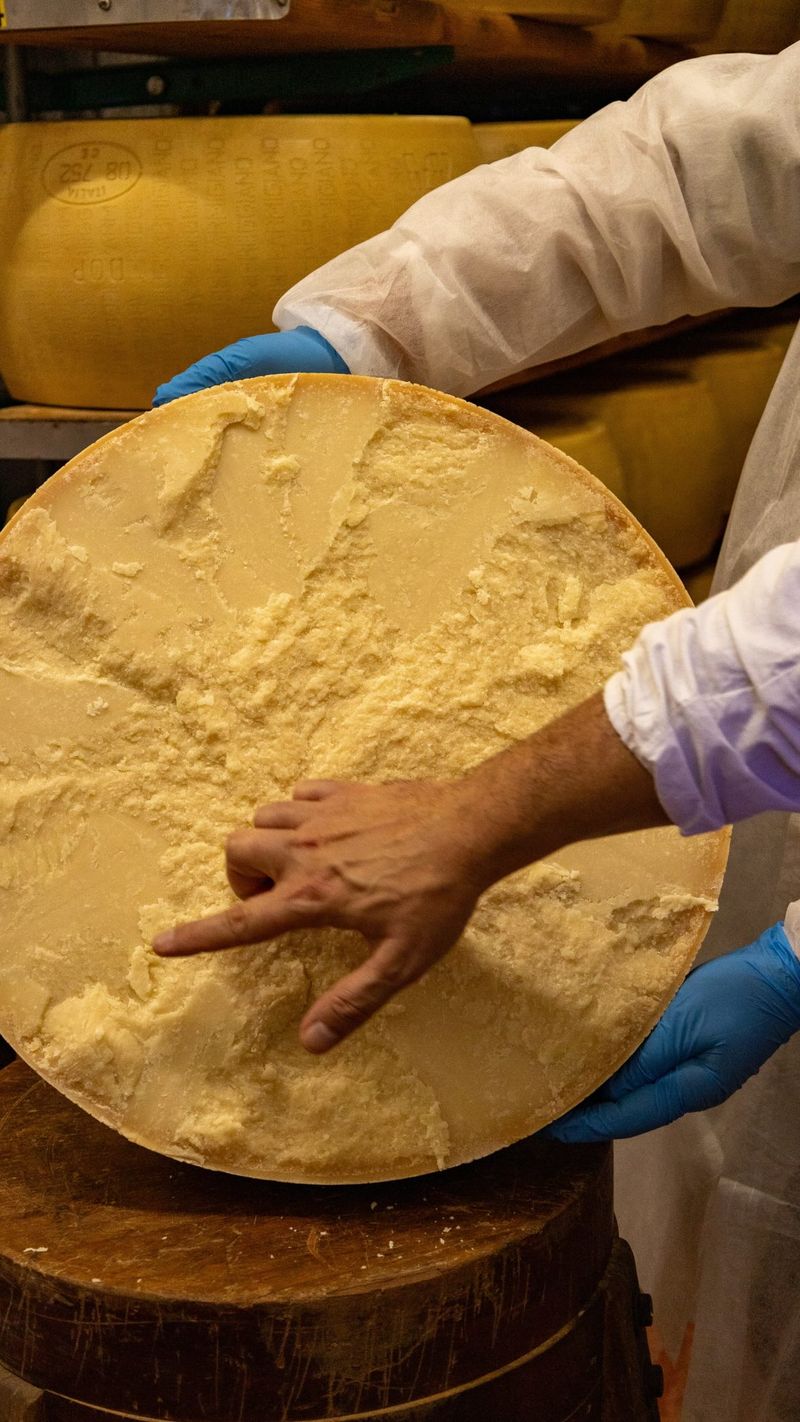
Did you know some banks in Italy accept wheels of Parmesan as loan security? The cheese is that valuable!
Each wheel begins with fresh milk and slowly ripens for at least twelve months. During that time, crunchy little crystals form inside, packed with savory flavor.
Grate it over pasta, or snack on small chunks with apple slices. Save the hard rind to simmer in soups for extra depth.
6. Naturally Brewed Soy Sauce
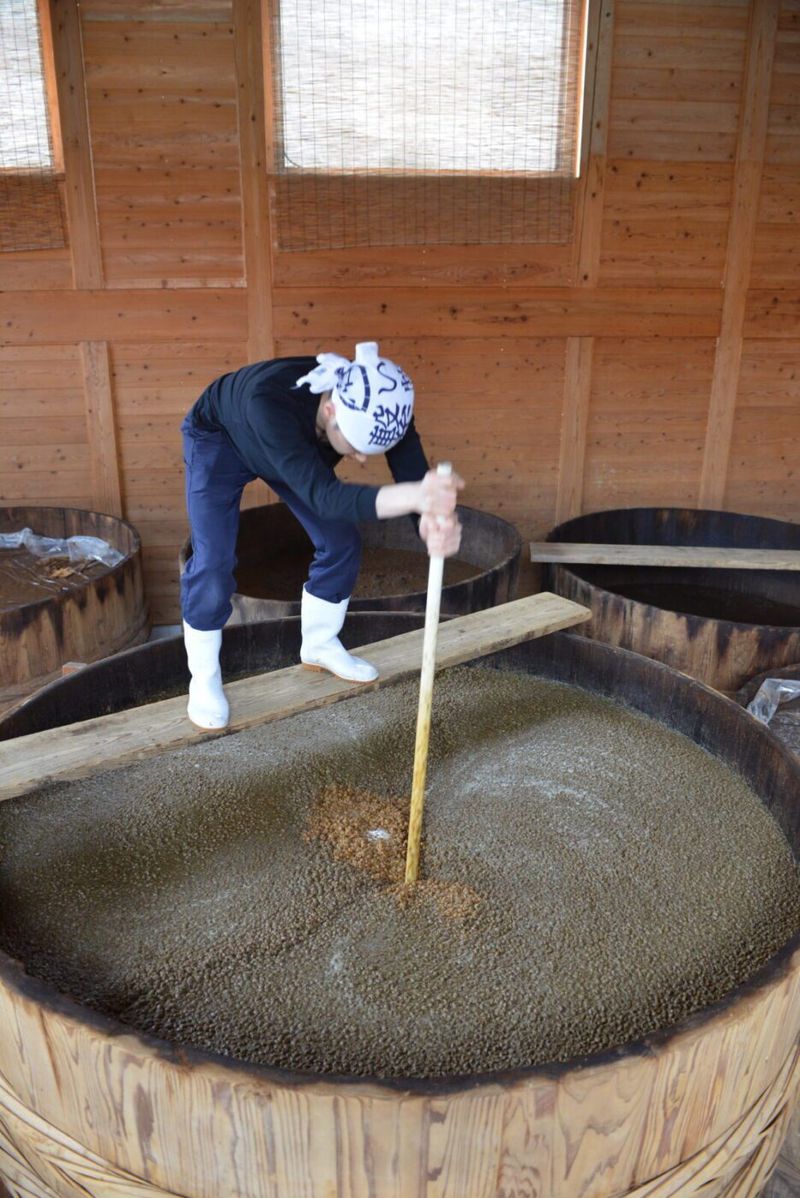
Quick, cheap soy sauce is often made in days using chemicals. The good stuff takes much longer, usually six months or more.
Soybeans, wheat, salt, and koji mold rest together in a thick mash. Slowly, it darkens and develops a smooth, rich taste with hints of caramel.
Check labels for the words naturally brewed. Your sushi, stir fry, and even scrambled eggs will taste noticeably better.
7. Sourdough Starter Bread
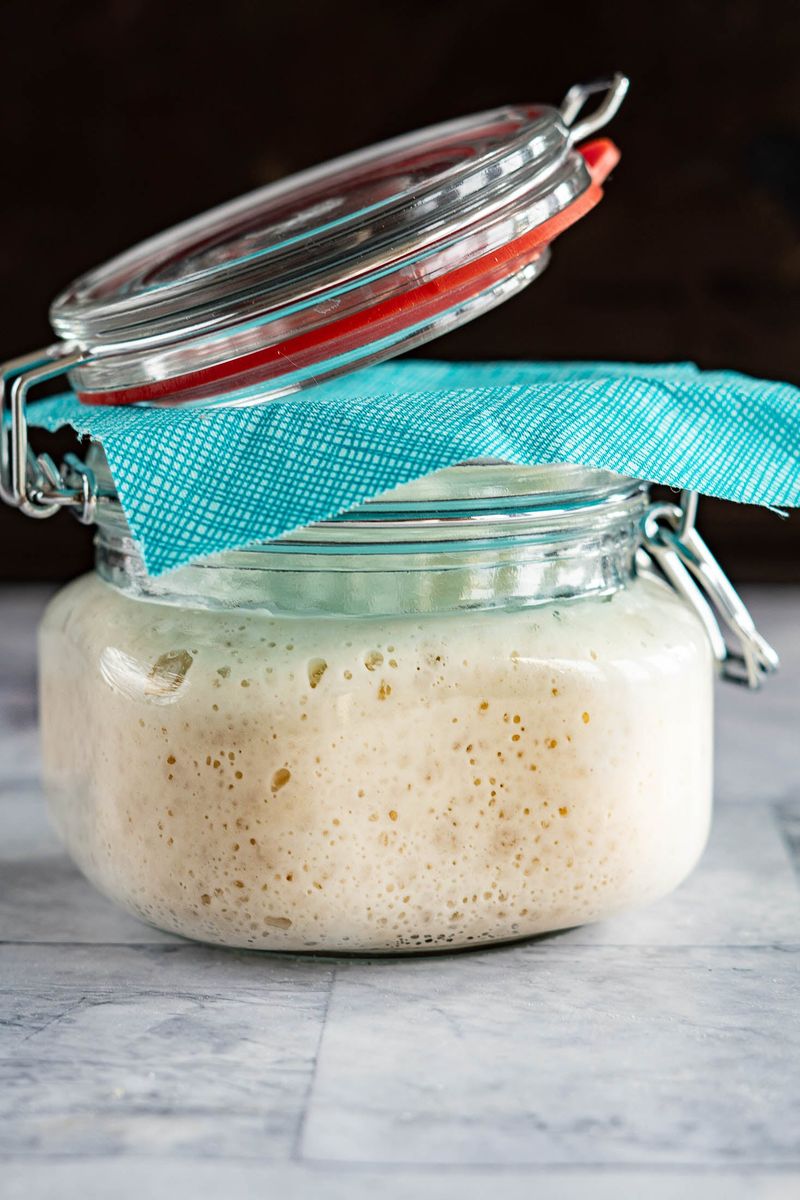
Some bakers treat their sourdough starter like a beloved pet. They feed it flour and water daily, and a few starters are over one hundred years old!
A brand new starter needs about two weeks to become strong. As it matures, the bread gains a deeper tang and chewier crust.
Patience pays off here. Older, well fed starters make loaves that rise higher and taste far more interesting.
8. Garlic Dill Pickles
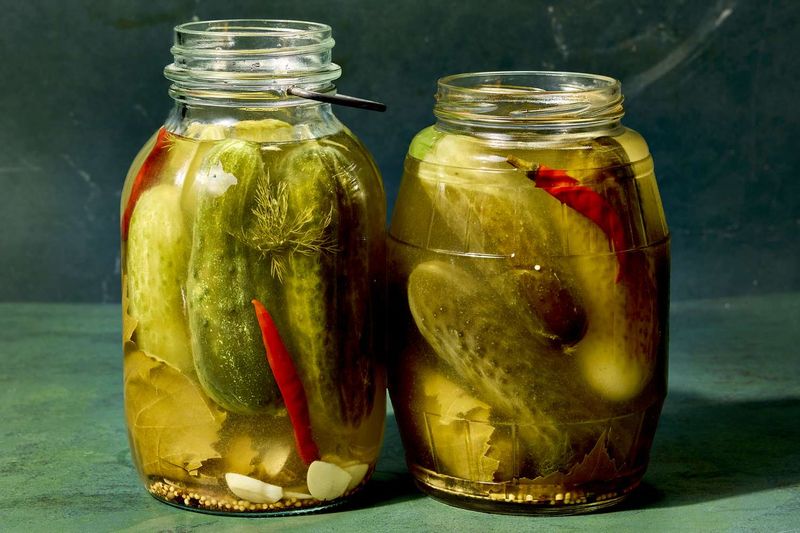
Crunch! That loud snap is the sign of a great fermented pickle.
Unlike vinegar pickles, these cucumbers sit in salty water with garlic and dill for two to four weeks. Friendly bacteria make them sour naturally, and the brine turns cloudy, which is totally normal.
Tip from old New York delis: add a grape leaf to each jar. It helps keep the pickles firm and crisp.
9. Icelandic Hakarl
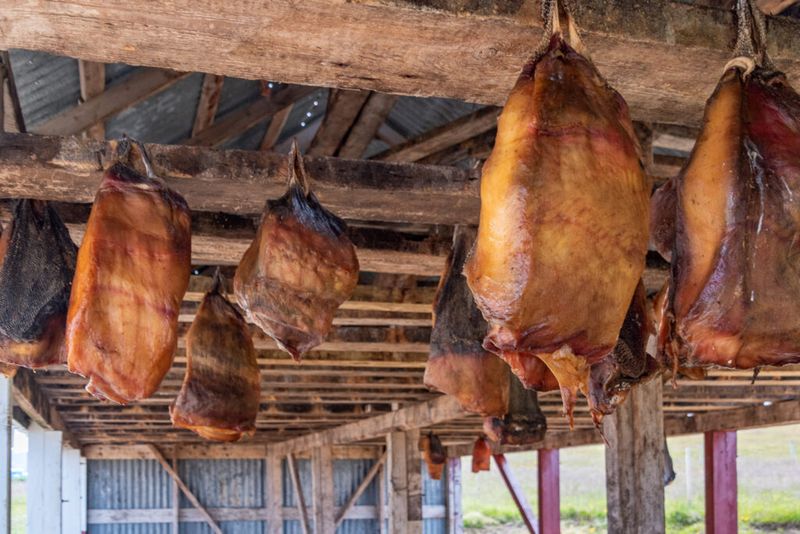
Brave eaters only! Hakarl is fermented shark meat from Iceland, and it has a famously powerful smell.
Fresh Greenland shark is actually unsafe to eat. So Icelanders ferment it for six to twelve weeks, then hang it to dry for several months more.
Locals usually enjoy small cubes during winter festivals. Even if you skip tasting it, the story shows how clever people became at surviving harsh climates.
10. Ethiopian Injera
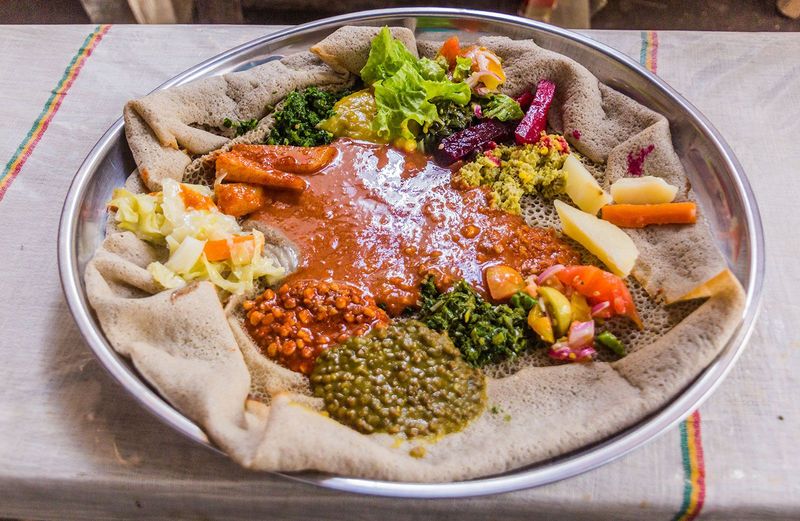
Forget forks at an Ethiopian meal. Diners tear off pieces of soft, spongy injera and scoop up their stews by hand.
The batter is made from teff, a tiny grain. It ferments for several days, and many families keep a portion going for weeks to build a deeper sourness.
Those little bubbly holes on top are perfect for soaking up sauce. Sharing from one big platter is part of the fun.
11. Indonesian Tempeh
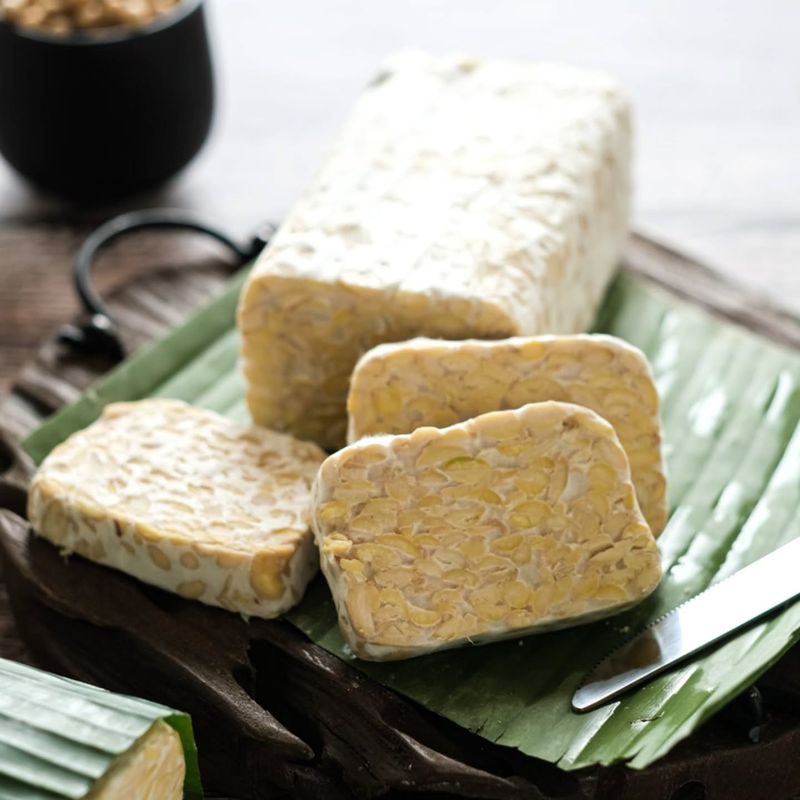
Think of tempeh as tofu’s nuttier, heartier cousin from Indonesia.
Whole soybeans are bound together by a fluffy white mold in a couple of days. Then many cooks let it age further, sometimes weeks, to create a strong, earthy version called tempeh semangit.
Slice it thin and pan fry until golden. It soaks up marinades beautifully and makes a filling, protein packed swap for meat in sandwiches.
12. Chinese Century Eggs
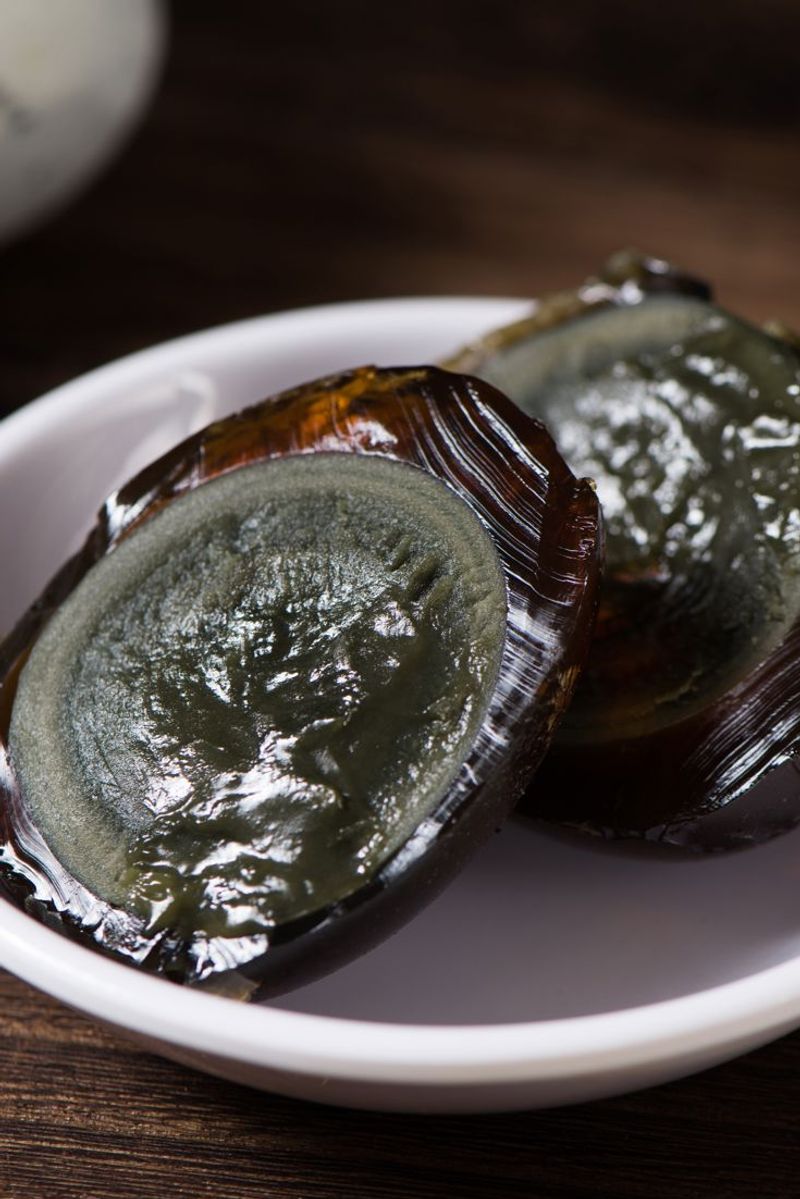
Despite the dramatic name, century eggs only need about a few weeks to a few months, not one hundred years.
Duck eggs are coated in clay, ash, salt, and lime. Slowly, the white turns into dark see through jelly, and the yolk becomes creamy and green.
They look wild, yet taste rich and mellow. Try them chopped into rice porridge called congee for a classic, comforting breakfast in China.
13. Kombucha Tea
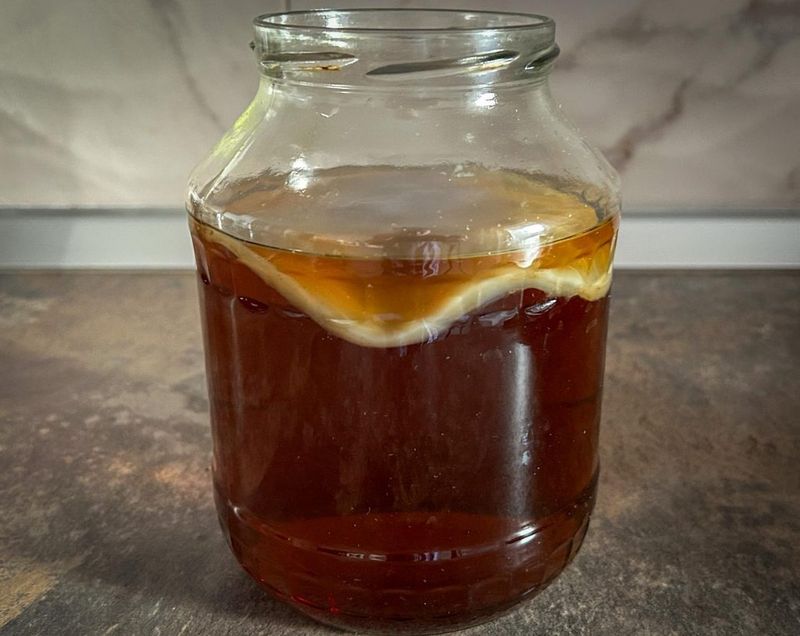
Floating on top of every kombucha jar is a rubbery disk called a SCOBY. It looks strange, but it does all the hard work.
Sweet tea sits with it for one to three weeks. Each passing day, the drink gets less sugary and more tart and fizzy.
Taste a little every few days with a straw. When it reaches your favorite balance, bottle it with fruit for extra bubbles.
14. Sichuan Doubanjiang
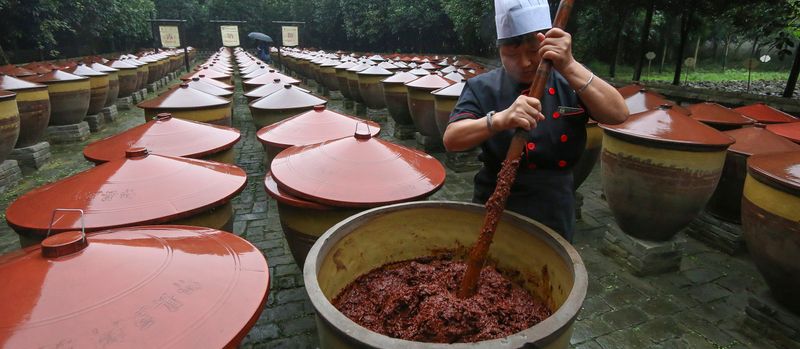
Walk through Pixian in Sichuan, China, and you will see rows of giant clay jars baking in the sunshine.
Inside is doubanjiang, a spicy paste made from broad beans and chilies. Makers stir it daily, and the best batches age for a year or longer, turning deep reddish brown.
It is the secret behind famous mapo tofu. Fry a spoonful in oil first to wake up its bold, fiery aroma.
15. Moroccan Preserved Lemons
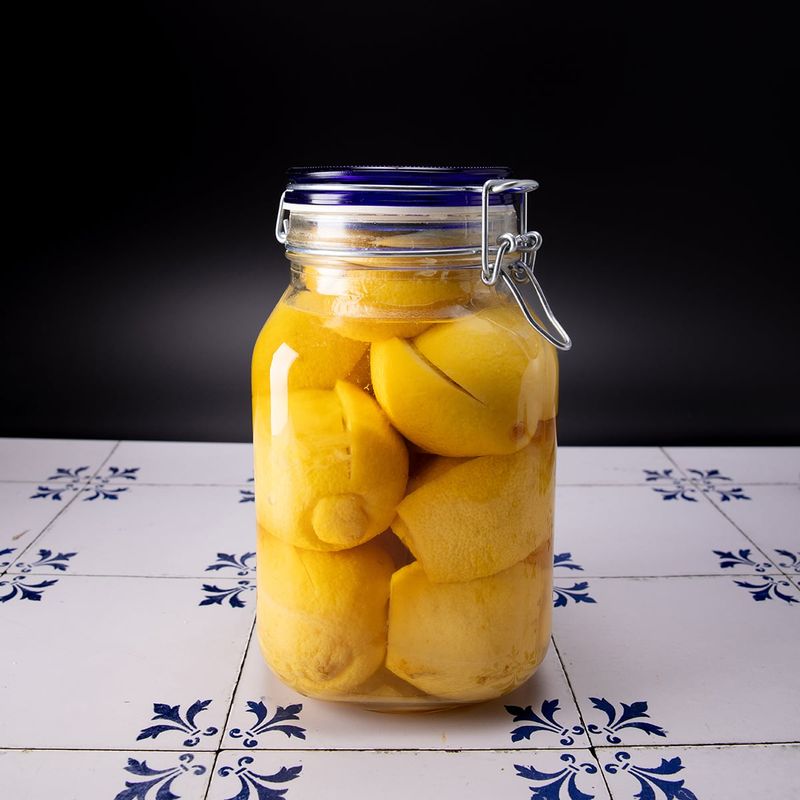
Lemons stuffed with salt might sound odd, but Moroccan cooks swear by them.
The fruit is packed tightly into jars and left for about a month. Over time, the bitter peel softens and becomes silky, salty, and gently floral.
Rinse a piece, chop the rind, and toss it into chicken tagine, couscous, or salad dressing. One jar lasts for months in the fridge and brightens almost any meal.