
Movie drama does not always end when the cameras stop rolling. Famous films have faced lawsuits over copied ideas, broken promises, unsafe sets, and even a tattoo.
Some cases ended in settlements, while others were dismissed before reaching trial. The stories behind these disputes show how much can be at stake beyond the big screen.
1. The King of Kings (1927): A Silent Film Faces a Script Claim
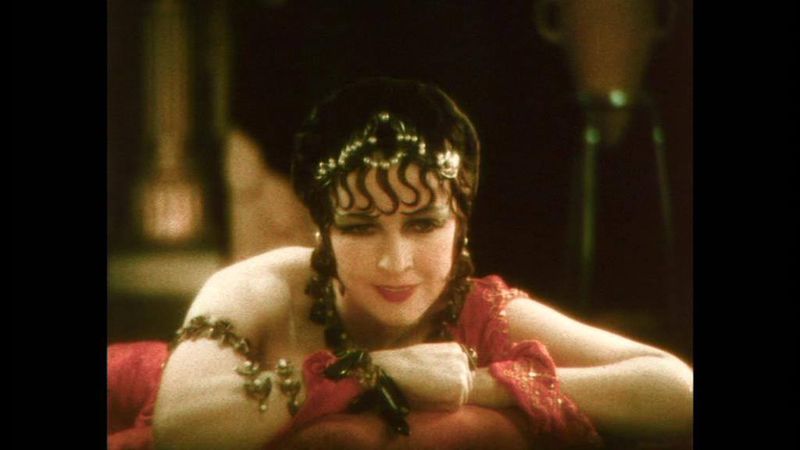
Even silent movies could cause a noisy dispute. Actress Valeska Surratt and writer Mirza Ahmad Sohrab accused director Cecil B.
DeMille of borrowing material from their script for his biblical epic. Their complaint focused on the introduction of Mary Magdalene.
The plagiarism case was dismissed, so the accusation did not become a legal finding of copying. It offers an early reminder that disputes over screenplay ownership existed long before today’s huge studios and streaming services arrived.
2. Back to the Future Part II (1989): A Familiar Face Without Permission
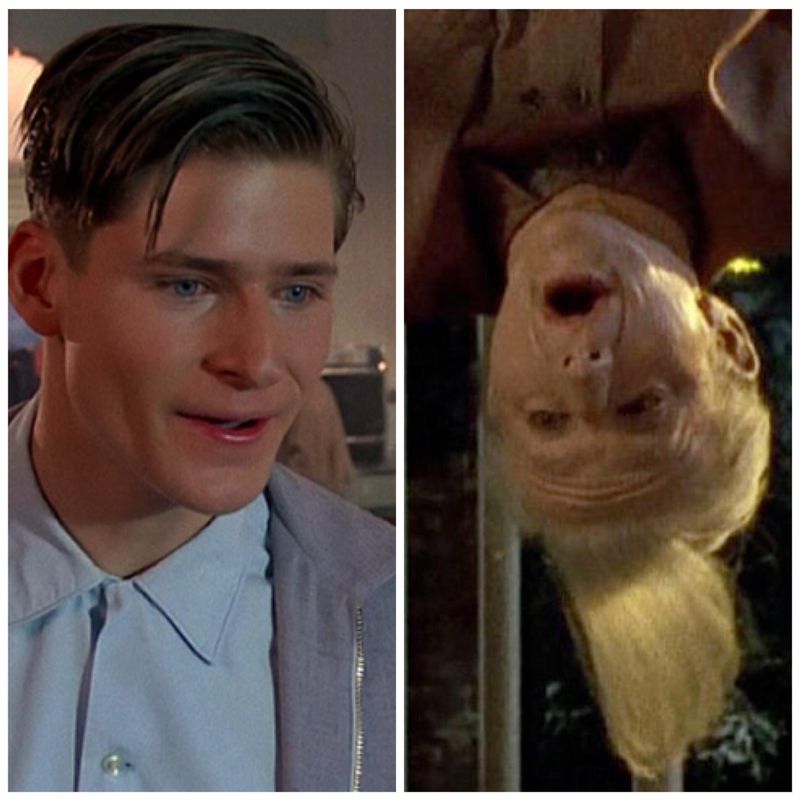
A familiar face can hide an unfamiliar performer. When Crispin Glover did not return as George McFly, the sequel used old footage and another actor wearing makeup designed to resemble him.
Glover sued over the use of his likeness.
The dispute ended in a settlement rather than a trial verdict. Beyond its time travel jokes, the film raised a lasting question: how much control should performers have when filmmakers recreate their appearance without a new agreement?
3. Romeo and Juliet (1968): Young Stars Challenge an Old Production
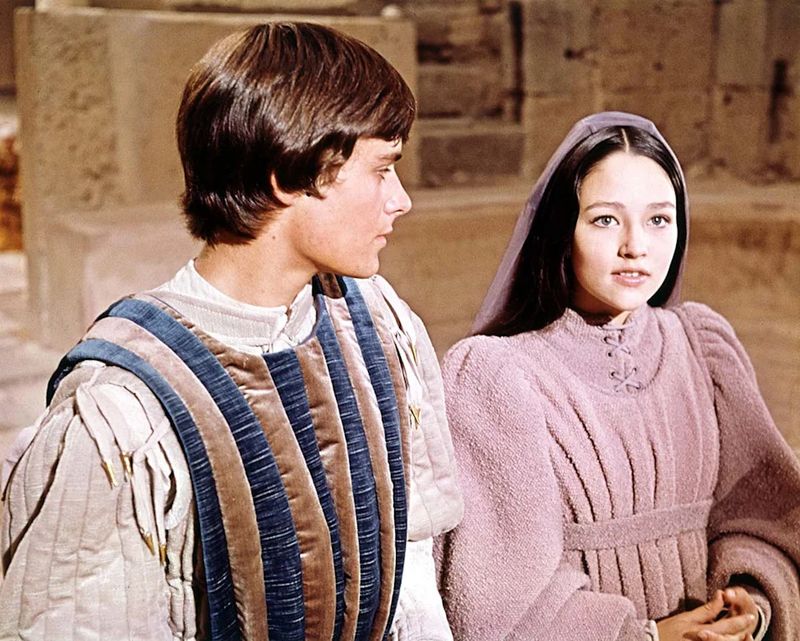
Decades after playing Shakespeare’s young lovers, Olivia Hussey and Leonard Whiting challenged how they had been treated. Their 2022 lawsuit against Paramount sought more than $500 million over a nude scene filmed when they were teenagers.
They alleged that assurances about modesty had been broken.
A judge dismissed that lawsuit in 2023. The case brought renewed attention to consent, young performers, and the gap between what actors remember being promised and what appears on the screen.
4. Yesterday (2019): The Trailer Promised a Missing Star
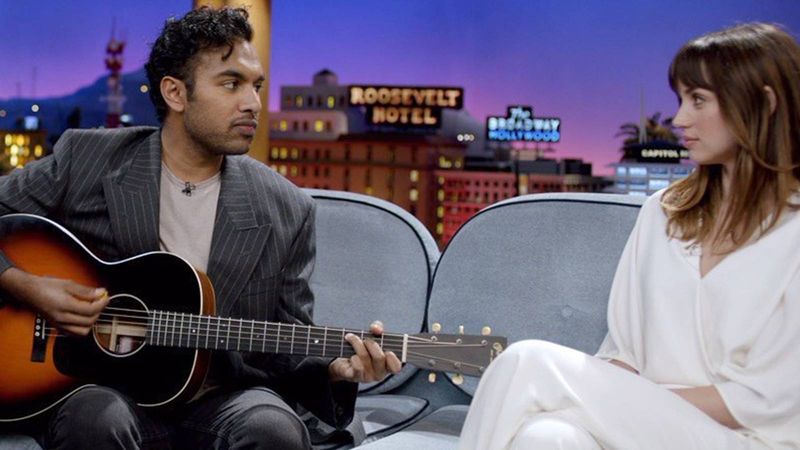
Imagine renting a movie to see someone who never appears. Two viewers sued Universal after Ana de Armas appeared in promotional material for Yesterday but not in the finished film.
They argued that the advertising had misled them into paying to watch.
The dispute raised questions about whether trailers make promises to customers. Although the viewers did not win their claims, the case shows why a trailer should not be treated as a guaranteed cast list.
5. Black Widow (2021): Streaming Changes the Paycheck
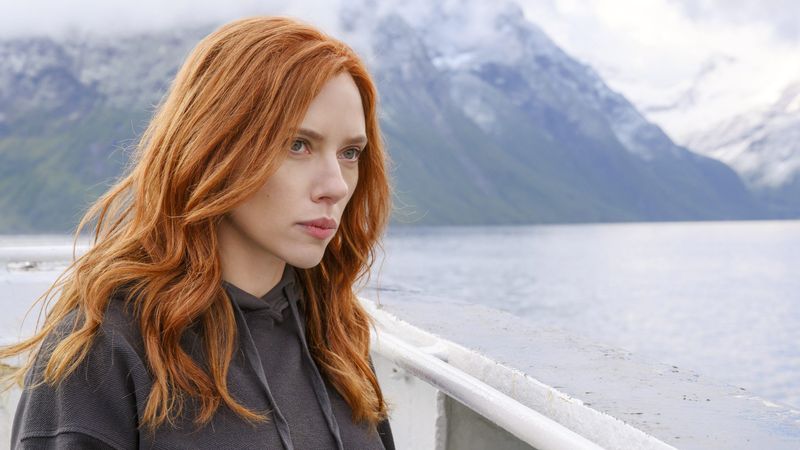
Superhero action met a very real payday dispute. Scarlett Johansson sued Disney after Black Widow reached theaters and Disney+ Premier Access on the same day.
She alleged that the release plan breached her contract because part of her pay depended on theater ticket sales.
Disney disputed her claims, and both sides later reached a settlement. For viewers, the fight revealed something easily missed: watching at home instead of a theater can affect how film workers earn.
6. The Hangover Part II (2011): A Tattoo Becomes the Main Evidence
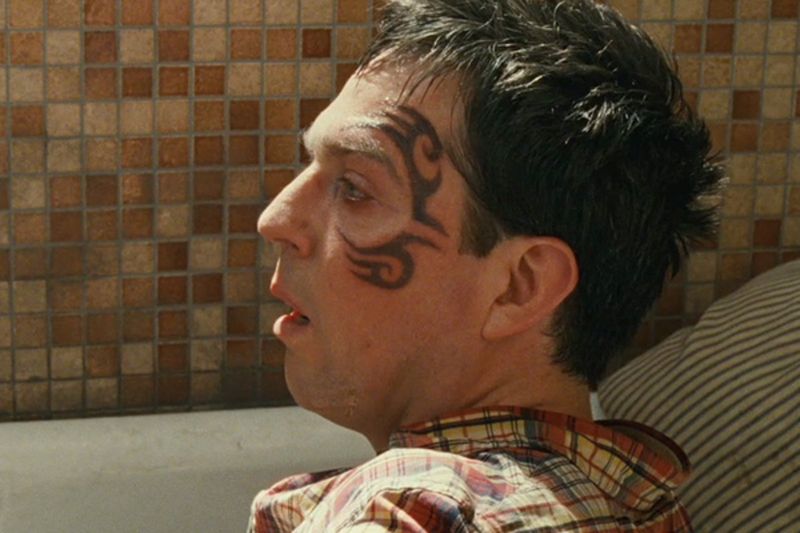
One face tattoo nearly disrupted a major comedy release. Artist S.
Victor Whitmill, who created Mike Tyson’s distinctive tattoo, sued Warner Bros. over a similar design placed on Ed Helms’ character. He argued that the studio had copied his artwork without permission.
A judge declined to block the movie’s release, and the dispute later settled. The unusual case makes copyright easier to picture: artwork does not necessarily lose its protection simply because someone wears it permanently.
7. Twilight Zone: The Movie (1983): A Tragedy With Lasting Consequences
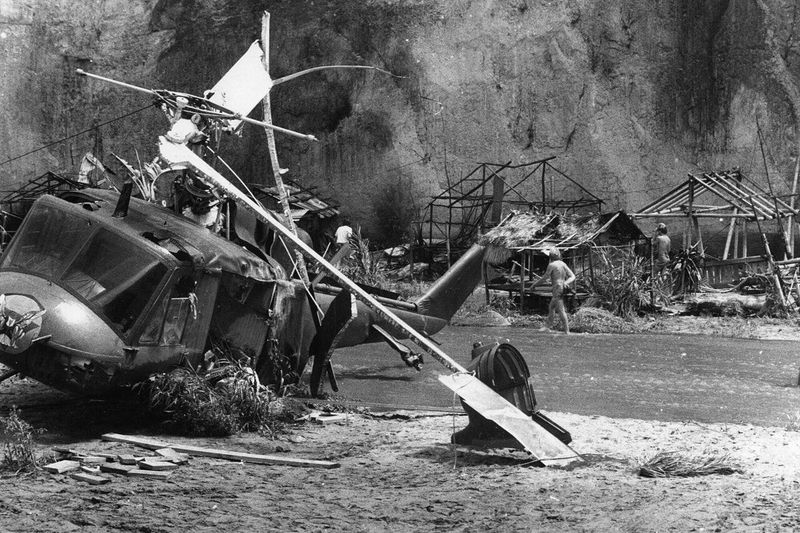
Behind this fantasy film lies a devastating loss. Actor Vic Morrow and children Myca Dinh Le and Renee Shin-Yi Chen died in a helicopter crash during filming.
The accident led to civil lawsuits and criminal charges against director John Landis and other production figures.
The defendants were acquitted of involuntary manslaughter, while civil claims reached settlements. Remembering the victims matters more than the spectacle: their deaths intensified scrutiny of dangerous stunts, child labor, and production safety.
8. Borat (2006): The Release Form Was No Joke
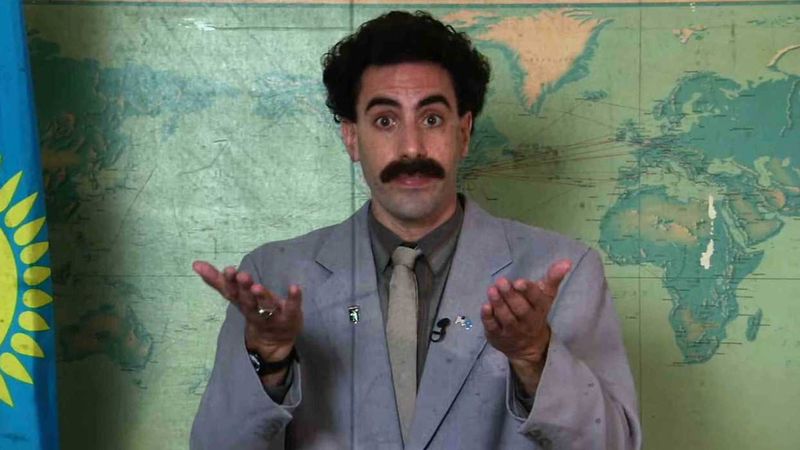
Getting a laugh was only part of the story. Two University of South Carolina fraternity members sued after Borat showed them making racist and sexist remarks.
They alleged they had been misled about the production and sought to stop further use of their footage.
Their signed release forms became a major obstacle, and the lawsuit was dismissed. Anyone appearing on camera can take a practical lesson from this dispute: read permission forms carefully before agreeing to participate.
9. Captain Phillips (2013): The Crew’s Dispute Predated the Film
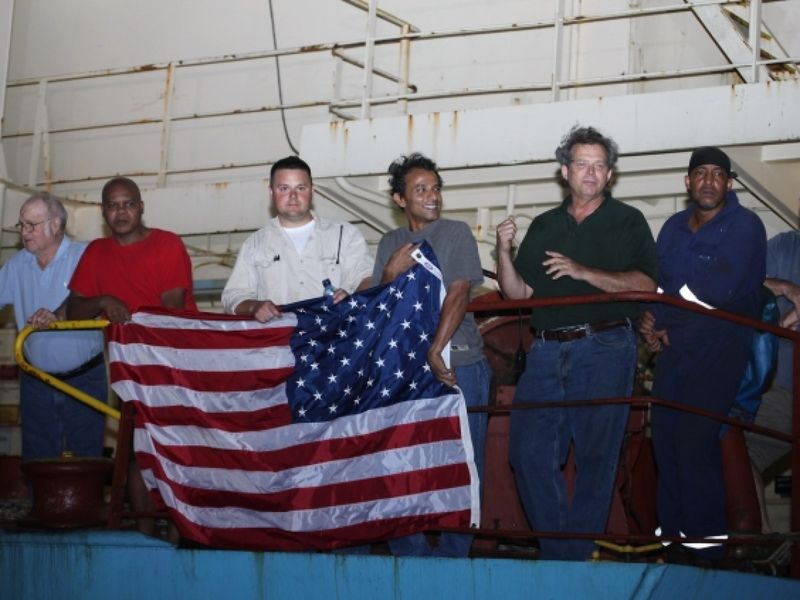
The real voyage had already produced legal trouble before Hollywood retold it. Crew members of the Maersk Alabama sued shipping companies over the 2009 pirate attack, alleging unsafe decisions and inadequate protection.
Those claims concerned the voyage, not the movie’s production.
Some crew members also challenged the film’s heroic portrayal of Captain Richard Phillips. Keeping those issues separate helps: a dispute about workplace safety is different from criticism of how a true story becomes a thriller.
10. The Devil’s Advocate (1997): Background Art Takes Center Stage
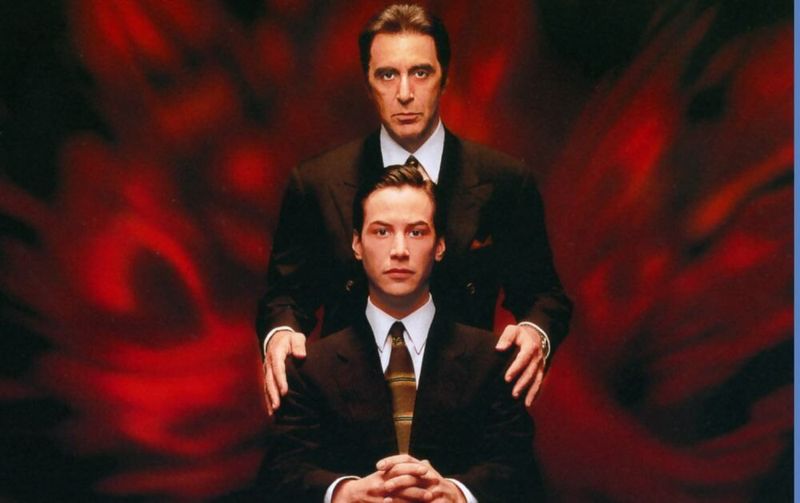
A sculpture behind the actors became a legal problem of its own. Sculptor Frederick Hart and Washington National Cathedral challenged artwork shown in The Devil’s Advocate, arguing that it copied Hart’s Ex Nihilo sculpture at the cathedral.
The dispute ended in a settlement, and altered versions of the film changed the disputed imagery. Even background decoration can carry legal weight.
For filmmakers, clearing rights to visible artwork can be just as necessary as licensing a song.
11. Straight Outta Compton (2015): A Manager Rejects His Portrayal
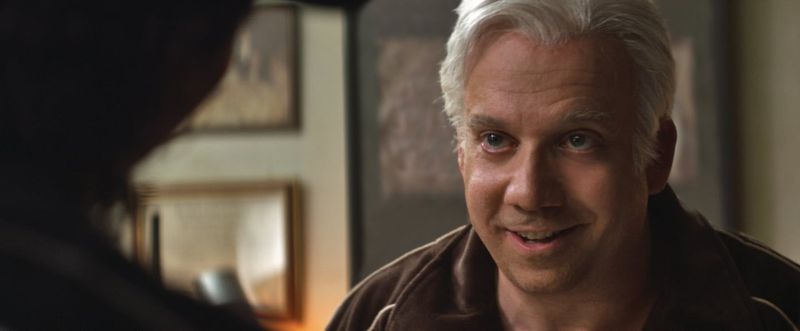
Music history can sound different depending on who tells it. Former N.W.A. manager Jerry Heller sued over Straight Outta Compton, arguing that his portrayal damaged his reputation.
His complaint challenged scenes that presented him as dishonest and unfair to the group.
Heller died while the case was ongoing, and the lawsuit was later dismissed. The dispute highlights a challenge for biopics: turning complicated relationships into a clear story can leave real people fiercely contesting the result.
12. American Hustle (2013): A Microwave Line Lands in Court
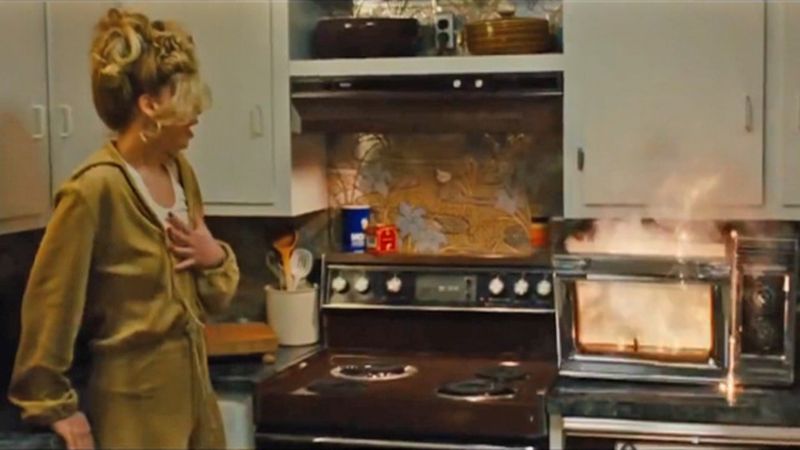
A throwaway kitchen joke became serious business for writer Paul Brodeur. In American Hustle, Jennifer Lawrence’s character credits him with claiming that microwaves remove nutrition from food.
Brodeur said the movie falsely tied him to that claim and sued for defamation.
An appeals court ultimately ruled against him, considering the line in its fictional, comic setting. Context mattered: a confused character’s statement was not treated like a reliable news report about what Brodeur had actually written.
13. The Matrix (1999): A Copying Claim Meets an Evidence Test
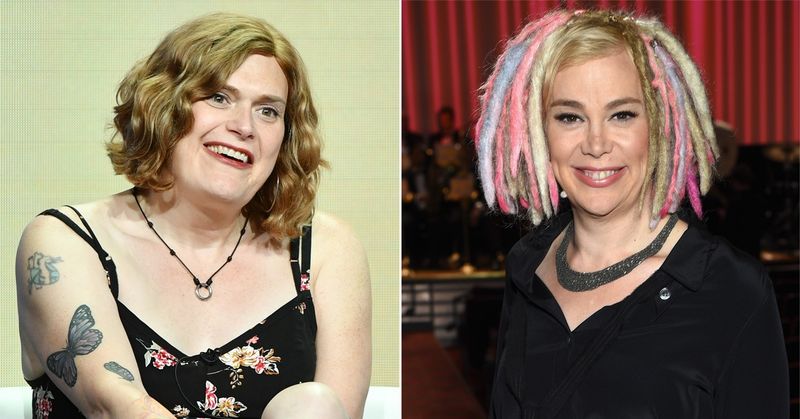
Online rumors gave this dispute a life beyond the courtroom. Author Sophia Stewart claimed that The Matrix and The Terminator borrowed from her treatment, The Third Eye.
She sued major filmmakers and studios, but the case was dismissed in 2005.
Contrary to widely shared stories, that dismissal was not a victory awarding her ownership of those franchises. Her case offers a useful media lesson: check the court outcome before believing a dramatic headline about stolen ideas.
14. Avatar (2009): Pandora Attracts Competing Story Claims
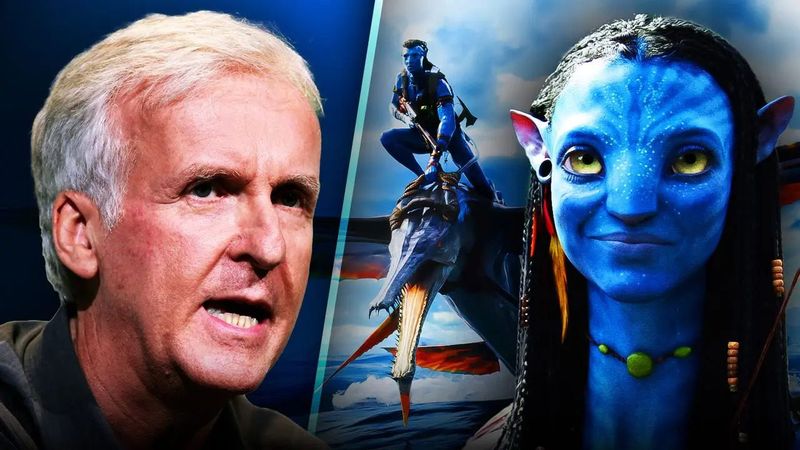
Pandora’s floating mountains were not the only things drawing attention. James Cameron’s blockbuster faced several claims that it borrowed from earlier stories.
Writers including Bryant Moore and Gerald Morawski alleged that their work supplied elements used in Avatar.
Major claims were rejected, and Cameron disputed the accusations. Similar settings or themes do not automatically prove copying.
Copyright cases usually require more than a shared idea, such as an alien world or a conflict over natural resources.
15. Frozen (2013): An Autobiography Enters the Copyright Fight
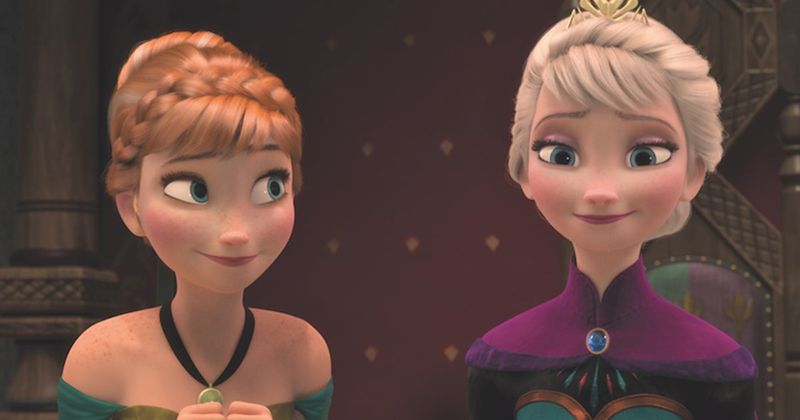
A snowy fairy tale faced an unexpected challenge from a memoir. Author Isabella Tanikumi, also known as Isabella Dr. Cristina Blanco, sought $250 million from Disney, claiming Frozen copied parts of her autobiographical writing.
Her allegations pointed to similarities involving characters, events, and relationships.
The lawsuit was dismissed. Shared experiences, such as sisterhood or romantic disappointment, do not alone establish copyright infringement.
The case helps explain why courts distinguish broad life themes from a writer’s specific expression.