
A hurtful joke or a denied promise can leave you wondering whether you got things wrong. Gaslighting is a repeated pattern that makes someone doubt their memory or judgment, while passive aggression expresses anger indirectly.
Not every disagreement or rude comment is gaslighting, but patterns that leave you confused and unsure deserve attention. Knowing what to watch for can help you protect your confidence and seek support.
1. Persistent Lies That Rewrite the Story

The story sounds convincing until small details stop adding up. Someone may repeatedly invent events, twist facts, or make claims about you that have no clear basis.
Over time, those stories can crowd out what you know happened, especially when they speak with total confidence. Keep brief notes somewhere safe, check facts with trusted people, and remember that certainty in their voice does not make their version true or mean your own memory is wrong.
2. Flat Denials of Things You Remember

You remember the promise clearly, but suddenly they insist it never happened. Repeated denial becomes concerning when they also attack your memory or refuse to consider clear evidence.
People can honestly remember events differently, so one disagreement is not proof of manipulation. Watch for a pattern of dismissing your account, save relevant messages if safe, and avoid endless arguments aimed at getting an admission they may never give, even when the facts seem quite clear.
3. Feelings Dismissed as Overreactions
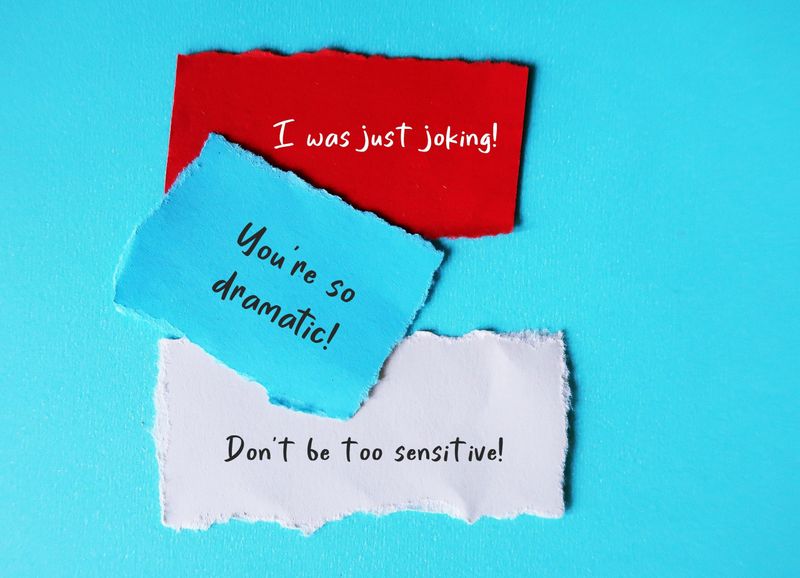
Being told you are too sensitive can sting more than the original comment. Instead of listening, the other person makes your reaction the problem and skips over what caused it.
Your feelings deserve attention, even when someone sees the situation differently. Try naming both the behavior and its effect, then notice whether they respond with care or more mockery; respectful disagreement does not require you to stop trusting your emotions or to accept repeated hurt.
4. Silence Used as Punishment

A quiet room can feel loud when someone refuses to acknowledge you. Withholding contact may become a way to punish you, force an apology, or make you chase their approval.
Taking a break to calm down is different when the person explains it and agrees to return. If silence keeps replacing honest discussion, state what communication you need and seek support rather than accepting all the blame just to restore peace between the two of you.
5. Cruel Comments Passed Off as Jokes
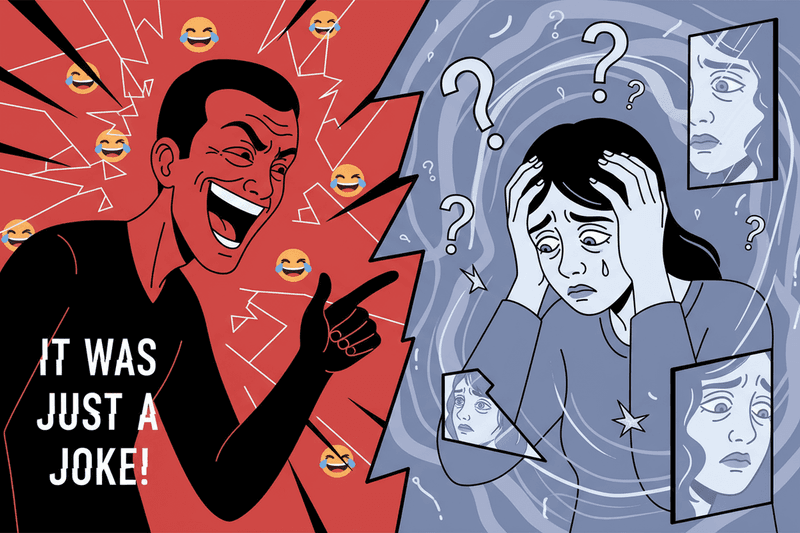
Everyone laughs, but you are the one left feeling small. A cutting joke can hide criticism, especially when the speaker follows it by claiming you cannot take a little humor.
Healthy teasing leaves room for you to say that something hurt. Explain which comment crossed the line, if that feels safe, and watch what happens next; repeated jokes after a clear request to stop show disregard, not simply a different sense of humor between people.
6. Compliments With a Hidden Insult

Nice words should not leave a bruise on your confidence. A remark about looking good for your age, for example, can slip an insult inside what sounds like praise.
When challenged, the speaker may claim you misunderstood and turn your discomfort against you. Ask what they meant if you feel comfortable, or simply say you do not welcome comments like that; you do not need to prove hidden intent before setting a respectful personal boundary.
7. Agreed Tasks That Never Get Done

The task was agreed upon, yet somehow you are finishing it again. Repeated delays or careless work can express resistance without an honest conversation about what the person will do.
Stress, illness, or attention problems can also affect follow through, so avoid guessing motives from one missed chore. Set clear expectations and deadlines, then watch whether they make an effort to improve or keep shifting the burden onto you while denying there is any problem.
8. Insisting Everything Is Fine While Acting Angry
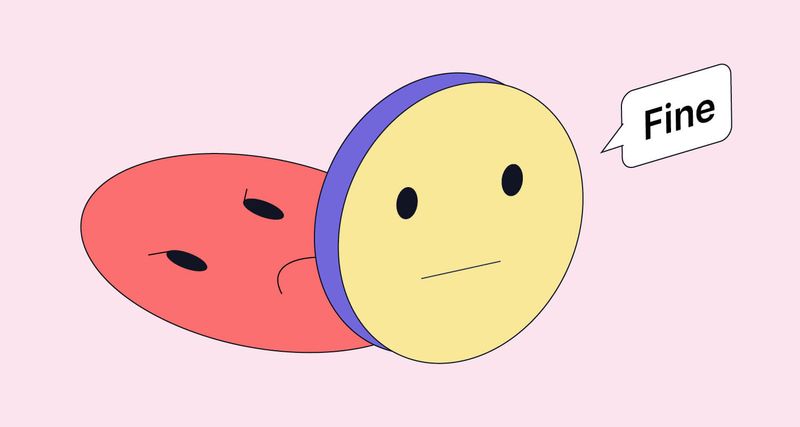
A sharp sigh, a slammed cupboard, and a tight smile tell different stories. Someone may insist nothing is wrong while acting in ways that leave you walking on eggshells.
People sometimes need time to name their feelings, and body language alone cannot prove intent. Offer a chance to talk later, but do not accept responsibility for decoding every mood; they remain responsible for expressing frustration without intimidation or punishment when something is bothering them deeply.
9. Blame That Always Lands on You

Somehow, their hurtful choice becomes your fault before the conversation ends. They may claim your question caused their outburst or bring up an old mistake to avoid discussing what happened.
You can own your part in a disagreement without taking responsibility for another person’s behavior. Bring the discussion back to the specific action, and step away if blame keeps replacing accountability; a real repair includes acknowledgment, changed behavior, and room for both people to speak.
10. Rumors That Undermine Your Credibility

Finding out that others heard a twisted version of your life can feel deeply unsettling. Repeated gossip may damage your reputation and make people less likely to believe your concerns.
Not every private conversation is a campaign against you, so focus on specific reports rather than guesses. Correct false claims calmly when useful, keep records of serious incidents, and invest in relationships with people who ask for your perspective instead of accepting rumors as facts.
11. Your Deepest Values Turned Against You
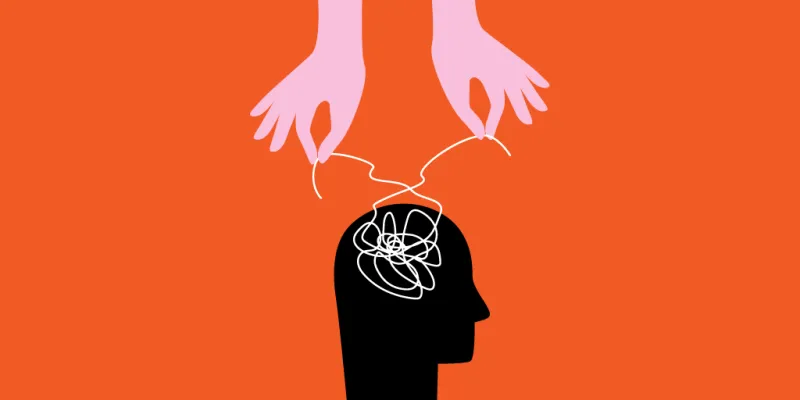
The things you care about most should not become pressure points. Someone might question your love for your children, mock your beliefs, or attack your identity to gain the upper hand.
Concern sounds different from a threat to your worth or belonging. Notice whether the conversation helps solve a real problem or simply makes you easier to control, and seek outside perspective from someone who respects your values without using them to demand your obedience.
12. Promises That Clash With Everyday Behavior

Warm promises can feel reassuring until the same hurt happens again. A steady gap between words and actions may leave you unsure whether to trust their apologies or your own experience.
Everyone falls short sometimes, but meaningful change shows up in repeated behavior over time. Pay attention to what actually improves, ask for clear commitments, and avoid treating another heartfelt speech as proof that a harmful pattern has ended without any lasting evidence of change.
13. Confidence That Slowly Wears Away

You used to trust your choices, but now even small decisions feel risky. Repeated criticism and denial can wear down confidence until you start looking to the same person for permission.
Low confidence can have many causes, so consider the wider picture rather than blaming one relationship automatically. Reconnect with activities you enjoy, write down your strengths, and talk with a trusted friend or counselor who can help you sort through what has been happening.
14. Shifting Stories That Keep You Off Balance
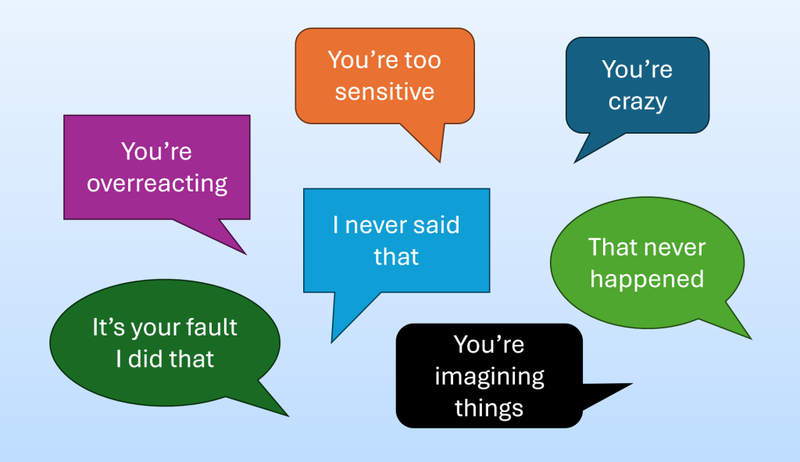
Just when you understand their explanation, the details change again. Moving timelines, changing rules, and conflicting claims can keep you busy solving confusion instead of addressing the original concern.
A mistaken detail is normal; a repeated pattern paired with attacks on your judgment deserves closer attention. Keep the conversation focused on one issue, ask for clear answers, and pause when discussion becomes circular rather than exhausting yourself trying to make every version fit together perfectly.
15. Convenient Forgetfulness About Your Needs

Your appointment slips their mind, but their own plans never seem to disappear. Selective forgetting may become troubling when important agreements repeatedly vanish and your reminders are treated as the problem.
Memory difficulties are real and do not automatically signal manipulation. Try shared reminders or written plans if appropriate, then notice whether the person welcomes practical solutions or keeps dismissing your needs; their response can reveal more than any single forgotten date or unfinished errand.
16. Comparisons Packaged as Helpful Advice

Advice should help you grow, not make you feel like a failed copy of someone else. Repeated comparisons about looks, work, or parenting can chip away at confidence while sounding helpful.
Useful feedback names a specific issue and leaves your worth intact. Ask for direct, respectful suggestions without comparisons, and notice whether they honor that request; you are allowed to reject advice that mainly creates shame, even when the speaker insists it is for you.
17. Guilt That Makes Saying No Feel Wrong

A simple no should not require a courtroom defense. Someone may list every favor they have done, act wounded, or suggest you are selfish until you give up your own plans.
Care and gratitude do not create an unlimited debt. Before apologizing, ask yourself whether you caused harm or merely disappointed someone, then state your limit briefly; a healthy relationship allows both people to have needs without turning every boundary into a test of loyalty.
18. A Shrinking Circle of Support

Your world may get smaller one canceled visit at a time. Criticizing your friends, demanding constant updates, or making family contact costly can weaken the support that helps you trust yourself.
Control can grow gradually, so take restrictions and fear seriously even without physical violence. Keep safe contact with trusted people, and consider a local abuse support service for private safety planning; if confrontation could raise the danger, you do not need to confront them.