
When the snow piles up and the sun sets early, people in Norway, Sweden, Denmark, Finland, and Iceland turn to big pots of warm stew. For hundreds of years, these hearty dishes helped families stay full and cozy through long, dark winters.
Many use simple things like root vegetables, fish, and slow-cooked meat, so they are easy to make at home. Grab a spoon, because you might find your new favorite cold-weather meal on this list.
1. Fårikål, Norway’s National Treasure
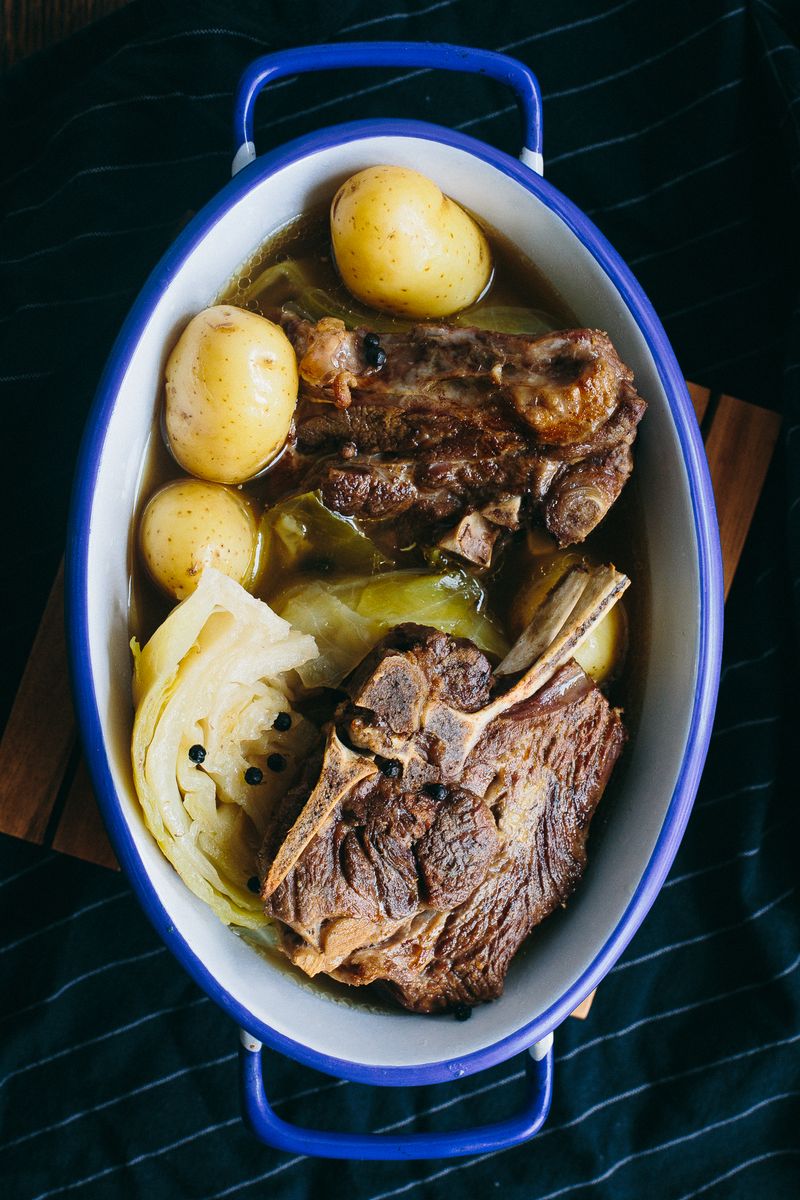
Norwegians love this dish so much that it has its own holiday, celebrated on the last Thursday of September. Fårikål means lamb in cabbage, and that is basically the whole recipe.
You layer lamb pieces and cabbage wedges in a pot, sprinkle whole black peppercorns between them, and add water. Then you let it simmer for hours.
Serve it with boiled potatoes. The pepper gives a gentle kick that warms you from the inside.
2. Swedish Kalops
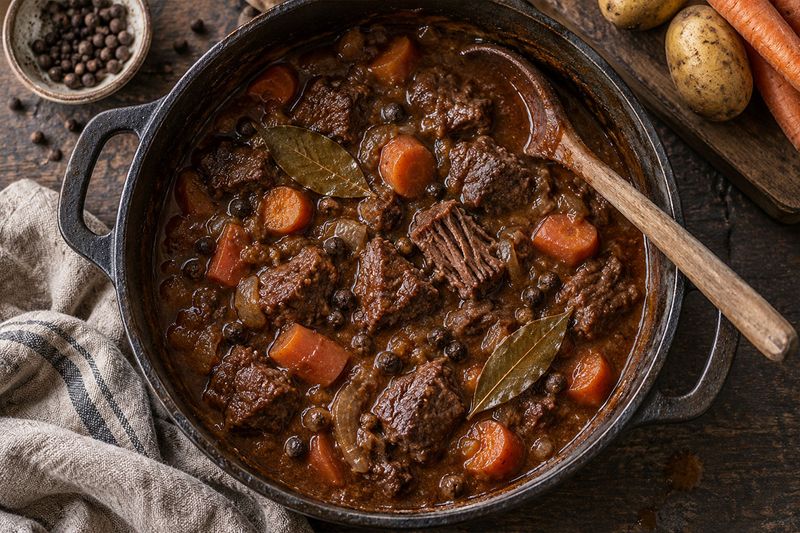
Picture a chilly Stockholm evening and the smell of allspice drifting from the kitchen. That is kalops, a classic Swedish beef stew that grandmas have made for generations.
Chunks of beef cook slowly with onions, bay leaves, and whole allspice berries until they turn fork-tender. The spice blend tastes a little like a holiday candle in the best way.
Pickled beets on the side add a sweet, tangy pop of color.
3. Danish Skipperlabskovs
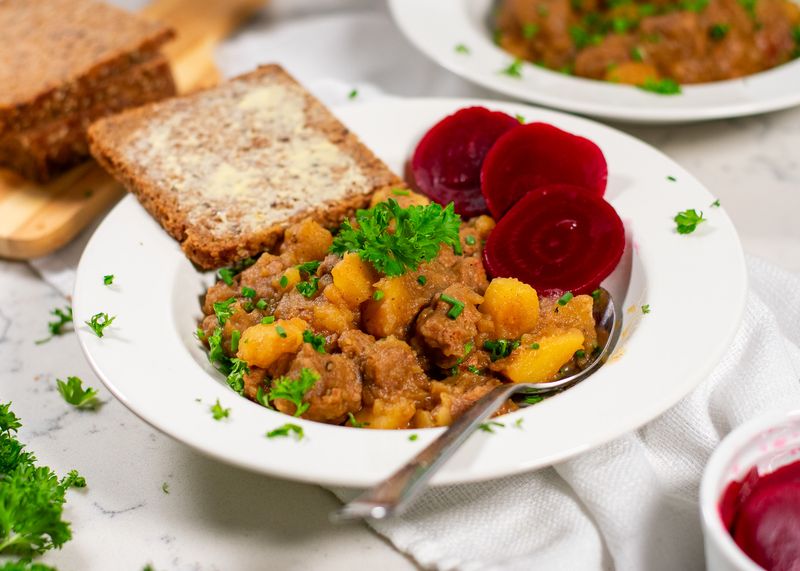
Sailors needed food that was cheap, filling, and easy to cook on a rocking ship. Skipperlabskovs, or skipper’s stew, was their answer.
Beef, potatoes, and onions simmer until the potatoes break down and make everything thick and creamy. Danes top each bowl with a cold pat of butter, fresh chives, and pickled beets.
Tip: Do not stir too gently. Mashing the potatoes a bit is what gives it that famous hearty texture.
4. Finnish Karjalanpaisti
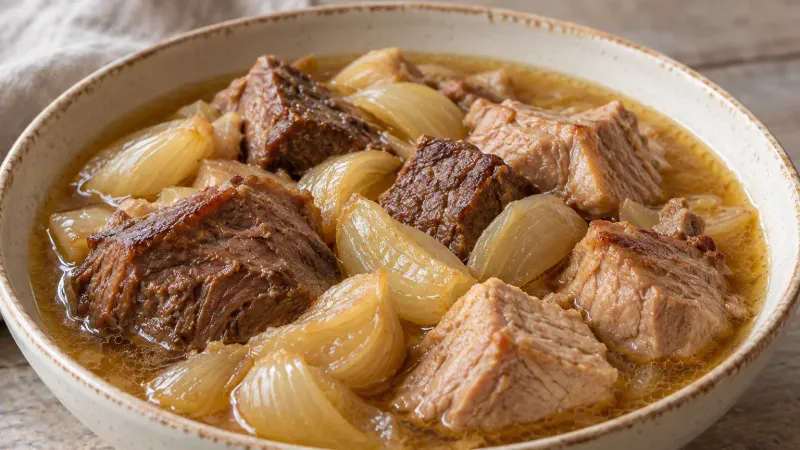
Why use one kind of meat when you can use three? Karjalanpaisti, or Karelian hot pot, mixes beef, pork, and sometimes lamb in one heavy dish.
The meat bakes slowly in the oven with onions, peppercorns, and allspice for up to five hours. No fancy steps are needed, just patience.
Finns serve it with mashed potatoes and tart lingonberry jam. It is a perfect Sunday project when you plan to stay home.
5. Icelandic Kjötsúpa
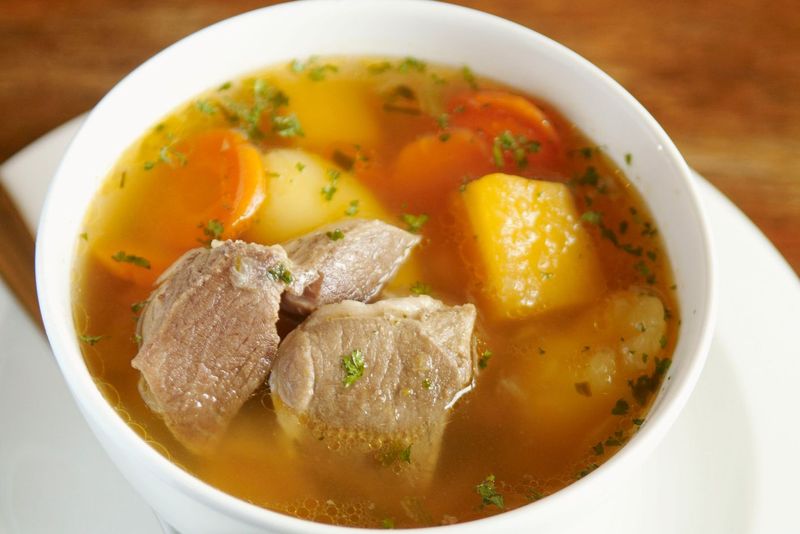
Iceland’s sheep roam free all summer, munching on wild herbs and grass. That gives their meat a clean, rich flavor that shines in kjötsúpa, the country’s beloved lamb stew.
Chunks of lamb cook with rutabaga, carrots, potatoes, and a handful of rice or oats to thicken the broth.
Fun fact: Icelanders celebrate Kjötsúpudagurinn, Meat Soup Day, in Reykjavik each October, where free bowls are handed out on the streets.
6. Lapskaus From Norway
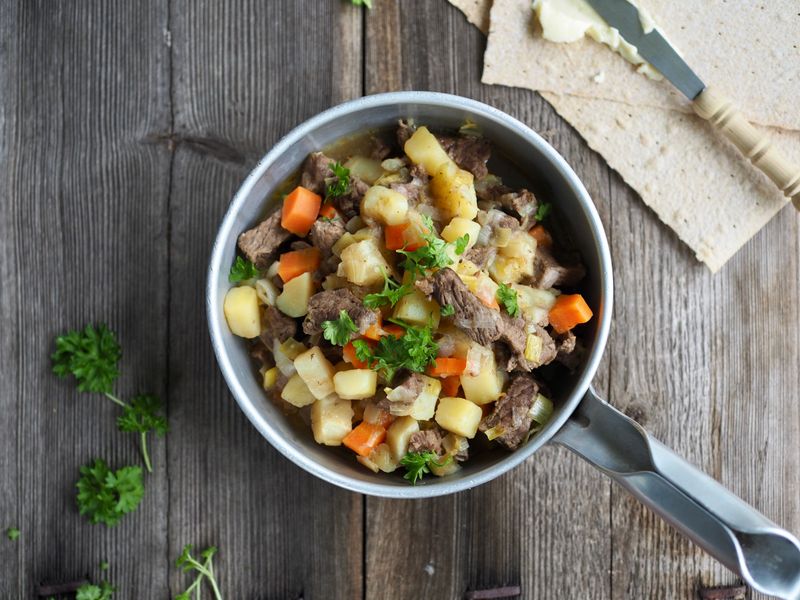
Got leftover meat in the fridge? Norwegian cooks have been turning scraps into lapskaus for centuries, and it never disappoints.
The stew comes in two styles. Brown lapskaus uses a darker gravy, while light lapskaus keeps the broth pale and simple.
Both are packed with diced potatoes, carrots, and rutabaga.
Kids usually like it because everything is cut small and soft. Serve with flatbread for scooping up every last drop.
7. Poronkäristys, Sautéed Reindeer
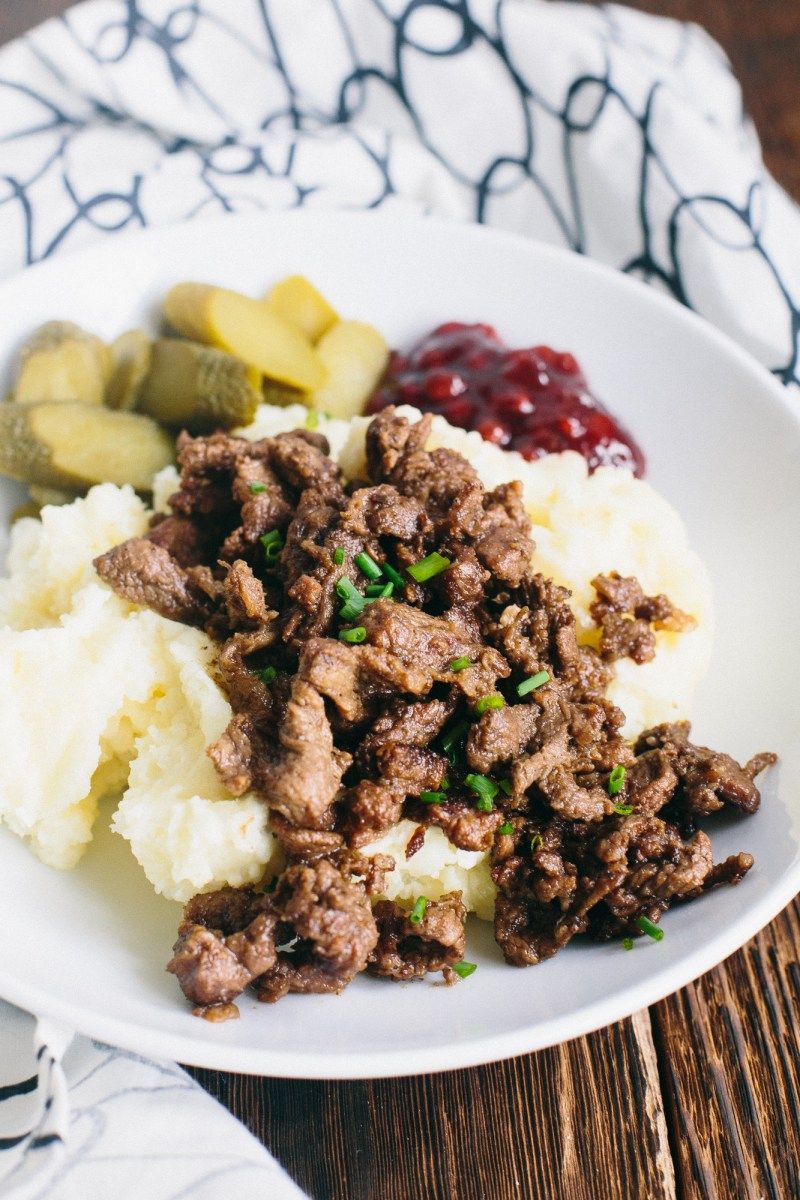
Up in Finnish Lapland, reindeer outnumber people in some areas. So it makes sense that poronkäristys is a winter favorite there.
Thin shavings of frozen reindeer meat are fried in butter, then simmered with water or beer until tender. The result is a rich, slightly gamey stew.
Always serve it on creamy mashed potatoes with lingonberries and pickles. If reindeer is hard to find, venison makes a solid substitute.
8. Swedish Ärtsoppa
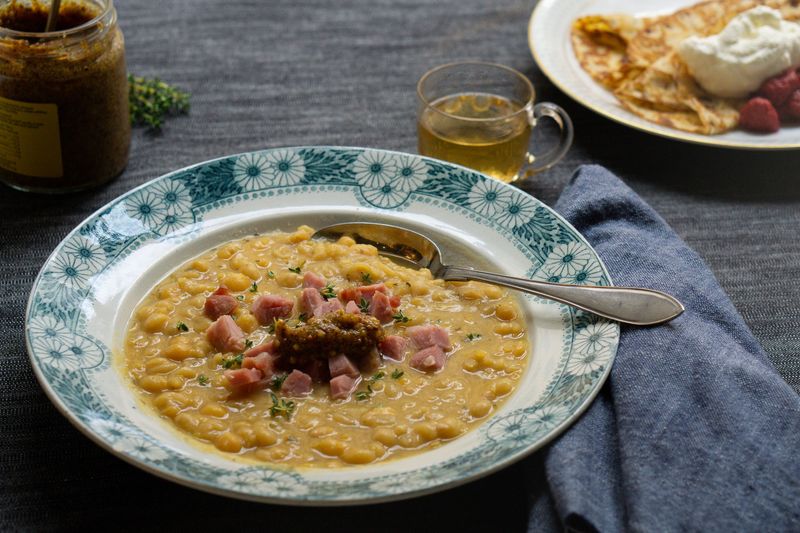
Every Thursday, many Swedish homes and school cafeterias serve the same meal. Ärtsoppa, a thick yellow pea stew with pork, has been a Thursday tradition since the Middle Ages.
Dried peas cook slowly with salted pork, onion, and thyme until they turn creamy. A spoonful of spicy mustard goes right on top.
Dessert is part of the deal too. Swedes follow the soup with thin pancakes and jam.
9. Danish Gule Ærter
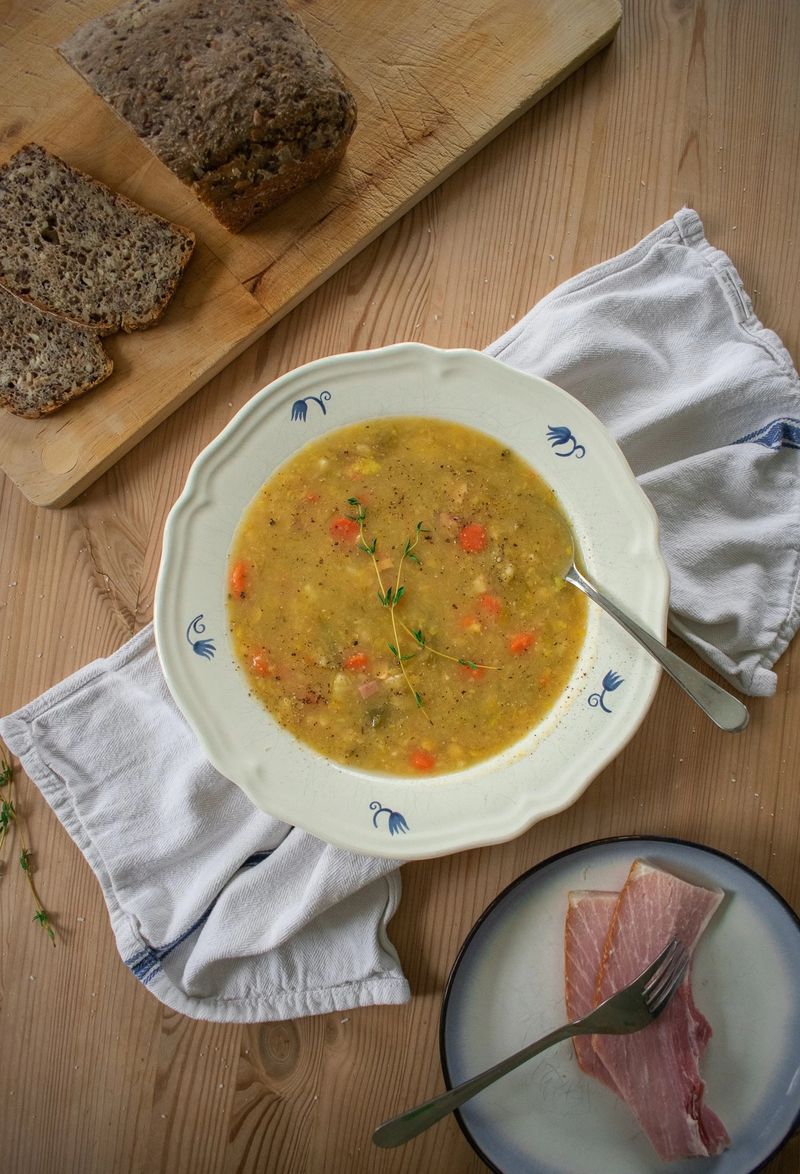
Denmark has its own spin on pea stew, and it is a true feast. Gule ærter is served in two parts, almost like a show.
First comes the thick yellow pea soup. Then the cooked pork, sausages, and vegetables are sliced and served on a separate plate with mustard and rye bread.
Make a big batch. Danes say it tastes even better the next day, once the flavors have time to blend.
10. Lohikeitto, Finnish Salmon Soup
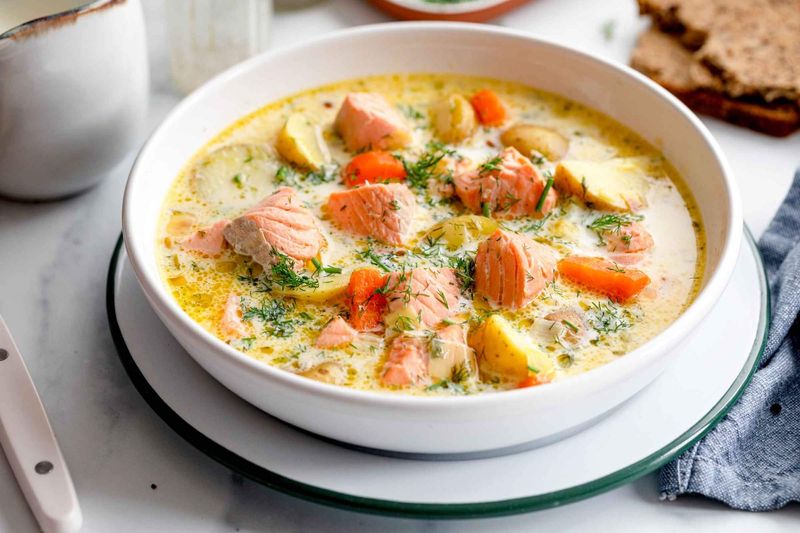
Soft pink salmon, golden potatoes, and bright green dill floating in creamy broth. Lohikeitto looks like a painting and tastes like a hug.
Finns make it with simple ingredients: salmon, potatoes, leeks, cream, and lots of fresh dill. It cooks in about thirty minutes, which makes it great for busy weeknights.
Add the salmon last so it stays tender. Overcooking makes it dry, and nobody wants that.
11. Norwegian Fiskesuppe
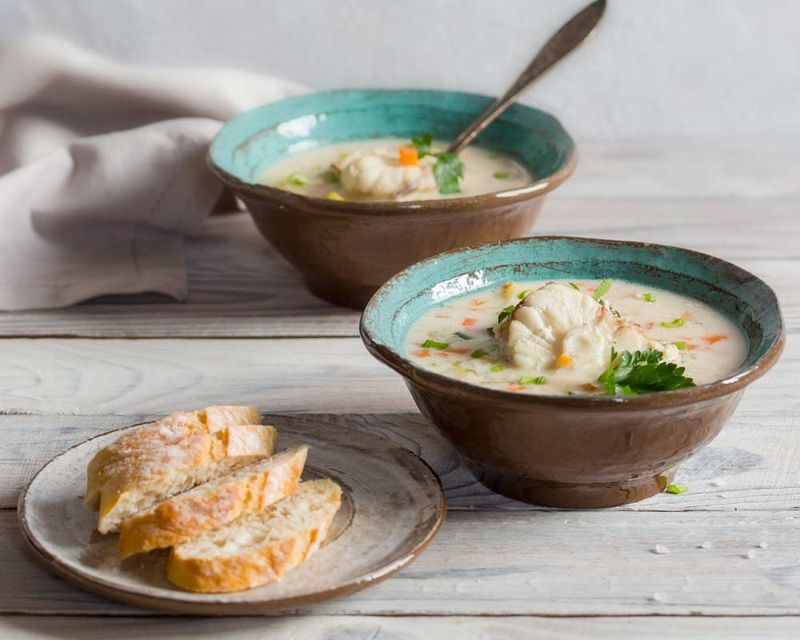
Along Norway’s rocky coast, fishing boats bring in cod, haddock, and shrimp every day. Bergen fish soup, or fiskesuppe, turns that catch into something special.
The broth is creamy and slightly sweet, filled with carrots, leeks, and chunks of white fish. Some cooks add a splash of vinegar and sugar for a sweet-sour twist.
Try using whatever fresh fish your store has. The recipe is very forgiving.
12. Sailor’s Beef, Sjömansbiff
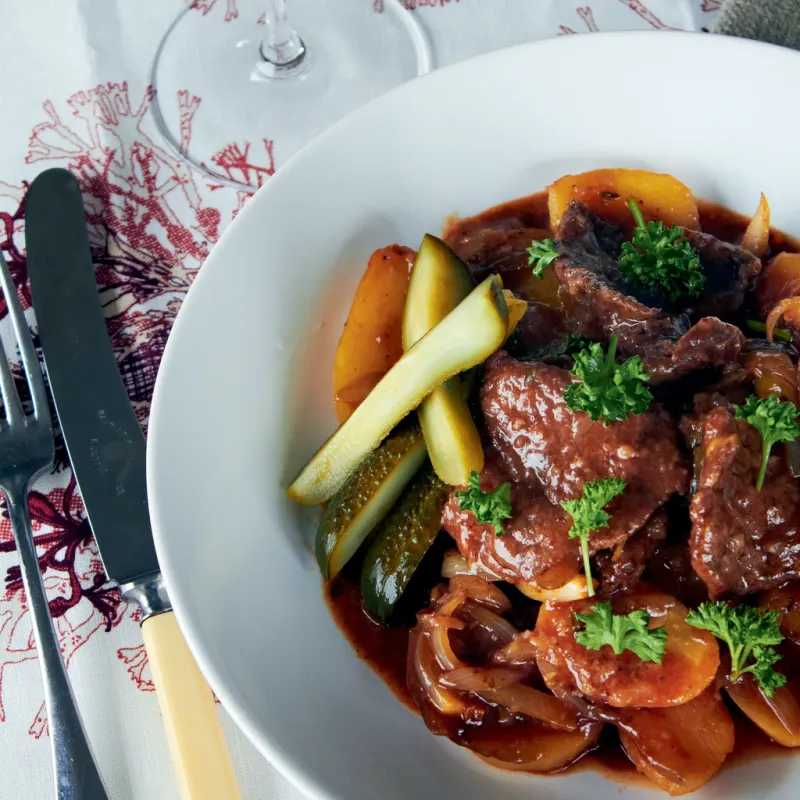
Swedish sailors once cooked this dish in a single pot on board, and the idea stuck. Sjömansbiff layers thin beef slices, onions, and potatoes in a casserole.
Dark beer or broth is poured over the top, and the whole thing bakes until bubbly. The beer cooks off, leaving a deep, malty flavor.
Broth works fine for a family-friendly version.
Sprinkle parsley on top and pass the pickled beets.
13. Brun Lapskaus With Pork
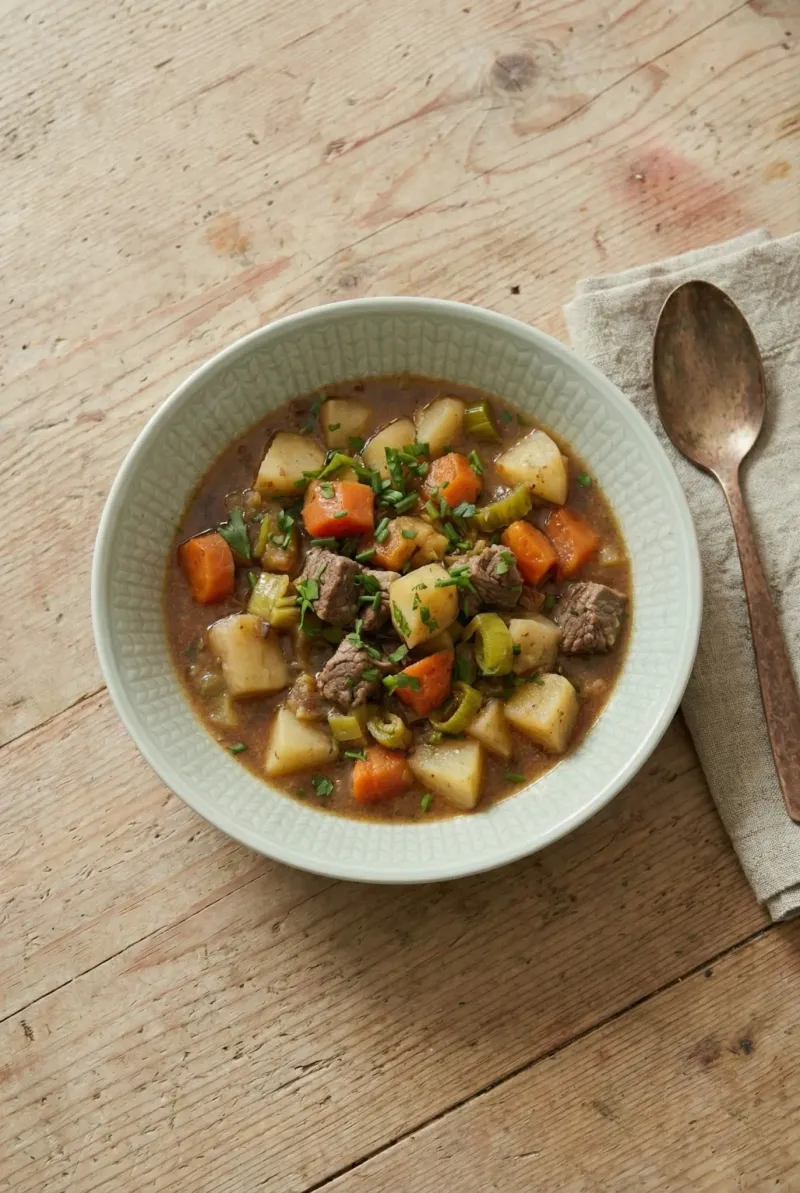
Some winter nights call for something darker and bolder. Brun lapskaus delivers with a rich brown gravy that coats every bite.
Cooks brown the beef and pork first, which builds that deep color and roasted flavor. Then potatoes, carrots, and rutabaga join the pot to simmer.
Here is a tip from Norwegian kitchens: leave it uncovered at the end so the stew thickens nicely. Serve it with soft lefse.
14. Finnish Kaalikeitto
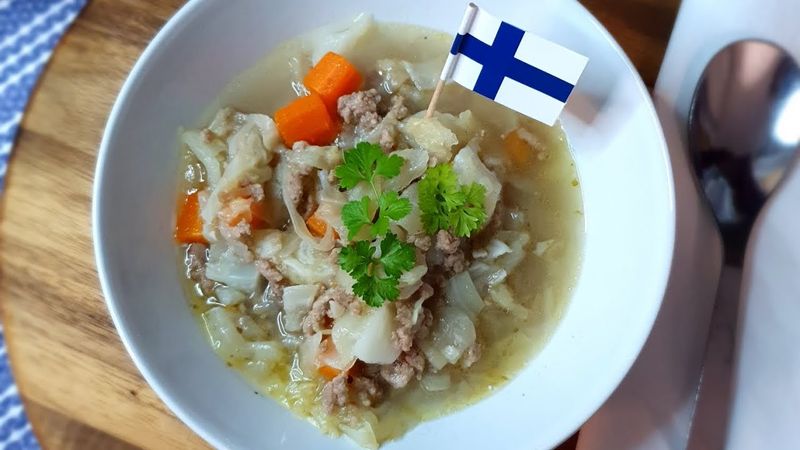
Cabbage might not sound exciting, but Finnish kaalikeitto could change your mind. Sweet, soft cabbage melts into a savory broth with pork or little meatballs.
Many Finnish families add allspice and carrots for warmth and color. It is cheap to make and stretches to feed a crowd.
Did you know? Cabbage stores well in cold cellars, so Nordic families relied on it all winter long when fresh vegetables were scarce.
15. Swedish Kåldolmar Casserole
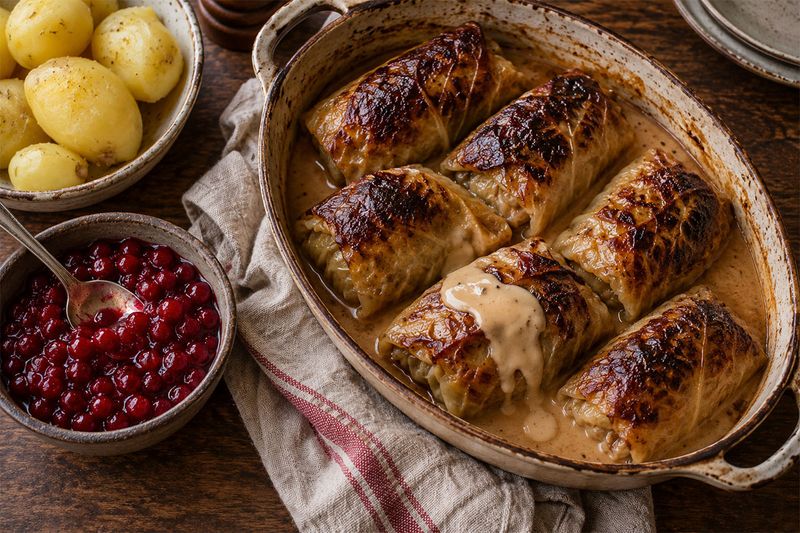
Back in 1716, King Charles XII of Sweden reportedly brought cabbage roll ideas home from the Ottoman Empire. Swedes made them their own with a sweet surprise: golden syrup.
Instead of rolling each leaf, the lazy casserole version layers cabbage and ground meat in a dish. Everything bakes into a saucy, stew-like meal.
Serve with cream sauce, potatoes, and lingonberries. It is a fun history lesson you can eat.
16. Danish Biksemad
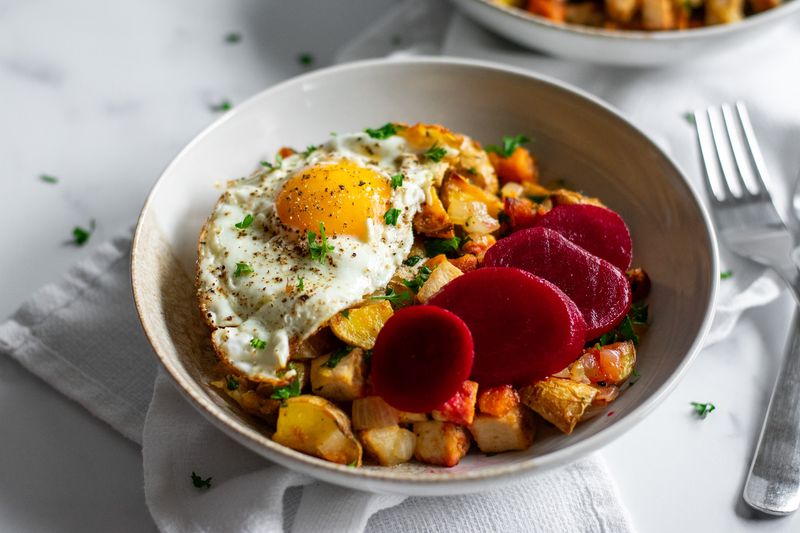
Sunday roast leftovers find a second life in biksemad. The name loosely means mixed food, and that is exactly what it is.
Diced potatoes, onions, and leftover meat get fried together, then a bit of gravy or broth makes it stew-like and saucy. A runny fried egg on top is a must.
Danish kids often add ketchup or Worcestershire sauce. Honestly, it is hard to mess this one up.
17. Norwegian Raspeballer Stew
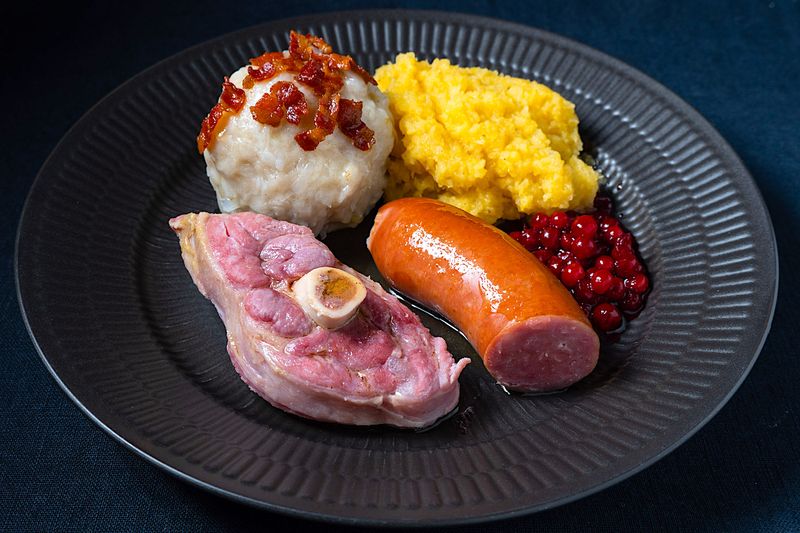
Thursday in western Norway often means one thing: raspeballer. These chewy potato dumplings are the star of a cozy, salty meal.
The dumplings simmer in broth made from salted pork or lamb, soaking up all the flavor. Families serve them with mashed rutabaga, melted butter, and bits of bacon.
They go by many names, like komle and kumle, depending on the town. Each region swears its recipe is best.
18. Icelandic Plokkfiskur
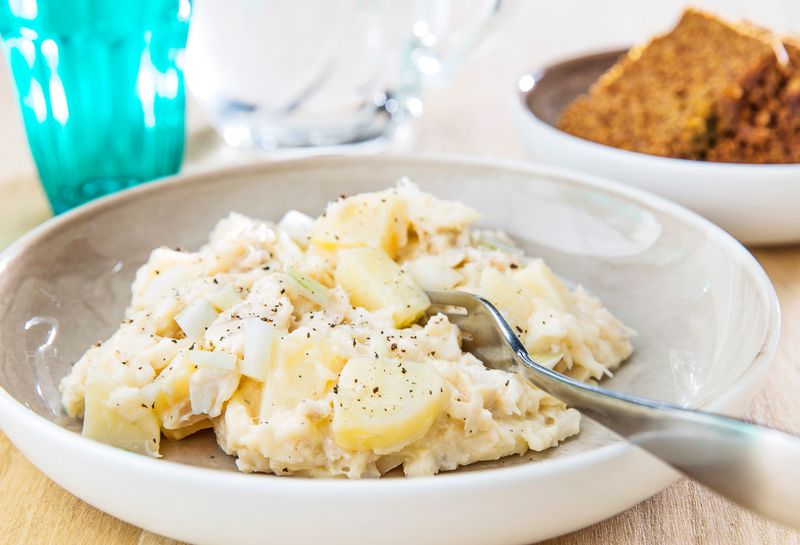
Icelandic grandmothers have a clever trick for leftover fish. They make plokkfiskur, a creamy fish and potato stew that feels like comfort in a bowl.
Cooked cod or haddock is flaked and mixed with potatoes, onions, and a buttery white sauce. A little black pepper finishes it off.
Locals pile it onto dense, sweet rye bread called rúgbrauð. Try it once, and you might start cooking extra fish on purpose.
19. Swedish Korvstroganoff
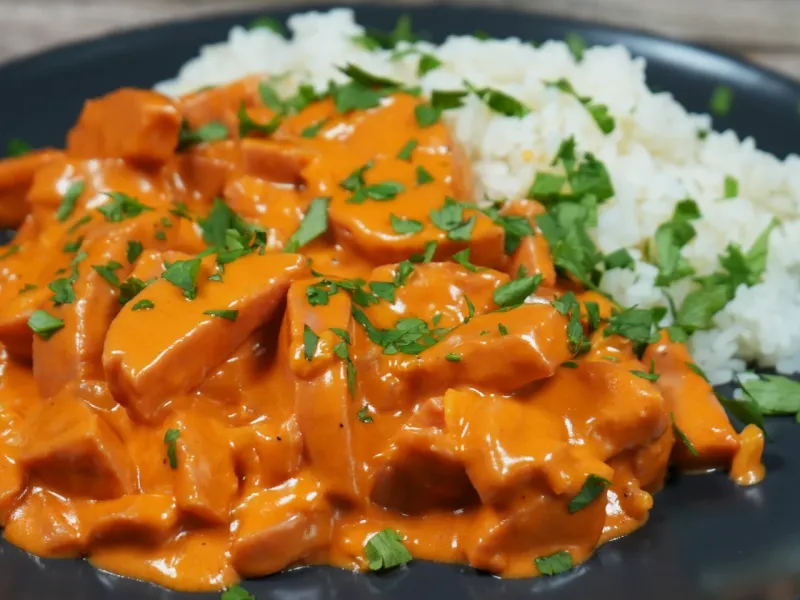
Ask Swedish kids to name their favorite dinner, and many will shout korvstroganoff. It is quick, creamy, and loads of fun.
Strips of falukorv, a mild Swedish sausage, simmer in a sauce made from cream, tomato paste, and mustard. Dinner is ready in about twenty minutes.
Serve it over fluffy white rice. Can’t find falukorv?
Bologna-style sausage or kielbasa works well in a pinch.
20. Danish Forloren Hare
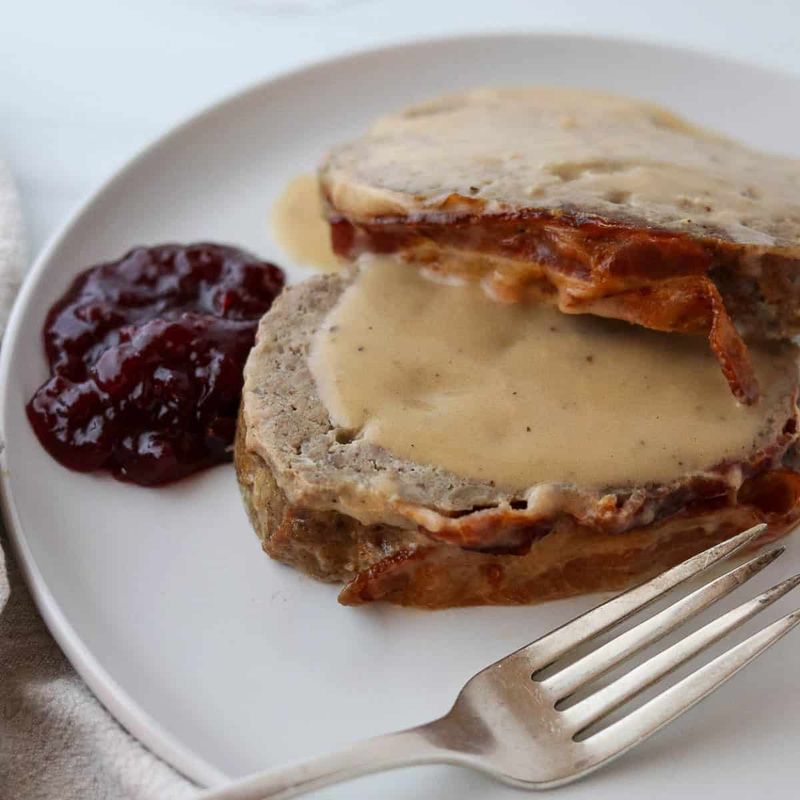
Forloren hare means mock hare, and that name hides a funny story. Long ago, families who could not afford real rabbit made a pretend version from ground meat.
The meatloaf gets wrapped in bacon and braised in a rich cream gravy until juicy. The sauce is the best part, so make plenty.
Danes serve it with boiled potatoes and red currant jelly. It proves humble meals can feel fancy.
21. Finnish Mustamakkara Stew
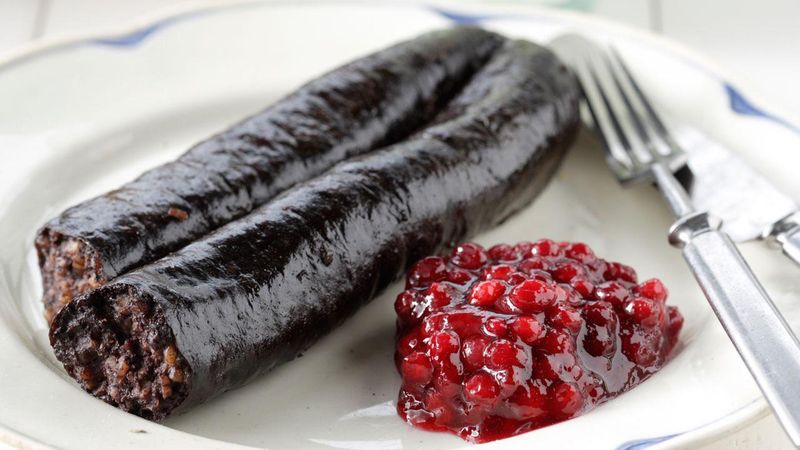
Brave eaters, this one is for you. In Tampere, Finland, mustamakkara, a dark blood sausage, is a local legend.
Simmering slices with potatoes, onions, and broth creates a hearty, iron-rich stew perfect for icy days. The flavor is earthy and slightly sweet, not scary at all.
Always add lingonberry jam, which Finns consider non-negotiable. Pair it with a cold glass of milk, the classic Tampere way.
22. Norwegian Pinnekjøtt Broth
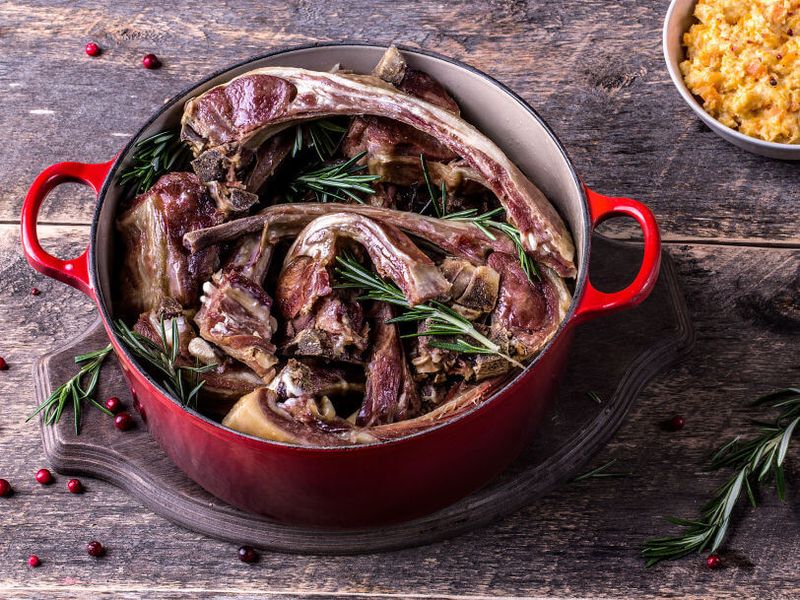
Christmas Eve in Norway smells like salty lamb ribs steaming over birch sticks. Pinnekjøtt means stick meat, named after those wooden sticks in the pot.
The cured ribs soak in water overnight, then steam for hours. The flavorful broth left behind is often saved for soups and stews later in winter.
Serve with mashed rutabaga and potatoes. It is a festive tradition many Norwegian families would never skip.
23. Swedish Viltgryta, Game Stew
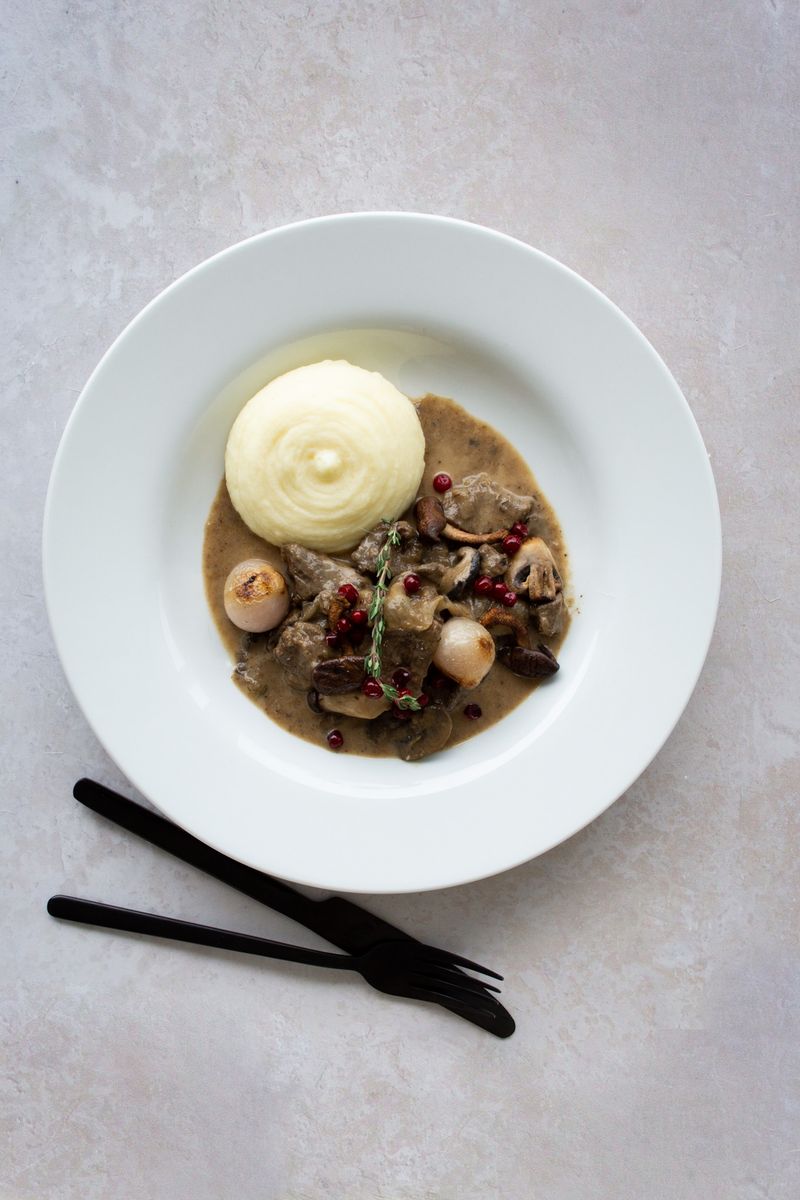
Hunting season in Sweden fills freezers with moose and deer. Viltgryta, a rich game stew, is how families make the most of it.
The meat simmers with wild mushrooms, juniper berries, thyme, and a splash of cream. Juniper gives a fresh, piney taste that feels like a walk through the forest.
Beef works if game is hard to find. Finish with lingonberries and mashed potatoes for a true Nordic feast.