
A raised eyebrow or a quiet stare can tell us more than a long speech. Some movie characters make us laugh, cry, or hide behind the couch with barely a spoken word.
Others speak at certain points, but their silent moments leave the strongest mark. Their performances remind us that paying attention means watching, not just listening.
1. Kevin Turns Silence Into a Threat
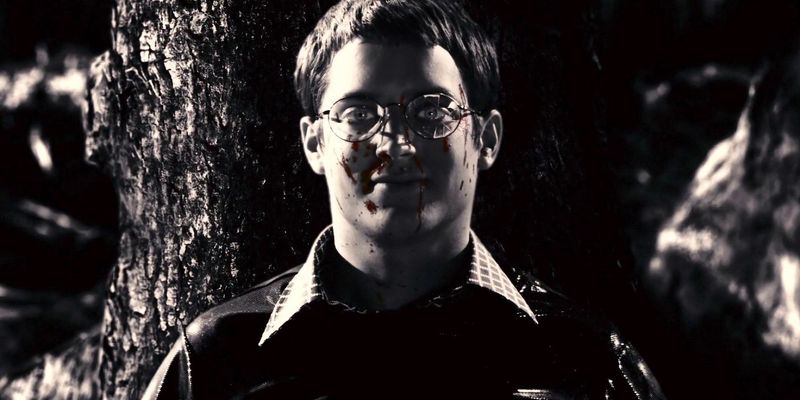
A calm smile has rarely felt so wrong. In Sin City, Elijah Wood plays Kevin, a killer whose silence makes his cheerful face deeply unsettling.
He never offers an excuse, a threat, or even a cry of pain.
That lack of response leaves viewers searching for feelings that never appear. Watch how his stillness clashes with Marv’s anger.
The contrast shows how a quiet performance can make a villain seem frighteningly distant from ordinary people.
2. Oddjob Lets His Hat Do the Talking
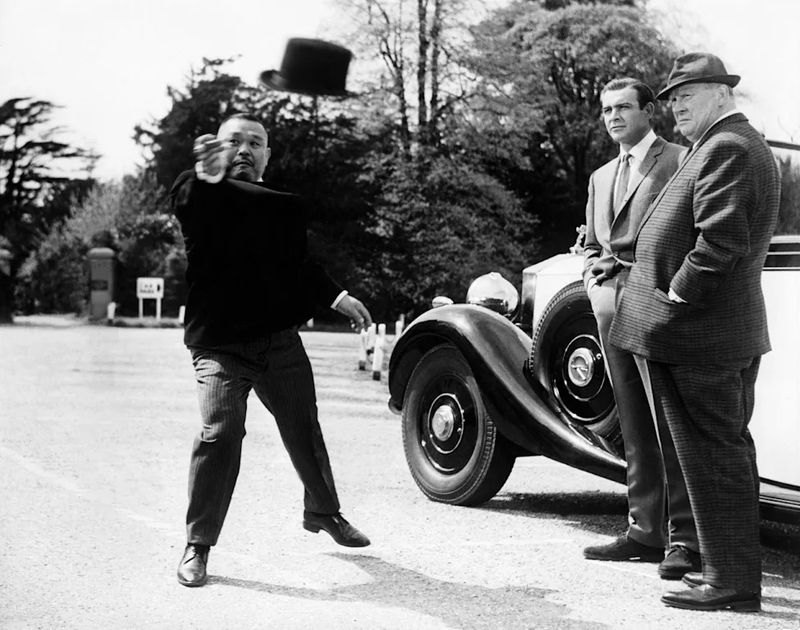
Forget a long villain speech: one flying hat makes the point. Harold Sakata gives Oddjob a powerful presence in Goldfinger through his solid stance, quick attacks, and strangely polite smile.
His sharp bowler hat becomes his deadly calling card.
He makes brief sounds rather than holding conversations, so calling him completely soundless would be misleading. Notice how confidently he moves around Bond.
His ease suggests someone who expects strength, not clever words, to settle every problem.
3. Michael Myers Makes Every Pause Terrifying
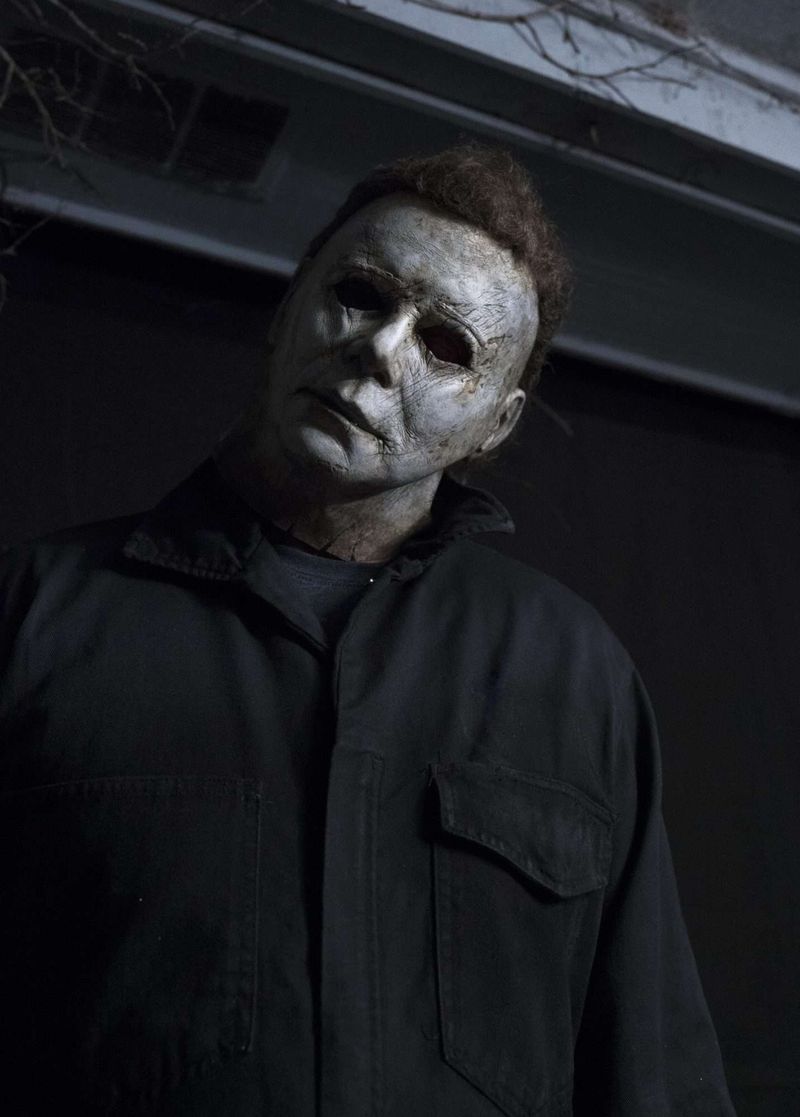
Behind that blank mask, there is nothing friendly to read. In the original Halloween, adult Michael Myers stalks his targets without spoken dialogue.
Small movements, including his famous head tilt, become disturbing because viewers cannot easily guess his thoughts.
His silence also gives everyday sounds more power: footsteps, breathing, and a door opening suddenly matter. Watch the space around him as much as his face.
The fear often comes from waiting for him to move again.
4. One-Eye Carries a World in His Gaze
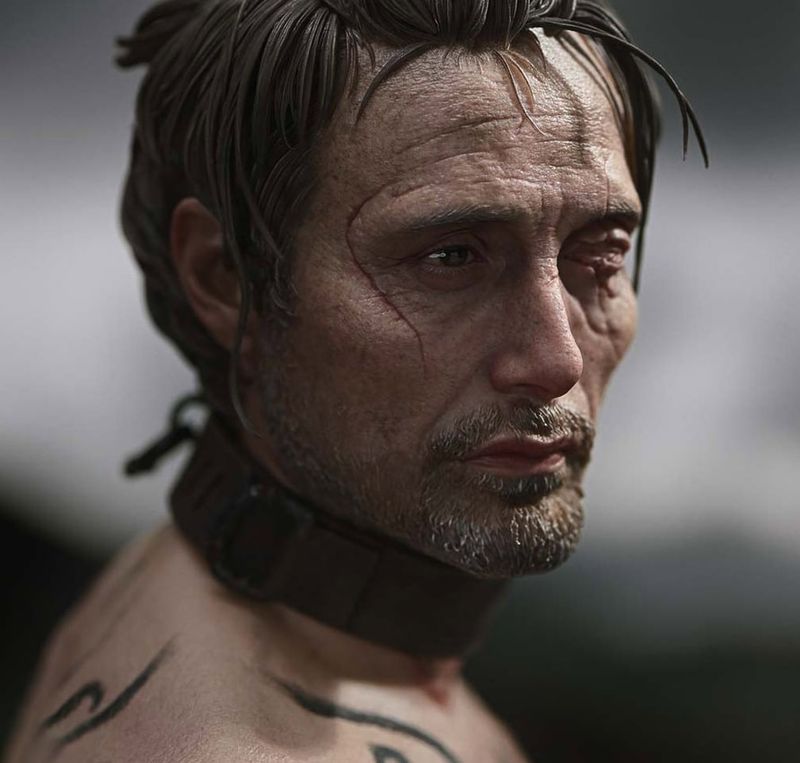
One hard stare can feel heavier than a battle speech. Mads Mikkelsen plays the silent warrior One-Eye in Valhalla Rising, using a watchful gaze and controlled movements to suggest strength, pain, and hidden purpose.
The film offers few easy answers about him, which makes his silence part of its mystery. Rather than expecting spoken explanations, follow his choices and the way others react.
Those details reveal how fear and belief can grow around an unknown person.
5. Elisa Esposito Builds a Connection Beyond Speech
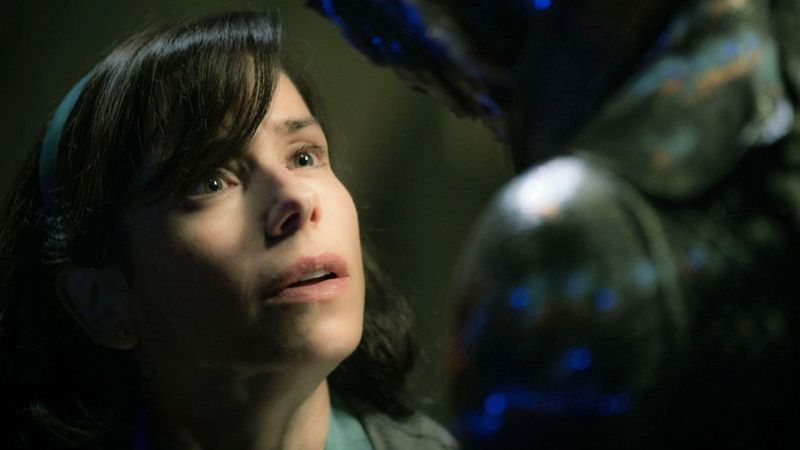
Love begins with attention, not a perfect speech. Sally Hawkins makes Elisa’s curiosity and courage clear in The Shape of Water through American Sign Language, facial expressions, and thoughtful actions.
Her bond with the amphibious creature grows through shared routines.
Remember that signing is language, not an absence of communication. Elisa has plenty to say, even when others dismiss her.
Her story invites viewers to notice who gets heard and who gets overlooked in daily life.
6. Ada McGrath Finds Her Voice at the Piano
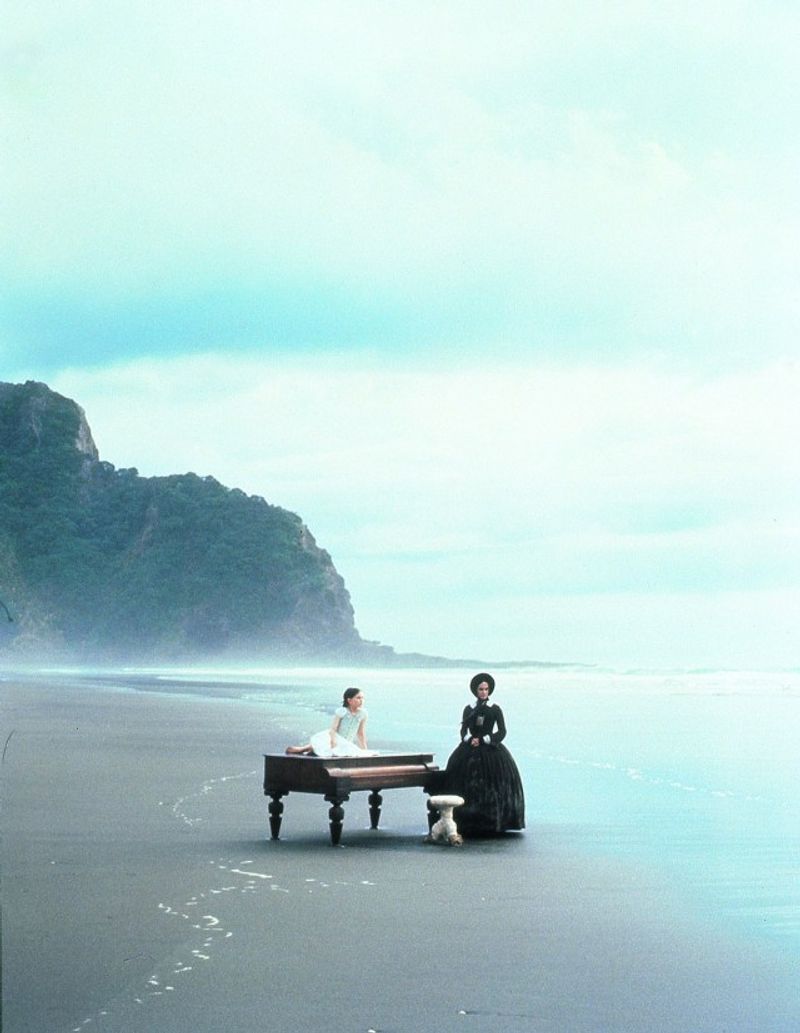
At the keyboard, feelings become impossible to ignore. Holly Hunter’s Ada in The Piano does not speak aloud, but her playing gives shape to anger, longing, and fierce independence.
Gestures and written messages also help her communicate.
The film includes her inner voice in narration, an important difference from spoken conversation. Listen to how the music changes with her circumstances.
It helps explain why losing access to the piano feels like losing control over her life.
7. The Little Tramp Turns Small Gestures Into Big Feelings
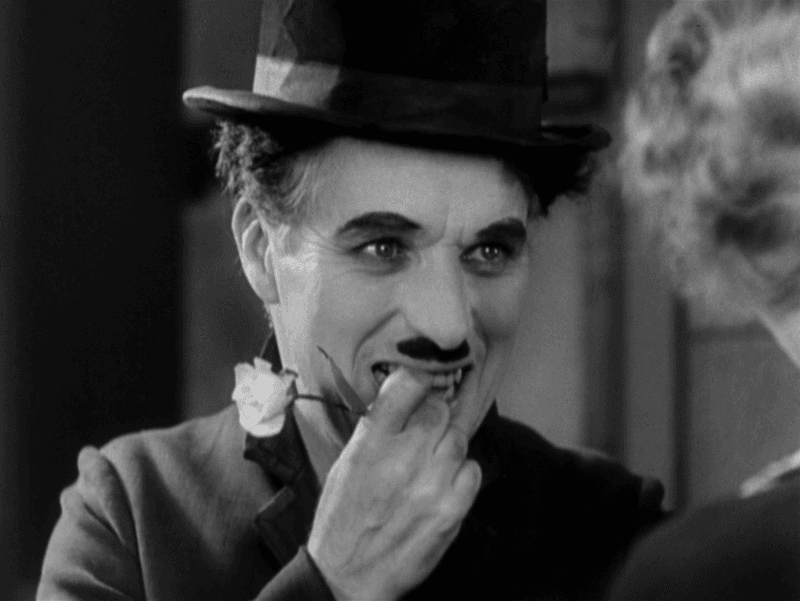
A crooked walk and a shy smile can break your heart. Charlie Chaplin’s Little Tramp makes silent storytelling feel natural, especially in City Lights.
His manners suggest dignity even when his clothes and bad luck tell another story.
Chaplin builds jokes through timing, movement, and reactions rather than spoken dialogue. Then a simple look can shift the mood toward tenderness.
Pay attention to the final meeting in City Lights: recognition carries the emotional weight without speeches.
8. Dwayne Hoover Writes What He Will Not Say
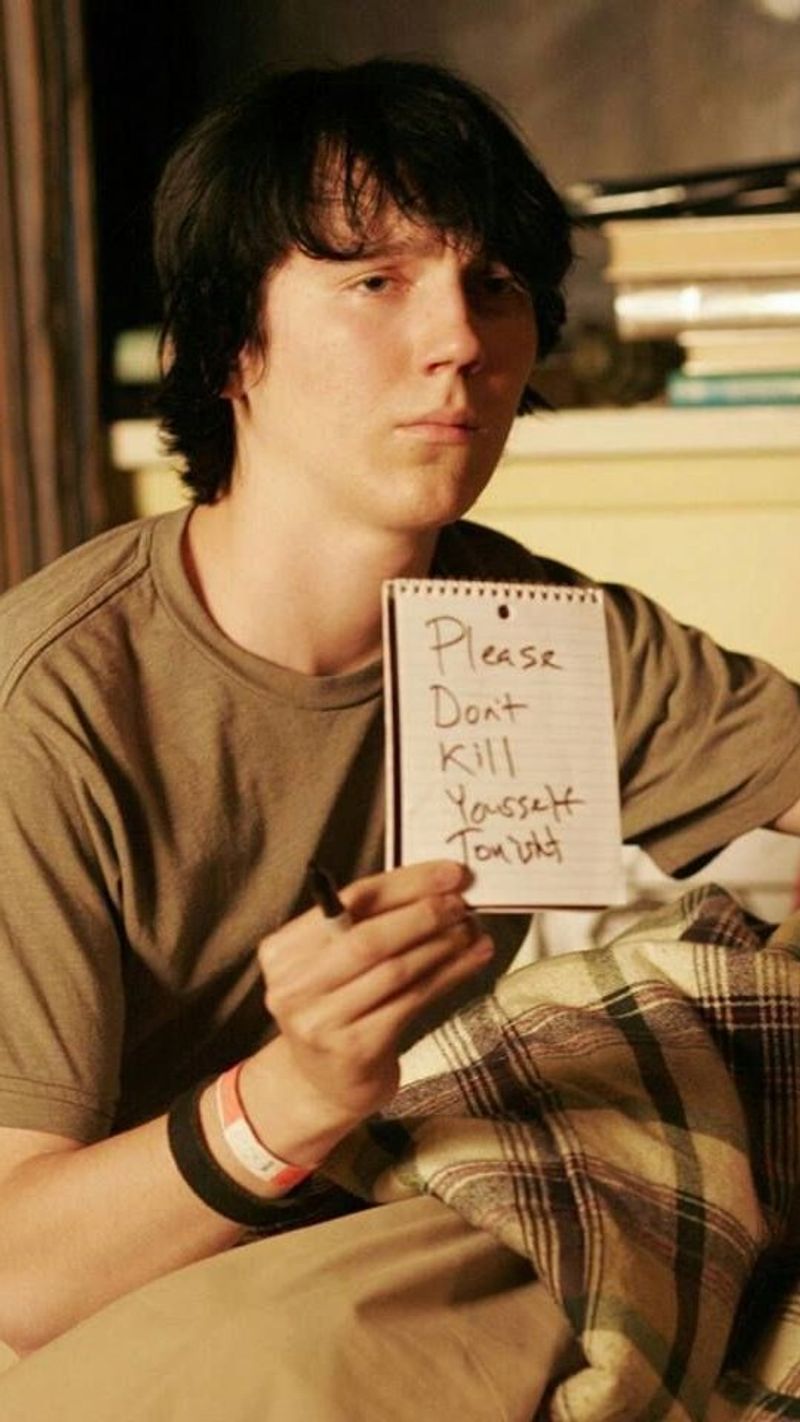
Family road trips are hard enough without refusing to talk. In Little Miss Sunshine, teenager Dwayne keeps a vow of silence tied to his dream of becoming a pilot.
Paul Dano turns a notepad and sharp looks into comic weapons.
His silence does eventually break, so this is not a wordless role throughout. That change matters because viewers have learned to read his frustration first.
His quieter scenes also reveal affection beneath his guarded, unhappy attitude.
9. Jason Voorhees Makes His Presence Enough
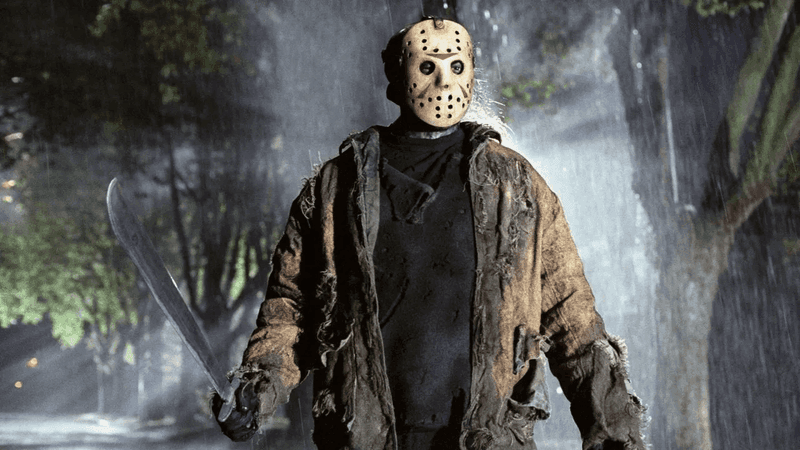
When a hockey mask appears between the trees, conversation feels beside the point. Across much of the Friday the 13th series, adult Jason Voorhees relies on his size, sudden appearances, and violent pursuit rather than dialogue.
His near silence leaves little room for bargaining, which makes encounters feel especially hopeless. The franchise contains exceptions and unusual moments, so absolute claims need care.
Notice how filmmakers frame his body: a distant figure can become a threat almost instantly.
10. Chief Bromden Watches Before He Acts
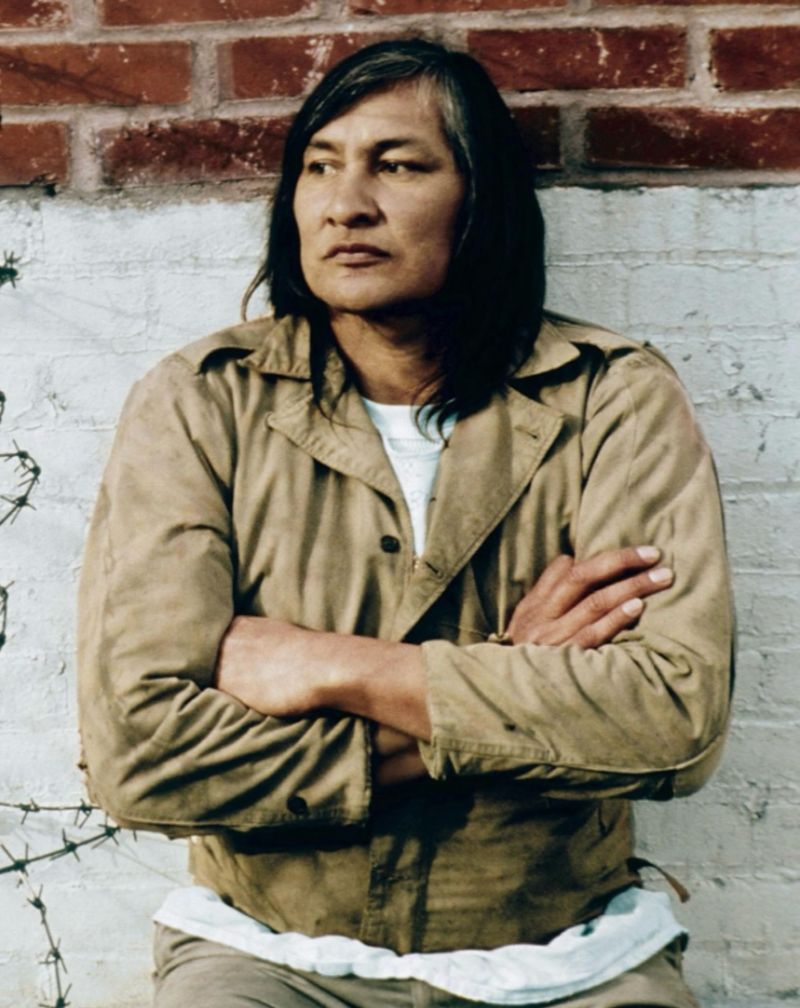
Being overlooked gives Chief Bromden a powerful place to observe. In One Flew Over the Cuckoo’s Nest, other patients and staff believe he cannot hear or speak.
Will Sampson conveys awareness through patient looks and a carefully held posture.
He eventually speaks, making this a story of meaningful silence rather than permanent wordlessness. His friendship with McMurphy changes how we understand those earlier scenes.
Watch his growing confidence, which prepares the ground for his unforgettable final actions.
11. Mr. Bean Turns Awkwardness Into an Art
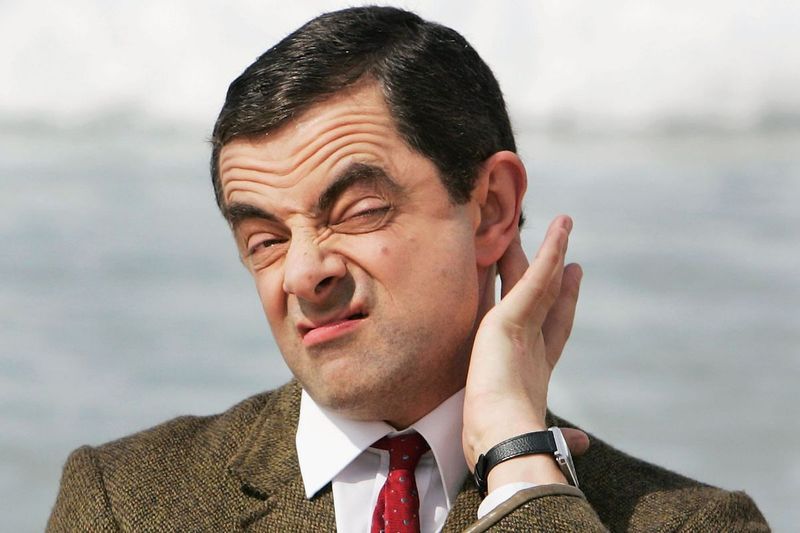
Disaster often starts with an idea he considers perfectly sensible. Rowan Atkinson’s Mr. Bean turns ordinary tasks into elaborate trouble through rubbery expressions, stubborn confidence, and wonderfully poor judgment.
His films let physical comedy cross language barriers.
Bean does speak occasionally, so his gift is largely wordless humor rather than total silence. Try watching his eyes before a mishap unfolds.
You can often see the questionable plan forming, which makes the coming mess even more deliciously funny.
12. Gromit Says Everything With His Eyebrows
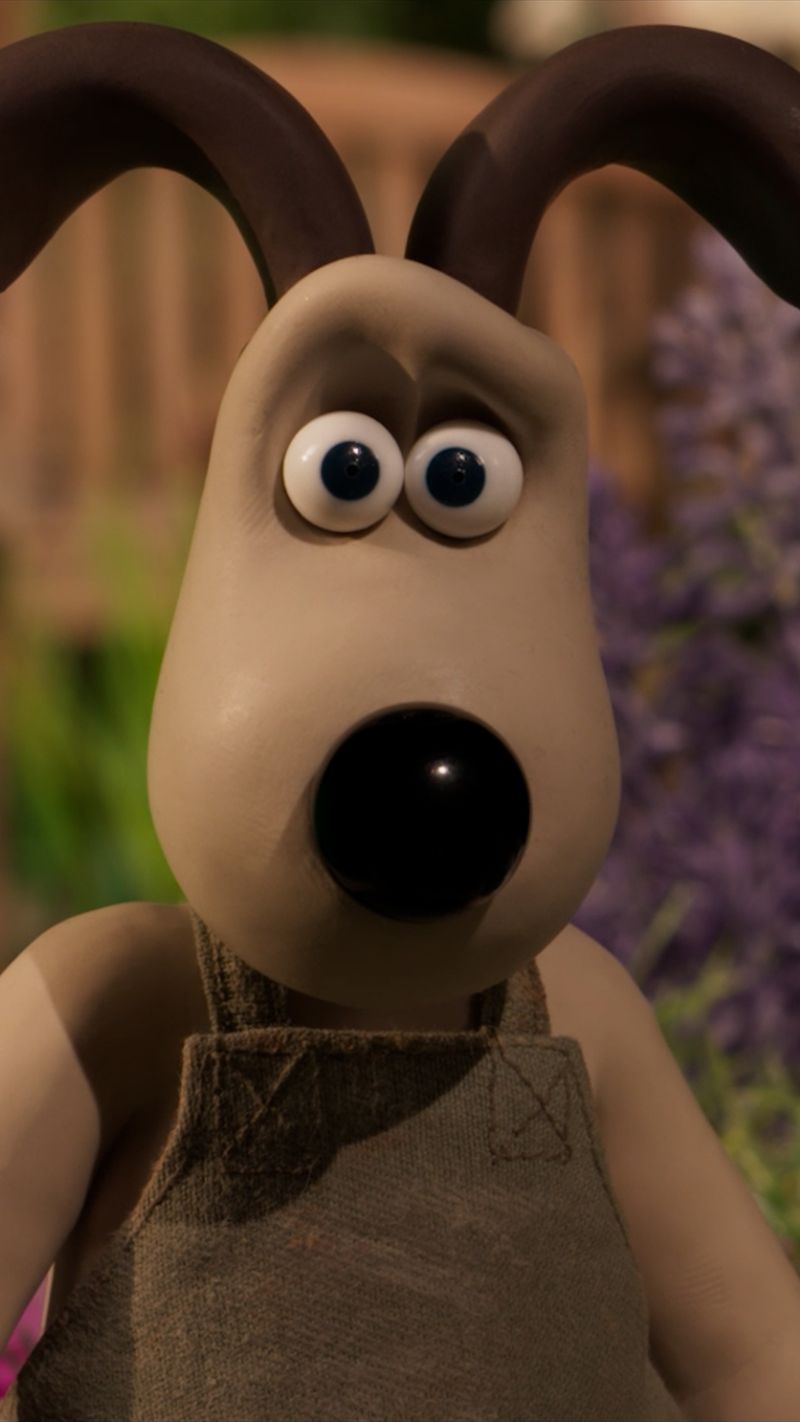
No one gives a better exhausted look than Wallace’s dog. Gromit never needs spoken dialogue to express worry, doubt, or deep affection.
Tiny shifts in his eyebrows and posture make his thoughts wonderfully clear.
In the Wallace and Gromit films, he often spots danger while his owner remains distracted by inventions or cheese. Look for the pause before he reacts.
That careful timing makes him both a brilliant comic partner and the household’s most dependable problem solver.
13. The Bear Cub Makes Survival Feel Personal
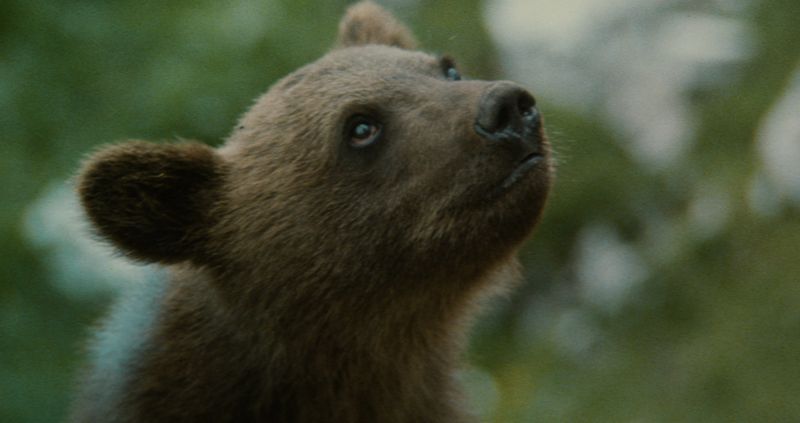
A tiny cub facing a huge wilderness needs no human voice to earn our concern. The Bear follows an orphaned youngster whose bond with an adult male bear gives its survival story an emotional center.
Animal sounds, movement, and editing guide our understanding without making the bears deliver human dialogue. Their behavior is shaped into a film narrative, not presented as untouched documentary footage.
Notice how closeness and distance between the animals help suggest trust, danger, and growing attachment.
14. Pascal Packs Attitude Into a Tiny Body
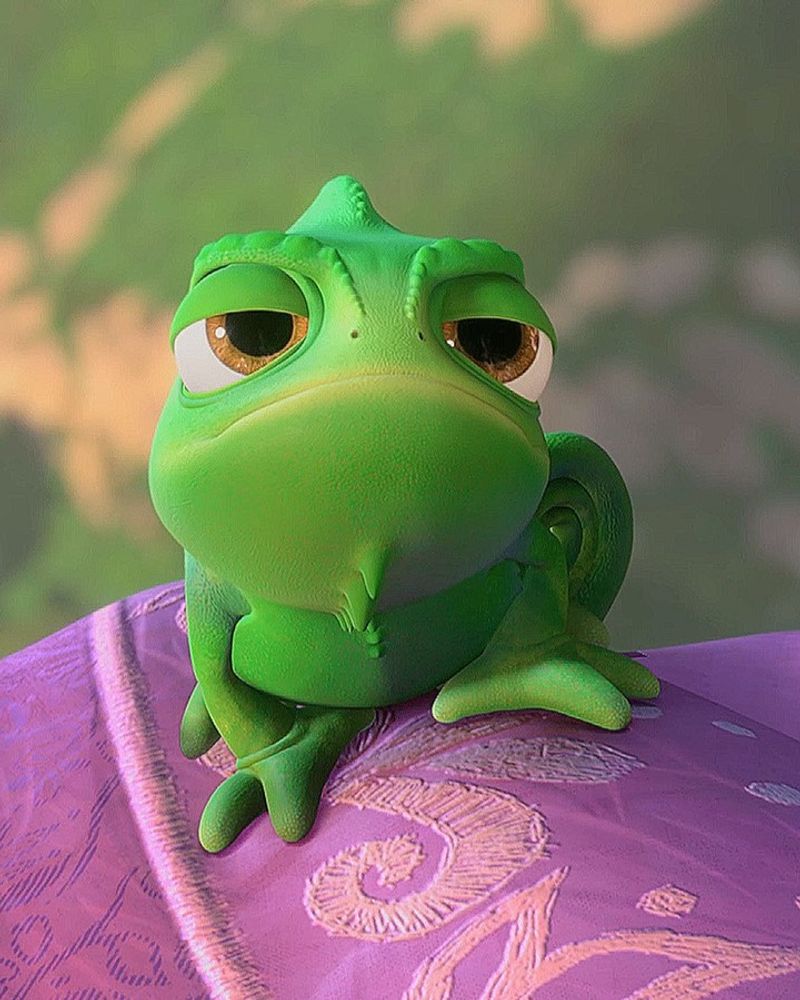
For someone so small, Rapunzel’s chameleon has enormous opinions. Pascal brings mischief and loyalty to Tangled through narrowed eyes, quick gestures, and playful changes in color.
He can question a bad decision without interrupting the scene.
His reactions also give Rapunzel someone to connect with during her lonely tower life. Watch where he looks when strangers appear.
That alert little face often reflects the caution she sets aside, making him more than a cute background pet alone.
15. WALL-E Finds Wonder in a Lonely World
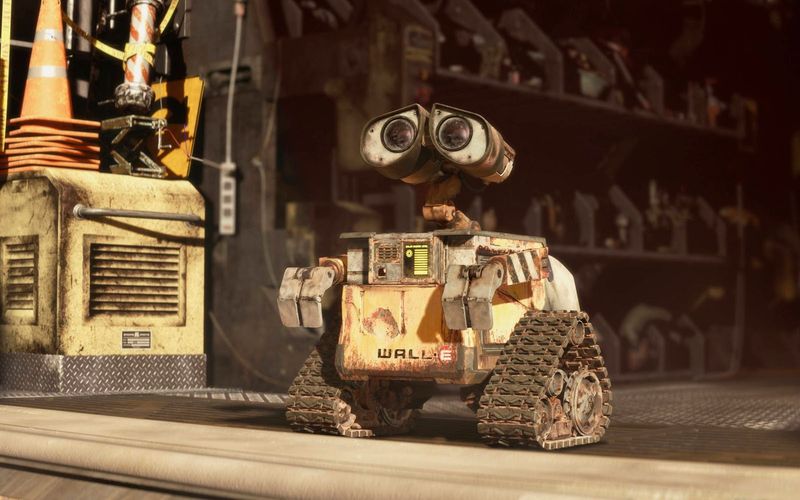
Somehow, a battered trash robot makes loneliness instantly familiar. WALL-E uses tilting eyes, careful movements, and electronic sounds to show curiosity and affection.
His treasured objects reveal a personality long before much conversation enters the story.
He does say a few recognizable words, including names, so he is not strictly speechless. Still, his strongest moments depend on action and attention.
Watch how gently he handles fragile things: those small choices make his enormous capacity for love believable.