
Long before drive-thrus and delivery apps, hungry workers needed food that was cheap, filling, and easy to eat on the go. Many of the world’s favorite street foods were born in docks, mines, factories, and fields.
Cooks made meals that fit in one hand so people could get back to work fast. Learning their stories shows how hard work and clever cooking shaped what we love to eat today.
1. Cornish Pasty
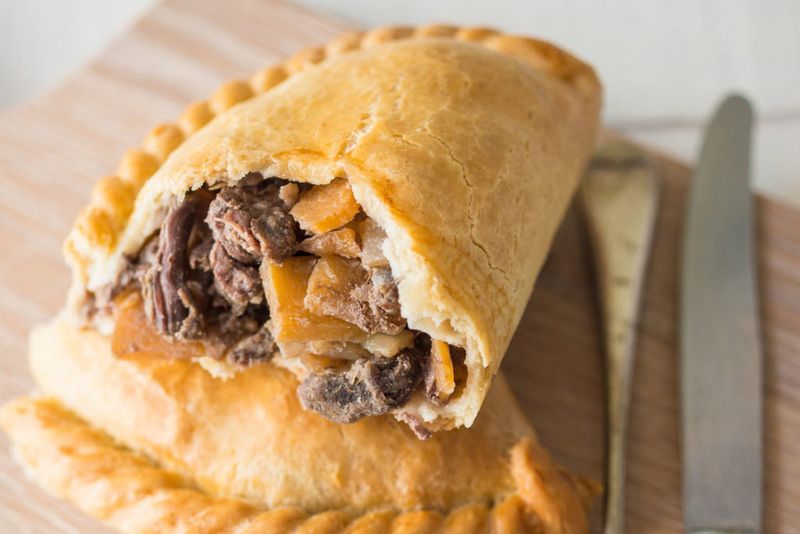
Picture a tin miner deep underground in Cornwall, England, pulling a warm pie from his pocket. The Cornish pasty was built for exactly that moment.
Its thick, crimped edge worked like a handle. Miners with dirty, sometimes arsenic-covered hands could hold the crust, eat the filling, and toss the edge away.
Inside you’ll find beef, potato, onion, and swede. Want to try one?
Bake extra and reheat them for easy weekday lunches.
2. Banh Mi
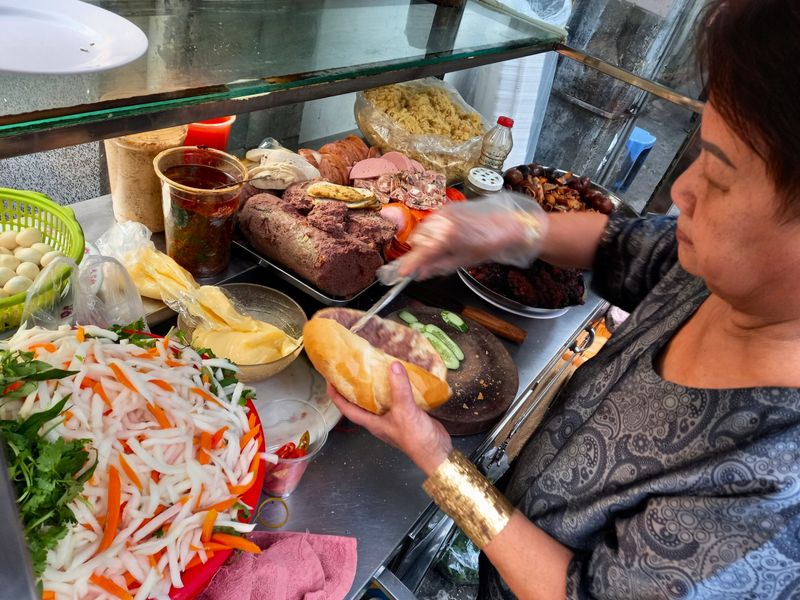
French baguettes met Vietnamese flavors, and something magical happened. Banh mi became the go-to grab-and-go meal for workers rushing through Saigon streets.
The crispy bread holds grilled pork, pate, pickled carrots, cucumber, cilantro, and chili. Vendors can build one in under a minute.
Fun fact: the word banh mi simply means bread. Today, plenty of Vietnamese commuters still buy one on their morning ride to the office.
3. Tacos al Pastor
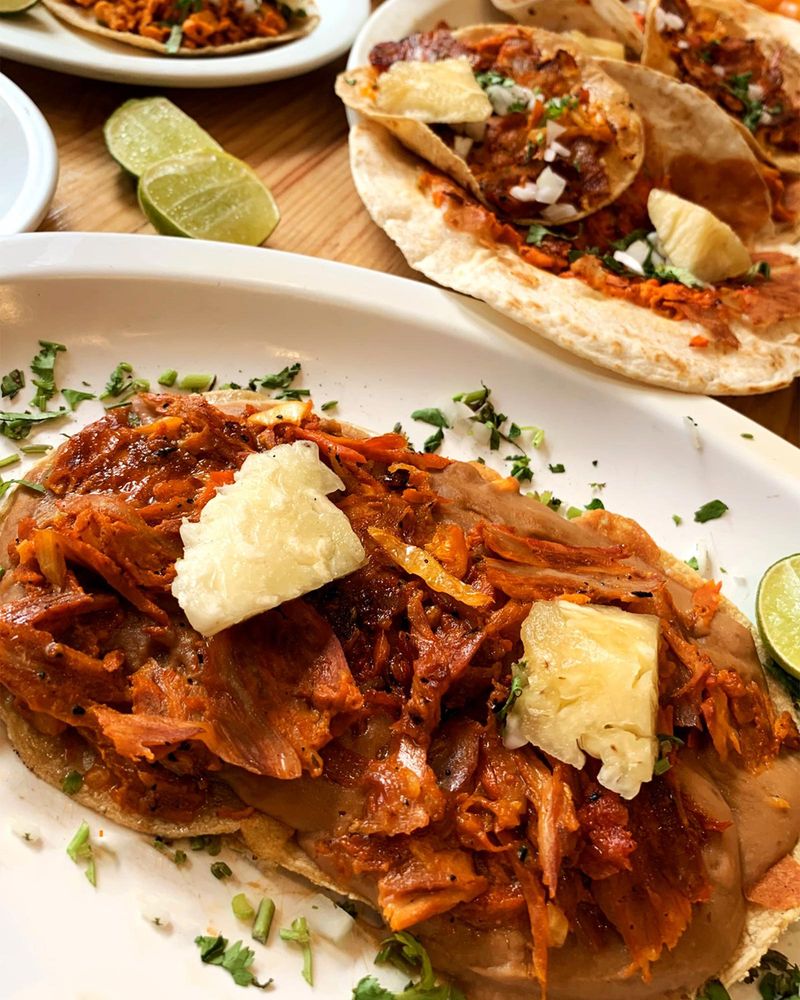
Here’s a surprise. Tacos al pastor owe their roots to Lebanese immigrants who brought shawarma-style spit cooking to Mexico in the early 1900s.
Mexico City cooks swapped lamb for pork, added chili marinade, and topped the spit with pineapple. Workers loved the cheap, fast tacos served on small corn tortillas.
Order like a local by asking for cilantro, onion, and a squeeze of lime. Two or three tacos make a solid lunch.
4. Vada Pav
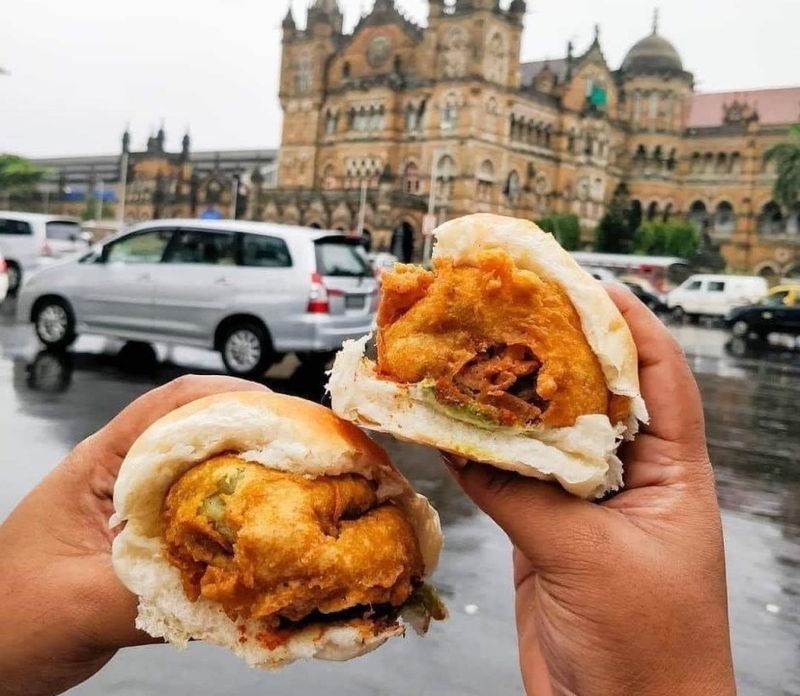
Mumbai’s mill workers in the 1960s needed something tasty that cost almost nothing. A clever vendor named Ashok Vaidya answered with vada pav.
It’s a spicy fried potato ball tucked inside a soft bread roll, smeared with garlic and green chutney. Many people call it the Indian burger.
The snack still powers millions of commuters every day. Try making it at home with leftover mashed potatoes for a quick, budget-friendly dinner.
5. Fish and Chips
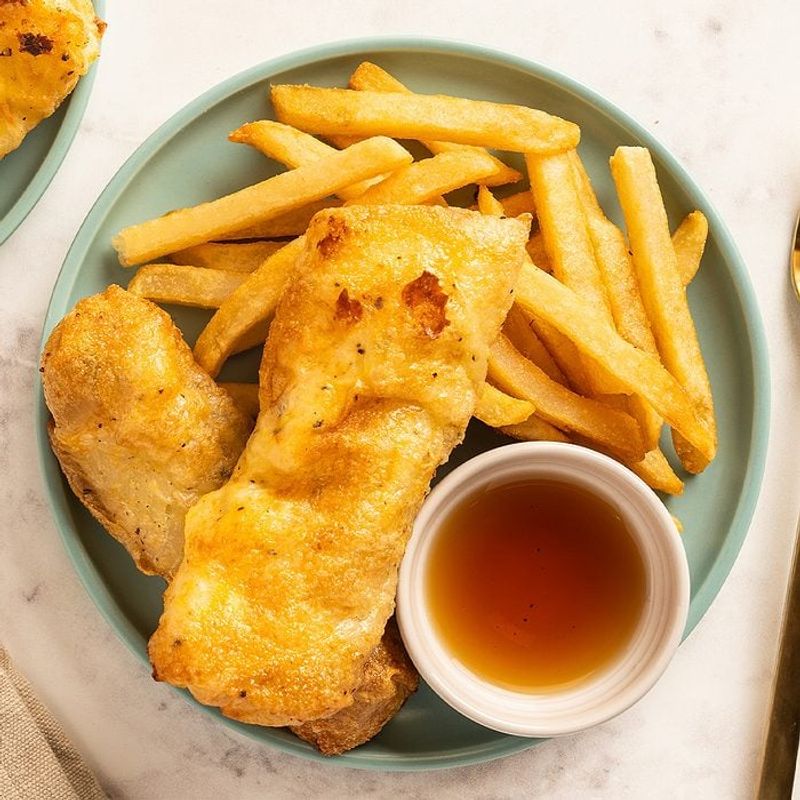
During the Industrial Revolution, British factory workers got a hot, cheap supper wrapped in newspaper. Fish and chips quickly became the meal of the working class.
Fresh fish arrived by train from the coast, while potatoes were cheap and plentiful. Shops popped up on nearly every corner.
Winston Churchill even called them good companions during World War II, and they were never rationed. A splash of malt vinegar makes them shine.
6. Onigiri
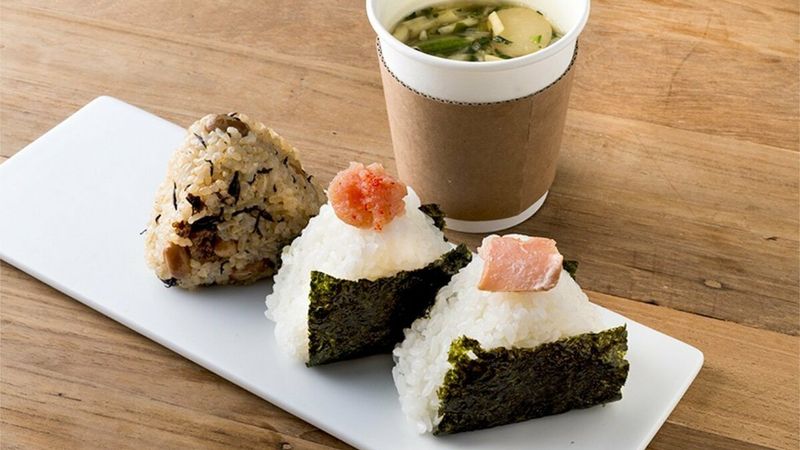
Simple, humble, and genius. Onigiri, Japanese rice balls, fed farmers and samurai long before convenience stores sold them by the millions.
Rice was pressed into a triangle, stuffed with salty pickled plum or fish, and wrapped in seaweed. Salt kept it fresh during long days in the rice fields.
You can make them easily with your hands and a little water. Pack a couple in your lunchbox for a no-mess meal.
7. Po’ Boy Sandwich
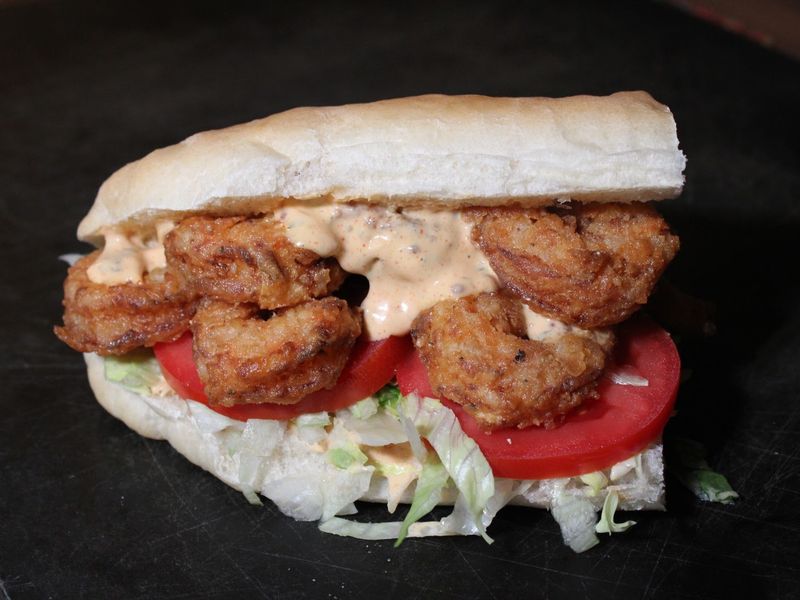
In 1929, New Orleans streetcar workers went on strike. Former streetcar drivers Bennie and Clovis Martin promised to feed every striking poor boy for free.
Their sandwich, loaded onto crusty French bread, earned the name po’ boy. Fillings like roast beef with gravy or fried shrimp kept hungry men full.
Visiting Louisiana? Ask for it dressed, which means lettuce, tomato, pickles, and mayo.
Messy fingers are part of the fun.
8. Empanadas
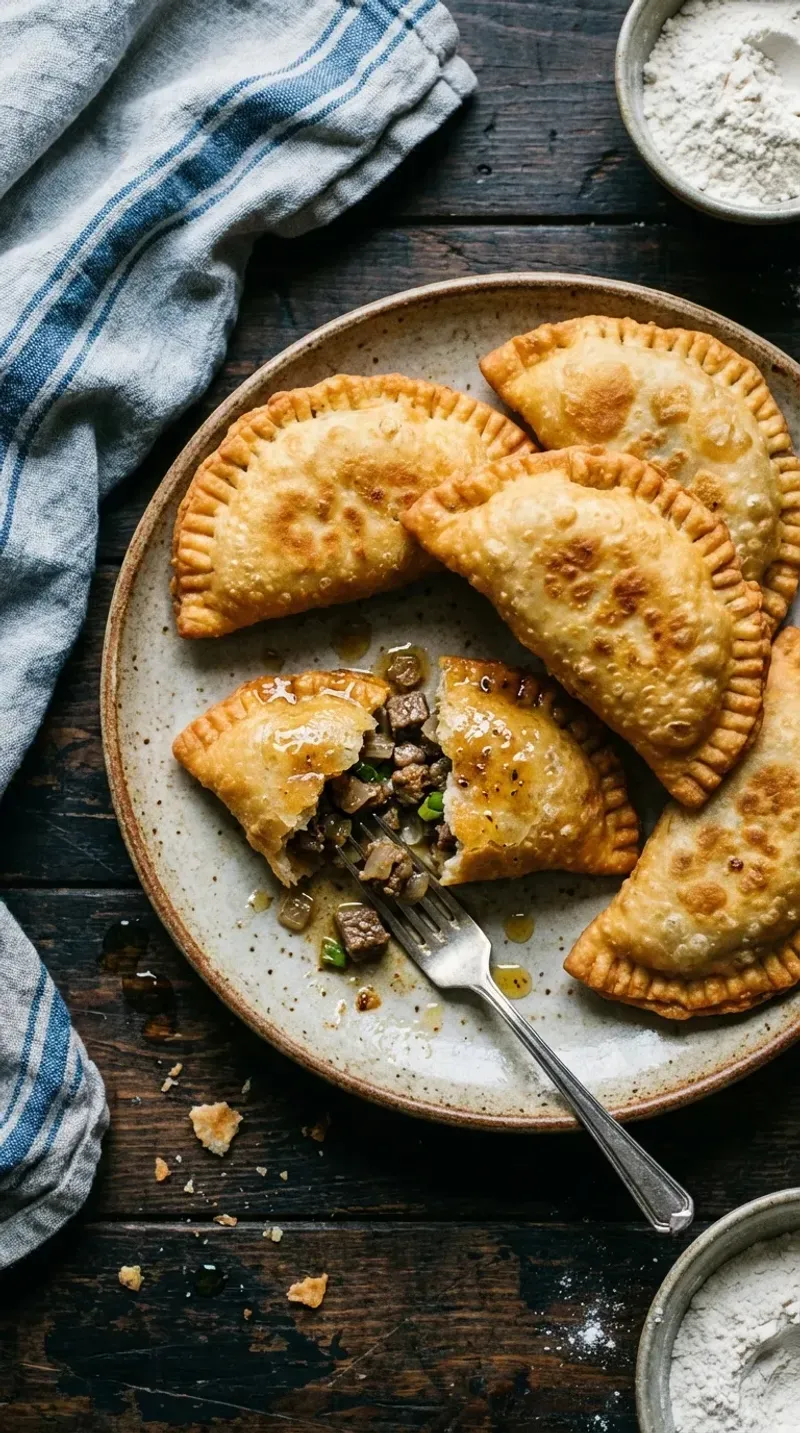
Ever wish lunch came in its own wrapper? Empanadas solved that problem centuries ago for field hands across Spain and Latin America.
The name comes from the Spanish word empanar, meaning to wrap in bread. Fillings range from spiced beef and olives to cheese or chicken.
In Argentina, each filling gets its own special fold or braid so you know what’s inside. Freeze a batch for easy meals all month.
9. Doner Kebab
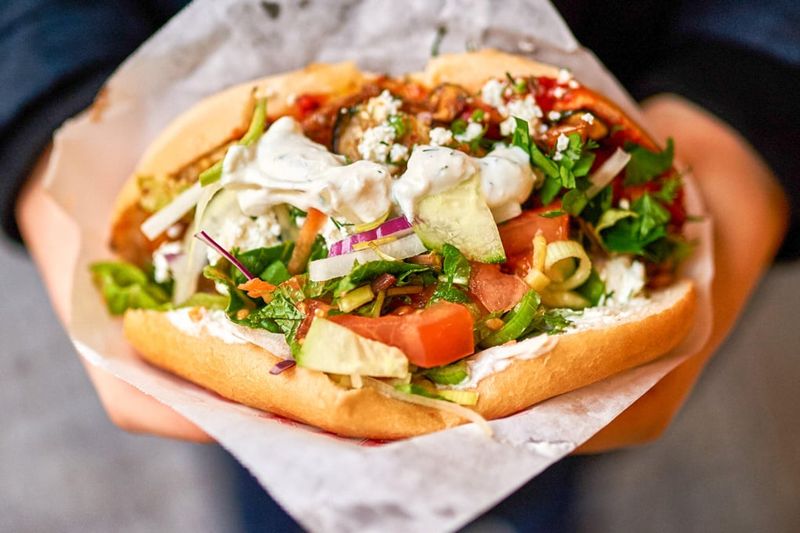
Turkish guest workers arrived in Berlin during the 1970s, and they brought big appetites and bigger ideas. One of them is credited with stuffing doner meat into bread.
Sliced roasted meat, crunchy salad, and garlic sauce packed into flatbread made a perfect handheld meal. Busy Germans adopted it fast.
Now doner shops outnumber burger chains in many German cities. It’s a fine reminder that immigrant cooks often shape a nation’s favorite foods.
10. Arepas
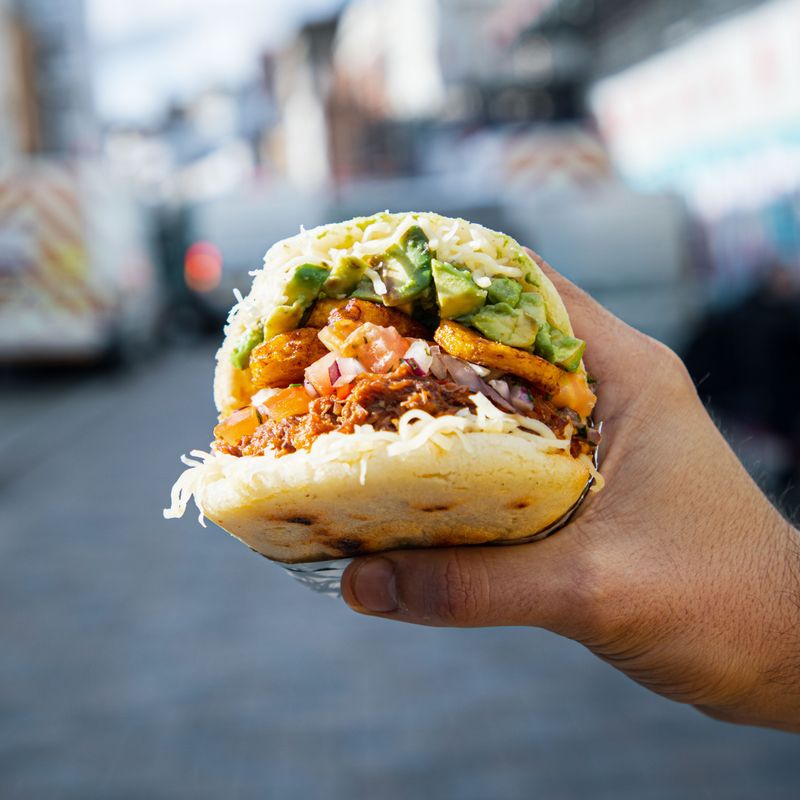
Corn, water, salt. With just three ingredients, Indigenous people in Venezuela and Colombia created arepas thousands of years ago.
Farmers ate these thick corn cakes before heading to the fields because they were filling and cheap. Later, city workers grabbed them at roadside stands called areperas.
Split one open and stuff it with shredded beef, beans, avocado, or cheese. Gluten-free and kid-friendly, arepas make excellent breakfast sandwiches any day.
11. Jianbing
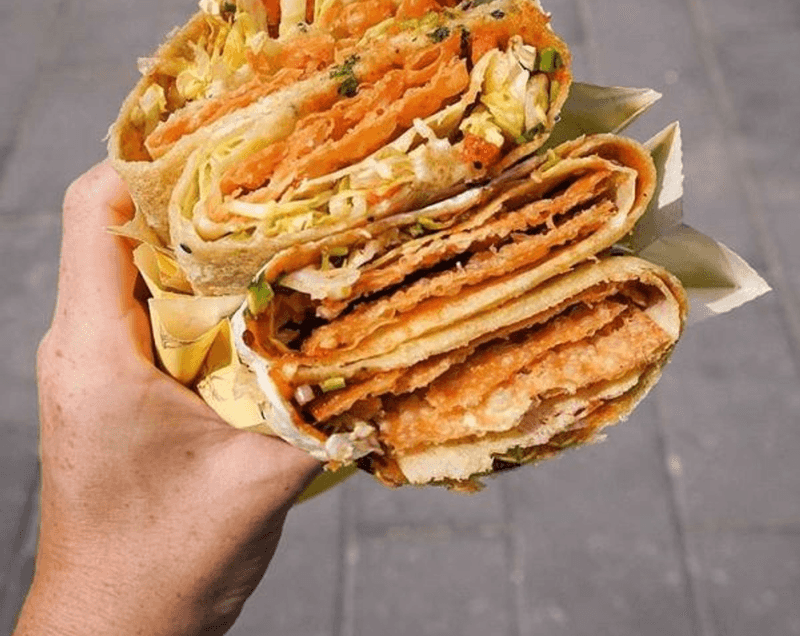
Early morning in Beijing smells like sizzling egg and scallions. That aroma comes from jianbing carts serving commuters on their way to work.
Vendors spread thin batter on a hot griddle, crack an egg on top, then add sauce, herbs, and a crispy cracker. Everything gets folded into a warm package.
Legend says it began over 1,800 years ago when soldiers cooked batter on shields. Breakfast has rarely been this entertaining to watch.
12. Bunny Chow
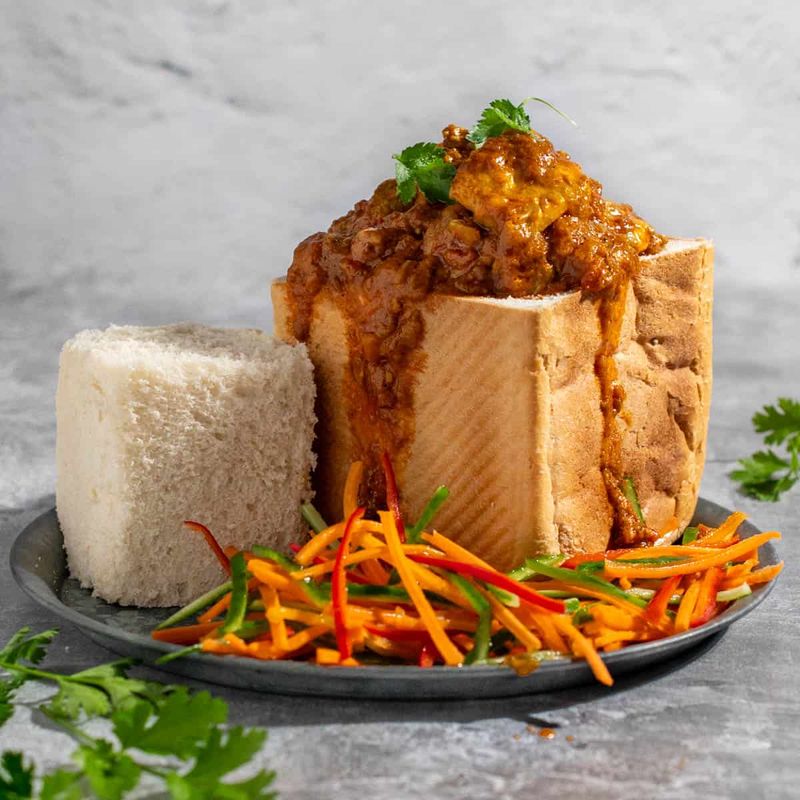
No rabbits were harmed in making this dish, promise. Bunny chow is a hollowed-out loaf of bread filled with spicy curry from Durban, South Africa.
Indian laborers working on sugar plantations needed a way to carry lunch without plates or containers. Bread became the bowl, and nothing went to waste.
Eat it with your hands, tearing the soft inside to scoop the curry. Start with a quarter loaf unless you’re seriously hungry.
13. Pierogi
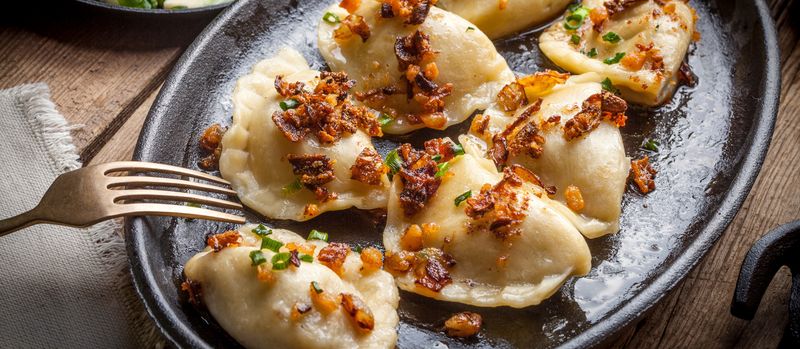
Grandmas across Poland know the secret. Pierogi stretch a little flour, potato, and cheese into a meal that keeps hard workers going all day.
Peasants and farmhands relied on these dumplings because they used cheap ingredients and could be boiled, fried, or carried cold. Fillings changed with each season.
Make a big batch with friends and freeze them on a tray. Later, pan-fry with butter and onions for a cozy, speedy supper.
14. Chicago Hot Dog
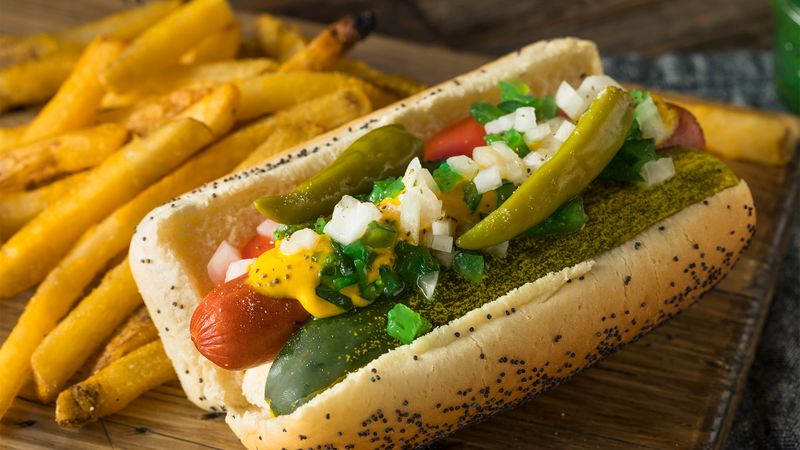
Mustard, relish, onion, tomato, pickle, peppers, and celery salt. Chicagoans call it dragged through the garden, and they’ll warn you never to add ketchup.
During the Great Depression, stands sold this loaded hot dog for a nickel. Struggling factory and stockyard workers got a full salad and meat in one bun.
It’s still a beloved lunch near ballparks and job sites. Pile on the toppings and grab plenty of napkins.
15. Pani Puri
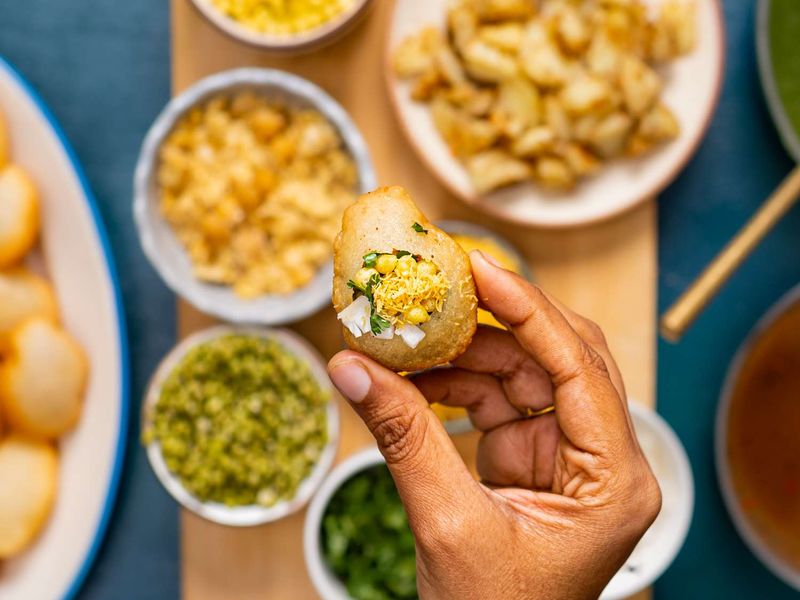
Pop, crunch, splash! Pani puri is a tiny explosion of flavor that Indian street vendors serve one at a time to hungry crowds after work.
Hollow crispy shells get filled with potato, chickpeas, and tangy spiced water. You eat each one in a single bite before the shell gets soggy.
Office workers often gather around carts in the evening for a quick, cheap snack. Ask for less spice if you’re new to it.
16. Gyro
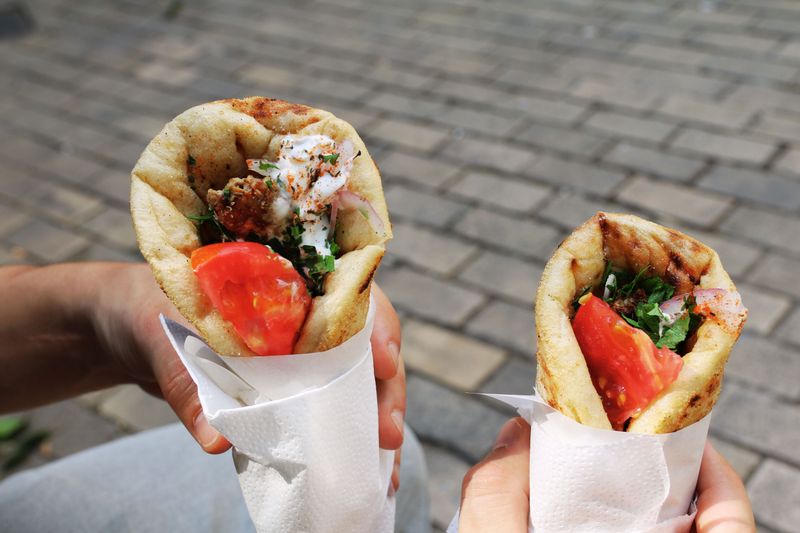
Walk any street in Athens at lunchtime and you’ll spot workers holding paper-wrapped gyros. The name means turn, after the rotating spit that cooks the meat.
Greek cooks adapted the idea from Turkish doner in the 1920s. Thin pork or chicken slices go into warm pita with tzatziki, tomatoes, onions, and sometimes fries.
It costs only a few euros in Greece. At home, a sheet-pan version works surprisingly well.
17. Takoyaki
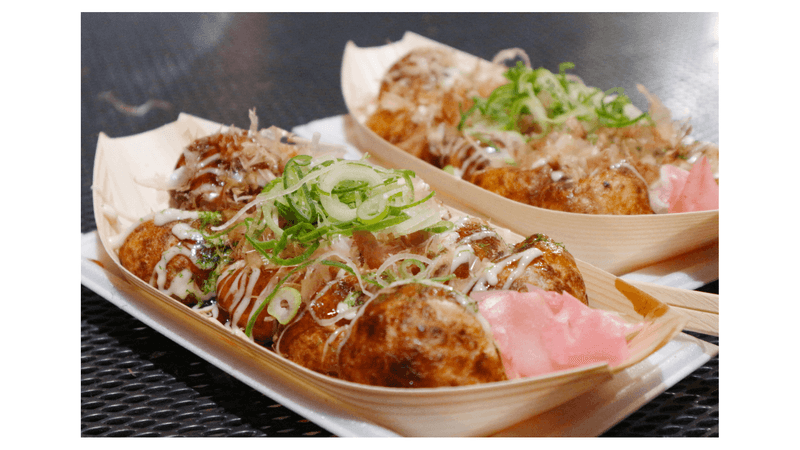
Osaka street vendor Tomekichi Endo invented takoyaki in 1935, giving the city’s busy workers a cheap, bite-sized treat.
Batter is poured into a special pan with round dips, then chunks of octopus go inside. Cooks flip each ball with quick picks until golden.
Topped with sauce, mayo, and dancing bonito flakes, they’re addictive. A word of caution from experience: the middle stays molten hot, so let them cool a little first.
18. Philly Cheesesteak
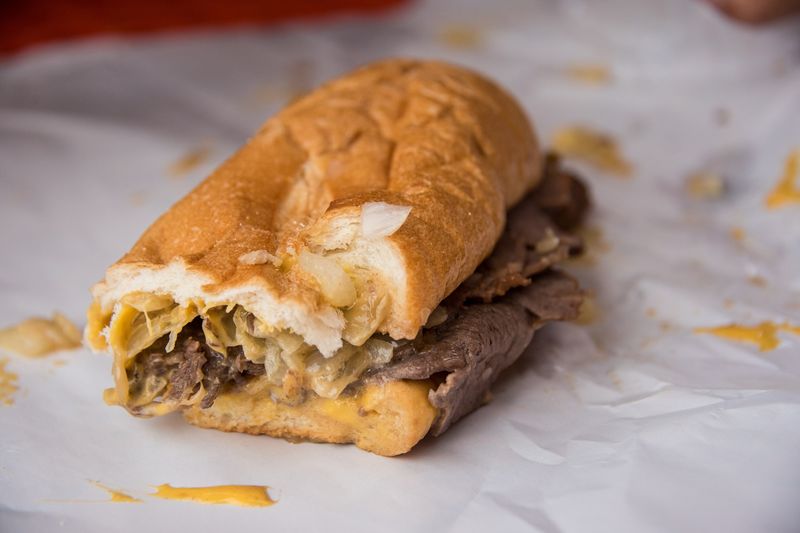
Back in 1930, hot dog vendor Pat Olivieri threw some chopped beef on his grill for his own lunch. A cab driver smelled it and begged for one.
Soon cabbies and dock workers lined up at his South Philadelphia stand. Cheese came later, and the legend grew.
Locals order fast with phrases like whiz wit, meaning Cheez Whiz with onions. Practice before you reach the window, because lines move quickly.
19. Samosa
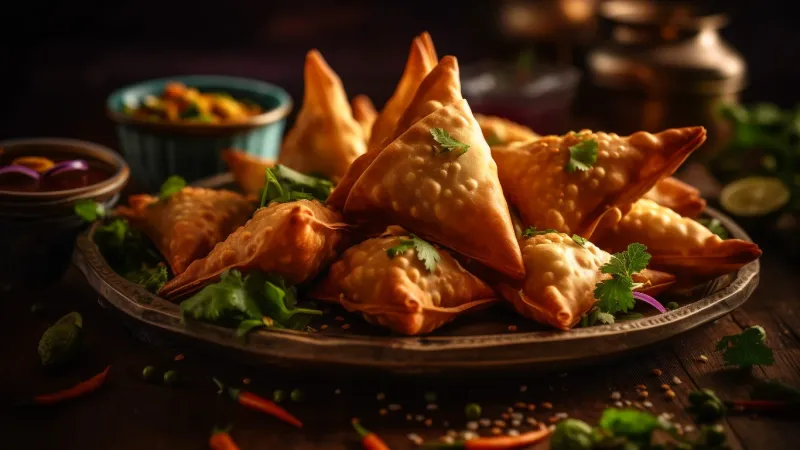
Traders traveling the ancient Silk Road needed food that survived long journeys. Samosas, small fried pastries packed with filling, fit the job perfectly.
Centuries later, they became a favorite at Indian train stations and tea stalls. Workers grab one with hot chai during short breaks.
Potatoes, peas, and spices make the classic filling, though meat versions are popular too. Try baking them instead of frying for a lighter homemade snack.