
A famous face can grab attention, but a beauty brand needs more than star power to last. From better shade choices to products made for curls, celebrity labels have changed what shoppers expect.
Some grew through social media, while others reached new customers through major stores. Behind their success are useful lessons about listening, building trust, and making products people want to buy again.
1. Fenty Beauty: Rihanna Makes Room for Everyone
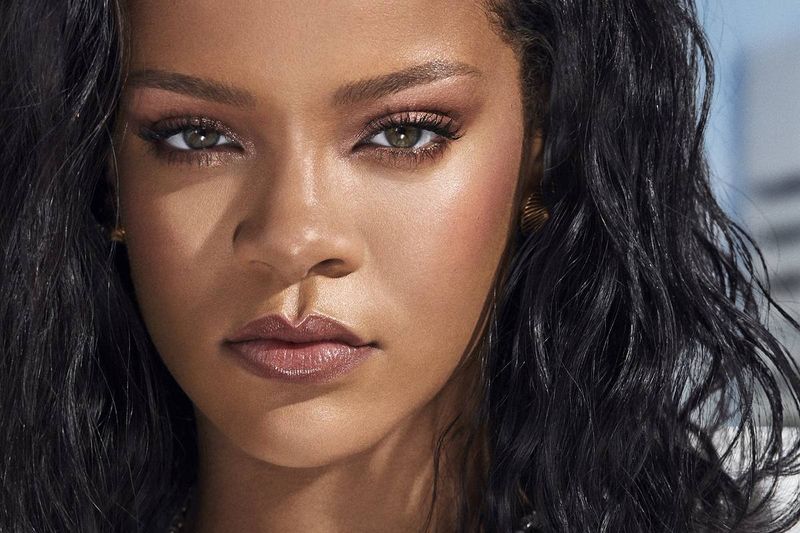
Finding foundation should not feel like searching for a rare treasure. Rihanna helped change that conversation when Fenty Beauty launched in 2017 with 40 foundation shades, putting more skin tones at the center of beauty.
Its partnership with LVMH helped carry that message into stores worldwide. For shoppers, the lesson is simple: match foundation to your undertone, not just its depth, and test it in daylight before committing to a full bottle whenever you can.
2. Anomaly Hair Care: Priyanka Chopra Jonas Keeps It Simple
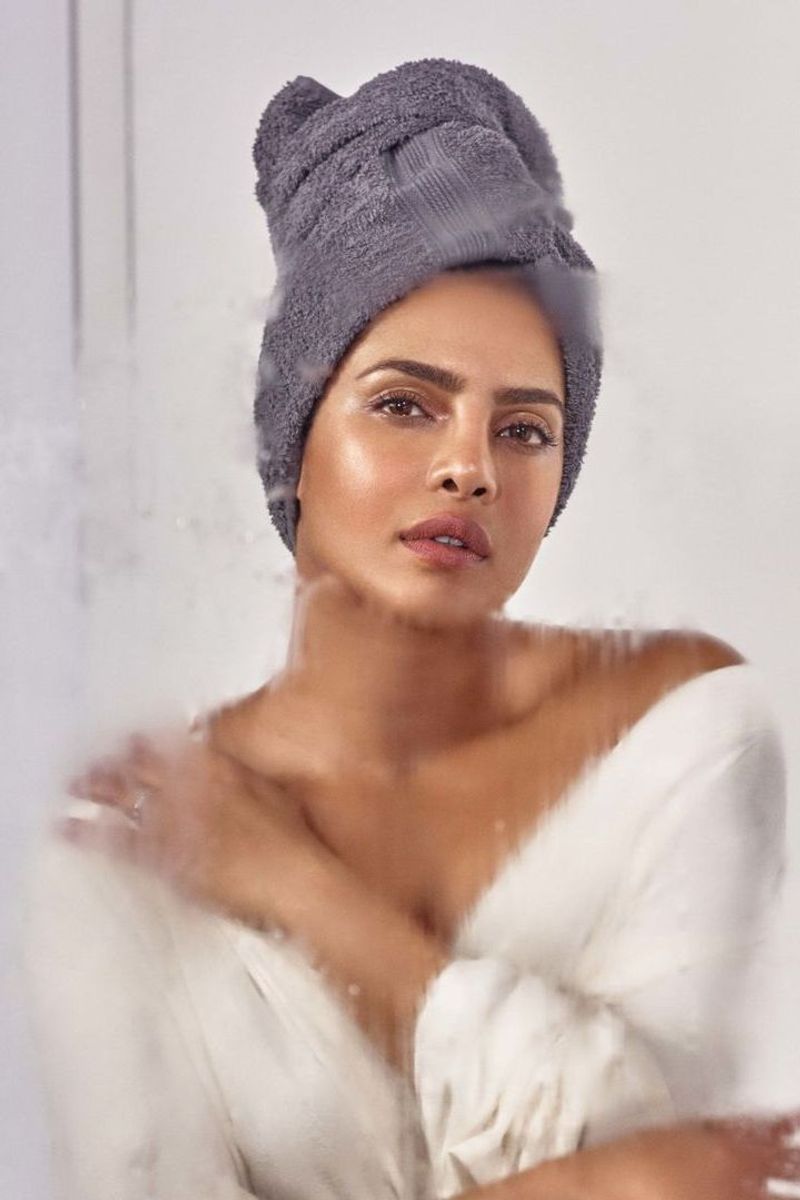
A good hair day does not always need a luxury price tag. Priyanka Chopra Jonas built Anomaly around affordable hair care, with straightforward products and packaging made using recycled materials.
Its appeal comes from making everyday basics feel considered rather than complicated. Choose shampoo for your scalp and conditioner for your lengths, instead of buying by celebrity name alone.
Recycling rules vary locally, so check whether your collection service accepts each empty bottle before disposal.
3. Kylie Cosmetics: Lip Kits Become Big Business
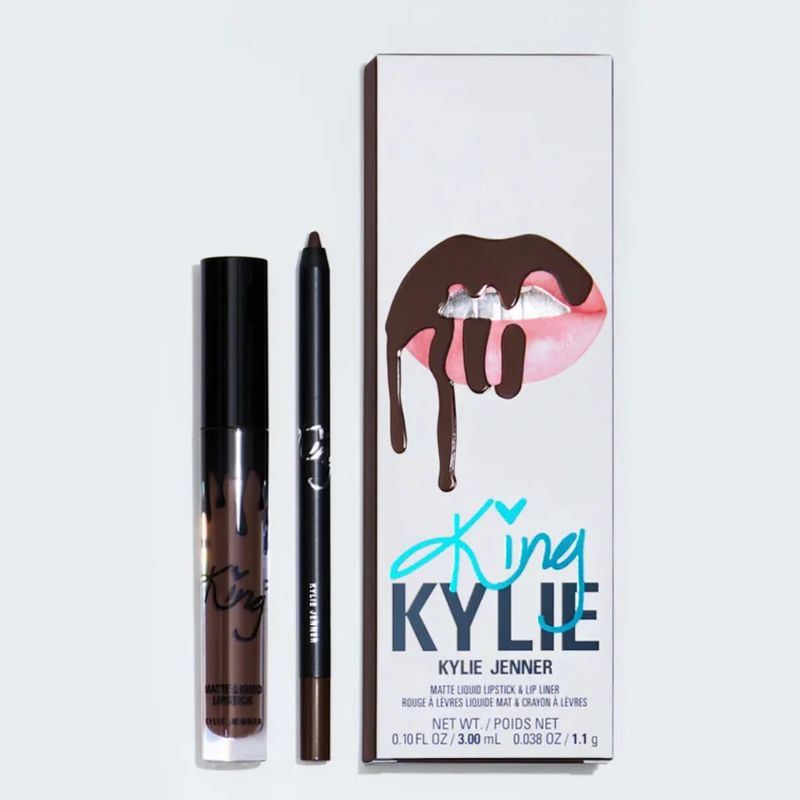
Few beauty launches captured social media attention quite like those first lip kits. Kylie Jenner introduced Kylie Cosmetics in 2015, turning her signature lip look into a product fans could recreate at home.
Coty later bought a majority stake, helping support a larger international business. The takeaway for makeup lovers is practical: matching liner and lipstick can simplify your routine, but compare texture, comfort, and wear time before paying extra for a famous name alone.
4. Rare Beauty: Selena Gomez Adds Purpose to Makeup
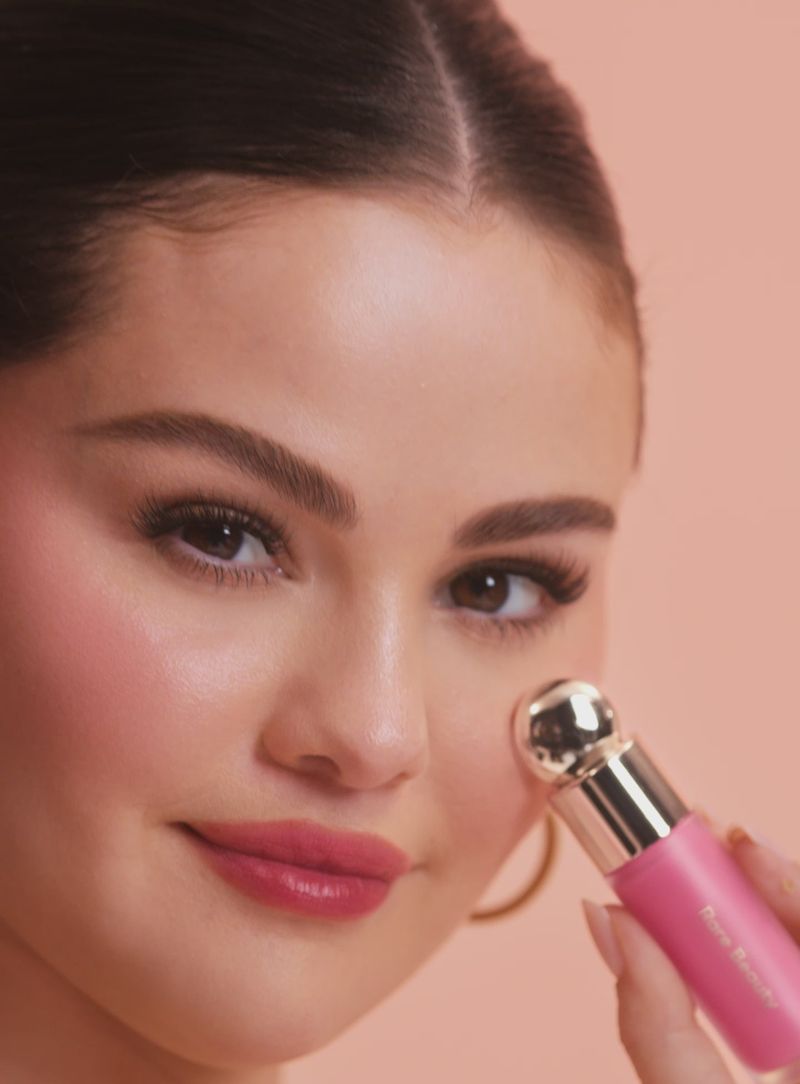
One tiny dot of blush can go a surprisingly long way. Selena Gomez’s Rare Beauty found devoted fans through products such as its liquid blush, while building a message around self acceptance rather than perfection.
The company directs one percent of sales toward its Rare Impact Fund, which supports mental health access. Start with less pigment than you think you need, blend carefully, and add more only after checking the result in good natural light.
5. r.e.m. beauty: Ariana Grande Brings Space Age Glamour
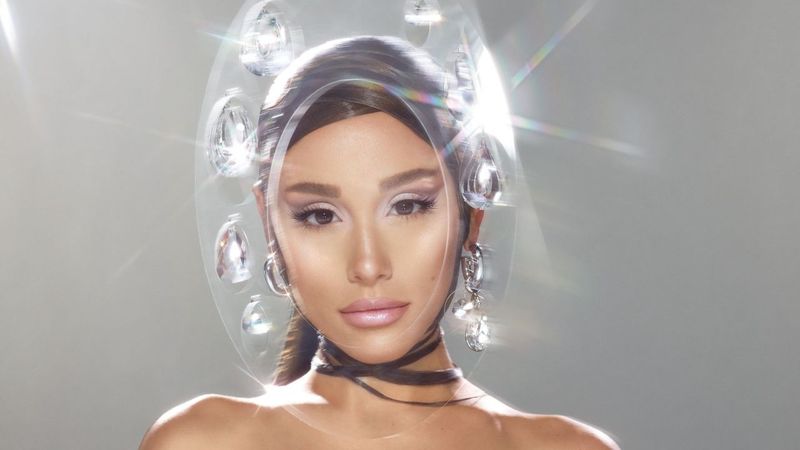
Silver packaging and dreamy colors give Ariana Grande’s makeup line a playful identity. Launched in 2021, r.e.m. beauty draws on her love of stage makeup, especially expressive eyes and a polished finish.
Retail partnerships helped move the brand beyond its online fan base. You can borrow its mood without copying a concert look: try one shimmering shadow or a neat wing, then keep the rest of your makeup simple enough for comfortable everyday wear too.
6. Rhode: Hailey Bieber Builds Around Everyday Favorites
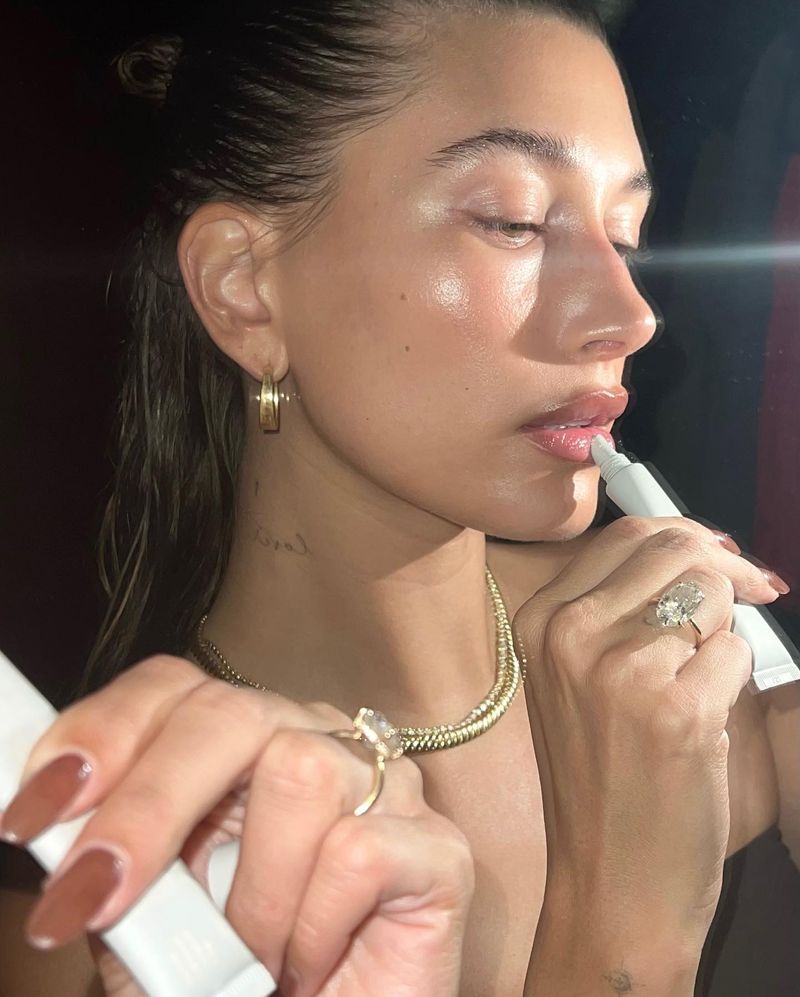
A small lineup can make a big impression. Hailey Bieber launched Rhode in 2022 with a focused skincare offering, then built excitement around lip treatments and other easy additions to a daily routine.
The brand became known for its glazed skin look and strong social media presence. Rather than chasing every launch, identify what your skin actually needs.
A moisturizer that suits you and regular sunscreen matter more than collecting an entire matching bathroom shelf.
7. Haus Labs: Lady Gaga Turns Performance Into Product
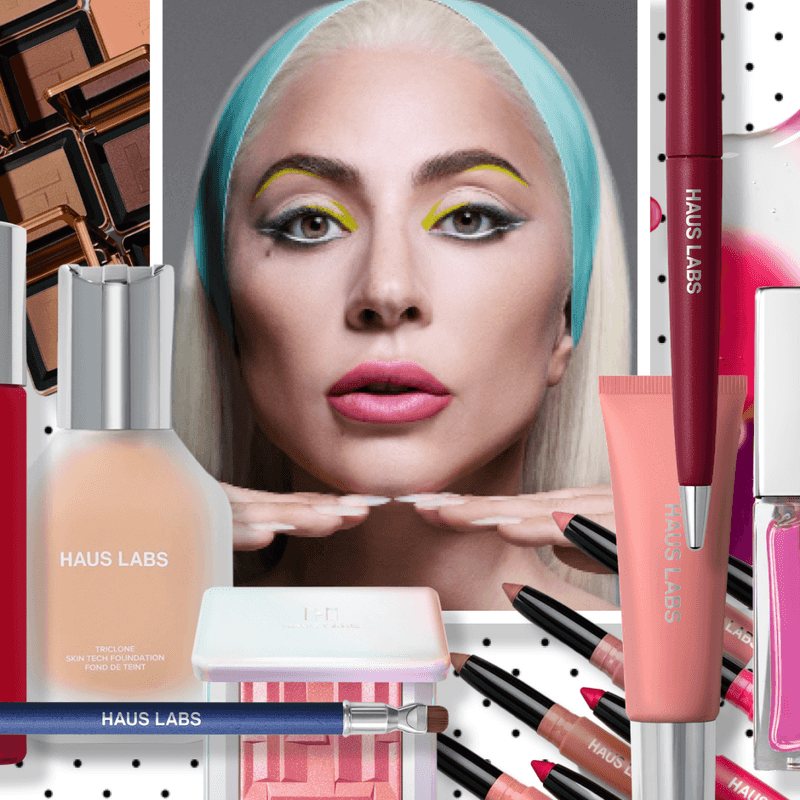
Bold self expression sits at the heart of Lady Gaga’s beauty business. Haus Labs first launched through Amazon in 2019, then returned with a revamped range and Sephora partnership in 2022.
That change helped connect its artistic image with products designed for everyday use, including foundation. When testing a complexion formula, let it settle before judging the shade.
Wear it for several hours if possible, since comfort and finish matter as much as first impressions.
8. Florence by Mills: Millie Bobby Brown Speaks to Beginners
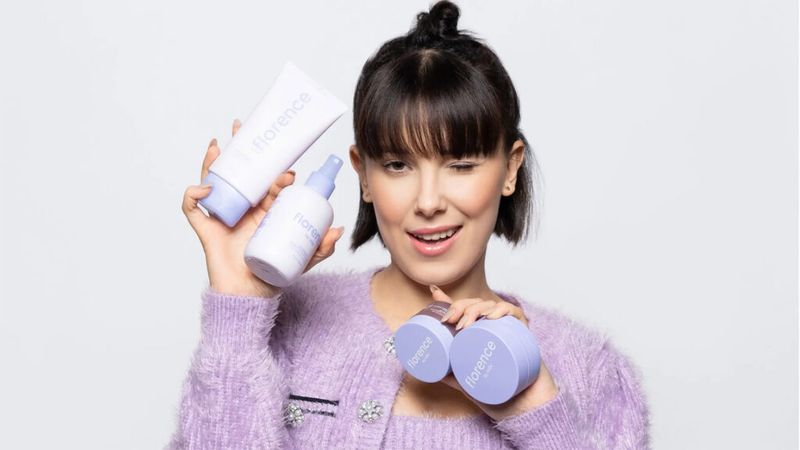
Lavender packaging makes this label easy to spot across a crowded shelf. Millie Bobby Brown introduced Florence by Mills in 2019, offering skincare and makeup with a friendly style aimed especially at younger shoppers.
Its approachable image helped turn her screen fame into a broader consumer brand. Beginners should still resist building a complicated routine.
Start with a mild cleanser, moisturizer, and sunscreen, then introduce optional products slowly so you can notice any skin irritation.
9. Flower Beauty: Drew Barrymore Opens the Budget Door
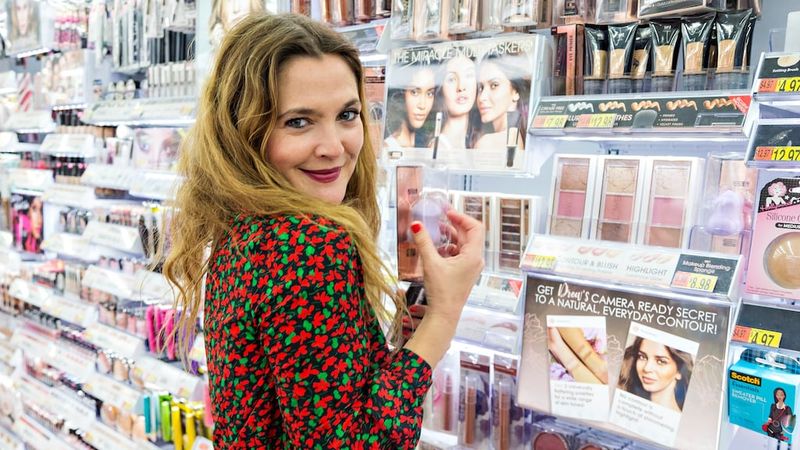
Drugstore makeup can feel special without costing a small fortune. Drew Barrymore launched Flower Beauty in 2013, bringing her cheerful public image to a range built around accessible prices and wearable color.
The label shows how celebrity beauty can compete outside luxury counters. For a sensible first purchase, choose something you already use often, such as blush or mascara.
A lower price only becomes good value when the shade and formula actually suit your routine.
10. Go-To Skincare: Zoë Foster Blake Cuts Through Confusion
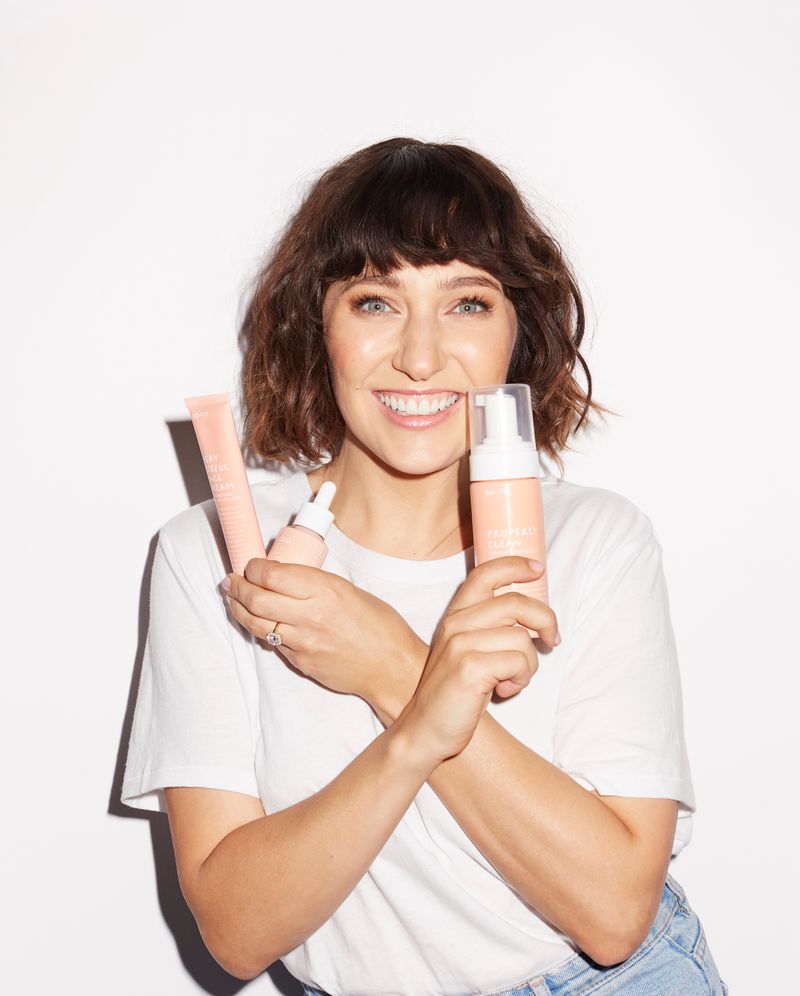
Beauty advice feels less intimidating when someone explains it plainly. Australian writer and former beauty editor Zoë Foster Blake launched Go-To Skincare in 2014, using clear language and a relaxed tone to reach customers.
Its peach packaging gives the brand a recognizable identity, but simplicity is the stronger selling point. Read directions before combining products, especially treatments.
A routine you understand and can follow regularly often serves you better than a crowded collection of bottles.
11. Alterna Haircare: Katie Holmes Adds Celebrity Influence
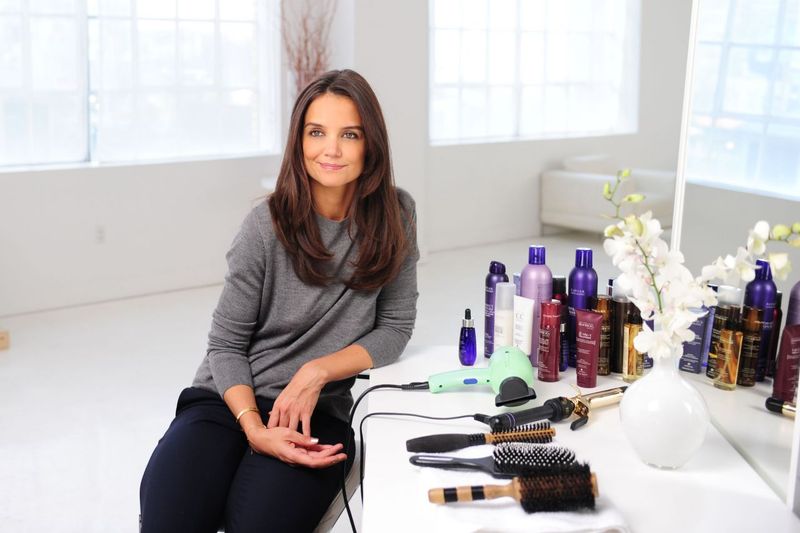
Not every celebrity beauty connection begins with founding a company. Katie Holmes joined established haircare brand Alterna as a co-owner and spokesperson in 2013, lending star power to a business that already had salon roots.
That distinction matters when comparing celebrity labels: ownership, investment, and endorsement are different roles. Alterna’s premium positioning also offers a shopping reminder.
Pick treatments for your hair’s condition and styling habits, rather than assuming a higher price guarantees better results.
12. Supergoop!: Maria Sharapova Backs Daily Sun Protection
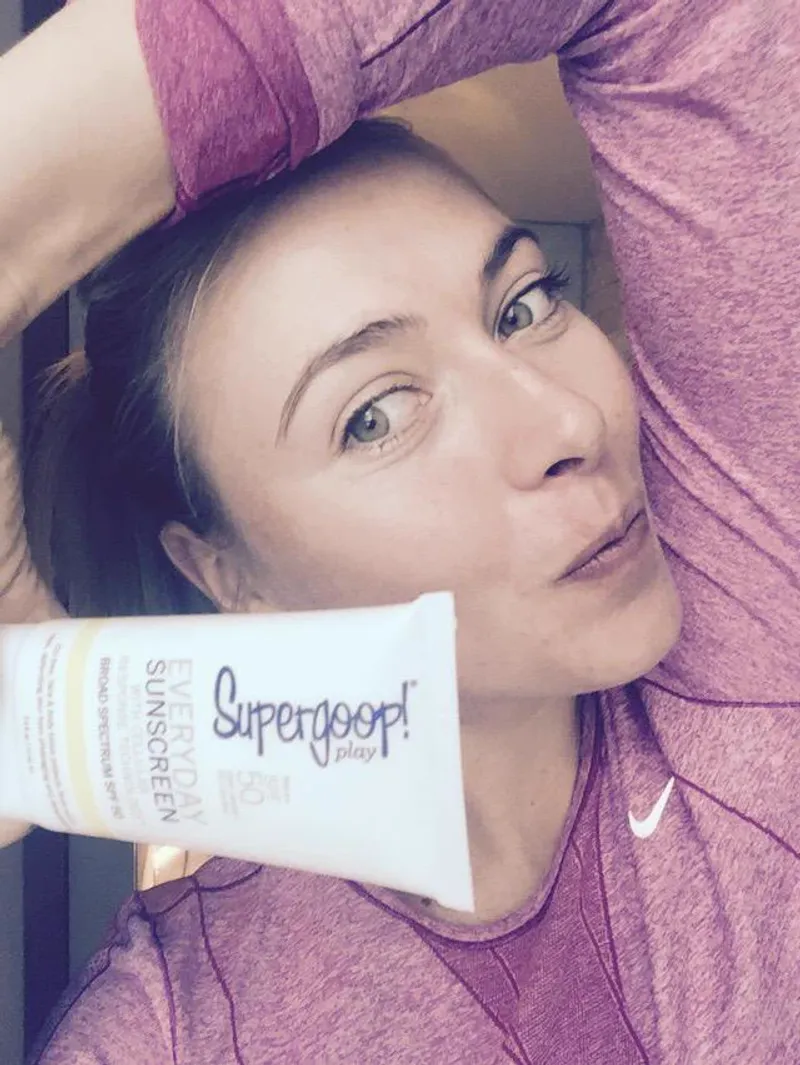
Sunscreen became the main event rather than an afterthought at Supergoop! Holly Thaggard founded the company, while tennis champion Maria Sharapova later joined as an investor and co-owner, bringing a natural connection to outdoor sport.
Its growth reflects demand for sun protection that feels pleasant enough to use daily. Choose broad spectrum SPF 30 or higher, apply generously, and follow reapplication directions.
Makeup containing sunscreen rarely replaces a proper layer during ordinary daily outdoor use.
13. Jeffree Star Cosmetics: Internet Fame Meets Fearless Color
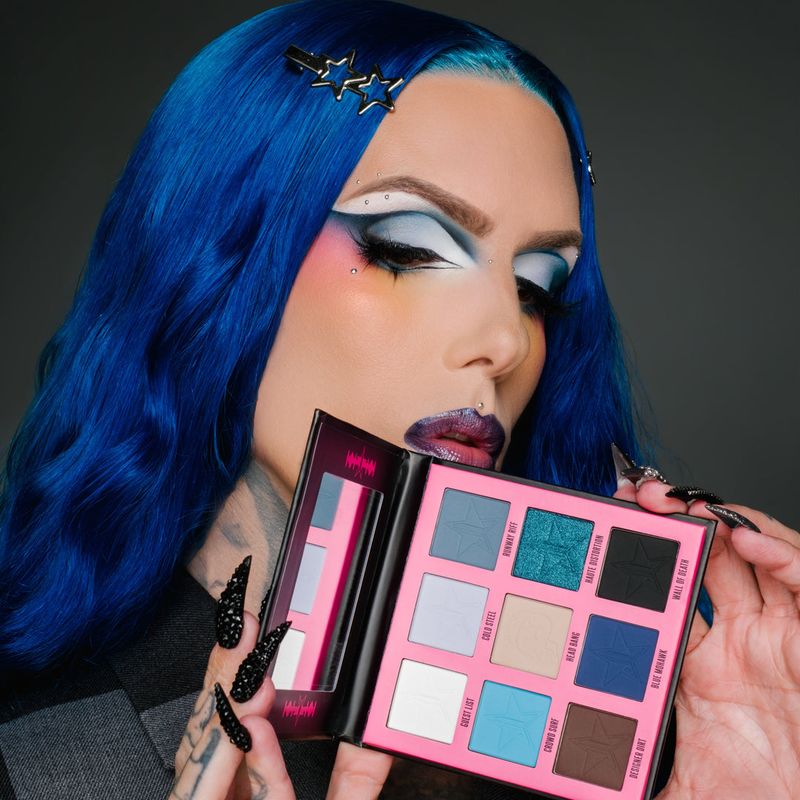
Bright pink packaging rarely whispers, and neither does this makeup line. Jeffree Star launched his cosmetics company in 2014, using an established online audience to introduce liquid lipsticks and later expand into palettes and other products.
The business illustrates how direct relationships with fans can fuel beauty sales. Adventurous shades are fun, but check whether a product is labeled for your intended use.
Some colorful pigments are not intended for application around the immediate eye.
14. KORA Organics: Miranda Kerr Takes an Australian Idea Abroad
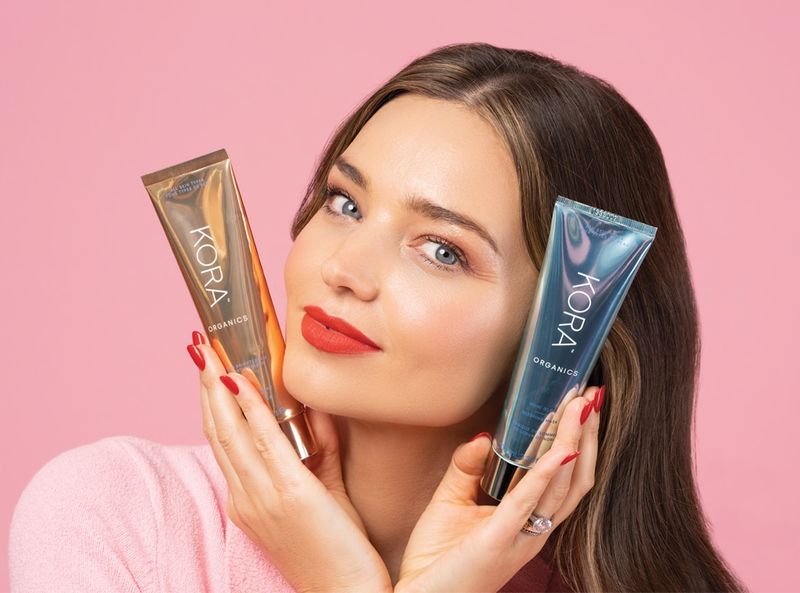
A model’s interest in skincare became a business with international reach. Miranda Kerr founded KORA Organics in Australia in 2009, building its identity around certified organic skincare and later expanding through overseas retail partners.
Its story shows the value of a clear product focus beyond the founder’s fame. Organic certification describes particular production standards, not a promise that everyone will tolerate a formula.
Patch test new products, especially if botanical ingredients have bothered you before.
15. JLo Beauty: Jennifer Lopez Bottles Her Glow
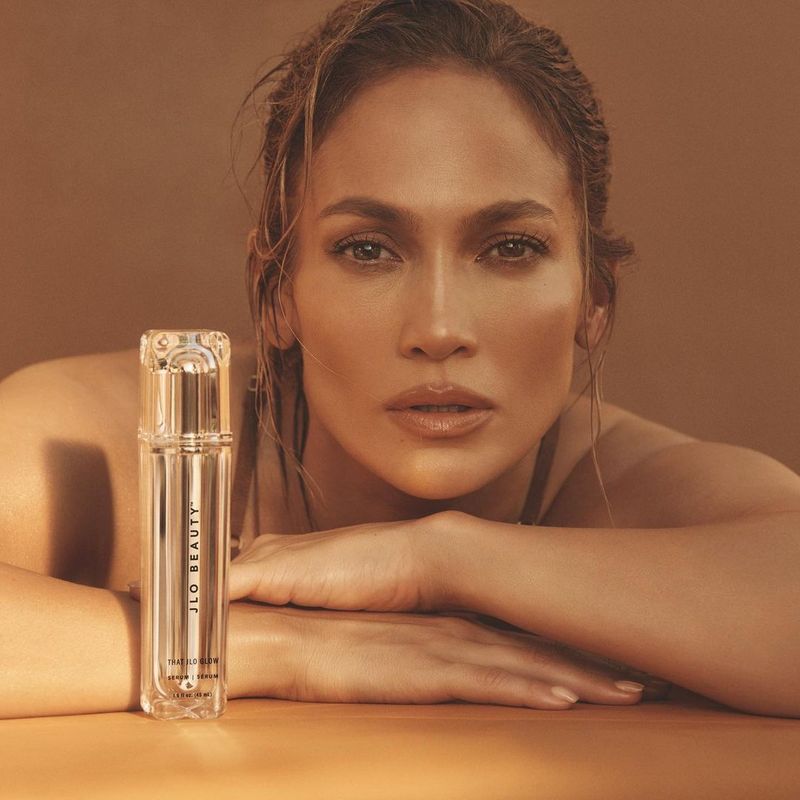
For years, fans asked Jennifer Lopez about her glowing skin. JLo Beauty turned that curiosity into a skincare range in 2021, pairing her polished image with products centered on hydration and radiance.
Retail partnerships and international shipping helped the label reach beyond its launch audience. Keep expectations realistic when shopping for a celebrity glow.
Lighting, makeup, genetics, and professional treatments can all shape appearances, while consistent skincare supports your own skin rather than someone else’s.
16. SKKN by Kim: Kim Kardashian Chooses a Minimal Look
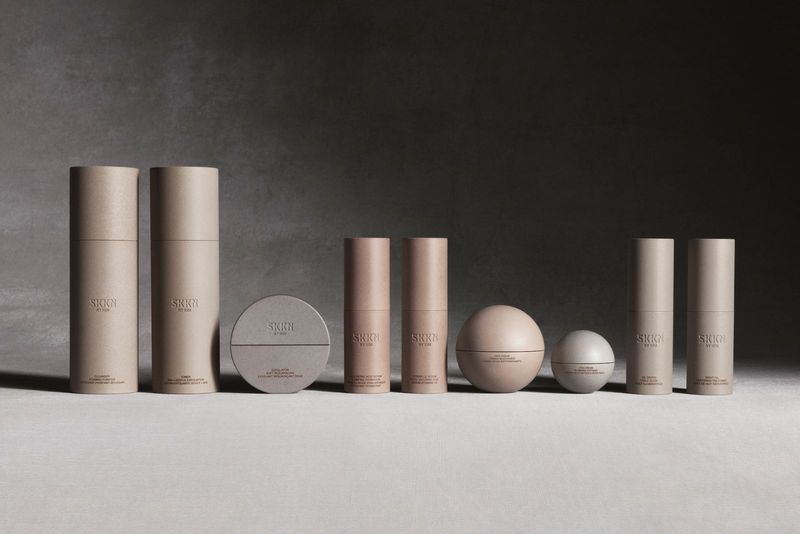
Stone colored packaging gave Kim Kardashian’s skincare venture a very different mood from her earlier makeup business. SKKN by Kim launched in 2022, following the success of KKW Beauty and its association with contouring.
The shift showed how a celebrity can reshape a beauty identity as tastes change. For shoppers, a coordinated set is optional, not essential.
Compare individual ingredients and costs, and remember that an effective routine does not require every step a brand sells.
17. Victoria Beckham Beauty: Fashion Polish Finds a New Home
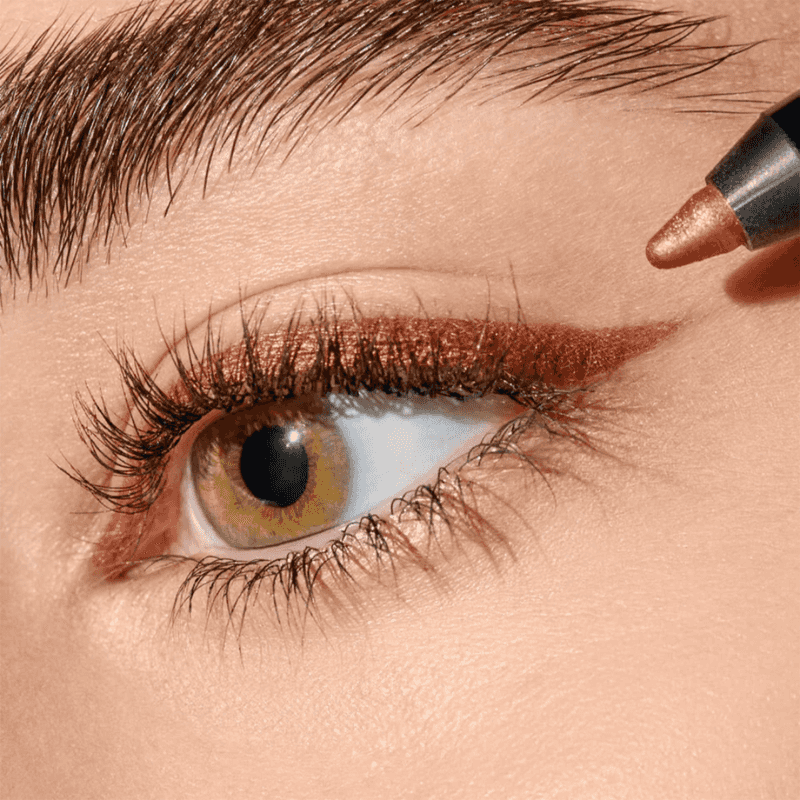
A smoky eye can be as recognizable as a designer dress. Victoria Beckham brought her fashion sensibility into beauty in 2019, founding the brand with beauty executive Sarah Creal and emphasizing a polished, edited collection.
Eye pencils and wearable shades helped connect the label with her established style. If luxury makeup interests you, begin with one versatile product instead of a full haul.
Consider how often you will use it before judging its overall value.
18. PATTERN Beauty: Tracee Ellis Ross Puts Texture First
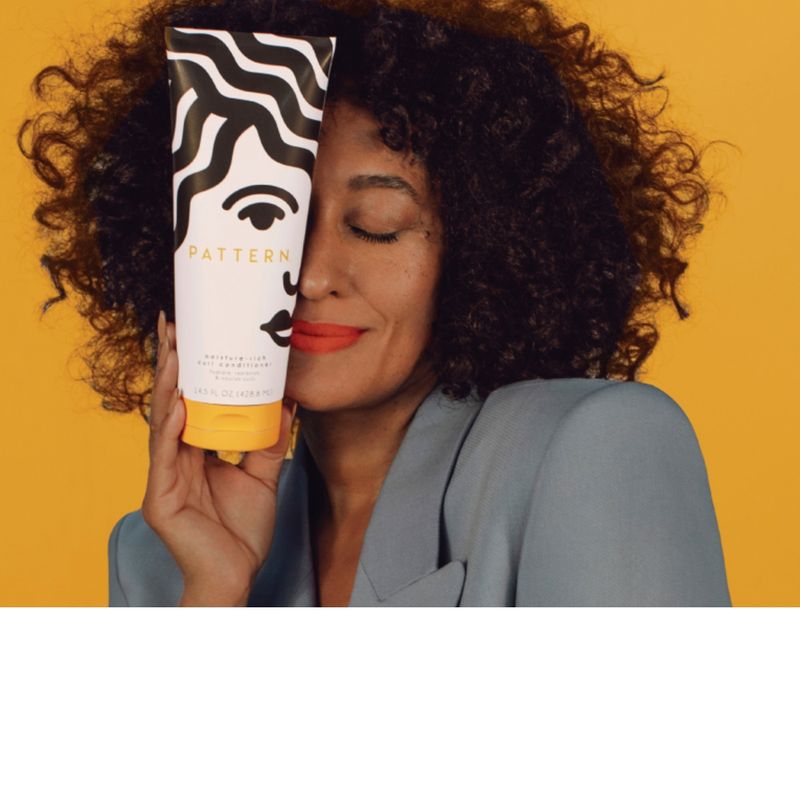
Curls and coils deserve products made with their needs in mind. Tracee Ellis Ross launched PATTERN Beauty in 2019, drawing on her own experience with textured hair and gaps she saw in the market.
Expansion through retailers such as Boots helped bring that focus to more shoppers. Choose conditioner based on your hair’s thickness, dryness, and response to products, not curl labels alone.
Detangling gently in sections can also reduce unnecessary pulling during wash day.
19. Goop: Gwyneth Paltrow Builds Beyond the Beauty Shelf
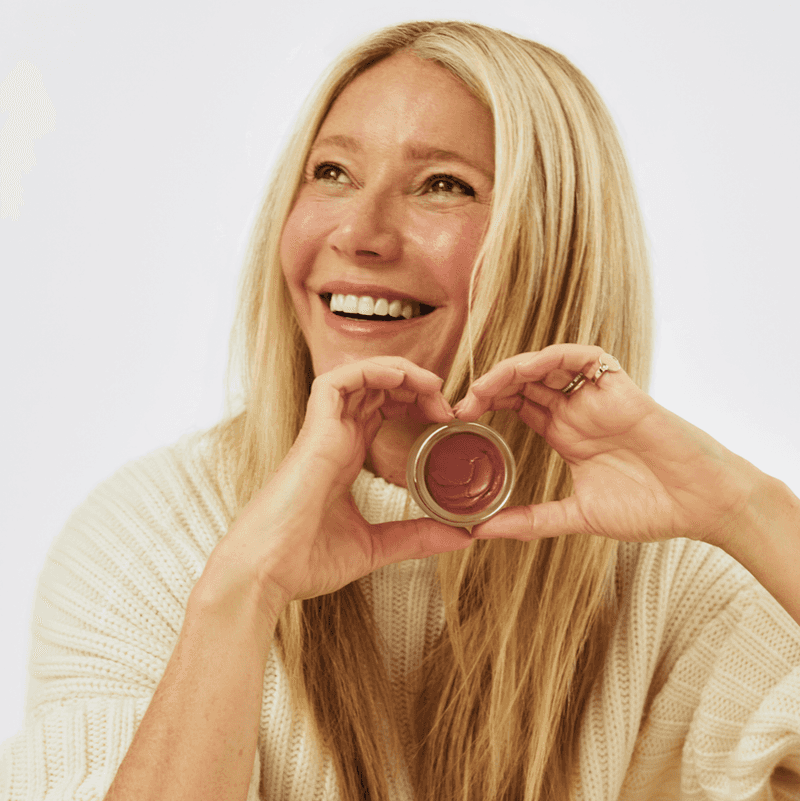
A newsletter can become much more than something in your inbox. Gwyneth Paltrow started Goop in 2008, growing it into a lifestyle business spanning content, shopping, wellness, and beauty products.
That broad approach lets customers encounter the brand through several different interests. It also calls for careful judgment: wellness marketing is not the same as medical evidence.
Enjoy beauty products for their intended purpose, and discuss health concerns with a qualified professional rather than relying on testimonials.
20. Honest Beauty: Jessica Alba Connects Makeup With Everyday Life
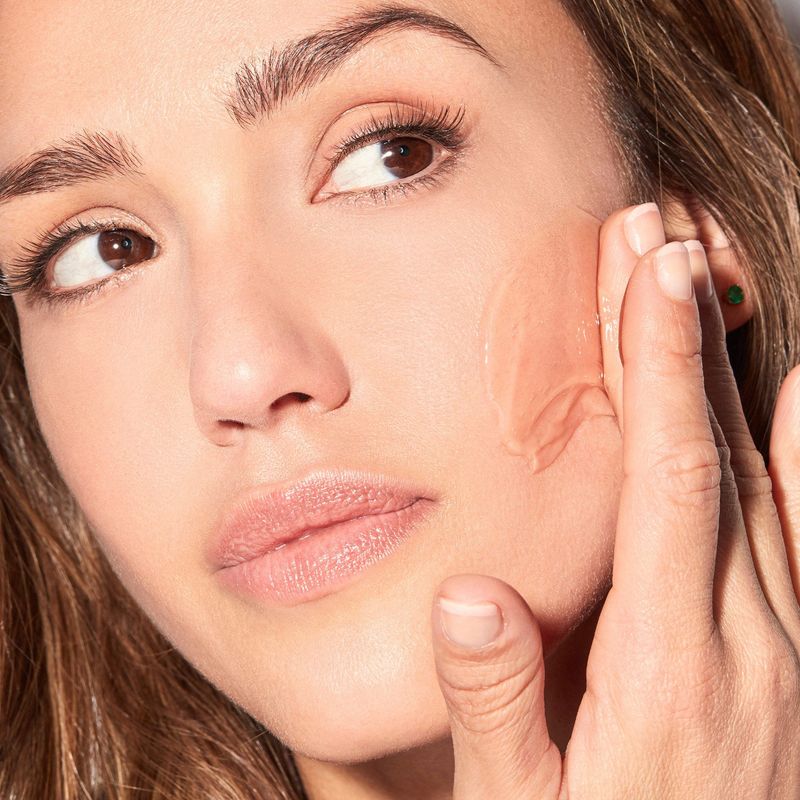
Busy mornings leave little room for a complicated beauty plan. Jessica Alba helped build The Honest Company before Honest Beauty arrived in 2015, extending its consumer brand into makeup and skincare.
The appeal blends everyday usefulness with a focus on ingredient choices and clear branding. Still, terms such as clean do not share one universal beauty standard.
Read the ingredient list, check your known sensitivities, and choose products that fit your budget and actual habits.