
Music stars can make headlines for much more than their songs. Some challenge social rules, while others face serious accusations or criminal convictions.
The stories below show how fame, personal choices, and public reactions can collide. They also explain why a shocking performance, an unproven claim, and a proven crime should never be treated as the same thing.
1. Madonna: Pop Music’s Rule Breaker
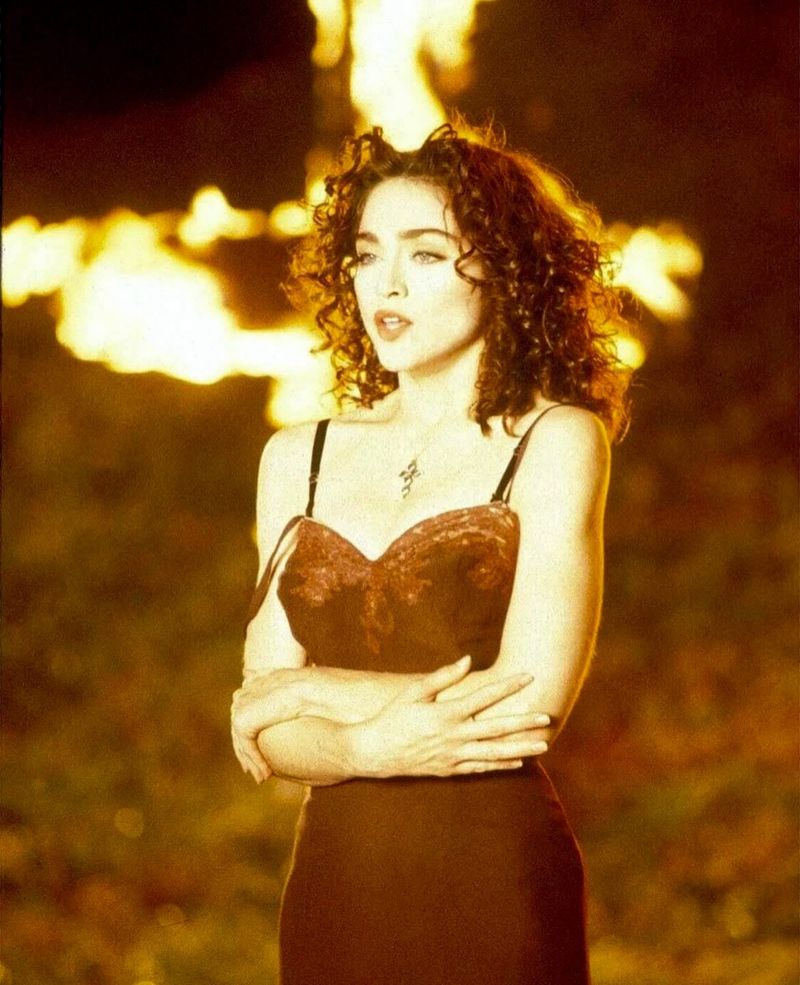
A music video became a national argument when her 1989 hit Like a Prayer mixed religious images with burning crosses. Pepsi dropped its advertising campaign featuring Madonna after protests, even though the commercial itself used different footage.
Her later stage shows and bold projects kept debates about religion, sexuality, and artistic freedom alive. For listeners, her career raises a lasting question: when does challenging social rules become offensive, and who gets to decide that boundary?
2. Eminem: Lyrics That Crossed Lines

Few rappers have made listeners argue so fiercely about the difference between storytelling and harmful speech. Violent lyrics about women and repeated slurs brought Eminem criticism from parents, campaigners, and fellow performers throughout his rise.
He defended much of his work as fiction and provocation, while later acknowledging that some language went too far. His story offers a useful listening habit: consider a song’s context without assuming artistic intent erases its impact on other people.
3. Ye: When Outbursts Became Lasting Fallout
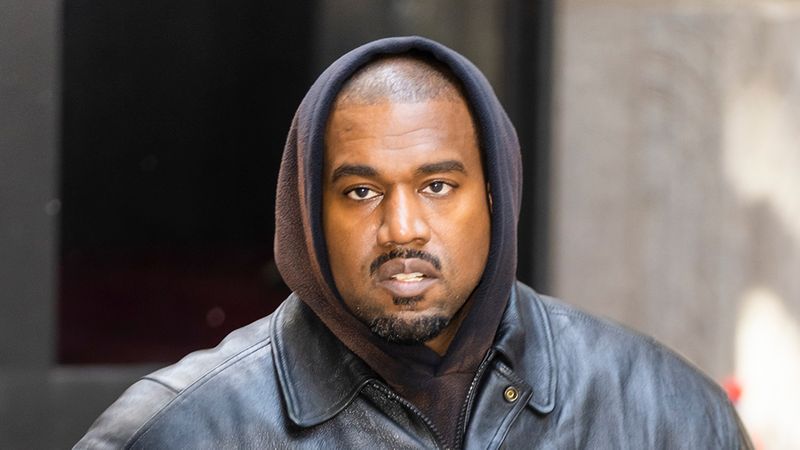
Grabbing the microphone during Taylor Swift’s 2009 MTV acceptance speech became an unforgettable example of celebrity disrespect. Yet the controversies surrounding Kanye West, now known as Ye, later grew far more serious than an awards show interruption.
His antisemitic statements in 2022 drew widespread condemnation and cost him major business partnerships, including Adidas. The contrast matters: rude behavior and hate speech carry different harms, and fame does not remove responsibility for either kind of public conduct.
4. Chris Brown: Violence Behind the Headlines
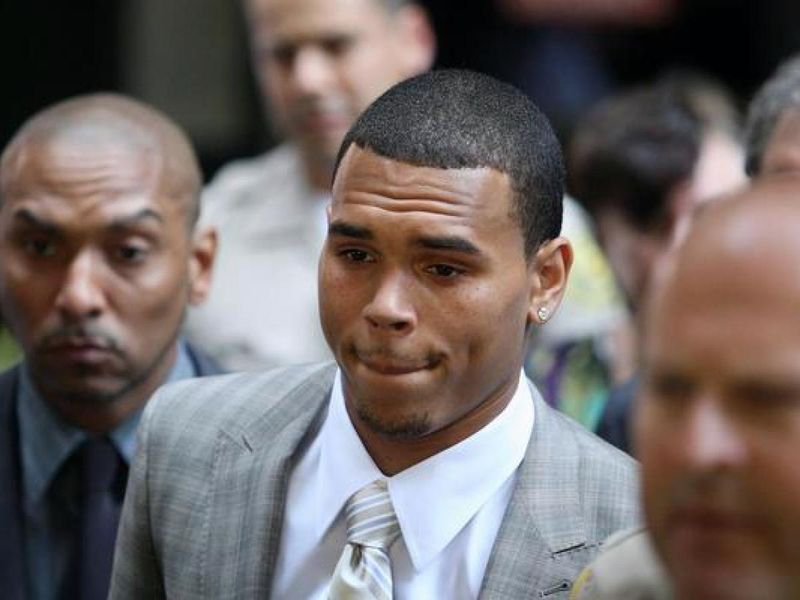
Behind the dance hits sits a documented case of serious violence. In 2009, Chris Brown pleaded guilty to felony assault against Rihanna, his girlfriend at the time, and received probation, community service, and domestic violence counseling.
Other accusations and legal disputes have followed, but each requires separate attention to evidence and outcomes. His career highlights why discussions about celebrity comebacks should not push survivors aside or confuse a confirmed conviction with an allegation awaiting resolution.
5. Miley Cyrus: Growing Up Under a Spotlight
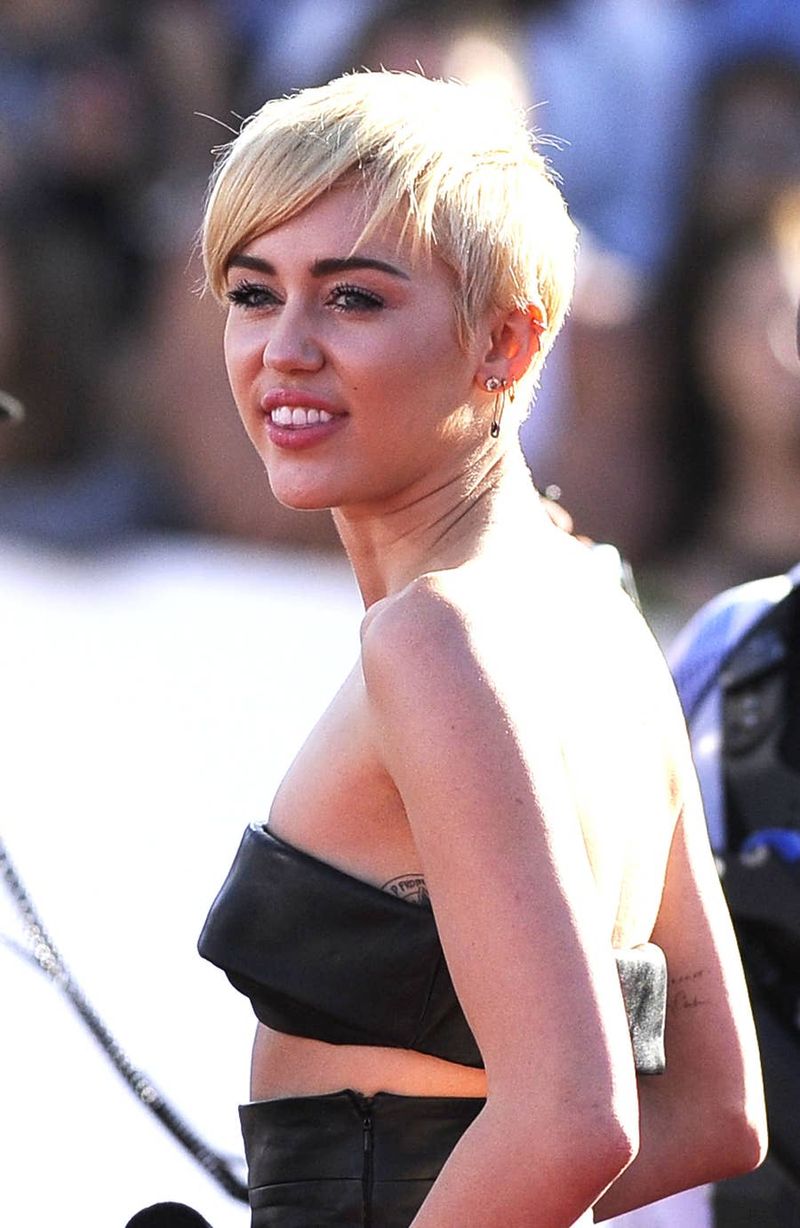
Leaving a Disney image behind was never going to happen quietly. Miley Cyrus’s performance with Robin Thicke at the 2013 MTV Video Music Awards drew intense criticism for its suggestive dancing and helped define her new public image.
The Wrecking Ball video added another wave of debate that year. Looking back, her transition also invites questions about unequal standards: young women often receive harsher judgment than male performers for similar choices about clothing, sexuality, and reinvention.
6. Lady Gaga: Shock Art and Difficult Choices
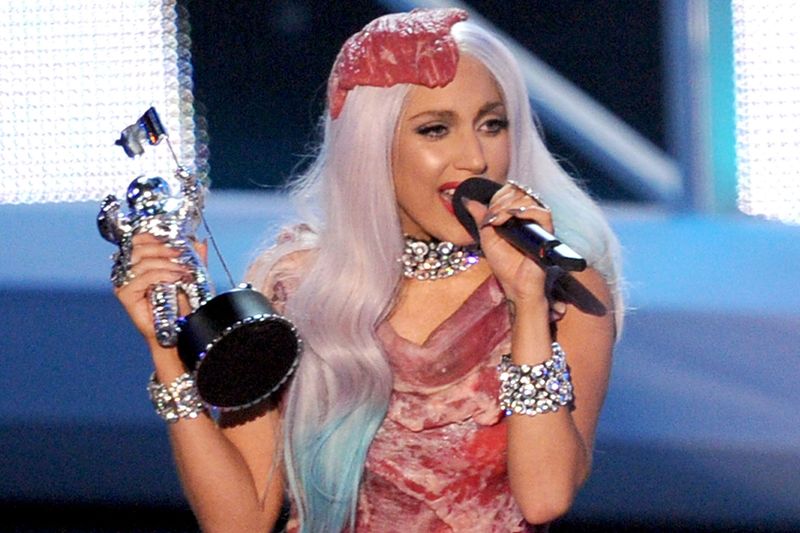
A dress made from meat guaranteed attention at the 2010 MTV Video Music Awards. Lady Gaga’s outfit upset animal rights advocates, while her religious imagery and theatrical performances sparked other arguments about taste and artistic expression.
A more serious controversy involved her collaboration with R. Kelly.
In 2019, she apologized and moved to remove their recording from streaming services. That response shows how artists can revisit past decisions, even when an apology cannot undo their impact.
7. Michael Jackson: An Acquittal and Unresolved Debate
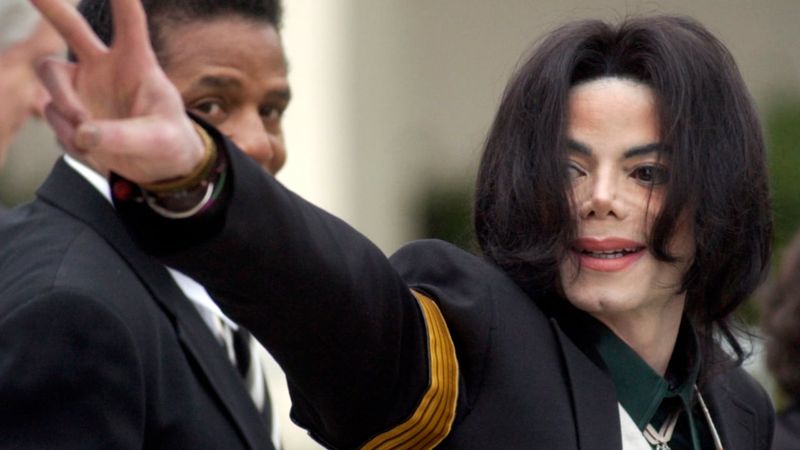
Extraordinary success did not shield the King of Pop from intense scrutiny. Michael Jackson faced child sexual abuse allegations in 1993 and reached a civil settlement in 1994, which was not an admission of guilt.
A separate criminal case ended with his acquittal on all charges in 2005. Jackson denied wrongdoing throughout his life.
Later allegations renewed public debate, making it essential to distinguish accusations, settlements, and trial verdicts rather than treating them as interchangeable facts.
8. Sinéad O’Connor: A Protest Reconsidered
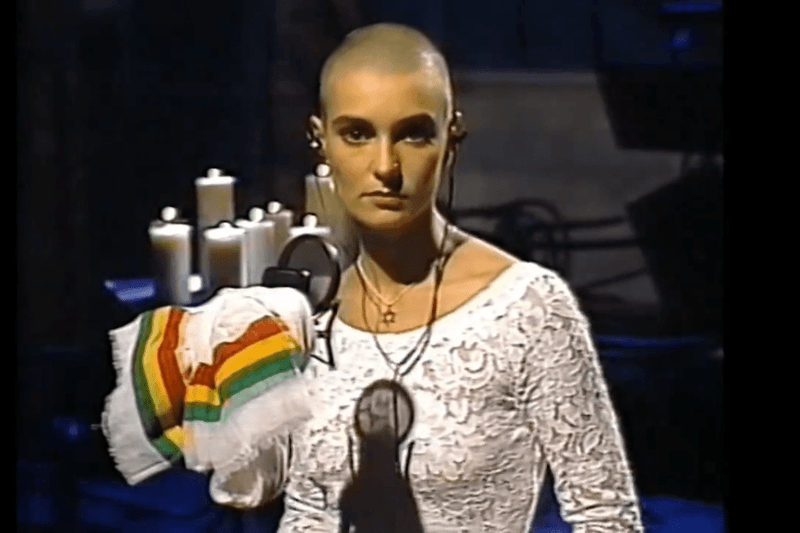
One torn photograph changed how many viewers saw an Irish singer. During Saturday Night Live in 1992, Sinéad O’Connor ripped up a picture of Pope John Paul II to protest child abuse within the Catholic Church.
The backlash was fierce, and her career suffered. As abuse scandals later received wider attention, many reconsidered her warning.
Her experience reminds readers that an unpopular protest can raise a genuine concern, even when its method shocks the original audience.
9. Cardi B: Online Backlash Meets Court Consequences
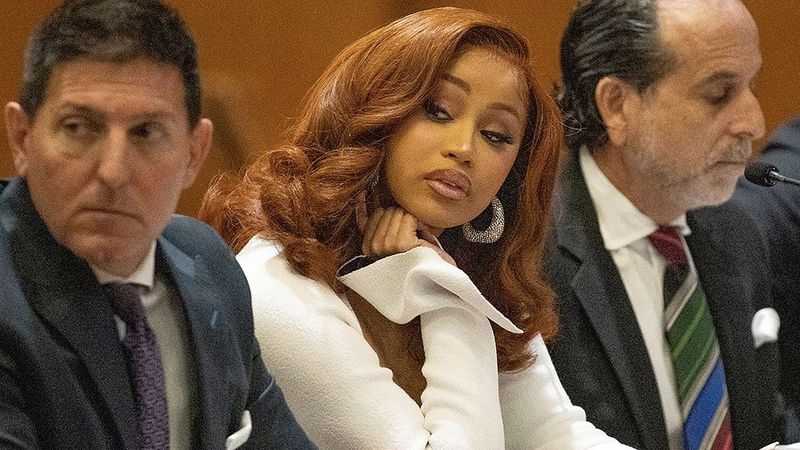
An old livestream returned to haunt the rapper in 2019. In the resurfaced clip, Cardi B said she had drugged and robbed men before becoming famous, prompting criticism and questions about accountability beyond her music.
Separately, she pleaded guilty to two misdemeanors in 2022 over a 2018 strip club incident and received community service. Her explicit songs have also sparked arguments, but those debates should remain separate from conduct involving real people and actual legal consequences.
10. R. Kelly: Convictions Beyond Celebrity Scandal
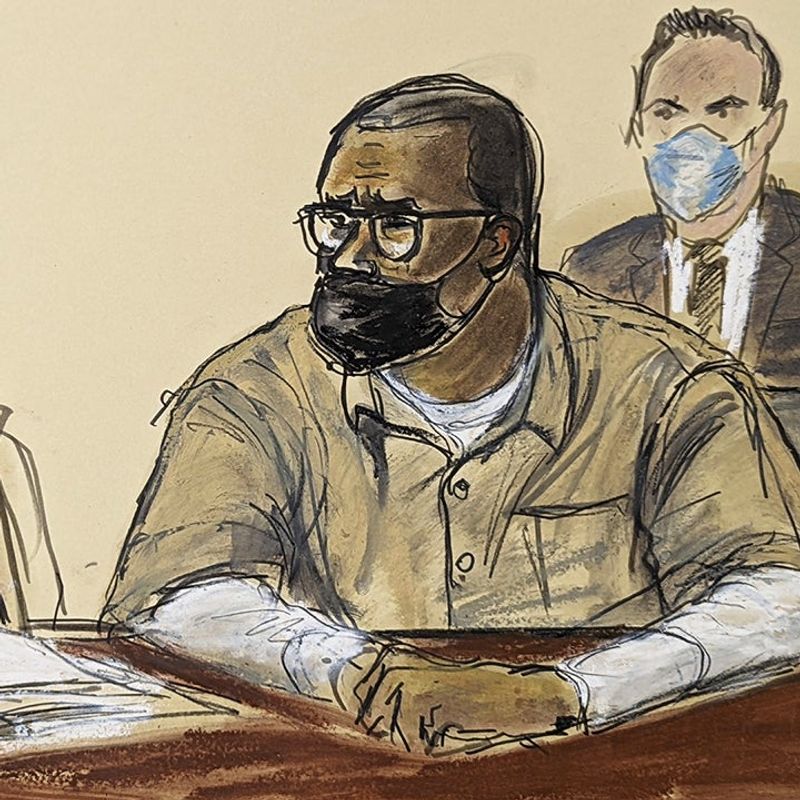
Calling this merely a scandal would miss the seriousness of the crimes. R.
Kelly was convicted in federal cases involving racketeering, sex trafficking, and child sexual abuse material, following years of allegations and public concern.
His sentences amount to 31 years in prison, with most of the second sentence running alongside the first. The cases shifted attention toward survivors and the people around powerful stars, raising hard questions about who ignored warning signs or enabled abuse.
11. Marilyn Manson: Allegations Behind the Stage Persona
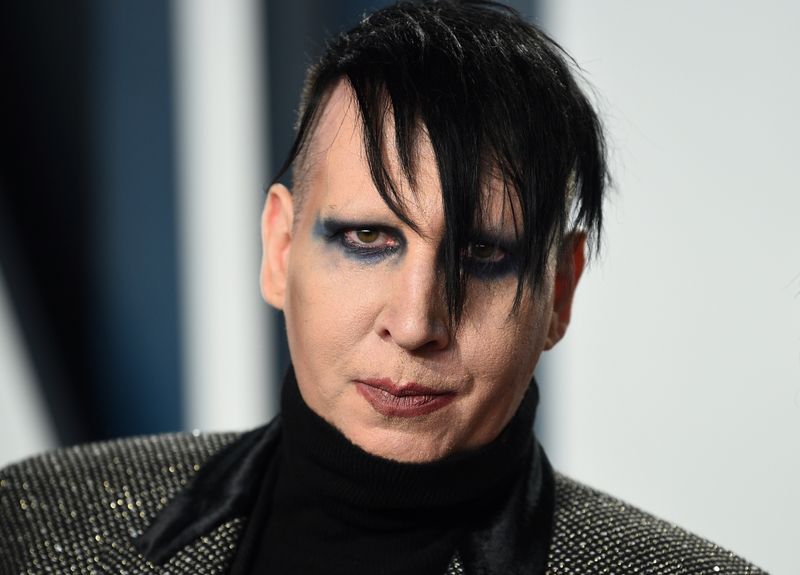
Shock rock built his image, but abuse allegations brought a different level of scrutiny. Several women, including Evan Rachel Wood and Esmé Bianco, accused Marilyn Manson of sexual assault or abuse; he has denied wrongdoing.
Legal disputes followed, and outcomes have varied across cases. Readers should check the status of each claim rather than assuming every lawsuit ended alike.
Provocative stage makeup is a performance choice; allegations involving harm require careful reporting, evidence, and clear legal distinctions.
12. Travis Scott: The Astroworld Safety Reckoning
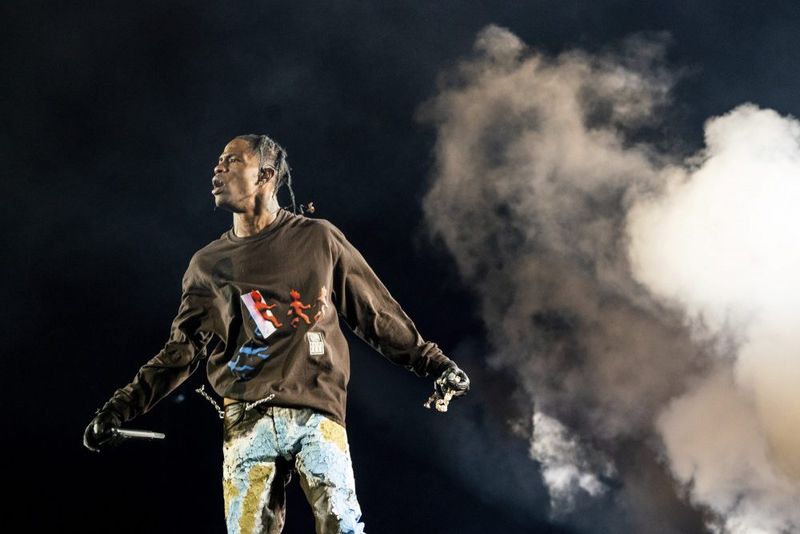
A festival meant for celebration ended in devastating loss. Ten people died following a crowd crush at Travis Scott’s Astroworld Festival in Houston in November 2021, triggering lawsuits and urgent questions about planning and emergency responses.
Scott said he had not understood the disaster’s severity while performing. A Texas grand jury declined to indict him in 2023.
The tragedy underscores practical concert safety: notice exits, watch crowd pressure, and seek help early when movement becomes dangerously restricted.
13. Elvis Presley: A Romance Under Fresh Scrutiny
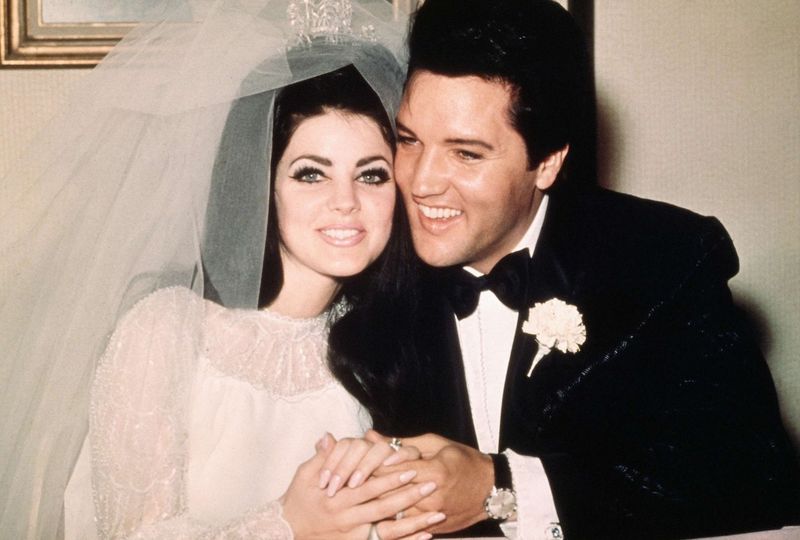
Behind the polished legend lies a relationship that troubles many modern readers. Elvis Presley met Priscilla Beaulieu in Germany in 1959, when she was 14 and he was 24, creating a striking age and power gap.
They married in 1967, when she was 21. Priscilla’s accounts describe his influence over her appearance and daily life.
Their story encourages a closer look at celebrity romance, especially when youth, unequal power, and control sit beneath the glamorous surface.
14. John Lennon: Words, Beliefs, and Contradictions
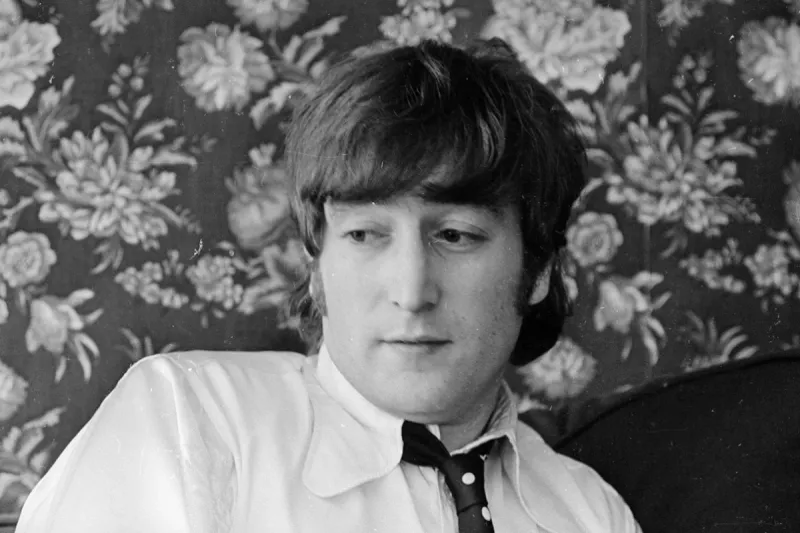
A remark about religion sparked record burnings and boycotts in 1966. John Lennon’s statement that the Beatles were more popular than Jesus angered many American listeners, although he explained that he was describing changing attitudes toward religion.
His peace activism later became central to his image, but his personal history complicates that legacy. Lennon acknowledged violence toward women, and Cynthia Lennon described abuse.
Admiring a musician’s message need not mean overlooking behavior that contradicts its central values.
15. Britney Spears: From Tabloid Target to Autonomy Debate
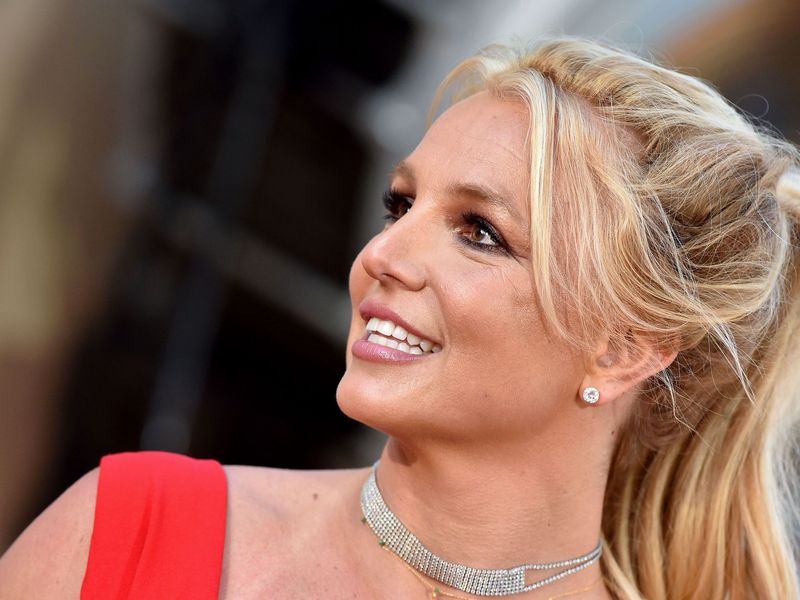
Tabloid attention turned personal distress into public entertainment during Britney Spears’s struggles in 2007 and 2008. Images of her shaving her head and confronting paparazzi spread widely, often without much concern for her privacy or wellbeing.
A conservatorship controlled major parts of her life from 2008 until 2021. Her objections and the Free Britney movement helped bring scrutiny to that arrangement.
Unlike deliberate shock performances, this controversy centered on autonomy, media treatment, and the limits of protection.